

Discover the flavors of traditional Chagga food and local drink in Tanzania. Explore cultural recipes, culinary experiences, and authentic dining for international tourists seeking unforgettable tastes.
1: Introduction to Traditional Chagga Food and Local Drink
Discovering the Culinary Heritage of the Chagga People
https://nativesonexpeditions.com/
The Chagga people, residing primarily on the fertile slopes of Mount Kilimanjaro in northern Tanzania, boast a rich culinary heritage that reflects their agricultural traditions, cultural values, and environmental adaptations. International tourists exploring the region are often captivated by the diversity and flavor of traditional Chagga food and local drink, which includes hearty meals, fermented beverages, and unique delicacies passed down through generations.
Chagga cuisine is shaped by the highland climate, fertile volcanic soil, and locally grown ingredients such as bananas, millet, maize, beans, coffee, and honey. Staple dishes often combine grains, vegetables, and meats to create balanced, flavorful meals that satisfy both nutrition and taste. According to the Tanzania Tourism Board (https://www.tanzaniatourism.go.tz), culinary tourism plays an increasingly important role in attracting international visitors, offering authentic experiences beyond scenic landscapes and wildlife encounters.
International travelers seeking to explore traditional Chagga food and local drink can participate in cultural food tours, home-stay cooking experiences, and visits to local markets. These immersive experiences offer insights into the preparation, historical significance, and cultural context of Chagga cuisine, allowing tourists to appreciate both the flavors and the stories behind each dish.
Core Ingredients and Culinary Philosophy
The heart of Chagga cooking lies in locally sourced, natural ingredients. Bananas, particularly plantains, are a dietary cornerstone, forming the base for many staple dishes. Maize is another essential ingredient, often used in porridge or steamed dishes. Beans and leafy vegetables are incorporated to enhance flavor and nutritional content, while honey and coffee provide unique taste profiles reflective of the region’s agricultural heritage.
Traditional Chagga food and local drink emphasizes seasonality and sustainability. Families rely on small-scale farming, and meals are often prepared with fresh, unprocessed ingredients. This approach not only sustains local agriculture but also ensures that visitors enjoy authentic, flavorful, and healthy cuisine. For international tourists, understanding these core ingredients adds depth to the dining experience, connecting each meal to the land and culture of the Chagga people.
Traditional Beverages and Local Drinks
Beverages play an important role in Chagga culture. Locally brewed drinks include banana beer, fermented millet beer, and honey-based beverages. These drinks are often consumed during cultural ceremonies, festivals, and family gatherings, symbolizing hospitality and communal bonding.
International tourists can sample traditional Chagga food and local drink through organized culinary tours or local village experiences. Tasting sessions often include explanations of preparation methods, fermentation processes, and the cultural significance of each beverage. Sustainable tourism initiatives ensure that these drinks are produced responsibly, preserving both local traditions and natural resources (https://www.unwto.org).
The Role of Culinary Heritage in Chagga Culture
Food is deeply intertwined with the social and cultural fabric of the Chagga community. Meals are not merely sustenance but an expression of identity, hospitality, and tradition. Recipes are often passed down orally, preserving ancestral knowledge and culinary wisdom. Participating in Chagga meals allows international tourists to engage with these traditions firsthand, fostering cultural understanding and appreciation.
Visitors exploring traditional Chagga food and local drink often leave with more than just culinary memories; they gain insight into the values, rituals, and history of a vibrant Tanzanian community. Cooking and dining together offer an intimate glimpse into local life, connecting tourists to the Chagga way of life in a meaningful and unforgettable manner.
In summary, the Chagga people offer a rich culinary tradition that combines locally sourced ingredients, traditional cooking methods, and unique beverages. International tourists exploring traditional Chagga food and local drink can enjoy authentic meals, participate in cultural experiences, and gain a deeper understanding of the Chagga heritage. Culinary tourism in the Kilimanjaro region provides a gateway to experience Tanzania beyond the landscape, allowing travelers to taste, learn, and connect with the local culture in profound ways.
2: Popular Chagga Dishes You Must Try
Ugali, Matoke, and Other Staple Dishes
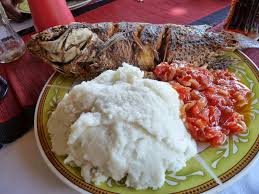
One of the cornerstones of traditional Chagga food and local drink is the variety of staple dishes that reflect the region’s agricultural abundance. Ugali, a thick maize porridge, is a daily staple and often served alongside vegetable stews, beans, or meat dishes. Its simplicity is balanced by rich, flavorful accompaniments, making it a satisfying and nutritious meal for both locals and tourists.
Another iconic dish is Matoke, made from steamed green bananas (plantains) that are mashed and sometimes cooked with coconut milk, butter, or sautéed onions. Matoke showcases the versatility of locally grown bananas, which form the backbone of Chagga cuisine. International tourists exploring traditional Chagga food and local drink often marvel at the unique textures and flavors of these staple dishes, which are both wholesome and culturally significant (https://www.tanzaniatourism.go.tz).
Other staple dishes include Mchicha, a spinach-based stew, and Wali wa Nazi, rice cooked with coconut milk. Each dish is prepared with fresh, seasonal ingredients, reflecting the Chagga philosophy of sustainable and locally sourced cooking.
Meat and Protein-Based Dishes
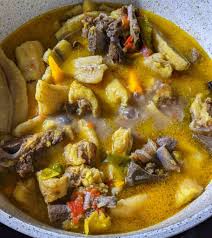
While vegetables and grains form the foundation of Chagga cuisine, protein-rich dishes are also central to the culinary experience. Goat meat, beef, chicken, and fish are prepared using traditional methods such as slow roasting or stewing with local herbs and spices.
One famous dish is Nyama Choma, a grilled meat delicacy often served during social gatherings and celebrations. Tourists can enjoy traditional Chagga food and local drink through guided culinary experiences, where local chefs demonstrate preparation techniques, seasoning, and serving traditions. This immersive approach allows international visitors to appreciate the cultural significance and flavors of Chagga meat dishes while supporting local culinary artisans (https://www.unwto.org).
Side Dishes and Vegetable Delicacies
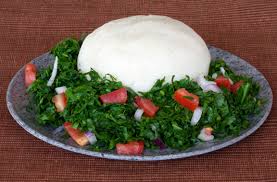
Chagga cuisine is known for its vibrant vegetable dishes, often served as sides to staple foods or protein-based meals. Popular choices include sukuma wiki (stir-fried collard greens), pumpkin leaves stewed with groundnuts, and maize and bean stews. These dishes are rich in nutrients and often cooked with minimal oil, preserving the natural taste and texture of the ingredients.
International tourists exploring traditional Chagga food and local drink are encouraged to try these vegetable delicacies, as they highlight the balance between taste, health, and cultural authenticity. Many culinary tours include hands-on cooking sessions, allowing visitors to learn traditional methods and recipes firsthand.
Traditional Snacks and Street Foods
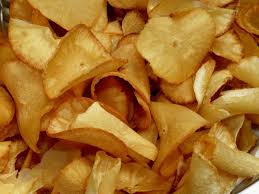
For those seeking lighter options, Chagga cuisine also offers a variety of snacks and street foods that provide a quick taste of local flavor. Examples include cassava chips, roasted maize, and fried plantains. These snacks are often enjoyed with freshly brewed coffee or local drinks, creating a flavorful and authentic experience for visitors.
Sampling these traditional Chagga food and local drink items gives tourists a glimpse into everyday Chagga life and highlights the community’s resourcefulness in creating satisfying, affordable, and culturally significant foods. Local markets and village food stalls provide the ideal setting for these culinary adventures, allowing travelers to engage with locals directly while enjoying authentic flavors (https://www.worldbank.org).
In conclusion, Chagga cuisine offers a diverse range of dishes that appeal to international tourists seeking authentic culinary experiences. From staples like Ugali and Matoke to protein-based meals, vegetable sides, and traditional snacks, the variety and flavor of traditional Chagga food and local drink reflect the region’s rich cultural heritage. By tasting these dishes, tourists not only enjoy unforgettable meals but also connect with the agricultural traditions, community practices, and history of the Chagga people.
3: Traditional Chagga Drinks – Coffee, Banana Beer, and Fermented Beverages
Kilimanjaro Coffee – The Pride of the Chagga People
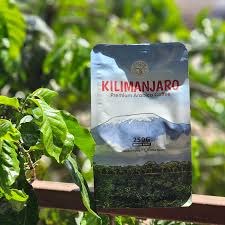
Among the most celebrated aspects of traditional Chagga food and local drink is Kilimanjaro coffee. Grown on the fertile volcanic slopes of Mount Kilimanjaro, this coffee is renowned worldwide for its aromatic flavor, smooth texture, and rich aroma. Coffee is not just a crop; it is deeply embedded in the Chagga culture, economy, and social life.
International tourists visiting the Kilimanjaro region can experience coffee cultivation through guided farm tours. These tours often include demonstrations of traditional methods of picking, roasting, and brewing coffee. Sampling freshly brewed coffee allows visitors to appreciate the labor, history, and tradition behind one of the most important Chagga drinks. Kilimanjaro coffee is also a sustainable choice, as local farmers increasingly use eco-friendly practices that preserve soil fertility and water sources (https://www.tanzaniatourism.go.tz).
For many tourists, experiencing traditional Chagga food and local drink is incomplete without tasting authentic Kilimanjaro coffee, making it a must-try during cultural and culinary tours.
Banana Beer – A Unique Cultural Experience
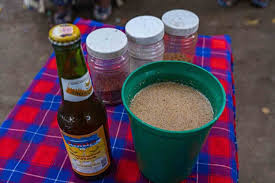
Another iconic beverage is banana beer, locally known as urwagwa. Made from fermented bananas, this mildly alcoholic drink is traditionally consumed during celebrations, community gatherings, and rituals. Banana beer offers a distinct, slightly sweet flavor that complements the hearty meals of Chagga cuisine.
International tourists can participate in guided brewing demonstrations, learning how bananas are mashed, fermented, and prepared into the traditional beverage. Sampling traditional Chagga food and local drink through banana beer provides insight into Chagga ingenuity, social customs, and fermentation techniques. Community-run brewing workshops also allow visitors to engage directly with local producers while supporting sustainable practices (https://www.unwto.org).
The production of banana beer reflects centuries of Chagga knowledge, highlighting how local communities have harnessed natural resources for culinary and social purposes.
Fermented Millet and Sorghum Beverages
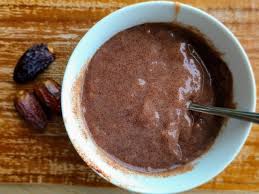
In addition to coffee and banana beer, Chagga culture includes a variety of fermented cereal-based drinks, primarily made from millet or sorghum. These beverages, often mildly alcoholic, are integral to traditional ceremonies and daily life. They are prepared using natural fermentation techniques, which have been refined over generations.
International tourists can taste these unique drinks during village visits or cultural festivals, gaining hands-on experience with traditional brewing methods. Fermented beverages offer a complementary flavor to traditional Chagga food and local drink, often served alongside staple dishes or snacks. These drinks also reflect the Chagga emphasis on sustainability, resourcefulness, and community-centered production (https://www.worldbank.org).
Through tasting and learning about these beverages, visitors appreciate how the Chagga people balance flavor, nutrition, and cultural significance in their culinary traditions.
Modern Adaptations and Tourism Experiences
While traditional drinks remain central to Chagga culture, modern adaptations have emerged to meet the growing interest of international tourists. Cafes and eco-lodges near Mount Kilimanjaro now offer locally brewed coffee, banana beer tastings, and paired culinary experiences with traditional meals.
These tourism-focused experiences preserve the authenticity of traditional Chagga food and local drink while providing a safe, educational, and enjoyable environment for visitors. Guided tastings often include storytelling about the history of each beverage, the methods of production, and their role in Chagga rituals and celebrations.
For international tourists, these curated experiences enhance the appreciation of Chagga culinary heritage while supporting local communities economically and culturally.
In conclusion, Chagga beverages—ranging from aromatic Kilimanjaro coffee to banana beer and fermented millet drinks—form an essential part of traditional Chagga food and local drink. International tourists gain a deeper understanding of cultural practices, sustainable agriculture, and culinary artistry through tasting, brewing demonstrations, and immersive experiences. By exploring these drinks responsibly, visitors support local communities while enjoying a truly authentic and memorable aspect of Tanzanian cuisine.
4: Cultural Significance of Chagga Food and Communal Dining Traditions
Meals as a Social and Cultural Experience
For the Chagga people, food is more than sustenance; it is an expression of identity, hospitality, and tradition. Sharing meals is central to family life, social gatherings, and ceremonial events. Traditional Chagga food and local drink play a key role in fostering community bonds, marking celebrations, and passing cultural knowledge across generations.
International tourists visiting the Kilimanjaro region can experience these communal dining traditions through home-stay programs and cultural tours. Participating in a Chagga family meal offers unique insight into social hierarchies, etiquette, and culinary rituals. According to the Tanzania Tourism Board (https://www.tanzaniatourism.go.tz), such immersive experiences are increasingly sought after by travelers who want to connect with local life while enjoying authentic cuisine.
Ceremonial and Festive Foods
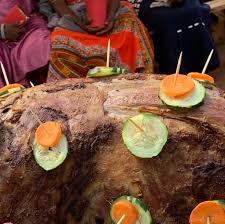
Certain dishes and drinks are reserved for festivals, weddings, and other important ceremonies. For example, banana beer (urwagwa) is often brewed specifically for wedding celebrations, while Nyama Choma (grilled meat) is commonly prepared for communal feasts. Traditional Chagga food and local drink in these contexts symbolizes prosperity, generosity, and respect for guests.
International tourists participating in cultural events have the opportunity to taste dishes in their authentic ceremonial context. Local guides provide explanations of symbolic meanings, preparation rituals, and historical significance. This allows visitors to gain a deeper appreciation of the cultural richness embedded in Chagga cuisine (https://www.unwto.org).
Family and Village Dining Practices
Daily meals in Chagga households are often shared communally, with family members gathering around a central dish. This practice reinforces unity, teaches children about traditional foods, and preserves ancestral culinary knowledge. International tourists can observe or participate in these meals, experiencing traditional Chagga food and local drink in its most authentic and social form.
The communal approach to dining also emphasizes sustainability: dishes are made from locally sourced ingredients, portions are shared, and waste is minimized. These practices exemplify the Chagga philosophy of responsible consumption, which aligns with modern eco-tourism and cultural preservation principles.
Education Through Culinary Engagement
Culinary experiences in Chagga culture often serve as informal education. Younger generations learn cooking techniques, ingredient selection, and cultural stories while helping prepare meals. Visitors engaging in these activities gain firsthand knowledge about the interplay between food, culture, and social cohesion.
International tourists enjoy cooking classes and hands-on experiences, where they can prepare traditional Chagga food and local drink alongside local chefs and family members. Such experiences foster mutual understanding, cultural exchange, and memorable learning opportunities (https://www.worldbank.org).
Preservation of Culinary Heritage
Preserving the Chagga culinary heritage is a community priority. Initiatives include documenting recipes, promoting local cooking methods, and integrating food tourism into sustainable development strategies. By visiting and participating in these traditions, international tourists help support cultural preservation while enjoying authentic gastronomic experiences.
Through these practices, traditional Chagga food and local drink remain central to Chagga identity, ensuring that the knowledge, flavors, and social significance of these foods endure for future generations.
In conclusion, Chagga food and beverages are deeply intertwined with social, cultural, and ceremonial life. From communal family meals to festive dishes and ceremonial drinks, traditional Chagga food and local drink embody the values, heritage, and hospitality of the Chagga people. International tourists gain unique insights, hands-on experiences, and meaningful connections by engaging in these culinary traditions, supporting both cultural preservation and sustainable tourism in northern Tanzania.
5: Experiencing Chagga Cuisine as a Tourist – Culinary Tours, Home Stays, and Cooking Classes
Immersive Culinary Tours on Mount Kilimanjaro Slopes
For international tourists, one of the most rewarding ways to experience traditional Chagga food and local drink is through organized culinary tours. These tours often include visits to local farms, food markets, and family homes where visitors can observe, participate, and learn about the preparation of iconic Chagga dishes.
During these tours, tourists gain insights into the cultural significance of ingredients, traditional cooking techniques, and sustainable farming practices. From harvesting bananas for Matoke to selecting fresh vegetables for stews, every step of the culinary journey highlights the intimate connection between Chagga cuisine and the land. According to the Tanzania Tourism Board (https://www.tanzaniatourism.go.tz), culinary tourism is a growing sector that allows international visitors to engage meaningfully with local communities while enjoying authentic gastronomic experiences.
Home-Stay Experiences and Family Meals
Home-stays are a cornerstone of culinary tourism in the Kilimanjaro region. Visitors can stay with Chagga families and participate in daily cooking routines, gaining firsthand experience of traditional Chagga food and local drink. Preparing meals alongside local hosts allows tourists to learn practical skills, understand cultural dining etiquette, and appreciate the social and ceremonial importance of each dish.
These experiences also foster cultural exchange and mutual respect, as tourists contribute to the local economy while experiencing authentic lifestyles. International travelers often report that sharing meals with Chagga families provides not only delicious food but also meaningful memories and insights into the rich heritage of the region (https://www.unwto.org).
Cooking Classes and Hands-On Workshops
For those seeking a more interactive culinary experience, cooking classes and workshops offer a perfect opportunity to master Chagga recipes. Participants learn to prepare dishes such as Ugali, Matoke, Sukuma Wiki, and Nyama Choma while guided by experienced local chefs.
These classes often include tastings of traditional Chagga food and local drink, such as banana beer or freshly brewed Kilimanjaro coffee, enhancing the educational and sensory experience. By participating in these workshops, tourists gain skills to recreate authentic Chagga flavors at home while understanding the cultural context behind each recipe (https://www.worldbank.org).
Cooking classes also emphasize sustainability and eco-friendly practices, demonstrating how traditional meals are designed to use local, seasonal ingredients efficiently and responsibly.
Cultural Festivals and Food Events
Another exciting way to experience Chagga cuisine is through participation in cultural festivals and food events. These gatherings celebrate local harvests, traditional drinks, and culinary heritage, offering tourists the chance to taste a wide array of traditional Chagga food and local drink.
Festivals often include music, dance, and storytelling, providing a holistic cultural experience. Visitors gain insights into Chagga rituals, seasonal traditions, and communal celebrations, deepening their appreciation for the region’s gastronomy. Such events also create sustainable tourism opportunities, supporting local artisans, farmers, and cultural preservation initiatives (https://www.unwto.org).
Planning Your Chagga Culinary Adventure
To maximize the experience, international tourists are advised to plan their culinary adventures carefully. Consider:
-
Booking guided culinary tours in advance.
-
Participating in home-stays for authentic dining experiences.
-
Attending workshops to learn hands-on cooking skills.
-
Timing visits to coincide with cultural festivals for enhanced experiences.
By following these steps, visitors ensure a memorable, immersive, and sustainable journey into traditional Chagga food and local drink. These experiences not only satisfy culinary curiosity but also foster cultural understanding, community engagement, and eco-friendly travel practices.
In conclusion, experiencing Chagga cuisine as a tourist offers a rich blend of flavors, traditions, and cultural immersion. Through culinary tours, home-stays, cooking classes, and festival participation, international travelers can fully enjoy traditional Chagga food and local drink while supporting local communities and preserving cultural heritage. A thoughtfully planned visit provides authentic gastronomic experiences that are educational, memorable, and sustainable, making it a highlight of any trip to northern Tanzania.
