

Discover how to get Materuni Waterfall from Moshi or Arusha with our detailed travel guide. Explore trekking routes, transport tips, cultural experiences, and more.
1: Introduction and Overview of Materuni Waterfall
https://nativesonexpeditions.com/tanzania-safari/
Materuni Waterfall, one of Tanzania’s most spectacular natural attractions, is located on the slopes of Mount Kilimanjaro near the village of Materuni in the Kilimanjaro region. Known for its cascading waters, lush surrounding forests, and cultural experiences with the local Chagga community, Materuni Waterfall has become a must-visit destination for nature lovers and adventure seekers alike. Understanding how to get Materuni waterfall from Moshi or Arusha? is essential for first-time visitors who want a seamless and enriching travel experience. This comprehensive guide will walk you through transportation options, trekking routes, tour operators, cultural encounters, and practical tips to ensure you enjoy one of Tanzania’s most iconic waterfalls.
Location and Accessibility
Materuni Waterfall is situated in the northern foothills of Mount Kilimanjaro, approximately 18 kilometers east of Moshi town. Its location makes it easily accessible from both Moshi and Arusha, the latter being about 120 kilometers away. The waterfall is nestled within a tropical forest ecosystem, home to endemic bird species, primates, and a variety of tropical flora. The combination of natural beauty and cultural interaction with the Chagga community makes this destination an excellent example of eco-tourism in Tanzania.
Visitors often wonder how to get Materuni waterfall from Moshi or Arusha? There are multiple approaches depending on budget, fitness level, and travel style. From Moshi, the journey is shorter and more convenient for day trips, while from Arusha, tourists often combine the visit with safaris in nearby national parks or tours of Mount Kilimanjaro’s lower slopes. Local guides provide crucial insights into the easiest and most rewarding routes, ensuring visitors enjoy both the journey and the destination.
Cultural and Natural Highlights
Materuni Waterfall is not only a natural wonder but also a cultural gateway. The surrounding village, Materuni, is inhabited by the Chagga people, known for their rich agricultural heritage and traditions. Tourists visiting the waterfall often engage in guided tours that combine trekking with coffee plantation visits, cultural demonstrations, and local cuisine experiences. Such activities offer a deeper understanding of local lifestyles while supporting sustainable tourism initiatives.
The trek to the waterfall typically takes 1–2 hours depending on the chosen route, weather conditions, and pace of the group. The paths wind through scenic landscapes of coffee farms, banana plantations, and tropical forests, offering multiple photo opportunities. Wildlife enthusiasts may also spot monkeys, birds, and butterflies along the way. The combination of flora, fauna, and cultural interaction makes this excursion more than just a sightseeing trip—it is an immersive experience.
Tour Operator and Guide Services
Hiring a certified guide or booking a tour with a local operator is highly recommended. Guides not only ensure safety during the trek but also provide educational context about the ecosystem, the waterfall’s geological features, and Chagga cultural practices. Some tour operators even offer optional add-ons, including coffee tasting sessions, traditional dance demonstrations, and lunch in local homes. Organizations such as the Kilimanjaro National Park Authority (https://www.tanzaniaparks.go.tz) provide additional information on official trekking routes and conservation practices.
Understanding how to get Materuni waterfall from Moshi or Arusha? also involves knowing the different trekking difficulty levels. Some trails are well-marked and suitable for families, while others are more challenging, involving steep climbs, slippery paths, and rocky terrain. Visitors should assess their fitness levels and prepare accordingly with appropriate footwear, water, and weather-appropriate clothing.
Best Times to Visit
Materuni Waterfall can be visited year-round, but the experience varies depending on the season. The rainy season (March to May and November) brings lush greenery and higher waterfall flow but also slippery trails. The dry season (June to October and January to February) provides easier trekking conditions and clearer skies for photography, although the waterfall’s volume may be slightly reduced. Planning the visit according to weather conditions enhances the trekking experience and safety.
Sustainability and Community Engagement
Visiting Materuni Waterfall is an opportunity to engage in responsible tourism. Many tours include contributions to community projects, support for local schools, and fair compensation for guides. Visitors are encouraged to follow eco-friendly practices, such as minimizing plastic use, staying on designated trails, and respecting local customs. Engaging with the community enriches the travel experience and ensures that tourism benefits both the environment and local people.
By the end of the day, the combination of natural beauty, cultural immersion, and adventure ensures that visitors have a memorable experience. Whether coming from Moshi or Arusha, knowing how to get Materuni waterfall from Moshi or Arusha? is key to maximizing enjoyment, safety, and educational value.
External Resource:
-
Kilimanjaro National Park Authority: https://www.tanzaniaparks.go.tz
2: Travel Routes, Transportation Options, and Tips from Moshi
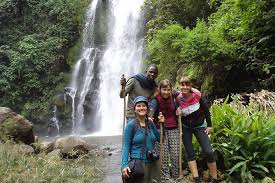
For first-time visitors, planning how to reach Materuni Waterfall is essential for a smooth and enjoyable experience. Materuni Waterfall is located approximately 18 kilometers east of Moshi town, making Moshi the primary gateway for most tourists. Understanding how to get Materuni waterfall from Moshi or Arusha? involves exploring available travel routes, transportation modes, trekking starting points, and local tips that ensure both convenience and safety. This section provides an in-depth guide for traveling from Moshi to Materuni Waterfall, highlighting practical information, insider advice, and opportunities to enrich the journey with cultural and natural experiences.
Starting from Moshi: Overview of the Route
Moshi, located at the foothills of Mount Kilimanjaro, serves as the central hub for travelers heading to Materuni Waterfall. From the town center, visitors typically have two main options: self-drive or guided tours. The most common approach involves a 30–40 minute drive through rural roads to Materuni village, where the waterfall trek begins. The route is well-signposted, but hiring a local guide or joining a tour ensures that visitors do not miss key landmarks and maximizes the overall experience.
The drive from Moshi passes through scenic landscapes, including coffee plantations, banana groves, and lush tropical forests. Tourists can observe local farming practices, traditional homesteads, and occasional wildlife sightings along the way. Knowledgeable guides provide context about the Chagga people, their agricultural techniques, and the significance of coffee cultivation, enhancing the educational value of the trip. This cultural interaction makes understanding how to get Materuni waterfall from Moshi or Arusha? more than just a travel question—it becomes a holistic travel experience.
Transportation Options from Moshi
Visitors have multiple transportation options when traveling from Moshi to Materuni Waterfall:
-
Private Car or Taxi
-
Renting a car or hiring a taxi provides maximum flexibility, allowing visitors to explore at their own pace.
-
Roads are mostly gravel, with some steep sections; a 4×4 vehicle is recommended during the rainy season.
-
Visitors can combine the trip with other local attractions, such as coffee farm tours or scenic viewpoints.
-
-
Organized Tours
-
Many tour operators in Moshi offer half-day or full-day Materuni Waterfall packages.
-
These tours typically include transportation, a certified local guide, and sometimes meals or coffee tastings.
-
Joining a tour simplifies planning and ensures a safe, structured experience. External reference: Tanzania Tourism Board – https://www.tanzaniatourism.go.tz
-
-
Public Transportation and Local Minibuses (Daladala)
-
For budget-conscious travelers, local minibuses are available from Moshi town to nearby villages.
-
Travelers should note that this option may require walking from the drop-off point to Materuni village and may take longer.
-
While economical, this option may not provide the same level of comfort or flexibility as private transport or organized tours.
-
Best Time to Depart from Moshi
Departure timing significantly affects the waterfall experience. Early morning departures (around 7–8 AM) are recommended to avoid midday heat and crowds, particularly during peak tourist seasons. Early arrivals allow tourists to enjoy cooler trekking conditions, photograph the waterfall in optimal light, and participate in cultural interactions in the village before lunchtime.
Trekking from Materuni Village
Upon arrival in Materuni village, the trekking portion begins. Guides typically explain trail conditions, safety precautions, and environmental etiquette. The trek is approximately 1–2 kilometers through tropical forests and farmland, with varying terrain that includes gentle slopes and occasional rocky sections. Along the trail, visitors can spot indigenous flora, bird species, and small wildlife, making the walk itself a rewarding experience.
Local guides provide rich explanations of the Chagga people’s agricultural practices, especially their traditional coffee farming methods. Visitors learn about organic cultivation, bean harvesting, and roasting techniques, often culminating in a coffee tasting session. This integration of culture and nature elevates the journey, demonstrating that understanding how to get Materuni waterfall from Moshi or Arusha? includes both logistical planning and cultural engagement.
Practical Tips for Travelers from Moshi
-
Wear Appropriate Footwear: Closed hiking shoes or sturdy sneakers are recommended due to uneven terrain.
-
Carry Water and Snacks: While village stops may offer refreshments, having your own ensures comfort during the trek.
-
Bring a Camera or Smartphone: The trail and waterfall provide numerous photography opportunities.
-
Use a Certified Guide: Local guides enhance safety, cultural knowledge, and ecological awareness.
-
Dress Comfortably: Light, breathable clothing with a rain jacket for sudden showers is advisable.
Safety and Sustainability Considerations
-
Stick to designated paths to protect the fragile forest ecosystem.
-
Do not disturb wildlife or remove plants.
-
Avoid plastic waste and dispose of trash responsibly.
-
Follow guidance from local authorities and park regulations to minimize environmental impact.
Additional Recommendations
Some visitors extend their Materuni Waterfall trek with additional activities in the Kilimanjaro region. Options include:
-
Visiting Marangu Village to experience Chagga cultural heritage.
-
Exploring nearby waterfalls such as Kikuletwa Hot Springs.
-
Hiking lower slopes of Mount Kilimanjaro for panoramic views.
By carefully planning transportation, timing, and trekking details, first-time visitors can fully appreciate the beauty of Materuni Waterfall and surrounding areas. This approach ensures that exploring how to get Materuni waterfall from Moshi or Arusha? becomes a smooth, safe, and culturally enriching adventure.
External Resources:
-
Tanzania Tourism Board – Materuni Waterfall Guide: https://www.tanzaniatourism.go.tz
-
Kilimanjaro National Park Official Page: https://www.tanzaniaparks.go.tz
3: Travel Routes, Transportation Options, and Tips from Arusha
For travelers coming from Arusha, understanding how to get Materuni waterfall from Moshi or Arusha? involves more detailed planning due to the longer distance—approximately 120 kilometers to Materuni village. Arusha, as a major tourism hub in northern Tanzania, offers multiple options for combining the Materuni Waterfall visit with other attractions such as safari tours to Tarangire, Manyara, or Ngorongoro Conservation Area. This section provides a comprehensive guide for first-time visitors traveling from Arusha, highlighting travel routes, transportation modes, best practices, and tips to ensure a safe, comfortable, and culturally enriching experience.
Overview of the Route from Arusha
The journey from Arusha to Materuni Waterfall typically passes through scenic northern Tanzania landscapes, including small towns, rural villages, and farmland at the foothills of Mount Kilimanjaro. Travelers often pass through Moshi town, making it a natural midway stop for refreshments or guided arrangements. The main route involves taking the Arusha–Moshi highway, followed by a turn-off towards Materuni village.
Travelers should anticipate a journey of 3–4 hours depending on traffic conditions, road quality, and stops along the way. The route is mostly paved but includes stretches of gravel roads as one approaches Materuni village. During the rainy season, some sections may become slippery or muddy, so a 4×4 vehicle is recommended for comfort and safety.
Transportation Options from Arusha
-
Private Car or Rental Vehicle
-
Renting a car in Arusha provides flexibility to explore surrounding attractions before or after visiting Materuni Waterfall.
-
Recommended for families, small groups, or tourists who prefer a customized schedule.
-
Ensure the vehicle is suitable for mixed terrain; SUVs or 4x4s are ideal for rural road sections.
-
-
Guided Tours from Arusha
-
Many tour operators in Arusha offer Materuni Waterfall day trips or combined packages with Mount Kilimanjaro day hikes.
-
These tours typically include transport, a local certified guide, park fees, meals, and optional coffee farm visits.
-
External reference: Tanzania Tourism Board – https://www.tanzaniatourism.go.tz
-
-
Public Transport (Buses and Minibuses)
-
Budget-conscious travelers may take public buses or “dala-dala” minibuses to Moshi, then transfer to local transportation towards Materuni village.
-
This option requires additional planning, including coordination with local guides for the final leg of the journey.
-
While economical, it is less convenient for tourists with tight schedules or large luggage.
-
Timing and Best Practices
Departing early in the morning from Arusha (6–7 AM) is advisable to allow ample time for both the journey and trekking at Materuni Waterfall. Early departures also help travelers avoid traffic, enjoy cooler temperatures, and arrive at the waterfall with sufficient daylight for photography and exploration.
Trekking from Materuni Village for Arusha Travelers
Upon arrival in Materuni village, the trek to the waterfall begins. Guides familiar with the terrain ensure safety and provide context about local flora, fauna, and Chagga culture. The trail passes through coffee farms, banana groves, and tropical forests, typically taking 1–2 hours one way.
Guided treks often include cultural interactions, such as visiting local homes, observing traditional farming techniques, or participating in coffee processing demonstrations. These experiences enhance understanding of how to get Materuni waterfall from Moshi or Arusha? beyond simple transportation logistics, blending nature exploration with cultural immersion.
Combining Materuni Waterfall with Other Northern Tanzania Attractions
Many travelers from Arusha take advantage of proximity to Kilimanjaro, national parks, and cultural sites:
-
Mount Kilimanjaro Base Tours: Many visitors stop at Marangu or Machame routes for scenic views of Kilimanjaro’s lower slopes.
-
Coffee Plantation Tours: Materuni village is famous for Chagga coffee farms, offering coffee tasting and educational tours.
-
Lake Chala or Lake Jipe Excursions: Nearby lakes provide opportunities for photography, kayaking, or birdwatching.
Integrating Materuni Waterfall into a larger itinerary allows tourists to maximize their time in northern Tanzania while ensuring a seamless travel experience.
Practical Tips for Arusha-Based Travelers
-
Vehicle Considerations: Opt for 4×4 vehicles during the rainy season or if planning multiple stops along the way.
-
Guides: Hiring a certified guide is recommended for both safety and cultural insights.
-
Meals and Snacks: Carry water, snacks, or packed meals, especially if combining the waterfall visit with additional excursions.
-
Clothing: Layered clothing is advisable to adjust to changing temperatures along the route and during the trek.
-
Communication: While mobile coverage is generally available along main roads, remote areas near the waterfall may have limited reception.
Safety and Environmental Awareness
-
Stick to marked trails to preserve forest ecosystems.
-
Avoid littering; use reusable containers where possible.
-
Respect local communities, including private property and cultural norms.
-
Follow guidance from guides and Tanzanian authorities to ensure a safe and responsible visit.
Conclusion
For travelers from Arusha, planning how to reach Materuni Waterfall involves understanding transportation options, trekking logistics, and cultural interactions along the way. Whether choosing a private car, guided tour, or budget-friendly public transport, early departure, certified guides, and proper preparation ensure a rewarding experience. The journey itself, passing through Kilimanjaro’s scenic foothills and Chagga villages, is as enriching as the waterfall destination, emphasizing that how to get Materuni waterfall from Moshi or Arusha? encompasses both logistics and cultural appreciation.
External Resources:
-
Tanzania Tourism Board – Materuni Waterfall Guide: https://www.tanzaniatourism.go.tz
-
Kilimanjaro National Park Authority: https://www.tanzaniaparks.go.tz
4: Trekking Routes, Fitness Preparation, and Waterfall Exploration Tips
For those planning the journey to Materuni Waterfall, a large part of the experience involves trekking through lush forests, coffee plantations, and scenic hillsides. Understanding how to get Materuni waterfall from Moshi or Arusha? extends beyond choosing transportation; it includes preparation for the trek, selecting the right routes, ensuring personal safety, and maximizing enjoyment while exploring this natural wonder. In this section, we provide an in-depth guide on trekking routes, fitness recommendations, safety tips, and practical strategies for fully appreciating the waterfall and its surrounding environment.
Overview of Trekking Routes
The trek to Materuni Waterfall begins at Materuni village and offers several route options depending on visitors’ fitness levels, interests, and time availability. While most tours follow a well-trodden path maintained by local guides, some variations allow visitors to explore secondary trails that wind through coffee farms, banana groves, and native forests.
-
Main Trail:
The main trail is approximately 1.5–2 kilometers one way and is suitable for most visitors. It is moderately steep in certain sections but generally safe for families, first-time trekkers, and international tourists. Along this route, travelers encounter small streams, shaded forest sections, and observation points with stunning views of the Kilimanjaro foothills. The main trail ensures access to the waterfall while balancing safety and adventure. -
Extended Trail:
More adventurous tourists may opt for extended trails that branch off the main path, providing opportunities to observe endemic flora, wildlife, and panoramic views of nearby villages. While slightly more challenging, these routes offer a quieter experience with fewer crowds, enhancing immersion in the natural environment. -
Cultural Integration Trail:
Certain tours combine trekking with cultural experiences, such as visiting local homesteads, coffee farms, or banana plantations. Guides offer insights into Chagga traditions, farming techniques, and the significance of water in local culture. This trail highlights that understanding how to get Materuni waterfall from Moshi or Arusha? includes cultural learning alongside physical activity.
Fitness Preparation and Health Considerations
Visitors are encouraged to prepare for the trek with a focus on moderate physical fitness, as the trails involve walking on uneven terrain, mild elevation changes, and occasional slippery paths during the rainy season. Recommended preparation includes:
-
Cardiovascular Fitness: Engage in walking, jogging, or hiking prior to the trip to build stamina for the trek.
-
Strength and Flexibility: Simple exercises such as squats, lunges, and stretching improve balance and stability on uneven paths.
-
Hydration and Nutrition: Drink adequate water before and during the trek and consume energy-rich foods to maintain stamina.
-
Medical Precautions: Carry basic first aid supplies, and consult with a physician if you have pre-existing conditions that could affect trekking performance.
These preparation strategies ensure that visitors can fully enjoy the trek without unnecessary fatigue or health risks, which is essential for those asking how to get Materuni waterfall from Moshi or Arusha? and plan to include the physical journey as part of the experience.
Exploring Materuni Waterfall
Upon arrival at Materuni Waterfall, visitors are rewarded with spectacular views of cascading waters plunging into natural pools, surrounded by lush greenery. The waterfall area offers opportunities for:
-
Photography: Capture the waterfall from multiple vantage points, including upstream and downstream sections. The morning light often provides ideal conditions for photography.
-
Swimming: Some guided tours allow swimming in designated pools, ensuring safety and respecting environmental regulations.
-
Relaxation and Picnicking: Visitors can enjoy quiet moments in shaded areas while observing the forest canopy, listening to birds, and appreciating the sound of flowing water.
Local guides provide crucial information about safety precautions, especially around slippery rocks, fast-flowing water, and wet paths. Visitors are advised to wear water-resistant footwear, avoid climbing unstable surfaces, and supervise children closely.
Eco-Friendly Practices During the Trek
Responsible tourism is vital for preserving Materuni Waterfall’s pristine environment. Tourists are encouraged to:
-
Follow Trail Guidelines: Stick to designated trails to prevent soil erosion and protect plant life.
-
Minimize Waste: Carry reusable containers, and do not leave litter along the trail or at the waterfall site.
-
Respect Wildlife: Observe animals from a safe distance without disturbing their natural behaviors.
-
Support Local Communities: Consider purchasing locally produced coffee, snacks, or handicrafts from Materuni village to contribute to the economy and encourage sustainable practices.
Cultural Experiences Along the Trek
The trek itself is interwoven with cultural elements. Local guides often share stories about the Chagga people, the history of coffee cultivation, and the significance of water sources in village life. Visitors may witness traditional farming techniques, such as terraced farming on hillsides, and learn how the Chagga community manages land and water sustainably. These experiences demonstrate that learning how to get Materuni waterfall from Moshi or Arusha? is not only about logistics but also about understanding and appreciating local culture.
Safety and Emergency Preparedness
-
Emergency Contact: Always have the guide’s contact or local emergency numbers in case of injuries or medical concerns.
-
Weather Awareness: Rainfall can quickly make trails slippery; check weather forecasts and plan accordingly.
-
Travel Insurance: Consider travel insurance that covers trekking or outdoor activities for added security.
Timing Your Trek
Most visitors spend 2–3 hours trekking to and from the waterfall, including rest stops and photography sessions. Arriving early ensures cooler temperatures, better lighting for photos, and fewer crowds, while afternoon visits offer opportunities to witness sunlight filtering through the forest canopy in unique ways.
Conclusion
Trekking to Materuni Waterfall is a highlight for travelers seeking a combination of adventure, cultural immersion, and natural beauty. By selecting the appropriate route, preparing physically, respecting local customs and environmental guidelines, and following practical tips, visitors can enjoy a safe and enriching experience. These considerations are crucial for answering the question how to get Materuni waterfall from Moshi or Arusha?, as they ensure that both the journey and the destination are fully appreciated.
External Resources:
-
Tanzania Tourism Board – Trekking Materuni: https://www.tanzaniatourism.go.tz
-
Kilimanjaro National Park Official Page: https://www.tanzaniaparks.go.tz
5: Extended Itineraries, Nearby Attractions, and Practical Tips for First-Time Visitors
For travelers who have successfully navigated the question of how to get Materuni waterfall from Moshi or Arusha?, the journey does not have to end at the waterfall. The Kilimanjaro region and its surrounding areas are abundant with natural, cultural, and adventure experiences that can easily be combined with a Materuni visit to create a full-day or multi-day itinerary. In this section, we explore extended itineraries, nearby attractions, and practical tips that first-time visitors can use to optimize their trip, ensuring a safe, memorable, and culturally enriching experience.
Extended Itineraries Around Materuni Waterfall
Visitors often choose to combine the Materuni Waterfall trek with other local experiences in order to maximize their time in the Kilimanjaro region. Some recommended extended itineraries include:
-
Half-Day Cultural and Coffee Tour
-
Start in Moshi or Arusha early in the morning and drive to Materuni village.
-
Trek to Materuni Waterfall, enjoying the lush tropical scenery and wildlife.
-
Return via a guided visit to a Chagga coffee plantation for coffee tasting and demonstrations of traditional roasting methods.
-
Duration: 4–6 hours. This is ideal for travelers who want a rich cultural experience without committing to a full-day trek.
-
-
Full-Day Adventure and Nature Experience
-
Depart Moshi or Arusha in the early morning.
-
Trek to Materuni Waterfall and swim or relax at the natural pools.
-
Visit local banana and coffee farms, interact with the Chagga community, and enjoy a traditional lunch prepared by villagers.
-
Optional stops at nearby scenic viewpoints for panoramic photography of Mount Kilimanjaro and surrounding landscapes.
-
Duration: 8–10 hours, providing an immersive adventure for nature lovers.
-
-
Multi-Day Northern Tanzania Exploration
-
Combine Materuni Waterfall with day trips to Mount Kilimanjaro base routes such as Marangu or Machame.
-
Include visits to Arusha National Park, Lake Chala, or Kikuletwa Hot Springs.
-
Optional overnight stay in Materuni village or nearby lodges to enjoy sunrise and sunset over the Kilimanjaro foothills.
-
Duration: 2–3 days, suitable for travelers with flexible schedules who want a comprehensive northern Tanzania experience.
-
These itineraries ensure that visitors understand that how to get Materuni waterfall from Moshi or Arusha? is part of a larger travel experience that blends adventure, nature, and cultural interaction.
Nearby Attractions and Cultural Highlights
While Materuni Waterfall is a central attraction, several nearby sites complement the visit and enrich the travel experience:
-
Marangu Village: Known for its historical significance and as a starting point for Kilimanjaro trekking. Visitors can experience Chagga cultural tours and local markets.
-
Kikuletwa Hot Springs: Located approximately an hour from Moshi, these natural hot springs offer swimming, relaxation, and scenic surroundings.
-
Lake Chala: A volcanic crater lake on the Tanzania–Kenya border, perfect for photography, birdwatching, and quiet exploration.
-
Chagga Coffee Farms: The region’s coffee is world-renowned. Farm tours provide insights into traditional agricultural practices, harvesting, and processing techniques.
These attractions allow travelers to extend their itinerary beyond Materuni Waterfall while maintaining a focus on local culture, natural beauty, and sustainability.
Practical Tips for First-Time Visitors
-
Early Departure: Whether traveling from Moshi or Arusha, leaving early in the morning ensures cooler trekking conditions, fewer crowds, and better lighting for photography.
-
Guide Services: Hiring a certified local guide is strongly recommended for both safety and cultural education.
-
Footwear and Clothing: Wear sturdy, water-resistant footwear suitable for trekking and lightweight, breathable clothing. Bring a rain jacket if traveling during the wet season.
-
Hydration and Snacks: Carry sufficient water and light snacks, particularly if combining the waterfall visit with extended itineraries.
-
Cash and Payments: Materuni village may have limited card facilities. Carry small denominations of Tanzanian shillings for entry fees, guide tips, and small purchases.
-
Responsible Tourism: Respect the local culture, avoid littering, and consider contributing to community-based tourism initiatives to support the Chagga community.
-
Weather Considerations: The region experiences microclimates. Morning treks are typically cooler and safer, while afternoon rains are common during March–May and November.
Cultural Etiquette at Materuni and Surrounding Villages
Visitors are encouraged to be culturally sensitive during their visit:
-
Ask for permission before taking photographs of locals.
-
Dress modestly, especially when visiting homes or cultural centers.
-
Engage respectfully with community members and follow the guide’s instructions regarding local customs.
Health and Safety Precautions
-
Carry a basic first aid kit and any necessary medications.
-
Ensure travel insurance covers trekking or outdoor activities.
-
Monitor trail conditions; avoid hiking alone in unfamiliar areas.
Conclusion and Summary
Materuni Waterfall is more than a simple sightseeing destination; it is an immersive experience that combines natural beauty, adventure, and cultural interaction. Whether traveling from Moshi or Arusha, understanding how to get Materuni waterfall from Moshi or Arusha? requires planning transportation, selecting appropriate trekking routes, preparing physically, and engaging responsibly with local communities. Extended itineraries allow visitors to combine the waterfall visit with other attractions, creating a rich, memorable journey through northern Tanzania.
By following these tips, first-time visitors can maximize their enjoyment, stay safe, and support sustainable tourism practices. The combination of breathtaking scenery, cultural encounters, and the joy of trekking ensures that Materuni Waterfall remains an unforgettable highlight of any trip to Tanzania.
External Resource:
-
Tanzania Tourism Board – Materuni Waterfall Itinerary: https://www.tanzaniatourism.go.tz
