

Explore Chagga Traditions, the rich cultural heritage of the Chagga people in Tanzania. Learn about their rituals, social customs, food, festivals, and history in this comprehensive guide.
1: Introduction to Chagga Traditions
https://nativesonexpeditions.com/tanzania-safari/
The Chagga Traditions are among the richest and most fascinating cultural heritages in Tanzania, primarily rooted in the slopes of Mount Kilimanjaro. These traditions encompass a wide array of practices, including rituals, social customs, agricultural methods, cuisine, music, and dance, reflecting the Chagga people’s deep connection with their environment, community, and ancestors. For travelers, scholars, and cultural enthusiasts, exploring Chagga Traditions offers an immersive journey into a world where every ritual and practice holds meaning and purpose, providing unique insights into the social structures and values that have shaped the Chagga people over centuries.
Historically, the Chagga community has thrived in the fertile volcanic soils of the Kilimanjaro region, developing sophisticated farming systems that sustain their population while respecting ecological balance. The Chagga Traditions around agriculture are not merely techniques for survival; they are cultural practices interwoven with spiritual beliefs. For example, ceremonies related to planting and harvest invoke blessings from ancestors and the spirits believed to inhabit the land. Understanding these agricultural traditions allows visitors to appreciate the complexity and sustainability of Chagga society, which harmoniously blends practicality with spirituality.
Central to Chagga Traditions is the strong emphasis on community and family structures. The Chagga social system is hierarchical yet inclusive, with elders playing key roles in decision-making, conflict resolution, and the transmission of knowledge. Initiation ceremonies for youth, marriage customs, and communal gatherings are all integral to reinforcing social bonds and maintaining cultural continuity. Observing or participating respectfully in these traditions allows travelers to experience a culture where social cohesion and respect for heritage are paramount.
The culinary aspects of Chagga culture are another vital component of these traditions. Meals are often communal, reflecting the value placed on sharing and hospitality. Staple foods such as bananas, millet, and maize are prepared using traditional techniques, often accompanied by storytelling or music that honors the ancestors. Participating in or witnessing these culinary practices provides a tangible and sensory way to connect with Chagga history and daily life.
For travelers seeking more information or planning cultural visits, the Tanzania Tourism Board offers resources on cultural sites, festivals, and community visits that promote respectful engagement with local traditions. Understanding the Chagga way of life, through their customs, beliefs, and daily practices, offers a gateway to appreciating the resilience, creativity, and cultural richness of one of Tanzania’s most remarkable communities.
2: Chagga Social Structure and Family Life
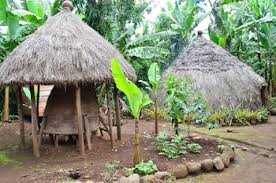
The social framework of the Chagga people is a vital aspect of Chagga Traditions, shaping daily interactions, communal responsibilities, and individual identity. The Chagga society is organized into clans, with each clan tracing its lineage to a common ancestor. Clan leaders, elders, and community councils play central roles in maintaining order, resolving conflicts, and guiding younger generations. This social cohesion ensures that Chagga Traditions are preserved and transmitted, enabling the community to maintain its identity despite the influences of modernization and globalization.
Family life is deeply interwoven with the broader community. Households often include extended family members, with responsibilities shared among members according to age, gender, and skill. Elders are respected for their wisdom and authority, acting as mentors and decision-makers in matters ranging from agriculture to ceremonial practices. Marriage customs, including engagement rituals, bride price negotiations, and wedding ceremonies, are steeped in tradition, reflecting the community’s respect for heritage, social bonds, and intergenerational continuity. Participating in or observing these practices provides invaluable insight into the Chagga Traditions of kinship, respect, and communal living.
Education and knowledge transfer within Chagga society are also embedded in social interactions. Oral storytelling, proverbs, and communal discussions serve as methods of teaching values, history, and practical skills. Initiation rites for youth, particularly boys and girls reaching adulthood, are central to these traditions, symbolizing the transition from childhood to responsible community membership. During these ceremonies, participants learn about ancestral wisdom, social responsibilities, and cultural expectations, ensuring that Chagga Traditions remain vibrant and relevant.
The Chagga community also emphasizes cooperative labor, known locally as “shamba work,” where neighbors collaborate on agricultural tasks. These activities are not only practical but also social, reinforcing bonds and encouraging the transmission of farming techniques, songs, and rituals. Such practices illustrate how Chagga Traditions integrate practicality, social cohesion, and spirituality into everyday life, offering a holistic cultural experience for visitors and scholars alike.
Understanding the social and family structures of the Chagga people is essential for travelers seeking authentic engagement. Respecting these hierarchies, participating in communal events when invited, and learning about the rules and etiquette of interaction ensures meaningful and respectful cultural immersion. For further guidance on cultural experiences in Tanzania, the Tanzania National Parks Authority provides insights on community visits and cultural tourism regulations.
3: Chagga Ceremonies and Rituals
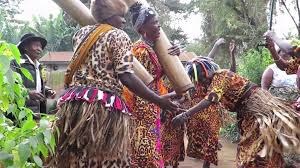
Ceremonies and rituals form the spiritual backbone of Chagga Traditions, reflecting a worldview where human life is interconnected with nature, ancestors, and the divine. From agricultural rites to life-cycle ceremonies, the Chagga have cultivated practices that honor their heritage, foster community unity, and ensure spiritual well-being. One of the most significant categories of ceremonies involves agriculture, as the Chagga recognize the land as sacred and abundant harvests as blessings from ancestors and spiritual forces. Planting and harvest festivals include dances, songs, and offerings, creating vibrant visual and auditory experiences that exemplify Chagga Traditions.
Life-cycle rituals are another central aspect. Birth ceremonies, initiation rites for adolescents, and marriage celebrations are conducted with symbolic acts, traditional attire, and community participation. These rituals serve to guide individuals through transitional stages of life while reinforcing communal values and cultural continuity. Observing these ceremonies allows travelers to appreciate the depth and symbolism of Chagga Traditions, revealing how spirituality, social bonds, and daily life are intricately connected.
Funerary rites in Chagga culture also hold profound meaning. Death is seen as a transition to ancestral presence, and ceremonies involve specific prayers, offerings, and communal gatherings to honor the deceased. These rituals demonstrate the Chagga belief in continuity between the living and the dead, highlighting the respect and reverence embedded in their traditions. For travelers, witnessing or learning about these practices provides context to the cultural emphasis on lineage, memory, and spiritual harmony.
Music and dance are inseparable from Chagga rituals. Drumming, singing, and choreographed movements accompany ceremonies, creating immersive experiences that reinforce the emotional and spiritual significance of the events. Participation is often encouraged for visitors, allowing a direct, sensory connection to Chagga Traditions. For those interested in studying or documenting these practices, authoritative sources like National Geographic Culture offer insights into the role of rituals in sustaining cultural identity.
In essence, Chagga ceremonies and rituals encapsulate the values, spirituality, and social cohesion of the community. They provide travelers with opportunities to witness a living culture where tradition, belief, and daily life converge in meaningful and aesthetically rich practices. A deep appreciation for these ceremonies is fundamental to understanding the essence of Chagga Traditions.
4: Chagga Food and Culinary Practices
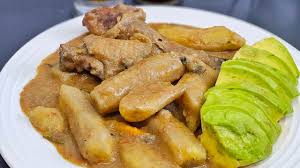
Food is a vital component of Chagga Traditions, reflecting the community’s agricultural knowledge, social bonds, and ceremonial life. The Chagga have developed a cuisine deeply connected to the fertile slopes of Mount Kilimanjaro, where bananas, maize, beans, and millet form dietary staples. The preparation of these foods is often accompanied by cultural rituals, storytelling, and communal sharing, underscoring how Chagga Traditions integrate sustenance with social and spiritual values.
One of the most iconic dishes is machalari, a banana-based porridge often consumed during celebrations and communal gatherings. Meals are typically communal, with families and neighbors sharing food in ways that reinforce relationships and respect. Cooking techniques are passed down through generations, combining practical knowledge with cultural significance. For example, fermenting bananas or brewing local beverages is not only culinary but also a ritualistic practice embedded in Chagga Traditions.
Festivals and ceremonies often feature special foods prepared specifically for the occasion. Harvest festivals include offerings to ancestors, meals that symbolize prosperity, and dishes that highlight the region’s natural abundance. Observing or participating in these culinary practices allows travelers to engage with Chagga culture through taste, smell, and shared experience, providing a holistic understanding of the community’s values and lifestyle.
Chagga culinary practices also reflect ecological wisdom. Sustainable farming methods, crop rotation, and careful soil management ensure that food production aligns with environmental stewardship, a core element of Chagga Traditions. Travelers interested in gastronomy, agriculture, or cultural anthropology can gain valuable insights into how food practices preserve both culture and ecological balance. For more cultural context, Lonely Planet Tanzania provides guidance on visiting Chagga communities and experiencing authentic culinary traditions.
In summary, Chagga food is more than nourishment; it is a living expression of history, values, and community. By exploring these culinary practices, travelers gain an intimate understanding of Chagga Traditions and the ways in which food sustains not just the body, but social cohesion, spiritual beliefs, and cultural identity.
5: Chagga Music, Dance, and Arts
Artistic expression is central to Chagga Traditions, with music, dance, and crafts reflecting the community’s identity, beliefs, and social values. Music accompanies rituals, festivals, and communal work, blending rhythmic drumming, vocal harmonies, and traditional instruments to create performances that are both celebratory and symbolic. Dance is often a medium for storytelling, allowing participants to enact historical events, spiritual beliefs, or agricultural practices. For travelers, witnessing these performances offers a dynamic and immersive perspective on Chagga Traditions.
Traditional Chagga crafts, including wood carving, pottery, and weaving, are more than decorative—they serve functional and symbolic purposes. Items created for rituals, household use, or ceremonial events embody cultural knowledge, social hierarchy, and spiritual beliefs. Observing artisans at work provides insight into the skill, patience, and creativity required to sustain these art forms, highlighting how Chagga Traditions are preserved and transmitted through hands-on practices.
Music and dance also serve educational purposes, teaching younger generations about moral values, historical narratives, and social norms. Community gatherings, festivals, and initiation ceremonies are all occasions where artistic performance reinforces the cohesion and continuity of Chagga society. For travelers documenting or participating in these practices, understanding the symbolic language of performance enhances appreciation and encourages respectful engagement.
Photography, videography, and ethnographic observation of Chagga arts allow for cultural exchange while promoting preservation. As a responsible traveler, respecting intellectual property, gaining permission, and following ethical guidelines ensures that documenting these traditions supports rather than disrupts cultural continuity. Authoritative sources, such as National Geographic, provide additional context on the role of music and arts in preserving intangible heritage.
Ultimately, Chagga music, dance, and arts are living expressions of identity, history, and communal cohesion. They exemplify how Chagga Traditions integrate aesthetics, spirituality, and social responsibility, offering travelers a rich and multi-sensory cultural experience that resonates far beyond the performance itself.
