

Experience a Zanzibar Spice Tour and discover aromatic plantations, local culinary traditions, and cultural heritage while supporting sustainable tourism and community livelihoods.
1: Introduction – Exploring the Wonders of a Zanzibar Spice Tour
https://nativesonexpeditions.com/zanzibar-holiday-safaris/
Zanzibar, the “Spice Island” of East Africa, is renowned not only for its pristine beaches and rich Swahili heritage but also for its lush spice plantations that have shaped the island’s culture, economy, and tourism. A Zanzibar Spice Tour offers visitors a unique opportunity to explore the heart of the island, discovering aromatic plantations where cloves, cinnamon, nutmeg, cardamom, and vanilla are cultivated. This tour is more than a sensory experience—it is a journey into the history, traditions, and livelihoods of local farmers who have been cultivating spices for generations. Zanzibar’s spice tourism has become one of the most sought-after travel experiences, attracting food enthusiasts, cultural explorers, and eco-tourists alike. For travelers seeking authentic encounters and educational experiences, a Zanzibar Spice Tour provides a perfect blend of adventure, culture, and gastronomy. According to the Tanzania Tourism Board, spice tours remain a key driver of sustainable tourism, linking economic development with cultural preservation.
The concept of a Zanzibar Spice Tour revolves around engaging with local communities who are the custodians of traditional spice farming techniques. Visitors are guided through plantations where they can see spices growing in natural conditions, learn about organic cultivation, and understand the historical significance of each crop. Local farmers demonstrate harvesting methods, processing techniques, and the preparation of spice-based products. The presence of local guides enriches the visitor experience, providing firsthand accounts of cultural practices, folklore, and culinary traditions tied to the spice trade. Zanzibar has a long history of spice cultivation, dating back centuries when Arab, Persian, and Indian traders established the island as a trading hub. Today, a Zanzibar Spice Tour not only celebrates this heritage but also supports sustainable livelihoods for local communities, making tourism a driver of socio-economic empowerment.
Local communities play a critical role in the success of spice tourism. By participating in the tours, they gain a platform to showcase their knowledge, craft, and culture to international visitors. This engagement fosters cultural pride, strengthens community cohesion, and incentivizes the preservation of traditional agricultural practices. A Zanzibar Spice Tour offers economic benefits through entrance fees, guided services, souvenir sales, and participation in culinary workshops. Additionally, tourists often enjoy farm-to-table experiences, learning how to use spices in cooking local dishes such as Zanzibar pilau, biryani, and seafood delicacies. The interaction between visitors and local farmers creates a mutually beneficial dynamic: travelers gain immersive experiences, while communities gain income and recognition for their expertise. Studies by UNWTO emphasize that integrating local communities in tourism activities enhances sustainability and visitor satisfaction, further highlighting the importance of involving locals in Zanzibar’s spice tourism.
A Zanzibar Spice Tour is not only about the sensory delight of aromas and flavors; it is also an educational journey into environmental conservation and sustainable agriculture. Spices thrive in biodiverse ecosystems, and the cultivation practices often incorporate organic methods, minimal chemical usage, and water conservation techniques. Tourists learn about the delicate balance required to maintain soil fertility, prevent deforestation, and promote biodiversity on plantations. By highlighting the ecological dimensions of spice farming, Zanzibar Spice Tours encourage visitors to appreciate the environmental context in which these spices grow. Local farmers act as environmental stewards, ensuring that tourism does not compromise ecological integrity. This integration of culture, economy, and ecology makes Zanzibar Spice Tours a model of sustainable tourism where visitors and communities alike benefit.
Moreover, Zanzibar Spice Tours serve as a gateway to the island’s broader cultural landscape. Many plantations are located near historic villages, traditional Swahili houses, and markets, allowing tourists to connect the spice experience with Zanzibar’s rich history. Travelers often visit local kitchens to witness spice-based cooking demonstrations, participate in handcraft workshops, or explore markets where spices are sold alongside handmade textiles and carvings. The holistic experience offered by a Zanzibar Spice Tour combines gastronomy, history, culture, and nature, creating a multifaceted tourism product that caters to diverse interests. Tourists leave with not only tangible souvenirs like spices and oils but also intangible memories of cultural immersion and learning.
In conclusion, the Zanzibar Spice Tour is a vibrant, immersive experience that highlights the island’s unique position in the world’s spice trade, its cultural heritage, and the livelihoods of local communities. It connects visitors with farmers, educators, and chefs while promoting sustainable tourism, environmental awareness, and socio-economic development. By integrating local knowledge, conservation practices, and cultural engagement, a Zanzibar Spice Tour exemplifies how tourism can create meaningful experiences that benefit both travelers and host communities. For further insights into sustainable spice tourism in Zanzibar, visit the Tanzania Tourism Board Spice Tourism Guide.
2: History and Cultural Significance of Spices in Zanzibar
Zanzibar’s reputation as the “Spice Island” is not accidental; it is rooted in centuries of history that intertwine trade, culture, and colonization. A Zanzibar Spice Tour is not only a sensory experience but also a journey through this rich historical tapestry, offering visitors the opportunity to understand how spices shaped the island’s economy, social structure, and international relations. Spices such as cloves, nutmeg, cinnamon, black pepper, cardamom, and vanilla have been cultivated on Zanzibar for hundreds of years, with some plantations dating back to the 19th century. These crops were introduced through a combination of Arab, Persian, Indian, and European influences, making Zanzibar a melting pot of culinary and cultural exchange. Local communities in Zanzibar spice tourism act as custodians of this heritage, sharing traditional knowledge and practices with visitors while preserving the island’s unique identity. The Tanzania Tourism Board highlights that understanding the history of spice cultivation is central to appreciating Zanzibar’s broader tourism offerings, as it provides context for cultural, economic, and social aspects of life on the island.
The clove trade, in particular, played a pivotal role in Zanzibar’s emergence as a global trading hub. Introduced in the early 19th century by Arab traders, cloves became the backbone of Zanzibar’s economy, attracting merchants from across the Indian Ocean and Europe. Clove plantations were established across the fertile regions of Paje, Kizimbani, and Kidichi, areas that remain central to today’s spice tours. A Zanzibar Spice Tour allows travelers to walk through these historic plantations, witnessing first-hand the cultivation techniques that have been passed down through generations. Local farmers provide demonstrations on clove harvesting, drying, and processing, giving visitors insight into the labor-intensive practices that underpin the industry. Beyond economic value, cloves hold cultural significance, featuring prominently in traditional medicine, rituals, and culinary traditions. By engaging with local communities in Zanzibar spice tourism, visitors gain an appreciation for the intricate connections between agriculture, culture, and history.
Other spices cultivated on the island carry equally rich cultural and historical significance. Nutmeg, cinnamon, and cardamom were introduced through trade networks connecting Zanzibar to India, Indonesia, and the Arabian Peninsula. These spices were highly valued in both local cuisine and international markets, contributing to Zanzibar’s status as a key player in the global spice trade. A Zanzibar Spice Tour typically includes guided explanations of these crops, from their planting cycles to their harvesting methods, along with hands-on experiences where visitors can grind spices or prepare traditional dishes. Local communities often demonstrate culinary applications, such as making spice-infused teas, sauces, and pastries, offering an immersive way to understand Zanzibar’s gastronomic traditions. According to UNESCO, the cultural practices surrounding spice cultivation, trade, and consumption are recognized as intangible heritage that strengthens community identity and preserves historical knowledge.
A Zanzibar Spice Tour also reveals the role of spices in social and cultural rituals. On the island, spices are not merely commodities; they are integral to daily life, festivals, and ceremonies. For example, cloves and cinnamon are often used in wedding preparations, while cardamom and nutmeg feature in local beverages and medicinal remedies. By observing and participating in these traditions, tourists develop a deeper understanding of Zanzibar’s way of life, including its culinary diversity, medicinal practices, and ritualistic customs. Local communities in Zanzibar spice tourism take pride in sharing these practices, as it reinforces cultural continuity while providing meaningful engagement with visitors. The interaction between tourists and locals fosters mutual respect and appreciation, highlighting tourism as a conduit for both education and cultural exchange.
Historically, Zanzibar’s spice plantations were also sites of socioeconomic transformation and labor dynamics. The islands’ colonial past brought waves of migration, trade exploitation, and labor organization that shaped community structures and settlement patterns. During the 19th century, Arab and Indian traders established large clove estates that employed local workers, introducing new agricultural techniques and social hierarchies. Today, a Zanzibar Spice Tour offers a chance to explore these historical narratives, as guides explain the evolution of plantation life, from colonial management to contemporary community ownership. By participating in the tours, visitors witness how local communities have reclaimed stewardship of the land, ensuring that tourism and spice cultivation benefit residents while preserving cultural authenticity. The World Bank Tourism Development Report emphasizes that understanding historical context enhances the educational value of tourism experiences and supports community-driven tourism initiatives.
In addition to history, Zanzibar Spice Tours highlight the environmental and ecological importance of spices. The island’s fertile volcanic soils, tropical climate, and abundant rainfall create ideal conditions for spice cultivation. Plantations often maintain intercropping systems, combining spices with fruit trees and other crops, which promotes biodiversity and reduces soil depletion. Local communities manage these farms with traditional knowledge, ensuring sustainability while producing high-quality spices. By incorporating eco-tourism principles into Zanzibar Spice Tours, travelers learn about organic farming, sustainable harvesting, and conservation practices. This approach emphasizes the interdependence between cultural heritage, community livelihoods, and environmental stewardship, demonstrating that tourism can support multiple sustainable development goals simultaneously. Organizations such as UNEP support integrating environmental education into community-based tourism programs, ensuring that visitors leave with knowledge and appreciation for sustainable practices.
The cultural and historical significance of spices also extends to culinary tourism, a growing segment within the travel industry. Visitors on a Zanzibar Spice Tour can participate in cooking classes where they use freshly harvested spices to prepare traditional dishes such as Zanzibar pilau, seafood curries, and spiced desserts. These experiences connect culinary practices with historical narratives, as guides explain the origins of recipes, the role of spices in trade, and their symbolic importance in cultural rituals. Local communities benefit economically and socially from this integration, as they showcase their knowledge, preserve traditional recipes, and generate revenue through workshops and sales of spice products. According to UNWTO, culinary tourism that emphasizes local knowledge and cultural heritage significantly enhances tourist satisfaction while promoting community development.
In conclusion, a Zanzibar Spice Tour is not just an exploration of flavors and aromas; it is a historical and cultural journey that connects visitors with the island’s past, traditions, and communities. By understanding the historical trade networks, colonial influences, cultural practices, and ecological systems behind spice cultivation, tourists gain a comprehensive view of Zanzibar’s identity. Local communities in Zanzibar spice tourism play a central role in preserving heritage, sharing knowledge, and fostering sustainable livelihoods. This deep connection between culture, history, and tourism ensures that visitors leave with not only tangible souvenirs but also meaningful experiences that enrich their understanding of Zanzibar and its people. For more information about Zanzibar’s spice heritage and tours, visit the Tanzania Tourism Board Spice Tourism Guide.
3: Community Engagement and Economic Benefits of Zanzibar Spice Tour
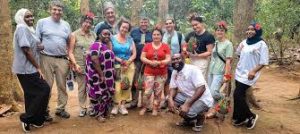
Tourism in Zanzibar extends far beyond the scenic beaches and historic Stone Town; it thrives on the active engagement of local communities, particularly in the spice industry. A Zanzibar Spice Tour is a prime example of community-based tourism that fosters socio-economic development while offering authentic experiences to travelers. Local communities play a pivotal role in cultivating spices, guiding tours, sharing culinary expertise, and producing handicrafts, thereby ensuring that tourism benefits are equitably distributed. By participating in the industry, these communities generate income, build skills, and strengthen social cohesion. According to the World Travel & Tourism Council (WTTC), tourism that integrates local populations creates a multiplier effect, stimulating employment, entrepreneurship, and revenue for surrounding areas. Engaging communities directly in a Zanzibar Spice Tour ensures that the economic benefits of tourism reach those who preserve and nurture the island’s cultural and natural heritage.
One of the primary avenues through which local communities benefit economically is direct employment. On a Zanzibar Spice Tour, residents are employed as plantation guides, tour facilitators, cooks, drivers, and interpreters. These roles not only provide stable income but also facilitate skill development in areas such as hospitality management, foreign languages, customer service, and sustainable farming practices. Local communities in Zanzibar spice tourism are thus integral to the visitor experience, as their knowledge of the land, cultivation techniques, and cultural context enriches every tour. In addition, seasonal and full-time employment in spice plantations and associated tourism facilities creates opportunities for youth and women, promoting gender inclusion and social mobility. The Tanzania Investment Centre notes that community participation in tourism enhances local economies, reduces unemployment, and encourages investment in human capital.
Entrepreneurship represents another significant economic benefit. Many local communities operate small businesses that complement spice tours, including eco-lodges, guesthouses, spice shops, cooking classes, and craft markets. These ventures allow residents to capitalize on the growing demand for authentic tourism experiences while maintaining cultural integrity. For example, visitors on a Zanzibar Spice Tour can purchase handmade spice blends, essential oils, or locally produced handicrafts directly from community cooperatives, ensuring that profits remain within the community. This entrepreneurial participation strengthens the local economy, encourages skill development, and provides a sustainable alternative to reliance on traditional agriculture alone. According to UNWTO, supporting community entrepreneurship in tourism is key to creating long-term, inclusive growth, particularly in rural or underdeveloped regions.
Revenue-sharing mechanisms further ensure that the economic impact of Zanzibar Spice Tours reaches local communities. Many plantations and tour operators collaborate with village committees to allocate portions of tour fees, product sales, and workshop charges to community development projects. Funds are often used for building schools, improving healthcare facilities, supporting water and sanitation projects, and enhancing local infrastructure. These initiatives not only improve quality of life but also strengthen community ownership of tourism resources. Local communities in Zanzibar spice tourism benefit directly from these programs, creating a virtuous cycle in which economic gains reinforce cultural preservation, social stability, and environmental stewardship. The UNEP Sustainable Tourism Guidelines emphasize that revenue-sharing programs promote equity, reduce conflicts, and enhance the sustainability of community-based tourism initiatives.
Participation in Zanzibar Spice Tours also contributes to capacity-building and skill enhancement. Through direct involvement in tours, workshops, and visitor interactions, community members develop competencies in areas such as agribusiness, hospitality, marketing, and environmental management. This practical knowledge improves employment prospects, enhances income-generating potential, and strengthens community resilience. Many local residents also acquire leadership and organizational skills by managing cooperative ventures, guiding educational programs, or coordinating tour logistics. Local communities in Zanzibar spice tourism therefore gain social and economic empowerment simultaneously, fostering confidence, autonomy, and long-term sustainability. According to The World Bank, skill development through tourism is a critical pathway for rural communities to transition from subsistence economies to diversified, sustainable livelihoods.
Tourism also stimulates investment in local infrastructure, which has far-reaching economic implications. Roads, electricity, water supply, and telecommunications improvements in areas frequented by spice tours benefit both tourists and residents. Enhanced infrastructure facilitates the growth of small businesses, increases access to markets, and improves overall living conditions. Moreover, the presence of tourists often attracts additional private and public investments, creating a multiplier effect that sustains economic development in surrounding communities. Local communities in Zanzibar spice tourism thus experience benefits beyond immediate income, gaining access to long-term opportunities that improve their socio-economic status.
Another critical aspect of economic impact is cultural and culinary tourism integration. Spice tours often include cooking demonstrations, farm-to-table meals, and hands-on experiences where visitors learn to use spices in traditional dishes. These activities generate direct revenue for households and entrepreneurs while preserving and promoting Zanzibar’s culinary heritage. Local women, in particular, play a central role in these experiences, from cooking workshops to product sales, promoting gender inclusion and equitable wealth distribution. By participating in these activities, communities create sustainable income streams and enhance the overall tourism product, ensuring that Zanzibar Spice Tours remain attractive to both domestic and international travelers.
Environmental stewardship is closely linked to economic benefits in spice tourism. Local communities manage plantations with sustainable farming practices that protect soil fertility, conserve water, and maintain biodiversity. By educating visitors about these practices during tours, communities reinforce the value of conservation, which in turn attracts environmentally conscious travelers willing to pay premium prices for authentic and responsible experiences. This creates a feedback loop where sustainable agriculture supports tourism, which then generates income for local residents and incentivizes further environmental protection. According to UNEP, integrating ecological awareness into community tourism initiatives enhances long-term economic sustainability while promoting environmental conservation.
In conclusion, the economic benefits of a Zanzibar Spice Tour are multifaceted, encompassing direct employment, entrepreneurship, revenue-sharing, skill development, infrastructure improvements, and sustainable resource management. Local communities are at the heart of this process, ensuring that tourism contributes to both economic prosperity and cultural preservation. By prioritizing community engagement, Zanzibar not only enhances the visitor experience but also creates resilient, empowered populations capable of sustaining tourism in a socially equitable and environmentally responsible manner. A Zanzibar Spice Tour demonstrates that tourism can be a vehicle for inclusive growth, providing tangible benefits that extend well beyond monetary gains. For further insights into community-based tourism and economic empowerment in Zanzibar, visit the Tanzania Tourism Board.
4: Cultural and Social Impacts of Zanzibar Spice Tour
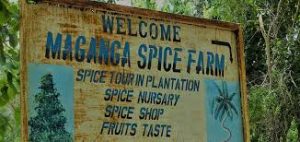
A Zanzibar Spice Tour is much more than a journey through fragrant plantations; it is an immersive cultural experience that connects visitors with the traditions, lifestyles, and social structures of local communities. The social and cultural dimensions of spice tourism in Zanzibar are integral to the island’s identity and play a crucial role in sustaining local heritage. By involving local residents as guides, educators, and entrepreneurs, a Zanzibar Spice Tour not only generates economic benefits but also strengthens cultural pride, preserves traditional knowledge, and fosters social cohesion. Cultural tourism studies consistently highlight that integrating communities into tourism experiences enhances visitor satisfaction, reinforces cultural continuity, and promotes meaningful cross-cultural exchanges. According to the UNESCO Sustainable Tourism Guidelines, cultural tourism that actively involves local populations helps preserve intangible heritage while empowering communities socially and economically.
One of the most profound cultural impacts of a Zanzibar Spice Tour is the preservation of traditional agricultural practices and knowledge. Local farmers demonstrate age-old methods of cultivating cloves, cinnamon, nutmeg, and vanilla, sharing techniques passed down through generations. Visitors learn about planting, harvesting, processing, and storage, gaining insight into the cultural significance of spices in daily life, medicine, and cuisine. These interactions help prevent the erosion of indigenous knowledge and ensure that traditional practices continue to thrive despite modernization. Local communities in Zanzibar spice tourism are therefore custodians of both cultural heritage and agricultural expertise, providing educational experiences that enrich visitors’ understanding of Zanzibar’s history and traditions.
Culinary traditions form another core component of cultural engagement. Spices are central to Zanzibar’s cuisine, influencing flavors in dishes such as pilau, biryani, seafood curries, and spiced teas. A Zanzibar Spice Tour often includes hands-on cooking experiences, where tourists prepare meals using fresh spices under the guidance of local chefs. These culinary workshops offer insight into local flavors, cooking techniques, and the historical context behind recipes, connecting gastronomy with cultural heritage. Participation in these activities allows communities to share their identity while promoting local products and fostering culinary tourism. According to UNWTO, culinary tourism that incorporates local knowledge, culture, and traditions strengthens social bonds and enhances visitor engagement.
Social cohesion and community empowerment are further reinforced through Zanzibar Spice Tours. Community members collaborate to manage plantations, coordinate tours, and operate related businesses, fostering teamwork, governance, and collective responsibility. Revenue-sharing models, cooperative management structures, and participatory decision-making ensure that the benefits of tourism are equitably distributed, reducing inequalities and enhancing social harmony. Local communities in Zanzibar spice tourism often engage women and youth in various roles, from guiding tours to conducting workshops, ensuring inclusive participation and creating opportunities for skill development. These initiatives strengthen community networks, enhance confidence, and foster a sense of ownership over tourism resources. The World Bank Tourism Development Report emphasizes that inclusive tourism participation promotes social empowerment and resilience, particularly in rural or marginalized areas.
Education and skill development are also significant social benefits of Zanzibar Spice Tours. Community members acquire language skills, hospitality training, agricultural expertise, and marketing knowledge, allowing them to provide high-quality experiences for tourists while building capacities that extend beyond tourism. Youth participation in tours offers practical experience, encourages entrepreneurship, and reduces the likelihood of rural-urban migration by creating viable local opportunities. By integrating educational components into tours, communities enhance the social value of tourism, ensuring that cultural and agricultural knowledge is transmitted to the next generation. This intergenerational knowledge transfer safeguards Zanzibar’s heritage while fostering social continuity.
Gender empowerment is another critical social outcome of spice tourism. Women play central roles in plantation work, culinary demonstrations, and craft production. Zanzibar Spice Tours that involve women in leadership, decision-making, and entrepreneurial activities contribute to gender equality and strengthen household economies. Women’s participation enhances social resilience, diversifies income sources, and ensures that tourism benefits reach broader segments of the population. Programs that support gender inclusion in tourism have been shown to improve community cohesion, reduce poverty, and increase overall development outcomes. The UNWTO Women in Tourism Program emphasizes that empowering women through tourism strengthens local economies and reinforces social equity.
Cross-cultural exchange is an additional benefit of Zanzibar Spice Tours. Visitors from around the world engage with local communities, learning about cultural practices, religious traditions, and daily life in Zanzibar. These interactions foster mutual understanding, challenge stereotypes, and promote global awareness. Tourists gain authentic experiences that go beyond superficial sightseeing, while communities develop skills in intercultural communication and global networking. Such exchanges enhance the social fabric of Zanzibar by cultivating tolerance, respect, and cooperation, ensuring that tourism supports cultural dialogue and social learning.
A Zanzibar Spice Tour also reinforces environmental stewardship as part of its cultural impact. Communities manage plantations sustainably, integrating organic farming, soil conservation, and biodiversity protection into daily practices. Tours educate visitors about these techniques, linking cultural traditions with environmental awareness. By emphasizing the cultural and ecological significance of spices, tours help ensure that both heritage and ecosystems are protected for future generations. Local communities in Zanzibar spice tourism act as both cultural and environmental custodians, showcasing how sustainable practices can be embedded within tourism experiences. According to UNEP, integrating environmental education into tourism initiatives benefits communities socially, economically, and ecologically.
In conclusion, a Zanzibar Spice Tour delivers profound cultural and social impacts. By preserving agricultural traditions, promoting culinary heritage, empowering women and youth, fostering community cohesion, facilitating cross-cultural exchange, and integrating environmental stewardship, spice tourism strengthens the social fabric and identity of Zanzibar’s local communities. These experiences enrich visitors’ understanding of the island while ensuring that tourism contributes positively to social development, cultural continuity, and sustainable livelihoods. Local communities in Zanzibar spice tourism are central to this process, demonstrating that authentic engagement, cultural pride, and social empowerment are integral to a successful and responsible tourism industry. For more insights on sustainable cultural tourism in Zanzibar, visit the UNESCO Sustainable Tourism Guide.
5: Challenges and Strategies for a Successful Zanzibar Spice Tour
While Zanzibar Spice Tours offer rich cultural, social, and economic benefits, the sector faces several challenges that can affect sustainability, community participation, and visitor satisfaction. Addressing these obstacles requires strategic planning, community engagement, and adherence to sustainable tourism practices. By understanding potential barriers and implementing effective strategies, Zanzibar can ensure that spice tourism remains a viable, responsible, and enriching experience for both visitors and local communities. Local communities in Zanzibar spice tourism are central to overcoming these challenges, as their involvement ensures authenticity, cultural preservation, and economic inclusion. According to the UNWTO Sustainable Development Guidelines, the success of community-based tourism hinges on balancing economic growth with cultural, social, and environmental stewardship.
One major challenge is limited infrastructure in rural spice-growing regions. Many plantations are located in areas with underdeveloped roads, unreliable electricity, and inadequate water and sanitation systems. This limits accessibility for tourists and affects the quality of visitor experiences. Without proper infrastructure, community entrepreneurs may struggle to host cooking workshops, manage guest accommodations, or maintain plantations for tours. Local communities in Zanzibar spice tourism often bear the brunt of these limitations, as their income and employment opportunities depend on consistent tourist flows. Addressing these challenges requires public-private partnerships, targeted government investment, and community-driven infrastructure projects. Improved roads, transportation options, and utilities not only enhance the visitor experience but also improve the daily lives of residents. According to the World Bank, investing in rural tourism infrastructure is critical for unlocking economic potential and fostering inclusive growth.
Another key challenge is limited training and capacity-building opportunities. Tourism requires expertise in areas such as hospitality management, language proficiency, customer service, marketing, and sustainable farming practices. Many community members may lack formal training, limiting their ability to provide high-quality experiences to tourists. Local communities in Zanzibar spice tourism benefit when skill development programs are introduced, empowering residents to become guides, chefs, workshop facilitators, and entrepreneurs. Organizations such as UNESCO and UNWTO emphasize the importance of education and training in sustainable tourism, highlighting programs that enhance technical skills, entrepreneurial capacity, and cultural interpretation. By equipping communities with knowledge and skills, Zanzibar Spice Tours can improve service quality, visitor satisfaction, and long-term sustainability.
Equitable revenue distribution represents another significant challenge. Without transparent financial systems, profits from tours, workshops, and product sales may fail to reach the communities that support them. This can create social tensions, reduce participation, and undermine trust in tourism initiatives. Local communities in Zanzibar spice tourism need clearly defined revenue-sharing arrangements, cooperative management structures, and accountability mechanisms to ensure fair distribution. Many successful tours incorporate community-managed funds, where proceeds support schools, healthcare, local infrastructure, and skill development programs. According to the UNEP Sustainable Tourism Guidelines, transparent revenue distribution is essential for empowering communities and ensuring sustainable engagement in tourism.
Environmental challenges also impact the sustainability of Zanzibar Spice Tours. Unsustainable agricultural practices, overuse of chemicals, and excessive tourist footfall can degrade soil, threaten biodiversity, and reduce long-term productivity. Local communities are both stewards and beneficiaries of the land, making it essential to implement sustainable farming and tourism practices. Strategies such as organic cultivation, intercropping, composting, and controlled visitor access help mitigate environmental pressures. Visitors on a Zanzibar Spice Tour learn about these practices, fostering awareness of the connections between cultural heritage, agriculture, and ecological stewardship. According to UNEP, integrating environmental management into community tourism initiatives ensures both ecological integrity and long-term economic sustainability.
Another challenge is cultural commodification and social tensions. Tourism can sometimes encourage communities to alter traditional practices, creating a risk of cultural dilution or commercialization. Additionally, certain groups may benefit more than others from tourism revenue, leading to social inequality. Local communities in Zanzibar spice tourism must carefully balance the need to meet tourist expectations with the preservation of cultural authenticity. Strategies to address these challenges include participatory planning, inclusive decision-making, community governance, and education for both residents and tourists about respectful cultural interaction. The UNESCO Sustainable Tourism Guide provides frameworks for maintaining cultural authenticity while supporting tourism-driven economic development.
To overcome these challenges, several strategic approaches can be implemented:
-
Participatory Planning: Involving community members in all stages of tourism development—from tour design to revenue allocation—ensures ownership, accountability, and alignment with local priorities.
-
Capacity-Building Programs: Structured training in hospitality, tour guiding, language skills, sustainable farming, and marketing empowers communities to deliver high-quality, authentic experiences.
-
Equitable Revenue Sharing: Transparent financial systems, cooperative models, and community-managed funds guarantee that profits benefit all participants fairly.
-
Sustainable Practices: Environmental education, organic cultivation, and controlled visitor management protect natural resources while enriching tourist experiences.
-
Cultural Preservation Initiatives: Workshops, storytelling, and participatory experiences preserve intangible heritage while enhancing tourism appeal.
-
Strategic Partnerships: Collaboration with government agencies, NGOs, private sector operators, and international organizations strengthens financial, technical, and regulatory support for sustainable community-based tourism.
Examples of these strategies in action can be seen across Zanzibar. In Kizimbani, cooperative-managed spice plantations integrate tours, workshops, and product sales, ensuring fair revenue distribution while preserving traditional practices. Women-led initiatives in culinary and craft tourism demonstrate inclusive economic participation. Local youth receive training in hospitality and tour operations, enabling them to manage lodges, guide visitors, and operate marketplaces. These models exemplify how challenges can be transformed into opportunities for empowerment, sustainability, and cultural enrichment.
In conclusion, a Zanzibar Spice Tour faces challenges related to infrastructure, training, revenue distribution, environmental sustainability, and cultural preservation. By implementing participatory planning, capacity-building, equitable revenue-sharing, sustainable practices, cultural preservation strategies, and strategic partnerships, Zanzibar can ensure that spice tourism thrives responsibly. Local communities in Zanzibar spice tourism are central to this success, providing knowledge, labor, and stewardship that create authentic and enriching experiences for visitors. Through careful planning and strategic implementation, Zanzibar Spice Tours can continue to offer transformative cultural experiences while supporting resilient, empowered communities. For more guidance on sustainable tourism strategies, visit the UNWTO Sustainable Development Guidelines.
