

Discover Stone Town on a guided tour and explore centuries-old architecture, vibrant culture, and local communities while supporting sustainable tourism in Zanzibar.
1: Introduction – Exploring the Heritage of Stone Town
https://nativesonexpeditions.com/zanzibar-holiday-safaris/
Stone Town, the historical heart of Zanzibar City, is a vibrant fusion of African, Arab, Persian, Indian, and European influences. Recognized as a UNESCO World Heritage Site, Stone Town is characterized by its narrow winding alleys, intricately carved wooden doors, bustling markets, and centuries-old buildings that reflect the rich cultural heritage of Zanzibar. A visit to Stone Town offers tourists a unique opportunity to explore centuries of history while immersing themselves in the local culture, architecture, and lifestyle. Stone Town is not only a center of historical and cultural significance but also a hub for tourism, commerce, and community engagement. The UNESCO World Heritage Center notes that the preservation of Stone Town’s architectural integrity is essential for maintaining its cultural significance and supporting sustainable tourism.
A Stone Town tour is much more than sightseeing; it is a journey into the daily lives of local communities who have maintained their traditions for generations. Tourists can explore historic homes, mosques, and churches while interacting with artisans, traders, and residents who contribute to the town’s dynamic character. The old stone buildings, some dating back to the 19th century, were built from coral stone and mangrove timber and reflect the influence of Swahili, Omani, and Portuguese architecture. Narrow streets lead to bustling markets where spices, textiles, and handmade crafts are sold, offering visitors a sensory experience of smells, colors, and sounds. By participating in a Stone Town tour, tourists engage directly with local communities, gaining insight into their history, traditions, and daily practices. Local communities in Stone Town tourism play a crucial role in preserving the town’s heritage, guiding visitors, running small businesses, and ensuring that tourism contributes positively to local livelihoods.
The town’s history is deeply intertwined with Zanzibar’s role as a trading hub in the Indian Ocean. Stone Town served as a focal point for the spice trade, ivory trade, and, tragically, the slave trade, each leaving a lasting imprint on its architecture, culture, and population. Museums, heritage sites, and guided tours provide insights into these historical narratives, allowing visitors to understand the complexities of Zanzibar’s past. Local guides, often descendants of families who have lived in Stone Town for generations, provide firsthand accounts and storytelling that enrich the visitor experience. A Stone Town tour highlights how historical events shaped social structures, architectural styles, and cultural practices, making it an immersive educational experience for travelers. The Tanzania Tourism Board emphasizes the importance of integrating local communities in heritage tourism to ensure cultural preservation while creating economic opportunities.
In addition to its historical significance, Stone Town is a center for cultural expression. Traditional music, dance, culinary arts, and artisan crafts are integral to the town’s identity. For example, Taarab music, with its fusion of Swahili lyrics and Arab melodies, is a staple of local entertainment. Culinary experiences in Stone Town allow tourists to taste traditional dishes such as Zanzibar pizza, seafood curries, and spiced pilau, often prepared by local families and entrepreneurs. By engaging with these cultural offerings, visitors support local artisans, chefs, and musicians, ensuring that tourism directly benefits community members. Stone Town tours also include visits to markets, workshops, and cultural centers, offering hands-on experiences such as henna painting, dhow-building, and spice blending. These immersive activities provide economic, social, and cultural benefits to local communities while enhancing the tourist experience.
Local communities in Stone Town tourism also play a role in preserving intangible heritage, including storytelling, oral histories, and traditional practices. Walking tours, guided museum visits, and cultural workshops allow tourists to learn about the customs, religious practices, and social norms that have shaped the town for centuries. Preservation of these intangible elements is critical for maintaining Stone Town’s unique identity and ensuring that tourism contributes to cultural continuity rather than homogenization. By participating in community-led tourism initiatives, visitors gain authentic experiences while contributing to the protection of heritage sites and traditions. UNESCO emphasizes that community involvement in heritage tourism is key to sustainable management and long-term preservation.
Stone Town tourism also intersects with sustainability and environmental stewardship. Narrow streets and dense housing make waste management and conservation essential, and local communities have implemented initiatives to maintain cleanliness, protect historic buildings, and manage tourist impact. Eco-friendly accommodations, community-led tours, and educational programs encourage responsible tourism practices that minimize environmental degradation. Visitors on a Stone Town tour learn not only about history and culture but also about the importance of sustainable heritage management, making their experience both enriching and socially responsible. By integrating economic, cultural, and environmental considerations, Stone Town tourism demonstrates a model of sustainable urban tourism that benefits communities while providing exceptional visitor experiences.
In conclusion, Stone Town is a living museum where history, culture, and daily life intersect. A Stone Town tour offers travelers the opportunity to explore centuries-old architecture, experience vibrant local culture, engage with artisans and residents, and support sustainable tourism initiatives. Local communities are at the heart of this experience, ensuring that heritage preservation, cultural continuity, and economic benefits go hand in hand. Visitors leave with not only memories and knowledge but also a deeper appreciation for the unique character of Stone Town and the people who maintain it. For more information about Stone Town and sustainable tourism in Zanzibar, visit the UNESCO World Heritage Center or the Tanzania Tourism Board.
2: History and Architectural Heritage of Stone Town
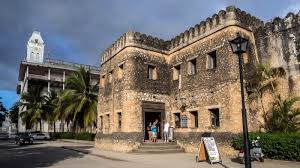
Stone Town, the historic core of Zanzibar City, is a living testament to centuries of trade, culture, and colonial influence. Its architecture and urban layout reflect a unique blend of African, Arab, Persian, Indian, and European design elements, making it one of the most remarkable heritage sites in East Africa. A Stone Town tour provides visitors with an opportunity to explore this architectural marvel, while simultaneously learning about the social, political, and cultural forces that shaped the island. According to the UNESCO World Heritage Center, the town’s significance lies not only in its buildings but also in its urban structure, traditional neighborhoods, and the continuity of local life that maintains its heritage value. Stone Town’s streets, alleys, and buildings serve as a tangible connection to Zanzibar’s historical past, offering an authentic experience of the island’s evolution over centuries.
The architecture of Stone Town is characterized by coral stone buildings, intricately carved wooden doors, and elaborate balconies that showcase both aesthetic appeal and functional design. Influences from Omani Arabs, who once ruled Zanzibar, are evident in the arched doorways and inner courtyards that provided ventilation and privacy. Indian traders contributed ornate balconies and detailed woodwork, while European colonial powers introduced administrative buildings, churches, and fortifications. Visitors on a Stone Town tour can witness this fusion firsthand by exploring landmarks such as the House of Wonders (Beit-al-Ajaib), the Sultan’s Palace (Beit-el-Sahel), and the Old Fort (Ngome Kongwe). Local guides, often descendants of families who have lived in these areas for generations, offer rich narratives about the construction techniques, historical context, and social life associated with each site. Local communities in Stone Town tourism play a critical role in preserving this heritage, maintaining buildings, sharing oral histories, and guiding visitors through the town’s complex past.
The narrow alleyways and maze-like streets of Stone Town are more than just charming features; they reflect the town’s social and functional design. These winding paths provided shade and natural cooling in a tropical climate, while also facilitating security and community interaction. Each neighborhood has its own identity, shaped by the ethnic and occupational groups that historically settled there. From traders and artisans to fishermen and spice merchants, the residents of Stone Town have maintained traditions and crafts that continue to attract tourists. A Stone Town tour provides a sensory experience of these communities, with markets selling spices, textiles, and handmade goods, as well as workshops where visitors can observe local artisans at work. These experiences ensure that tourism directly benefits the people who safeguard the town’s living heritage.
Stone Town’s history is inseparable from its role in the Indian Ocean trade network. For centuries, the town served as a hub for the spice trade, as well as for ivory, slaves, and other valuable commodities. The bustling trade routes brought merchants and settlers from Oman, Persia, India, and Europe, shaping the multicultural character of the town. Landmarks such as the Slave Market Memorial, Anglican Cathedral, and Arab residences provide insight into this complex history, offering lessons about commerce, migration, and human rights struggles. By visiting these sites on a Stone Town tour, travelers gain a nuanced understanding of Zanzibar’s past, including both its achievements and its challenges. Local communities in Stone Town tourism help convey these narratives accurately, ensuring that visitors appreciate the historical depth and significance of the town.
Religious and cultural heritage is another defining aspect of Stone Town’s identity. Mosques, churches, and temples coexist in close proximity, reflecting Zanzibar’s diverse religious history. The town’s residents have preserved rituals, festivals, and music traditions, such as Taarab performances, which blend African, Arab, and Indian influences. These cultural practices are integral to the experience of visiting Stone Town, as they bring the history of the buildings and streets to life. Local guides and cultural practitioners ensure that tourists engage respectfully with these traditions, promoting intercultural understanding and appreciation. According to the Tanzania Tourism Board, integrating community engagement into cultural tourism strengthens social cohesion while safeguarding heritage for future generations.
Stone Town is also renowned for its artisan communities, which contribute significantly to its tourism appeal. Traditional crafts such as woodcarving, weaving, and pottery are not only artistic expressions but also vital sources of income for local families. Markets, workshops, and cooperative initiatives allow tourists to observe artisans at work, participate in craft-making sessions, and purchase authentic products directly from the creators. This system ensures that economic benefits are retained within the community, promoting both cultural preservation and sustainable livelihoods. Visitors on a Stone Town tour gain hands-on exposure to these crafts, learning about the materials, techniques, and historical context that underpin each art form. By involving local communities in tourism, Stone Town maintains its authenticity and ensures that heritage activities are economically and socially sustainable.
Environmental and urban sustainability is another key component of Stone Town’s heritage. Coral stone and lime mortar buildings, along with natural ventilation and shaded streets, exemplify traditional design adapted to the tropical climate. However, modern pressures such as population growth, tourism, and climate change pose risks to the structural integrity of historic buildings. Local communities, supported by government and international organizations, have implemented conservation strategies to protect these structures while accommodating tourism. Stone Town tours often include educational elements about preservation techniques, highlighting the importance of community involvement in maintaining heritage sites. According to UNEP Sustainable Tourism Guidelines, combining community stewardship with conservation education ensures that tourism benefits both residents and visitors while protecting cultural and environmental resources.
In conclusion, Stone Town’s architecture and history provide an unparalleled window into Zanzibar’s rich past. A Stone Town tour allows visitors to explore historic buildings, alleyways, markets, religious sites, and artisan workshops, while engaging directly with local communities that preserve and animate the town’s heritage. Local communities in Stone Town tourism are the custodians of these tangible and intangible treasures, ensuring that tourism supports cultural continuity, economic empowerment, and sustainable development. By integrating historical, architectural, cultural, and environmental perspectives, Stone Town offers travelers an authentic, immersive, and socially responsible experience. For more information on heritage preservation and tourism in Stone Town, visit the UNESCO World Heritage Center and the Tanzania Tourism Board.
3: Community Engagement and Social Benefits of Stone Town Tourism
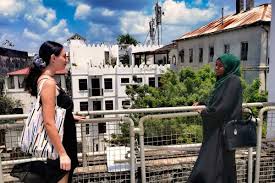
Tourism in Stone Town is not solely about exploring historic architecture and markets; it is deeply intertwined with the well-being, participation, and empowerment of local communities. Local residents are the lifeblood of Stone Town tourism, providing services as guides, artisans, hospitality providers, and cultural educators. By actively engaging with tourists, local communities in Stone Town tourism help ensure that the town’s rich heritage remains relevant, accessible, and beneficial to both residents and visitors. According to the UNWTO Sustainable Development Guidelines, integrating local communities into tourism initiatives fosters social cohesion, preserves cultural identity, and creates equitable economic opportunities. A Stone Town tour is most successful when community engagement is prioritized, allowing visitors to experience authentic culture while supporting the town’s residents.
One of the primary social benefits of Stone Town tourism is employment and skill development. Local residents work as tour guides, museum staff, hotel employees, drivers, cooks, and craft facilitators, acquiring valuable skills in hospitality, languages, and customer service. These roles not only generate income but also provide professional development opportunities that improve social mobility. Youth participation in tourism activities helps prevent urban migration by offering sustainable local livelihoods, while women’s involvement in culinary tours, handicrafts, and cultural demonstrations promotes gender equity and inclusion. A Stone Town tour thus acts as a platform for skill-building and workforce development, enabling communities to strengthen social structures while enhancing the visitor experience.
Community-led initiatives also play a critical role in cultural preservation and education. Residents teach visitors about Swahili culture, traditional music, dance, and culinary arts, ensuring that intangible heritage is passed down and celebrated. For example, visitors may attend Taarab music performances, participate in cooking classes, or engage in storytelling sessions led by local elders. These experiences create meaningful cultural exchanges, fostering mutual respect and understanding between tourists and communities. Local communities in Stone Town tourism ensure that these interactions remain authentic, preventing the commodification of culture while promoting social pride and identity. According to UNESCO Sustainable Tourism Guidelines, community participation in cultural tourism safeguards intangible heritage while contributing to social development.
Economic empowerment is another significant social benefit of tourism in Stone Town. Local communities manage small businesses, cooperatives, and artisan workshops that provide income through direct sales of crafts, spices, textiles, and other locally produced goods. Markets, cultural centers, and workshops allow tourists to purchase authentic products, ensuring that profits remain within the community. These ventures not only improve household income but also strengthen social networks and support local development projects. Transparent revenue-sharing mechanisms ensure that tourism contributes fairly to community welfare, funding education, healthcare, and infrastructure initiatives. The Tanzania Investment Centre emphasizes that community-driven tourism fosters inclusive growth and social cohesion, particularly in heritage-rich destinations like Stone Town.
Tourism also enhances social integration and cohesion. Residents from diverse ethnic, religious, and cultural backgrounds collaborate in hosting visitors, coordinating tours, and managing heritage sites. These joint efforts build trust, encourage teamwork, and strengthen the social fabric of Stone Town. Festivals, cultural events, and community projects associated with tourism promote dialogue and cooperation, creating a sense of collective ownership over the town’s heritage. Local communities in Stone Town tourism benefit from increased social capital, resilience, and empowerment, ensuring that tourism strengthens, rather than disrupts, social harmony.
Education and knowledge-sharing are additional social benefits linked to Stone Town tourism. Schools, museums, and cultural centers often collaborate with tour operators to provide educational programs for both residents and visitors. Local guides explain the historical context of buildings, the significance of cultural practices, and the socio-economic history of Zanzibar, enriching the visitor experience while fostering awareness among younger generations. Engaging youth in tourism-related education also nurtures future custodians of heritage sites, ensuring the long-term preservation of Stone Town’s identity. According to The World Bank Tourism Development Report, education and skill-building within community tourism initiatives are vital for sustainable development, economic empowerment, and social inclusion.
Gender inclusion is particularly notable in Stone Town tourism. Women actively participate in culinary tours, handicraft production, market management, and guesthouse operations, providing vital income for households and fostering entrepreneurship. Tourism initiatives that prioritize women’s participation enhance social equality and empower previously marginalized groups, enabling them to shape economic, cultural, and social outcomes. Women-led projects, such as spice workshops and cooking classes, allow tourists to interact directly with female entrepreneurs, creating meaningful cultural exchanges while supporting social equity. The UNWTO Women in Tourism Program highlights that empowering women in tourism strengthens local economies and enhances social cohesion.
Tourism in Stone Town also fosters cross-cultural understanding. Visitors from around the world interact with local residents, learning about Swahili traditions, religious practices, and historical narratives. These exchanges encourage mutual respect, challenge stereotypes, and deepen global awareness. Local communities benefit socially by developing communication, hospitality, and intercultural skills, while tourists gain authentic experiences that go beyond conventional sightseeing. Cross-cultural interaction in a Stone Town tour strengthens the social fabric of both visitors and residents, creating connections that extend beyond the boundaries of the island.
Finally, Stone Town tourism contributes to community-driven heritage conservation. Residents actively participate in preserving historic buildings, alleyways, and cultural landmarks, integrating conservation with tourism activities. Community involvement ensures that heritage sites are protected while generating social and economic benefits. Educational tours highlight the importance of preservation and sustainability, encouraging both tourists and residents to value the cultural and historical significance of the town. According to UNEP Sustainable Tourism Guidelines, community stewardship is critical for balancing tourism development with cultural, social, and environmental sustainability.
In conclusion, the social benefits of Stone Town tourism are far-reaching. By providing employment, fostering cultural preservation, promoting gender equality, supporting economic empowerment, enhancing education, encouraging cross-cultural understanding, and strengthening community cohesion, Stone Town tourism significantly improves the quality of life for local residents. Local communities in Stone Town tourism are not passive beneficiaries; they are active participants, educators, and custodians of heritage, ensuring that tourism remains socially inclusive, culturally authentic, and sustainable. For further insights into community engagement in heritage tourism, visit the Tanzania Tourism Board or UNWTO Sustainable Development Guidelines.
4: Cultural, Religious, and Culinary Heritage of Stone Town

Stone Town is a melting pot of cultures, religions, and cuisines, making it one of the most vibrant and historically rich destinations in East Africa. Beyond its historic architecture and narrow alleys, Stone Town offers travelers immersive experiences in Swahili culture, culinary traditions, and religious heritage, all of which are brought to life by local communities. A Stone Town tour allows visitors to witness centuries of cultural fusion, from Taarab music performances to traditional culinary workshops, while directly engaging with the residents who preserve and transmit these traditions. According to the UNESCO World Heritage Center, safeguarding the cultural diversity of Stone Town is essential for maintaining its heritage value, as the town’s social and artistic life is inseparable from its architectural and historical identity. Local communities in Stone Town tourism are therefore critical not only to preserving tangible heritage but also to sustaining living traditions.
Cultural heritage in Stone Town is reflected in its music, art, festivals, and daily social practices. Taarab music, blending Swahili, Arab, Indian, and Western influences, is a hallmark of the town’s cultural identity. Local musicians perform during weddings, festivals, and cultural events, often guiding tourists in interactive sessions that allow visitors to learn about the instruments, lyrics, and performance styles. Artisans in Stone Town create traditional crafts, including woodcarving, basket weaving, and textile dyeing, which are sold in local markets or demonstrated in workshops. By participating in these activities, tourists support artisans financially while learning about centuries-old techniques and the cultural significance behind each creation. Local communities in Stone Town tourism thus act as custodians of both material and intangible heritage, ensuring that visitors experience authentic cultural narratives.
Religious heritage is another defining feature of Stone Town. The town is home to numerous mosques, churches, and temples, reflecting the pluralistic history of Zanzibar. Sites such as the Anglican Cathedral, built on the grounds of the former slave market, and the historic mosques scattered throughout the alleys, provide insight into the spiritual life of the town across centuries. Visitors on a Stone Town tour learn about religious traditions, practices, and festivals, gaining a deep understanding of how faith has shaped social norms, architecture, and community interactions. Local communities in Stone Town tourism guide visitors respectfully, ensuring that cultural sensitivity and religious decorum are maintained while facilitating meaningful intercultural exchange. According to the Tanzania Tourism Board, integrating religious and cultural education into tourism promotes understanding, tolerance, and heritage preservation.
Culinary heritage is an essential component of the Stone Town experience. The town’s cuisine reflects the diverse influences of African, Arab, Indian, and European settlers, resulting in unique flavors and dishes that are an attraction in their own right. Local communities conduct culinary tours, offering hands-on experiences where visitors can prepare traditional dishes such as Zanzibar pizza, spiced seafood curries, pilau, and biryani. Spice markets, a legacy of Zanzibar’s historical trade, allow tourists to see, smell, and taste fresh cloves, cinnamon, nutmeg, and vanilla, while learning about their cultivation and historical significance. A Stone Town tour therefore provides a multisensory experience, connecting culinary traditions to historical and cultural narratives. According to UNWTO, culinary tourism that engages local communities enhances cultural preservation, economic empowerment, and social cohesion.
Local communities in Stone Town tourism also play a central role in cultural education and storytelling. Residents often share oral histories, folktales, and personal narratives that give visitors context about historical events, social structures, and family traditions. These stories provide insight into Zanzibar’s complex history, including the spice trade, the arrival of Omani Arabs, Indian merchants, European colonizers, and the legacy of the slave trade. By listening to local guides and community members, tourists gain a nuanced understanding of the town’s evolution, connecting historical facts to lived experiences. This participatory approach ensures that heritage preservation is not limited to buildings but extends to living culture, knowledge, and social practices.
Festivals and cultural events in Stone Town offer additional opportunities for immersive experiences. The Zanzibar International Film Festival, Mwaka Kogwa celebration, and Eid festivities are moments where tourists can witness traditional music, dance, poetry, and community rituals. Local residents often organize workshops, performances, and demonstrations during these events, allowing tourists to participate actively rather than observe passively. These occasions highlight the town’s dynamic culture, demonstrate community resilience, and foster cross-cultural understanding. A Stone Town tour during these events showcases how tourism can promote cultural appreciation while benefiting local communities economically and socially.
Culinary and cultural workshops in Stone Town are also instrumental in supporting women and youth. Many workshops are led by female chefs, artisans, or cultural practitioners, providing them with income, professional development, and social recognition. Youth participation in tour operations, performance arts, and craft production ensures skill development and intergenerational knowledge transfer. By engaging with local communities in these ways, tourists contribute directly to social inclusion and empowerment, reinforcing the positive impacts of tourism. According to UNEP Sustainable Tourism Guidelines, integrating social and cultural education into tourism supports equitable growth while preserving heritage.
Stone Town’s cultural sustainability relies on community-led initiatives that balance tourism demand with preservation. Local residents manage markets, workshops, and tour operations in ways that minimize cultural commodification, environmental degradation, and social disruption. Educational signage, visitor codes of conduct, and guided tours promote responsible tourism practices, ensuring that the town’s heritage remains intact for future generations. By embedding conservation principles into cultural, religious, and culinary tourism, Stone Town serves as a model for sustainable heritage tourism. Local communities in Stone Town tourism are not merely providers of experiences; they are educators, stewards, and innovators, ensuring that visitors gain authentic and meaningful encounters.
In conclusion, Stone Town’s cultural, religious, and culinary heritage forms the core of its tourism appeal. By exploring Taarab music, artisan crafts, religious landmarks, culinary workshops, festivals, and storytelling sessions, tourists engage directly with local communities, learning about the town’s diverse influences and rich traditions. Local communities in Stone Town tourism are central to preserving these living traditions, promoting economic empowerment, fostering social cohesion, and maintaining cultural authenticity. A Stone Town tour is therefore not just a sightseeing activity; it is an immersive, socially responsible, and culturally enriching journey. For more insights on cultural and culinary tourism in Zanzibar, visit UNESCO Sustainable Tourism or the Tanzania Tourism Board.
5: Challenges, Sustainability, and Future Strategies for Stone Town Tourism
While Stone Town is a globally recognized heritage site and a vibrant tourism destination, the town faces several challenges that could affect the sustainability, authenticity, and economic benefits of tourism. Addressing these issues requires collaboration between local communities, government agencies, private operators, and international organizations. Sustainable planning ensures that Stone Town tourism continues to provide social, cultural, and economic benefits while preserving its historical and environmental integrity. Local communities in Stone Town tourism are central to these efforts, as they provide knowledge, labor, and cultural stewardship that help maintain the town’s authenticity and resilience. According to the UNWTO Sustainable Development Guidelines, integrating community participation, environmental protection, and heritage preservation is essential for the long-term viability of tourism in historic urban destinations.
One of the primary challenges is heritage conservation amidst urban pressures. Stone Town’s historic buildings, narrow alleys, and coral stone structures are vulnerable to environmental degradation, population growth, and inadequate maintenance. Tourism can exacerbate these pressures if visitor flows are unmanaged, leading to wear and tear on historic sites. Local communities in Stone Town tourism play a crucial role in monitoring and maintaining heritage structures, participating in restoration projects, and educating visitors about preservation practices. Collaboration with organizations such as UNESCO ensures that conservation efforts align with international heritage standards while empowering communities to take ownership of preservation initiatives.
Another challenge is balancing tourism growth with social equity. Without inclusive planning, tourism revenue may disproportionately benefit external operators rather than local residents. This can lead to social tension, reduced community engagement, and the erosion of trust. Local communities in Stone Town tourism require transparent mechanisms for revenue-sharing, cooperative management of tours and workshops, and equitable opportunities for employment. Initiatives such as community-run guesthouses, artisan cooperatives, and cultural performance groups allow residents to retain economic benefits while providing high-quality experiences to visitors. According to the Tanzania Tourism Board, equitable participation ensures that tourism contributes to social cohesion and long-term community development.
Environmental sustainability is also a critical concern. Stone Town’s dense urban environment, combined with high tourist footfall, can strain water resources, waste management systems, and local ecosystems. Responsible tourism practices, including controlled visitor access, waste reduction, and eco-friendly accommodations, are necessary to minimize environmental impact. Local communities in Stone Town tourism often implement initiatives such as recycling programs, community cleanups, and energy-efficient solutions to reduce the ecological footprint of tourism. By combining environmental stewardship with cultural preservation, Stone Town provides a model of sustainable urban tourism that benefits both residents and visitors. UNEP Sustainable Tourism Guidelines emphasize that community involvement is key to maintaining ecological balance while supporting heritage tourism.
Skill development and capacity-building represent another ongoing challenge. Tourism in Stone Town requires expertise in hospitality, guiding, language skills, cultural interpretation, marketing, and sustainable management. Many local residents lack access to formal training, limiting their ability to maximize opportunities from tourism. Targeted education programs, vocational training, and workshops empower community members to deliver high-quality services, improve visitor satisfaction, and manage tourism enterprises sustainably. Local communities in Stone Town tourism benefit when skills are developed inclusively, particularly for women and youth, who play essential roles in hospitality, culinary experiences, and cultural education. According to World Bank Tourism Reports, investment in human capital is essential for sustainable tourism development and long-term community resilience.
Cultural commodification and authenticity is another concern. Tourism can inadvertently encourage the alteration or simplification of traditions to meet visitor expectations. Local communities in Stone Town tourism must carefully balance providing engaging experiences with preserving cultural authenticity. Participatory planning, cultural education, and interpretive workshops help ensure that heritage and traditions are respected, while tourists gain meaningful and accurate insights. UNESCO emphasizes that safeguarding both tangible and intangible heritage requires community involvement and ethical tourism practices.
To address these challenges, several strategic approaches can be implemented:
-
Community Participation and Governance: Empower local residents to lead tourism initiatives, manage cooperatives, and participate in decision-making processes to ensure equity and ownership.
-
Heritage Conservation Programs: Collaborate with conservation experts, NGOs, and international organizations to restore and maintain historic buildings, alleyways, and cultural sites.
-
Sustainable Tourism Practices: Implement eco-friendly accommodations, waste management systems, and visitor guidelines to protect the environment while enhancing visitor experience.
-
Skill Development and Training: Offer education in hospitality, cultural interpretation, marketing, and tour management to enhance community capacity and professional opportunities.
-
Cultural Preservation Initiatives: Maintain authenticity in performances, culinary experiences, and craft workshops while engaging tourists respectfully.
-
Equitable Revenue Sharing: Develop transparent financial mechanisms, cooperatives, and community-led businesses to ensure that economic benefits are distributed fairly.
Successful examples of these strategies can be observed in neighborhoods like Shangani and Mizingani, where local residents manage guesthouses, craft workshops, and culinary tours, integrating heritage preservation with tourism operations. Women-led cooking classes and artisan cooperatives provide both economic empowerment and cultural education, while youth programs in guiding and hospitality ensure intergenerational knowledge transfer. Stone Town’s community-driven approach demonstrates that tourism can be a catalyst for sustainable social, cultural, and economic development.
In conclusion, the future of Stone Town tourism depends on addressing challenges related to heritage conservation, social equity, environmental sustainability, skill development, and cultural authenticity. By prioritizing community participation, implementing sustainable practices, providing capacity-building opportunities, and ensuring equitable benefits, Stone Town can continue to thrive as a destination that is historically significant, culturally vibrant, and socially inclusive. Local communities in Stone Town tourism are central to this vision, serving as custodians of heritage, educators, and active participants in shaping the town’s sustainable tourism future. For more guidance on sustainable tourism strategies and community engagement, visit UNWTO Sustainable Development Guidelines and UNEP Sustainable Tourism Resources
