

Discover chimpanzee trekking in Gombe National Park, Tanzania. Learn about wildlife encounters, conservation history, trekking rules, and why Gombe is a must-visit destination.
1: Introduction to Gombe National Park and the Uniqueness of Chimpanzee Trekking
https://nativesonexpeditions.com/blogs/
Gombe National Park is one of Tanzania’s smallest yet most globally significant protected areas. Nestled along the eastern shores of Lake Tanganyika in western Tanzania, this remote park is world-famous for its chimpanzee population and groundbreaking primate research. Unlike traditional savannah safaris, Gombe offers an intimate rainforest experience where visitors trek through dense forested slopes in search of wild chimpanzees in their natural habitat. This rare form of wildlife tourism has positioned Chimpanzee trekking in Gombe National Park as one of the most exclusive and meaningful wildlife experiences in Africa.
Geographical and Ecological Overview of Gombe
Established in 1968, Gombe National Park covers approximately 52 square kilometers of rugged terrain composed of steep valleys, tropical forests, woodlands, and grasslands. Despite its small size, the park hosts remarkable biodiversity, including olive baboons, red colobus monkeys, blue monkeys, bushbucks, and over 200 bird species. Lake Tanganyika itself supports unique aquatic life and enhances the park’s ecological importance.
The park’s geography creates a highly immersive trekking environment. Trails wind through thick vegetation, along streams, and across hills, making chimpanzee tracking a physically engaging but rewarding experience. The forest ecosystem also plays a vital role in supporting chimpanzee social structures, feeding patterns, and territorial behavior, which visitors often observe during treks.
Historical Significance and Jane Goodall’s Legacy
Gombe National Park gained international recognition through the pioneering work of Dr. Jane Goodall, who began her chimpanzee research here in 1960. Her discoveries revolutionized scientific understanding of primates, particularly after observing chimpanzees making and using tools—behavior previously believed to be uniquely human.
Jane Goodall’s long-term research transformed Gombe into one of the most studied chimpanzee habitats in the world. Her work laid the foundation for modern primatology and conservation biology, and it continues today through the Jane Goodall Institute. Visitors trekking in Gombe are not only observing wildlife but also stepping into a living scientific legacy that has shaped global conservation efforts.
Authoritative information on Jane Goodall’s work and Gombe’s global importance can be found at the Jane Goodall Institute:
https://janegoodall.org/our-work/gombe-stream-research-centre/
Why Chimpanzee Trekking Is Different from Traditional Safaris
Chimpanzee trekking is fundamentally different from vehicle-based game drives. Instead of observing animals from a distance, visitors hike on foot through forest terrain, guided by experienced rangers and trackers. The encounter with chimpanzees is dynamic and unpredictable—chimps move freely, vocalize loudly, and interact socially in complex ways.
This immersive experience creates a deep emotional connection between visitors and wildlife. Observing chimpanzees groom each other, care for their young, or assert dominance offers insight into primate behavior that feels both fascinating and humbling. For many travelers, this close encounter is more impactful than seeing large mammals from a safari vehicle.
Because of its sensitivity and conservation importance, Chimpanzee trekking in Gombe National Park is carefully regulated to protect both animals and visitors.
Tourism, Conservation, and Limited Access
Gombe National Park operates under strict visitation rules. Only a limited number of trekkers are allowed per day, and encounters with chimpanzees are time-restricted to minimize stress and disease transmission. Visitors must maintain a safe distance, follow hygiene guidelines, and adhere strictly to ranger instructions.
These measures ensure that tourism remains low-impact and conservation-focused. Revenue generated from trekking permits directly supports park management, ranger salaries, research activities, and community conservation programs. This model demonstrates how carefully managed tourism can contribute positively to wildlife protection.
The Tanzania National Parks Authority (TANAPA) provides official guidelines and conservation information for Gombe National Park:
https://www.tanzaniaparks.go.tz/national_parks/gombe
Cultural and Community Context
The communities living near Gombe, particularly around Kigoma town, play an important role in supporting conservation efforts. Sustainable tourism initiatives create employment opportunities for local people as guides, boat operators, lodge staff, and porters. By linking livelihoods to conservation success, tourism reduces pressure on forest resources and promotes coexistence between people and wildlife.
Community engagement also enhances visitor experiences. Cultural interactions, storytelling, and learning about local traditions provide broader context to the trekking adventure and strengthen appreciation for the region as a whole.
Accessibility and First Impressions for Visitors
Reaching Gombe is an adventure in itself. Visitors typically fly or travel by train to Kigoma, followed by a boat transfer along Lake Tanganyika to the park. This journey adds to Gombe’s exclusivity and sense of remoteness, making it particularly appealing to travelers seeking off-the-beaten-path experiences.
The first impressions of Gombe are often defined by tranquility—dense green hills descending into crystal-clear lake waters, distant chimpanzee calls echoing through the forest, and a sense of stepping into a pristine natural world. These elements combine to create an unforgettable introduction to Chimpanzee trekking in Gombe National Park.
Global Recognition and Conservation Importance
Gombe’s contribution to global conservation extends beyond tourism. Research conducted here informs chimpanzee conservation strategies across Africa. The park also serves as a case study for balancing research, tourism, and habitat protection in small, fragile ecosystems.
International organizations such as National Geographic have highlighted Gombe’s significance as a conservation and research hub:
https://www.nationalgeographic.com/animals/mammals/facts/chimpanzee/
Gombe National Park is far more than a trekking destination—it is a living laboratory, a conservation success story, and a place of profound human–wildlife connection. Its unique geography, scientific legacy, and carefully managed tourism model make it one of Africa’s most meaningful wildlife destinations. Understanding the park’s background, ecological importance, and conservation framework provides a strong foundation for appreciating the deeper value of chimpanzee trekking. This introduction sets the stage for exploring trekking experiences, conservation practices, visitor preparation, and future sustainability throughout this Chimpanzee trekking in Gombe National Park guide.
2: The Chimpanzee Trekking Experience – What to Expect, Rules, and the Best Time to Visit
Chimpanzee trekking in Gombe is an experience that blends adventure, education, and conservation in one of Africa’s most intimate wildlife settings. Unlike mass tourism safaris, this activity requires patience, physical effort, and respect for nature. Understanding what to expect before arriving, the rules that govern trekking, and the best time to visit is essential for a safe, rewarding, and ethical experience. This section provides a comprehensive guide to the full trekking process while highlighting why Chimpanzee trekking in Gombe National Park remains one of the most unique wildlife encounters in the world.
What a Typical Chimpanzee Trekking Day Looks Like
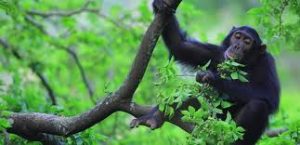
A trekking day in Gombe usually begins early in the morning. Visitors gather at park headquarters for a briefing led by park rangers. During this session, guides explain safety rules, health precautions, and behavioral guidelines when encountering chimpanzees. Visitors are also assigned to small trekking groups, ensuring minimal disturbance to the animals.
After the briefing, trekkers enter the forest accompanied by experienced rangers and trackers who monitor chimpanzee movements daily. Treks can last anywhere from one to four hours, depending on the location of the chimpanzee community. The terrain is steep and forested, often requiring hikers to navigate narrow trails, slippery slopes, and dense vegetation.
Once chimpanzees are located, visitors are typically allowed to observe them for a limited time—usually up to one hour. This time restriction is crucial for minimizing stress on the animals and reducing the risk of disease transmission. During the observation period, trekkers may witness chimpanzees feeding, grooming, playing, or vocalizing loudly across the forest canopy.
Physical Requirements and Fitness Expectations
Chimpanzee trekking in Gombe is moderately challenging and not comparable to leisurely walking safaris. Trekkers should be prepared for uphill climbs, uneven ground, and humid conditions. A reasonable level of physical fitness is recommended, though the pace is adjusted to suit the group.
Proper footwear, such as hiking boots with good grip, is essential. Long trousers, lightweight long-sleeved shirts, and rain protection are also advised. Visitors should carry sufficient drinking water and personal items in small backpacks to remain comfortable throughout the trek.
Despite the physical demands, the experience is accessible to most travelers who are reasonably active and prepared. The sense of accomplishment after locating and observing chimpanzees makes the effort worthwhile.
Rules and Regulations Governing Chimpanzee Trekking
Strict rules govern all chimpanzee trekking activities in Gombe to protect both visitors and animals. These regulations are enforced by Tanzania National Parks Authority (TANAPA) and park rangers.
Key rules include maintaining a minimum distance from chimpanzees, avoiding direct eye contact, and remaining quiet during observations. Visitors are prohibited from eating, drinking, or smoking near chimpanzees, as food particles and human waste can spread diseases.
Health regulations are particularly important. Visitors with flu-like symptoms, coughs, or other contagious illnesses are not allowed to participate in trekking. Chimpanzees share a high percentage of genetic similarity with humans, making them highly vulnerable to human diseases.
Official trekking rules and conservation policies are outlined by TANAPA:
https://www.tanzaniaparks.go.tz/
Group Size and Permit Limitations
To reduce environmental impact and ensure a high-quality experience, trekking groups are kept small. Only a limited number of permits are issued each day, making advance booking essential, especially during peak seasons.
Small group sizes allow guides to manage visitor behavior more effectively while providing detailed explanations about chimpanzee behavior, ecology, and conservation. This personalized approach enhances visitor understanding and appreciation of the experience.
Permit limitations also help control tourism pressure on chimpanzee communities, reinforcing conservation objectives central to Chimpanzee trekking in Gombe National Park.
Best Time of Year for Chimpanzee Trekking
Chimpanzee trekking in Gombe is possible year-round, but seasonal conditions influence accessibility and trekking difficulty. The dry season, from June to October, is generally considered the best time to visit. During this period, trails are less slippery, visibility is better, and trekking conditions are more comfortable.
The wet seasons, from November to May, bring lush vegetation and fewer visitors but also increased humidity and challenging trail conditions. Heavy rains can make trekking more strenuous, though sightings are still possible and the forest is particularly vibrant.
Choosing the best time depends on visitor preferences—those seeking easier trekking conditions may prefer the dry season, while travelers looking for solitude and dramatic scenery may enjoy the rainy months.
Wildlife Behavior and What You May Observe
Chimpanzees are highly social and intelligent animals with complex behaviors. During treks, visitors may observe social interactions such as grooming, play, vocal communication, and displays of dominance. Mothers caring for infants and young chimps learning social skills are particularly fascinating to watch.
Behavior varies depending on the time of day, season, and group dynamics. Experienced guides interpret these behaviors, providing context that enriches the observation experience. Understanding chimpanzee behavior enhances respect for their social structures and reinforces conservation awareness.
Photography Guidelines and Ethical Considerations
Photography is allowed during chimpanzee trekking, but strict guidelines apply. Flash photography is prohibited, as it can disturb animals. Visitors are encouraged to use cameras with good zoom capabilities to avoid getting too close.
Ethical photography prioritizes animal welfare over the pursuit of dramatic images. Responsible behavior ensures that photography does not interfere with natural activities or provoke stress responses.
National Geographic emphasizes ethical wildlife photography principles that align with Gombe’s trekking guidelines:
https://www.nationalgeographic.com/photography/article/ethical-photography-guidelines
Safety Measures for Visitors
Safety is a top priority during chimpanzee trekking. Rangers are trained to manage wildlife encounters and ensure visitor compliance with regulations. Chimpanzees are generally peaceful, but they are wild animals capable of unpredictable behavior.
Visitors are instructed to remain calm, follow ranger instructions, and never attempt to approach or interact physically with chimpanzees. By adhering to safety protocols, visitors protect themselves and contribute to responsible tourism practices.
Why the Experience Is So Impactful
Many travelers describe chimpanzee trekking as a deeply emotional experience. Observing animals that share close genetic ties with humans creates a powerful sense of connection and responsibility. The combination of physical effort, close observation, and educational interpretation leaves a lasting impression.
This transformative experience often inspires visitors to support conservation efforts long after leaving Gombe. It exemplifies how carefully managed tourism can foster awareness, empathy, and global conservation advocacy.
Contribution of Trekking to Conservation
Revenue generated from trekking permits directly supports park operations, research programs, and community development initiatives. This financial contribution helps fund anti-poaching patrols, habitat protection, and long-term chimpanzee research.
Organizations such as the Jane Goodall Institute continue to collaborate with park authorities to ensure that tourism supports conservation goals:
https://janegoodall.org/our-work/
Chimpanzee trekking in Gombe is a carefully regulated, physically engaging, and emotionally powerful wildlife experience. From early-morning briefings and forest hikes to close observation of chimpanzee behavior, every aspect of the trek is designed to balance visitor enjoyment with conservation priorities. Understanding what to expect, following rules, and choosing the right season ensures a safe and meaningful visit. Through responsible participation, travelers directly support conservation and research efforts that protect one of Africa’s most iconic primate populations. This approach reinforces the enduring value of Chimpanzee trekking in Gombe National Park as a model for ethical wildlife tourism.
3: Conservation Efforts, Scientific Research, and the Role of Chimpanzee Trekking in Protecting Gombe
Conservation is the backbone of Gombe National Park’s existence and long-term survival. Without sustained protection, research, and community involvement, the park’s fragile ecosystem and chimpanzee populations would face serious threats. Chimpanzee trekking is not only a tourism activity but also a critical conservation tool that generates funding, awareness, and global support for protection efforts. This section explores the conservation framework, scientific research, and the direct role tourism plays in safeguarding Chimpanzee trekking in Gombe National Park.
Historical Foundations of Conservation in Gombe
Gombe’s conservation journey began with scientific discovery. When Dr. Jane Goodall arrived in Gombe in 1960, little was known about chimpanzee behavior in the wild. Her long-term research revealed complex social structures, tool use, emotional intelligence, and cultural behaviors among chimpanzees. These findings transformed global understanding of primates and highlighted the urgent need for their protection.
The early research also exposed threats such as habitat loss, human encroachment, and disease transmission. As a result, conservation efforts evolved from pure research into integrated strategies combining science, park management, and community engagement. Gombe National Park was officially established to protect the chimpanzee habitat and support continued research.
Long-Term Chimpanzee Research and Monitoring
Gombe is home to one of the longest-running wildlife research projects in the world. Continuous monitoring of chimpanzee communities provides invaluable data on population trends, health, social dynamics, and environmental changes. Researchers track individual chimpanzees over decades, offering rare insights into life histories and generational change.
This research informs conservation decisions, such as identifying critical feeding areas, understanding disease risks, and adapting management strategies to climate variability. The presence of researchers also enhances protection by increasing surveillance and rapid response to threats.
The Jane Goodall Institute continues to oversee and support research at Gombe, ensuring that scientific knowledge guides conservation action:
https://janegoodall.org/our-work/gombe-stream-research-centre/
Threats Facing Chimpanzees in Gombe
Despite its protected status, Gombe faces ongoing conservation challenges. Habitat loss outside park boundaries due to agriculture and settlement limits chimpanzee movement and reduces available resources. Disease transmission remains a significant risk, given the genetic similarity between humans and chimpanzees.
Poaching, although less prevalent than in larger parks, still poses a threat, particularly through snares intended for other wildlife. Climate change adds further pressure by altering rainfall patterns and vegetation growth, affecting food availability.
Addressing these threats requires continuous funding, effective enforcement, scientific research, and collaboration with surrounding communities.
Role of Chimpanzee Trekking in Conservation Funding
Tourism revenue generated through trekking permits is a cornerstone of Gombe’s conservation funding. Permit fees support ranger salaries, anti-poaching patrols, infrastructure maintenance, and research programs. Without tourism income, sustaining these essential activities would be far more challenging.
Because visitor numbers are strictly limited, trekking fees are structured to maximize conservation value rather than mass tourism profits. This low-volume, high-value model aligns economic incentives with conservation priorities and ensures that tourism remains sustainable.
In this way, Chimpanzee trekking in Gombe National Park directly contributes to the financial stability of conservation operations.
Community-Based Conservation and Livelihoods
Communities surrounding Gombe play a vital role in conservation success. Many conservation challenges originate outside park boundaries, making community engagement essential. Tourism creates employment opportunities for local people as guides, boat operators, lodge staff, porters, and support workers.
Revenue-sharing programs and community development initiatives funded by tourism help improve education, healthcare, and infrastructure. When communities benefit from conservation, they are more likely to support wildlife protection and reduce harmful practices such as deforestation and poaching.
The Jane Goodall Institute’s community-centered conservation approach, known as TACARE, integrates livelihood development with environmental stewardship:
https://janegoodall.org/our-work/community-centered-conservation/
Disease Prevention and Health Monitoring
One of the most critical conservation challenges in Gombe is disease transmission. Chimpanzees are highly susceptible to human respiratory illnesses, which can spread rapidly through populations. Strict health protocols govern trekking activities, including minimum distance rules and visitor health screening.
Researchers and veterinarians conduct health monitoring and disease surveillance to detect and respond to outbreaks quickly. Education campaigns also inform visitors and communities about the importance of hygiene and disease prevention.
These measures are essential for protecting chimpanzee populations and maintaining the long-term viability of Chimpanzee trekking in Gombe National Park.
Anti-Poaching and Law Enforcement Efforts
Effective law enforcement underpins conservation success in Gombe. Park rangers conduct regular patrols to detect and remove snares, monitor illegal activities, and enforce park regulations. Technology such as GPS tracking and data reporting improves patrol efficiency and response times.
Tourism revenue supports these enforcement efforts, ensuring that rangers are equipped, trained, and motivated. The presence of tourists and guides also increases visibility within the park, acting as a deterrent to illegal activities.
Education, Awareness, and Global Advocacy
Gombe’s global recognition has made it a powerful platform for conservation education. Visitors often leave with a deeper understanding of primate conservation and become advocates for wildlife protection. Educational materials, guided interpretation, and post-visit engagement help extend the impact of tourism beyond the park.
International organizations such as WWF emphasize the importance of awareness and education in wildlife conservation:
https://www.worldwildlife.org/species/chimpanzee
Research, Tourism, and Conservation Balance
Balancing research activities with tourism requires careful planning. While both are essential, they must not interfere with each other or stress wildlife. Strict scheduling, zoning, and coordination ensure that researchers and tourists can coexist without compromising conservation goals.
This integrated approach allows Gombe to serve as both a research hub and a tourism destination, maximizing conservation benefits while minimizing negative impacts.
Global Importance of Gombe’s Conservation Model
Gombe’s conservation model serves as a blueprint for primate tourism worldwide. By combining long-term research, controlled tourism, community engagement, and strong governance, the park demonstrates how fragile ecosystems can be protected through integrated management.
International conservation bodies recognize Gombe as a model site for primate conservation and sustainable tourism. Its success has influenced conservation strategies in other chimpanzee habitats across Africa.
Conservation and research are inseparable from the chimpanzee trekking experience in Gombe. Long-term scientific studies, community-based initiatives, and carefully managed tourism form a comprehensive conservation framework that protects chimpanzees and their habitat. Tourism revenue and visitor awareness play a vital role in sustaining these efforts. Through continued collaboration and responsible travel practices, Chimpanzee trekking in Gombe National Park remains a powerful force for wildlife conservation and global environmental stewardship.
4: Preparing for Chimpanzee Trekking – Travel Logistics, Accommodation, and Essential Tips
Proper preparation is critical for an enjoyable and safe experience when visiting Gombe National Park. Chimpanzee trekking in Gombe is a unique adventure that requires careful planning, from travel arrangements and accommodation choices to packing the right gear and understanding local conditions. This section provides a comprehensive guide for travelers to ensure that their Chimpanzee trekking in Gombe National Park journey is seamless, comfortable, and memorable.
Travel Logistics – How to Reach Gombe National Park
Reaching Gombe National Park is an adventure in itself, as the park is located in a remote part of western Tanzania along the shores of Lake Tanganyika. Most visitors travel via Kigoma, the nearest major town, which is accessible by air, train, or road.
-
By Air: Kigoma has a domestic airport served by airlines such as Precision Air and Air Tanzania. Flights from Dar es Salaam or Arusha typically take 1.5 to 2 hours. Air travel is the fastest and most convenient option, especially for visitors with limited time.
-
By Train: The Central Line train from Dar es Salaam to Kigoma offers a scenic, budget-friendly option. The journey spans two days, providing travelers with views of rural Tanzania, diverse landscapes, and opportunities to interact with locals. While longer, it is an experience in itself.
-
By Road: Road travel is possible but less common due to distance and variable road conditions. Travelers opting for a self-drive or private vehicle should prepare for long journeys, typically lasting over 24 hours.
Once in Kigoma, visitors take a boat transfer across Lake Tanganyika to reach Gombe National Park. Boats are usually arranged by lodges or park authorities, and the 30–60 minute trip offers stunning views of the lake and surrounding forested hills.
TANAPA provides official information on park access, transfers, and permits:
https://www.tanzaniaparks.go.tz/national_parks/gombe
Accommodation Options Near Gombe
Accommodation near Gombe is limited due to the park’s small size and conservation focus. Options range from basic lodges to more comfortable eco-lodges that emphasize sustainability. Most accommodations are located on the shores of Lake Tanganyika, offering convenient access to boat transfers.
-
Eco-Lodges: Eco-lodges prioritize environmental sustainability, using solar power, rainwater harvesting, and minimal-impact construction. They provide comfortable rooms, guided services, and meals with local ingredients. Staying at an eco-lodge enhances the trekking experience by immersing travelers in nature.
-
Camping: Some visitors opt for guided camping experiences near Gombe. This option offers complete immersion in the forest and lake environment but requires preparation and acceptance of minimal facilities.
-
Nearby Kigoma Town Lodges: For travelers seeking more amenities, lodges in Kigoma town provide comfortable rooms and restaurants. Daily boat transfers to Gombe are arranged, though this adds to travel time.
Booking in advance is highly recommended, especially during peak trekking seasons, to secure the best accommodations.
Essential Packing List
Proper gear enhances comfort, safety, and the overall trekking experience. Recommended items for Chimpanzee trekking in Gombe National Park include:
-
Clothing: Lightweight, long-sleeved shirts and trousers to protect against insects and sun. Layered clothing is advisable due to variable temperatures. Rain jackets are essential during the wet season.
-
Footwear: Sturdy, closed-toe hiking boots with good traction for muddy or uneven terrain.
-
Accessories: Hats, sunglasses, and insect repellent. A small backpack for water, snacks, camera, and personal items.
-
Photography Equipment: Zoom lenses or compact cameras. Flash is prohibited.
-
Health Essentials: Hand sanitizer, basic first aid kit, and any personal medication. Anti-malarial precautions and vaccinations are recommended. Travelers should consult healthcare providers before arrival.
Health and Safety Considerations
Health and safety are paramount when trekking in Gombe. Visitors are required to follow TANAPA’s health guidelines to prevent disease transmission to chimpanzees. Sick individuals should postpone their visit.
Local medical facilities are available in Kigoma, but access within the park is limited. Travelers are advised to have travel insurance that covers medical evacuation.
Guides provide instructions on how to behave around chimpanzees, ensuring safe interactions for both visitors and wildlife. Staying calm, avoiding loud noises, and maintaining minimum distances are essential.
Cultural Awareness and Responsible Tourism
Understanding and respecting local customs enhances the travel experience. Local communities around Gombe are friendly, and interactions should be approached with cultural sensitivity. Visitors should ask permission before photographing local people and support community-run businesses whenever possible.
Responsible tourism includes minimizing waste, respecting wildlife, and adhering to park regulations. These actions directly support conservation efforts and maintain the integrity of the Chimpanzee trekking in Gombe National Park experience.
Best Practices for an Enjoyable Trek
-
Start Early: Morning treks are cooler and increase chances of encountering active chimpanzees.
-
Listen to Guides: Rangers provide critical information about wildlife, terrain, and safety.
-
Pace Yourself: Treks can be physically demanding; maintaining a steady pace prevents fatigue.
-
Observe Quietly: Avoid loud conversations or sudden movements to ensure natural wildlife behavior.
-
Hydrate and Snack Wisely: Bring sufficient water and light snacks to maintain energy without littering the forest.
Booking and Permit Information
Trekking permits must be obtained in advance through TANAPA or authorized tour operators. Permit numbers are strictly limited to protect chimpanzee populations. Advanced booking ensures preferred trekking dates and accommodation.
Many tour operators offer full packages that include transportation, boat transfers, accommodation, and guided trekking. Travelers should choose reputable operators with sustainable practices to support conservation objectives.
Combining Gombe with Other Regional Attractions
Many visitors combine their Gombe trekking experience with nearby attractions in western Tanzania:
-
Mahale Mountains National Park: Known for additional chimpanzee populations and hiking opportunities.
-
Lake Tanganyika: Opportunities for kayaking, snorkeling, and boat excursions.
-
Local Communities: Cultural visits provide insight into traditional fishing, farming, and artisan practices.
This holistic approach creates a richer travel experience while spreading tourism benefits to surrounding areas.
Preparation is key to enjoying Chimpanzee trekking in Gombe National Park. From understanding travel logistics and choosing appropriate accommodations to packing essential gear and following health guidelines, every detail enhances the experience. Responsible tourism, cultural awareness, and adherence to park regulations ensure that visitors enjoy the trek safely while supporting conservation. Proper planning maximizes the likelihood of a memorable, transformative journey into one of Africa’s most iconic primate habitats.
5: Tips for a Memorable Experience and the Future of Chimpanzee Conservation in Gombe
Chimpanzee trekking in Gombe National Park is an extraordinary adventure that combines wildlife observation, conservation education, and immersive travel. To make the most of this unique experience, visitors need to be well-prepared, informed, and conscious of their impact on the environment. This final section provides essential tips for a memorable visit and highlights how tourism contributes to the long-term conservation of Gombe’s chimpanzees.
Practical Tips for a Memorable Trek
-
Book in Advance: Gombe National Park limits the number of daily trekking permits to protect the chimpanzees. Early booking guarantees your preferred trekking date, guide assignment, and accommodation.
-
Hire Knowledgeable Guides: Experienced guides and trackers enhance the trekking experience by locating chimpanzees efficiently, interpreting their behaviors, and ensuring compliance with park regulations.
-
Pack Smart: Carry lightweight, moisture-wicking clothing, sturdy footwear, a rain jacket, water, snacks, and a camera with a zoom lens. Avoid carrying heavy items that can hinder mobility on steep trails.
-
Follow Park Rules: Maintain safe distances from chimpanzees, avoid sudden movements, and adhere to ranger instructions. Compliance ensures both visitor safety and minimal disruption to wildlife.
-
Stay Hydrated and Energized: Trekking in humid, forested terrain requires proper hydration and light snacks. Avoid littering, as waste can harm the environment and wildlife.
Proper preparation and attention to detail greatly enhance the quality of your trekking adventure while supporting ethical tourism.
Capturing the Experience Responsibly
Photography is a popular activity during chimpanzee trekking, but it must be done responsibly. Flash photography is strictly prohibited, as it can disturb the chimpanzees. Telephoto lenses allow visitors to capture detailed images from a safe distance. Additionally, respecting privacy and avoiding disturbing wildlife ensures that future visitors can enjoy the same intimate encounters. National Geographic emphasizes responsible wildlife photography:
https://www.nationalgeographic.com/animals/article/ethical-photography-guidelines
Visitors are encouraged to focus on observation and personal experience rather than solely capturing images. Mindful engagement often results in more profound memories and a deeper understanding of chimpanzee behavior.
Engaging with Conservation Efforts
Tourism in Gombe has a direct positive impact on conservation. Trekking fees fund park operations, anti-poaching patrols, research programs, and community projects. Visitors can also contribute through donations to reputable organizations like the Jane Goodall Institute, which supports habitat protection, local education, and wildlife health programs.
Understanding the importance of conservation enhances the trekking experience. Seeing chimpanzees in their natural habitat while knowing your visit supports long-term protection creates a sense of purpose and connection to global environmental efforts.
Supporting Local Communities
Gombe’s surrounding communities benefit significantly from responsible tourism. Local guides, boat operators, lodge staff, and artisans gain income from trekking activities. Visitors are encouraged to support these community initiatives by purchasing handicrafts, hiring local services, and participating in cultural experiences.
This approach promotes sustainable tourism, reduces reliance on harmful practices such as deforestation, and fosters positive relationships between conservation authorities and residents. Ethical engagement ensures that the economic benefits of tourism reinforce environmental protection.
Anticipating Challenges and Staying Flexible
Trekking in Gombe is not without challenges. Trails can be steep, muddy, or slippery, especially during the rainy season. Weather conditions can change quickly, and chimpanzees may be difficult to locate on some days. Being mentally prepared for these variables ensures a positive experience even when conditions are unpredictable.
Patience is essential. Wildlife encounters are inherently uncertain, and the thrill of spotting a chimpanzee after a challenging trek makes the experience even more rewarding. Accepting that some aspects of trekking are outside human control allows visitors to appreciate the natural behavior and freedom of the animals.
Educational Benefits of the Trek
Beyond adventure, Chimpanzee trekking in Gombe National Park offers immense educational value. Visitors learn about chimpanzee social dynamics, habitat requirements, and conservation challenges. Guided explanations reveal the intelligence, communication skills, and emotional complexity of chimpanzees.
This knowledge often inspires travelers to become advocates for wildlife protection, contributing to a ripple effect of conservation awareness globally. Exposure to hands-on conservation models, like Gombe, demonstrates how research, tourism, and community engagement can work together to protect endangered species.
Long-Term Conservation and Future Outlook
The sustainability of Gombe’s chimpanzee population depends on continued protection, research, and responsible tourism. Initiatives to prevent disease, reduce human-wildlife conflict, and enhance community livelihoods remain central to conservation strategies.
The park’s future also relies on international collaboration, scientific innovation, and adaptive management to address challenges like climate change, habitat loss, and disease outbreaks. By participating in trekking experiences, visitors directly contribute to funding these efforts and supporting the ongoing protection of one of the world’s most iconic primate species.
TANAPA and conservation organizations like WWF emphasize that sustainable tourism and research collaboration are essential for long-term success:
https://www.worldwildlife.org/species/chimpanzee
Reflections for First-Time Visitors
First-time trekkers often report a transformative experience. The sights, sounds, and interactions with chimpanzees evoke profound respect for nature and highlight the importance of conservation. Visitors leave with a deeper appreciation of Tanzania’s biodiversity and the role humans play in protecting it.
Maintaining mindfulness during the trek—observing quietly, reflecting on chimpanzee behavior, and understanding conservation context—enhances both personal fulfillment and ecological stewardship.
Chimpanzee trekking in Gombe National Park is more than a tourist activity; it is a conservation-driven, educational, and emotionally impactful adventure. By preparing effectively, respecting park rules, engaging with local communities, and supporting conservation efforts, visitors ensure a rewarding experience while contributing to the long-term protection of chimpanzees.
The future of Gombe’s chimpanzees depends on responsible tourism and ongoing research. Every visitor becomes a part of this global conservation story, reinforcing the importance of ethical, sustainable, and mindful travel. Ultimately, Gombe offers a rare opportunity to connect deeply with wildlife, support vital conservation, and witness firsthand the beauty and complexity of our closest primate relatives.
