

Explore the stunning waterfalls around Mount Kilimanjaro. Discover hidden gems, breathtaking views, and top travel tips for international tourists seeking unforgettable natural adventures in Tanzania.
1: Introduction to the Waterfalls Around Mount Kilimanjaro
Discovering the Natural Wonders of Kilimanjaro’s Waterfalls
https://nativesonexpeditions.com/kilimanjaro-climbing-tours/
Mount Kilimanjaro, the tallest peak in Africa, is world-renowned for its snow-capped summit, expansive national parks, and rich biodiversity. However, many international travelers overlook the equally breathtaking waterfalls around Mount Kilimanjaro that dot the lower slopes and surrounding regions. These waterfalls are natural treasures, offering serene landscapes, lush forests, and unique opportunities for photography, trekking, and cultural exploration.
The region around Kilimanjaro is characterized by varying elevations, from fertile lowlands to montane forests, creating ideal conditions for waterfalls to flourish. Streams descending from the slopes carve deep valleys, cliffs, and pools, forming stunning cascades that range from hidden gems accessible only via trekking to more famous spots near established lodges and villages. According to the Tanzania Tourism Board (https://www.tanzaniatourism.go.tz), these waterfalls contribute significantly to eco-tourism, providing income for local communities and promoting conservation efforts.
International tourists seeking adventure, tranquility, and natural beauty will find that exploring waterfalls around Mount Kilimanjaro offers a unique perspective on Tanzania’s diverse landscapes beyond safaris and mountain climbing. The combination of fresh water streams, rainforest habitats, and panoramic views creates an immersive experience that satisfies hikers, nature enthusiasts, and photographers alike.
What Makes Kilimanjaro’s Waterfalls Unique?
The waterfalls around Mount Kilimanjaro are distinguished by their variety, accessibility, and natural surroundings. Some, like Materuni Falls, are renowned for their dramatic 60-meter drop and crystal-clear plunge pools, offering opportunities for swimming and eco-tourism activities. Others, such as Kikuletwa or Chagga region waterfalls, are nestled in secluded forest valleys, accessible through guided treks that showcase the rich flora and fauna of the Kilimanjaro ecosystem.
Waterfalls around Mount Kilimanjaro are not merely aesthetic features—they support local agriculture, provide water sources for communities, and maintain ecological balance. Streams feeding these waterfalls contribute to rivers and reservoirs downstream, highlighting the interconnectedness of Tanzania’s natural systems. By visiting these sites, international tourists support conservation initiatives and local livelihoods, making their travel experience both enjoyable and meaningful.
Ecotourism and Adventure Tourism
The best way to experience these waterfalls is through guided treks, which combine physical activity, cultural learning, and environmental education. Many tour operators offer day trips or multi-day hikes that pass through lush coffee plantations, indigenous forests, and local villages. Trekking to waterfalls around Mount Kilimanjaro allows tourists to observe wildlife, endemic plant species, and the Chagga culture, enriching their understanding of the region.
These eco-adventures are designed to minimize environmental impact while maximizing visitor engagement. Sustainable tourism practices, such as limiting group sizes, using certified local guides, and adhering to Leave No Trace principles, ensure that these waterfalls remain pristine for future generations. International tourists benefit from professional guidance, safety measures, and educational insights, enhancing their experience and appreciation of Tanzania’s natural beauty (https://www.unwto.org).
Combining Scenic Beauty and Cultural Experiences
Many waterfalls near Kilimanjaro are closely intertwined with local culture. Villages in the Chagga region often have legends, rituals, and stories associated with their local waterfalls. Travelers can participate in guided cultural tours, witnessing traditional farming practices, local dances, and artisanal crafts, making the waterfall visit more than just a scenic stop.
Experiencing waterfalls around Mount Kilimanjaro in this way provides a holistic approach: breathtaking natural scenery, physical activity, and cultural immersion. Tourists leave not only with photos but with memories of authentic interactions with Tanzanian communities and an understanding of the ecological significance of these water features.
In summary, the waterfalls around Mount Kilimanjaro represent an underexplored dimension of Tanzania’s natural wonders. They offer international tourists an opportunity to enjoy stunning landscapes, engage in adventure and eco-tourism, and immerse themselves in the culture and biodiversity of the Kilimanjaro region. By exploring these waterfalls responsibly, visitors support conservation and local communities, ensuring that these natural treasures remain vibrant for generations to come.
2: Top Waterfalls Around Mount Kilimanjaro, Their Locations, and Accessibility
Materuni Waterfall – A Majestic Cascade in the Chagga Highlands

One of the most famous waterfalls around Mount Kilimanjaro is Materuni Waterfall, located near the village of Materuni in the Kilimanjaro region. This spectacular 60-meter waterfall is fed by streams descending from the slopes of Mount Kilimanjaro, creating a crystal-clear plunge pool that invites visitors for a refreshing swim.
Materuni is accessible via a scenic trek through lush forests, coffee plantations, and local villages, providing international tourists with an immersive cultural experience. Guided tours introduce visitors to the Chagga community, traditional farming methods, and sustainable coffee practices. These eco-friendly treks are designed to minimize environmental impact while maximizing enjoyment and education (https://www.tanzaniatourism.go.tz).
Visitors rank Materuni among the most enchanting waterfalls around Mount Kilimanjaro, due to its combination of natural beauty, cultural richness, and accessibility. The waterfall’s location within a well-preserved forest ensures that hikers enjoy a peaceful and rejuvenating journey while supporting local livelihoods.
Kikuletwa (Chemka) Hot Springs and Waterfall – Nature’s Hidden Gem

Kikuletwa, also known as Chemka Hot Springs, features a waterfall that feeds a turquoise lagoon ideal for swimming and relaxation. Although smaller than Materuni, this waterfall is celebrated for its unique setting and crystal-clear waters. Many international tourists consider Kikuletwa one of the best waterfalls around Mount Kilimanjaro because it combines adventure, scenic beauty, and easy accessibility.
The site is located in the lowlands of the Kilimanjaro region, making it suitable for families and travelers of all ages. Sustainable tourism practices are implemented, including limited visitor numbers, organized guided tours, and eco-conscious facilities. Tourists can enjoy snorkeling, picnicking, or simply relaxing while being surrounded by tropical vegetation and endemic wildlife. Kikuletwa exemplifies how even smaller waterfalls contribute significantly to eco-tourism and local economic development (https://www.unwto.org).
Materuni-Kilema Waterfalls – Trekking and Photography Paradise

For avid hikers and photographers, the Materuni-Kilema waterfalls trail offers multiple cascades along a scenic route connecting Materuni village to Kilema. This area is less crowded than the main Materuni waterfall but equally breathtaking. Streams flowing through dense forest create smaller falls, pools, and natural slides.
International tourists seeking an adventurous yet eco-friendly excursion will find that trekking through these trails allows for up-close interaction with nature. Local guides ensure safety, interpret natural features, and educate visitors about conservation efforts, wildlife, and plant species. These smaller waterfalls are essential stops for travelers who want to explore waterfalls around Mount Kilimanjaro in depth, combining hiking, photography, and cultural engagement.
Soni Waterfall – The Eastern Kilimanjaro Escape
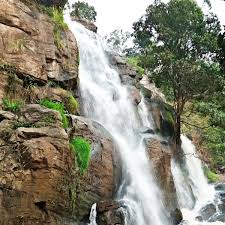
Soni Waterfall, located east of Moshi town, is renowned for its dramatic 40-meter cascade and lush surrounding forest. The hike to Soni offers breathtaking panoramic views of the Kilimanjaro slopes and the Chagga highlands. International tourists often choose this destination for its tranquility, relatively easy trek, and the opportunity to immerse in rural Tanzanian life.
The waterfall itself is situated within a community-managed forest reserve, promoting sustainable tourism. Visitors contribute to local conservation efforts through entrance fees and guided tours, helping maintain trails, protect wildlife, and support community development. Soni exemplifies the ecological and social value of waterfalls around Mount Kilimanjaro, where natural beauty and sustainability intersect.
Materuni Ngare Waterfall – Adventure for Experienced Trekkers

Materuni Ngare Waterfall is ideal for adventurous travelers looking for a more challenging trek. Located deep in the highland forests, the path includes steep trails, crossing streams, and navigating uneven terrain. The reward is a pristine waterfall cascading into a serene pool, surrounded by endemic flora and bird species.
International tourists who visit Materuni Ngare experience a blend of physical challenge, ecological education, and cultural interaction with local guides and communities. Sustainable trekking ensures minimal environmental impact while maximizing the scenic and cultural rewards, making it one of the hidden gems among waterfalls around Mount Kilimanjaro (https://www.worldbank.org).
In conclusion, the Kilimanjaro region boasts a wide array of waterfalls, each offering unique experiences for international tourists. Materuni, Kikuletwa, Materuni-Kilema, Soni, and Materuni Ngare provide options for every type of traveler—from leisurely visitors seeking swimming and relaxation to adventurous hikers exploring remote cascades. Visiting these waterfalls around Mount Kilimanjaro supports eco-tourism, community livelihoods, and conservation initiatives, ensuring that these natural wonders remain pristine for future generations.
3: Activities, Trekking Experiences, and Adventure Around Kilimanjaro Waterfalls
Trekking to the Waterfalls – Hiking Through Kilimanjaro’s Lush Forests
One of the most exciting ways to explore the waterfalls around Mount Kilimanjaro is through guided trekking adventures. Trails leading to these waterfalls pass through a rich mosaic of ecosystems, including montane forests, coffee plantations, and indigenous farmlands. Hikers witness endemic birds, butterflies, and vibrant flora, making the journey as rewarding as the destination itself.
Popular trekking routes include the trails to Materuni, Kilema, and Soni waterfalls. International tourists often choose guided tours for safety, educational insights, and cultural interaction with local guides from Chagga communities. These treks typically range from moderate to challenging, ensuring that both casual walkers and adventure-seekers can enjoy a personalized experience.
Sustainable trekking is emphasized, with small group sizes, minimal trail impact, and Leave No Trace principles. By engaging in these activities, travelers support waterfalls around Mount Kilimanjaro while contributing to conservation initiatives and community development programs (https://www.unwto.org).
Swimming and Refreshing Plunge Pools
Many of Kilimanjaro’s waterfalls feature natural plunge pools, inviting visitors to swim in pristine, cool waters. Materuni Waterfall, for example, offers a safe and refreshing pool perfect for swimming after a long hike. Kikuletwa Hot Springs has a naturally turquoise lagoon suitable for both swimming and snorkeling.
International tourists find these experiences unforgettable, combining adventure with relaxation. Safety is maintained through local guides who provide instructions, monitor swimming areas, and educate visitors about preserving aquatic ecosystems. Engaging with these natural pools is an integral part of experiencing the waterfalls around Mount Kilimanjaro, offering both recreation and a deeper appreciation of the region’s natural hydrology.
Nature Photography and Scenic Observation
Kilimanjaro’s waterfalls provide a perfect backdrop for photography enthusiasts and nature lovers. The cascading waters, surrounding forest, and panoramic views of the Kilimanjaro slopes create iconic photo opportunities. Photographers often capture sunrise or sunset moments at Materuni or Soni waterfalls, where lighting enhances the natural beauty.
Visitors can also practice eco-friendly observation, avoiding disturbance of flora and fauna while documenting wildlife, birds, and plant species. These photographic excursions encourage environmental awareness, ensuring that tourists enjoy waterfalls around Mount Kilimanjaro responsibly. Many guides incorporate educational sessions on local ecology, enhancing the visitor experience beyond visual enjoyment (https://www.tanzaniatourism.go.tz).
Birdwatching and Wildlife Spotting
The forests surrounding Kilimanjaro waterfalls are rich in biodiversity. Birdwatchers often spot endemic species, such as the Kilimanjaro thrush and African paradise flycatcher, near Materuni and Kilema waterfalls. Monkeys, duikers, and small mammals are also commonly observed along the trails.
For international tourists, combining trekking with wildlife observation adds a dimension of adventure and learning. Responsible tourism practices—maintaining distance from wildlife, avoiding litter, and using trained guides—ensure the protection of these ecosystems while enhancing the experience of waterfalls around Mount Kilimanjaro. Educational tours often integrate insights about forest conservation and wildlife preservation.
Cultural Immersion and Local Experiences
Visiting waterfalls around Mount Kilimanjaro is not only about natural beauty but also cultural engagement. Many tour operators integrate local village visits into their trekking packages, offering tourists opportunities to learn about Chagga traditions, farming practices, and handicrafts. Visitors may participate in coffee picking, traditional cooking, or storytelling sessions, enriching their travel experience.
These cultural encounters are designed to be sustainable and respectful, benefiting the community economically and socially. International tourists gain authentic exposure to local life, deepening the meaning of their visit to waterfalls around Mount Kilimanjaro while contributing to cultural preservation.
Adventure for All Skill Levels
The region offers a variety of adventure experiences suitable for different fitness levels. Beginner hikers can enjoy easy-access waterfalls like Kikuletwa, while more experienced trekkers might tackle challenging trails to Materuni Ngare or remote Kilema cascades. Rock climbing, canyoning, and guided forest walks are also available, offering adrenaline-filled encounters for thrill-seekers.
Operators maintain high safety standards, provide necessary equipment, and follow eco-tourism guidelines to ensure sustainable and safe experiences. This variety ensures that every visitor can fully appreciate the waterfalls around Mount Kilimanjaro, combining adventure, natural beauty, and cultural immersion.
In conclusion, the waterfalls around Mount Kilimanjaro offer a rich variety of activities for international tourists. From trekking through lush forests and swimming in plunge pools to photography, birdwatching, and cultural immersion, every waterfall visit provides a unique adventure. Engaging in these eco-friendly and responsible activities ensures that the waterfalls around Mount Kilimanjaro are enjoyed sustainably, supporting conservation efforts and local communities while delivering unforgettable experiences.
4: Sustainable Tourism Practices and Environmental Preservation Around Kilimanjaro Waterfalls
Promoting Eco-Friendly Tourism at Kilimanjaro Waterfalls
Sustainable tourism is essential for preserving the natural beauty and ecological integrity of the waterfalls around Mount Kilimanjaro. As international tourist numbers grow, responsible travel practices ensure that these waterfalls remain pristine for future generations. Eco-conscious tour operators implement measures such as waste management, limiting visitor group sizes, and using certified local guides to minimize human impact.
These practices not only protect the environment but also support the local communities who depend on tourism. By following sustainable guidelines, international tourists can enjoy the stunning waterfalls while contributing to environmental conservation (https://www.tanzaniatourism.go.tz). Choosing eco-friendly tours, lodges, and activities enhances the experience and aligns with global best practices promoted by the UNWTO (https://www.unwto.org).
Protecting Forests, Rivers, and Biodiversity
The waterfalls around Kilimanjaro are fed by streams originating in montane forests that host diverse flora and fauna. Over-tourism or unsupervised visits can damage these delicate ecosystems. Local conservation initiatives, often supported by eco-tourism revenue, help maintain forest cover, protect endangered species, and preserve freshwater sources.
International tourists visiting waterfalls around Mount Kilimanjaro are encouraged to adhere to “Leave No Trace” principles, avoid disturbing wildlife, and refrain from removing plants or rocks. These simple actions play a critical role in maintaining biodiversity, ensuring that each waterfall retains its natural charm and ecological function.
Community Involvement and Cultural Preservation
Sustainable tourism around Kilimanjaro waterfalls goes hand in hand with community engagement. Many tours are organized in collaboration with local Chagga communities, who provide guiding services, homestays, and cultural experiences. Entrance fees and guided tour contributions often fund local schools, healthcare, and conservation programs.
By visiting these sites responsibly, international tourists directly support community welfare while experiencing authentic cultural practices. This synergy ensures that waterfalls around Mount Kilimanjaro remain not only environmentally sustainable but also socially beneficial, creating a model of tourism that balances enjoyment, conservation, and local empowerment.
Eco-Friendly Accommodation and Services
Lodges and guesthouses near waterfalls have increasingly adopted sustainable operations, including solar energy, rainwater harvesting, and eco-friendly building materials. These accommodations provide comfort for international tourists while minimizing environmental impact.
By staying at eco-conscious lodges, visitors can reduce their carbon footprint and actively participate in responsible tourism. Integrating green infrastructure into tourism ensures that waterfalls around Mount Kilimanjaro are preserved while offering a modern and sustainable travel experience (https://www.worldbank.org).
Educational Programs and Conservation Awareness
Many waterfalls near Kilimanjaro include interpretive centers or guided sessions educating visitors about local ecology, water conservation, and wildlife protection. These programs empower tourists to understand the environmental significance of the waterfalls and the surrounding forest ecosystems.
International tourists who engage in these educational initiatives gain a deeper appreciation for nature while learning how their travel choices impact the environment. Promoting awareness ensures that waterfalls around Mount Kilimanjaro continue to thrive as both ecological treasures and popular tourist destinations.
In conclusion, sustainable tourism and environmental preservation are key to maintaining the beauty and ecological integrity of the waterfalls around Mount Kilimanjaro. Eco-friendly practices, community involvement, educational programs, and responsible accommodation choices ensure that international tourists can enjoy these natural wonders safely and sustainably. By embracing responsible tourism, travelers help protect Kilimanjaro’s waterfalls for generations, preserving both their scenic charm and cultural significance.
5: Travel Tips, Best Seasons, and Planning Your Waterfall Adventure Around Kilimanjaro
Best Seasons to Visit Kilimanjaro Waterfalls
To fully enjoy the waterfalls around Mount Kilimanjaro, planning your visit according to seasonal variations is essential. The region experiences two rainy seasons: the long rains from March to May and the short rains around November. Visiting during the dry months, particularly June to October, offers optimal trekking conditions, clear trails, and safer river crossings.
During these months, waterfalls like Materuni, Soni, and Kikuletwa are still flowing robustly, creating dramatic cascades and vibrant pools without the risks associated with slippery paths. International tourists can enjoy swimming, photography, and trekking under ideal weather conditions while exploring the waterfalls around Mount Kilimanjaro.
Essential Travel Tips for Visiting the Waterfalls
-
Hire Local Guides: Local guides ensure safety, provide cultural insights, and enhance the trekking experience. They are knowledgeable about flora, fauna, and local history.
-
Dress Appropriately: Lightweight, quick-dry clothing, sturdy hiking shoes, and a rain jacket are recommended. Some trails involve wet and uneven terrain.
-
Pack Essentials: Water, snacks, sunscreen, insect repellent, and waterproof bags for electronics are critical. Carrying reusable water bottles reduces plastic waste and supports eco-friendly tourism.
-
Respect Local Communities: Many waterfalls are near villages. Engage respectfully, support local businesses, and follow guidance from community leaders.
-
Photography Etiquette: Capture the beauty responsibly without disturbing wildlife or vegetation. Guided tours often include photography tips for sustainable engagement.
These measures ensure that international tourists enjoy the waterfalls around Mount Kilimanjaro safely, responsibly, and sustainably (https://www.tanzaniatourism.go.tz).
Planning Your Itinerary
For first-time visitors, combining multiple waterfalls into a structured itinerary maximizes the Kilimanjaro experience. A typical 3–5 day itinerary may include:
-
Day 1: Materuni Waterfall trek, coffee plantation visit, and village tour.
-
Day 2: Materuni-Kilema cascade trail with photography stops and plunge pool swimming.
-
Day 3: Kikuletwa Hot Springs and waterfall for relaxation and eco-tourism activities.
-
Day 4: Soni Waterfall hike with panoramic views and birdwatching.
-
Day 5: Optional adventure to Materuni Ngare waterfall for experienced trekkers.
International tourists benefit from professional guidance, pre-arranged transportation, and sustainable accommodation options, enhancing the overall experience of the waterfalls around Mount Kilimanjaro (https://www.unwto.org).
Combining Adventure, Culture, and Nature
Visiting Kilimanjaro’s waterfalls is not just about hiking or swimming—it is a holistic adventure. Travelers engage with local communities, learn about conservation, and experience unique natural landscapes. Waterfall visits provide opportunities for eco-friendly adventure tourism, cultural exchange, and wellness activities such as meditation by cascading waters.
International tourists gain unforgettable experiences while contributing positively to local communities and ecosystems. By integrating these practices, the waterfalls around Mount Kilimanjaro remain a top eco-tourism destination for nature lovers and adventure seekers alike.
Safety and Sustainable Travel
Safety and sustainability are crucial when planning a waterfall adventure. Trekkers should follow marked trails, heed local guidance, and use proper footwear to prevent accidents. Eco-tourism practices—such as avoiding litter, respecting wildlife, and minimizing environmental disturbance—preserve the region’s natural charm.
Tourists who prioritize sustainable travel help maintain the ecological and cultural integrity of Kilimanjaro’s waterfalls. By planning thoughtfully, international travelers enjoy a rewarding, safe, and environmentally responsible journey to some of Tanzania’s most breathtaking natural attractions.
In conclusion, planning your visit to the waterfalls around Mount Kilimanjaro requires consideration of the best seasons, guided treks, sustainable practices, and cultural engagement. By following travel tips, respecting local communities, and prioritizing eco-friendly tourism, international tourists can experience unforgettable cascades, lush forests, and vibrant local culture. Proper planning ensures that these natural wonders remain pristine while delivering an exceptional adventure that blends nature, culture, and responsible tourism.
