

Discover Maasai Clothing and Jewelry through authentic Tanzanian culture. Explore traditional beadwork, garments, and accessories that tell the story of the Maasai people.
1: Introduction to Maasai Clothing and Jewelry
https://nativesonexpeditions.com/tanzania-safari/
The Maasai people of Tanzania and Kenya are among the most recognized and celebrated ethnic groups in Africa, renowned for their distinctive culture, traditions, and artistry. One of the most visible expressions of Maasai identity is their traditional attire, which encompasses elaborate Maasai Clothing and Jewelry that is not only decorative but also deeply symbolic. These garments and adornments reflect social status, age, gender, marital status, and community affiliation, providing a visual language that communicates important cultural narratives. For travelers and cultural enthusiasts, exploring Maasai Clothing and Jewelry offers an immersive glimpse into the social, spiritual, and artistic life of one of East Africa’s most iconic communities.
Maasai clothing is characterized by brightly colored shukas, often in red, blue, or checkered patterns, draped elegantly around the body. The choice of colors is meaningful: red signifies bravery and strength, while blue represents the sky and divine protection. The way a shuka is worn can indicate the wearer’s age group or role within the community. Beyond clothing, Maasai adorn themselves with intricate beadwork, a hallmark of their jewelry tradition. Beaded necklaces, bracelets, earrings, and belts are crafted with vibrant patterns and specific color codes, each conveying messages about identity, family lineage, and achievements. Travelers who experience Maasai Clothing and Jewelry first-hand gain an appreciation for the rich symbolism, craftsmanship, and cultural significance embedded in every bead and garment.
The artistry of Maasai jewelry is a testament to centuries of cultural continuity and innovation. Traditionally, beads were sourced from natural materials such as clay, seeds, and shells, though today glass beads are commonly used due to their availability and vivid hues. Each piece is meticulously handcrafted by women, whose skills are passed down through generations, ensuring that the aesthetic and cultural knowledge remains alive. The patterns and colors used in jewelry are never arbitrary; they follow conventions that communicate tribal identity, social status, and personal milestones. When travelers engage with Maasai Clothing and Jewelry, they witness a living art form that is both culturally significant and visually stunning.
Maasai clothing and jewelry also play a functional role in the daily lives of the community. Beyond aesthetics, garments are adapted to the harsh conditions of East African savannahs, providing protection from sun and dust while allowing freedom of movement during herding, ceremonies, and communal activities. Jewelry often has ceremonial purposes as well, worn during initiation rites, weddings, and spiritual rituals. Observing these practices offers travelers unique insights into the practical, spiritual, and social dimensions of Maasai Clothing and Jewelry, turning a simple visual appreciation into a deeper cultural understanding.
For tourism operators, incorporating visits and experiences related to Maasai attire and jewelry into itineraries offers a compelling value proposition. Travelers increasingly seek authentic, culturally immersive experiences that go beyond traditional safari sightseeing. By highlighting the craftsmanship, symbolism, and stories behind Maasai Clothing and Jewelry, tourism companies can differentiate their offerings, providing clients with memorable encounters that combine education, photography opportunities, and meaningful engagement with local communities.
Visitors interested in exploring Maasai culture can also learn directly from artisans and community members who continue these traditions today. Workshops and guided village tours allow travelers to observe bead-making, shuka preparation, and jewelry assembly, offering hands-on learning experiences. These interactions foster appreciation for the skill and cultural significance embedded in every piece, creating meaningful connections between visitors and the Maasai people. Additionally, tourism activities that support the local economy encourage the preservation of these traditions, ensuring that Maasai Clothing and Jewelry remains vibrant and relevant for future generations.
Ethical engagement is essential when exploring Maasai attire and jewelry. Tourists are encouraged to participate respectfully, learn the meanings behind designs, and support local artisans through purchases that are fairly compensated. The Tanzanian Tourism Board provides guidance on community-based tourism and cultural experiences, ensuring that visitors’ activities are beneficial for both travelers and Maasai communities: https://www.tanzaniatourism.go.tz. Experiencing Maasai Clothing and Jewelry in this way transforms tourism from passive observation into an educational, immersive, and ethically responsible journey.
In conclusion, Maasai clothing and jewelry are far more than decorative elements; they are living symbols of identity, history, and artistry. Travelers who explore these cultural expressions with guidance and respect gain an enriched understanding of Maasai traditions, craftsmanship, and social structures. By integrating these experiences into a Tanzanian itinerary, tourism companies provide authentic, memorable, and educational experiences that resonate deeply with visitors, emphasizing why Maasai Clothing and Jewelry is an essential aspect of cultural tourism in East Africa.
2: Historical and Cultural Significance of Maasai Clothing and Jewelry
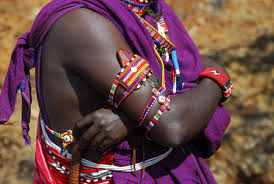
The cultural heritage of the Maasai people is vividly expressed through their traditional attire, making Maasai Clothing and Jewelry not only an art form but also a living record of history, social structure, and cultural identity. For centuries, the Maasai have maintained their distinctive dress code and beadwork patterns, which serve as visual narratives of their society, traditions, and spiritual beliefs. Understanding the historical and cultural significance of these items provides travelers with insights into the deeper meanings embedded in every garment, shuka, necklace, and bracelet, enhancing the overall tourism experience.
Historically, Maasai clothing evolved from practicality combined with symbolic representation. The shuka, the iconic cloth worn by Maasai men and women, originated from animal hides but gradually incorporated colorful fabrics introduced through trade with neighboring communities and colonial influences. Each color, pattern, and draping style carries meaning: red signifies courage and protection, blue represents the sky and sustenance, and black indicates the hardships of life. Through centuries, these choices in clothing have become codified expressions of identity, with variations reflecting age, social status, and tribal affiliation. When travelers witness Maasai Clothing and Jewelry in their authentic context, they observe not merely decorative objects but cultural artifacts steeped in historical significance.
Beadwork, a hallmark of Maasai artistry, also conveys complex cultural information. Historically, beads were made from natural materials such as seeds, bones, and shells, serving not only as decorative elements but also as a medium for storytelling. The introduction of glass beads through trade routes enhanced the vibrancy and diversity of designs, allowing the Maasai to expand their artistic vocabulary. Each bead, color, and geometric pattern communicates information about the wearer, including marital status, age set, achievements, and social roles within the community. Travelers engaging with Maasai Clothing and Jewelry can learn to interpret these visual codes, gaining insight into a society where artistry, communication, and identity intersect.
Cultural ceremonies, rites of passage, and social gatherings further highlight the significance of Maasai attire and adornment. For instance, initiation ceremonies for young warriors, known as morans, involve the wearing of elaborate beadwork and special shukas that distinguish participants from other members of the community. Similarly, married women wear distinct jewelry patterns and colors, signaling their marital status and community responsibilities. Participation in or observation of these cultural events under the guidance of local experts ensures that travelers appreciate both the aesthetic beauty and the deep symbolic meanings inherent in Maasai Clothing and Jewelry.
Beyond social communication, Maasai attire and jewelry serve spiritual and protective functions. Traditional beliefs hold that specific colors and designs offer protection against negative forces, provide blessings, or honor ancestral spirits. Jewelry pieces such as beaded collars or belts are often incorporated into rituals or ceremonies to invoke spiritual guidance and communal harmony. By learning these practices through guided experiences, visitors gain an understanding of the intertwined nature of art, culture, and spirituality, which makes Maasai Clothing and Jewelry a profound cultural expression rather than mere ornamentation.
The cultural preservation of Maasai attire and jewelry has become increasingly important in the context of globalization and tourism. While modern influences have introduced new fabrics, beads, and designs, efforts are underway to maintain traditional craftsmanship, teaching younger generations the techniques, meanings, and cultural protocols that underpin these art forms. Tourism plays a vital role in this preservation by creating demand for authentic handmade items and promoting educational experiences that highlight the historical and cultural context. Travelers who explore Maasai Clothing and Jewelry through guided tours, workshops, and village visits not only gain cultural insight but also contribute to sustaining these traditions for future generations.
Tourism operators emphasizing historical and cultural narratives in their itineraries benefit from offering immersive experiences that go beyond observation. Visitors can participate in bead-making workshops, learn the history of specific designs, and hear stories from artisans who continue family traditions. These activities foster an appreciation for the skill, patience, and cultural knowledge required to produce each piece of Maasai Clothing and Jewelry, creating memorable and meaningful experiences. Additionally, purchasing authentic products directly from local artisans ensures ethical support for communities and reinforces the significance of cultural heritage preservation.
For travelers seeking authoritative guidance on Maasai culture and ethical engagement with local communities, the Tanzanian Tourism Board provides resources and recommendations: https://www.tanzaniatourism.go.tz. By exploring Maasai Clothing and Jewelry through curated, respectful tourism practices, visitors gain insights into the history, symbolism, and social structures that define one of East Africa’s most vibrant cultural groups, while supporting sustainable and community-centered tourism initiatives.
In summary, the historical and cultural significance of Maasai attire and jewelry is immense. Every garment, bead, and accessory communicates stories of heritage, identity, spirituality, and social organization. Travelers who engage with these cultural expressions under the guidance of local experts experience Tanzania in a way that transcends sightseeing, turning observation into understanding. By appreciating Maasai Clothing and Jewelry through immersive and respectful interactions, tourism experiences are enriched, educational, and transformative, reflecting both the beauty and depth of Maasai culture.
3: The Craftsmanship and Techniques Behind Maasai Clothing and Jewelry
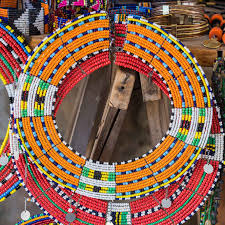
The artistry of the Maasai people is renowned worldwide, and at the heart of this artistry is the meticulous craftsmanship that goes into Maasai Clothing and Jewelry. Each piece is the result of generations of accumulated knowledge, precision, and cultural tradition. From the selection of materials to the intricate assembly of beads, threads, and ornaments, the creation process embodies both aesthetic sophistication and cultural significance. Travelers and cultural enthusiasts who explore these techniques gain a deeper appreciation for the skill, patience, and creativity required to produce authentic Maasai garments and jewelry, making these experiences invaluable components of Tanzanian cultural tourism.
Beadwork is arguably the most iconic aspect of Maasai craftsmanship. Traditionally, beads were made from natural materials such as seeds, bones, or stones, each carefully selected for durability, texture, and color. Today, glass beads are widely used, allowing artisans to create vivid patterns with enhanced longevity. The process of designing and assembling jewelry is highly methodical: beads are strung into specific color sequences, shapes, and patterns, each conveying social or symbolic meaning. Women artisans, who traditionally lead beadwork production, often spend hours meticulously weaving necklaces, bracelets, earrings, and belts. Visitors who engage with Maasai Clothing and Jewelry workshops not only witness the technical precision but also learn the cultural codes embedded in these creations, understanding how patterns communicate identity, achievements, and social status within the community.
The production of shukas and garments involves both skill and cultural awareness. Shukas, the signature cloth of the Maasai, are often dyed or patterned to reflect social symbolism. The fabric is draped in specific ways depending on the wearer’s gender, age, or role within the community. Local artisans pay attention to symmetry, color contrast, and layering to create visually striking ensembles that are also functional. Garments must be durable, accommodating the demands of herding, ceremonies, and daily life in the East African savannah. By observing or participating in the preparation of these garments, visitors gain firsthand knowledge of the meticulous care and cultural reasoning that underpin each item, reinforcing the value of Maasai Clothing and Jewelry as living cultural artifacts rather than decorative novelties.
Techniques and tools used in creating Maasai jewelry and clothing are rooted in both tradition and innovation. Artisans employ simple but effective tools such as needles, thread, looms, and molds, along with techniques like knotting, weaving, and layering. Every step requires attention to detail, consistency, and an understanding of symbolic significance. For instance, the spacing and color sequence of beads is not arbitrary; it reflects historical, social, and spiritual narratives passed down through generations. Visitors who witness these techniques gain insight into the meticulous processes that sustain cultural heritage and ensure that Maasai Clothing and Jewelry continues to reflect authenticity and meaning.
Symbolic color use is central to Maasai craftsmanship. The careful selection and combination of colors in both garments and jewelry conveys complex cultural messages. Red, blue, black, white, green, and yellow are chosen for their symbolic meanings, often communicating bravery, spirituality, community affiliation, and the wearer’s social status. Artisans ensure that these symbolic conventions are maintained while still allowing for personal expression and innovation. For tourists, understanding this nuanced use of color provides deeper engagement with Maasai artistry, turning every observation of Maasai Clothing and Jewelry into an educational experience rather than superficial appreciation.
Training and transmission of skills are critical aspects of Maasai craftsmanship. Techniques for creating clothing and jewelry are traditionally taught within families, primarily from mothers to daughters, ensuring the preservation of cultural knowledge. Apprenticeship is hands-on and includes lessons not only in technical skills but also in cultural storytelling, social etiquette, and the historical significance of each design. Travelers participating in guided workshops or artisan tours gain access to this intergenerational knowledge, witnessing how Maasai Clothing and Jewelry is more than an object—it is a vessel of cultural continuity, history, and identity.
Cultural storytelling through craftsmanship adds depth to the visitor experience. Artisans often share narratives about the meaning of patterns, the history of their community, and personal experiences, giving tourists a layered understanding of Maasai artistry. By combining visual observation with oral narratives, travelers gain a holistic appreciation of how Maasai Clothing and Jewelry serves as both a cultural expression and a communication tool, preserving collective memory and reinforcing social cohesion.
Tourism and ethical engagement are crucial in supporting craftsmanship. By purchasing authentic Maasai clothing and jewelry or participating in guided workshops, visitors provide economic support to artisans while ensuring that traditional techniques and cultural knowledge remain viable. Tourism initiatives that prioritize ethical practices, fair compensation, and cultural respect strengthen the sustainability of Maasai craftsmanship and enhance the overall visitor experience. The Tanzanian Tourism Board provides guidance for ethical engagement and responsible cultural tourism: https://www.tanzaniatourism.go.tz. Travelers who explore Maasai Clothing and Jewelry in this context gain authentic, memorable, and impactful experiences.
In conclusion, the craftsmanship behind Maasai clothing and jewelry is a testament to the artistry, precision, and cultural wisdom of the Maasai people. Every bead, stitch, and pattern embodies centuries of tradition, social meaning, and aesthetic excellence. For travelers seeking authentic cultural experiences, engaging with these techniques provides an intimate understanding of Maasai life, creativity, and heritage. By appreciating the craftsmanship, visitors not only enjoy visually stunning creations but also participate in the preservation and celebration of a vibrant cultural legacy, making Maasai Clothing and Jewelry an indispensable part of Tanzanian tourism.
4: Symbolism and Meaning Behind Maasai Clothing and Jewelry
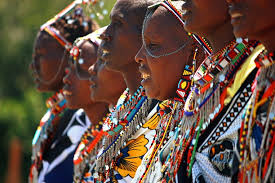
The true beauty of Maasai Clothing and Jewelry extends far beyond its aesthetic appeal. Each color, bead, pattern, and garment carries layers of cultural symbolism, conveying messages about identity, social structure, age, marital status, and spiritual beliefs. For travelers seeking a deeper understanding of Maasai culture, exploring the symbolism behind these iconic adornments offers a rich, educational experience. By learning to interpret these visual narratives, visitors gain insights into the social codes, values, and history embedded in every piece, enhancing their connection with the Maasai people and the broader Tanzanian cultural landscape.
Color symbolism is central to the meaning of Maasai clothing and jewelry. The red shuka, perhaps the most recognizable element, signifies bravery, strength, and protection, representing both the warrior spirit and the community’s resilience. Blue symbolizes the sky, divine guidance, and sustenance, while black reflects the hardships and struggles of life. White beads often represent purity and health, green symbolizes nourishment and land, and yellow denotes hospitality or fertility. Each combination of colors is carefully chosen to communicate specific messages, and visitors who engage with Maasai Clothing and Jewelry under the guidance of local experts learn to decode these vibrant visual languages, transforming a simple observation into a meaningful cultural lesson.
Pattern significance in Maasai beadwork is another vital element. Geometric shapes such as triangles, circles, and diamonds are not merely decorative; they are imbued with symbolic meaning. Certain patterns indicate age sets, social rank, or achievements within the community, while others may reflect family lineage or historical narratives. For instance, concentric patterns in necklaces often symbolize unity or community cohesion, while triangular designs may indicate warrior status. Understanding these patterns allows travelers to appreciate Maasai Clothing and Jewelry as a living narrative that communicates stories across generations without words, providing a profound cultural connection.
Gender and social roles are also expressed through clothing and jewelry. Men and women wear distinct designs and adornments that signify their roles, responsibilities, and status. Young Maasai warriors, or morans, often wear elaborate beadwork and ceremonial shukas during initiation rituals, marking their transition into adulthood and their commitment to community defense. Married women may wear specific necklaces, bracelets, and belts that denote marital status, fertility, and household responsibilities. By observing and learning about these distinctions, visitors gain insight into the social structure and cultural logic that underpin Maasai Clothing and Jewelry, recognizing the interplay between aesthetics and societal organization.
Ceremonial and ritualistic symbolism further underscores the importance of Maasai adornments. Jewelry and garments are integral to rites of passage, weddings, spiritual ceremonies, and festivals. Beaded collars and belts may serve as protective charms, spiritual offerings, or indicators of participation in significant communal events. During these ceremonies, every piece of clothing and jewelry is purposefully selected to convey respect, intention, and adherence to tradition. Travelers who witness or participate in these events gain a profound understanding of how Maasai Clothing and Jewelry functions as both a cultural artifact and a living instrument of social cohesion.
Storytelling through adornment is another unique aspect of Maasai symbolism. Beads and garments often convey personal or family histories, achievements, and ancestral connections. Patterns may record events such as marriages, births, or notable feats, while certain colors or arrangements honor deceased relatives or spiritual beliefs. By engaging with Maasai artisans and community members, visitors can learn the stories behind specific pieces, gaining insight into the values, histories, and experiences of the community. Experiencing Maasai Clothing and Jewelry in this narrative context elevates the experience from passive appreciation to active cultural engagement.
Spiritual and protective significance is deeply intertwined with the symbolism of Maasai adornments. Certain colors, patterns, and arrangements are believed to provide protection from evil spirits, illness, or misfortune. Jewelry may also be used in healing rituals, blessings, or ceremonial dances, reinforcing the idea that every piece has both aesthetic and functional purpose. Travelers who learn about these spiritual dimensions gain a holistic understanding of how Maasai Clothing and Jewelry transcends decoration, serving as a conduit for belief, identity, and community cohesion.
For travelers interested in exploring the symbolism of Maasai clothing and jewelry responsibly, the Tanzanian Tourism Board provides guidance on ethical cultural tourism and community engagement: https://www.tanzaniatourism.go.tz. Participating in guided tours, workshops, and cultural experiences ensures that visitors respect local traditions while gaining authentic insights into the meanings and stories embedded in every bead, garment, and accessory.
In conclusion, the symbolism behind Maasai Clothing and Jewelry is a window into the social, spiritual, and cultural life of the Maasai people. Each color, pattern, and design communicates messages that are understood within the community, preserving history, identity, and collective memory. Travelers who engage with these symbols through immersive and respectful experiences gain an unparalleled understanding of Maasai artistry and culture. By emphasizing the deeper meanings of Maasai Clothing and Jewelry, tourism companies can provide visitors with educational, transformative, and authentic experiences that celebrate both artistry and cultural heritage.
5: Maasai Clothing and Jewelry in Modern Tourism and Global Influence
In the contemporary world, Maasai Clothing and Jewelry have transcended their traditional origins to become influential symbols of cultural identity, fashion, and tourism in Tanzania and beyond. These vibrant, handcrafted garments and jewelry pieces not only maintain their deep cultural significance but also play a pivotal role in the global appreciation of Maasai artistry. Today, travelers, fashion designers, and cultural enthusiasts alike seek authentic experiences that connect them with the Maasai people, their traditions, and their artistic legacy, making Maasai adornments a cornerstone of Tanzanian tourism and cultural exchange.
Integration into tourism experiences has elevated Maasai clothing and jewelry to an essential aspect of authentic travel. Guided village tours, bead-making workshops, and cultural immersion programs allow visitors to experience firsthand the meticulous craftsmanship and rich symbolism that define Maasai Clothing and Jewelry. Tourists can learn how artisans select materials, create patterns, and convey stories through colors and designs. These immersive experiences not only educate travelers about Maasai traditions but also support local communities, creating a mutually beneficial relationship where tourism revenue sustains cultural heritage while providing visitors with memorable, transformative experiences.
The global fashion industry has also taken notice of Maasai artistry, incorporating traditional beadwork, garments, and jewelry designs into contemporary collections. International designers frequently collaborate with Maasai artisans to create pieces that celebrate traditional craftsmanship while adapting to modern aesthetics. This collaboration introduces the world to the vibrancy and uniqueness of Maasai Clothing and Jewelry, highlighting its versatility as both cultural expression and fashion statement. For travelers interested in cultural tourism, witnessing the intersection of traditional Maasai designs and global fashion offers a compelling narrative of creativity, innovation, and cultural pride.
Ethical and sustainable tourism practices are crucial when presenting Maasai clothing and jewelry to international audiences. Responsible tourism ensures that artisans receive fair compensation, cultural protocols are respected, and environmental impacts are minimized. Visitors are encouraged to purchase authentic products directly from local communities, participate in educational workshops, and support initiatives that preserve traditional skills. By promoting ethical engagement, tourism operators can highlight the significance of Maasai Clothing and Jewelry while ensuring that the communities responsible for this artistry continue to thrive economically, socially, and culturally.
Digital influence and online platforms have further expanded the reach of Maasai clothing and jewelry. Social media, e-commerce, and virtual cultural tours enable Maasai artisans to showcase their work to a global audience, creating new opportunities for sales, recognition, and cultural exchange. Travelers can explore Maasai beadwork tutorials, participate in virtual workshops, or pre-plan visits to Tanzanian villages to experience authentic craftsmanship in person. These digital tools enhance accessibility while preserving the integrity of Maasai Clothing and Jewelry, ensuring that cultural authenticity is maintained even as global exposure increases.
The rise of cultural tourism has also emphasized the importance of storytelling in promoting Maasai clothing and jewelry. Artisans and local guides share the history, symbolism, and social context of each piece, enriching the visitor experience and deepening understanding. Guests learn not only about the technical aspects of beadwork and garment preparation but also about the cultural narratives, rites of passage, and social structures that inform every design. Experiencing Maasai Clothing and Jewelry through storytelling transforms tourism into an educational, immersive, and culturally respectful endeavor, fostering appreciation for the Maasai people and their heritage.
Cultural preservation and generational continuity remain central to modern engagement with Maasai clothing and jewelry. Tourism initiatives that prioritize education, skill transmission, and economic empowerment help sustain traditional craftsmanship for future generations. Workshops, mentorship programs, and artisan cooperatives ensure that young Maasai are trained in beadwork, garment production, and cultural interpretation, allowing them to carry forward centuries-old traditions while adapting to contemporary opportunities. Travelers who engage in these initiatives witness firsthand the resilience, creativity, and dedication inherent in Maasai Clothing and Jewelry, making their experiences both meaningful and impactful.
Global recognition and cultural diplomacy have further amplified the influence of Maasai artistry. High-profile cultural exhibitions, fashion collaborations, and international media coverage have introduced Maasai designs to audiences worldwide, highlighting their aesthetic brilliance and cultural significance. These platforms provide opportunities to celebrate Maasai identity while educating global audiences about the community’s traditions, values, and artistry. For tourists, participating in experiences that showcase this global influence adds another layer of depth, illustrating how Maasai Clothing and Jewelry has become a bridge between local heritage and international cultural appreciation.
In conclusion, Maasai clothing and jewelry are far more than decorative elements—they are vibrant symbols of cultural identity, social structure, and artistic excellence. By integrating traditional craftsmanship with modern tourism, global fashion, and digital platforms, these cultural expressions continue to thrive and inspire worldwide. For travelers, engaging with Maasai Clothing and Jewelry offers an authentic, immersive, and educational journey that celebrates heritage, creativity, and cultural preservation. Through ethical, responsible, and immersive tourism practices, visitors contribute to sustaining these traditions while enjoying unforgettable, culturally enriching experiences.
For further insights into Tanzanian cultural tourism and initiatives supporting Maasai artisans, the Tanzanian Tourism Board offers authoritative guidance: https://www.tanzaniatourism.go.tz. By exploring Maasai Clothing and Jewelry through informed, respectful tourism, travelers ensure that every experience is authentic, educational, and transformative, bridging local heritage with global appreciation.
