

Discover how local communities in Tanzania tourism drive sustainable development, preserve cultural heritage, and enhance visitor experiences. Learn why community involvement is key to Tanzania’s tourism success.
1: Introduction – Understanding the Importance of Local Communities in Tanzania Tourism
https://nativesonexpeditions.com/tanzania-safaris/
Tanzania, a country renowned for its breathtaking landscapes, diverse wildlife, and rich cultural heritage, has become a prime destination for travelers from around the globe. While the Serengeti, Mount Kilimanjaro, and the Zanzibar beaches often take center stage in tourism discussions, the real heartbeat of the Tanzanian tourism experience lies within the local communities that reside across its regions. Local communities in Tanzania tourism are not just passive beneficiaries of tourism; they play a vital and active role in shaping the experiences of visitors, preserving cultural traditions, and sustaining natural resources. The integration of local communities in tourism initiatives ensures a more authentic and immersive travel experience while promoting socio-economic development for residents. Understanding the multifaceted role these communities play is essential for both tourism operators and policymakers who aim to create sustainable tourism models that benefit all stakeholders.
The concept of community involvement in tourism is rooted in sustainable tourism practices, which prioritize long-term benefits for local populations while minimizing the negative impacts of tourism. In Tanzania, this approach has been increasingly recognized as essential, especially in regions surrounding national parks and heritage sites. Local communities are often the custodians of traditional knowledge, cultural practices, and ecological wisdom that have been passed down through generations. For instance, Maasai communities in the northern regions of Tanzania have a deep connection with the savannah ecosystems, understanding animal migration patterns, water sources, and environmental balance. By involving these communities in tourism planning and operations, visitors gain richer cultural insights, while communities receive economic incentives to continue preserving their cultural and natural heritage. The presence of local guides, artisans, and cultural performers adds a human dimension to wildlife safaris, historical tours, and adventure travel, transforming the way tourists experience the country. According to the United Nations World Tourism Organization (UNWTO), community-based tourism initiatives are pivotal in reducing poverty and enhancing social cohesion in developing nations, and Tanzania serves as a prime example of this model in action.
Local communities in Tanzania tourism are also instrumental in supporting conservation efforts. Many of Tanzania’s most iconic wildlife reserves, including the Serengeti National Park, Ngorongoro Conservation Area, and Selous Game Reserve, operate in close proximity to villages and pastoral lands. These communities, when engaged meaningfully, can act as guardians of biodiversity, helping monitor poaching activities, maintain ecological balance, and participate in reforestation and anti-poaching programs. The creation of Community-Based Natural Resource Management (CBNRM) programs in Tanzania has demonstrated that local involvement leads to more effective conservation outcomes compared to top-down approaches. Tour operators who partner with these communities not only gain access to local expertise but also contribute to the long-term sustainability of tourism, ensuring that the same wildlife and landscapes remain intact for future generations. This symbiotic relationship illustrates that tourism in Tanzania is not solely about sightseeing; it is about forming partnerships with people whose lives and traditions are intertwined with the land itself.
Moreover, local communities in Tanzania tourism significantly contribute to the country’s socio-economic development. Tourism is one of Tanzania’s largest sources of foreign exchange, and revenue generated from the sector can be more equitably distributed through inclusive community participation. Small-scale businesses such as guesthouses, restaurants, handicraft markets, and local transport services are often operated by community members, providing jobs and entrepreneurship opportunities. By incorporating local communities into the tourism value chain, the sector empowers individuals, supports skill development, and fosters financial independence. According to Tanzania National Parks (TANAPA), community engagement programs have been implemented near protected areas to ensure that tourism revenue supports education, healthcare, and infrastructure projects, further enhancing the quality of life for residents. This approach exemplifies the principle of shared benefits, where tourism is not merely a commercial activity but a catalyst for social improvement.
Finally, promoting local communities in Tanzania tourism enhances cultural preservation and cross-cultural exchange. Tourists increasingly seek authentic experiences that allow them to interact with indigenous cultures, learn traditional crafts, and participate in local ceremonies. Communities that actively participate in tourism can safeguard their intangible cultural heritage, including folklore, music, dance, and culinary practices, from erosion due to globalization. For example, villages near Lake Manyara and the Ngorongoro Conservation Area offer cultural tours that educate visitors about Maasai and Hadzabe traditions, while generating income that reinforces the value of preserving these practices. Through responsible tourism, travelers are offered meaningful experiences, and local communities are empowered to maintain their identity and pride, creating a win-win scenario for both cultural preservation and economic development.
In conclusion, the role of local communities in Tanzania tourism cannot be overstated. They are at the core of sustainable tourism, contributing to conservation, economic empowerment, cultural preservation, and authentic visitor experiences. As the tourism sector continues to grow, it is imperative for operators, government agencies, and international organizations to prioritize community engagement, ensuring that Tanzania’s rich cultural and natural heritage benefits both present and future generations. Acknowledging and investing in local communities is not only a moral and ethical imperative but also a strategic business decision that enhances the quality, sustainability, and global competitiveness of Tanzania’s tourism offerings. For more insights on sustainable tourism practices globally, visit the UNWTO Sustainable Tourism page.
2: Community-Based Tourism Initiatives and Their Impact in Tanzania
Community-Based Tourism (CBT) has emerged as one of the most effective strategies for integrating local communities into the tourism industry in Tanzania. Unlike conventional tourism models, which often prioritize visitor experiences over local benefits, CBT focuses on ensuring that residents actively participate in, and benefit from, tourism activities in their regions. Local communities in Tanzania tourism play a pivotal role in these initiatives, as their involvement helps preserve cultural heritage, protect the environment, and stimulate local economies. In recent years, Tanzania has become a global leader in community-based tourism due to its innovative approaches in involving villages, indigenous groups, and rural populations in the sector. By empowering communities to manage tourism operations, Tanzania has created a model that emphasizes sustainability, inclusivity, and mutual benefit.
One of the most successful examples of CBT in Tanzania can be found in villages near the Ngorongoro Conservation Area. Here, local Maasai communities are not only custodians of the land but also active participants in tourism through guided cultural tours, traditional dance performances, and handicraft production. By engaging in tourism activities, these communities generate revenue that supports education, healthcare, and infrastructure development within their villages. Local communities in Tanzania tourism are therefore not just passive recipients of tourism revenue; they are active contributors to the sector’s growth, ensuring that tourism leads to tangible improvements in quality of life. Studies have shown that CBT initiatives enhance community cohesion by providing shared goals and collective economic benefits, which in turn reduces social inequalities and encourages sustainable practices. For more detailed examples of successful CBT programs, the Tanzania Community-Based Tourism Association (CBT-A) provides case studies and guidelines for community engagement in tourism.
Another key aspect of CBT is its role in environmental conservation. Local communities often live in proximity to ecologically sensitive areas, such as national parks, wildlife corridors, and coastal regions. By participating in tourism, they become stakeholders in protecting these environments. For instance, villages around Selous Game Reserve and Ruaha National Park have adopted community-managed eco-lodges and safari services that minimize ecological footprints. Local communities in Tanzania tourism have been trained to monitor wildlife, report illegal activities, and implement sustainable resource management practices. The integration of tourism and conservation ensures that both biodiversity and livelihoods are safeguarded. According to UNEP’s Sustainable Tourism Program, community involvement in eco-tourism projects not only supports conservation objectives but also enhances visitor satisfaction by providing authentic, educational experiences. This dual benefit reinforces the value of involving local communities in every stage of tourism planning and operations.
Economic empowerment through CBT is another significant advantage. Tourism in Tanzania is a major source of foreign exchange, but the distribution of benefits is often uneven. By actively involving local communities, CBT initiatives ensure that revenue is retained within the local economy. Small businesses such as guesthouses, restaurants, craft markets, and transport services are frequently owned and operated by residents, creating employment opportunities and promoting entrepreneurship. In areas like Zanzibar and the Lake Victoria region, community-led tourism projects have successfully increased household incomes while fostering skills in hospitality, business management, and marketing. By incorporating local communities into Tanzania’s tourism industry, the sector becomes more resilient, equitable, and sustainable. The World Bank highlights that community-based tourism can significantly reduce poverty levels in rural areas when implemented effectively, further emphasizing the critical role of local populations in the country’s tourism development.
CBT also enhances cultural preservation by providing platforms for communities to showcase their traditions, languages, and crafts. Local communities in Tanzania tourism actively maintain and share their intangible cultural heritage, from Maasai beadwork to Hadzabe hunting techniques, creating meaningful experiences for visitors. These interactions are not merely entertainment; they provide a context for understanding the values, beliefs, and histories of Tanzanian societies. By offering cultural immersion experiences, CBT projects foster respect and appreciation for local customs, while simultaneously generating income that reinforces the importance of cultural preservation. Researchers have found that tourists who engage with local communities in culturally respectful ways are more likely to support conservation initiatives, purchase local products, and recommend destinations to others, creating a cycle of sustainable tourism growth.
Challenges remain, however, in fully realizing the potential of CBT in Tanzania. Issues such as inadequate infrastructure, limited access to training, and inconsistent government support can hinder the effectiveness of community-led initiatives. Furthermore, balancing tourist expectations with community priorities requires careful planning and ongoing dialogue. Despite these challenges, the success stories of CBT in Tanzania demonstrate that when local communities are empowered and supported, they become active agents in shaping tourism experiences, conserving natural resources, and driving socio-economic development. For practitioners seeking guidance, the UNWTO Community Tourism Guidelines provide comprehensive strategies for designing programs that maximize community benefits while maintaining environmental and cultural integrity.
In summary, community-based tourism initiatives in Tanzania exemplify the transformative impact of involving local populations in the tourism industry. Local communities in Tanzania tourism are central to these efforts, contributing to economic empowerment, environmental conservation, and cultural preservation. By prioritizing community engagement, Tanzania not only enhances the authenticity and appeal of its tourism offerings but also ensures that tourism serves as a tool for sustainable development. The lessons learned from Tanzania’s CBT programs provide valuable insights for other countries seeking to integrate local populations into their tourism sectors, demonstrating that responsible and inclusive tourism can create lasting benefits for communities, visitors, and the natural environment alike.
3: Economic Benefits of Local Communities in Tanzania Tourism
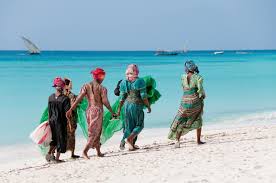
Tourism is widely recognized as a powerful economic driver for many developing countries, and Tanzania is no exception. The sector contributes significantly to national GDP, foreign exchange earnings, and employment generation. However, the true economic impact of tourism is most meaningful when it reaches the grassroots level, benefiting the communities that live alongside key tourism assets such as national parks, cultural heritage sites, and coastal resorts. Local communities in Tanzania tourism are uniquely positioned to capture these economic benefits, transforming tourism from a primarily commercial activity into a sustainable source of livelihood. Through direct employment, entrepreneurship, and revenue-sharing mechanisms, tourism creates opportunities that not only alleviate poverty but also strengthen the social fabric of rural and marginalized areas.
One of the primary ways in which local communities benefit economically from tourism is through employment opportunities. In regions surrounding major tourist attractions such as the Serengeti, Ngorongoro Crater, and Mount Kilimanjaro, residents are employed as tour guides, park rangers, lodge staff, and drivers. These roles not only provide steady incomes but also offer opportunities for skill development and career advancement. Local communities in Tanzania tourism are therefore integral to the operational success of the sector, as their knowledge of local geography, wildlife behavior, and cultural traditions enhances the quality of visitor experiences. According to the World Travel & Tourism Council (WTTC), community involvement in tourism not only reduces unemployment but also stimulates ancillary industries such as agriculture, transportation, and handicrafts, creating a multiplier effect that benefits entire regions.
Entrepreneurship is another critical avenue through which local communities gain economically from tourism. Many Tanzanian communities operate small businesses such as eco-lodges, restaurants, souvenir shops, and handicraft workshops. These enterprises allow residents to capitalize on the influx of tourists while maintaining cultural authenticity. For example, in Zanzibar, local artisans produce traditional kanga textiles, wood carvings, and jewelry that are sold directly to visitors, generating income that is reinvested in the community. Similarly, villages near Lake Manyara and Tarangire National Parks have developed community-owned lodges and camping sites, ensuring that profits stay within the local economy. Local communities in Tanzania tourism are therefore not passive beneficiaries but active participants in wealth creation, leveraging their natural and cultural assets to develop sustainable business models. The Tanzania Investment Centre highlights that community-owned tourism enterprises have a high potential for growth, particularly when supported by training, microfinance, and market access initiatives.
Revenue-sharing mechanisms implemented by national parks and tourism operators further ensure that economic benefits reach local communities. Many protected areas in Tanzania allocate a portion of entrance fees and tourism revenue to neighboring villages. For instance, the Ngorongoro Conservation Area Authority (NCAA) distributes a percentage of its park fees to fund local schools, healthcare facilities, and infrastructure projects. This approach demonstrates a commitment to inclusive development, ensuring that tourism contributes to broader community welfare rather than concentrating wealth in corporate hands. Local communities in Tanzania tourism benefit directly from these programs, experiencing tangible improvements in their living standards while also gaining a vested interest in conservation and tourism success. Studies by UNWTO indicate that revenue-sharing initiatives enhance community participation, reduce conflicts, and promote sustainable tourism practices by linking economic gains to environmental stewardship.
Tourism also encourages investment in community infrastructure, which has long-term economic implications. The development of roads, electricity, water supply, and communication networks in areas frequented by tourists benefits both visitors and local residents. Communities are able to expand businesses, improve agricultural productivity, and access new markets as a result of enhanced infrastructure. Furthermore, tourism-driven development often attracts additional public and private investments, creating a cycle of growth that sustains local economies. Local communities in Tanzania tourism therefore experience benefits that extend beyond immediate income, gaining access to opportunities that improve overall quality of life. Reports from The World Bank highlight that infrastructure improvements linked to tourism can significantly reduce rural poverty and increase regional competitiveness.
The economic empowerment of local communities through tourism also has social benefits. When residents earn stable incomes from tourism, they can invest in education, healthcare, and skill development, which strengthens human capital and promotes social mobility. Children are more likely to attend school, families have better access to medical care, and young adults acquire vocational skills that prepare them for diverse career paths. These social investments create a virtuous cycle where economic benefits reinforce long-term community resilience and sustainability. Local communities in Tanzania tourism are therefore not only improving economically but also socially, contributing to a more equitable and prosperous society. The synergy between tourism and community development demonstrates that economic gains extend far beyond monetary value, fostering well-being and stability within the communities themselves.
In addition to direct financial gains, tourism helps diversify local economies, reducing dependence on traditional livelihoods such as subsistence farming and pastoralism. Diversification increases resilience to external shocks, including climate change, market fluctuations, and political instability. Community members involved in tourism gain access to alternative income streams, mitigating the risks associated with relying solely on agriculture or livestock. For example, Maasai communities in northern Tanzania combine pastoralism with tourism-related activities such as cultural tours, beadwork sales, and lodge management, creating balanced and sustainable income portfolios. Local communities in Tanzania tourism thereby gain financial security, enabling them to maintain cultural practices and natural resource management while participating actively in the modern economy.
Finally, promoting economic benefits for local communities enhances the overall sustainability and appeal of Tanzania as a tourism destination. Tourists increasingly seek authentic experiences that support communities and ethical practices. When local populations are empowered economically, they become advocates for sustainable tourism, ensuring that wildlife is protected, cultural traditions are maintained, and the environment is preserved. This creates a positive feedback loop where economic development, cultural preservation, and environmental stewardship reinforce each other, ultimately strengthening Tanzania’s global tourism brand. For more insights into the link between tourism and community economic empowerment, visit the UNWTO Sustainable Tourism for Development page.
In summary, the economic benefits of local communities in Tanzania tourism are vast and multifaceted. Through employment, entrepreneurship, revenue-sharing, infrastructure development, social investments, and economic diversification, communities gain tangible and lasting improvements in quality of life. Empowering local populations economically not only reduces poverty but also strengthens social cohesion, promotes environmental stewardship, and enhances the overall tourism experience. As Tanzania continues to grow as a premier travel destination, prioritizing the economic well-being of local communities ensures that tourism remains inclusive, sustainable, and beneficial for all stakeholders involved.
4: Cultural and Social Impacts of Local Communities in Tanzania Tourism
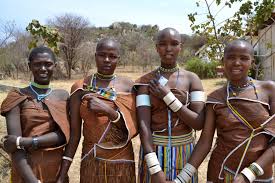
Tourism in Tanzania is more than just wildlife safaris and scenic landscapes; it is an immersive experience that brings visitors into close contact with the country’s rich cultural heritage. Local communities in Tanzania tourism play a central role in shaping these experiences, offering authentic insights into traditions, social practices, and indigenous knowledge. The cultural and social dimensions of tourism are increasingly recognized as vital to both visitor satisfaction and community well-being. By actively involving local populations in tourism, Tanzania ensures that the sector contributes to cultural preservation, social cohesion, and the reinforcement of community identity. These impacts go far beyond economic gains, highlighting the importance of integrating social considerations into tourism development strategies.
One of the most significant cultural contributions of local communities is the preservation and promotion of traditional practices. Communities living near tourism hotspots, such as the Maasai in northern Tanzania, the Hadzabe hunter-gatherers in the Lake Eyasi region, and coastal Swahili communities along Zanzibar, provide visitors with firsthand experiences of local customs. These range from traditional dances and music performances to storytelling, rituals, and culinary traditions. Local communities in Tanzania tourism therefore serve as custodians of intangible cultural heritage, ensuring that these practices are passed down to future generations. By offering cultural tourism experiences, communities maintain pride in their identities while generating income that incentivizes the continuation of these traditions. Organizations such as UNESCO, which work to preserve intangible cultural heritage, highlight the importance of community involvement in sustaining these practices in the face of globalization and modernization.
Tourism also facilitates cross-cultural exchange, providing opportunities for both visitors and host communities to learn from each other. Local communities in Tanzania tourism interact daily with people from diverse countries, fostering understanding, tolerance, and appreciation of cultural differences. These interactions often lead to collaborative initiatives, such as community workshops, art exhibitions, and educational programs, where both tourists and locals share knowledge and skills. Such engagement strengthens social bonds, promotes mutual respect, and reduces stereotypes, contributing to a more inclusive and harmonious society. Research indicates that cultural tourism experiences that actively involve local populations lead to higher visitor satisfaction and encourage repeat travel, making social and cultural integration a key factor in sustainable tourism development.
Beyond cultural preservation, local communities in Tanzania tourism contribute to social cohesion and collective identity. Community participation in tourism initiatives requires coordination, cooperation, and shared responsibility, which strengthens social networks and promotes communal decision-making. Villages that manage lodges, craft markets, or eco-tourism projects collaboratively develop governance structures, distribute revenue fairly, and create community rules that regulate tourism activities. These processes enhance transparency, accountability, and trust among residents. By engaging in tourism collectively, communities reinforce social cohesion, reduce conflicts over resources, and foster a sense of pride and ownership. Programs supported by UNWTO emphasize that community empowerment through tourism is closely linked to improved social outcomes, including reduced inequality and increased participation in local governance.
Cultural and social impacts also extend to education and skill development. Tourism provides opportunities for community members to acquire language skills, hospitality training, business management knowledge, and environmental awareness. For example, guides working in the Serengeti or Selous Game Reserve often undergo training in wildlife management, first aid, and customer service, enabling them to offer professional experiences to visitors. Similarly, artisans and performers learn marketing, product development, and performance techniques, allowing them to expand their economic opportunities. Local communities in Tanzania tourism benefit socially from these educational initiatives, as skill acquisition leads to increased confidence, social mobility, and long-term resilience. According to the World Bank, investing in human capital through tourism contributes significantly to community empowerment and sustainable development.
Another critical social impact is gender empowerment. Tourism initiatives that include women in decision-making, entrepreneurship, and employment opportunities promote gender equality within local communities. Women often play leading roles in craft production, food services, cultural performances, and eco-tourism operations. Involving women ensures that tourism benefits are more evenly distributed and that diverse perspectives shape the sector’s development. For instance, community lodges in northern Tanzania often employ women in managerial and operational roles, providing income that supports families, education, and health initiatives. By integrating gender considerations, tourism becomes a tool for social transformation, helping communities address long-standing inequalities while fostering inclusive growth. The UNWTO Women in Tourism program highlights that gender-inclusive tourism is not only ethical but also economically beneficial, as it increases productivity and broadens the sector’s social impact.
Tourism also enhances intergenerational knowledge transfer within communities. By showcasing traditional practices, storytelling, and craftsmanship to visitors, older generations are encouraged to share skills and knowledge with younger members of the community. This interaction prevents the erosion of cultural heritage and creates opportunities for youth engagement in meaningful economic activities. Local communities in Tanzania tourism act as living repositories of historical knowledge, ensuring that traditions, languages, and rituals continue to thrive in modern contexts. By linking tourism to cultural transmission, communities reinforce their identity, strengthen resilience, and create a sustainable model for preserving heritage while participating actively in the global economy.
However, the social and cultural integration of tourism is not without challenges. The influx of tourists can sometimes disrupt local customs, generate cultural commodification, and create tensions between community priorities and visitor expectations. Effective planning, ongoing dialogue, and community-led governance are essential to mitigating these risks. By prioritizing local voices in decision-making, Tanzania ensures that tourism development respects cultural norms, promotes social harmony, and enhances the authentic experiences sought by travelers. Local communities in Tanzania tourism must therefore remain central to tourism policy formulation and implementation, as their participation guarantees that cultural and social impacts remain positive and sustainable.
In conclusion, the cultural and social impacts of local communities in Tanzania tourism are profound and multi-layered. Communities act as stewards of intangible heritage, facilitate cross-cultural exchange, strengthen social cohesion, empower women, and promote intergenerational knowledge transfer. By involving local populations in tourism, Tanzania ensures that the sector supports social well-being, cultural preservation, and community resilience. These impacts extend beyond economic benefits, demonstrating that responsible tourism is a holistic enterprise that enriches both visitors and host communities. For more insights on sustainable cultural tourism, visit the UNESCO World Heritage and Community Tourism page.
5: Challenges and Strategies for Engaging Local Communities in Tanzania Tourism
While tourism offers immense benefits to Tanzania, the successful engagement of local communities in the sector is not without challenges. Understanding these obstacles and implementing effective strategies is essential to ensure that tourism remains inclusive, sustainable, and mutually beneficial. Local communities in Tanzania tourism often face barriers such as limited infrastructure, lack of training, inequitable revenue distribution, and cultural tensions. Addressing these challenges requires collaborative approaches involving government agencies, tourism operators, non-governmental organizations, and the communities themselves. By identifying key obstacles and designing evidence-based solutions, Tanzania can maximize the positive impact of tourism on local populations while preserving cultural and natural heritage.
One major challenge is limited infrastructure in rural and remote areas, which restricts the ability of communities to participate fully in tourism. Roads, electricity, clean water, and communication networks are often underdeveloped near national parks, conservation areas, and cultural heritage sites. This lack of infrastructure limits access to markets, reduces tourist visitation, and hinders the growth of community-based businesses such as lodges, restaurants, and craft markets. Local communities in Tanzania tourism, therefore, face structural barriers that prevent them from capturing the full economic potential of tourism. To address this, public-private partnerships and targeted government investments are crucial. Programs supported by The World Bank emphasize infrastructure development as a foundational step for enabling communities to engage successfully in sustainable tourism ventures. Improving roads, transportation, and utilities not only facilitates tourism but also enhances quality of life for residents.
Another significant challenge is limited training and capacity-building opportunities. Tourism requires specialized skills, including hospitality management, language proficiency, tour guiding, marketing, and environmental stewardship. Many community members, particularly in rural areas, lack access to formal training, limiting their ability to provide high-quality services to tourists. This can result in underperformance of community-based tourism initiatives and reduce visitor satisfaction. Local communities in Tanzania tourism must therefore be equipped with the necessary skills to compete in an increasingly globalized tourism market. Organizations such as UNWTO advocate for structured training programs that focus on skill development, entrepreneurship, and sustainable tourism practices. Capacity-building initiatives enhance community confidence, increase employment opportunities, and ensure that tourism benefits are maximized for residents.
Equitable distribution of tourism revenue is another persistent challenge. In some cases, profits generated by tourism do not reach local communities due to intermediaries, lack of transparency, or centralized management of funds. This can lead to frustration, social tension, and reduced motivation for community participation in tourism initiatives. Local communities in Tanzania tourism need transparent mechanisms that ensure fair distribution of revenue from park fees, cultural tours, and local enterprises. Successful models, such as the revenue-sharing system in the Ngorongoro Conservation Area, demonstrate that allocating a percentage of tourism income to local projects like schools, healthcare facilities, and infrastructure can create a sense of ownership and promote sustainable engagement. External resources, including UNEP Sustainable Tourism Guidelines, emphasize that fair revenue-sharing is essential for both community empowerment and long-term tourism sustainability.
Cultural commodification and social tension are also potential challenges when integrating communities into tourism. The need to meet tourist expectations may pressure communities to modify or commercialize cultural practices, sometimes leading to the erosion of traditional values. Furthermore, tourism can exacerbate existing inequalities within communities, as some individuals or groups may benefit more than others. Local communities in Tanzania tourism must balance economic opportunities with the preservation of cultural integrity and social cohesion. Strategies to mitigate these risks include participatory planning, community governance structures, and capacity-building programs that emphasize cultural sensitivity and ethical tourism practices. The UNESCO Sustainable Tourism Guidelines provide frameworks for maintaining cultural authenticity while leveraging tourism for development.
Environmental challenges also impact community engagement. Tourism activities can place pressure on local ecosystems, leading to deforestation, wildlife disturbance, and resource depletion. Local communities often rely on these same natural resources for their livelihoods, creating potential conflicts. Engaging communities in conservation and sustainable resource management is therefore critical. Initiatives such as Community-Based Natural Resource Management (CBNRM) programs in Tanzania have proven effective in aligning environmental stewardship with tourism development. Local communities in Tanzania tourism become custodians of the environment, participating in anti-poaching activities, reforestation projects, and sustainable land-use practices. According to UNEP, integrating environmental management into community tourism programs enhances both ecological sustainability and visitor experiences.
To overcome these challenges, several strategies for successful community engagement have emerged. First, participatory planning ensures that communities are involved in all stages of tourism development, from conception to implementation. This approach promotes transparency, aligns tourism initiatives with local priorities, and strengthens ownership. Second, targeted capacity-building programs equip residents with the skills needed to manage businesses, provide quality services, and engage in conservation activities. Third, equitable revenue-sharing models ensure that tourism benefits are distributed fairly, reducing inequalities and motivating continued community involvement. Finally, fostering partnerships between government agencies, NGOs, private sector actors, and community organizations creates a supportive ecosystem that addresses infrastructural, financial, and technical barriers.
Innovative examples of these strategies in action can be found throughout Tanzania. In Zanzibar, cooperative models for community tourism allow local artisans and performers to collectively manage marketing, sales, and quality control, ensuring that profits are fairly distributed. In northern Tanzania, eco-lodges operated by Maasai communities integrate conservation, cultural preservation, and revenue-sharing, creating holistic tourism experiences. Local communities in Tanzania tourism thus demonstrate that challenges can be transformed into opportunities when inclusive, strategic, and sustainable approaches are applied. External organizations such as UNWTO provide valuable guidelines and resources for implementing these best practices.
In conclusion, engaging local communities in Tanzania tourism requires overcoming challenges related to infrastructure, training, revenue distribution, cultural preservation, and environmental sustainability. By implementing effective strategies such as participatory planning, capacity-building, equitable revenue-sharing, and partnerships, Tanzania can ensure that communities are empowered and that tourism contributes positively to social, cultural, economic, and environmental outcomes. Local communities in Tanzania tourism are not merely beneficiaries; they are key stakeholders whose active participation determines the sustainability and success of the sector. By prioritizing community engagement, Tanzania can continue to develop a tourism industry that is inclusive, resilient, and globally recognized for its authenticity and sustainability.
