

Discover the ultimate Public Transport Guide for Tourists in Tanzania, including buses, trains, taxis, and ferries. Learn tips, safety advice, schedules, and insider travel information for seamless journeys.
1: Introduction to Public Transport in Tanzania
https://nativesonexpeditions.com/zanzibar-holiday-safaris/
Traveling across Tanzania can be an exciting and immersive experience for international tourists, but understanding the country’s public transport system is crucial for a smooth and safe journey. This Public Transport Guide for Tourists in Tanzania provides comprehensive information on buses, trains, taxis, ferries, and regional transit options, ensuring that travelers can navigate the country efficiently and confidently. Tanzania’s public transport system is diverse, ranging from modern intercity buses to local minibuses, commonly known as daladalas, and even ferries connecting the mainland to islands such as Zanzibar. Understanding these modes of transport not only saves time and money but also allows tourists to interact more authentically with local communities.
Public transport in Tanzania varies significantly in quality, safety, and reliability depending on the region. Urban centers such as Dar es Salaam and Arusha feature organized taxi services, ride-hailing apps, and scheduled buses. In contrast, rural areas rely heavily on minibuses, shared taxis, and sometimes motorcycle taxis, called bodabodas. Tourists often find that combining multiple transport modes is the most efficient way to travel long distances. By using this Public Transport Guide for Tourists in Tanzania, visitors can plan their trips to include both convenience and cultural immersion.
One of the unique aspects of Tanzanian public transport is its affordability and accessibility. Local buses and minibuses cover routes that are often unreachable by private vehicles, giving tourists access to off-the-beaten-path destinations. However, travelers must also navigate issues such as language barriers, fluctuating schedules, and road conditions. Being informed ahead of time, knowing typical fare ranges, and having tips for safety and etiquette greatly enhance the experience. The Ministry of Transport of Tanzania provides guidelines and regulations for public transit, which can be accessed at: Ministry of Transport Tanzania. Tourists who familiarize themselves with official resources often enjoy smoother and safer travel experiences.
Regional rail transport offers another important option. Tanzania’s railway network, managed by the Tanzania Railways Corporation, connects major cities such as Dar es Salaam, Dodoma, Mwanza, and Kigoma. While trains are slower than road transport, they provide a scenic, comfortable, and culturally engaging way to traverse the country. For tourists seeking a relaxed journey with local interaction, trains are an excellent alternative. More information about rail services, routes, and schedules can be found at: Tanzania Railways Corporation. Using trains strategically complements road travel and allows for efficient long-distance movement.
Tanzania also has a growing number of ferry services connecting coastal cities and islands. For example, the Dar es Salaam to Zanzibar ferry is a popular choice for tourists wishing to explore the archipelago. Ferries are generally reliable and provide safe, scenic transport. Tourists should be aware of weather conditions and seasonal variations, as these can occasionally affect schedules. Consulting official ferry schedules and booking tickets in advance ensures smooth travel between islands. The Tanzania Ports Authority provides current schedules and safety guidelines at: Tanzania Ports Authority. Including ferries in a travel plan expands options beyond land-based transport and enhances the overall itinerary.
Safety and comfort are major considerations for tourists using public transport in Tanzania. While buses and trains are generally safe, minor risks such as petty theft, overcrowding, and road hazards exist. Travelers are advised to keep personal belongings secure, travel during daylight hours where possible, and use reputable transport companies. Mobile apps, hotel recommendations, and tourist information centers can help identify reliable services. This Public Transport Guide for Tourists in Tanzania emphasizes the importance of planning ahead and staying informed to minimize stress and maximize enjoyment.
Finally, understanding local transport etiquette and customs adds to the travel experience. Politeness, patience, and awareness of cultural norms help tourists engage positively with drivers, conductors, and fellow passengers. Learning basic Swahili phrases such as “Asante” (thank you) or “Ninaenda…” (I’m going to…) enhances communication and builds goodwill. Travelers who combine practical knowledge from this guide with cultural sensitivity enjoy richer, more authentic journeys across Tanzania.
By considering these factors, tourists can move confidently across cities, rural towns, and scenic landscapes, making the most of their Tanzanian adventure. This comprehensive Public Transport Guide for Tourists in Tanzania lays the foundation for understanding all available transport modes, ensuring that international visitors travel efficiently, safely, and enjoyably.
2: Urban Public Transport in Tanzania
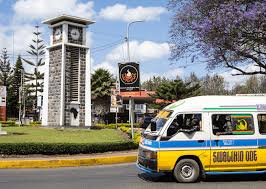
Urban areas in Tanzania, particularly Dar es Salaam, Arusha, Mwanza, and Dodoma, offer a wide variety of public transport options that can be both convenient and cost-effective for international tourists. Understanding these options is essential for navigating city life efficiently, safely, and affordably. This section of the Public Transport Guide for Tourists in Tanzania explores the diverse modes of urban transport, including minibuses (daladalas), taxis, ride-hailing apps, commuter buses, and bicycle services, while providing practical tips for tourists.
Minibuses, commonly known as daladalas, are perhaps the most ubiquitous form of urban transport in Tanzania. These shared vehicles follow designated routes, often with fixed fares that are significantly lower than taxis or private hire vehicles. Daladalas are essential for reaching local neighborhoods, city suburbs, and even connecting towns around major cities. They typically operate on an informal schedule, departing when full, which requires tourists to be flexible with their time. Although daladalas can be crowded and less comfortable than other options, they provide an authentic experience, allowing tourists to interact directly with locals and observe day-to-day life in Tanzanian cities.
Using daladalas safely requires understanding certain norms. Tourists are advised to board only at designated stops or busy streets, confirm the destination with the conductor (or “mpiga tiketi”), and have small change for the fare. Pickpocketing is rare but possible in crowded vehicles, so keeping belongings secure is essential. In Dar es Salaam, daladala routes are well-mapped, and some transport apps provide updated route and fare information. For example, platforms like EasyTracker Tanzania offer maps, route guidance, and estimated travel times, helping tourists navigate this complex system. Full details are available at: EasyTracker Tanzania.
Taxis and private hire vehicles offer a more comfortable and flexible alternative to daladalas, especially for tourists unfamiliar with local routes or traveling with luggage. Traditional metered taxis operate primarily in cities such as Dar es Salaam, Arusha, and Dodoma, although meters are not always used consistently. It is therefore common practice to agree on a fare before departure. Ride-hailing apps such as Bolt and Uber, which operate in Tanzania’s major cities, provide a safer and more reliable way to book taxis, offering transparent pricing, driver ratings, and cashless payment options. This technology has significantly improved urban transport convenience, particularly for first-time visitors. More information on ride-hailing options in Tanzania is available at: Bolt Tanzania.
Commuter buses, operated by city councils or private companies, are another important urban transport option. These buses cover longer distances within the city, including industrial areas, airports, and major transport hubs. For tourists traveling between city districts or needing access to the airport, commuter buses are an affordable choice. They typically have designated stops, schedules, and fare structures, providing a more predictable travel experience than daladalas. Understanding bus schedules, routes, and safety practices is crucial, particularly during peak hours when buses can become crowded. The Dar es Salaam City Council maintains information on official bus routes, fare structures, and safety guidelines, which can be accessed at: Dar es Salaam City Council Transport.
Bicycle taxis, commonly known as boda-bodas, are a unique mode of transport found in urban and peri-urban areas. While more common in smaller cities and rural towns, they are also present in Dar es Salaam and Arusha. Boda-bodas offer fast, flexible transport, especially in areas with heavy traffic or narrow streets inaccessible to larger vehicles. However, tourists should exercise caution when using boda-bodas, ensuring that drivers wear helmets, use safe routes, and charge reasonable fares. For tourists seeking adventure or a closer connection to urban life, bicycle taxis offer an unconventional yet exciting transport option.
Safety, punctuality, and cultural etiquette are critical aspects of urban public transport. For instance, understanding local boarding practices, knowing the routes, and recognizing common signals used by conductors or drivers can greatly enhance a tourist’s travel experience. Tourists are encouraged to maintain politeness, patience, and awareness of personal space, particularly in crowded daladalas and buses. Speaking basic Swahili phrases, such as “Habari” (hello) or “Ninaenda …” (I am going to …), improves communication and fosters goodwill between travelers and locals.
Tourists should also be aware of traffic patterns, particularly in major cities where congestion is a common challenge. Dar es Salaam, the largest city, experiences heavy traffic during morning and evening rush hours. Planning trips outside peak hours can save considerable time and reduce stress. Ride-hailing apps, GPS maps, and advice from hotel staff or local guides can assist in navigating traffic efficiently. The Tanzania Roads Agency (TANROADS) provides up-to-date information on road conditions, urban traffic updates, and major construction projects, which can be accessed at: TANROADS. Awareness of these updates is invaluable for tourists relying on urban public transport.
Urban transport in Tanzania is also evolving, with initiatives aimed at improving infrastructure, safety, and efficiency. Investments in modern bus fleets, traffic management systems, and integrated transport hubs are gradually transforming city travel. For tourists, this means more reliable and convenient options while preserving opportunities to experience authentic local transport methods. Observing this evolution can also provide insights into the country’s socio-economic development, urban planning strategies, and commitment to sustainable mobility.
Lastly, combining different modes of urban transport enhances flexibility and ensures tourists can reach diverse destinations within a city. For example, a tourist might take a daladala to a market, then a taxi to a cultural site, and a ferry to reach waterfront attractions. This multi-modal approach maximizes efficiency, comfort, and cultural engagement. This Public Transport Guide for Tourists in Tanzania emphasizes the importance of planning, awareness, and adaptability when navigating urban areas, ensuring tourists enjoy safe, seamless, and rewarding travel experiences.
In conclusion, Tanzania’s urban public transport system is dynamic, diverse, and culturally rich. Minibuses, taxis, ride-hailing apps, commuter buses, and bicycle taxis each offer unique experiences and benefits for international tourists. Understanding safety, etiquette, routes, schedules, and fare systems allows travelers to navigate cities confidently. By combining practical knowledge from this guide with cultural awareness, tourists can fully appreciate the efficiency, affordability, and authenticity of urban public transport in Tanzania.
3: Intercity and Long-Distance Transport in Tanzania
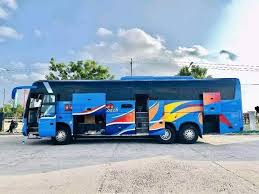
Traveling between cities and regions in Tanzania can be an exciting part of a tourist’s journey, offering opportunities to explore diverse landscapes, cultures, and communities along the way. For international visitors, understanding the variety of intercity and long-distance transport options is essential to ensure a smooth, comfortable, and safe trip. This section of the Public Transport Guide for Tourists in Tanzania provides detailed insights into buses, trains, private shuttles, and regional airlines, emphasizing schedules, fares, safety considerations, and booking strategies.
Long-distance buses are one of the most common and cost-effective means of intercity travel in Tanzania. Companies such as Dar Express, Tanzanite Express, and Modern Coast Tanzania operate modern coach services connecting major cities including Dar es Salaam, Arusha, Mwanza, Dodoma, and Mbeya. These buses offer varying levels of comfort, from standard seating to executive or sleeper services with air conditioning, onboard entertainment, and refreshments. Tourists can choose services based on budget, duration, and comfort preferences. It is recommended to book tickets in advance, particularly during peak holiday seasons, to secure a preferred seat and ensure travel on a reliable schedule. More information about major long-distance bus operators can be accessed at: Dar Express.
For travelers seeking a more scenic and leisurely journey, trains provide a unique intercity experience. The Tanzania Railways Corporation operates passenger trains linking Dar es Salaam with Dodoma, Tabora, Mwanza, and Kigoma. Trains offer different classes, including standard seating, first-class compartments, and sleeper cabins, providing flexibility for comfort and budget. Train travel is slower than road transport, but it allows tourists to experience Tanzania’s landscapes, rural communities, and local interactions in a relaxed manner. In addition, trains are generally safer than long-distance buses, particularly on routes prone to road accidents. Tourists can access up-to-date train schedules, fares, and safety information at: Tanzania Railways Corporation.
Shared minibuses and vans, often referred to as matatus or private shuttles, are another option for regional travel. These vehicles operate on a semi-flexible schedule and can navigate routes that are less accessible to large buses. While less comfortable than coaches or trains, minibuses are cost-effective and provide direct access to towns and villages that are off the main highway. Tourists using minibuses should exercise caution, confirming departure times, destinations, and fares in advance, and traveling during daylight hours for safety. In some regions, local tourism offices or hotel staff can assist with identifying trustworthy operators.
Air travel is increasingly popular for intercity and regional transport, particularly for tourists with limited time or seeking to connect quickly to remote destinations. Airlines such as Precision Air, Air Tanzania, and Coastal Aviation serve domestic routes connecting Dar es Salaam, Arusha, Zanzibar, Kilimanjaro, and Mafia Island. Flights are generally safe, reliable, and considerably faster than road transport, though they are more expensive. Booking flights online through official airline websites ensures transparency in fares and seat availability. Tourists should also check luggage allowances, flight schedules, and seasonal weather impacts to avoid disruptions. More information is available at: Precision Air.
For rural or less-traveled routes, combined modes of transport may be necessary. Tourists often start with a train or long-distance bus, then transfer to a regional minibus, taxi, or boda-boda to reach smaller towns or tourist attractions. This approach requires careful planning, flexibility, and awareness of local conditions, but it often results in a richer travel experience. Tourists using multiple transport modes benefit from local insights, opportunities to interact with residents, and the chance to explore areas beyond the typical tourist path.
Safety considerations are paramount for long-distance travel in Tanzania. Road conditions, especially in remote regions, can vary greatly due to weather, maintenance, and traffic volume. Passengers are advised to travel during daylight, secure luggage, avoid overloading vehicles, and confirm route details with operators. When using trains or buses, keeping personal belongings close, checking tickets carefully, and being vigilant during stops enhances security. International travelers should also consider travel insurance and emergency contacts for added peace of mind.
Understanding fares, booking strategies, and schedules is essential to make intercity transport stress-free. Most modern bus companies offer online booking platforms, allowing tourists to compare prices, schedules, and vehicle amenities. Trains often require advance booking, particularly for sleeper cabins, while regional flights can be booked online or through travel agents. Some remote shuttle or minibus operators only sell tickets at local stations, so tourists should allocate extra time for on-site purchases. Using official websites, verified apps, or hotel recommendations ensures accuracy and reliability.
Cultural etiquette during long-distance travel can significantly enhance the tourist experience. Being polite, patient, and respectful to drivers, conductors, and fellow passengers fosters goodwill and ensures smoother journeys. Tourists are also encouraged to learn a few basic Swahili phrases such as “Tafadhali” (please), “Asante” (thank you), and “Hii ni kwa …” (this is to …), which facilitate communication, ticket purchases, and directions. Engaging respectfully with locals while traveling adds authenticity and provides opportunities for meaningful interactions.
Scenic and adventure-minded tourists may also combine intercity travel with local excursions. For instance, travelers can take a bus or train to Morogoro, then explore the Uluguru Mountains via local minibuses, or travel to Mwanza and visit Lake Victoria using regional ferries. This approach allows tourists to explore Tanzania’s landscapes, cultural sites, and hidden gems, all while relying on public transport. Planning multi-modal itineraries based on this Public Transport Guide for Tourists in Tanzania maximizes efficiency, cost-effectiveness, and cultural engagement.
Finally, for tourists seeking convenience and reduced travel stress, package tours often include intercity transport within the itinerary. Many tour operators provide private vehicles, combined bus-train transfers, or flight-inclusive packages that simplify logistics. However, understanding public transport options independently provides flexibility, enhances adventure, and reduces costs for budget-conscious travelers. This knowledge empowers tourists to explore beyond standard tourist circuits and fully immerse themselves in Tanzanian life.
In conclusion, intercity and long-distance public transport in Tanzania encompasses buses, trains, private shuttles, and domestic flights, each offering unique benefits for international travelers. This section of the Public Transport Guide for Tourists in Tanzania emphasizes planning, safety, flexibility, and cultural awareness, enabling tourists to navigate distances efficiently while enjoying scenic and immersive travel experiences. By combining multiple modes of transport strategically, tourists gain access to both popular and hidden destinations, ensuring a holistic and memorable Tanzanian journey.
4: Water and Air Transport Options for Tourists in Tanzania
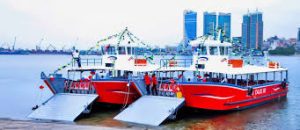
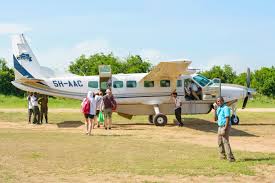
While road and rail networks form the backbone of Tanzania’s public transport, water and air transport are equally vital for tourists wishing to explore the country efficiently and safely. This section of the Public Transport Guide for Tourists in Tanzania provides comprehensive insights into ferries, domestic flights, and coastal transport, offering practical advice for schedules, fares, booking, safety, and cultural norms. Understanding these modes allows international travelers to navigate Tanzania’s islands, coastal regions, and remote inland destinations with confidence.
Tanzania’s extensive coastline and archipelagos make ferry and boat transport essential for both locals and tourists. The Dar es Salaam to Zanzibar ferry route is among the most popular, connecting the mainland to the spice island efficiently. Several ferry operators, including Azam Marine and Sea Express, provide multiple daily departures, with varying levels of comfort, including economy and VIP seating. Tourists are advised to book tickets in advance, especially during peak tourist seasons, to ensure availability and preferred seating. Ferries typically take 2–3 hours, offering scenic views of the Indian Ocean and the Tanzanian coast. More information on schedules and ticketing is available at: Azam Marine.
Smaller ferry services and boats are also crucial for accessing less-traveled islands and coastal towns. For example, the Mafia Island ferry, as well as boats to Pemba and the smaller islands in the Zanzibar archipelago, provide essential connections for tourists seeking diving, snorkeling, and cultural experiences. Unlike major ferries, these services may not operate on strict schedules, requiring tourists to coordinate closely with local operators. It is recommended to arrive early, confirm departure times, and travel with secure luggage. Safety precautions, including life jackets and emergency procedures, should always be observed.
In addition to ferries, river transport is important in some inland regions, particularly along the Rufiji River and Lake Tanganyika. Tourist-oriented river cruises and small boat services allow visitors to explore wildlife-rich areas, scenic wetlands, and remote communities. These journeys provide both convenience and immersive experiences, blending transportation with sightseeing. For example, guided river tours in the Selous Game Reserve allow tourists to observe hippos, crocodiles, and bird species while traveling safely through protected areas. Detailed information about river safaris and transport can be found at: Selous Safari Company.
Domestic air travel significantly reduces travel time between regions, especially for tourists with limited schedules or those visiting remote destinations. Airlines such as Precision Air, Air Tanzania, and Coastal Aviation operate flights between major cities and smaller airports near tourist attractions. Popular routes include Dar es Salaam to Arusha, Kilimanjaro, Zanzibar, and Mafia Island. Domestic flights are particularly beneficial for tourists wanting to combine safari experiences in northern Tanzania with beach relaxation on Zanzibar or Mafia Island without enduring long road journeys. Airlines typically provide online booking options, fare transparency, and baggage handling guidance. Information about flight schedules and destinations is available at: Air Tanzania.
Using domestic air travel safely requires tourists to adhere to standard aviation regulations. Arriving early at airports, carrying valid identification, understanding luggage limits, and monitoring flight updates minimizes disruptions. Weather conditions, particularly during the rainy season, can affect flight schedules, so checking official airline notifications before departure is recommended. Combining domestic flights with road or ferry travel allows tourists to design efficient multi-modal itineraries across Tanzania’s diverse geography.
Coastal transport beyond ferries also includes small boats and dhows, particularly for exploring less-accessible beaches and islands. Regions such as Pangani, Bagamoyo, and the northern coastline offer opportunities for private boat hire, snorkeling excursions, and traditional dhow sailing experiences. Tourists using these services should ensure operators follow safety guidelines, provide life jackets, and are licensed by the Tanzania Ports Authority (TPA). TPA maintains official safety regulations and port management details, accessible at: Tanzania Ports Authority. Engaging reputable operators enhances both safety and enjoyment, providing authentic coastal travel experiences.
Air and water transport also complement other forms of public transport for complex itineraries. For instance, a tourist may take a train from Dar es Salaam to Mwanza, then board a regional flight to Zanzibar, followed by a ferry to explore smaller islands. This multi-modal approach ensures flexibility, convenience, and cost-effectiveness, while offering unique scenic and cultural experiences along the way. The Public Transport Guide for Tourists in Tanzania emphasizes planning and coordination, ensuring travelers maximize both efficiency and enjoyment.
Safety, etiquette, and local norms are essential considerations for water and air transport. Tourists are encouraged to communicate clearly with operators, respect boarding procedures, follow emergency protocols, and maintain personal belongings. For example, on ferries, securing luggage in designated areas and observing passenger seating guidelines prevents accidents and inconvenience. On domestic flights, following airline crew instructions and understanding local customs contributes to a smooth travel experience. Knowledge of Swahili phrases such as “Nina boti” (I have a boat reservation) or “Naomba tiketi” (I would like a ticket) can also enhance interactions.
Environmental considerations are increasingly important in Tanzania’s water and air transport sectors. Operators are adopting sustainable practices such as waste management on boats, fuel efficiency for ferries, and carbon-conscious flight operations. Tourists are encouraged to choose operators who follow environmental and safety standards, contributing to the preservation of Tanzania’s natural beauty and biodiversity. International organizations such as UNEP provide guidelines for sustainable marine and aviation tourism, accessible at: UNEP Sustainable Tourism. Awareness of these practices allows tourists to travel responsibly while supporting local communities and ecosystems.
Seasonality affects water and air transport schedules. The dry season generally ensures more predictable ferry departures, calmer seas, and fewer flight delays. During the wet season, rough waters, strong winds, and reduced visibility can occasionally disrupt services. Planning travel around seasonal considerations enhances safety, reduces stress, and ensures a smoother experience. Tourists should check official transport updates, consult hotels or travel agencies, and monitor weather forecasts before planning itineraries.
Finally, integrating water and air transport into broader itineraries allows tourists to explore Tanzania’s hidden gems efficiently. Destinations such as the remote islands of Mafia, Pemba, and Chumbe, as well as inland lakes and river systems, become accessible, offering snorkeling, diving, wildlife observation, and cultural interactions that would be challenging to reach by road alone. Following guidance in this Public Transport Guide for Tourists in Tanzania ensures travelers have the knowledge and confidence to combine different transport modes, creating seamless, enjoyable, and unforgettable journeys.
In conclusion, water and air transport in Tanzania provide essential and unique options for tourists. Ferries, boats, dhows, and domestic flights enhance connectivity, reduce travel time, and offer scenic, cultural, and ecological experiences. By planning routes carefully, adhering to safety guidelines, respecting local norms, and choosing reputable operators, tourists can maximize convenience, comfort, and adventure. Incorporating these modes into travel itineraries ensures international visitors explore Tanzania efficiently, safely, and fully, making the country’s diverse landscapes and hidden attractions more accessible than ever before.
5: Tips, Safety, and Planning for Using Public Transport in Tanzania
Navigating Tanzania’s public transport system can be both exciting and challenging for international tourists. This final section of the Public Transport Guide for Tourists in Tanzania focuses on practical tips, safety measures, planning strategies, and cultural considerations that ensure a seamless, enjoyable, and safe travel experience. Understanding these guidelines enhances efficiency, reduces stress, and allows tourists to make the most of their journeys across cities, towns, and remote regions.
Planning ahead is one of the most important aspects of using public transport in Tanzania. Tourists should start by researching routes, schedules, and fare structures for buses, trains, taxis, ferries, and domestic flights. Reliable sources include official websites, mobile apps, travel forums, and hotel or tour operator recommendations. For instance, the Tanzania Railways Corporation website provides updated train schedules, fare information, and booking procedures, while domestic airlines like Precision Air offer clear flight itineraries and online ticketing. Checking multiple sources ensures accuracy, prevents delays, and allows tourists to compare costs, comfort levels, and travel times. Using this Public Transport Guide for Tourists in Tanzania as a reference, travelers can plan multi-modal journeys that combine road, rail, water, and air transport efficiently.
Safety is a key consideration when navigating Tanzanian public transport. While the country is generally safe, tourists should remain vigilant, particularly when using crowded minibuses (daladalas), shared taxis, or regional shuttles. Common safety practices include keeping personal belongings secure, avoiding travel after dark where possible, and confirming the legitimacy of transport operators. For example, verified ride-hailing apps like Bolt and reputable bus companies such as Dar Express or Tanzanite Express provide safer alternatives to informal operators. Tourists should also familiarize themselves with emergency contacts, local police stations, and healthcare facilities in areas they plan to visit. Comprehensive safety tips for travelers are available at: Travel.State.Gov – Tanzania.
Understanding fare systems is essential to avoid confusion and overcharging. In cities, daladala fares are generally fixed and affordable, but tourists should carry small change and confirm the fare with the conductor before boarding. Taxis and ride-hailing apps often allow upfront payment, which reduces disputes. For long-distance buses, fares vary depending on service type, class, and route length. Executive or sleeper coaches cost more but provide added comfort for overnight journeys. Booking tickets in advance, when possible, guarantees seats and prevents last-minute surprises. Knowledge of typical fares enhances budgeting and ensures tourists enjoy a cost-effective experience.
Cultural etiquette significantly improves the public transport experience. Tanzanian drivers, conductors, and fellow passengers appreciate politeness, patience, and respect. Tourists should avoid loud conversations, pushy behavior, or inappropriate gestures, particularly on crowded buses or trains. Using basic Swahili phrases such as “Asante” (thank you), “Samahani” (excuse me), or “Tafadhali” (please) fosters goodwill and facilitates smoother interactions. Observing local customs, such as queuing patiently and respecting reserved seating for the elderly or pregnant women, ensures tourists integrate respectfully into local travel culture.
Timing and route planning are also critical for a smooth journey. Urban traffic in Dar es Salaam, Arusha, and Mwanza can be highly congested during morning and evening rush hours. Tourists are advised to travel outside peak periods when possible or use ride-hailing apps to monitor traffic and optimize routes. For intercity travel, understanding road conditions, seasonal weather impacts, and potential delays is important. Rainy season travel may slow buses and increase the likelihood of road hazards, while dry season travel is generally faster and safer. Tourists should allocate extra time for connections, transfers, and waiting periods, particularly when using multiple transport modes in a single day.
Packing and personal preparation also enhance comfort and safety. Tourists should carry a small backpack with essentials such as water, snacks, sunscreen, hand sanitizer, and identification. For long-distance travel, a travel pillow, light blanket, or eye mask can improve comfort on buses and trains. When using boats or ferries, life jackets and waterproof bags for valuables are recommended. Adequate preparation reduces stress and ensures a more enjoyable experience across Tanzania’s varied transport modes.
Tourists should also consider health precautions when using public transport. Overcrowded minibuses or buses can expose travelers to heat, dust, and minor illnesses. Carrying masks, hand sanitizer, and water helps maintain hygiene and comfort. Vaccinations recommended for travel in Tanzania, such as yellow fever and routine immunizations, should be up-to-date. The World Health Organization (WHO) provides comprehensive health guidelines for travelers to Tanzania, accessible at: WHO Travel Advice Tanzania. Following health advice ensures tourists remain safe, comfortable, and ready to enjoy their travels.
Multi-modal travel planning allows tourists to maximize efficiency and cultural exposure. For example, combining trains with buses, ferries, or domestic flights allows access to remote attractions while minimizing travel fatigue. Tourists can explore northern safari circuits, coastal islands, and rural communities seamlessly using a mix of transport options. This approach requires flexibility, advance research, and the use of official schedules and booking platforms, ensuring safe and reliable connections throughout the journey.
Finally, digital tools and technology play an important role in enhancing travel experiences. Ride-hailing apps, GPS maps, transport tracking apps, and online booking platforms provide real-time information, reducing uncertainties and improving safety. Tourists should ensure mobile data access, download maps or apps prior to travel, and maintain backup contacts in case of connectivity issues. Combining technological resources with practical tips from this Public Transport Guide for Tourists in Tanzania ensures efficient, stress-free, and rewarding travel experiences.
In conclusion, using public transport in Tanzania as a tourist is both practical and enriching. By following safety guidelines, planning routes carefully, respecting cultural norms, understanding fare structures, and leveraging technology, international travelers can navigate Tanzania efficiently, safely, and enjoyably. This final section of the Public Transport Guide for Tourists in Tanzania empowers tourists to travel confidently across urban centers, rural towns, scenic landscapes, and remote regions, ensuring a memorable and immersive Tanzanian journey. With preparation, awareness, and respect, public transport becomes more than just a means of travel—it becomes a gateway to authentic experiences, cultural insights, and lasting memories.
