

Discover why Mount Kilimanjaro is Africa’s most iconic mountain. Explore its unique landscapes, cultural significance, adventure opportunities, and tips for climbers. Perfect guide for international travelers.
Introduction: Exploring Why Mount Kilimanjaro is Africa’s Most Iconic Mountain
https://nativesonexpeditions.com/kilimanjaro-climbing-tours/
Mount Kilimanjaro, standing majestically in northern Tanzania, is widely celebrated as Africa’s most iconic mountain, attracting adventurers, nature enthusiasts, and cultural explorers from around the globe. Its towering snow-capped peak, known as Kibo, rises approximately 5,895 meters above sea level, making it the highest free-standing mountain in the world and the tallest in Africa. For travelers seeking both challenge and beauty, Mount Kilimanjaro represents not just a physical ascent but a journey through diverse ecosystems, rich cultural heritage, and an unforgettable adventure that encapsulates the spirit of Africa. Understanding why Mount Kilimanjaro is Africa’s most iconic mountain requires a deep dive into its natural features, historical significance, climbing experiences, and cultural symbolism.
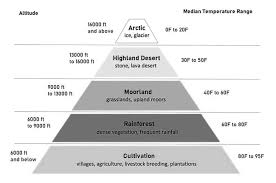
One of the most striking aspects that makes Mount Kilimanjaro Africa’s most iconic mountain is its extraordinary ecological diversity. Unlike many other mountains that gradually rise from surrounding ranges, Kilimanjaro is a free-standing volcanic formation, meaning it emerges sharply from the flat plains below. This unique geological characteristic allows climbers to experience dramatic changes in vegetation and climate over a relatively short distance. Starting from lush montane forests at the base, adventurers pass through moorlands dotted with giant groundsels, alpine deserts, and finally reach the icy summit. This ecological gradient makes Kilimanjaro not only a climber’s challenge but also a living classroom for botanists, ecologists, and wildlife enthusiasts. According to the Tanzanian National Parks Authority, Kilimanjaro is home to over 1,000 plant species, several endemic to the mountain itself, reinforcing its reputation as a biodiversity hotspot (https://www.tanzaniaparks.go.tz).
The cultural and historical significance of Kilimanjaro further elevates its iconic status. For centuries, the mountain has held spiritual meaning for the local Chagga people, who inhabit the fertile foothills. They view Kilimanjaro as a sacred place, often associating it with ancestral spirits and divine protection. Historical records indicate that Kilimanjaro was first documented by European explorers in the 19th century, with Hans Meyer and Ludwig Purtscheller achieving the first confirmed summit in 1889. Since then, Kilimanjaro has captivated the global imagination, symbolizing human endurance, ambition, and the allure of African wilderness. Its frequent depiction in literature, films, and photography underscores why Kilimanjaro is considered Africa’s most iconic mountain, serving as a beacon for adventure tourism and cultural exploration (https://www.britannica.com/place/Kilimanjaro).
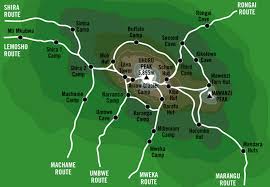
The climbing experience itself contributes significantly to the mountain’s iconic reputation. Unlike other high peaks that require technical mountaineering skills, Kilimanjaro offers multiple trekking routes suitable for climbers with varying experience levels. Routes such as Marangu, Machame, Lemosho, and Rongai provide different landscapes, difficulty levels, and scenic highlights, attracting thousands of international travelers annually. Each route offers distinct opportunities to observe wildlife, photograph breathtaking panoramas, and connect with the local guides who bring insight into the mountain’s ecology and culture. Travel experts note that Kilimanjaro’s accessibility combined with its height and diversity makes it uniquely appealing, reinforcing the notion of why Mount Kilimanjaro is Africa’s most iconic mountain (https://www.lonelyplanet.com).
Beyond climbing, Kilimanjaro’s surroundings contribute to its iconic status. The town of Moshi, located at the base, serves as a hub for climbers and offers insight into Chagga culture, local markets, and coffee plantations that thrive in the fertile volcanic soil. Safari parks such as Arusha National Park and the plains of the Kilimanjaro region provide opportunities to combine mountain trekking with classic African wildlife encounters, creating an unparalleled travel experience. This integration of high-altitude adventure, wildlife exploration, and cultural immersion distinguishes Kilimanjaro from other iconic mountains globally, enhancing its appeal to international travelers seeking a multifaceted journey (https://www.nationalgeographic.com).
The aesthetic appeal of Mount Kilimanjaro cannot be overstated. Its snow-capped peaks contrasting against expansive savannah plains create some of the most photographed landscapes in Africa. These vistas have become symbols of African adventure, frequently featured in travel guides, tourism campaigns, and inspirational imagery worldwide. The mountain’s visibility from miles around and its dramatic profile rising above the plains make it instantly recognizable, contributing to its legendary status. Photographers, filmmakers, and travelers alike are drawn to Kilimanjaro’s visual grandeur, further solidifying its reputation as Africa’s most iconic mountain.
In conclusion, Mount Kilimanjaro embodies a rare combination of natural beauty, cultural depth, accessibility, and adventure. Its ecological diversity, historical significance, climbing accessibility, surrounding wildlife, and breathtaking scenery collectively answer the question: why Mount Kilimanjaro is Africa’s most iconic mountain. For international travelers, the mountain offers not just a climb, but a journey through one of the most emblematic landscapes of Africa, providing experiences that are both challenging and profoundly rewarding. By understanding its unique characteristics and cultural importance, it becomes clear why Kilimanjaro continues to captivate the world and remains at the top of every traveler’s bucket list.
Geography, Geological Formation, and Ecosystems of Mount Kilimanjaro
Mount Kilimanjaro’s unparalleled status as Africa’s most iconic mountain is deeply rooted in its unique geography, complex geological formation, and extraordinary ecosystems. Situated in northern Tanzania near the border with Kenya, Kilimanjaro rises majestically from the surrounding plains to an elevation of 5,895 meters at its highest peak, Kibo, making it the tallest free-standing mountain in the world. Unlike mountain ranges formed by tectonic collisions, Kilimanjaro is a stratovolcano, meaning it was formed from layers of hardened lava, ash, and volcanic rocks over millions of years. This singular formation contributes to the mountain’s dramatic prominence and isolated appearance, visible from hundreds of kilometers across the surrounding savannahs. The combination of volcanic geology and equatorial location creates conditions for multiple climatic zones and ecological layers, establishing Kilimanjaro as a natural wonder and a symbol of African adventure (https://www.britannica.com/place/Kilimanjaro).
The mountain consists of three distinct volcanic cones: Kibo, Mawenzi, and Shira. Kibo, the central and highest cone, is dormant but not extinct, with the potential for minor volcanic activity. Mawenzi, the jagged and dramatic peak to the east, rises to 5,149 meters and is less frequently climbed due to its technical challenges. Shira, the oldest of the three cones, forms a broad plateau to the west, offering trekking routes with unique scenery. The combination of these three geological structures contributes to Kilimanjaro’s diverse topography and visual appeal, which has helped cement its reputation as Africa’s most iconic mountain. Geologists emphasize that Kilimanjaro’s three-cone structure, together with its free-standing prominence, makes it a rare example of large volcanic formations in Africa (https://volcano.si.edu/volcano.cfm?vn=222030).
One of the most fascinating aspects of Kilimanjaro is its climatic and ecological diversity. The mountain contains five major ecological zones within a relatively short vertical ascent, offering travelers a compressed journey through equatorial environmental gradients. At the base, tropical lowland forests flourish, rich in endemic plant species, exotic birds, and small mammals. As trekkers ascend, they encounter montane forests, often cloaked in mist, which provide habitats for colobus monkeys and unique epiphytic plants. Higher elevations transition into moorlands with giant groundsels and lobelias adapted to extreme temperature fluctuations. Above the moorlands, alpine desert zones present stark landscapes, volcanic rocks, and sparse vegetation, culminating in the icy summit zone where glaciers and perennial snowfields reside. This remarkable succession of ecosystems in a single mountain ascent exemplifies why Kilimanjaro is celebrated globally and recognized as Africa’s most iconic mountain (https://www.nationalgeographic.com).
The glaciers and snowfields at the summit of Kibo are among Kilimanjaro’s most striking features. Despite its proximity to the equator, the mountain sustains permanent ice due to its high elevation. These glaciers are not only visually stunning but also hold scientific significance, serving as indicators of climate change. Research shows that Kilimanjaro’s ice fields have been retreating rapidly over the past century due to rising temperatures and changes in precipitation patterns. Glaciologists argue that these changes have global implications, highlighting Kilimanjaro as both a natural wonder and a living laboratory for climate studies (https://www.climate.gov/news-features). The shrinking glaciers add urgency to visiting and experiencing this iconic mountain while they remain accessible, reinforcing its status as Africa’s most iconic mountain.
Kilimanjaro’s geological formation also influences the surrounding environment. The volcanic soil of its foothills supports some of the most fertile agricultural land in Tanzania. The Chagga people, indigenous to the mountain region, have cultivated coffee, bananas, and other crops for centuries using sophisticated irrigation systems adapted to the slopes. The mountain’s geological and ecological characteristics have therefore shaped not only its physical prominence but also the human and cultural landscapes around it. According to the Tanzanian National Parks Authority, these interactions between geology, climate, and human activity contribute to the mountain’s unique identity, further emphasizing why it is considered Africa’s most iconic mountain (https://www.tanzaniaparks.go.tz).
The mountain’s accessibility and diverse trekking routes also stem from its geographical features. Kilimanjaro’s prominence allows climbers to ascend from the base to summit without technical mountaineering skills, unlike peaks in the Himalayas or Andes. Routes such as Marangu, Machame, Lemosho, and Rongai pass through different ecological zones, offering exposure to forests, moorlands, and alpine deserts. Each route presents unique opportunities for wildlife observation, photography, and interaction with local guides. This combination of accessibility, ecological diversity, and physical challenge makes Kilimanjaro appealing to a broad range of international travelers, further establishing it as Africa’s most iconic mountain (https://www.lonelyplanet.com).
In addition to its ecological and geological features, Kilimanjaro’s location near key Tanzanian safari parks enhances its significance. The mountain forms part of a larger ecosystem connecting to Arusha National Park, Amboseli National Park across the Kenyan border, and the broader East African savannah. This integration allows travelers to combine mountain trekking with wildlife safaris, providing a holistic African adventure. Ecologists highlight that this unique juxtaposition of high-altitude ecosystems and savannah plains supports biodiversity conservation and creates a compelling travel experience unmatched by other mountains in Africa (https://www.worldwildlife.org).
Finally, the mountain’s prominence in tourism and adventure culture further solidifies its iconic status. Its distinct silhouette against African skies, the allure of the glaciers, the challenge of high-altitude trekking, and the cultural richness of the surrounding Chagga communities all contribute to a mountain that is simultaneously a natural wonder, a cultural symbol, and a bucket-list adventure. The integration of scientific significance, ecological diversity, and human interaction makes it clear why Kilimanjaro is consistently recognized as Africa’s most iconic mountain.
Climbing Routes, Adventure Experiences, and Why Kilimanjaro Attracts Global Travelers
Mount Kilimanjaro is celebrated not only for its towering presence but also for the unparalleled adventure experiences it offers. Understanding why Mount Kilimanjaro is Africa’s most iconic mountain requires an exploration of its diverse climbing routes, the challenges and rewards of the trek, and the unique adventure tourism it fosters. With thousands of climbers ascending each year, Kilimanjaro provides an experience that is accessible to a wide range of adventurers while simultaneously offering opportunities for personal achievement, ecological observation, and cultural interaction.
One of the factors that make Kilimanjaro iconic is the diversity of its trekking routes. There are six primary routes—Marangu, Machame, Lemosho, Shira, Rongai, and Umbwe—each providing distinct experiences in terms of scenery, difficulty, and duration. The Marangu route, often called the “Coca-Cola route,” is renowned for its moderate slope and hut accommodations, making it a popular choice for beginners. In contrast, the Machame route, nicknamed the “Whiskey route,” is more challenging with steeper ascents but offers breathtaking panoramic views and a higher success rate for reaching the summit. Lemosho and Shira routes are favored for their scenic diversity, passing through lush forests, expansive moorlands, and volcanic landscapes before converging with the Machame route. Rongai, approaching from the north, provides a quieter, less crowded experience, while Umbwe is steep and challenging, appealing to experienced climbers seeking adventure and solitude. Each of these routes highlights Kilimanjaro’s ecological and geographical diversity, contributing to the mountain’s reputation as Africa’s most iconic mountain (https://www.tanzaniaparks.go.tz).
The adventure experience on Kilimanjaro extends beyond the physical ascent. Climbers encounter five distinct climatic zones within a single trek: tropical rainforest, heath and moorland, alpine desert, Arctic summit, and glaciers. This extraordinary ecological diversity allows climbers to witness rapid transitions in flora, fauna, and weather conditions. In the rainforest zone, climbers are surrounded by giant ferns, camphor trees, and abundant birdlife. Heath and moorland zones feature giant groundsels and endemic species like lobelias adapted to extreme temperature fluctuations. Alpine deserts showcase dramatic volcanic rock formations, while the summit zone presents glaciers and snowfields despite the equatorial location. Experiencing these rapid environmental shifts in one journey illustrates why Kilimanjaro is often described as a microcosm of African ecosystems, reinforcing its status as Africa’s most iconic mountain (https://www.nationalgeographic.com).
Beyond trekking, Kilimanjaro offers a multitude of adventure experiences that appeal to global travelers. Guided sunrise and sunset climbs provide photographers with spectacular opportunities to capture the mountain’s changing light and vistas. Wildlife spotting in the lower slopes introduces climbers to endemic species such as colobus monkeys, bushbucks, and diverse bird species. Cultural encounters with the Chagga people, who guide, support, and share knowledge about traditional agriculture and local customs, add a human dimension to the adventure. These interactions are integral to understanding the mountain’s cultural and ecological importance, enhancing why Kilimanjaro is celebrated globally as Africa’s most iconic mountain (https://www.lonelyplanet.com).
Safety, preparation, and acclimatization are crucial components of the Kilimanjaro experience. Climbers must plan for altitude sickness, variable weather, and physically demanding terrain. International adventure travel authorities recommend ascending gradually, staying hydrated, and using professional guides who are trained in high-altitude rescue techniques. The widespread availability of expert guides, well-maintained paths, and reliable support infrastructure allows climbers from diverse backgrounds to attempt the ascent safely. This combination of accessibility and adventure positions Kilimanjaro uniquely among the world’s high mountains, appealing to both amateur trekkers and seasoned mountaineers alike (https://www.mountaineers.org).
The social and psychological aspects of the Kilimanjaro trek also contribute to its iconic reputation. Achieving the summit, often referred to as Uhuru Peak, represents a profound personal accomplishment and a shared experience among climbers and guides. The emotional impact of standing atop Africa’s highest point, looking over the surrounding plains, glaciers, and volcanic formations, creates lifelong memories. Adventure psychologists note that such experiences significantly enhance well-being, resilience, and personal growth. These transformative aspects of climbing Kilimanjaro elevate it from a simple hike to an emblem of human determination, exploration, and the allure of Africa, further underscoring why it is Africa’s most iconic mountain (https://www.adventuretravel.biz).
In addition to trekking, Kilimanjaro’s surrounding regions provide complementary adventure opportunities. International visitors can combine mountain climbs with safaris in nearby Arusha National Park or wildlife reserves, creating a multifaceted African adventure. Helicopter tours, hot air ballooning, and cultural tours in Moshi and nearby villages expand the adventure beyond the mountain itself. These activities provide a holistic experience, allowing travelers to engage with both the natural and cultural heritage of the region. By integrating high-altitude trekking with other adventure forms, Kilimanjaro offers an unparalleled travel experience that is both diverse and deeply memorable (https://www.nationalgeographic.com).
Another reason for Kilimanjaro’s iconic status is the global community of climbers it attracts. Each year, thousands of people from around the world converge on the mountain, sharing stories, experiences, and cultural exchanges. The shared endeavor fosters a sense of camaraderie and global connection. International travel forums and mountaineering organizations highlight Kilimanjaro as a bucket-list destination for climbers of all skill levels, further emphasizing its worldwide reputation. The mountain’s accessibility without technical climbing gear makes it a unique destination where diverse travelers can challenge themselves, connect with nature, and experience the richness of African landscapes.
Finally, Kilimanjaro’s iconic reputation is reinforced by its consistent appearance in media, travel guides, films, and photography. Its dramatic profile, visible from surrounding plains, and the contrast between snow-capped peaks and lush lowlands create some of the most recognized landscapes in Africa. The mountain symbolizes adventure, natural beauty, and the African wilderness, appearing on book covers, travel magazines, and online platforms. The imagery associated with Kilimanjaro strengthens its global identity, ensuring it remains at the forefront of adventure tourism and nature appreciation. This widespread recognition highlights why Kilimanjaro is not just a mountain but an emblem of Africa’s grandeur, culture, and ecological diversity, confirming its status as Africa’s most iconic mountain.
Cultural Significance, Local Communities, and Kilimanjaro’s Place in African Identity
Mount Kilimanjaro’s status as Africa’s most iconic mountain is not solely based on its towering height, breathtaking vistas, or climbing challenges. Equally compelling is the profound cultural significance it holds for local communities and its symbolic place in the broader African identity. For centuries, Kilimanjaro has shaped the lives, traditions, and spiritual beliefs of the Chagga people and other communities residing in its foothills, serving as both a livelihood resource and a sacred landmark. Understanding these cultural dimensions enriches a traveler’s experience and reinforces why Kilimanjaro remains globally celebrated as Africa’s most iconic mountain.
The Chagga, the dominant ethnic group in the Kilimanjaro region, have developed a sophisticated agricultural system that thrives on the fertile volcanic soils surrounding the mountain. Coffee, bananas, maize, and various vegetables are cultivated using terracing techniques adapted to the mountain slopes. This long history of agricultural innovation highlights the community’s deep connection to Kilimanjaro, not only as a physical presence but as a provider of sustenance and economic stability. Anthropologists note that the Chagga’s practices demonstrate an intricate understanding of microclimates and soil composition, showcasing how cultural knowledge and natural resources intertwine (https://www.tanzaniaparks.go.tz). These traditional livelihoods continue to attract travelers interested in cultural tourism, making Kilimanjaro a destination that blends adventure with immersive learning.
Kilimanjaro also holds spiritual and symbolic significance for the local populations. For the Chagga and other ethnic groups in the region, the mountain is considered sacred, embodying ancestral spirits and natural deities. Rituals and ceremonies have historically been conducted on its slopes to honor the mountain, seek blessings for bountiful harvests, or mark important life events. Local guides often share these stories with climbers, providing insights into the mountain’s cultural layers. UNESCO emphasizes that understanding intangible cultural heritage, such as spiritual practices and traditional knowledge associated with natural landmarks, enhances sustainable tourism and global appreciation (https://www.unesco.org). This interplay between culture, spirituality, and ecology contributes to the broader understanding of why Mount Kilimanjaro is Africa’s most iconic mountain.
Historically, Kilimanjaro has served as a symbol of African resilience and identity. During the colonial era, European explorers first documented the mountain, bringing international attention to its towering peaks and unique landscapes. However, for local communities, Kilimanjaro has always been a symbol of endurance, self-sufficiency, and harmony with nature. Post-independence, the mountain gained additional significance as a national icon, appearing on stamps, currency, and official emblems. It represents Tanzania’s natural wealth, tourism potential, and position as a center for ecological and adventure tourism in Africa. Scholars highlight that national landmarks like Kilimanjaro play a crucial role in fostering pride, identity, and cultural continuity, explaining in part why it is celebrated as Africa’s most iconic mountain (https://www.britannica.com/place/Kilimanjaro).
Tourism has further strengthened Kilimanjaro’s cultural significance. Each year, thousands of international visitors interact with local communities through guided climbs, village tours, and cultural experiences. These interactions provide mutual benefits: climbers gain authentic insight into Chagga life and traditions, while communities benefit economically through employment as guides, porters, cooks, and hospitality providers. Programs promoting responsible and community-based tourism have been developed to ensure that tourism supports local livelihoods without compromising cultural integrity. International tourism authorities note that destinations offering authentic cultural experiences alongside natural beauty tend to achieve higher traveler satisfaction, which in turn reinforces the mountain’s global reputation (https://www.lonelyplanet.com).
The mountain’s role in local festivals and community life further emphasizes its iconic status. Celebrations often include traditional music, dance, and storytelling that revolve around Kilimanjaro’s presence. Seasonal events, such as harvest ceremonies, incorporate rituals and narratives that honor the mountain and its resources. Visitors participating in these events gain a deeper understanding of the mountain’s integral role in shaping social cohesion and cultural continuity. Anthropologists affirm that such living traditions elevate Kilimanjaro beyond a natural landmark to a cultural and symbolic icon, explaining why it remains central in the perception of Africa’s most iconic mountain.
Kilimanjaro’s influence extends beyond local communities to the wider African and international imagination. It frequently appears in literature, films, and photography, symbolizing Africa’s natural grandeur, adventure, and mystique. The mountain is a recurring motif in African literature, often representing challenges, spiritual journeys, or the triumph of human determination. Filmmakers and photographers use its dramatic peaks and contrasting landscapes to convey narratives of exploration, resilience, and cultural richness. By embodying these qualities, Kilimanjaro connects local cultural identity with global recognition, bridging the gap between tangible geography and intangible symbolism (https://www.nationalgeographic.com).
Furthermore, Kilimanjaro’s cultural and ecological significance is tightly interwoven with conservation efforts. Tanzanian authorities, in collaboration with local communities and international organizations, have implemented sustainable tourism practices to protect both the mountain’s environment and the traditions of its inhabitants. Porters and guides are trained in safety and environmental preservation, while visitor numbers are managed to reduce ecological impact. Conservation programs also educate tourists about the importance of respecting local customs and biodiversity. These initiatives highlight how cultural preservation and ecological stewardship reinforce the mountain’s iconic status, making it a model for responsible adventure tourism (https://www.wttc.org).
Finally, Kilimanjaro’s iconic image in African identity is strengthened by its representation in global media, adventure challenges, and international mountaineering culture. Its distinct snow-capped summit, visible from vast distances, is a symbol of aspiration and achievement. For climbers, standing atop Kibo is not just a personal triumph but an engagement with a mountain that carries centuries of cultural significance, ecological wonder, and historical narrative. This interplay of natural beauty, cultural depth, and social impact solidifies why Mount Kilimanjaro is universally recognized as Africa’s most iconic mountain.
Global Recognition, Conservation Efforts, and the Future of Kilimanjaro Tourism

Mount Kilimanjaro’s stature as Africa’s most iconic mountain is reinforced not only by its natural grandeur and cultural significance but also by its global recognition, ongoing conservation efforts, and strategic role in sustainable tourism. Over the past century, Kilimanjaro has become a symbol of African adventure, ecological diversity, and cultural richness, attracting thousands of international travelers annually. Understanding the mountain’s place in global consciousness and the initiatives safeguarding its future is essential for appreciating why Kilimanjaro continues to be celebrated worldwide.
One of the primary reasons Kilimanjaro is globally recognized is its status as a UNESCO World Heritage Site. Designated in 1987, the Kilimanjaro National Park covers approximately 75,000 hectares and includes the mountain’s unique ecological zones, glaciers, and surrounding forests (https://whc.unesco.org/en/list/787). This recognition underscores the mountain’s outstanding universal value, highlighting its biodiversity, geological significance, and cultural heritage. The park protects a wealth of flora and fauna, including endemic plants and wildlife species that are integral to the mountain’s ecosystems. UNESCO’s designation reinforces Kilimanjaro’s iconic image on the international stage, solidifying its identity as Africa’s most iconic mountain.
Conservation efforts on Kilimanjaro are multifaceted, addressing both environmental and social dimensions. Climate change poses one of the most pressing threats, with glaciers at Kibo retreating rapidly over the past century. Scientists estimate that if current trends continue, the ice fields could vanish entirely within a few decades (https://climate.nasa.gov/news). This glacial loss not only impacts the mountain’s aesthetic appeal but also affects water sources and local ecosystems. Tanzanian authorities, in collaboration with international organizations, have implemented strategies to mitigate environmental degradation, including reforestation programs, sustainable tourism practices, and community-based conservation initiatives. These efforts highlight Kilimanjaro’s global significance as a site where climate awareness and ecological stewardship intersect, reinforcing why it is celebrated as Africa’s most iconic mountain.
Tourism plays a critical role in supporting conservation and local livelihoods. The Kilimanjaro National Park charges entrance and climbing fees, a portion of which is reinvested into environmental preservation, trail maintenance, and community development. Porters, guides, and local staff receive training in sustainable practices, ensuring that tourism benefits both visitors and residents. Responsible tourism initiatives, such as limiting group sizes and promoting eco-friendly waste management, are essential to maintaining the mountain’s ecological integrity. Adventure travel organizations emphasize that the combination of ethical tourism and natural wonder distinguishes Kilimanjaro as a model for sustainable mountain tourism (https://www.lonelyplanet.com).
Global recognition also stems from Kilimanjaro’s symbolic role in international adventure and mountaineering culture. The mountain is frequently featured in documentaries, travel literature, and inspirational narratives. It serves as a benchmark for personal achievement, challenging climbers to ascend over 5,895 meters without technical mountaineering skills. The psychological and emotional impact of summiting Kibo has been documented in multiple studies, highlighting the mountain’s ability to inspire resilience, determination, and cross-cultural engagement. Its iconic status is further reinforced through media portrayals, adventure tourism awards, and inclusion in global trekking itineraries, cementing its reputation as Africa’s most iconic mountain (https://www.adventuretravel.biz).
In addition to climbing and tourism, Kilimanjaro is a center for scientific research and ecological monitoring. Universities and environmental organizations conduct studies on glacial retreat, endemic species, and ecosystem health. These efforts not only inform global climate change discourse but also provide critical data for local conservation strategies. The mountain’s unique combination of altitude, equatorial location, and ecological zones makes it a valuable natural laboratory. Researchers emphasize that Kilimanjaro’s scientific significance, combined with its cultural and adventure appeal, contributes to its global recognition and reinforces why it remains a premier symbol of Africa’s natural heritage (https://www.nationalgeographic.com).
Looking to the future, Kilimanjaro’s ongoing iconic status will depend on balancing tourism, conservation, and community engagement. Climate change mitigation, sustainable visitor management, and continued support for local communities are critical. Investment in eco-tourism infrastructure, education programs for guides and porters, and responsible media promotion can ensure that Kilimanjaro remains both accessible and protected for future generations. Conservation experts stress that global awareness, combined with responsible travel behavior, is essential to preserving the mountain’s ecological and cultural integrity. These forward-looking strategies are integral to maintaining Kilimanjaro’s reputation as Africa’s most iconic mountain.
Finally, Kilimanjaro serves as a symbol of African resilience, adventure, and global interconnectedness. Its glaciers, forests, and volcanic peaks attract climbers, scientists, and cultural enthusiasts from around the world, creating a unique convergence of natural wonder, human aspiration, and environmental stewardship. The mountain’s global recognition, combined with active conservation efforts and sustainable tourism initiatives, ensures that Kilimanjaro continues to inspire awe and admiration. By safeguarding its ecological and cultural heritage while promoting responsible adventure tourism, Tanzania secures Kilimanjaro’s legacy as a defining emblem of Africa’s natural and symbolic identity.
In conclusion, the future of Kilimanjaro as Africa’s most iconic mountain depends on the continued collaboration of local communities, international travelers, conservationists, and policymakers. Its global recognition, ecological significance, cultural richness, and adventure opportunities collectively make it a landmark of unparalleled importance. As climate challenges and tourism pressures evolve, sustainable practices will ensure that Mount Kilimanjaro remains a living symbol of Africa’s grandeur, accessible to future generations of explorers, scientists, and cultural travelers seeking to experience one of the world’s most extraordinary mountains (https://www.wttc.org).
