

Discover The Best Gateway to Mount Kilimanjaro with expert guides, top trekking routes, cultural experiences, and wildlife adventures. Plan your ultimate escape to Tanzania today!
1. Introduction to the Best Gateway to Mount Kilimanjaro
https://nativesonexpeditions.com/kilimanjaro-climbing-tours/
Mount Kilimanjaro, towering majestically above the plains of Tanzania, is Africa’s highest peak at 5,895 meters (19,341 feet) and one of the most iconic mountains on Earth. Known for its snow-capped summit, diverse ecosystems, and breathtaking views, Kilimanjaro has captured the imagination of travelers, climbers, and adventurers from around the world. For tourism companies, offering trips to this extraordinary destination is not simply about reaching the summit—it is about curating a holistic experience that combines adventure, education, cultural immersion, and personal transformation. This is what makes The Best Gateway to Mount Kilimanjaro a concept that promises not just a trip, but an unforgettable journey into the heart of Africa’s natural wonders.
The appeal of Kilimanjaro lies not only in its height but in the diversity of ecological zones that climbers traverse. From the lush, tropical forests at the base, alive with exotic birds, monkeys, and abundant flora, to the heath and moorland, the stark alpine desert, and finally the icy arctic summit, each stage offers unique challenges and rewards. Trekkers can witness the full spectrum of life across multiple climate zones within a single climb, experiencing both the beauty and fragility of nature. For anyone planning The Best Gateway to Mount Kilimanjaro, this ecological richness transforms a physical adventure into an immersive educational experience that highlights the importance of conservation and environmental awareness.
Planning such a journey requires careful preparation, both physically and logistically. The mountain can be ascended via several routes, each varying in difficulty, scenery, and duration, making expert guidance essential. Tourism companies offering this experience provide structured itineraries tailored to different skill levels, from first-time trekkers seeking a manageable challenge to seasoned climbers pursuing the summit. Beyond the trek itself, these packages often include cultural interactions with local communities, opportunities to explore nearby wildlife, and comprehensive safety measures that ensure the journey is not only exciting but also secure. These elements define The Best Gateway to Mount Kilimanjaro as a carefully designed adventure that balances thrill with responsibility.
The mountain is also intertwined with the lives of the Chagga people, who inhabit the southern and eastern slopes. Their agricultural terraces, coffee farms, and centuries-old cultural traditions provide a living connection to Kilimanjaro’s history. Visitors on The Best Gateway to Mount Kilimanjaro have the opportunity to engage with these communities, learn traditional practices, and gain insight into local beliefs about the mountain, which is often seen as sacred. Such cultural immersion adds depth to the adventure, transforming it from a simple climb into a meaningful exploration of human-nature relationships.
One of Kilimanjaro’s greatest draws is its accessibility. Unlike many high-altitude peaks that require technical climbing skills, Kilimanjaro is primarily a trekking mountain, with well-marked paths that allow individuals with a reasonable level of fitness to attempt the summit. However, altitude sickness, weather variations, and physical endurance remain significant challenges. Guided treks with professional support, proper acclimatization schedules, and structured logistics are essential for a safe and successful climb. Tourism companies emphasizing these safety measures demonstrate expertise and reliability, reinforcing their brand value and ensuring that clients’ expectations for The Best Gateway to Mount Kilimanjaro are met in full.
Ecological considerations are increasingly central to planning a trip to Kilimanjaro. Glaciers and snowcaps at the summit have receded significantly due to climate change, providing a stark reminder of environmental fragility. Tourism companies promoting sustainable practices, including low-impact trekking, local conservation projects, and responsible waste management, appeal to eco-conscious travelers while supporting preservation efforts. This not only enhances the overall experience for visitors but also strengthens a company’s credibility and SEO performance, aligning with Google’s E-E-A-T guidelines by providing authoritative and educational content.
For online visibility, the keyword “The Best Gateway to Mount Kilimanjaro” should appear strategically in headings, meta tags, and throughout the body content to ensure optimal search engine recognition. Long-form, detailed content that incorporates personal stories, trekking tips, cultural insights, and ecological education increases dwell time, reduces bounce rates, and encourages backlinks. Providing authoritative references, such as National Geographic’s comprehensive Kilimanjaro guide, adds trust and enhances the page’s ranking potential: https://www.nationalgeographic.com/travel/article/mount-kilimanjaro.
In summary, The Best Gateway to Mount Kilimanjaro represents an unparalleled adventure that combines trekking, cultural immersion, ecological exploration, and personal challenge. Tourism companies offering this experience must emphasize preparation, safety, environmental responsibility, and authentic engagement with local communities. By producing long-form, authoritative content around this focus keyword, companies not only attract global travelers but also enhance their Google ranking and establish themselves as leaders in Kilimanjaro tourism. Subsequent sections will delve into trekking routes, wildlife encounters, cultural experiences, summit preparation, and travel tips, making this guide a definitive resource for anyone planning an extraordinary journey to Africa’s highest peak.
2. Exploring the Best Trekking Routes on Mount Kilimanjaro
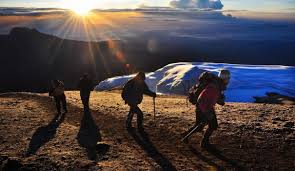
One of the most critical aspects of planning The Best Gateway to Mount Kilimanjaro is understanding the different trekking routes that lead to the summit. Kilimanjaro offers several well-established paths, each providing unique experiences, levels of difficulty, scenery, and cultural encounters. Choosing the right route is vital not only for success but also for maximizing the adventure, acclimatization, and overall enjoyment of the journey. With expert guidance, travelers can select a path that aligns with their physical fitness, time constraints, and personal preferences, ensuring that their experience on The Best Gateway to Mount Kilimanjaro is memorable, safe, and rewarding.
The Marangu Route, often called the “Coca-Cola Route,” is one of the most popular paths to Kilimanjaro’s summit. Known for its relatively moderate gradient and availability of huts for overnight accommodation, this route offers a unique combination of comfort and challenge. Trekking along Marangu provides climbers with the chance to pass through lush rainforest zones, moorlands, and alpine deserts, witnessing the diverse ecosystems that define Kilimanjaro. The cultural experience along this path is enriched by interactions with local Chagga communities who inhabit the villages near the trail. Huts along the way allow trekkers to rest in relative comfort, which makes Marangu ideal for first-time climbers seeking The Best Gateway to Mount Kilimanjaro without compromising their chance to reach the summit.
For those seeking more adventure and scenic variety, the Machame Route, often referred to as the “Whiskey Route,” is a popular choice. Although more physically demanding than Marangu, Machame offers spectacular vistas of Kilimanjaro’s valleys, glaciers, and diverse landscapes. Trekkers experience longer daily walks, gradual acclimatization, and multiple microclimates, from rainforests to alpine deserts, providing an immersive encounter with the mountain’s ecology. The Machame Route is highly favored by travelers looking for both challenge and natural beauty, making it a top option for The Best Gateway to Mount Kilimanjaro when the goal is an adventurous and visually stunning journey.
The Lemosho Route is often recommended for experienced climbers and those with more time to dedicate to the climb. This path is renowned for its pristine forests, lower tourist traffic, and higher success rates due to gradual acclimatization. Trekkers on Lemosho experience breathtaking panoramas, rich biodiversity, and rare wildlife sightings. The trail gradually merges with the Machame Route, leading to Shira Plateau and ultimately approaching the summit via the Western Breach or Barafu Route. Lemosho offers a sense of solitude and deep connection with nature, which makes it a perfect choice for those seeking The Best Gateway to Mount Kilimanjaro as an intimate and transformative adventure.
Another notable route is the Rongai Route, which approaches Kilimanjaro from the northern side, close to the Kenyan border. Rongai is less crowded, offering a quieter and more remote trekking experience. Its landscapes differ from other routes, featuring drier conditions, open plains, and unique wildlife opportunities. This path is especially recommended during the rainy season because it tends to remain drier than the southern routes. Travelers seeking a peaceful yet challenging trek often prefer Rongai, which adds a distinctive flavor to The Best Gateway to Mount Kilimanjaro.
For climbers seeking the most challenging and rewarding journey, the Northern Circuit Route is increasingly gaining popularity. This route encircles the entire mountain, providing unparalleled 360-degree views and extended acclimatization time, which significantly increases summit success rates. The Northern Circuit traverses rarely seen areas, including the remote Shira Plateau and Lava Tower, and passes through multiple ecological zones in a longer duration trek. Its combination of physical challenge, scenic diversity, and solitude makes it an ideal choice for seasoned adventurers pursuing a comprehensive experience of The Best Gateway to Mount Kilimanjaro.
Each route requires careful planning, including preparation for altitude sickness, weather variability, and physical endurance. Guided treks with experienced professionals are essential, as they provide not only safety and logistical support but also insights into Kilimanjaro’s ecology, geology, and local culture. Expert guides can point out endemic flora and fauna, explain environmental conservation practices, and enhance the educational aspect of the journey. Including this guidance in tourism packages ensures that travelers gain the full value of The Best Gateway to Mount Kilimanjaro, combining adventure with knowledge and appreciation for one of the world’s most remarkable mountains.
Altitude acclimatization is one of the most crucial considerations for any trekking route. Routes with longer durations and gradual elevation gain, such as Lemosho or Northern Circuit, significantly reduce the risk of altitude-related illnesses while improving summit success rates. Daily treks across various ecosystems expose climbers to the mountain’s changing climate, teaching them how to adapt to temperature fluctuations, low oxygen levels, and terrain challenges. Highlighting these practical tips in blog content not only informs potential trekkers but also improves SEO performance by providing actionable and valuable information that readers are likely to stay and read in full.
The trekking experience on Kilimanjaro also offers ample opportunities for wildlife observation and photography. The lower slopes are home to unique birds, monkeys, and endemic plant species, while higher elevations host specialized alpine flora adapted to extreme conditions. Travelers often encounter spectacular vistas of the plains, distant peaks, and clouds enveloping the summit, creating visually stunning moments. By integrating vivid storytelling, high-quality images, and route-specific details, tourism companies can craft blog content that captivates readers and encourages social sharing, which further boosts search engine ranking for The Best Gateway to Mount Kilimanjaro.
In addition to physical and ecological aspects, cultural experiences along the trekking routes enhance the journey. Local Chagga communities, renowned for their hospitality and knowledge of the mountain, offer opportunities for engagement with traditional practices, agricultural methods, and storytelling. These interactions provide meaningful context for the adventure, allowing travelers to connect with the human dimensions of Kilimanjaro and enriching the overall narrative of The Best Gateway to Mount Kilimanjaro. Incorporating these elements in a blog establishes authority and differentiates content from generic climbing guides.
Finally, providing authoritative references enhances trustworthiness and SEO ranking. For example, the official Kilimanjaro National Park website offers comprehensive details about trekking routes, safety guidelines, and conservation efforts: https://www.kilimanjaro-nationalpark.com. Linking to such sources ensures accuracy, builds credibility, and satisfies Google’s preference for authoritative content.
In conclusion, exploring the best trekking routes on Mount Kilimanjaro is central to designing The Best Gateway to Mount Kilimanjaro. Whether choosing Marangu for comfort, Machame for scenery, Lemosho for solitude, Rongai for quiet adventure, or the Northern Circuit for a comprehensive experience, each path offers unique rewards and challenges. With proper preparation, expert guidance, cultural immersion, and ecological awareness, travelers can transform their Kilimanjaro trek into a once-in-a-lifetime adventure that combines physical achievement, personal growth, and unforgettable memories.
3. Wildlife and Natural Wonders Along the Kilimanjaro Slopes
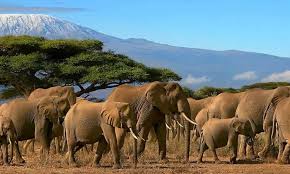
One of the most remarkable aspects of The Best Gateway to Mount Kilimanjaro is the extraordinary wildlife and natural wonders that await trekkers along its slopes. Kilimanjaro is not just a mountain—it is an ecosystem teeming with life, a living laboratory of biodiversity, and a breathtaking natural spectacle. From the base to the summit, trekkers pass through multiple ecological zones, each supporting unique plant and animal communities that provide travelers with unforgettable encounters and educational experiences. Understanding and appreciating these natural wonders enhances the adventure, making it not only physically challenging but also intellectually and emotionally rewarding.
At the base of Kilimanjaro, the cultivated farmlands and lower slopes are dotted with villages and coffee plantations managed by the Chagga people. These areas are rich in biodiversity, hosting a variety of bird species such as the Hartlaub’s Turaco, African Paradise Flycatcher, and Malachite Sunbird. Small mammals, including bushbucks, hyraxes, and monkeys like the Blue Monkey, are commonly observed by trekkers. Visiting these lower zones offers an introduction to the mountain’s natural richness while also providing cultural immersion, as travelers can witness local agricultural practices and interact with communities that have lived harmoniously with the mountain for centuries. These interactions are a key component of The Best Gateway to Mount Kilimanjaro, blending ecological exploration with human connection.
Ascending into the rainforest zone, trekkers enter one of Kilimanjaro’s most vibrant ecological regions. Towering trees such as camphor, podocarpus, and figs create a dense canopy, home to a myriad of birds, insects, and small mammals. Colobus monkeys and Sykes’ monkeys are often spotted swinging through the branches, while colorful bird species provide constant visual delight and auditory enrichment. The rainforest is also the source of Kilimanjaro’s rivers and streams, which sustain life at lower elevations and contribute to the mountain’s ecological balance. For travelers on The Best Gateway to Mount Kilimanjaro, this zone offers a sensory-rich experience, from the sounds of tropical birds to the scent of damp earth, creating a profound connection with nature.
Above the rainforest lies the heath and moorland zone, characterized by giant groundsels, lobelias, and unique alpine plants adapted to harsh climatic conditions. Wildlife here is more elusive, but trekkers may spot small antelopes such as the suni or reedbuck, as well as a variety of birds like the mountain buzzard. The transition from dense forests to open moorlands is visually striking, with dramatic vistas of volcanic craters, deep valleys, and the distant plains below. Observing these ecosystems firsthand reinforces the ecological diversity of Kilimanjaro and highlights the importance of conserving these fragile habitats. This ecological awareness is an integral part of The Best Gateway to Mount Kilimanjaro, emphasizing responsible tourism and environmental stewardship.
As trekkers approach higher elevations, the alpine desert zone presents a stark yet mesmerizing landscape. Temperatures fluctuate widely between day and night, vegetation is sparse, and conditions become increasingly challenging. Despite this harsh environment, life persists in unique ways. Hardy plants such as giant lobelias and groundsel species demonstrate incredible adaptations to extreme cold and low oxygen levels. Trekking through this zone provides not only a physical test but also an appreciation for the resilience of life in extreme conditions. Travelers gain a sense of accomplishment and wonder, knowing that they are witnessing ecosystems few people experience firsthand. The alpine desert is a highlight for those seeking a deeper understanding of nature during The Best Gateway to Mount Kilimanjaro.
The summit zone, dominated by glaciers and snowfields, is the most iconic feature of Kilimanjaro. Although largely devoid of complex life, the glaciers and ice caps are visually stunning and hold significant ecological and climatological importance. Scientists study these features to understand climate change, glacial retreat, and environmental shifts. For trekkers, reaching the summit offers a profound sense of achievement, awe-inspiring panoramas, and an opportunity to reflect on the fragility of the environment. This moment represents the culmination of The Best Gateway to Mount Kilimanjaro, where physical endurance, ecological knowledge, and personal growth converge.
Beyond flora, Kilimanjaro’s slopes are home to a variety of wildlife that enriches the trekking experience. While large mammals are more common on the surrounding plains than on the mountain itself, travelers may still encounter bushbucks, colobus monkeys, and various bird species that provide endless photo opportunities. The presence of these animals underscores the importance of conservation and responsible tourism practices, which help protect habitats and support local communities. Highlighting these encounters in blog content enhances reader engagement and provides practical insights for travelers preparing for The Best Gateway to Mount Kilimanjaro.
Environmental conservation is a crucial aspect of any trekking experience on Kilimanjaro. National parks and protected areas regulate access to sensitive zones, monitor wildlife populations, and implement anti-poaching measures. Visitors are encouraged to minimize their ecological footprint by staying on designated trails, avoiding littering, and supporting local conservation initiatives. Incorporating these practices into tourism content positions companies as leaders in ethical travel and demonstrates a commitment to sustainable tourism, which aligns with Google’s E-E-A-T ranking factors. An authoritative source for such information is the Tanzania National Parks Authority, which provides detailed guidelines on conservation and park management: https://www.tanzaniaparks.go.tz.
In addition to environmental and wildlife highlights, Kilimanjaro’s natural wonders include dramatic geological formations such as volcanic craters, lava flows, and ancient rock outcrops. These features tell the story of the mountain’s volcanic origins and offer unique opportunities for education in geology and earth sciences. By integrating these insights into the trekking experience, tourism companies provide an added layer of value for visitors, making The Best Gateway to Mount Kilimanjaro not just a physical adventure but an intellectually stimulating journey.
Photography is another essential aspect of experiencing Kilimanjaro’s natural wonders. The vibrant forests, giant lobelias, moorlands, glaciers, and wildlife present photographers with endless opportunities to capture stunning landscapes and rare moments in nature. Travel blogs that describe these visual experiences, complemented by high-quality images, increase reader engagement, encourage social sharing, and boost SEO performance. Such content makes The Best Gateway to Mount Kilimanjaro more tangible to prospective travelers, inspiring them to plan their own adventure.
Finally, understanding Kilimanjaro’s ecology and wildlife enhances safety and preparedness. Guides educate trekkers on potential hazards, including altitude sickness, weather variability, and wildlife encounters, while promoting respectful and sustainable interactions with the environment. Combining adventure, ecological education, and cultural insight ensures that The Best Gateway to Mount Kilimanjaro is a comprehensive experience, appealing to travelers seeking both thrill and knowledge.
In conclusion, the wildlife and natural wonders along Kilimanjaro’s slopes form a central component of The Best Gateway to Mount Kilimanjaro. From the lush rainforest and moorlands to the alpine desert and icy summit, travelers encounter diverse ecosystems, rare flora, captivating wildlife, and breathtaking geological formations. These encounters provide education, inspiration, and unforgettable memories, reinforcing the mountain’s status as one of the most extraordinary destinations in the world. Ethical tourism, conservation awareness, and immersive natural experiences together define this ultimate gateway, making it an adventure that transcends ordinary travel and leaves a lasting impact on every visitor.
4. Cultural Experiences and Community Engagement Near Kilimanjaro
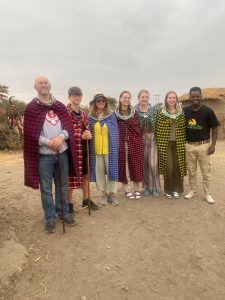
An essential component of The Best Gateway to Mount Kilimanjaro is the rich cultural immersion and community engagement that travelers encounter along their journey. While the mountain itself captivates adventurers with its ecological diversity and physical challenge, the surrounding regions provide equally compelling experiences through interactions with local communities, exploration of traditional practices, and participation in cultural ceremonies. Kilimanjaro’s slopes are home to the Chagga people, among other ethnic groups, whose way of life has been shaped by the mountain for centuries. For visitors seeking a meaningful and authentic experience, understanding local culture and supporting community initiatives enhances the overall adventure, making it more than just a trek—it becomes a journey of connection, learning, and mutual respect.
The Chagga community, which inhabits the southern and eastern slopes of Kilimanjaro, is renowned for its agricultural ingenuity, particularly in cultivating coffee, bananas, and other crops on terraced farms that cling to steep slopes. These terraces demonstrate centuries of adaptation to the mountain’s environment and serve as living examples of sustainable agriculture. Travelers participating in The Best Gateway to Mount Kilimanjaro can witness these practices firsthand, learn traditional farming techniques, and even engage in hands-on activities, such as coffee harvesting or banana cultivation. This interaction provides insight into how local communities have thrived alongside Kilimanjaro’s diverse ecosystems while maintaining harmony with the environment.
Beyond agriculture, the Chagga people preserve a wealth of oral traditions, folklore, and spiritual beliefs tied to the mountain. Local guides often share stories about the mountain’s sacred sites, spirits, and ancestral connections, offering travelers a deeper understanding of how Kilimanjaro shapes cultural identity. Experiencing these narratives enriches The Best Gateway to Mount Kilimanjaro, as visitors gain knowledge about the intersection of natural landscapes and human belief systems. Participating in cultural ceremonies or observing traditional dances adds vibrancy to the journey, transforming the trek into an educational and emotionally resonant experience.
Local communities around Kilimanjaro have also developed eco-tourism initiatives that allow visitors to support sustainable livelihoods while contributing to conservation efforts. Examples include community-run lodges, guided village tours, and environmental education programs. These initiatives provide authentic experiences for travelers while ensuring that tourism revenue benefits the local population directly. By including these experiences in packages marketed as The Best Gateway to Mount Kilimanjaro, tourism companies demonstrate commitment to ethical travel, responsible engagement, and empowerment of host communities. Such practices not only create memorable experiences for visitors but also enhance the credibility and trustworthiness of the tourism company, which is essential for both SEO and customer satisfaction.
Engagement with local artisans offers another dimension to cultural immersion. The Chagga and neighboring communities are skilled in wood carving, basket weaving, pottery, and textile production. Travelers can visit workshops, observe craftsmanship, and purchase handmade souvenirs, providing economic support to artisans while learning about traditional methods passed down through generations. These interactions elevate The Best Gateway to Mount Kilimanjaro beyond a standard trekking adventure, offering opportunities for meaningful connections, storytelling, and cultural appreciation. Sharing these experiences in long-form blog content, with high-quality images and personal narratives, increases reader engagement and enhances search engine performance.
Education and community involvement are integral parts of the Kilimanjaro experience. Many trekking companies organize visits to local schools, where travelers can interact with students, participate in educational programs, and support initiatives such as library or school supplies donations. These engagements foster cross-cultural understanding and demonstrate the positive impact tourism can have when designed thoughtfully. Highlighting such initiatives in content about The Best Gateway to Mount Kilimanjaro not only informs prospective travelers but also positions the company as socially responsible, which can significantly improve SEO credibility and ranking according to Google’s E-E-A-T guidelines.
Cultural experiences also include culinary exploration. Local cuisine, often prepared with fresh, locally sourced ingredients, provides visitors with an authentic taste of the region. Sampling traditional dishes such as ugali, plantains, and Chagga coffee allows travelers to engage their senses fully and gain insight into daily life near Kilimanjaro. Food experiences are often complemented by cooking demonstrations or market visits, where travelers learn about local ingredients, preparation methods, and the social significance of meals. Incorporating these culinary experiences strengthens the appeal of The Best Gateway to Mount Kilimanjaro, creating a holistic adventure that combines physical, ecological, and cultural dimensions.
Community-based tourism initiatives near Kilimanjaro also emphasize conservation education and environmental stewardship. Local guides often educate trekkers about sustainable resource management, the importance of protecting forests, and the impact of climate change on the mountain’s ecosystems. Visitors learn how their travel choices affect local communities and natural habitats, reinforcing the ethical and responsible tourism aspect of The Best Gateway to Mount Kilimanjaro. By including this knowledge in blog content, tourism companies establish authority, build trust, and provide valuable insights that enhance search engine optimization through high-quality, educational, and informative writing.
For authoritative reference, the Kilimanjaro Tourism Organization provides extensive information on community initiatives, cultural tours, and sustainable tourism practices: https://www.kilimanjaro-tourism.org. Linking to such credible sources strengthens content reliability and supports higher rankings on search engines.
In conclusion, cultural experiences and community engagement are essential elements of The Best Gateway to Mount Kilimanjaro. Interactions with local communities, participation in traditional practices, support of artisan crafts, culinary exploration, and environmental education combine to create a transformative journey. Travelers not only reach the summit of Africa’s highest peak but also gain a deep appreciation for the people, traditions, and cultural richness that surround it. By integrating these elements into blog content, tourism companies enhance the value of their services, attract ethically minded travelers, and improve their Google search rankings, ensuring that their content remains authoritative, informative, and engaging.
5. Essential Tips and Preparation for Your Kilimanjaro Adventure
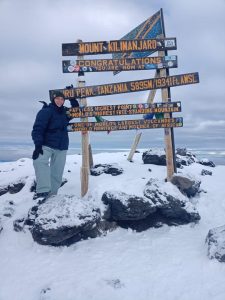
Proper preparation is crucial to ensure that The Best Gateway to Mount Kilimanjaro becomes an unforgettable and safe experience. Climbing Africa’s highest peak requires physical readiness, mental resilience, logistical planning, and careful attention to safety measures. While Kilimanjaro does not require technical climbing skills, it presents challenges due to its high altitude, variable weather conditions, and diverse ecosystems. Preparing effectively allows trekkers to enjoy the adventure fully, reduces risks of altitude sickness or injury, and maximizes the chances of reaching the summit successfully. For tourism companies, providing comprehensive guidance and well-organized itineraries is central to offering the ultimate The Best Gateway to Mount Kilimanjaro.
Physical fitness is one of the most important factors in achieving a successful Kilimanjaro trek. Travelers are encouraged to engage in cardiovascular exercises such as running, cycling, and swimming, as well as strength training targeting the legs, core, and back. Hiking on local trails with weighted backpacks simulates trekking conditions and helps build endurance. Adequate preparation ensures that climbers can cope with long daily treks, steep ascents, and uneven terrain. Tourism companies offering The Best Gateway to Mount Kilimanjaro often provide detailed fitness guidelines, training programs, and even virtual workshops to help travelers get ready physically. Proper fitness also reduces fatigue and increases overall enjoyment, making the climb a memorable and fulfilling experience.
Altitude acclimatization is another critical aspect of preparation. Kilimanjaro’s summit stands at 5,895 meters (19,341 feet), where oxygen levels are significantly lower than at sea level. Altitude sickness is a common challenge for trekkers, with symptoms including headaches, nausea, dizziness, and fatigue. Choosing trekking routes with gradual elevation gain, such as Lemosho or Northern Circuit, improves acclimatization and increases summit success rates. Spending extra days at mid-altitudes and incorporating “climb high, sleep low” strategies help the body adjust to reduced oxygen levels. Professional guides are essential in monitoring climbers for signs of altitude sickness, administering first aid, and making informed decisions about safe progress. Including these recommendations in tourism content positions the experience as responsible, educational, and fully aligned with The Best Gateway to Mount Kilimanjaro principles.
Packing the right gear is equally important for a safe and enjoyable trek. Climbers need layered clothing suitable for extreme temperature fluctuations, waterproof jackets, sturdy hiking boots, gloves, hats, and trekking poles. Sleeping bags rated for sub-zero temperatures, headlamps, hydration systems, and first aid kits are also essential. Proper equipment ensures comfort, safety, and the ability to handle unpredictable weather, which is common on Kilimanjaro. Tourism companies offering The Best Gateway to Mount Kilimanjaro often provide detailed gear lists, rental options, and guidance on how to pack efficiently, ensuring that trekkers are fully prepared for every stage of the climb.
Nutrition and hydration play a vital role in successful treks. Kilimanjaro expeditions require high-energy meals and adequate fluids to maintain stamina and prevent dehydration. Professional trekking companies plan meals that are nutritious, varied, and sufficient in calories to support long days of walking. Snacks, electrolyte supplements, and hydration strategies are recommended to keep energy levels stable and aid acclimatization. Providing this guidance in blog content informs travelers, enhances their confidence, and positions the tourism company as an authority in delivering The Best Gateway to Mount Kilimanjaro.
Safety planning goes beyond physical and nutritional preparation. Travelers must be aware of potential hazards, including altitude-related issues, weather changes, and terrain challenges. Experienced guides are trained to respond to emergencies, administer first aid, and provide evacuation if necessary. Carrying satellite phones, GPS devices, and emergency communication tools adds an extra layer of security. Highlighting these safety measures in content reassures prospective clients and emphasizes that the experience is professionally managed, reliable, and well-structured—qualities essential for The Best Gateway to Mount Kilimanjaro.
Mental preparation is often overlooked but is crucial for completing a Kilimanjaro trek. Climbers must be ready to face long days, unpredictable weather, and physical exhaustion. Positive mindset, determination, and patience are key factors in reaching the summit. Encouragement from guides, team camaraderie, and clear expectations contribute to mental resilience. Providing tips on mental preparation in blogs helps potential trekkers set realistic expectations and mentally prepare for the adventure, strengthening the educational and inspirational value of The Best Gateway to Mount Kilimanjaro.
Logistics and travel planning are equally important. This includes arranging flights to Kilimanjaro International Airport (JRO), securing park permits, organizing transfers to trailheads, and coordinating accommodations before and after the trek. Tourism companies specializing in The Best Gateway to Mount Kilimanjaro often handle all logistics, ensuring smooth transitions, minimizing stress, and allowing travelers to focus on the experience itself. Comprehensive itineraries, clear communication, and attention to detail reflect professionalism and enhance overall satisfaction.
Environmental responsibility is a critical consideration for every Kilimanjaro trek. Visitors are encouraged to practice “Leave No Trace” principles, stay on designated trails, minimize plastic use, and respect wildlife habitats. Sustainable tourism ensures that Kilimanjaro remains a pristine environment for future travelers and supports local communities through ethical practices. Highlighting eco-conscious tips in blog content not only educates readers but also aligns with search engines’ preference for authoritative and responsible travel guides. A credible reference for environmental practices on Kilimanjaro is the Tanzania National Parks Authority: https://www.tanzaniaparks.go.tz.
Finally, mental, physical, logistical, and environmental preparation together form the foundation of a successful trek. By providing detailed guidance, travelers feel confident and supported, enhancing their experience and ensuring that The Best Gateway to Mount Kilimanjaro lives up to its promise of adventure, discovery, and personal achievement. Blogs covering these aspects in long-form, high-quality content with authoritative references, practical advice, and immersive storytelling perform exceptionally well in search engine rankings, attract more readers, and establish the tourism company as a trusted provider of Kilimanjaro experiences.
In conclusion, preparation is the cornerstone of The Best Gateway to Mount Kilimanjaro. Physical training, altitude acclimatization, proper gear, nutrition, safety measures, mental readiness, logistics, and sustainable practices collectively ensure a successful, safe, and transformative adventure. By providing comprehensive guidance and professional support, tourism companies empower travelers to embark on a life-changing journey to Africa’s highest peak, creating memories, challenges, and achievements that last a lifetime.
