

Explore Mount Kilimanjaro with our complete travel guide covering geography, climbing routes, wildlife, costs, and the best time to visit Tanzania’s most iconic mountain.
1: Overview of Africa’s Iconic Mountain and Its Global Significance
https://nativesonexpeditions.com/mountain-hiking-adventures/
Introduction to Africa’s Highest Peak
Rising dramatically above the plains of northern Tanzania, Africa’s highest free-standing mountain is one of the most recognizable natural landmarks in the world. Its snow-capped summit near the equator has fascinated explorers, geographers, climbers, and nature lovers for centuries. For many travelers, encountering Mount Kilimanjaro is not just a sightseeing experience but a deeply personal journey tied to adventure, achievement, and natural wonder. The mountain’s presence shapes the identity of Tanzania’s tourism industry and plays a central role in the country’s global image.
Beyond its physical height, the mountain carries symbolic meaning. It represents endurance, diversity, and the powerful relationship between humans and nature. Its accessibility compared to other high-altitude peaks has made it a dream destination for trekkers from all over the world, many of whom attempt their first high-altitude climb here. This combination of accessibility and grandeur has contributed significantly to its international reputation.
For official information about protected status and conservation, visitors can explore:
👉 https://www.tanzaniaparks.go.tz
👉 https://whc.unesco.org
Geographical Location and Regional Importance
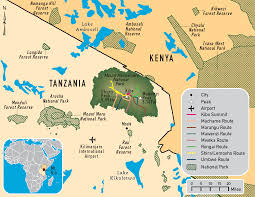
Located in northeastern Tanzania near the border with Kenya, the mountain dominates the surrounding landscape and influences climate, agriculture, and settlement patterns. The fertile slopes support farming communities that grow coffee, bananas, and other crops, benefiting from volcanic soils enriched over thousands of years. These communities have developed cultural traditions closely tied to the mountain, making it both a natural and cultural landmark.
The mountain forms part of Kilimanjaro National Park, a protected area recognized globally for its ecological and geological value. Its location makes it easily accessible from major travel hubs such as Arusha and Moshi, both of which serve as key gateways for tourists. This accessibility strengthens Tanzania’s tourism infrastructure and supports thousands of local jobs, from guides and porters to hotel staff and transport providers.
The regional importance extends beyond tourism. The mountain acts as a water catchment area, feeding rivers and underground aquifers that sustain wildlife and human populations. Its glaciers, though shrinking, are a critical indicator of global climate patterns and environmental change.
More insights on Tanzania’s geography and tourism corridors can be found at:
👉 https://www.tanzaniatourism.go.tz
Historical Discovery and Global Recognition
Although local communities have lived around the mountain for centuries, it entered global awareness in the 19th century through European exploration. Early reports describing snow at the equator were initially met with skepticism, but subsequent expeditions confirmed its remarkable features. Over time, the mountain became a subject of scientific study, artistic inspiration, and literary references.
As global travel expanded in the 20th century, the mountain gained recognition as a premier trekking destination. Unlike technical climbs that require advanced mountaineering skills, this peak allows determined hikers to reach extreme altitude through trekking routes. This characteristic has positioned Mount Kilimanjaro as a symbol of achievable adventure, attracting climbers from diverse age groups and backgrounds.
Its recognition was further cemented when it became a UNESCO World Heritage Site, highlighting its outstanding universal value. This status not only promotes conservation but also elevates the mountain’s prestige on the global stage, reinforcing its role as a flagship attraction for African tourism.
For historical and scientific context:
👉 https://www.nationalgeographic.com
Cultural and Symbolic Significance
For the Chagga people and other ethnic groups living on its slopes, the mountain is deeply embedded in cultural identity, folklore, and spiritual beliefs. Traditional stories describe the mountain as a sacred place, a source of life, and a protector of the land. These cultural dimensions add depth to the visitor experience, transforming a climb into a journey through living heritage.
Internationally, the mountain has become a symbol of Africa’s natural beauty and resilience. It frequently appears in documentaries, travel literature, and motivational narratives about overcoming challenges. Many climbers associate reaching the summit with personal transformation, using the experience as a metaphor for perseverance and self-discovery.
Tour operators often integrate cultural visits into trekking itineraries, allowing travelers to interact with local communities, learn traditional farming methods, and understand how conservation and tourism intersect. This cultural integration enhances the overall tourism value while promoting sustainable practices.
Learn more about community tourism initiatives:
👉 https://www.responsibletravel.com
Role in Tanzania’s Tourism Economy
Tourism centered around the mountain contributes significantly to Tanzania’s economy. Each year, tens of thousands of climbers attempt to reach the summit, generating revenue through park fees, guiding services, accommodation, transport, and equipment rentals. This economic activity supports both urban centers and rural communities.
The structured tourism model ensures that a portion of park fees is reinvested into conservation and community development. This approach has helped protect fragile ecosystems while maintaining high-quality visitor experiences. Compared to other safari destinations, trekking tourism provides longer stays, increasing per-visitor spending and economic impact.
When travelers plan itineraries that include safaris, cultural tours, and coastal destinations, the mountain often serves as the anchor experience. Its global reputation enhances Tanzania’s competitiveness in the international tourism market, positioning the country as a destination that offers both wildlife and world-class trekking.
Detailed tourism statistics and policies are available at:
👉 https://www.tanzaniainvest.go.tz
Why This Mountain Matters Globally
The importance of Mount Kilimanjaro goes beyond tourism. Scientists study its glaciers to understand climate change, while conservationists view it as a case study for balancing environmental protection and economic development. Its visibility and popularity give it a unique role as an ambassador for African conservation issues.
For travelers, the mountain represents a rare combination of natural beauty, cultural depth, and personal challenge. Its continued preservation depends on responsible tourism, effective park management, and global awareness. As climate patterns shift and visitor numbers grow, sustainable practices become increasingly vital.
This global relevance ensures that the mountain remains not only a destination but also a symbol—of nature’s power, human ambition, and the urgent need to protect our planet’s most iconic landscapes.
2: Geography, Climate, and Ecological Zones
Geographical Formation and Physical Structure
The mountain is a massive volcanic formation created by tectonic activity along the East African Rift System. Its structure is composed of three distinct volcanic cones—Kibo, Mawenzi, and Shira—each contributing to the mountain’s dramatic profile. Kibo is the highest and youngest cone, crowned by the summit crater that attracts climbers from around the world. Mawenzi, rugged and jagged, is largely inaccessible to trekkers, while Shira is an older, eroded plateau that forms part of the western slopes.
The sheer scale of the mountain dominates the surrounding plains, rising abruptly from savannah landscapes to alpine heights. This vertical rise creates one of the most unique geographical features on Earth: a complete transition from tropical lowlands to arctic conditions within a relatively short horizontal distance. This geographical diversity is a key reason why Mount Kilimanjaro is studied extensively by geologists, climatologists, and ecologists alike.
Its location near the equator adds to its scientific importance. Despite being just a few degrees south of the equator, the summit experiences freezing temperatures year-round. This contradiction between latitude and climate has long fascinated scientists and travelers. For official geological and park information, visitors can refer to:
👉 https://www.tanzaniaparks.go.tz
Climate Patterns and Weather Systems
The climate of the mountain is influenced by altitude, trade winds, and seasonal rainfall patterns. Rather than having a single climate, it hosts multiple microclimates stacked vertically. Weather conditions can change rapidly, often within a single day, making preparation essential for visitors and climbers.
There are two main rainy seasons: the long rains from March to May and the short rains from November to early December. During these periods, lower slopes receive heavy rainfall, supporting dense vegetation and agriculture. In contrast, the dry seasons—from June to October and January to February—offer clearer skies and more stable conditions, making them the most popular times for trekking.
Temperature decreases steadily with altitude. While the foothills may experience warm daytime temperatures above 25°C, the summit can drop to well below freezing at night. Wind exposure also increases with elevation, particularly near the crater rim. These extreme variations play a crucial role in shaping ecosystems and determining trekking strategies. Climate data and seasonal travel advice can be found at:
👉 https://www.weather-atlas.com
Ecological Zones and Biodiversity
One of the most remarkable features of the mountain is its distinct ecological zoning. As altitude increases, vegetation and wildlife change dramatically, creating a natural staircase of ecosystems. This vertical diversity is one of the reasons Mount Kilimanjaro is globally recognized for its ecological value.
The lowest zone consists of cultivated farmland and montane forest. This area supports rich biodiversity, including primates, antelope, and a wide variety of bird species. Above the forest lies the heath and moorland zone, characterized by giant lobelias and senecios adapted to cooler temperatures and intense sunlight. Higher still is the alpine desert, where vegetation becomes sparse due to cold, wind, and limited moisture.
At the highest elevations lies the arctic zone, a barren landscape of ice, rock, and glaciers. Life here is minimal, yet this zone plays a critical role in climate research. The rapid transition through these ecological zones during a trek offers a rare opportunity to experience multiple environments in a single journey. For ecological research insights:
👉 https://www.unep.org
Glaciers, Snowcaps, and Environmental Change
The glaciers near the summit are among the most iconic features of the mountain. Historically extensive, these ice fields have been retreating rapidly over the past century due to rising global temperatures. Scientists use these glaciers as indicators of climate change, making the mountain a focal point for environmental research.
Although shrinking, the remaining ice formations continue to captivate climbers and photographers. Their presence so close to the equator underscores the mountain’s uniqueness and global importance. Conservation organizations emphasize the need for responsible tourism to minimize human impact on these fragile environments.
The visibility of glacial retreat has also turned the mountain into a symbol of climate awareness. Educational initiatives often use it as a case study to illustrate the effects of global warming on high-altitude ecosystems. Environmental monitoring updates can be accessed via:
👉 https://www.unesco.org
Influence on Surrounding Ecosystems and Communities
The mountain’s geographical and climatic features have a direct impact on surrounding ecosystems and human settlements. Rivers originating from its slopes provide water for agriculture, wildlife, and domestic use across northern Tanzania. The fertile soils support coffee plantations and subsistence farming, forming the backbone of local economies.
Seasonal weather patterns influence planting cycles, tourism flow, and wildlife movement in nearby national parks. The mountain acts as a natural regulator, moderating temperatures and rainfall in the region. Because of this, changes in its climate or ecosystem health have far-reaching consequences beyond the park boundaries.
Understanding these interconnected systems is essential for sustainable tourism planning. Protecting the mountain’s environment ensures long-term benefits for both local communities and international visitors. For sustainable tourism guidelines:
👉 https://www.tourismconcern.org.uk
Scientific and Global Importance
Due to its unique combination of geology, climate zones, and biodiversity, the mountain serves as a natural laboratory. Researchers study its soils, vegetation shifts, and atmospheric conditions to better understand ecological adaptation and climate dynamics. These studies contribute valuable data to global environmental science.
The mountain’s prominence also makes it a reference point in discussions about conservation, sustainability, and responsible travel. Its global recognition places a responsibility on both authorities and visitors to preserve its natural integrity. The continued study and protection of Mount Kilimanjaro ensure that it remains a living classroom for future generations.
3: Climbing Routes and Trekking Experiences
Introduction to Trekking Adventures
Climbing Africa’s highest mountain is widely regarded as one of the most rewarding trekking experiences in the world. The journey is not about technical mountaineering but rather endurance, preparation, and appreciation of nature. Thousands of climbers from different backgrounds attempt this trek every year, each drawn by the challenge, scenery, and sense of achievement. Choosing the right route is one of the most important decisions a traveler will make, as it affects success rates, comfort, scenery, and overall experience.
What makes trekking here unique is the gradual transition through multiple ecological zones, from lush rainforest to alpine desert and finally to icy summit conditions. This diversity keeps each day visually and physically distinct. For many, trekking Mount Kilimanjaro is a personal milestone, representing determination and resilience rather than pure athleticism.
Official trekking regulations and route guidelines can be found at:
👉 https://www.tanzaniaparks.go.tz
Marangu Route: The Classic Trail
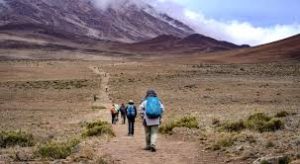
The Marangu Route is often referred to as the “classic” or “coca-cola” route due to its popularity and the availability of hut accommodation instead of tents. It is the only route offering dormitory-style huts, which appeals to trekkers seeking shelter from harsh weather conditions. The route follows a gradual ascent but uses the same path for ascent and descent.
While Marangu is considered easier in terms of terrain, its shorter itinerary offers less time for acclimatization. This can reduce summit success rates compared to longer routes. However, its straightforward paths, scenic rainforest section, and permanent accommodation make it appealing to first-time high-altitude trekkers. Many tourism companies recommend extending the itinerary by an extra day to improve acclimatization and overall experience.
More route-specific insights are available at:
👉 https://www.climbkilimanjaroguide.com
Machame Route: The Most Scenic Choice
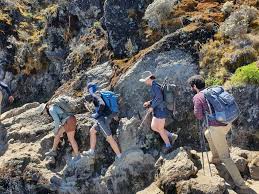
The Machame Route is one of the most popular options due to its diverse landscapes and higher success rates. Often called the “Whiskey Route,” it is more challenging than Marangu but offers better acclimatization through its longer itinerary and varied ascent profile. Trekkers pass through rainforest, moorland, alpine desert, and glacial zones, making it visually rewarding.
Camping is required on this route, which adds to the adventure but also demands greater preparation. The Machame Route is favored by photographers and nature lovers because of its dramatic views and changing scenery. For many climbers, this route strikes the perfect balance between challenge and success, making it a top recommendation for those trekking Mount Kilimanjaro for the first time.
For route maps and preparation tips:
👉 https://www.lonelyplanet.com
Lemosho Route: Remote and Gradual
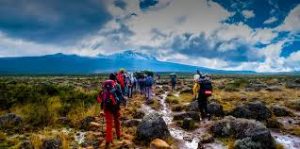
The Lemosho Route is known for its remote starting point and excellent acclimatization profile. Beginning on the western side of the mountain, it offers low traffic during the early days and expansive views across the Shira Plateau. This route is longer, usually taking 7–8 days, which significantly increases summit success rates.
The gradual ascent allows the body to adapt more effectively to altitude changes, making it ideal for trekkers concerned about altitude sickness. Wildlife sightings are also more common on the lower slopes due to reduced human presence. Lemosho is often considered the most balanced route in terms of scenery, safety, and acclimatization.
Detailed trekking logistics can be reviewed at:
👉 https://www.roughguides.com
Rongai Route: The Northern Approach
The Rongai Route approaches the mountain from the north, near the Kenyan border. It is less crowded and drier than southern routes, making it suitable during the rainy seasons. The trail offers a more gradual slope and quieter trekking experience, appealing to those seeking solitude.
Accommodation is in tents, and the route provides excellent views of the northern plains. While it lacks some of the dramatic scenery found on southern routes, it compensates with tranquility and consistent weather conditions. This route descends via Marangu, allowing trekkers to experience different landscapes on ascent and descent.
Umbwe Route: For Experienced Trekkers
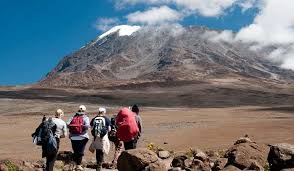
The Umbwe Route is the steepest and most direct path to the summit. It is rarely recommended for beginners due to its rapid ascent and limited acclimatization opportunities. This route is best suited for experienced trekkers who are confident in their physical fitness and altitude tolerance.
Despite its difficulty, Umbwe offers stunning ridges and dramatic views. It merges with the Machame Route after the initial days, reducing isolation near higher camps. Tour operators typically advise adding extra acclimatization days if choosing this challenging route to improve safety.
Summit Night and the Final Ascent
Regardless of the chosen route, summit night is the most demanding part of the trek. Climbers begin the final ascent around midnight to reach the summit at sunrise. The terrain is steep, temperatures are extremely cold, and oxygen levels are low. Mental strength becomes as important as physical fitness.
Reaching the summit is an emotional moment for most climbers. The sense of achievement, combined with panoramic views and the realization of standing on Africa’s highest point, creates a lifelong memory. For many, successfully climbing Mount Kilimanjaro is a defining travel experience.
Guides, Porters, and Trekking Support
All treks must be conducted with licensed guides and registered operators. Porters play a vital role, carrying equipment, food, and supplies while ensuring climbers can focus on the trek. Ethical tourism practices emphasize fair wages, proper equipment, and humane load limits for porters.
Choosing a responsible operator enhances safety, supports local livelihoods, and contributes to sustainable tourism. Many companies are members of porter welfare organizations that promote ethical treatment and fair working conditions.
Learn more about ethical trekking standards:
👉 https://www.kiliporters.org
Preparation and Trekking Experience
Proper preparation is essential for a successful trek. This includes physical training, appropriate gear, mental readiness, and understanding altitude-related risks. Tourism companies often provide detailed packing lists and pre-trek briefings to ensure climbers are fully prepared.
The trekking experience is as much about the journey as the summit. Daily hikes, shared meals, conversations with guides, and moments of reflection all contribute to a deeply rewarding adventure. Each route offers a different perspective, but all lead to a shared sense of accomplishment and connection with nature.
4: Wildlife, Flora, and Natural Attractions Around the Mountain
Introduction to Natural Diversity
The mountain and its surrounding landscapes host one of the most diverse natural environments in East Africa. From fertile farmlands and dense rainforests to alpine deserts and glacial zones, this region supports an extraordinary range of plant and animal life. These natural features are protected within Kilimanjaro National Park, ensuring that biodiversity thrives alongside carefully managed tourism.
For many visitors, the appeal goes beyond trekking. The surrounding ecosystems offer opportunities for wildlife observation, botanical exploration, photography, and educational travel. The ecological richness found here makes Mount Kilimanjaro not only a climbing destination but also a vital conservation area of global importance.
For official conservation information:
👉 https://www.tanzaniaparks.go.tz
Montane Forest and Wildlife Habitat
The lower slopes of the mountain are covered by lush montane forest, one of the most biologically rich zones in the region. This forest receives high rainfall and supports tall trees, thick undergrowth, and a wide variety of plant species. It also serves as a critical wildlife habitat, forming a natural corridor between lowland ecosystems and higher altitudes.
Wildlife commonly found in this zone includes blue monkeys, black-and-white colobus monkeys, bushbucks, duikers, and numerous bird species. Elephants occasionally migrate through forested areas, although sightings are rare due to dense vegetation. The forest acts as a buffer zone, protecting higher ecosystems from human encroachment and climate extremes.
Birdlife is especially diverse, making the area attractive to birdwatchers. Species such as the Hartlaub’s turaco, silvery-cheeked hornbill, and various sunbirds thrive here. This biodiversity underscores the ecological importance of preserving forest habitats around Mount Kilimanjaro.
For bird species data:
👉 https://www.birdlife.org
Heath, Moorland, and Unique Plant Life
As altitude increases, the forest gives way to heath and moorland zones characterized by shrubs, grasses, and uniquely adapted plant species. This zone is famous for its giant lobelias and giant groundsels, which have evolved to survive intense sunlight, freezing nights, and strong winds.
These plants are biological marvels, capable of storing water and protecting themselves from extreme temperature changes. The heath and moorland zone also supports smaller mammals and bird species adapted to cooler conditions. While wildlife becomes less abundant as altitude increases, the plant life becomes more specialized and visually striking.
This ecological transition is one of the most fascinating aspects of trekking, allowing visitors to witness how life adapts to changing environmental conditions over relatively short distances. For botanical research insights:
👉 https://www.kew.org
Alpine Desert and Extreme Adaptation
Above the moorland lies the alpine desert zone, an environment defined by minimal rainfall, intense solar radiation, and drastic temperature fluctuations. Vegetation here is sparse, with only hardy mosses and lichens surviving in sheltered areas. Despite its barren appearance, this zone plays an important role in the mountain’s ecological balance.
Animal life is limited but not entirely absent. Insects, birds, and small mammals occasionally venture into this zone, particularly during warmer periods. The alpine desert highlights the extreme conditions that define high-altitude ecosystems and demonstrates the limits of biological adaptation.
For visitors, this zone offers dramatic landscapes and a sense of isolation unmatched elsewhere on the mountain. The stark beauty of the alpine desert contributes significantly to the overall trekking experience on Mount Kilimanjaro.
Glaciers, Ice Fields, and Summit Environment
The summit region is dominated by glaciers, ice fields, and volcanic rock. Although shrinking, these ice formations remain one of the mountain’s most iconic features. They serve as visual reminders of past climatic conditions and are closely monitored by scientists studying global warming.
The summit environment supports almost no life, yet it holds immense scientific and symbolic value. The contrast between equatorial location and icy conditions has made this region a focal point for climate research and environmental education.
Organizations such as UNESCO recognize the summit zone as part of a World Heritage Site, emphasizing the need for conservation and responsible tourism practices.
👉 https://whc.unesco.org
Wildlife in Surrounding Plains and Corridors
Beyond the national park boundaries, surrounding plains and wildlife corridors connect the mountain to larger ecosystems in northern Tanzania and southern Kenya. These areas support larger mammals such as giraffes, zebras, buffaloes, and antelopes. Predators including leopards and hyenas also inhabit these landscapes, though they are elusive.
These wildlife corridors are essential for migration and genetic diversity. Conservation initiatives aim to protect these routes from habitat fragmentation caused by agriculture and development. Tourism companies often collaborate with local communities to promote wildlife-friendly land use practices.
For conservation corridor initiatives:
👉 https://www.iucn.org
Water Sources, Rivers, and Environmental Services
The mountain acts as a crucial water tower for the region. Rainfall and melting glaciers feed rivers and underground aquifers that support agriculture, wildlife, and human settlements. Coffee farms and banana plantations on the lower slopes depend heavily on this water supply.
Wetlands and streams originating from the mountain also contribute to biodiversity downstream. Any environmental changes at higher elevations can have cascading effects throughout the ecosystem, highlighting the importance of sustainable management.
Understanding these environmental services helps visitors appreciate the mountain’s broader ecological role beyond tourism and trekking.
Natural Attractions Beyond Trekking
In addition to climbing, the region offers waterfalls, caves, volcanic features, and scenic viewpoints. Popular attractions include waterfalls on the lower slopes, cultural landscapes shaped by traditional farming, and panoramic views across the plains of northern Tanzania.
These attractions provide alternatives for travelers who may not wish to undertake a full trek but still want to experience the area’s natural beauty. Day hikes, nature walks, and cultural tours enhance the overall visitor experience while distributing tourism benefits more widely.
For destination inspiration:
👉 https://www.lonelyplanet.com
Conservation Challenges and Sustainable Tourism
Balancing tourism growth with environmental protection remains a major challenge. Increased visitor numbers can strain fragile ecosystems if not managed responsibly. Park authorities, tour operators, and local communities work together to implement regulations that limit environmental impact.
Sustainable tourism practices include controlled trekking routes, waste management policies, porter welfare programs, and environmental education for visitors. Supporting responsible operators helps ensure that tourism continues to benefit both nature and people.
Protecting biodiversity around Mount Kilimanjaro is essential for preserving its status as one of the world’s most remarkable natural landscapes.
For sustainable tourism principles:
👉 https://www.responsibletravel.com
Why Biodiversity Enhances the Visitor Experience
The presence of diverse ecosystems, wildlife, and plant life transforms a trekking journey into a comprehensive nature experience. Visitors gain a deeper understanding of ecological processes, conservation challenges, and the interconnectedness of life across altitudes.
This richness elevates the mountain from a physical challenge to an educational and emotional journey. Experiencing such diversity within a single destination reinforces the mountain’s global significance and enduring appeal.
5: Planning Your Trip – Costs, Permits, and Best Time to Visit
Introduction to Trip Planning
Planning a successful journey requires careful consideration of costs, regulations, timing, and logistics. A well-organized plan not only enhances safety and comfort but also ensures that travelers gain maximum value from their experience. For many visitors, reaching Mount Kilimanjaro is a once-in-a-lifetime goal, making proper preparation essential.
Tourism companies play a vital role in simplifying this process by offering structured packages, expert guidance, and logistical support. Understanding permits, park fees, seasonal conditions, and budgeting helps travelers make informed decisions and avoid unexpected expenses.
Official travel and park regulations can be found at:
👉 https://www.tanzaniaparks.go.tz
Park Fees and Mandatory Permits
All visitors must pay park fees and obtain permits to enter the national park. These fees contribute directly to conservation, infrastructure maintenance, and community development. Charges are calculated per day and vary based on nationality and duration of stay.
Typical costs include park entry fees, camping or hut fees, rescue fees, and conservation charges. These are mandatory and cannot be avoided, regardless of trekking route or tour operator. Tourism companies usually include these fees in their packages to simplify payment and compliance.
Permits also regulate the number of climbers, ensure safety standards, and protect fragile ecosystems. This structured system is one of the reasons Tanzania maintains high conservation standards while accommodating large numbers of visitors.
For updated fee structures:
👉 https://www.tanzaniaparks.go.tz/fees
Climbing Costs and Budget Breakdown
The total cost of a trekking expedition varies depending on route length, level of comfort, and service quality. On average:
-
Budget packages range from USD 1,500–2,000
-
Mid-range packages range from USD 2,000–3,000
-
Luxury packages range from USD 3,500 and above
These prices typically include park fees, guides, porters, meals, accommodation on the mountain, safety equipment, and transfers. Exclusions may include international flights, visas, personal gear, tips, and travel insurance.
Understanding this breakdown allows travelers to assess value rather than simply choosing the lowest price. Ethical operators invest in porter welfare, safety equipment, and trained guides, which enhances success rates and overall experience when climbing Mount Kilimanjaro.
For cost comparisons:
👉 https://www.safaribookings.com
Choosing the Best Time to Visit
Timing plays a critical role in determining weather conditions, trail traffic, and overall experience. The most popular months are January to February and June to October, which offer dry weather, clear skies, and stable trekking conditions.
The rainy seasons—March to May and November—present more challenging conditions with muddy trails and limited visibility, though they also offer fewer crowds and sometimes lower prices. Experienced trekkers or those seeking solitude may find these periods appealing with the right preparation.
Choosing the right season helps balance comfort, safety, and cost. Proper timing can significantly enhance summit success rates and overall satisfaction.
For monthly climate data:
👉 https://www.weather-atlas.com
Health, Safety, and Altitude Considerations
High altitude presents the most significant physical challenge. Acute Mountain Sickness (AMS) can affect anyone, regardless of fitness level. Gradual ascent, proper acclimatization, hydration, and listening to guides are critical safety measures.
Tour operators are required to carry emergency equipment, including oxygen and first-aid kits. Guides are trained to monitor symptoms and make decisions that prioritize safety over summit attempts.
Travelers should also consult healthcare providers before departure, ensure vaccinations are up to date, and carry comprehensive travel insurance that covers high-altitude trekking.
Health guidelines for Tanzania:
👉 https://wwwnc.cdc.gov/travel/destinations/traveler/none/tanzania
Visas, Flights, and Entry Requirements
Most international travelers require a visa to enter Tanzania, which can be obtained online or on arrival for eligible nationalities. Passports must be valid for at least six months beyond the date of entry.
Major entry points include Kilimanjaro International Airport and Julius Nyerere International Airport. Many travelers combine trekking with safaris or beach holidays, making Tanzania a versatile destination.
Understanding entry requirements helps avoid delays and ensures a smooth start to the journey toward Mount Kilimanjaro.
Visa information:
👉 https://visa.immigration.go.tz
Packing, Gear, and Equipment Planning
Proper gear is essential for comfort and safety. Key items include layered clothing, waterproof gear, insulated jackets, trekking boots, sleeping bags, and headlamps. Many operators offer rental options for major equipment, reducing the need for large purchases.
Packing efficiently ensures that porters carry manageable loads and that climbers have quick access to essential items. Tourism companies usually provide detailed packing lists tailored to route and season.
Gear preparation contributes significantly to success rates and overall enjoyment of the trek.
For recommended gear lists:
👉 https://www.rei.com/learn
Responsible Tourism and Ethical Choices
Choosing responsible tour operators supports fair wages, environmental protection, and community development. Ethical tourism practices ensure that porters work under safe conditions and that waste management standards are upheld on the mountain.
Travelers are encouraged to verify that operators are licensed, transparent about inclusions, and committed to sustainability. Supporting such companies helps preserve the destination for future generations.
Responsible travel initiatives:
👉 https://www.kiliporters.org
Combining the Trek with Other Experiences
Many visitors extend their trip with wildlife safaris, cultural tours, or beach holidays in Zanzibar. This approach maximizes travel value and allows for post-trek recovery and relaxation.
Combining experiences also distributes tourism benefits across multiple regions, supporting broader economic development. Tourism companies often design integrated itineraries to streamline logistics and costs.
This flexibility makes Mount Kilimanjaro an ideal anchor for a comprehensive Tanzanian adventure.
For itinerary inspiration:
👉 https://www.tanzaniatourism.go.tz
Final Planning Tips for a Successful Journey
-
Book with licensed and reputable operators
-
Allow enough time for acclimatization
-
Budget realistically, prioritizing safety and ethics
-
Travel during recommended seasons for best conditions
-
Prepare physically and mentally in advance
Thoughtful planning transforms the trek into a rewarding and memorable experience. With the right preparation, travelers can enjoy both the challenge and the beauty of one of the world’s most iconic destinations.
