

Prepare for the Mount Kilimanjaro challenge with essential tips on training, gear, acclimatization, and sustainable trekking to reach the summit safely and successfully.
1: Introduction – Understanding the Challenge of Climbing Mount Kilimanjaro
https://nativesonexpeditions.com/kilimanjaro-climbing-tours/
Mount Kilimanjaro, located in northeastern Tanzania, is the highest peak in Africa, towering at 5,895 meters (19,341 feet) above sea level. It is not only a symbol of natural beauty but also one of the most sought-after trekking destinations for adventure enthusiasts and tourists worldwide. The challenge of climbing Mount Kilimanjaro lies not just in its elevation but also in its diverse ecosystems, variable weather conditions, and the physical and mental demands it places on climbers. According to the Tanzania National Parks Authority, Kilimanjaro attracts thousands of trekkers every year, making it essential to prepare adequately for the journey to ensure safety, success, and a memorable experience. A well-planned approach to climbing Mount Kilimanjaro is crucial, as the mountain’s altitude, terrain, and climate can pose significant risks for unprepared climbers.
The climb to Mount Kilimanjaro is unique in that it does not require technical mountaineering skills, making it accessible to a wide range of trekkers. However, the ascent is physically demanding, requiring cardiovascular endurance, muscular strength, and mental resilience. Climbers traverse multiple ecological zones, starting from lush rainforest at the base, moving through heath and moorland, alpine desert, and finally reaching the arctic summit. This rapid transition across ecosystems requires careful acclimatization to prevent altitude sickness, fatigue, and other health risks. Local guides and porters play a vital role in ensuring climbers’ safety, providing logistical support, knowledge of terrain, and cultural insights. Local communities in Mount Kilimanjaro tourism are critical partners, supporting sustainable trekking operations while benefiting economically from the influx of climbers each year.
Preparation for climbing Mount Kilimanjaro involves more than physical training; it also requires logistical planning, gear acquisition, mental preparation, and awareness of environmental and cultural considerations. Trekkers must familiarize themselves with the different routes available, such as the Marangu, Machame, Lemosho, Rongai, and Northern Circuit, each offering varying levels of difficulty, scenic diversity, and acclimatization advantages. Choosing the right route is essential for success, as it influences the overall experience, pace, and probability of reaching the summit. According to Lonely Planet, guided tours provide structured itineraries, support services, and safety protocols, ensuring that climbers are well-prepared for the demands of the mountain.
Mount Kilimanjaro also presents a mental challenge that should not be underestimated. Climbers often face long days of trekking, unpredictable weather, fatigue, and the psychological strain of high-altitude environments. Mental preparation, including goal-setting, stress management, and resilience training, is critical for overcoming these challenges. Group dynamics, peer support, and guidance from experienced instructors further enhance the ability to cope with the rigors of the ascent. Local communities in Mount Kilimanjaro tourism contribute to this mental and emotional support by providing culturally informed encouragement, traditional hospitality, and local wisdom about the mountain.
Understanding the environmental and cultural context is also essential when climbing Mount Kilimanjaro. The mountain is home to diverse flora and fauna, including rare plants, monkeys, and bird species, which must be respected and protected. Climbers are encouraged to follow Leave No Trace principles, avoid littering, and respect local traditions, sacred sites, and conservation regulations. National park regulations, enforced by the Tanzania National Parks Authority, ensure that trekking activities minimize environmental impact while benefiting local communities and supporting sustainable tourism. By adhering to these principles, climbers contribute to the preservation of Mount Kilimanjaro’s natural and cultural heritage.
Physical preparation is a cornerstone of Mount Kilimanjaro success. Cardiovascular fitness, muscular endurance, and flexibility training help trekkers endure long days of walking, uneven terrain, and steep ascents. Nutrition, hydration, and rest are equally important, as climbers need energy and stamina for multi-day treks. Gear preparation includes high-quality hiking boots, layered clothing for varying temperatures, trekking poles, sleeping bags, and other essentials to ensure comfort and safety. Local guides often advise on proper gear selection, acclimatization strategies, and emergency preparedness. Local communities in Mount Kilimanjaro tourism, including guides and porters, provide critical support, ensuring that climbers have access to the expertise, equipment, and knowledge necessary for a safe and successful climb.
In conclusion, climbing Mount Kilimanjaro is a rewarding but demanding adventure that requires comprehensive preparation, physical fitness, mental resilience, and cultural awareness. By understanding the challenges of the ascent, engaging with local communities, and following sustainable trekking practices, climbers can experience the breathtaking beauty, ecological diversity, and cultural richness of the mountain. Mount Kilimanjaro tourism not only provides unforgettable experiences for adventurers but also supports local communities economically and socially, reinforcing the importance of sustainable and responsible travel. For more detailed information about climbing routes, preparation tips, and safety guidelines, visit Tanzania National Parks and Lonely Planet Mount Kilimanjaro Guide.
2: Physical and Mental Preparation for Climbing Mount Kilimanjaro
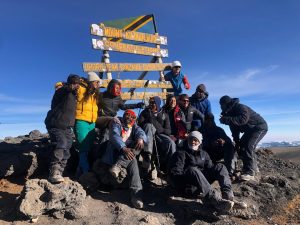
Climbing Mount Kilimanjaro is a physically demanding and mentally challenging adventure that requires careful preparation long before the first step on the trail. While the mountain does not require technical climbing skills, the trek involves sustained exertion at high altitude, navigating steep slopes, and enduring rapidly changing weather conditions. Physical conditioning and mental readiness are therefore critical for achieving the summit safely and enjoying the journey. According to the Tanzania National Parks Authority, climbers who invest time in physical and mental preparation are significantly more likely to reach the summit without complications. Local communities in Mount Kilimanjaro tourism, including guides and porters, play a crucial role in supporting climbers and offering advice on effective preparation strategies, ensuring that trekkers are fully equipped to face the mountain’s challenges.
Physical preparation begins with cardiovascular training to improve stamina and endurance. Trekking Mount Kilimanjaro requires long hours of continuous walking over varied terrain, often at high altitudes where oxygen levels are lower. Activities such as hiking, running, cycling, swimming, and stair climbing help build cardiovascular resilience. Strength training for the legs, core, and upper body is also essential, as climbers must carry daypacks, maintain balance on uneven surfaces, and endure long ascents. Flexibility exercises and yoga can improve mobility and prevent injuries, particularly in joints and muscles that are heavily engaged during prolonged trekking. Local guides in Mount Kilimanjaro tourism often recommend a minimum of 8–12 weeks of consistent physical training prior to the climb, tailored to the trekker’s fitness level.
Acclimatization is another critical component of physical preparation. The rapid gain in altitude on Mount Kilimanjaro poses risks of altitude sickness, which can manifest as headaches, nausea, fatigue, and in severe cases, life-threatening complications. To mitigate these risks, climbers are advised to choose routes that allow for gradual ascent, such as the Lemosho or Machame routes, which provide additional days for the body to adjust. Hydration, nutrition, and pacing are also essential; drinking sufficient water, consuming balanced meals, and resting strategically help maintain energy levels and support acclimatization. The Kilimanjaro National Park Guidelines emphasize that climbers should listen to their bodies and work closely with local guides to identify symptoms of altitude sickness and take immediate action when necessary.
Mental preparation is equally vital for a successful Mount Kilimanjaro climb. Trekking at high altitude can be psychologically taxing due to fatigue, isolation, and unpredictable weather. Setting realistic goals, maintaining a positive mindset, and practicing stress management techniques are important for staying motivated. Visualization exercises, meditation, and breathing practices can help climbers manage anxiety, maintain focus, and build resilience for challenging segments of the trek. Local guides and porters in Mount Kilimanjaro tourism provide encouragement, share personal experiences, and offer strategies for coping with mental stress, creating a supportive environment that enhances climbers’ confidence and perseverance.
Proper nutrition and hydration play a key role in both physical and mental preparation. Climbers should consume a diet rich in complex carbohydrates, lean proteins, healthy fats, and essential vitamins to fuel endurance and promote muscle recovery. Pre-trek meals should emphasize energy-dense foods that are easy to digest, while during the climb, lightweight, high-calorie snacks such as nuts, dried fruits, and energy bars help maintain stamina. Hydration is especially critical at high altitudes to prevent dehydration, fatigue, and altitude-related illnesses. Trekking guides in Mount Kilimanjaro tourism advise drinking at least 3–4 liters of water per day during the ascent and incorporating electrolyte-rich beverages when necessary. Adequate nutrition and hydration not only improve physical performance but also support cognitive function and mental resilience during the climb.
Gear preparation is another essential aspect of readiness. Climbers must select equipment suitable for extreme temperature variations, from warm daytime conditions in the rainforest to sub-zero temperatures near the summit. High-quality hiking boots, layered clothing, waterproof jackets, gloves, hats, trekking poles, and sleeping bags are fundamental for safety and comfort. Familiarity with equipment before the trek reduces stress and prevents avoidable complications. Local guides in Mount Kilimanjaro tourism assist trekkers in selecting, testing, and adjusting gear according to individual needs and route-specific conditions. Proper gear preparation ensures that climbers can focus on the challenge of the mountain rather than being hindered by equipment failures.
Training for the Mount Kilimanjaro climb should also include simulated trekking experiences. Hikes on nearby hills, multi-day trekking excursions, or altitude training at higher elevations help the body adapt to physical exertion under similar conditions. This approach not only strengthens muscles but also familiarizes climbers with pacing, load management, and endurance strategies. Mental fortitude is strengthened through these preparatory treks, as climbers gain confidence in their ability to handle long days, steep ascents, and environmental challenges. Local communities in Mount Kilimanjaro tourism often provide access to these preparatory hikes and share practical advice based on extensive experience guiding climbers on the mountain.
Health and medical preparation are equally critical. A pre-trek medical checkup ensures that climbers are fit for high-altitude trekking and identifies conditions that may pose risks. Immunizations, altitude medications, and a well-stocked personal first aid kit are recommended. Guides in Mount Kilimanjaro tourism are trained to recognize health emergencies, administer basic medical care, and coordinate evacuation if necessary. Awareness of personal health status, combined with expert guidance, significantly reduces the likelihood of complications and enhances overall safety.
In conclusion, the challenge of climbing Mount Kilimanjaro is as much about preparation as it is about endurance. Physical fitness, mental resilience, proper nutrition, hydration, gear readiness, simulated treks, and medical precautions collectively determine the success and enjoyment of the climb. Local communities in Mount Kilimanjaro tourism provide invaluable support, offering knowledge, guidance, encouragement, and cultural context that enrich the experience while promoting safety and sustainability. By committing to thorough preparation, climbers maximize their chances of reaching the summit safely, responsibly, and with a profound appreciation for the mountain’s natural beauty and cultural significance. For detailed training plans, gear recommendations, and health tips, visit Tanzania National Parks and Lonely Planet Mount Kilimanjaro Guide.
3: Choosing Routes and Trekking Strategies for Mount Kilimanjaro
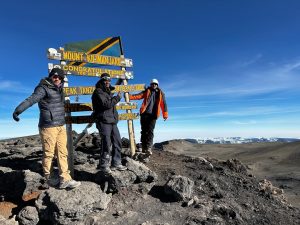
One of the most critical decisions for climbers attempting Mount Kilimanjaro is selecting the appropriate trekking route. The mountain offers several well-established paths, each with unique characteristics, levels of difficulty, scenic variety, and advantages for acclimatization. Choosing the right route is not just about aesthetics; it directly affects the likelihood of reaching the summit safely, managing altitude sickness, and enjoying the overall trekking experience. Local communities in Mount Kilimanjaro tourism provide essential guidance, sharing knowledge of route conditions, best acclimatization practices, and strategies for maximizing safety and success. According to the Tanzania National Parks Authority, careful route selection combined with well-planned trekking strategies significantly enhances climbers’ chances of achieving a successful summit.
The Marangu Route, often called the “Coca-Cola Route,” is one of the most popular paths on Mount Kilimanjaro. It is considered relatively moderate in terms of technical difficulty because it offers hut accommodations along the way, which reduces the need for camping gear. However, the Marangu Route has a shorter duration compared to other trails, which can limit acclimatization time and increase the risk of altitude sickness. For this reason, climbers are advised to include extra acclimatization days if possible. The route passes through lush rainforest, heath, moorland, and alpine desert before reaching the summit, providing a diverse ecological experience. Local guides in Mount Kilimanjaro tourism are familiar with this route’s strengths and challenges, advising climbers on pacing, rest, and altitude management to optimize safety.
The Machame Route, known as the “Whiskey Route,” is slightly more challenging than Marangu but is renowned for its scenic beauty and higher summit success rates. Climbers typically take six to seven days, allowing for gradual acclimatization and reducing the risk of altitude-related complications. The trail features rainforest, alpine moorland, and rocky terrain, culminating in a demanding but rewarding summit push. The Machame Route is popular among trekkers seeking both adventure and panoramic views, and local communities in Mount Kilimanjaro tourism provide essential logistical support, including porters, guides, and cultural insights that enhance the trekking experience. According to Lonely Planet, Machame is often recommended for first-time climbers who want a balance between challenge and achievable acclimatization.
The Lemosho Route is favored for its extended duration, scenic diversity, and excellent acclimatization opportunities. Starting on the western side of Mount Kilimanjaro, the trail passes through remote forest areas, volcanic landscapes, and expansive moorlands, culminating in the summit. Its longer itinerary allows climbers to ascend gradually, significantly increasing the probability of reaching the peak safely. This route is particularly suitable for trekkers seeking a quieter, more immersive experience. Local communities in Mount Kilimanjaro tourism provide expert guidance, arrange accommodation in campsites, and offer essential cultural interactions that enrich the trek, highlighting the importance of community involvement in sustainable tourism practices.
The Rongai Route approaches Mount Kilimanjaro from the north, near the Kenyan border. It is considered one of the easiest routes in terms of gradient, making it suitable for climbers with moderate fitness levels. The Rongai Route is less crowded than the southern routes, providing a more serene trekking experience. Climbers experience unique ecological zones and dramatic views of the Kenyan plains. Local guides in Mount Kilimanjaro tourism ensure that trekkers are prepared for altitude adjustments, route-specific challenges, and environmental considerations, demonstrating the crucial role of community knowledge in enhancing both safety and enjoyment.
The Northern Circuit Route is the longest and least crowded path, offering the most comprehensive experience of Mount Kilimanjaro’s ecosystems. Climbers traverse the western side of the mountain, gaining exposure to remote forests, volcanic ridges, and glacial landscapes before descending on the Rongai side. Its extended duration allows for exceptional acclimatization, reducing the risk of altitude sickness and increasing summit success. However, the Northern Circuit requires more endurance, logistical planning, and experience due to its length. Local communities in Mount Kilimanjaro tourism provide support in the form of porters, guides, and culturally-informed advice, ensuring trekkers navigate the extended trail safely and responsibly.
Trekking strategies for Mount Kilimanjaro focus on gradual ascent, hydration, pacing, and nutrition. Climbers are advised to follow the “pole pole” (slowly, slowly) approach, which emphasizes steady progress over speed to reduce fatigue and allow for proper acclimatization. Short daily hikes during acclimatization days, known as “climb high, sleep low,” improve oxygen adaptation and minimize altitude-related complications. Nutrition strategies include high-carbohydrate meals, frequent snacks, and adequate water intake to maintain energy levels and prevent dehydration. Mental strategies such as goal setting, visualization, and stress management help climbers stay motivated during difficult segments of the trek. Local communities in Mount Kilimanjaro tourism provide continuous guidance on these strategies, drawing on decades of experience guiding climbers safely to the summit.
The importance of guides and porters cannot be overstated. Professional guides monitor climbers for symptoms of altitude sickness, manage group pacing, and make critical decisions in emergencies. Porters carry equipment, prepare meals, and assist with campsite logistics, allowing trekkers to focus on endurance and acclimatization. These roles not only enhance safety but also contribute significantly to local livelihoods. Engaging with local communities in Mount Kilimanjaro tourism supports economic empowerment while maintaining high safety and service standards for climbers. According to Tanzania National Parks, the inclusion of trained guides and porters is mandatory for all treks, highlighting the integration of community expertise into sustainable tourism practices.
Environmental responsibility is also an integral part of trekking strategies. Climbers must minimize their ecological impact by following park regulations, carrying out waste, and respecting local flora and fauna. Local communities in Mount Kilimanjaro tourism are actively involved in conservation initiatives, educating trekkers on Leave No Trace principles, and ensuring that tourism benefits the environment, local culture, and economy simultaneously. Sustainable trekking practices preserve Mount Kilimanjaro’s natural beauty for future generations while providing a model of responsible adventure tourism.
In conclusion, choosing the right route and adopting effective trekking strategies are decisive factors in a successful Mount Kilimanjaro climb. The Marangu, Machame, Lemosho, Rongai, and Northern Circuit routes offer diverse experiences, challenges, and acclimatization opportunities, while proper pacing, nutrition, mental preparedness, and community engagement ensure safety and enjoyment. Local communities in Mount Kilimanjaro tourism are essential partners in this process, providing expertise, guidance, and logistical support that enrich the climb and promote sustainable practices. By carefully selecting a route and following evidence-based trekking strategies, climbers can maximize their chances of reaching the summit, experiencing the mountain’s beauty, and contributing to local community development. For detailed information on route selection and trekking strategies, visit Lonely Planet Mount Kilimanjaro Guide and Tanzania National Parks.
4: Gear, Clothing, and Essential Equipment for Mount Kilimanjaro
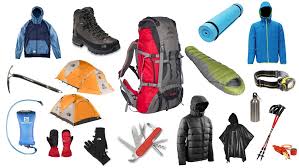
Successfully climbing Mount Kilimanjaro requires careful selection of gear and clothing, as the mountain’s conditions vary dramatically from the humid rainforest at the base to the frigid, windy summit. Proper preparation not only enhances comfort but also significantly reduces the risk of injury, hypothermia, and altitude-related complications. Local communities in Mount Kilimanjaro tourism, including guides and porters, play a critical role in advising climbers on gear selection, equipment testing, and logistical support to ensure safety and effectiveness. According to Tanzania National Parks Authority, climbers are required to use high-quality, weather-appropriate equipment to minimize environmental impact and promote responsible tourism.
Clothing layers are fundamental for Mount Kilimanjaro treks, given the extreme temperature fluctuations. A three-layer system is recommended: a moisture-wicking base layer to keep sweat away from the body, an insulating mid-layer for warmth, and a waterproof, windproof outer shell to protect against rain, snow, and wind. Thermal underwear, fleece jackets, down jackets, and water-resistant pants are commonly used to manage temperature effectively. Gloves, hats, and balaclavas provide additional protection against frostbite during summit attempts. Local guides in Mount Kilimanjaro tourism often provide detailed advice on layering strategies, ensuring climbers remain comfortable and safe at every altitude.
Footwear is another critical component of preparation. High-quality, well-fitted hiking boots with ankle support are essential to prevent injuries on rocky, uneven, and sometimes slippery terrain. Many climbers also use gaiters to keep debris and moisture out of their boots. Trekking socks, preferably moisture-wicking and padded, reduce the risk of blisters and maintain foot health during long days of hiking. Local communities in Mount Kilimanjaro tourism assist climbers in selecting footwear appropriate for the chosen route, terrain, and seasonal conditions, helping to prevent common foot injuries that can impede progress.
Sleeping gear must provide insulation from sub-zero temperatures at higher elevations. A high-quality, four-season sleeping bag rated for extreme cold is recommended, especially for summit nights. Sleeping pads or inflatable mattresses provide comfort and additional insulation from the cold ground, contributing to quality rest and recovery between trekking days. Guides and porters from local communities in Mount Kilimanjaro tourism help set up camps and manage sleeping arrangements, ensuring safety, warmth, and organization throughout the trek.
Trekking poles are essential for maintaining balance, reducing joint strain, and improving endurance during long ascents and descents. Poles help distribute weight more evenly, reduce fatigue in the knees, and provide stability on uneven terrain, particularly in rocky or loose volcanic soil sections. Guides in Mount Kilimanjaro tourism advise on proper pole usage and adjustment, allowing climbers to maximize efficiency and reduce physical stress during demanding sections of the trail.
Backpacks and daypacks are important for carrying personal essentials such as water, snacks, extra layers, and cameras. A comfortable, adjustable backpack with padded shoulder straps and a hip belt ensures that weight is distributed evenly, reducing strain on the back and shoulders. Hydration systems, such as water bladders or bottles, are crucial to prevent dehydration at high altitudes. Local communities in Mount Kilimanjaro tourism provide guidance on pack organization, weight distribution, and necessary items to optimize comfort and preparedness for each day of trekking.
Navigation and safety equipment are also essential for a safe climb. While professional guides lead all treks on Mount Kilimanjaro, carrying a personal headlamp or flashlight, map, compass, whistle, and a small first aid kit is recommended. Altitude medication, sunscreen, sunglasses, and lip balm protect against environmental hazards such as intense UV radiation, sunburn, and dry conditions at higher elevations. Guides and local communities often advise climbers on how to use safety equipment effectively, contributing to risk reduction and emergency preparedness.
Nutrition and hydration equipment play a central role in sustaining energy levels. Portable snacks, electrolyte powders, and insulated water bottles are crucial for maintaining hydration and nutrition during long trekking days. Local communities in Mount Kilimanjaro tourism provide balanced meals at camps, prepare snacks for the trail, and advise climbers on meal timing and portioning to ensure energy optimization and proper acclimatization. Adequate nutrition and hydration directly influence physical performance, mental clarity, and overall trekking success.
Technical gear for high-altitude conditions includes crampons, ice axes, and helmets, although these are primarily required for extreme routes or glaciated sections. Most standard trekking routes on Mount Kilimanjaro do not necessitate technical climbing equipment, but climbers attempting more advanced or winter conditions should consult professional guides for specialized gear. Local guides and porters are trained to manage this equipment, provide safety instructions, and support climbers throughout technical segments, reinforcing the critical role of community expertise in mountain safety.
Personal care and hygiene items are often overlooked but essential for maintaining comfort and health. Biodegradable soap, wet wipes, hand sanitizer, and quick-dry towels help climbers manage hygiene during multi-day treks. Sunglasses, sunscreen, and lip balm protect against sun exposure and dry air, while a personal first aid kit allows for quick treatment of minor injuries, blisters, or altitude-related discomforts. Local communities in Mount Kilimanjaro tourism often advise climbers on essential personal care items, ensuring a safer, healthier, and more comfortable trekking experience.
Packing and logistics strategies ensure efficiency and safety. Climbers are advised to minimize weight, organize gear according to daily needs, and label all equipment clearly. Porters carry heavier communal gear, including tents, cooking equipment, and communal supplies, allowing trekkers to focus on essential personal items. Proper packing reduces physical strain, facilitates quick access to essential items, and enhances overall trekking efficiency. Local guides in Mount Kilimanjaro tourism provide expertise in organizing gear, managing load distribution, and maintaining safety protocols throughout the climb.
In conclusion, climbing Mount Kilimanjaro successfully requires meticulous attention to gear, clothing, and essential equipment. Layered clothing, sturdy footwear, sleeping gear, trekking poles, backpacks, navigation tools, nutrition, high-altitude gear, and personal care items all contribute to a safe and enjoyable ascent. Local communities in Mount Kilimanjaro tourism provide indispensable support in selecting, testing, and managing equipment, while also ensuring sustainable and culturally respectful practices. Proper preparation in gear and logistics maximizes comfort, safety, and the likelihood of a successful summit, enabling climbers to fully appreciate the breathtaking landscapes, ecological diversity, and cultural significance of Mount Kilimanjaro. For detailed equipment checklists and trekking tips, visit Lonely Planet Mount Kilimanjaro Guide and Tanzania National Parks.
5: Mount Kilimanjaro Safety, Environmental Considerations, and Summit Strategies
Climbing Mount Kilimanjaro is one of the most exhilarating adventures in the world, but safety remains the most crucial consideration. Despite being a non-technical trek, the mountain’s extreme altitude, unpredictable weather, and challenging terrain make proper preparation indispensable. Understanding Mount Kilimanjaro safety protocols, environmental considerations, and summit strategies significantly increases the likelihood of a successful and enjoyable climb. Local communities in Mount Kilimanjaro tourism are vital partners, providing trained guides, porters, and cultural knowledge that enhance both safety and the trekking experience. According to the Tanzania National Parks Authority, climbers who follow structured safety measures and rely on experienced local guides have far higher summit success rates.
Mount Kilimanjaro Safety and Altitude Management
The primary risk when climbing Mount Kilimanjaro is altitude sickness. Rapid ascents can lead to Acute Mountain Sickness (AMS), High-Altitude Pulmonary Edema (HAPE), or High-Altitude Cerebral Edema (HACE). Symptoms include headaches, nausea, dizziness, shortness of breath, and fatigue. Preventive strategies for Mount Kilimanjaro safety include gradual ascent, hydration, proper nutrition, and pacing according to the “pole pole” (slowly, slowly) principle. Climbers are advised to recognize early warning signs and communicate immediately with guides. Local communities in Mount Kilimanjaro tourism are extensively trained in altitude management, monitoring symptoms, administering medications, and facilitating emergency evacuations when necessary. For detailed altitude management guidance, refer to UIAA Mountaineering Safety.
Mount Kilimanjaro Weather and Environmental Safety
Weather conditions on Mount Kilimanjaro vary dramatically. The base can be hot and humid, while the summit experiences sub-zero temperatures, strong winds, and potential snowfall. Proper clothing layers, high-quality gear, and flexible trekking plans are essential for Mount Kilimanjaro safety. Trekkers must adapt to environmental changes while conserving energy, maintaining hydration, and protecting against hypothermia. Local guides in Mount Kilimanjaro tourism are experts in monitoring weather, adjusting itineraries, and implementing safety measures, ensuring climbers navigate the mountain safely. Climbers are also encouraged to be aware of seasonal weather patterns, with June–October and December–February considered the safest periods for trekking.
Mount Kilimanjaro Summit Strategies for Success
Effective Mount Kilimanjaro summit strategies maximize safety, comfort, and the likelihood of reaching the peak. Climbers typically begin the final ascent at midnight or early morning to reach the summit at sunrise. This approach provides better weather conditions, reduces exposure to harsh winds, and enhances the overall experience. A slow, steady pace, combined with frequent hydration and small snacks, helps the body cope with low oxygen levels. Local guides in Mount Kilimanjaro tourism provide real-time monitoring, adjusting pace and offering support if symptoms of altitude sickness or exhaustion appear. Summit strategies also involve psychological preparation; climbers benefit from visualization, goal setting, and positive reinforcement to maintain motivation during the grueling final ascent.
Environmental Considerations on Mount Kilimanjaro
Sustainability is a critical component of Mount Kilimanjaro tourism. The mountain hosts fragile ecosystems and unique flora and fauna that must be protected. Climbers are encouraged to follow Leave No Trace principles, avoid littering, and respect all ecological zones. Local communities in Mount Kilimanjaro tourism actively participate in trail maintenance, conservation projects, and environmental education for trekkers. Sustainable practices ensure that tourism supports local livelihoods while preserving the mountain for future generations. For global best practices on responsible tourism, visit UNEP Sustainable Tourism.
Role of Local Communities in Mount Kilimanjaro Safety
Local communities in Mount Kilimanjaro tourism provide indispensable support for climbers. Trained guides monitor physical and mental health, lead acclimatization hikes, and supervise summit attempts. Porters manage camping logistics, distribute equipment, and assist with meals, reducing physical strain on trekkers. Communities also share cultural knowledge, educating climbers on sacred sites and respectful behaviors. This collaboration between trekkers and local communities ensures that Mount Kilimanjaro climbs are both safe and culturally enriching. According to Tanzania Tourism Board, community involvement is crucial for maintaining high standards of safety, sustainability, and visitor satisfaction.
Descent and Post-Summit Safety on Mount Kilimanjaro
The descent from the summit requires as much attention as the ascent. Climbers are more vulnerable to slips, fatigue, and altitude-related complications while descending. Proper pacing, hydration, and monitoring for delayed symptoms are essential. Local guides and porters in Mount Kilimanjaro tourism ensure organized and safe descents, manage equipment, and provide guidance to minimize injury risk. Post-summit protocols include rest, nutrition, and continued monitoring of physical condition to ensure complete recovery.
Conclusion: Ensuring a Safe and Responsible Mount Kilimanjaro Climb
Climbing Mount Kilimanjaro is a life-changing adventure, but success depends on rigorous safety measures, environmental respect, and collaboration with local communities. Altitude management, weather preparedness, summit strategies, and emergency readiness are essential for every climber. Local communities in Mount Kilimanjaro tourism provide expert guidance, logistical support, and cultural insights that enhance safety, sustainability, and overall trekking experience. By adhering to these principles, climbers can enjoy the breathtaking landscapes, unique ecosystems, and cultural richness of Mount Kilimanjaro while supporting responsible tourism practices. For more detailed information on trekking safety, sustainable practices, and summit strategies, visit Tanzania National Parks and UNEP Sustainable Tourism Resources.
