

Discover A beginner’s Guide to Climb Mount Kilimanjaro with essential tips, routes, preparation advice, and expert insights for first-time climbers planning a successful summit.
A Beginner’s Guide to Climb Mount Kilimanjaro: Introduction for First-Time Climbers
https://nativesonexpeditions.com/kilimanjaro-climbing-tours/
A beginner’s Guide to Climb Mount Kilimanjaro begins with understanding why this mountain holds such global appeal and why it is uniquely suited for first-time climbers. Mount Kilimanjaro, standing at 5,895 meters above sea level, is Africa’s highest peak and the tallest free-standing mountain in the world. Unlike many other high-altitude mountains, Kilimanjaro does not require technical climbing skills, making it accessible to beginners with proper preparation. This combination of accessibility, natural beauty, and personal achievement makes the journey an unforgettable experience for travelers seeking both adventure and personal growth.
For beginners, the idea of climbing Mount Kilimanjaro may feel overwhelming, but with the right mindset and preparation, it becomes an achievable goal. The mountain offers several established routes, professional guides, and a well-regulated climbing system designed to support climbers of varying fitness levels. Understanding altitude, pacing, and the importance of acclimatization is central to success, and this is where A beginner’s Guide to Climb Mount Kilimanjaro becomes an essential resource for anyone taking their first steps toward the summit.
Mount Kilimanjaro is not just a physical challenge; it is a journey through diverse ecological zones. Climbers pass through tropical rainforest, heath and moorland, alpine desert, and finally the arctic summit zone. Each zone presents unique scenery, climate conditions, and wildlife, turning the climb into a continuously changing landscape experience. This environmental diversity is a key reason why Kilimanjaro is often described as one of the most scenic climbs in the world, especially for beginners who may not yet be experienced mountaineers.
Another important aspect for beginners is understanding the cultural and environmental significance of the mountain. Kilimanjaro is a symbol of national pride for Tanzania and plays a vital role in local livelihoods through tourism. The mountain is protected under Kilimanjaro National Park, which enforces strict regulations to ensure environmental sustainability and climber safety. According to the Tanzania National Parks Authority, all climbers must be accompanied by licensed guides, ensuring both safety and conservation standards are met.
Ultimately, A beginner’s Guide to Climb Mount Kilimanjaro is about preparation, respect for the mountain, and setting realistic expectations. Success is not measured solely by reaching the summit, but by completing the journey safely while appreciating the natural beauty and cultural significance of this iconic peak. This introduction sets the foundation for understanding what lies ahead and prepares beginners for a life-changing adventure.
A Beginner’s Guide to Climb Mount Kilimanjaro: Choosing the Right Route
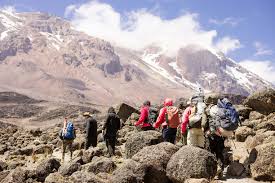
A beginner’s Guide to Climb Mount Kilimanjaro must emphasize the importance of choosing the right route, as this decision significantly affects the chances of reaching the summit successfully. Kilimanjaro offers several established routes, each varying in length, difficulty, scenery, and acclimatization profile. For beginners, selecting a route with a gradual ascent and sufficient acclimatization days is crucial to minimizing the risk of altitude sickness and increasing overall enjoyment of the climb.
The most popular routes for beginners include Marangu, Machame, Lemosho, and Rongai. The Marangu Route, often referred to as the “Coca-Cola Route,” is known for its hut accommodation and relatively straightforward trail, making it appealing to first-time climbers. However, its shorter duration can reduce acclimatization time, which is a critical consideration highlighted in A beginner’s Guide to Climb Mount Kilimanjaro. In contrast, the Machame Route offers more scenic variety and better acclimatization but requires camping, which may be more physically demanding.
The Lemosho Route is widely regarded as one of the best options for beginners due to its longer itinerary and excellent acclimatization profile. It approaches the mountain from the west, providing breathtaking views and lower traffic during the initial days. This gradual ascent greatly improves summit success rates, making it a recommended choice in A beginner’s Guide to Climb Mount Kilimanjaro for those prioritizing safety and experience over speed. The Rongai Route, approaching from the north, is another beginner-friendly option, especially during the rainy season due to its drier conditions.
Beyond route selection, beginners must consider factors such as group size, guide experience, and overall climb duration. Longer routes may cost more, but they significantly improve success rates and comfort. Professional tour operators structure itineraries to balance physical challenge with rest and acclimatization, ensuring beginners are not rushed. For detailed route comparisons and official guidelines, the Tanzania Tourism Board provides authoritative resources for travelers planning their climb.
Choosing the right route is one of the most important decisions a beginner will make when planning to climb Kilimanjaro. A beginner’s Guide to Climb Mount Kilimanjaro emphasizes that patience, preparation, and informed decision-making are the keys to transforming a challenging climb into a rewarding and achievable adventure.
A Beginner’s Guide to Climb Mount Kilimanjaro: Physical and Mental Preparation
A beginner’s Guide to Climb Mount Kilimanjaro highlights that success on the mountain depends as much on preparation as it does on determination. While Kilimanjaro does not require technical climbing skills, it does demand endurance, mental resilience, and the ability to adapt to changing conditions. Beginners often underestimate the cumulative effects of altitude, cold, and multi-day exertion, making preparation a non-negotiable aspect of the journey.
Physical preparation should begin several months before the climb and focus on cardiovascular endurance, leg strength, and overall stamina. Activities such as hiking, cycling, stair climbing, and long-distance walking are particularly effective. Strength training helps support joints and reduce fatigue, while flexibility exercises improve recovery and reduce injury risk. A beginner’s Guide to Climb Mount Kilimanjaro stresses that consistent, moderate training is more effective than intense workouts shortly before departure.
Mental preparation is equally important. Climbers must be prepared for long days, basic living conditions, and moments of discomfort. Developing a positive mindset, patience, and adaptability greatly enhances the experience. Understanding that the climb is not a race but a steady progression helps beginners manage expectations and reduce stress. Visualization techniques, breathing exercises, and goal-setting strategies are often recommended as part of A beginner’s Guide to Climb Mount Kilimanjaro.
Altitude awareness is a critical component of preparation. Symptoms such as headaches, nausea, and fatigue are common, and beginners must learn to recognize and communicate these signs early. Guides are trained to monitor climbers’ health, but individual awareness plays a vital role. According to National Geographic Travel, proper acclimatization and pacing are the most effective strategies for preventing altitude-related issues on Kilimanjaro.
By combining physical training, mental readiness, and altitude education, beginners significantly improve their chances of success. A beginner’s Guide to Climb Mount Kilimanjaro reinforces that preparation is not about perfection, but about readiness, awareness, and respect for the mountain.
A Beginner’s Guide to Climb Mount Kilimanjaro: Packing and Gear Essentials
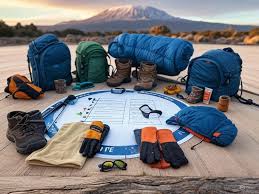
A beginner’s Guide to Climb Mount Kilimanjaro would be incomplete without a detailed understanding of packing and gear essentials. Proper equipment ensures safety, comfort, and adaptability to rapidly changing weather conditions. Kilimanjaro’s climate ranges from hot and humid at the base to freezing temperatures at the summit, requiring careful selection of layered clothing and reliable gear.
Clothing should follow a layering system, including moisture-wicking base layers, insulating mid-layers, and waterproof outer layers. High-quality hiking boots, broken in well before the climb, are essential for foot support and blister prevention. Accessories such as gloves, thermal hats, and neck gaiters protect against cold and wind at higher altitudes. A beginner’s Guide to Climb Mount Kilimanjaro emphasizes that comfort and functionality should take priority over brand names.
Technical gear includes a durable backpack, trekking poles for stability, a headlamp for summit night, and a quality sleeping bag rated for sub-zero temperatures. While many tour operators provide shared equipment such as tents and dining shelters, personal gear should be carefully chosen and tested in advance. Beginners are encouraged to rent specialized equipment locally if necessary, reducing travel costs while maintaining safety standards.
Health and personal items are equally important. A basic first aid kit, sunscreen, lip balm, hydration systems, and energy snacks help manage daily challenges on the trail. Altitude medication should only be taken under medical advice. For official safety and packing recommendations, the World Health Organization provides general travel health guidelines applicable to high-altitude destinations.
Packing correctly reduces unnecessary stress and allows beginners to focus on the experience rather than discomfort. A beginner’s Guide to Climb Mount Kilimanjaro reinforces that thoughtful preparation and reliable gear are essential foundations for a successful and enjoyable climb.
A Beginner’s Guide to Climb Mount Kilimanjaro: Summit Day and Safety Tips
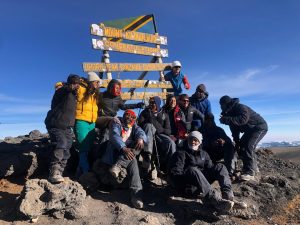
A beginner’s Guide to Climb Mount Kilimanjaro places special emphasis on summit day, which is both the most challenging and the most rewarding part of the journey. Summit night typically begins around midnight, allowing climbers to reach Uhuru Peak at sunrise. The ascent is slow and demanding, characterized by cold temperatures, thin air, and steep terrain. Understanding what to expect helps beginners manage both physical strain and mental fatigue.
Safety is the top priority on summit day. Climbers must move at a slow, steady pace, following the guidance of experienced mountain guides. Hydration, controlled breathing, and frequent communication with guides are essential. Symptoms of altitude sickness must be reported immediately, as descending is the most effective treatment. A beginner’s Guide to Climb Mount Kilimanjaro emphasizes that reaching the summit is optional, but returning safely is mandatory.
Weather conditions can change rapidly, and beginners should be prepared for extreme cold and wind near the summit. Proper layering, hand protection, and mental focus are crucial. Despite the challenges, the reward of standing at Africa’s highest point is unparalleled. The sunrise over the clouds, glaciers, and plains below creates a powerful emotional experience that many climbers describe as life-changing.
Professional guides play a critical role in ensuring safety and success. Their experience, monitoring, and encouragement are invaluable, particularly for beginners facing their first high-altitude climb. According to the International Mountain Explorers Connection, guided climbs significantly improve safety outcomes on high-altitude mountains.
In conclusion, A beginner’s Guide to Climb Mount Kilimanjaro underscores that the journey is about resilience, preparation, and respect for nature. With the right approach, first-time climbers can achieve their goal while gaining confidence, perspective, and unforgettable memories from one of the world’s most iconic mountains.
