

Discover the best activities and experiences in Gombe National Park beyond chimpanzee trekking. Explore nature walks, birdwatching, cultural interactions, and eco-tourism tips for first-time visitors.
1: Exploring Gombe National Park: A Comprehensive Introduction Beyond Chimpanzee Trekking
https://nativesonexpeditions.com/tanzania-safari/
Gombe National Park, located along the serene shores of Lake Tanganyika in western Tanzania, is world-renowned for its pioneering chimpanzee research and breathtaking biodiversity. While chimpanzee trekking is undoubtedly the park’s signature attraction, there exists a myriad of other experiences that first-time visitors can explore, ensuring that things to do in Gombe National Park beyond chimpanzee trekking are as enriching and memorable as the primate encounters themselves. Spanning just 35 square kilometers, Gombe is the smallest of Tanzania’s national parks, yet it is a haven for wildlife enthusiasts, nature lovers, birdwatchers, and cultural explorers seeking authentic East African adventures.
Discovering the Park’s Unique Ecosystem
Gombe’s forested valleys, rocky ridges, and lakeside environments create a mosaic of habitats supporting diverse wildlife species. The park’s lush montane forests are home not only to chimpanzees but also to red colobus monkeys, blue monkeys, bushbucks, duikers, and numerous smaller mammals. For visitors exploring things to do in Gombe National Park beyond chimpanzee trekking, wildlife spotting is an equally compelling experience. Hikers can traverse scenic trails that wind through forested hills and along the lakeshore, offering opportunities to observe these species in their natural habitat.
The lakeside areas, in particular, host a range of freshwater species, including colorful fish and crocodiles, while bird enthusiasts can delight in over 200 recorded species. Birdwatching in Gombe provides a unique lens into the park’s ecological richness, with endemic and migratory species like the Grauer’s swamp warbler, African fish eagle, and paradise flycatcher gracing the forests and lake margins. According to BirdLife International (https://www.birdlife.org), Gombe is a significant site for avian conservation, highlighting its global importance beyond primate research.
Nature Walks and Hiking Trails
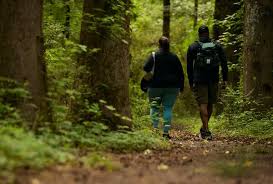
Beyond chimpanzee trekking, Gombe offers a network of scenic hiking trails that vary in difficulty and duration. First-time visitors seeking things to do in Gombe National Park beyond chimpanzee trekking can explore guided hikes through both highland forests and gentle lakeside paths. These trails reveal hidden waterfalls, panoramic viewpoints, and dense forest pockets where smaller primates and unique flora thrive. Hikers often encounter endemic plants, orchids, and medicinal herbs used by local communities, offering an educational journey into the park’s biodiversity.
Some of the most popular trails include the Kakombe Valley trail, which combines steep climbs with opportunities to spot wildlife, and the Lake Tanganyika trail, ideal for leisurely walks while observing bird species and plant diversity. Each hike is accompanied by experienced guides who share ecological insights and ensure safety while maintaining minimal disturbance to wildlife habitats.
Cultural Encounters with Local Communities
One often-overlooked aspect of things to do in Gombe National Park beyond chimpanzee trekking is engaging with local communities. The surrounding villages, predominantly inhabited by the Holoholo and other ethnic groups, provide visitors with insight into traditional Tanzanian life. Cultural tours include visits to local schools, artisan workshops, and guided storytelling sessions where elders share myths, traditions, and ecological wisdom that have been passed down for generations.
Participating in these cultural experiences allows tourists to appreciate how local knowledge contributes to conservation efforts. Community-based tourism initiatives ensure that a portion of tourism revenue benefits education, healthcare, and environmental programs. The Jane Goodall Institute (https://www.janegoodall.org) actively collaborates with these communities, promoting sustainable livelihoods while safeguarding chimpanzee habitats.
Eco-tourism and Conservation Learning
Gombe National Park is also a living classroom for conservation education. Visitors can join eco-tourism programs and workshops focused on habitat preservation, anti-poaching strategies, and sustainable resource management. These programs not only enrich the visitor experience but also cultivate awareness of global environmental challenges. For first-time tourists interested in things to do in Gombe National Park beyond chimpanzee trekking, participating in conservation activities such as tree planting, guided nature walks highlighting invasive species management, or water quality monitoring along Lake Tanganyika provides a sense of meaningful contribution to long-term ecological sustainability.
Photography and Nature Appreciation
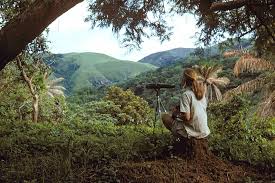
Photography enthusiasts will find Gombe National Park an ideal location to capture striking landscapes, wildlife, and cultural moments. Beyond chimpanzees, the park’s photogenic vistas, waterfalls, and lakeside scenery offer endless opportunities for landscape and wildlife photography. Visitors can also photograph local cultural practices, traditional fishing techniques along the lake, and community festivals, ensuring that things to do in Gombe National Park beyond chimpanzee trekking extend into creative and artistic exploration.
Planning Your Visit
First-time visitors planning a trip to Gombe National Park should consider factors such as accessibility, best seasons for wildlife and birding, and guided tour options. The park is accessible via a combination of road and boat transport from Kigoma town, providing a scenic introduction along Lake Tanganyika. Dry months from June to October and December to February are ideal for hiking, wildlife spotting, and cultural interactions. Visitors should also plan to book certified guides and eco-tourism operators to ensure responsible engagement with local communities and wildlife.
In conclusion, Gombe National Park offers a plethora of activities that extend far beyond chimpanzee trekking. By exploring the park’s ecosystems, engaging in hiking and nature walks, interacting with local communities, participating in eco-tourism programs, and appreciating its scenic beauty, first-time visitors can experience a holistic adventure that blends wildlife, culture, and conservation. Embracing these opportunities ensures that every visitor enjoys a comprehensive understanding of things to do in Gombe National Park beyond chimpanzee trekking, creating a transformative experience that goes beyond traditional safari expectations.
External Resources for Further Reading:
-
Tanzania National Parks (TANAPA) Official Page: https://www.tanzaniaparks.go.tz
2: Water-based Activities and Scenic Lake Tanganyika Experiences in Gombe National Park
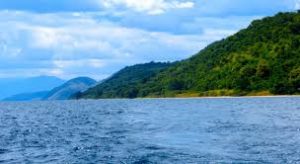
While chimpanzee trekking is the main attraction, first-time visitors quickly discover that Gombe National Park offers an array of water-based activities that are both relaxing and adventurous. The park’s location along the eastern shore of Lake Tanganyika—the world’s second deepest freshwater lake—creates opportunities for boating, swimming, fishing, and ecological exploration that elevate things to do in Gombe National Park beyond chimpanzee trekking to a unique level. Lake Tanganyika is renowned for its crystal-clear waters, endemic species, and dramatic shoreline scenery, making water experiences an essential part of any visit to this Tanzanian gem.
Scenic Boat Tours
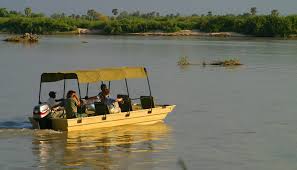
One of the most rewarding experiences for visitors interested in things to do in Gombe National Park beyond chimpanzee trekking is a guided boat tour along Lake Tanganyika. These tours typically provide a panoramic perspective of the park’s forested cliffs, hidden coves, and beaches accessible only by water. The boat rides also offer excellent opportunities for spotting wildlife along the shoreline, such as hippos, monitor lizards, and occasionally elephants venturing close to the water. Experienced local guides narrate the ecological importance of the lake, its endemic species, and the relationship between the communities living on the shoreline and the park’s conservation efforts.
Boat tours range from short excursions of an hour to full-day experiences where visitors can explore secluded beaches and coves. This activity is not only visually stunning but educational, highlighting the biodiversity of the lake ecosystem and the interdependence between aquatic and terrestrial habitats. According to UNESCO (https://whc.unesco.org/en/list/457), Lake Tanganyika is part of a fragile ecosystem of global significance, underscoring the value of ecologically responsible tourism in the region.
Swimming and Beach Experiences
Although the lake is deep, the northern and southern shores of Gombe National Park feature calm areas suitable for swimming and relaxing. Swimming in Lake Tanganyika is a refreshing way to connect with the natural environment while observing fish and aquatic plants close to the shore. Visitors should always heed guidance from park rangers regarding safe swimming areas due to occasional strong currents and the presence of wildlife such as crocodiles.
The sandy shores also offer tranquil settings for picnics, meditation, and photography. Watching the sun rise or set over the lake provides first-time visitors with a serene, almost spiritual experience. These moments capture a different side of things to do in Gombe National Park beyond chimpanzee trekking, allowing tourists to appreciate the park’s aesthetic and ecological diversity.
Fishing and Local Interaction
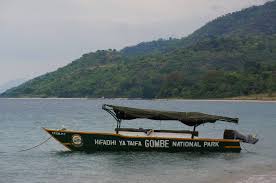
Fishing is both a livelihood and cultural activity for lakeside communities surrounding Gombe National Park. First-time visitors can join local fishers for traditional fishing experiences, learning techniques passed down through generations. These excursions often involve hand nets, small wooden boats, and sustainable catch practices, emphasizing the Maasai and Holoholo people’s intimate knowledge of Lake Tanganyika.
Participating in fishing trips allows tourists to understand how local communities manage resources in a way that supports both economic needs and environmental preservation. Visitors can enjoy freshly caught fish prepared in traditional styles, gaining a culinary insight into the local diet. Organizations such as the Jane Goodall Institute (https://www.janegoodall.org) work with lakeside communities to promote sustainable practices that preserve both cultural traditions and the lake’s biodiversity, making these experiences educational as well as enjoyable.
Kayaking and Canoeing Adventures
For those seeking a more active water experience, kayaking or canoeing along the calm stretches of Lake Tanganyika offers both adventure and intimate nature observation. Gliding across the water allows tourists to explore hidden coves, spot aquatic wildlife, and observe forested cliffs and waterfalls that are otherwise inaccessible. Kayaking also enables visitors to experience the park from a quiet, non-invasive perspective, minimizing disturbance to wildlife.
Kayak tours are often guided by local experts who provide ecological insights and ensure safety. Visitors may encounter kingfishers, herons, and cormorants, while hippos and monitor lizards sun themselves on the shoreline rocks. These tours are a highlight for tourists interested in immersive things to do in Gombe National Park beyond chimpanzee trekking, combining adventure, education, and wildlife observation in one activity.
Lake Ecology and Environmental Learning
Lake Tanganyika is home to a staggering number of endemic species, particularly cichlid fish, which attract researchers and nature enthusiasts alike. Visitors engaged in eco-tourism programs can learn about fish identification, habitat preservation, and the lake’s ecological significance. Participating in these learning experiences fosters a deeper understanding of conservation issues, highlighting how things to do in Gombe National Park beyond chimpanzee trekking can merge recreation with environmental responsibility.
Educational programs may include hands-on water quality testing, mapping of fish populations, and workshops on sustainable fishing practices. These activities provide first-time visitors with tangible ways to contribute to conservation efforts while gaining a deeper appreciation of Lake Tanganyika’s global importance. The World Wildlife Fund (https://www.worldwildlife.org/places/tanzania) recognizes Lake Tanganyika as a key freshwater ecosystem requiring sustainable tourism and active stewardship.
Photography and Wildlife Observation on the Water
Water-based activities in Gombe offer unparalleled photographic opportunities. Tourists can capture the shimmering waters, dramatic cliffs, endemic fish, and interactions between local communities and the lake. Boat rides at sunrise or sunset provide particularly striking lighting conditions for landscape photography, while encounters with waterbirds, hippos, and other semi-aquatic wildlife enrich wildlife photography portfolios. Visitors who enjoy nature photography will find that things to do in Gombe National Park beyond chimpanzee trekking extend beyond forests to the lake itself, creating diverse and memorable visual experiences.
Practical Tips for Water-Based Activities
For a safe and enjoyable experience, first-time visitors should consider the following:
-
Always wear life jackets during boating, kayaking, or canoeing.
-
Check weather conditions, as Lake Tanganyika can experience sudden changes in wind and currents.
-
Engage certified guides familiar with both the lake and park rules.
-
Use eco-friendly sunscreen and avoid polluting the lake environment.
-
Respect local fishing practices and obtain permission before visiting private or community fishing areas.
Combining Lake Activities with Forest Exploration
Visitors often combine water-based activities with hiking, cultural tours, and chimpanzee observation. A typical day might involve morning hiking through Gombe’s forest trails, afternoon kayaking along the lake, and evening relaxation at a lakeside lodge. This combination ensures that tourists experience the full diversity of Gombe National Park, understanding the synergy between its terrestrial and aquatic ecosystems.
Conclusion
Lake Tanganyika offers a refreshing complement to forest exploration, making water-based activities a central component of things to do in Gombe National Park beyond chimpanzee trekking. From guided boat tours, swimming, and fishing to kayaking and environmental education, first-time visitors are provided with opportunities that are both adventurous and informative. Engaging responsibly with the lake environment ensures memorable experiences while supporting local communities and conservation initiatives, creating a holistic understanding of Gombe National Park as a multifaceted destination.
External Resources for Further Reading:
-
UNESCO World Heritage – Lake Tanganyika: https://whc.unesco.org/en/list/457
-
WWF Tanzania – Freshwater Ecosystems: https://www.worldwildlife.org/places/tanzania
3: Forest Trails, Wildlife Viewing Beyond Chimpanzees, and Birdwatching in Gombe National Park
For first-time visitors, Gombe National Park is far more than a chimpanzee sanctuary. Its dense forests, rugged valleys, and cliffside trails offer exceptional opportunities for wildlife viewing, nature photography, and immersive experiences in East Africa’s biodiverse landscapes. Exploring these forested trails allows visitors to discover things to do in Gombe National Park beyond chimpanzee trekking, including observing rare primates, endemic mammals, and over 200 bird species that inhabit the park year-round. Understanding these trails and the species they host enhances the visitor experience, providing deeper insight into Gombe’s unique ecosystem.
Exploring Forest Trails
Gombe’s forest network is compact but ecologically dense, with trails ranging from gentle walks along lakeside paths to challenging hikes through steep valleys and ridges. These trails are carefully maintained to minimize human impact on sensitive habitats while allowing tourists to experience the park’s biodiversity. Visitors can explore the Kakombe Valley trail, which winds through lush forests, past streams and waterfalls, and leads to elevated viewpoints overlooking Lake Tanganyika. Along the way, tourists encounter diverse plant life, including medicinal herbs, orchids, and endemic trees like Ficus sur and African mahogany.
Walking these trails is an excellent way to observe wildlife beyond chimpanzees. Red colobus monkeys, blue monkeys, bushbucks, and small antelopes are often visible along the paths, while the dense undergrowth shelters duikers, bush pigs, and various rodent species. Experienced guides provide interpretation of animal behavior, feeding patterns, and ecological roles, enhancing understanding of things to do in Gombe National Park beyond chimpanzee trekking.
Primate Watching Beyond Chimpanzees
While chimpanzees attract global attention, Gombe’s other primates offer equally fascinating encounters. The red colobus monkey, endemic to Gombe, is a particularly sought-after species for wildlife enthusiasts. Their striking red coats, acrobatic movements, and social behaviors make them excellent subjects for photography and wildlife observation. Blue monkeys, often seen in family groups, exhibit curious and playful behavior, providing opportunities for guided observation and learning.
Tourists can also encounter vervet monkeys and olive baboons, which add diversity to the park’s primate population. Observing these species in their natural habitat allows visitors to compare social structures, vocalizations, and feeding habits, creating a broader understanding of primate ecology. Organizations like the Jane Goodall Institute (https://www.janegoodall.org) provide educational materials and guided programs that highlight the importance of preserving these primates alongside chimpanzees.
Birdwatching Opportunities
Gombe National Park is a haven for birdwatchers, with over 200 species recorded within its boundaries. Visitors interested in things to do in Gombe National Park beyond chimpanzee trekking can engage in guided birdwatching tours that cover forest, lake, and cliffside habitats. Key species include the African fish eagle, Grauer’s swamp warbler, paradise flycatcher, and the elusive African finfoot.
Birdwatching tours are typically led by trained guides who can identify species, explain migratory patterns, and teach photography techniques. Early morning hikes along forest trails or lakeside walks offer optimal conditions for spotting birds as they forage and vocalize. Binoculars and field guides are recommended for a rewarding experience, while eco-tourism operators often provide materials for visitors to record and monitor bird sightings, contributing to citizen science initiatives.
Nature Photography Along Forest Trails
Forest trails in Gombe provide endless opportunities for nature photography, from primate behavior to plant diversity and scenic vistas. Photographers can capture the interplay of sunlight filtering through the canopy, small mammals moving through the underbrush, and birds in flight. Focusing on things to do in Gombe National Park beyond chimpanzee trekking, photography encourages slow, observational travel, allowing visitors to notice details in both flora and fauna that might otherwise be overlooked.
Photography workshops or guided sessions offered by eco-tourism operators can teach visitors composition, lighting, and wildlife ethics. Responsible photography ensures minimal disturbance to wildlife while producing images that communicate the park’s natural beauty to broader audiences.
Eco-Trails and Conservation Education
Several trails in Gombe are designed as eco-trails, integrating environmental education with outdoor adventure. Visitors can learn about the park’s soil conservation strategies, forest regeneration efforts, and the roles of different species in maintaining ecosystem balance. First-time visitors gain an understanding of how human activity, both inside and outside the park, affects wildlife habitats.
Programs often include guided discussions about invasive species, habitat fragmentation, and climate change impacts on forest and freshwater ecosystems. This educational aspect is an essential component of things to do in Gombe National Park beyond chimpanzee trekking, allowing tourists to leave not only with memories but also with awareness and knowledge about conservation efforts in Tanzania.
Combining Trails with Lake and Cultural Experiences
Many visitors choose to combine forest trail exploration with lake activities and community interactions. A morning hike may lead to an afternoon kayaking or boat excursion along Lake Tanganyika, followed by a visit to local villages for cultural exchange. This multi-dimensional approach ensures tourists experience the park holistically, blending wildlife observation, scenic beauty, and local traditions.
Practical Tips for Trail Exploration
To maximize enjoyment and safety on Gombe’s forest trails, first-time visitors should consider the following:
-
Wear sturdy hiking shoes and bring insect repellent.
-
Carry sufficient water and light snacks, especially for longer trails.
-
Use certified guides familiar with both wildlife behavior and trail safety.
-
Maintain quiet and slow movements to avoid disturbing animals.
-
Bring binoculars, cameras, and field guides for birds and mammals.
Conclusion
Gombe National Park’s forest trails and wildlife viewing opportunities demonstrate that there is far more to explore beyond chimpanzee trekking. From endemic primates and rare mammals to spectacular bird species and educational eco-trails, these experiences allow visitors to engage with the park’s rich biodiversity. Guided walks and photography sessions provide insight into ecological relationships and conservation challenges, making these activities an essential part of things to do in Gombe National Park beyond chimpanzee trekking. By combining observation, education, and immersive experiences, first-time visitors gain a holistic understanding of the park’s natural wonders.
External Resources for Further Reading:
-
Jane Goodall Institute – Gombe Research: https://www.janegoodall.org
4: Cultural Experiences, Community Visits, and Local Livelihoods in Gombe National Park
While the natural wonders of Gombe National Park—its chimpanzees, forests, and Lake Tanganyika—attract wildlife enthusiasts from around the globe, the human communities surrounding the park are equally integral to the visitor experience. Engaging with these communities offers first-time visitors meaningful opportunities to understand local cultures, traditions, and sustainable livelihoods, making cultural immersion an essential aspect of things to do in Gombe National Park beyond chimpanzee trekking. This section explores the ways visitors can respectfully interact with local villages, participate in cultural workshops, and support community-based tourism initiatives.
Village Visits and Cultural Immersion
The villages surrounding Gombe National Park are primarily inhabited by the Holoholo, Ha, and other ethnic groups whose lifestyles have coexisted with the park’s ecosystems for centuries. Guided village visits allow tourists to observe daily life, from farming and fishing along Lake Tanganyika to cooking, weaving, and traditional ceremonies. Visitors learn how these communities have adapted to living alongside wildlife while maintaining their cultural heritage.
During village tours, tourists may participate in activities such as beadwork, basket weaving, or cooking traditional meals. Guides explain the social structures, belief systems, and rituals that define local life, creating an educational experience that extends well beyond observation. Engaging in these activities offers insight into things to do in Gombe National Park beyond chimpanzee trekking, highlighting the interconnection between culture, ecology, and community resilience.
Participating in Traditional Arts and Crafts
Local artisans provide workshops in traditional crafts such as beadwork, pottery, and textile production. These crafts are not only artistic expressions but also sources of income for families and women’s groups. By participating in these workshops, tourists gain hands-on understanding of cultural practices while supporting local economies.
Beadwork, in particular, is symbolic, with colors and patterns representing social status, age, or marital status within the community. Tourists can create their own pieces, guided by artisans who explain the historical and cultural significance of their designs. This immersive approach ensures that things to do in Gombe National Park beyond chimpanzee trekking include both learning and contribution to community preservation.
Community-Based Conservation and Eco-Tourism
Many local communities surrounding Gombe National Park are actively involved in conservation initiatives. These programs often integrate cultural tourism with environmental stewardship, ensuring that economic benefits align with sustainability. Visitors can participate in eco-tourism activities, such as planting trees, learning about sustainable fishing practices, or joining educational workshops on wildlife protection.
The Jane Goodall Institute (https://www.janegoodall.org) has been instrumental in fostering these initiatives, emphasizing the link between community well-being and conservation success. Tourists gain awareness of how local practices—from rotational farming to waste management—impact both the park’s wildlife and broader ecosystem. Engaging in these programs demonstrates that things to do in Gombe National Park beyond chimpanzee trekking are multifaceted, combining culture, education, and ecological responsibility.
Cultural Festivals and Ceremonial Experiences
While some ceremonies are private, selected cultural festivals are open to visitors and provide vibrant insights into local traditions. These events may include music, dance, initiation ceremonies, and storytelling sessions led by elders. Experiencing a festival or ceremonial performance allows tourists to witness the community’s values, social cohesion, and historical narratives in a living context.
Participating respectfully in these events requires guidance from local leaders or certified tour operators. Understanding the cultural significance of rituals fosters respect and enhances the visitor experience. For tourists exploring things to do in Gombe National Park beyond chimpanzee trekking, these interactions offer memorable and educational moments that complement wildlife and nature-based activities.
Local Livelihoods and Sustainable Tourism
Community-based tourism in Gombe ensures that economic benefits from visitors directly support local livelihoods. Many villagers earn income through guided tours, craft sales, homestays, and eco-tourism initiatives. By prioritizing local guides and certified operators, visitors contribute to fair compensation and long-term community development.
Projects supported by organizations like the Jane Goodall Institute (https://www.janegoodall.org) emphasize education, health, and youth empowerment. Tourists often engage in volunteer or learning experiences, such as teaching English, assisting in environmental projects, or documenting cultural practices. These opportunities provide practical benefits to communities while deepening the visitor’s understanding of things to do in Gombe National Park beyond chimpanzee trekking.
Culinary Experiences and Local Cuisine
Food is an integral part of cultural immersion. Visitors can participate in cooking workshops where local ingredients like fish from Lake Tanganyika, cassava, maize, and fresh vegetables are transformed into traditional dishes. These culinary experiences allow tourists to engage with the community on a sensory level, learning about dietary practices, preservation methods, and the cultural significance of meals.
Cooking sessions often include storytelling, where elders explain the historical origins of certain dishes or the symbolism behind communal meals. For first-time visitors, this experience creates a deeper connection with local life and adds richness to things to do in Gombe National Park beyond chimpanzee trekking.
Practical Tips for Cultural Engagement
To ensure meaningful and respectful interactions, visitors should follow these guidelines:
-
Always seek permission before photographing individuals or sacred events.
-
Dress modestly and follow local etiquette during visits and ceremonies.
-
Purchase crafts and services directly from community members to support local economies.
-
Respect private spaces and avoid intrusive questions about personal or spiritual matters.
-
Engage with curiosity and humility, understanding that cultural norms may differ from one’s own.
Conclusion
Cultural experiences and community visits provide a vital dimension to Gombe National Park, ensuring that tourism is not solely focused on wildlife observation. By engaging with local artisans, participating in ceremonies, supporting community projects, and learning about sustainable livelihoods, first-time visitors gain a comprehensive understanding of things to do in Gombe National Park beyond chimpanzee trekking. These experiences foster respect, awareness, and appreciation for the human communities whose lives are intertwined with the park’s ecosystems, creating a holistic and enriching visit.
External Resources for Further Reading:
-
Jane Goodall Institute – Community Programs: https://www.janegoodall.org
-
Tanzania National Parks (TANAPA) Cultural Tourism: https://www.tanzaniaparks.go.tz
5: Adventure Activities, Night Safaris, and Tips for a Memorable Visit in Gombe National Park
For first-time visitors, Gombe National Park offers more than just day-time hikes and cultural interactions. Its unique ecosystem, encompassing forests, valleys, and Lake Tanganyika shoreline, supports a variety of adventure activities, nocturnal wildlife experiences, and eco-friendly tourism practices that enhance the full spectrum of things to do in Gombe National Park beyond chimpanzee trekking. This final section highlights exciting ways to engage with the park, practical tips for making the most of your visit, and advice on creating a safe and memorable experience.
Adventure Activities: Hiking, Rock Climbing, and Guided Exploration
While forest trails provide moderate hiking opportunities, Gombe also offers challenging treks for adventure seekers. Some trails traverse steep ridges, rocky cliffs, and remote valleys, offering panoramic views of Lake Tanganyika and the surrounding hills. These hikes are guided by experienced local guides who provide safety, ecological insight, and wildlife spotting tips, allowing visitors to fully appreciate things to do in Gombe National Park beyond chimpanzee trekking.
Rock climbing and bouldering along certain ridges offer more adventurous tourists a chance to engage physically with the landscape. Although not as developed as other climbing destinations, these activities provide a unique perspective on Gombe’s geology and vistas. Safety equipment and guidance from certified operators are essential for these experiences.
Night Safaris and Nocturnal Wildlife Observation
Gombe National Park comes alive after sunset, offering opportunities for night safaris that reveal nocturnal species rarely seen during the day. With expert guidance and proper lighting equipment, visitors can observe bush babies, genets, owls, and other nocturnal mammals. These excursions are particularly valuable for wildlife photographers and enthusiasts seeking a comprehensive understanding of the park’s biodiversity.
Night safaris also provide insights into animal behavior that is often hidden during daylight hours. Nocturnal primates, for example, are observed foraging, communicating, and navigating the dense forest under the moonlight. Participating in these guided experiences allows tourists to include nocturnal ecology in their list of things to do in Gombe National Park beyond chimpanzee trekking, offering a richer and more diverse encounter with wildlife.
Eco-friendly Camping and Lodging Options
Accommodation in and around Gombe emphasizes sustainability and integration with nature. Visitors can choose from eco-lodges, campsites, and lakeside retreats that minimize environmental impact while maximizing scenic immersion. These accommodations often utilize solar energy, composting toilets, and water conservation measures, aligning with responsible tourism practices.
Staying at eco-lodges enhances the visitor experience by providing guided nature walks, local meals, and opportunities to participate in conservation projects. Camping under the stars along the lake or in designated forest areas allows visitors to connect intimately with the park’s ambiance and wildlife sounds, adding an adventurous and immersive layer to things to do in Gombe National Park beyond chimpanzee trekking.
Kayaking and Water Sports for Adventure Enthusiasts
For those seeking an active and water-focused adventure, kayaking, canoeing, and paddleboarding along Lake Tanganyika offer both excitement and close encounters with aquatic wildlife. Guided water tours provide a safe environment for beginners while allowing more experienced paddlers to explore secluded coves, observe hippos and monitor lizards, and photograph pristine landscapes.
Participating in water sports in Gombe requires adherence to safety guidelines, including life jackets, weather awareness, and avoidance of wildlife disturbance. Engaging in these activities enhances the range of things to do in Gombe National Park beyond chimpanzee trekking, providing both physical activity and immersive nature experiences.
Photography, Nature Observation, and Citizen Science
Adventure activities in Gombe complement photography and observational research. Visitors can document plant species, record bird and primate sightings, and participate in citizen science projects facilitated by organizations like the Jane Goodall Institute (https://www.janegoodall.org) and Tanzania National Parks (https://www.tanzaniaparks.go.tz). These initiatives allow tourists to contribute meaningfully to ongoing conservation research while enhancing personal engagement with the park’s ecosystem.
Photography, whether during hikes, night safaris, or lake excursions, also serves as a means of storytelling and sharing Gombe’s natural beauty with global audiences. Visitors are encouraged to practice ethical photography, maintaining distance from wildlife and minimizing environmental impact.
Practical Tips for a Memorable Visit
First-time visitors can ensure a safe and enjoyable experience in Gombe National Park by following these guidelines:
-
Plan Ahead: Book guided tours, accommodations, and permits in advance, particularly during peak wildlife viewing seasons.
-
Dress Appropriately: Lightweight, long-sleeved clothing protects against insects and sun, while sturdy shoes are essential for forest trails.
-
Use Certified Guides: Guides provide safety, ecological knowledge, and local insights that enhance things to do in Gombe National Park beyond chimpanzee trekking.
-
Health Precautions: Carry insect repellent, sun protection, and necessary medications. Consult a travel clinic for recommended vaccinations before arrival.
-
Respect Wildlife: Maintain a safe distance from animals, avoid feeding, and minimize noise to prevent disturbance.
-
Sustainable Practices: Reduce waste, use eco-friendly products, and support community-based tourism initiatives.
-
Photography Etiquette: Seek permission before photographing local people or private spaces, and prioritize wildlife safety.
Creating a Balanced Itinerary
For a complete Gombe experience, first-time visitors are encouraged to combine forest exploration, cultural engagement, lake activities, and adventure experiences. A typical three-day itinerary could include:
-
Day 1: Arrival, village visit, introductory forest hike, and evening lakeside relaxation.
-
Day 2: Full-day chimpanzee trekking in the forest, followed by lake kayaking or boat tour.
-
Day 3: Morning birdwatching, cultural workshop, and optional night safari before departure.
Such an itinerary ensures that visitors experience the full breadth of things to do in Gombe National Park beyond chimpanzee trekking, blending wildlife, adventure, culture, and scenic beauty.
Conclusion
Gombe National Park’s adventure activities, night safaris, and eco-friendly accommodations expand the scope of tourism beyond its renowned chimpanzee encounters. By engaging in hiking, climbing, kayaking, nocturnal wildlife observation, and participatory conservation projects, first-time visitors gain a multifaceted experience that balances excitement, education, and sustainability. Combining these elements with cultural immersion and lakeside relaxation ensures that things to do in Gombe National Park beyond chimpanzee trekking are varied, enriching, and unforgettable.
External Resources for Further Reading:
-
Jane Goodall Institute – Gombe Programs: https://www.janegoodall.org
