

Metaruni Waterfalls Tanzania Guide for travelers visiting Moshi. Discover routes, prices, culture, tips & best time to visit Tanzania’s hidden gem.
📍 Introduction to Metaruni Waterfalls and Its Location in Tanzania
https://nativesonexpeditions.com/tanzania-safari/
Nestled on the lush green slopes of Mount Kilimanjaro, Metaruni Waterfalls stands as one of Tanzania’s most enchanting natural attractions, quietly captivating travelers who venture beyond the well-trodden safari routes. This waterfall is not just a scenic landmark; it is a gateway into the heart of northern Tanzania’s landscapes, culture, and slow-paced village life. Surrounded by fertile valleys, banana plantations, and traditional homesteads, Metaruni Waterfalls offers a rare combination of dramatic natural beauty and authentic local experience that many travelers seek but few destinations truly deliver.
Located in Materuni Village, approximately 15 kilometers from Moshi town in the Kilimanjaro Region, the waterfall is easily accessible while still feeling wonderfully remote. The journey to the falls winds through rural roads, coffee farms, and forested paths, gradually revealing why this area has long been cherished by the Chagga people. The waterfall itself drops from a height of around 80 meters, making it one of the tallest waterfalls in northern Tanzania, and during the rainy season it becomes an awe-inspiring cascade that echoes through the valley.
For visitors researching authentic nature experiences, the metaruni waterfalls Tanzania Guide often emerges as a reliable reference point because the destination combines accessibility with untouched beauty. Unlike overcrowded tourist hotspots, Metaruni retains a sense of calm and intimacy, allowing visitors to connect deeply with the environment rather than simply passing through it. The surrounding forest is rich with indigenous plant species, birds, and small wildlife, making the hike to the waterfall an experience in itself rather than just a means to an end.
Geographically, Metaruni Waterfalls benefits greatly from its position on the southern slopes of Mount Kilimanjaro, Africa’s highest peak. This location ensures a steady water supply fed by mountain streams, which explains why the waterfall flows year-round, even during drier months. The fertile volcanic soil of the region supports dense vegetation, creating a cool microclimate that contrasts beautifully with the warmer lowlands around Moshi. As a result, visitors often describe the area as refreshingly green, serene, and almost mystical, especially in the early morning hours when mist lingers in the air.
Materuni Village itself plays a crucial role in shaping the identity of the waterfall. The village is home to the Chagga tribe, one of Tanzania’s largest ethnic groups, known for their rich traditions, agricultural knowledge, and historical connection to Mount Kilimanjaro. The waterfall is not viewed merely as a tourist attraction by locals; it is part of their natural heritage and daily environment. This close relationship between people and landscape is evident in how tours are conducted, how trails are maintained, and how visitors are welcomed into the community.
From a tourism perspective, Metaruni Waterfalls occupies a strategic position within Tanzania’s northern circuit. Travelers visiting Kilimanjaro National Park, embarking on mountain treks, or exploring nearby attractions such as Lake Chala and Marangu often include Metaruni as a cultural and nature-focused stop. The short distance from Moshi town makes it ideal for day trips, while its depth of experience encourages visitors to slow down and spend more time engaging with local life. This balance has contributed to its growing popularity without sacrificing authenticity.
Historically, the area around Metaruni has been shaped by centuries of agricultural practices, particularly banana cultivation and coffee farming. These activities are still visible today, as visitors walk past terraced farms and irrigation channels ingeniously designed to make use of mountain water. The presence of the waterfall has long supported these systems, highlighting its importance beyond tourism. Understanding this historical context adds another layer of appreciation for travelers who want more than surface-level sightseeing.
When planning a visit, many travelers rely on a comprehensive metaruni waterfalls Tanzania Guide to understand not only where the waterfall is located but also why it matters within the broader cultural and environmental landscape of Tanzania. Such guidance helps visitors recognize that Metaruni is not an isolated attraction but part of an interconnected system involving people, nature, and sustainable tourism practices. This awareness encourages responsible travel, which is increasingly important in preserving destinations for future generations.
The natural surroundings of Metaruni Waterfalls are particularly striking. Tall trees form a canopy over sections of the trail, while smaller plants and wildflowers line the path, creating a vibrant tapestry of colors and textures. Birdsong accompanies hikers throughout the journey, and with a bit of luck, visitors may spot monkeys moving through the treetops. The sound of rushing water grows louder as one approaches the waterfall, building anticipation before the dramatic reveal at the end of the hike.
From an environmental standpoint, the waterfall and its surrounding ecosystem are relatively well preserved, thanks in part to community-based tourism initiatives. Local guides are trained not only to lead visitors safely but also to educate them about conservation, traditional land use, and respectful behavior. This approach aligns well with global sustainable tourism principles promoted by organizations such as the Tanzania Tourism Board and international travel authorities like National Geographic and Lonely Planet, which emphasize community involvement and environmental stewardship.
Another defining feature of Metaruni Waterfalls is its elevation, which sits at approximately 1,500 meters above sea level. This altitude contributes to the cool temperatures and lush vegetation that distinguish the area from lower regions. For travelers arriving from warmer climates or lower altitudes, the fresh mountain air can feel revitalizing. It also makes the hike more comfortable, even for visitors who may not be experienced trekkers, as long as they take their time and stay hydrated.
The visual impact of the waterfall itself cannot be overstated. As water plunges down the rock face into a clear pool below, sunlight often catches the mist, creating subtle rainbows that enhance the magical atmosphere. The pool at the base of the waterfall is popular with visitors who wish to cool off after the hike, although the water is refreshingly cold due to its mountain origin. This natural swimming spot adds to the appeal and makes the journey feel rewarding on multiple levels.
In the broader context of Tanzanian tourism, Metaruni Waterfalls represents a shift toward experiential travel. Rather than focusing solely on iconic wildlife or famous landmarks, destinations like Metaruni invite visitors to engage with everyday life, local knowledge, and natural processes. This trend aligns with the interests of modern travelers who value authenticity, learning, and meaningful connections. The waterfall serves as a reminder that Tanzania’s beauty extends far beyond its national parks.
For digital travelers and trip planners, accurate location information is essential. Metaruni Waterfalls can be found using common mapping services, and its proximity to Moshi ensures that transportation options are readily available. However, the final approach to the waterfall is best done on foot, accompanied by a local guide who understands the terrain and cultural context. This guided approach not only enhances safety but also enriches the experience through storytelling and local insights.
As online interest in the region grows, well-structured resources like a detailed metaruni waterfalls Tanzania Guide play an important role in shaping visitor expectations and experiences. Clear, informative content helps travelers prepare appropriately, respect local customs, and appreciate the destination beyond its visual appeal. This kind of informed tourism benefits both visitors and host communities, creating a more balanced and sustainable travel ecosystem.
In summary, Metaruni Waterfalls is far more than a scenic stop near Mount Kilimanjaro. Its location within Materuni Village, its connection to Chagga culture, and its role in the local environment make it a multifaceted destination worth exploring in depth. By understanding where it is situated and why it matters, travelers can approach their visit with curiosity, respect, and a genuine desire to connect. This foundational knowledge sets the stage for deeper exploration of routes, cultural experiences, seasonal planning, and practical travel considerations in the sections that follow.
for more information:
https://www.tanzaniatourism.go.tz
🥾 How to Reach Metaruni Waterfalls from Moshi and Kilimanjaro

Reaching Metaruni Waterfalls is an experience that begins long before the sound of rushing water fills the air. The journey itself offers travelers a gradual transition from urban life to rural landscapes, revealing the natural and cultural richness of the Kilimanjaro Region. Whether you are staying in Moshi town, arriving via Kilimanjaro International Airport, or exploring nearby attractions, the route to Metaruni Waterfalls is both accessible and rewarding for travelers of different backgrounds and experience levels.
Moshi town serves as the primary gateway to Metaruni Waterfalls. Located approximately 15 kilometers away, Moshi provides a convenient base with accommodation options ranging from budget hostels to mid-range lodges and boutique hotels. From Moshi, the drive to Materuni Village typically takes between 30 and 45 minutes, depending on traffic and road conditions. The journey begins on paved roads before transitioning to narrower rural roads that wind through villages, farmland, and gently rising terrain toward the foothills of Mount Kilimanjaro.
For travelers arriving by air, Kilimanjaro International Airport is the closest major airport, situated about 50 kilometers from Materuni Village. From the airport, visitors can travel directly to Metaruni via private transfer, taxi, or pre-arranged tour transport. The drive usually takes around 1.5 to 2 hours and passes through Moshi town or nearby settlements, offering early glimpses of daily life in northern Tanzania. Many travelers choose to arrange transportation in advance through their accommodation or a local tour operator to ensure a smooth and comfortable journey.
Transportation options from Moshi to Metaruni Waterfalls are varied. Private taxis are widely available and offer flexibility, especially for travelers with limited time. Hiring a car with a driver is another popular option, allowing visitors to relax and enjoy the scenery without worrying about navigation. For more budget-conscious travelers, local transport such as dala-dalas (shared minibuses) can be used for part of the journey, although they typically do not reach the waterfall entrance directly. In such cases, a combination of public transport and walking or motorcycle taxis may be required.
As you approach Materuni Village, the environment changes noticeably. The air becomes cooler, vegetation grows denser, and views of Mount Kilimanjaro may appear on clear days. Banana trees, coffee plants, and small farms line the roads, reflecting the agricultural lifestyle of the Chagga people. This transition is an important part of the journey, as it prepares visitors for the immersive experience that awaits beyond the village center.
Upon arrival in Materuni Village, visitors are required to register at the local village office or meeting point. This step is essential, as access to the waterfall is managed by the community to promote safety, conservation, and fair distribution of tourism benefits. Local guides are mandatory and play a crucial role in leading visitors along the trail, sharing cultural insights, and ensuring respectful interaction with the environment. This community-based approach has helped preserve the area while creating sustainable income for residents.
The hike to Metaruni Waterfalls begins from the village and typically takes between 45 minutes and 1.5 hours one way, depending on pace and trail conditions. The path winds through farmland, forested areas, and gently sloping hills before becoming steeper as it approaches the waterfall. While the hike is considered moderate, it does involve uneven terrain, muddy sections during the rainy season, and some steep inclines. Comfortable walking shoes and a reasonable level of fitness are recommended, but the trail is manageable for most visitors who take their time.
Along the route, guides often pause to explain local farming practices, traditional uses of plants, and the history of the area. These moments transform the hike from a simple walk into an educational journey, deepening visitors’ understanding of how people and nature coexist in this region. For many travelers, this guided walk becomes a highlight of the visit, offering insights that would be missed without local knowledge.
Clear signage and established paths make navigation relatively straightforward, but hiring a guide remains essential for both safety and cultural reasons. The trail can be slippery after rainfall, and weather conditions can change quickly due to the influence of Mount Kilimanjaro’s climate. Guides are familiar with these conditions and adjust the pace and route accordingly. This local expertise is one reason why resources like the metaruni waterfalls Tanzania Guide often emphasize guided access as a key aspect of reaching the waterfall safely and responsibly.
For travelers combining Metaruni with other activities, the location works well within a broader itinerary. Many visitors pair the waterfall hike with a cultural coffee tour in Materuni Village or schedule it as a half-day excursion before or after a Kilimanjaro climb. Others include it as a scenic break while traveling between Moshi and attractions such as Lake Chala or Marangu. This flexibility makes Metaruni Waterfalls an appealing option for travelers with diverse schedules and interests.
Seasonal conditions can influence how easy it is to reach the waterfall. During the long rainy season, typically from March to May, roads leading to the village may become muddy, and the trail can be more challenging. However, this is also when the waterfall is at its most powerful and visually impressive. In the dry season, access is generally easier, and the trail is less slippery, though the waterfall’s flow may be slightly reduced. Understanding these variations helps travelers choose the best time and prepare accordingly.
From a planning perspective, accurate directions and realistic expectations are essential. Online maps can guide visitors to Materuni Village, but the final stretch to the waterfall requires local coordination. This is where well-prepared travelers benefit from consulting a detailed metaruni waterfalls Tanzania Guide, which typically outlines transport options, hiking requirements, and local regulations in one place. Such preparation minimizes confusion and ensures a smoother experience on the ground.
Travelers should also consider timing their visit to avoid peak hours. Morning visits are often quieter and cooler, providing better lighting for photography and a more peaceful atmosphere. Afternoon visits may be busier, especially during high tourist seasons, but they still offer a rewarding experience. Coordinating departure times from Moshi or the airport can make a noticeable difference in overall enjoyment.
Accessibility is another important consideration. While the drive to Materuni Village is relatively straightforward, the hiking trail may present challenges for travelers with mobility limitations. In such cases, it is advisable to communicate needs in advance with local operators, who may suggest alternative experiences within the village or provide additional assistance where possible. Transparency and planning help ensure that visitors have a positive and respectful experience.
As tourism continues to grow in the Kilimanjaro Region, clear and responsible travel guidance becomes increasingly important. Well-structured information, such as that found in a reliable metaruni waterfalls Tanzania Guide, helps manage visitor flow, protect the environment, and support local communities. By understanding how to reach Metaruni Waterfalls thoughtfully and responsibly, travelers contribute to the long-term sustainability of this remarkable destination.
In conclusion, reaching Metaruni Waterfalls is not merely a logistical task but an integral part of the overall experience. From the initial drive through Moshi and rural landscapes to the guided hike through farms and forests, each stage adds depth and meaning to the visit. With proper planning, suitable transportation, and local guidance, travelers can enjoy a smooth and enriching journey that sets the stage for fully appreciating the natural and cultural wonders of Metaruni Waterfalls.
🌿 Cultural Experience, Chagga Tribe & Coffee Tours at Metaruni
A tree with small green and red berries on it
A visit to Metaruni Waterfalls is inseparable from the cultural landscape that surrounds it. Beyond the dramatic cascade and lush greenery lies Materuni Village, a place where traditions, daily routines, and community values remain deeply rooted in the rhythms of nature. This cultural dimension transforms the destination from a simple nature stop into a meaningful human experience, offering travelers insight into the lives of the Chagga people who have called the slopes of Mount Kilimanjaro home for generations.
The Chagga tribe is one of Tanzania’s largest and most influential ethnic groups, historically known for their advanced agricultural systems and strong communal structures. Living on fertile volcanic soil, the Chagga developed sophisticated irrigation channels that distribute mountain water to farms and households. These channels, some of which are centuries old, still function today and can be seen along paths leading to the waterfall. They stand as quiet evidence of how closely the community’s survival and culture are tied to the natural environment.
In Materuni Village, culture is not preserved behind glass or staged purely for tourists; it is lived every day. Visitors walking through the village may see families tending banana groves, elders sharing stories under shaded trees, or children walking home from school along narrow paths. This authenticity is one of the reasons many travelers seek out experiences recommended in a detailed metaruni waterfalls Tanzania Guide, as it highlights not only what to see but how to engage respectfully with local life.
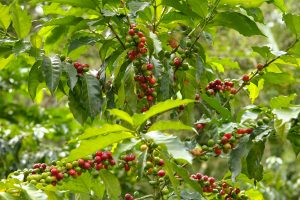
One of the most celebrated cultural activities in Materuni is the traditional coffee tour. Coffee farming has long been central to the Chagga economy, and the process remains largely traditional. During a coffee tour, visitors are guided through each stage of production, from harvesting ripe coffee cherries to roasting beans over an open fire. Participation is encouraged, allowing guests to grind coffee using wooden tools and witness how much labor and care goes into a single cup.
These coffee tours are more than demonstrations; they are social events. Songs, laughter, and storytelling often accompany the process, creating a welcoming atmosphere that reflects Chagga hospitality. Sharing freshly brewed coffee at the end of the tour becomes a moment of connection, where visitors and hosts sit together, exchange experiences, and bridge cultural differences through simple conversation. This interactive approach leaves a lasting impression and deepens appreciation for local traditions.
Cultural values among the Chagga emphasize respect for elders, cooperation, and stewardship of land. These principles are evident in how tourism is managed around Metaruni Waterfalls. The community collectively oversees guiding services, trail maintenance, and visitor access, ensuring that benefits are shared fairly. This model of community-based tourism aligns with global sustainability ideals and helps protect both cultural heritage and natural resources.
Language also plays a key role in the cultural experience. While Swahili is widely spoken, many villagers also use the Chagga language in daily life. Guides often incorporate local phrases into their explanations, adding depth to the experience and highlighting linguistic diversity. Travelers who show interest in learning a few words are usually met with smiles and encouragement, reinforcing the sense of mutual respect.
Food is another important cultural expression in Materuni. Traditional meals often feature bananas, maize, beans, and locally grown vegetables, prepared in ways that have been passed down through generations. Some tours offer visitors the opportunity to taste local dishes or observe their preparation, providing insight into how agriculture, culture, and nutrition intersect. These culinary experiences complement the physical journey to the waterfall, engaging the senses beyond sight and sound.
Rituals and beliefs connected to nature also shape the cultural landscape. Water sources, forests, and mountains hold symbolic significance, and this reverence influences how the community interacts with its surroundings. While modern life has brought changes, many traditional beliefs continue to inform attitudes toward conservation and land use. Visitors who approach the area with curiosity and respect often gain a deeper understanding of these values through conversations with local guides.
Photography is a popular activity for visitors, but cultural sensitivity is essential. Guides typically advise when and where it is appropriate to take photos, particularly of people. Seeking permission before photographing individuals is considered respectful and aligns with local customs. This awareness fosters positive interactions and ensures that cultural exchange remains ethical and mutually beneficial.
For travelers seeking meaningful engagement, the cultural aspects of Metaruni offer a counterbalance to fast-paced tourism. Instead of rushing from one attraction to another, visitors are encouraged to slow down, listen, and participate. This approach resonates strongly with modern travel trends that prioritize authenticity and connection. It is also why a well-prepared metaruni waterfalls Tanzania Guide often emphasizes cultural immersion as a core component of the experience rather than an optional add-on.
Education is another area where tourism and culture intersect. Some community initiatives use tourism revenue to support local schools, health services, and infrastructure projects. Guides may explain how visitor fees contribute to these efforts, helping travelers understand the broader impact of their visit. This transparency builds trust and reinforces the idea that responsible tourism can be a force for positive change.
Seasonal events and community gatherings occasionally coincide with visitor trips, offering rare opportunities to witness celebrations, music, or dances rooted in Chagga tradition. While such events are not scheduled for tourism, respectful visitors who happen to be present may be invited to observe or participate. These moments provide powerful insights into communal life and shared identity.
The relationship between culture and landscape is especially evident during the walk to the waterfall. Trails pass through farmland and forest, blurring the line between natural and cultivated spaces. Guides often explain how land use decisions are made collectively, balancing agricultural needs with conservation. This perspective helps visitors see the waterfall not as an isolated attraction but as part of a living, working environment.
For many travelers, the cultural experience in Materuni becomes as memorable as the waterfall itself. Conversations with guides, participation in coffee-making, and observation of daily life leave impressions that extend beyond photographs. Such experiences encourage reflection on different ways of living and highlight common human values despite cultural differences.
As interest in experiential and cultural tourism grows, resources like a comprehensive metaruni waterfalls Tanzania Guide play an important role in setting expectations and promoting respectful behavior. By understanding the cultural context before arriving, visitors are better prepared to engage thoughtfully, avoid misunderstandings, and contribute positively to the community.
In essence, the cultural experience at Metaruni is about connection—between people and land, past and present, visitors and hosts. The Chagga tribe’s traditions, hospitality, and deep environmental knowledge enrich the journey to the waterfall, transforming it into a holistic experience. Travelers who embrace this cultural dimension leave not only with memories of a beautiful landscape but with a deeper appreciation for the community that sustains it.
📸 Best Time to Visit, Weather, Packing List & Photography Tips

A magnificent waterfall surrounded by trees with a lifesaving tube hanging from a rock
Planning the right time to visit Metaruni Waterfalls can significantly shape the quality of your experience. Weather patterns, seasonal changes, and even the time of day all influence how the landscape looks, how comfortable the hike feels, and how memorable your photographs turn out. Understanding these factors helps travelers prepare realistically and enjoy the destination at its best rather than being surprised by conditions on arrival.
The Kilimanjaro Region experiences a generally mild climate due to its elevation, but seasonal variations still play an important role. There are two main rainy seasons: the long rains from March to May and the short rains around November. During these periods, the surrounding vegetation becomes exceptionally lush, and Metaruni Waterfalls reaches its most powerful flow. The increased water volume creates dramatic scenery, misty air, and a thunderous sound that many visitors find breathtaking. However, trails can be muddy and slippery, making proper footwear and cautious walking essential.
The dry seasons, typically from June to October and from December to February, are the most popular times to visit. During these months, the weather is more stable, trails are easier to navigate, and visibility is generally better. Although the waterfall’s flow may be slightly reduced compared to the rainy season, it remains impressive year-round thanks to its mountain-fed water source. Travelers who prioritize comfort, safety, and clear skies often prefer this period, especially if combining the visit with other activities such as safaris or Mount Kilimanjaro treks.
Temperature is another important consideration. Daytime temperatures in Materuni Village usually range between 18°C and 25°C, making the hike pleasant for most visitors. Early mornings and late afternoons can feel cooler, particularly in shaded forest sections. The water at the base of the waterfall is cold throughout the year, so swimming is refreshing but may feel chilly for some. Light layers are ideal, allowing visitors to adjust easily as conditions change.
Time of day can also affect the experience. Morning visits are often quieter and cooler, with soft natural light that enhances both the landscape and photographs. Mist rising from the waterfall in the early hours can create a magical atmosphere, especially for nature lovers and photographers. Afternoon visits tend to be warmer and busier, but they still offer excellent views and a lively atmosphere. Planning ahead helps avoid peak times and ensures a more relaxed experience.
Packing appropriately is essential for a comfortable and enjoyable visit. Sturdy walking shoes or hiking sandals with good grip are highly recommended due to uneven terrain and potentially muddy paths. Lightweight, breathable clothing works well, along with a light jacket or long-sleeved shirt for cooler moments. A rain jacket is advisable during wetter months, even if rain is not forecast, as mountain weather can change quickly.
Other useful items include a small backpack, reusable water bottle, sunscreen, and insect repellent. While the hike is not extremely long, staying hydrated is important, especially at higher elevations. Visitors planning to swim should bring a towel and a change of clothes. Protecting electronics with waterproof bags is also wise, as mist from the waterfall can be surprisingly heavy.
Photography enthusiasts will find Metaruni Waterfalls particularly rewarding. The contrast between green vegetation, dark rock faces, and white cascading water creates striking compositions. Wide-angle lenses are ideal for capturing the full height of the waterfall, while zoom lenses help isolate details such as flowing water and surrounding foliage. Tripods can be useful in low-light conditions, especially in shaded forest areas, but they should be used carefully on narrow trails.
Lighting plays a crucial role in photography. Overcast days during the rainy season can produce soft, even light that reduces harsh shadows and enhances colors. Sunny days offer vibrant contrast but may create strong highlights and shadows around midday. Positioning yourself thoughtfully and adjusting camera settings can help manage these challenges. Early morning and late afternoon generally provide the most flattering natural light.
Respect for the environment and local customs should always guide photography practices. Asking permission before photographing people is essential, and guides can advise on appropriate moments and locations. Staying on designated paths protects vegetation and ensures safety. Responsible behavior not only preserves the area but also contributes to positive relationships between visitors and the community.
Understanding seasonal differences and preparation needs is a key reason many travelers consult a detailed metaruni waterfalls Tanzania Guide before planning their trip. Such resources help align expectations with reality, reducing the risk of discomfort or disappointment. They also encourage visitors to pack thoughtfully and plan visits in harmony with local conditions rather than against them.
Weather conditions can also influence wildlife sightings along the trail. Birds are active throughout the year, but lush conditions during rainy seasons may increase visibility and diversity. Insects are more common during warmer, wetter months, making repellent particularly useful. Being aware of these small details enhances overall comfort and enjoyment.
For travelers combining Metaruni with other destinations, seasonal planning becomes even more important. Aligning the waterfall visit with safari seasons, mountain climbs, or cultural festivals can create a balanced and enriching itinerary. The Kilimanjaro Region offers diverse experiences, and timing them well maximizes value and satisfaction.
Many experienced travelers note that flexibility is one of the most valuable assets when visiting natural attractions. Weather forecasts are helpful but not always precise in mountainous areas. Approaching the visit with patience and adaptability often leads to unexpected rewards, such as dramatic cloud formations or sudden bursts of sunlight illuminating the waterfall.
This balanced approach to planning is often emphasized in a reliable metaruni waterfalls Tanzania Guide, which encourages travelers to see seasonal variation not as a limitation but as part of the destination’s character. Each time of year offers a slightly different perspective, making repeat visits uniquely rewarding.
In conclusion, choosing the best time to visit Metaruni Waterfalls depends on personal preferences, priorities, and travel plans. By understanding weather patterns, packing appropriately, and approaching photography with care and respect, visitors can fully appreciate the beauty and atmosphere of the area. Thoughtful preparation transforms a simple visit into a memorable experience, allowing the waterfall and its surroundings to be enjoyed comfortably and responsibly in any season.
💰 Costs, Entry Fees, Tour Packages & Travel Tips for Visitors

Understanding the costs and practical details of visiting Metaruni Waterfalls is an essential part of trip planning, especially for travelers who want a smooth, transparent, and stress-free experience. Unlike large national parks with fixed government pricing, access to Metaruni Waterfalls is managed at the community level. This means fees are structured to support local livelihoods, conservation efforts, and visitor safety rather than mass tourism infrastructure. Knowing how these costs are organized helps visitors appreciate where their money goes and why responsible payment matters.
Entry fees to Metaruni Waterfalls typically include several components bundled together. These usually cover village entry, a mandatory local guide, and conservation contributions. While prices can vary slightly depending on season and group size, visitors should expect a reasonable and fair rate compared to similar cultural and nature experiences in the region. The inclusion of a guide is not only a safety measure but also a cultural asset, as guides provide context, storytelling, and local knowledge that significantly enhance the visit.
Many travelers rely on a trusted metaruni waterfalls Tanzania Guide to get a clear idea of current costs before arrival, as this reduces the risk of misunderstandings or unrealistic expectations. Transparent pricing builds trust between visitors and the community, reinforcing the sustainable tourism model that Materuni Village is known for. Visitors are encouraged to carry cash, as card payment facilities are limited in rural areas.
Tour packages are a popular option for those who prefer convenience and structure. These packages are often offered by local tour operators, hotels in Moshi, or community-based organizations within Materuni Village itself. A typical package may include transportation from Moshi, guided hiking to the waterfall, a cultural coffee tour, and sometimes a traditional lunch. Bundling these activities together often provides better value than paying for each component separately, while also saving time and logistical effort.
Prices for tour packages vary depending on inclusions, group size, and level of service. Private tours naturally cost more but offer flexibility in timing and pace, while group tours are more budget-friendly and provide a social experience. Travelers should clarify what is included—such as transport, meals, and entrance fees—before booking to avoid surprises. Clear communication with operators is key to ensuring the package aligns with personal preferences and budget.
Beyond official fees, visitors should also consider tipping as part of their budget. While not mandatory, tipping local guides is appreciated and seen as recognition of good service. Tips contribute directly to household income and are a meaningful way to support the community. The amount is discretionary, but offering something fair based on satisfaction and duration of the tour is generally well received.
Practical travel tips can make a noticeable difference in overall experience. Arriving early in the day helps avoid crowds and allows for a more relaxed pace. Wearing appropriate footwear reduces the risk of slipping on uneven or muddy trails. Carrying small denominations of cash simplifies payments for fees, tips, or small local purchases. These small considerations collectively contribute to a smoother visit.
Accommodation choices also influence budgeting. Many travelers stay in Moshi, where a wide range of lodging options is available. From there, Metaruni Waterfalls can be visited as a half-day or full-day excursion. Some visitors choose to stay closer to the village in eco-lodges or homestays, which can provide deeper cultural immersion but may require advance booking. Factoring accommodation location into transport costs helps create a more accurate travel budget.
Responsible spending is an important theme in community-based tourism. Fees collected at Metaruni contribute to trail maintenance, guide training, and community projects such as education and healthcare support. Understanding this impact often changes how visitors perceive costs, shifting focus from price alone to value and contribution. This perspective is frequently highlighted in a well-prepared metaruni waterfalls Tanzania Guide, which emphasizes ethical travel alongside practical planning.
Travelers should also be aware of what costs are not included. Personal expenses such as snacks, bottled drinks, souvenirs, or additional activities may require extra payment. While local vendors occasionally sell handmade items or fresh produce, choices are limited, reinforcing the importance of planning ahead. Bringing reusable water bottles and minimizing waste aligns with environmental values promoted by the community.
Safety and health considerations are another indirect cost factor. Travel insurance that covers hiking activities is recommended, especially for international visitors. While the hike is moderate, uneven terrain and changing weather mean preparation is important. Guides are trained in basic safety procedures, but personal responsibility remains essential.
From a broader planning perspective, aligning costs with expectations prevents disappointment. Travelers seeking luxury services should confirm availability in advance, while those traveling on a tight budget may benefit from group tours or shared transport. Flexibility often leads to better deals and more authentic experiences.
Digital planning tools and online research can be helpful, but they should be balanced with local advice on arrival. Prices listed online may not always reflect current conditions, seasonal changes, or community decisions. This is why many experienced travelers consult more than one source, including an updated metaruni waterfalls Tanzania Guide, before finalizing plans.
In conclusion, visiting Metaruni Waterfalls is both affordable and meaningful when approached with clear information and realistic expectations. Entry fees, tour packages, and additional costs are structured to support sustainable tourism while delivering genuine value to visitors. By budgeting thoughtfully, respecting local systems, and understanding where money flows, travelers can enjoy a rewarding experience that benefits both themselves and the community that makes this destination so special.
♻️ Responsible Tourism, Sustainability & Environmental Conservation at Metaruni

Responsible tourism is at the heart of the Metaruni experience, shaping how visitors interact with both the natura
l environment and the local community. Unlike mass-tourism destinations, Metaruni Waterfalls is managed through a community-led model that prioritizes long-term environmental health, cultural preservation, and shared economic benefits. This approach ensures that tourism remains a positive force rather than a disruptive one, protecting the area for future generations while offering visitors a meaningful and ethical travel experience.
Environmental conservation around Metaruni begins with controlled access. Visitor numbers are monitored through local coordination, and guided tours are mandatory to prevent damage to trails, vegetation, and water sources. This system reduces erosion, limits littering, and ensures that visitors stay within designated paths. The surrounding forest plays an important role in maintaining water flow and biodiversity, making its protection essential not only for tourism but also for local agriculture and daily life.
Local guides act as both protectors and educators. During hikes, they explain why certain areas are off-limits, how plant species are used traditionally, and what behaviors help preserve the ecosystem. These explanations encourage visitors to see conservation not as a restriction but as a shared responsibility. Many travelers note that this educational aspect adds depth to the visit and changes how they view natural attractions elsewhere. This philosophy is often highlighted in a well-structured metaruni waterfalls Tanzania Guide, where sustainability is treated as a core value rather than an afterthought.
Waste management is another key focus. Visitors are encouraged to carry reusable water bottles and take all non-organic waste back with them. Single-use plastics are discouraged, and guides actively remind groups to respect this principle. While facilities are limited in rural areas, community efforts have significantly reduced visible waste along trails and near the waterfall, preserving the area’s pristine appearance.
Cultural sustainability goes hand in hand with environmental care. Tourism income supports local livelihoods, reducing pressure to exploit natural resources unsustainably. By earning from guiding, cultural tours, and small-scale services, community members are incentivized to protect the landscape that attracts visitors. This economic balance strengthens local pride and reinforces traditional values connected to land stewardship.
Visitors also play a role in cultural conservation through respectful behavior. Simple actions such as asking permission before taking photos, dressing modestly in village areas, and listening attentively to guides foster positive relationships. These interactions help maintain trust between hosts and guests, ensuring that tourism remains welcome rather than intrusive.
Climate awareness is increasingly relevant in the Kilimanjaro Region. Changes in rainfall patterns affect water flow, agriculture, and trail conditions. Community leaders and guides often discuss these challenges with visitors, offering firsthand perspectives on how climate change is influencing daily life. Such conversations add a layer of realism and urgency to the travel experience, reminding visitors that natural beauty is closely tied to global environmental trends.
From a traveler’s perspective, choosing responsible operators makes a real difference. Booking tours that are locally owned or community-affiliated ensures that money stays within the village. This practice is frequently recommended in a reliable metaruni waterfalls Tanzania Guide, which encourages travelers to research operators and ask questions about how fees are distributed.
Education extends beyond the visit itself. Many travelers leave Metaruni with a renewed commitment to responsible travel elsewhere, applying lessons learned about waste reduction, cultural respect, and community engagement. In this way, the impact of a single visit can extend far beyond the destination, influencing broader travel habits.
Long-term sustainability also depends on adaptability. The community continues to refine guidelines, improve training, and collaborate with regional tourism bodies to balance growth with preservation. This ongoing effort reflects an understanding that sustainability is not static but requires continuous attention and adjustment.
Digital content and online resources play a supporting role in this process. Accurate, ethical information helps set expectations before visitors arrive, reducing harmful behaviors and misunderstandings. This is why comprehensive resources like a detailed metaruni waterfalls Tanzania Guide are valuable—not just for planning logistics, but for shaping responsible attitudes.
In summary, responsible tourism at Metaruni is a shared commitment between community and visitor. Through conservation practices, cultural respect, and ethical spending, tourism becomes a tool for protection rather than exploitation. Travelers who embrace these principles gain a richer, more meaningful experience while contributing to the preservation of one of Tanzania’s most beautiful and culturally significant destinations.
