

Explore Jane Goodall and Gombe, the heart of chimpanzee research and conservation. Discover tours, wildlife, and history in this iconic Tanzanian site.
1: Introduction to Jane Goodall and Gombe – The Birthplace of Modern Primate Research
https://nativesonexpeditions.com/tanzania-safari/
Jane Goodall and Gombe represent a landmark in wildlife research and conservation, particularly in the study of chimpanzees. Located in northwestern Tanzania along the shores of Lake Tanganyika, Gombe Stream National Park is a small but ecologically significant area, covering just 35 square kilometers. Despite its modest size, this park has had a monumental impact on our understanding of primates and their behavior. When Jane Goodall arrived in Gombe in 1960, she revolutionized the way humans perceive chimpanzees, observing them closely in their natural habitat and documenting their complex social structures, emotions, and tool use. This pioneering research laid the foundation for modern primatology and inspired global conservation efforts. Today, Jane Goodall and Gombe continue to serve as a symbol of dedicated scientific inquiry, conservation advocacy, and eco-tourism, drawing researchers, wildlife enthusiasts, and travelers from around the world to witness chimpanzees in their natural environment.
Gombe Stream National Park is not only a site of historical scientific significance but also a biodiverse sanctuary. The park’s unique geography, including steep valleys, dense tropical forests, and rivers cascading into Lake Tanganyika, creates an ideal habitat for chimpanzees as well as a variety of other wildlife, such as red colobus monkeys, bushbucks, warthogs, and over 200 species of birds. Jane Goodall’s meticulous observation methods demonstrated the intricate social bonds within chimpanzee communities, revealing behaviors such as tool-making, hunting cooperation, and emotional expressions previously thought to be uniquely human. These findings reshaped scientific discourse and challenged anthropocentric views of intelligence and society. Visitors to Gombe today can experience this remarkable environment firsthand, hiking through forested trails while listening to the calls of chimpanzees, witnessing behaviors that have fascinated researchers for decades. The presence of these primates in their natural setting allows travelers to appreciate the complexity and fragility of ecosystems, reinforcing the importance of wildlife preservation.
Tourism at Gombe is designed to be both educational and sustainable, ensuring that the impact on chimpanzees and their habitat remains minimal. Guided trekking tours allow visitors to observe chimpanzees from a respectful distance, under the supervision of trained guides who provide insights into the animals’ social structures, feeding habits, and interaction dynamics. These guided experiences highlight the core principles championed by Jane Goodall: respect for wildlife, careful observation, and conservation advocacy. Trekking in the humid forest, encountering wild chimpanzees and hearing the rustle of leaves or distant vocalizations, offers a deeply immersive and emotional experience. For many visitors, observing chimpanzees in their natural habitat is not only awe-inspiring but also serves as a poignant reminder of the interconnectedness of life and the importance of safeguarding biodiversity.
Jane Goodall’s influence extends far beyond her fieldwork at Gombe. Her commitment to conservation, ethical research, and environmental advocacy has resulted in the formation of the Jane Goodall Institute, an organization dedicated to wildlife protection, community-centered conservation, and youth education programs such as Roots & Shoots. These initiatives empower local communities and young people globally to participate in conservation efforts and environmental stewardship. Travelers visiting Gombe have the unique opportunity to witness the tangible results of these programs, from community engagement projects to habitat restoration initiatives that support the survival of chimpanzee populations. In this sense, a visit to Jane Goodall and Gombe is not only an encounter with wildlife but also an inspiring lesson in activism, ethics, and global responsibility toward nature.
Safety and sustainability measures are rigorously implemented at Gombe Stream National Park to ensure that tourism does not compromise the welfare of the chimpanzees or the integrity of the forest ecosystem. Visitor numbers are limited, trekking is carefully managed, and strict guidelines govern human interaction with wildlife. Additionally, ongoing research continues to monitor chimpanzee health, behavior, and population dynamics, providing valuable data that inform both conservation policy and eco-tourism practices. By combining scientific oversight with responsible tourism practices, Gombe has become a model for sustainable wildlife tourism, demonstrating how research, education, and recreation can coexist harmoniously. For couples, families, or solo travelers, experiencing this environment offers a unique combination of adventure, knowledge, and meaningful engagement with the natural world.
The natural beauty of Gombe is equally compelling. Lush forests, crystal-clear streams, and dramatic valleys provide breathtaking scenery, especially during sunrise and sunset when light filters through the dense canopy, casting vibrant patterns across the forest floor. Birdwatchers, nature photographers, and wildlife enthusiasts alike find the park visually enchanting, capturing moments that reflect both the ecological richness and the timeless charm of the Tanzanian wilderness. Jane Goodall’s original research camp, nestled in a forested enclave, offers a historical touchpoint, allowing visitors to imagine the pioneering spirit and patience required to observe chimpanzees in their natural environment. Experiencing these surroundings fosters a deep appreciation for the environment and the delicate balance that sustains both humans and wildlife.
Educational programs at Gombe provide visitors with a contextual understanding of the park’s history, ecology, and conservation importance. Exhibits, interpretive walks, and lectures by park guides explain not only the behavior of chimpanzees but also broader ecological principles, such as forest regeneration, species interactions, and human-wildlife coexistence. Engaging with these educational opportunities enriches the visit, transforming it from a simple sightseeing trip into an immersive learning experience. For students, researchers, and curious travelers, witnessing firsthand the application of Jane Goodall’s methodologies enhances comprehension of ethology and ecology while inspiring a commitment to conservation efforts globally.
In conclusion, the combination of scientific significance, ecological diversity, and sustainable tourism practices makes Jane Goodall and Gombe a must-visit destination for travelers interested in wildlife, research history, and conservation. From observing chimpanzee communities in their natural habitat to exploring lush forests, hiking along scenic trails, and learning about global conservation initiatives, a trip to Gombe offers a rich tapestry of experiences that inform, inspire, and delight. Visitors leave with not only memories of close encounters with some of our closest relatives in the animal kingdom but also a renewed sense of responsibility toward protecting the environment and supporting ethical conservation practices. The legacy of Jane Goodall continues to thrive here, making every visit to Gombe a journey into both the natural world and the enduring impact of one remarkable individual.
External References (Authoritative Sources):
-
Jane Goodall Institute – Gombe Research: https://www.janegoodall.org/our-work/research/
-
Tanzania National Parks – Gombe Stream National Park: https://www.tanzaniaparks.go.tz
-
National Geographic – Jane Goodall and Gombe: https://www.nationalgeographic.com/animals/article/jane-goodall-chimpanzees
2: Chimpanzee Behavior and Research Insights – Understanding Our Closest Relatives
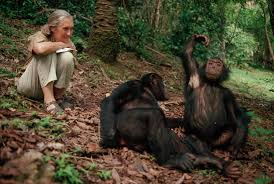
The groundbreaking research conducted at Jane Goodall and Gombe has fundamentally transformed our understanding of chimpanzees and their intricate social lives. Before Jane Goodall arrived at Gombe Stream National Park in 1960, conventional wisdom held that humans were uniquely capable of complex tool use, emotional expression, and social interaction. Through patient observation and innovative methodologies, Goodall demonstrated that chimpanzees not only use tools but also possess sophisticated communication skills, problem-solving abilities, and social hierarchies that parallel aspects of human societies. This realization redefined the boundaries of primatology and highlighted the moral imperative of conservation, emphasizing that the lives of chimpanzees are rich, meaningful, and deserving of protection.
Chimpanzees at Gombe live in communities known as “fission-fusion societies,” where group composition constantly changes depending on resource availability, mating opportunities, and social interactions. Goodall’s detailed records reveal that these communities maintain complex relationships through grooming, play, alliances, and even conflict resolution. Such behaviors illustrate that chimpanzees experience emotions akin to empathy, jealousy, and grief. Researchers and visitors alike are captivated by the depth of social engagement among these primates, which challenges anthropocentric assumptions and fosters a profound appreciation for our closest living relatives. For travelers and scholars visiting Jane Goodall and Gombe, witnessing these behaviors in a natural setting provides both scientific insight and emotional connection, creating a unique and transformative experience.
One of the most remarkable discoveries at Gombe was chimpanzee tool use. Jane Goodall observed individuals fashioning sticks to extract termites from mounds, a behavior previously thought to be exclusively human. This finding revolutionized the scientific understanding of primate intelligence and encouraged further studies into cognitive abilities across species. Beyond termite fishing, chimpanzees at Gombe have been documented using leaves as sponges to collect water, fashioning rudimentary weapons, and employing sophisticated hunting strategies for smaller mammals. These behaviors underscore the adaptive intelligence of chimpanzees and illustrate how environmental pressures, social learning, and innovation shape their lives. Tourists witnessing such behaviors gain a rare insight into animal cognition while reflecting on evolutionary connections between humans and primates.
Aggression and cooperation are also central elements of chimpanzee society. Goodall documented instances of territorial disputes, dominance struggles, and inter-community raids, as well as examples of nurturing behavior, alliance formation, and shared child-rearing. These complex dynamics are observed daily at Gombe, highlighting the delicate balance between conflict and cooperation that sustains community cohesion. Visitors, guided by experienced trackers and researchers, learn to interpret subtle cues such as vocalizations, facial expressions, and body language, enabling them to appreciate the depth of communication and the intelligence that underpins chimpanzee interactions. By understanding these patterns, travelers engage more meaningfully with the animals, fostering empathy and ethical awareness toward wildlife.
Diet and foraging behaviors provide another lens through which to study chimpanzees at Gombe. These primates consume a diverse diet of fruits, leaves, seeds, insects, and occasionally small mammals. Seasonal variations in food availability influence movement patterns, social gatherings, and reproductive cycles. Jane Goodall’s meticulous records of feeding behavior remain an invaluable resource for understanding ecological adaptation, inter-species interactions, and the environmental factors that shape primate life. For tourists trekking through the park, witnessing feeding behavior offers both educational enrichment and intimate wildlife encounters, bridging the gap between observation and comprehension. Such experiences underline why Jane Goodall and Gombe is considered an essential destination for anyone seeking to understand primate behavior in a natural context.
Longitudinal research at Gombe has also revealed the impacts of environmental change, human encroachment, and disease on chimpanzee populations. Studies have shown that habitat loss, poaching, and infectious diseases pose significant threats, necessitating coordinated conservation efforts. Jane Goodall and her institute have implemented programs addressing these challenges, integrating local communities, sustainable tourism, and scientific monitoring. Visitors to Gombe witness the tangible effects of these efforts, from habitat restoration projects to educational outreach programs, gaining insight into the complex interplay between wildlife preservation, human activity, and ecological stewardship. By seeing conservation in action, travelers develop a deeper understanding of their role as responsible visitors and advocates for environmental protection.
Chimpanzee observation at Gombe also emphasizes the value of patience, empathy, and ethical engagement. Visitors are taught to maintain respectful distances, minimize disturbances, and follow guidelines established by the Jane Goodall Institute and Tanzanian authorities. The experience of quietly observing chimpanzees for hours, noting their social interactions, and witnessing subtle behaviors fosters mindfulness and reflection. For many, these encounters inspire a lifelong interest in primatology, environmental science, and sustainable tourism practices. The combination of educational depth, ethical standards, and immersive natural experiences distinguishes Jane Goodall and Gombe as a premier destination for both learning and adventure.
In addition to direct observation, visitors can explore the historical and scientific significance of Gombe through guided tours of Jane Goodall’s original research camp, interpretive exhibits, and interactive presentations. These resources contextualize the discoveries made over six decades of research, highlighting how dedication, innovation, and ethical considerations shaped the field of primatology. Travelers gain an appreciation for the rigor and compassion that underpin Goodall’s work, reinforcing the enduring legacy of her discoveries and the continued relevance of conservation science. By combining firsthand wildlife encounters with educational experiences, Gombe ensures that visitors leave with knowledge, inspiration, and a strengthened commitment to preserving biodiversity.
Finally, the ongoing scientific initiatives at Gombe demonstrate the synergy between research, conservation, and eco-tourism. Data collected on behavior, health, and environmental change inform both academic studies and practical conservation strategies, ensuring that chimpanzee populations remain viable for generations to come. Tourists participating in guided treks and educational programs contribute indirectly to these efforts through park fees and donations, making their travel experience impactful beyond personal enjoyment. This integration of research, education, and ethical tourism exemplifies why Jane Goodall and Gombe remains a model for sustainable wildlife engagement and a bucket-list destination for global travelers.
External References (Authoritative Sources):
-
Jane Goodall Institute – Chimpanzee Research: https://www.janegoodall.org/our-work/research/
-
National Geographic – Jane Goodall’s Observations: https://www.nationalgeographic.com/animals/article/jane-goodall-chimpanzees
-
Tanzania National Parks – Gombe Stream: https://www.tanzaniaparks.go.tz
3: Conservation Efforts and Community Engagement at Gombe – Protecting Chimpanzees and Their Habitat
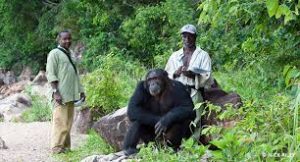
One of the most important aspects of Jane Goodall and Gombe is its ongoing contribution to conservation and the empowerment of local communities. The discoveries made by Jane Goodall over six decades ago not only expanded scientific understanding but also highlighted the fragility of chimpanzee populations and their forested habitats. Recognizing that the survival of these primates depends on both environmental preservation and human cooperation, the Jane Goodall Institute has implemented numerous programs aimed at habitat protection, anti-poaching measures, and community development initiatives. Visitors to Gombe today can witness firsthand how conservation science, ethical tourism, and local engagement converge to protect wildlife while improving the lives of people living near the park.
Habitat conservation at Gombe is a continuous effort due to the pressures of deforestation, agricultural expansion, and climate change. Forest restoration projects, reforestation initiatives, and careful monitoring of chimpanzee territories ensure that the delicate ecosystem remains viable for future generations. Rangers and researchers work closely to track chimpanzee movements, monitor health indicators, and mitigate human-wildlife conflicts, providing critical data that inform both local and global conservation policies. Tourists who visit Gombe contribute to these efforts through park entry fees, donations, and participation in guided experiences, making their travel experience meaningful beyond personal enjoyment. By visiting Jane Goodall and Gombe, travelers support a legacy of science-driven conservation that has saved countless chimpanzees and safeguarded their natural habitat.
Community engagement is another cornerstone of Gombe’s conservation strategy. The Jane Goodall Institute’s Roots & Shoots program encourages local youth to participate in environmental stewardship, education, and sustainable livelihood projects. By involving schools, families, and local leaders, these programs foster a culture of conservation that extends beyond the park boundaries. Communities are trained in sustainable agriculture, eco-tourism management, and anti-poaching advocacy, ensuring that the economic and social benefits of conservation are shared equitably. For visitors, understanding these initiatives provides insight into the complex relationship between human development and wildlife preservation, emphasizing the ethical dimension of eco-tourism. Observing these programs in action at Jane Goodall and Gombe demonstrates how conservation can be both scientifically effective and socially empowering.
Anti-poaching measures remain a critical component of protecting Gombe’s chimpanzees. Although chimpanzees are legally protected under Tanzanian law, threats such as illegal hunting and habitat encroachment persist. Trained rangers patrol the park, using tracking technology, community reporting, and strategic partnerships to prevent poaching incidents. These efforts are complemented by educational outreach to local communities, explaining the ecological and ethical importance of preserving chimpanzees and their habitats. Tourists benefit from these measures because they ensure safe, ethical encounters with wildlife while supporting long-term sustainability. Observing chimpanzees in their natural habitat under secure and responsible conditions is a highlight of visiting Jane Goodall and Gombe, demonstrating how ethical management practices can coexist with tourism.
Scientific research continues to play a central role in conservation at Gombe. Ongoing studies on chimpanzee health, reproductive behavior, and social dynamics help researchers identify trends and potential threats to populations. Collaborations with international universities and conservation organizations amplify the impact of these findings, influencing global policies on endangered species protection. Visitors who participate in guided treks often receive explanations of current research, learning how their presence and contributions support the ongoing mission of preserving one of our closest relatives. This integration of research, observation, and education makes Gombe an unparalleled destination for travelers seeking not just adventure but also meaningful engagement with conservation science.
Education for visitors is also emphasized at Gombe. Guided tours include detailed explanations of chimpanzee behavior, ecological relationships, and the history of Jane Goodall’s research. Interpretive centers and signage offer context on the park’s biodiversity, challenges faced by wildlife, and steps taken to mitigate threats. Tourists gain awareness of the broader environmental implications of human activity, fostering a sense of responsibility and global citizenship. By linking observation with education, Jane Goodall and Gombe ensures that visitors leave not only with unforgettable memories but also with knowledge and understanding of conservation challenges and successes.
Eco-tourism practices at Gombe are carefully designed to minimize environmental impact while maximizing educational and experiential value. Visitor numbers are capped, and trekking is regulated to prevent habitat degradation and stress to wildlife. Lodges and camps utilize sustainable energy sources, water conservation measures, and waste management systems, reinforcing the park’s commitment to environmental stewardship. Travelers experience the beauty and authenticity of Gombe without compromising its ecological integrity, exemplifying the principles of responsible tourism. Engaging in eco-friendly practices allows visitors to contribute actively to conservation, making their trip impactful both personally and environmentally.
Partnerships with local and international organizations strengthen conservation efforts at Gombe. Collaborations with groups such as the African Wildlife Foundation, National Geographic Society, and the Tanzanian government enhance funding, research, and global awareness. These alliances support reforestation, anti-poaching, and educational initiatives, ensuring that conservation gains are sustained and expanded over time. Tourists can witness the tangible benefits of these partnerships during their visit, understanding how global cooperation translates into real-world environmental protection. The ongoing success of Jane Goodall and Gombe demonstrates the synergy between science, community, and responsible tourism in preserving endangered species.
Finally, conservation at Gombe emphasizes the interconnectedness of humans, wildlife, and the environment. By combining rigorous scientific research, sustainable tourism, and community development, the park creates a model for holistic conservation. Visitors who participate in these experiences gain profound insights into the ethical, ecological, and social dimensions of protecting endangered species. Experiencing Jane Goodall and Gombe is therefore not only a journey into the world of chimpanzees but also a lesson in the responsibilities humans bear toward nature and each other. The conservation efforts in Gombe exemplify how deliberate, informed, and compassionate action can safeguard the natural world while enriching human understanding and connection.
External References (Authoritative Sources):
-
Jane Goodall Institute – Conservation Programs: https://www.janegoodall.org/our-work/conservation/
-
African Wildlife Foundation – Tanzania Conservation: https://www.awf.org/places/tanzania
-
Tanzania National Parks – Community Initiatives: https://www.tanzaniaparks.go.tz
4: Visiting Gombe – Trekking and Tourism Experience
Visiting Jane Goodall and Gombe offers travelers an extraordinary opportunity to immerse themselves in one of the most unique wildlife experiences in the world. Gombe Stream National Park, located on the western shores of Lake Tanganyika in Tanzania, is both a historical and ecological treasure. With its lush tropical forests, steep valleys, and crystal-clear streams, the park provides a pristine habitat for chimpanzees and other wildlife while also serving as the site of Jane Goodall’s pioneering research. A visit to Gombe is not simply a sightseeing adventure; it is a deeply educational, transformative, and ethically guided journey that allows travelers to witness the behavior of chimpanzees in their natural environment while learning about conservation, ecology, and local culture.
The trekking experience at Gombe is one of the most iconic aspects of visiting the park. Unlike traditional safaris on open plains, trekking through dense forest trails requires physical stamina, patience, and attentiveness. Guided by highly trained trackers and park rangers, tourists hike through steep valleys and winding trails in search of chimpanzee communities. The thrill of spotting chimpanzees in the wild, observing them feed, groom, or play, is unmatched in wildlife tourism. Guides provide detailed insights into chimpanzee behavior, social interactions, and communication patterns, enhancing the educational value of each trek. This hands-on experience allows travelers to appreciate firsthand the dedication and meticulous observation that Jane Goodall employed in her groundbreaking research. For many, seeing the chimpanzees in their natural habitat is a life-changing experience, highlighting both the intelligence of these primates and the importance of conservation.
Accommodations and logistics are essential for making a Gombe visit comfortable and enriching. While the park does not offer large resorts, there are several eco-lodges and camps that provide comfortable stays with minimal environmental impact. These lodges emphasize sustainability through solar power, rainwater harvesting, and careful waste management, reflecting the conservation ethos of Jane Goodall and Gombe. Staying at these accommodations allows visitors to be close to the forest, providing early morning and evening opportunities for wildlife observation. Many lodges also offer educational talks, interpretive walks, and cultural exchanges with local communities, adding depth and context to the trekking experience. These immersive stays ensure that visitors gain both comfort and a meaningful connection to the natural and human landscapes of Gombe.
Trekking tours are carefully regulated to protect the chimpanzees and their habitat. Visitor numbers are limited each day, and treks follow strict guidelines regarding distance, noise, and interaction. Each trekking group is assigned a guide who is trained in chimpanzee behavior and forest ecology, ensuring that tourists observe wildlife safely and responsibly. These measures minimize stress on the animals while maximizing educational and emotional impact for visitors. Additionally, trekking often involves observation from elevated platforms or clearings where chimpanzees feel unthreatened, allowing travelers to capture memorable photographs while maintaining ethical standards. Through these practices, Jane Goodall and Gombe offers a model for responsible wildlife tourism that balances access, education, and protection.
Apart from chimpanzee observation, Gombe Stream National Park provides opportunities to explore the broader ecosystem. Birdwatching is popular due to the park’s over 200 bird species, including hornbills, sunbirds, and kingfishers. Botanical enthusiasts can study the park’s diverse flora, from tropical hardwoods to medicinal plants traditionally used by local communities. Trekking trails often pass waterfalls, streams, and scenic viewpoints overlooking Lake Tanganyika, offering additional layers of natural beauty and photographic opportunities. For eco-tourists, combining wildlife observation with exploration of the park’s ecological richness creates a holistic and unforgettable experience. This diversity of activities reinforces why Jane Goodall and Gombe is regarded as a destination that appeals to both adventure seekers and nature enthusiasts.
Cultural engagement enhances the tourism experience at Gombe. Local communities living near the park often interact with visitors through guided village tours, demonstrations of traditional crafts, and cultural storytelling. These interactions provide insight into the symbiotic relationship between people and the environment, highlighting how conservation efforts are supported by education and sustainable livelihoods. Travelers learn about the importance of local knowledge in forest management, chimpanzee protection, and environmental stewardship. By witnessing the integration of human culture and conservation, visitors gain a deeper appreciation for the ethical principles underpinning Jane Goodall and Gombe and the role of community involvement in sustaining both wildlife and cultural heritage.
Practical considerations for visiting Gombe include arranging permits, understanding trekking difficulty, and preparing for the tropical climate. Visitors should wear appropriate trekking gear, including sturdy footwear, long pants, and insect protection, and carry sufficient water and snacks. Early morning treks are ideal for observing chimpanzees, as this is when they are most active. Booking guided treks and accommodations in advance is essential due to limited capacity, ensuring a safe, organized, and enriching experience. National park authorities and the Jane Goodall Institute provide clear guidelines and resources for tourists, making it easier for visitors to plan responsibly and enjoyably. By following these guidelines, travelers maximize their experience while upholding ethical standards and supporting conservation initiatives.
Photography and storytelling are integral parts of the Gombe experience. Capturing images of chimpanzees, forest landscapes, and Lake Tanganyika vistas allows travelers to preserve memories and share the wonder of the park with wider audiences. Many eco-tourists use these photos to raise awareness about conservation and to inspire responsible travel. Guides often provide tips for photographing wildlife ethically, ensuring minimal disturbance to the animals while achieving visually stunning results. This balance between documentation and respect for nature is a hallmark of tourism at Jane Goodall and Gombe, fostering mindfulness and appreciation for the delicate ecosystems present in the park.
Finally, visiting Gombe offers both personal enrichment and global significance. Tourists leave with not only memories of seeing chimpanzees in the wild but also a profound understanding of conservation, scientific research, and ethical eco-tourism. The experience embodies the vision of Jane Goodall, whose pioneering work demonstrated that humans and wildlife can coexist through observation, respect, and protection. Trekking in Gombe allows travelers to become part of this legacy, contributing indirectly to conservation funding and advocacy while gaining insights that may inspire future action in environmental stewardship. By combining adventure, education, and ethical engagement, Jane Goodall and Gombe provides an unparalleled tourism experience that resonates long after the visit ends.
External References (Authoritative Sources):
-
Jane Goodall Institute – Visiting Gombe: https://www.janegoodall.org/visit-gombe/
-
Tanzania National Parks – Tourism Info: https://www.tanzaniaparks.go.tz
-
Lonely Planet – Gombe Stream National Park Travel Guide: https://www.lonelyplanet.com/tanzania/gombe-stream-national-park
5: Legacy and Future of Jane Goodall and Gombe – Inspiring Generations of Conservationists
The legacy of Jane Goodall and Gombe extends far beyond the boundaries of Gombe Stream National Park. Over six decades ago, Jane Goodall’s groundbreaking observations of chimpanzees revolutionized the scientific understanding of primates and their social complexity, reshaping anthropology, ethology, and conservation. Her meticulous research not only revealed the intelligence, emotion, and tool-using abilities of chimpanzees but also challenged long-held assumptions about the uniqueness of human beings. The park itself, nestled along Lake Tanganyika in Tanzania, became a symbol of dedicated field research, ethical engagement with wildlife, and the transformative power of persistent observation. Today, Gombe continues to be a living laboratory where science, conservation, and education intersect, ensuring that Jane Goodall’s vision inspires both visitors and future generations of conservationists worldwide.
Education and outreach have become central to the ongoing influence of Jane Goodall and Gombe. The Jane Goodall Institute and its Roots & Shoots program engage local communities and youth globally in conservation and sustainability initiatives. These programs emphasize environmental stewardship, wildlife protection, and ethical interaction with nature. Visitors to Gombe have the opportunity to witness these efforts in practice, observing local students and community members participating in reforestation, habitat preservation, and educational campaigns about chimpanzee welfare. The integration of education with tourism enhances the visitor experience, fostering understanding and empathy for the challenges faced by wildlife and the vital role humans play in safeguarding natural habitats. By showcasing the link between research, conservation, and education, Jane Goodall and Gombe serves as a model for global environmental responsibility.
Scientific research remains a cornerstone of the park’s future. Long-term monitoring programs track chimpanzee populations, their social structures, health, and adaptation to environmental changes. Insights gained from these studies inform global conservation strategies and contribute to broader knowledge about primate behavior, evolution, and ecological dynamics. Collaboration with universities, research organizations, and international conservation agencies amplifies the impact of findings from Gombe, turning the park into a hub for both academic inquiry and practical conservation. Visitors engaged in guided treks or educational programs gain firsthand understanding of these initiatives, witnessing the direct connection between observation, data collection, and real-world conservation outcomes. By participating in this immersive learning environment, tourists contribute indirectly to the ongoing protection of chimpanzees and their habitat.
The environmental challenges facing Gombe today emphasize the critical importance of conservation. Habitat loss, climate change, disease, and human encroachment threaten chimpanzee populations and forest ecosystems. In response, Jane Goodall and Gombe has implemented comprehensive strategies that integrate ecological monitoring, anti-poaching enforcement, and community empowerment. Local communities are provided with alternatives to unsustainable practices, such as eco-tourism employment, sustainable agriculture, and environmental education programs. By addressing both environmental and social dimensions of conservation, Gombe ensures the long-term survival of chimpanzees while fostering economic and educational benefits for people living near the park. Visitors learn about these initiatives in detail, gaining insight into the complex interplay between human societies and wildlife conservation, and leaving with an appreciation for the multifaceted nature of environmental stewardship.
Eco-tourism continues to be a vital element in the future sustainability of Gombe. Regulated trekking experiences, limited visitor numbers, and ethical observation guidelines protect chimpanzees while providing transformative wildlife encounters. Lodges and camps emphasize environmentally responsible practices, including solar energy, water conservation, and waste management. Tourists contribute directly to conservation funding through park fees, donations, and participation in educational activities, creating a symbiotic relationship between travel and ecological preservation. The tourism model at Gombe demonstrates that economic development and environmental protection are not mutually exclusive but can be effectively aligned for mutual benefit. Experiencing Jane Goodall and Gombe allows travelers to become part of this living model of sustainable, responsible, and impactful tourism.
The park also plays a pivotal role in global conservation awareness. Jane Goodall’s work has inspired millions around the world to engage in environmental activism, scientific research, and wildlife protection. Gombe serves as a tangible testament to the power of observation, patience, and ethical engagement with nature. Visitors leave with not only memories of witnessing chimpanzees in their natural habitat but also a renewed commitment to environmental responsibility and advocacy. The park’s influence extends from local communities to international audiences, creating a ripple effect that underscores the significance of dedicated conservation efforts. By visiting Jane Goodall and Gombe, travelers become ambassadors for wildlife protection, education, and sustainable interaction with nature.
Looking toward the future, Gombe aims to expand its role in conservation science, environmental education, and eco-tourism. New research projects continue to explore chimpanzee health, social structures, and adaptation to climate change, while educational programs target both local and global audiences. Partnerships with universities, conservation organizations, and government agencies enhance resource sharing, capacity building, and policy development, ensuring that Gombe remains at the forefront of ethical wildlife research and protection. The integration of science, community, and tourism provides a replicable model for other conservation areas around the world, demonstrating how careful planning, ethical standards, and public engagement can safeguard endangered species and fragile ecosystems. Visitors participating in this journey witness the evolution of conservation practices over decades and contribute, even indirectly, to the enduring legacy of Jane Goodall.
Finally, the enduring impact of Jane Goodall and Gombe is both personal and global. Visitors are not only inspired by the sight of chimpanzees in their natural habitat but also by the story of one woman’s dedication to science, compassion, and conservation. The park embodies the principles of ethical research, environmental responsibility, and human-animal interconnectedness. Every trek, educational session, and interaction with local communities reinforces the importance of patience, observation, and advocacy in preserving biodiversity. For future generations, Gombe remains a beacon of hope, scientific inquiry, and ethical tourism, ensuring that the lessons of Jane Goodall continue to inspire, educate, and protect for decades to come. A visit to Gombe is therefore a journey into the past, present, and future of wildlife conservation, leaving an indelible mark on the hearts and minds of all who experience it.
External References (Authoritative Sources):
-
Jane Goodall Institute – Legacy and Future: https://www.janegoodall.org/our-work/legacy/
-
National Geographic – Jane Goodall’s Conservation Impact: https://www.nationalgeographic.com/animals/article/jane-goodall-chimpanzees
-
Tanzania National Parks – Gombe Conservation Efforts: https://www.tanzaniaparks.go.tz
