

Explore Gombe vs Mahale National Park in Tanzania. Compare chimpanzee trekking, landscapes, accessibility, accommodation, and wildlife to choose the best primate safari experience.
1. Overview of Gombe vs Mahale National Park: A Tanzania Chimpanzee Experience Comparison
https://nativesonexpeditions.com/tanzania-safari/
When travelers plan a primate-focused safari in Tanzania, two destinations stand out above all others: Gombe Stream National Park and Mahale Mountains National Park. Both parks are globally renowned for their chimpanzee populations, pristine forest ecosystems, and deep historical significance in primate research. However, despite their shared focus on chimpanzee trekking, the experience offered by each park is distinctly different. This comprehensive comparison of Gombe vs Mahale National Park is designed to help travelers, researchers, and wildlife enthusiasts make informed decisions when choosing between these two extraordinary Tanzanian destinations.
Located in western Tanzania along the shores of Lake Tanganyika, both Gombe and Mahale are remote, protected areas accessible primarily by boat and small aircraft. Their isolation has played a crucial role in preserving their ecosystems and maintaining low visitor numbers, which contributes to a more exclusive and intimate wildlife experience. When evaluating Gombe vs Mahale National Park, accessibility, park size, biodiversity, accommodation, and overall visitor experience are among the most important factors to consider.
Gombe Stream National Park is Tanzania’s smallest national park, covering approximately 52 square kilometers. Despite its size, Gombe holds immense scientific importance due to the groundbreaking research conducted by Dr. Jane Goodall, whose work transformed global understanding of chimpanzee behavior. Visitors to Gombe are often drawn by its historical legacy and the opportunity to track habituated chimpanzees in steep forested valleys overlooking Lake Tanganyika. In the comparison of Gombe vs Mahale National Park, Gombe is frequently described as intimate, research-oriented, and historically rich.
In contrast, Mahale Mountains National Park spans over 1,600 square kilometers, making it one of the largest protected forest ecosystems in Tanzania. Mahale is home to one of Africa’s largest populations of wild chimpanzees, with over 1,000 individuals living in the park. The scale of Mahale dramatically influences the visitor experience, offering vast landscapes, untouched beaches, dense rainforests, and mountain backdrops. When analyzing Gombe vs Mahale National Park, Mahale is often considered more immersive, remote, and wilderness-focused.
One of the key distinctions in the Gombe vs Mahale National Park debate lies in visitor flow and exclusivity. Gombe’s proximity to the town of Kigoma makes it relatively easier to access, which can result in higher visitor numbers during peak seasons. Mahale, on the other hand, remains extremely remote, with limited accommodation options and stricter visitor controls. This ensures fewer tourists on chimpanzee treks, offering a quieter and more exclusive experience. Travelers seeking solitude often favor Mahale in the Gombe vs Mahale National Park comparison.
Biodiversity also plays an important role in differentiating the two parks. While both are best known for chimpanzees, Mahale supports a broader range of wildlife due to its size and ecological diversity. In Mahale, visitors may encounter red colobus monkeys, blue monkeys, bushbucks, forest birds, and rare plant species. Gombe, though smaller, still offers rich primate viewing and birdlife but on a more concentrated scale. This difference is critical when evaluating Gombe vs Mahale National Park for travelers interested in broader wildlife experiences.
The landscapes themselves further distinguish the two parks. Gombe’s terrain is characterized by steep valleys, narrow trails, and dense forest corridors leading down to the lake. Hiking in Gombe can be physically demanding but rewarding, offering close encounters with chimpanzees in dramatic natural settings. Mahale features rolling forested mountains, open woodland, and long stretches of sandy beaches along Lake Tanganyika. In the Gombe vs Mahale National Park comparison, Mahale is often praised for combining forest trekking with relaxation by the lake.
Another important factor in the Gombe vs Mahale National Park discussion is accommodation style. Gombe primarily offers mid-range and basic lodge options, reflecting its research-focused history and national park structure. Mahale is known for hosting some of Tanzania’s most exclusive eco-lodges, providing high-end comfort in a remote wilderness setting. This difference influences not only cost but also the overall travel experience and type of visitor each park attracts.
For official park information, conservation guidelines, and travel regulations, travelers should consult the Tanzania National Parks Authority and the Tanzania Tourism Board. These authoritative sources provide accurate, up-to-date details essential for planning visits to both parks and understanding the logistical differences highlighted in the Gombe vs Mahale National Park comparison.
In conclusion, while both parks offer world-class chimpanzee trekking within Tanzania, the choice between them depends on travel style, expectations, and budget. Gombe vs Mahale National Park is not a matter of which is better, but rather which experience aligns more closely with the traveler’s goals. Gombe delivers intimacy, history, and accessibility, while Mahale offers scale, exclusivity, and untouched wilderness. Understanding these foundational differences sets the stage for deeper comparisons in the sections that follow.
2. Accessibility and How to Get There: Gombe vs Mahale National Park
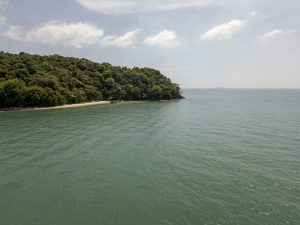
Drone shot of lake Tanganyika, Kigoma Tanzania
Accessibility is one of the most important factors when comparing Gombe vs Mahale National Park, especially for travelers planning a chimpanzee trekking safari in western Tanzania. Both parks are located along the remote eastern shores of Lake Tanganyika, far from Tanzania’s main safari circuit in the north. Their isolation contributes to their pristine nature but also presents logistical challenges that significantly shape the overall travel experience. Understanding how to reach each park is essential for choosing between Gombe vs Mahale National Park.
The journey to both parks typically begins with travel to Kigoma, a lakeside town in western Tanzania that serves as the primary gateway to Lake Tanganyika destinations. Kigoma can be reached by scheduled domestic flights from Dar es Salaam, Arusha, or Mwanza, operated by local airlines. Alternatively, adventurous travelers may choose to travel by train on the historic Central Line from Dar es Salaam, although this option is time-consuming and less predictable. In the context of Gombe vs Mahale National Park, Kigoma plays a crucial logistical role, as all routes to both parks pass through this town.
Gombe Stream National Park is widely regarded as the more accessible of the two parks. From Kigoma town, visitors reach Gombe by boat transfer, typically taking between 45 minutes and 1 hour depending on lake conditions. Public boats, chartered speedboats, and lodge-arranged transfers are all available. This relatively short and straightforward journey makes Gombe appealing to travelers with limited time or those seeking a less complex itinerary. When analyzing Gombe vs Mahale National Park, Gombe’s proximity to Kigoma is often cited as a major advantage.
In contrast, reaching Mahale Mountains National Park is considerably more challenging and time-intensive. After arriving in Kigoma, travelers must undertake a long boat journey of 4 to 6 hours south along Lake Tanganyika or arrange a light aircraft flight to nearby airstrips followed by a boat transfer. Weather conditions on the lake can significantly affect travel time, adding an element of unpredictability. This remoteness is a defining feature in the Gombe vs Mahale National Park comparison, shaping Mahale’s reputation as a true wilderness destination.
The difficulty of accessing Mahale directly impacts visitor numbers. Fewer travelers are willing or able to make the journey, resulting in a quieter, more exclusive experience. For those seeking solitude and immersion in nature, this challenge is often viewed as a benefit rather than a drawback. In the Gombe vs Mahale National Park debate, Mahale’s remoteness is frequently associated with higher-end tourism and longer stays, while Gombe caters more to shorter, logistically efficient visits.
Seasonality also plays a significant role in accessibility. During the rainy season, lake conditions can become rough, particularly affecting long boat journeys to Mahale. Flights may be delayed or rescheduled, and water levels can influence docking access. Gombe, due to its closer proximity to Kigoma, is less affected by seasonal disruptions. This reliability gives Gombe an edge in the Gombe vs Mahale National Park accessibility comparison, especially for travelers with fixed schedules.
Cost considerations further distinguish accessibility between the two parks. Boat transfers to Gombe are relatively affordable, while reaching Mahale often involves private charters or scheduled lodge flights, significantly increasing overall trip expenses. These costs extend beyond transportation, influencing accommodation pricing and minimum stay requirements. When comparing Gombe vs Mahale National Park, accessibility-related expenses are a major factor in determining suitability for different travel budgets.
Despite these challenges, the journey itself is part of the experience. Traveling along Lake Tanganyika offers breathtaking views, encounters with fishing villages, and a sense of stepping back in time. For many travelers, the effort required to reach either park enhances the sense of reward upon arrival. In the broader context of Gombe vs Mahale National Park, accessibility shapes expectations and contributes to the unique character of each destination.
For accurate transportation updates, park access rules, and travel planning advice, travelers should consult official sources such as the Tanzania National Parks Authority and the Tanzania Tourism Board. These platforms provide verified information that helps ensure safe and efficient travel to both parks without the risk of outdated or broken links.
In conclusion, accessibility is a defining difference in the Gombe vs Mahale National Park comparison. Gombe offers easier, quicker access and greater flexibility, making it ideal for travelers with limited time or moderate budgets. Mahale demands more effort, time, and resources, but rewards visitors with unparalleled isolation and wilderness immersion. Understanding these logistical realities allows travelers to align their expectations and choose the park that best fits their travel style.
3. Chimpanzee Trekking Experience: Gombe vs Mahale National Park
Chimpanzee trekking is the primary reason travelers venture into western Tanzania, and it is the heart of the comparison between Gombe vs Mahale National Park. While both parks offer world-class chimpanzee encounters, the trekking experience in each destination differs significantly in terms of terrain, group size, chimpanzee behavior, duration, and overall atmosphere. Understanding these differences is essential for travelers who want to choose the park that best matches their physical ability, expectations, and travel style.
In Gombe Stream National Park, chimpanzee trekking is highly structured and deeply rooted in decades of scientific research. The chimpanzees in Gombe are among the most habituated in Africa due to long-term studies initiated by Dr. Jane Goodall in the 1960s. This means that visitors often encounter chimpanzees at relatively close distances, observing detailed behaviors such as grooming, feeding, play, and social interactions. In the Gombe vs Mahale National Park comparison, Gombe is frequently praised for offering more predictable chimpanzee sightings.
Trekking in Gombe typically involves steep forested valleys, narrow trails, and frequent elevation changes. The hikes can be physically demanding despite the park’s small size. Rangers and guides lead small groups through dense vegetation, following vocalizations and movement patterns of chimpanzee families. Treks usually last between two and four hours, depending on the location of the chimpanzees. In the context of Gombe vs Mahale National Park, Gombe’s trekking is often described as intense but highly rewarding, especially for travelers interested in close behavioral observation.
By contrast, Mahale Mountains National Park offers a more expansive and immersive chimpanzee trekking experience. Mahale is home to one of the largest populations of wild chimpanzees in Africa, and its vast size means that chimpanzee groups roam across extensive forested mountains. Trekking in Mahale often involves longer hikes through varied terrain, including forest paths, woodland slopes, and river crossings. When comparing Gombe vs Mahale National Park, Mahale is generally considered more physically demanding but also more adventurous.
Chimpanzee encounters in Mahale tend to feel more raw and wilderness-oriented. Although the chimpanzees are habituated, they occupy a much larger natural range, and sightings can require longer tracking times. However, when encounters occur, they are often spectacular, with chimpanzees moving freely through the forest canopy and along mountain slopes. This sense of discovery and unpredictability is a defining feature of the Gombe vs Mahale National Park trekking comparison.
Group size regulations also influence the trekking experience. Both parks enforce strict limits on the number of visitors per chimpanzee group to minimize stress on the animals. However, Mahale’s remoteness naturally results in fewer trekkers overall. This often translates into quieter treks with fewer human distractions. In the Gombe vs Mahale National Park debate, Mahale is frequently favored by travelers seeking exclusivity and solitude, while Gombe suits those comfortable with a slightly more structured tourism environment.
Time spent with chimpanzees is regulated in both parks, usually limited to one hour once contact is made. This rule is designed to protect chimpanzee health and behavior. During this time, visitors are required to maintain a safe distance, avoid sudden movements, and follow strict hygiene protocols. These conservation-focused rules are a cornerstone of responsible tourism and apply equally in the Gombe vs Mahale National Park comparison.
The educational component of chimpanzee trekking also differs slightly between the two parks. In Gombe, guides often emphasize research history, individual chimpanzee identities, and long-term behavioral data. In Mahale, interpretation tends to focus more on ecological systems, forest dynamics, and the broader primate population. This difference appeals to different types of travelers and is an important consideration when choosing between Gombe vs Mahale National Park.
Seasonal conditions affect trekking experiences in both parks. During the dry season, trails are more accessible, and trekking conditions are easier. In the rainy season, forest paths can become slippery and challenging, particularly in Mahale’s mountainous terrain. However, lush vegetation and dramatic forest scenery during this time can enhance the visual experience. These seasonal variations influence trekking difficulty and success rates, further shaping the Gombe vs Mahale National Park comparison.
Health and safety considerations are taken very seriously in both parks. Visitors must be in good health, as chimpanzees share a high percentage of DNA with humans and are vulnerable to human illnesses. Park authorities may deny trekking access to visitors showing signs of illness. This strict approach reflects Tanzania’s strong conservation ethics and applies consistently in the Gombe vs Mahale National Park trekking experience.
For official trekking regulations, conservation guidelines, and visitor rules, travelers should consult the Tanzania National Parks Authority and additional primate tourism resources provided by the Tanzania Tourism Board. These official platforms ensure accurate, up-to-date information and help travelers prepare responsibly for chimpanzee trekking in both parks.
In conclusion, the chimpanzee trekking experience is the defining element in the Gombe vs Mahale National Park comparison. Gombe offers close, research-rich, and more predictable encounters in a compact environment, while Mahale delivers longer, more immersive treks in a vast wilderness setting. Both experiences are exceptional, but they cater to different traveler preferences. Choosing between them depends on whether one values accessibility and historical significance or scale and untamed natural immersion.
4. Accommodation and Cost Comparison: Gombe vs Mahale National Park
Accommodation style and overall cost play a major role when travelers decide between Gombe vs Mahale National Park. Although both parks are located in remote western Tanzania and offer intimate nature-based experiences, the type of accommodation available and the associated costs differ significantly. These differences influence not only budget considerations but also the level of comfort, exclusivity, and length of stay that travelers can expect.
In Gombe Stream National Park, accommodation options are relatively limited and generally fall within budget to mid-range categories. The most well-known option is Gombe Forest Lodge, which offers simple yet comfortable facilities designed to blend into the surrounding environment. Accommodations typically include basic en-suite rooms, communal dining areas, and lake-facing views. The focus in Gombe is not luxury but proximity to chimpanzee trekking routes and research areas. In the Gombe vs Mahale National Park comparison, Gombe is often viewed as more affordable and practical for travelers prioritizing experience over luxury.
Because of Gombe’s smaller size and closer proximity to Kigoma, accommodation costs are generally lower compared to Mahale. Shorter minimum stays are common, making Gombe accessible to travelers with limited time or tighter budgets. Many visitors choose Gombe as an add-on to a broader Tanzania itinerary rather than a standalone luxury destination. This affordability is a recurring advantage in the Gombe vs Mahale National Park cost comparison.
In contrast, Mahale Mountains National Park is renowned for its high-end, exclusive eco-lodges. The most prominent accommodations are luxury tented camps and lodges positioned along the shores of Lake Tanganyika, offering panoramic lake and mountain views. These lodges emphasize privacy, personalized service, and immersive wilderness experiences. Rooms are spacious, often featuring private verandas, en-suite bathrooms, and elegant natural décor. When evaluating Gombe vs Mahale National Park, Mahale clearly stands out for luxury and exclusivity.
The cost of staying in Mahale reflects this premium experience. Prices typically include accommodation, meals, guided chimpanzee trekking, park fees, and boat transfers. While this all-inclusive model simplifies logistics, it significantly increases overall trip costs. Minimum stay requirements are also more common in Mahale, encouraging longer visits that allow guests to fully immerse themselves in the environment. In the Gombe vs Mahale National Park debate, Mahale is often associated with high-end travelers seeking an exclusive, once-in-a-lifetime experience.
Accessibility directly impacts accommodation pricing in both parks. Gombe’s relatively short boat transfer from Kigoma reduces logistical expenses, while Mahale’s long boat journeys or charter flights contribute to higher operating costs for lodges. These factors are reflected in nightly rates and package pricing. Understanding this logistical context is essential when comparing Gombe vs Mahale National Park from a cost perspective.
Seasonality also affects accommodation availability and pricing. During peak seasons, both parks experience higher demand, but Mahale’s limited number of lodges means availability can be extremely restricted. Early booking is essential, especially for travelers targeting specific travel months. Gombe offers slightly more flexibility, although accommodation options remain limited due to the park’s small size. These seasonal dynamics are an important consideration in the Gombe vs Mahale National Park accommodation comparison.
Another important distinction lies in the overall lodge atmosphere. In Gombe, accommodations often attract researchers, conservationists, and travelers with a strong interest in primate behavior and scientific history. In Mahale, guests are more likely to be leisure travelers seeking privacy, relaxation, and a blend of adventure and comfort. This difference in guest profile influences dining experiences, activity pacing, and social interaction, further shaping the Gombe vs Mahale National Park experience.
Despite differences in comfort and cost, both parks emphasize eco-friendly and conservation-focused operations. Lodges are designed to minimize environmental impact, support local communities, and promote sustainable tourism. Visitors can expect responsible waste management, limited group sizes, and strict park regulations regardless of whether they choose Gombe or Mahale. This shared commitment to conservation is a unifying factor in the Gombe vs Mahale National Park comparison.
For accurate accommodation listings, park fee structures, and official travel guidance, travelers should consult the Tanzania National Parks Authority and the Tanzania Tourism Board. These official sources provide reliable, up-to-date information that helps travelers plan responsibly and avoid misinformation when comparing Gombe vs Mahale National Park.
In conclusion, accommodation and cost differences represent one of the clearest contrasts in the Gombe vs Mahale National Park comparison. Gombe offers simpler, more affordable lodging suitable for shorter stays and experience-driven travelers. Mahale delivers luxury, exclusivity, and immersive comfort at a higher price point. Choosing between them depends on budget, expectations, and the type of wilderness experience a traveler seeks within Tanzania.
5. Best Time to Visit and Weather Conditions: Gombe vs Mahale National Park
Understanding the best time to visit is essential when comparing Gombe vs Mahale National Park, as weather conditions directly influence chimpanzee trekking success, accessibility, and overall travel comfort. Both parks are located in western Tanzania along Lake Tanganyika and share similar climatic patterns, yet differences in terrain, park size, and accessibility mean that seasonal variations can affect each park in distinct ways. Choosing the right time to visit can significantly enhance the experience in either destination.
Both Gombe Stream National Park and Mahale Mountains National Park experience a tropical climate characterized by dry and wet seasons. The dry season, typically from June to October, is widely considered the best time to visit both parks. During this period, rainfall is minimal, forest trails are more manageable, and chimpanzees are easier to track as they tend to stay closer to lower elevations in search of food. In the Gombe vs Mahale National Park comparison, the dry season offers the most reliable trekking conditions in both destinations.
During the dry months, visibility within the forest improves due to reduced vegetation density. This makes chimpanzee encounters clearer and more rewarding for photography and observation. In Mahale, where trekking routes can be longer and more physically demanding, dry-season conditions significantly reduce hiking difficulty. In Gombe, steep trails become safer and less slippery. These practical benefits make the dry season the preferred choice when evaluating Gombe vs Mahale National Park for first-time visitors.
The wet season, which usually runs from November to May, presents a different set of advantages and challenges. Heavy rains are most common between March and May, leading to muddy trails, swollen streams, and increased trekking difficulty. Boat transfers along Lake Tanganyika, especially to Mahale, can also be affected by rough lake conditions. In the context of Gombe vs Mahale National Park, the wet season poses greater logistical challenges for Mahale due to its remoteness and longer travel routes.
However, the wet season should not be dismissed entirely. Forests are lush and vibrant, birdlife is abundant, and the landscapes are at their most dramatic. Chimpanzees may be more dispersed, but sightings are still possible with experienced guides. Additionally, visitor numbers are significantly lower during this period, offering a quieter and more intimate experience. For travelers seeking solitude, the wet season can be appealing in the Gombe vs Mahale National Park comparison.
Temperature patterns in both parks remain relatively consistent throughout the year, with daytime temperatures typically ranging between 25°C and 30°C. Humidity tends to be higher during the wet season, which can make trekking more physically demanding. Mahale’s mountainous terrain may feel slightly cooler at higher elevations, while Gombe’s compact valleys can feel warmer and more humid. These subtle differences are worth considering when choosing between Gombe vs Mahale National Park based on personal comfort levels.
Wildlife behavior also varies seasonally. During the dry season, chimpanzees often remain within predictable ranges, increasing trekking success rates. In the wet season, food sources are more widely distributed, and chimpanzees may travel longer distances. This unpredictability can lengthen trekking times, particularly in Mahale. As a result, timing plays a crucial role in shaping the overall chimpanzee trekking experience in the Gombe vs Mahale National Park comparison.
Another important factor is park accessibility throughout the year. Gombe’s close proximity to Kigoma makes it more accessible during transitional seasons, even when weather conditions are less favorable. Mahale, on the other hand, may experience temporary lodge closures or reduced transport options during peak rainy months. This difference makes seasonal planning especially important when evaluating Gombe vs Mahale National Park for travelers with fixed schedules.
For the most accurate and up-to-date information on weather patterns, park accessibility, and seasonal regulations, travelers are advised to consult official resources such as the Tanzania National Parks Authority and the Tanzania Tourism Board. These authoritative platforms help ensure informed decision-making and safe travel planning.
In conclusion, the best time to visit plays a vital role in the Gombe vs Mahale National Park decision. The dry season offers optimal trekking conditions, easier access, and higher success rates for chimpanzee encounters in both parks. The wet season, while more challenging, rewards travelers with lush scenery, fewer crowds, and a deeper sense of wilderness. Understanding these seasonal dynamics allows travelers to choose the timing—and the park—that best aligns with their expectations and travel goals in Tanzania.
