

Gombe National Park Travel Guide covers chimpanzee trekking, best time to visit, how to get there, accommodation, and essential travel tips for Tanzania.
Introduction to Gombe National Park and Its Global Significance
https://nativesonexpeditions.com/blogs/
Gombe National Park holds a unique position in the world of conservation, primatology, and eco-tourism. Established in 1968, it is one of Tanzania’s smallest national parks, covering approximately 52 square kilometers, yet its global impact far exceeds its physical size. The park rose to international fame due to Jane Goodall’s groundbreaking research on wild chimpanzees, which began in the early 1960s and permanently changed how humans understand primate behavior. Today, visitors from around the world are drawn to the park not only to observe chimpanzees in their natural habitat but also to experience one of Africa’s most intimate wildlife encounters. This Gombe National Park Travel Guide provides essential background to help travelers appreciate why this destination is so special.
Geographically, Gombe is located in Kigoma Region, accessible mainly by boat from Kigoma town along Lake Tanganyika. The park is characterized by steep valleys, forested slopes, and freshwater streams that flow into the lake, creating a dramatic landscape that feels untouched and remote. Unlike larger savannah parks such as Serengeti or Tarangire, Gombe’s ecosystem is dominated by dense forest, making wildlife encounters more personal and immersive. Visitors hike through forest trails accompanied by experienced guides, tracking chimpanzee families that move freely across the hills. The physical effort required adds to the authenticity of the experience, making every sighting feel earned rather than staged. Understanding this context is critical for anyone using this Gombe National Park Travel Guide to plan their trip.
Beyond chimpanzees, Gombe is home to other primates such as red colobus monkeys, blue monkeys, and olive baboons, as well as a variety of bird species and smaller mammals. However, the true value of Gombe lies in its contribution to conservation science and sustainable tourism. The park operates under strict regulations to minimize human impact, including limited visitor numbers, controlled trekking times, and mandatory guide accompaniment. These measures ensure that tourism supports conservation rather than harming it. Travelers who understand and respect these principles gain a deeper appreciation of the park’s mission, which is why a well-informed Gombe National Park Travel Guide is essential before visiting.
Culturally and historically, Gombe is also intertwined with local communities and global research institutions. Organizations such as the Jane Goodall Institute continue to work in and around the park, promoting conservation education and community development. Visiting Gombe is not just about wildlife viewing; it is about participating in a legacy of coexistence between humans and nature. This holistic significance sets Gombe apart from many other destinations in Tanzania and makes it especially appealing to travelers seeking meaningful, educational, and low-impact tourism experiences. Any serious Gombe National Park Travel Guide must therefore highlight both its natural wonders and its global importance.
Wildlife Experiences and Chimpanzee Trekking in Gombe

The primary reason travelers visit Gombe National Park is the opportunity to observe wild chimpanzees up close in their natural environment. Chimpanzee trekking in Gombe is considered one of the most authentic primate experiences in Africa, largely because of the park’s long history of research and habituation. Several chimpanzee communities are accustomed to human presence, allowing visitors to observe complex social behaviors such as grooming, hunting, play, and communication. This Gombe National Park Travel Guide emphasizes that chimpanzee trekking here is not a passive activity but an active, guided exploration through forested terrain.
Chimpanzee treks typically begin early in the morning when the animals are most active. Visitors are accompanied by trained park rangers who track the chimps using their knowledge of daily movement patterns and forest signs. Trekking can take anywhere from one to several hours, depending on the location of the chimpanzee groups on that particular day. Once found, visitors are allowed to observe the chimpanzees for a limited period, usually around one hour, to minimize stress on the animals. Maintaining a respectful distance and following park rules is strictly enforced. Any responsible Gombe National Park Travel Guide must stress the importance of these regulations for both visitor safety and animal welfare.
In addition to chimpanzees, Gombe offers sightings of other wildlife species adapted to forest environments. Red colobus monkeys are particularly notable, as they are an endangered species and an important part of the chimpanzees’ diet. Blue monkeys and vervet monkeys are also commonly seen along trails and near the lakeshore. Birdlife is abundant, with over 200 recorded species, making Gombe an appealing destination for birdwatchers. While large mammals such as elephants or lions are absent, the richness of smaller species and primates creates a diverse and rewarding wildlife experience. This diversity is often overlooked, which is why a detailed Gombe National Park Travel Guide is valuable for setting realistic expectations.
What truly distinguishes wildlife experiences in Gombe is the emotional connection visitors often feel. Observing chimpanzees, which share approximately 98% of human DNA, can be a profound and humbling experience. Seeing their social structures, maternal care, and expressions fosters a deeper understanding of humanity’s connection to nature. Many visitors describe their time in Gombe as transformative rather than merely recreational. This emotional depth is a defining feature highlighted throughout this Gombe National Park Travel Guide, as it influences how travelers perceive and remember their visit.
Photography in Gombe is permitted, but flash photography is strictly prohibited, especially around chimpanzees. Due to the dense forest, lighting conditions can be challenging, so visitors are advised to bring appropriate camera equipment and manage expectations. The focus should remain on the experience rather than perfect images. Ultimately, wildlife encounters in Gombe are about presence, respect, and learning. This philosophy underpins every aspect of the park’s tourism model and reinforces why Gombe stands out among Tanzania’s protected areas. Any traveler using this Gombe National Park Travel Guide will be better prepared to engage responsibly with the park’s wildlife.
Best Time to Visit Gombe National Park and Seasonal Considerations
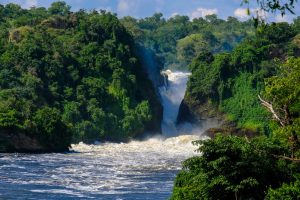
A waterfall in the middle of cliffs with trees and plants on a sunny day
Choosing the right time to visit Gombe National Park can significantly affect the quality of your experience, particularly when it comes to chimpanzee trekking and overall comfort. Gombe experiences a tropical climate with distinct wet and dry seasons, and understanding these patterns is essential for planning. This Gombe National Park Travel Guide explains seasonal variations in detail to help travelers make informed decisions.
The dry season, which generally runs from June to October, is considered the best time to visit Gombe National Park. During this period, trails are less slippery, and chimpanzees tend to stay closer to lower elevations where food is more accessible. This makes trekking easier and increases the likelihood of successful sightings. Weather conditions are also more comfortable, with lower humidity and minimal rainfall. As a result, the dry season is the most popular time for tourism, and accommodation availability may be limited. Booking well in advance is strongly recommended in any Gombe National Park Travel Guide focused on peak-season travel.
The wet season occurs from November to May, with heavier rains typically falling between March and May. During this time, the forest becomes lush and green, offering beautiful scenery and excellent birdwatching opportunities. However, chimpanzees may move higher into the hills, making treks longer and more physically demanding. Trails can be muddy and challenging, which may not suit all travelers. Despite these challenges, the wet season has advantages, including fewer visitors, lower accommodation costs, and a more tranquil atmosphere. For travelers who value solitude and do not mind physical exertion, the wet season can be rewarding. A balanced Gombe National Park Travel Guide should therefore present both pros and cons of visiting during this period.
Lake Tanganyika also plays a role in seasonal considerations. Boat travel, which is essential for accessing the park, is generally more reliable during the dry season when lake conditions are calmer. During heavy rains, rough waters may cause delays or cancellations, affecting travel plans. Travelers should remain flexible and allow buffer days when planning trips that involve boat transfers. Including this logistical insight is crucial in any practical Gombe National Park Travel Guide.
Ultimately, the best time to visit Gombe depends on individual preferences, physical fitness, and travel priorities. Those seeking optimal chimpanzee sightings and comfortable trekking conditions should aim for the dry season, while adventurous travelers or photographers may appreciate the dramatic landscapes of the wet season. By aligning expectations with seasonal realities, visitors can maximize their experience and avoid disappointment. This thoughtful planning approach is a core principle emphasized throughout this Gombe National Park Travel Guide.
How to Get to Gombe National Park and Where to Stay

A beautiful shot of a forested landscape in Lince at daytime
Reaching Gombe National Park is an adventure in itself, contributing to the park’s remote and exclusive feel. Unlike many Tanzanian parks accessible by road, Gombe requires a combination of air, road, and water transport. This Gombe National Park Travel Guide provides a clear overview of the logistics involved so travelers can plan efficiently.
The journey typically begins with a flight to Kigoma Airport, which receives scheduled flights from major Tanzanian cities such as Dar es Salaam and Arusha. From Kigoma town, visitors travel to Gombe by boat along Lake Tanganyika. Boat transfers can take between one and four hours, depending on the type of vessel used. Public boats are available but may be less reliable and comfortable, while private speedboats offer faster and more flexible transfers at a higher cost. Coordinating boat transfers in advance is strongly recommended, a point emphasized in every reliable Gombe National Park Travel Guide.
Accommodation options within Gombe National Park are limited, which helps preserve its pristine environment. The most well-known option is Gombe Forest Lodge, offering comfortable bandas with lake views and essential amenities. Staying inside the park allows early access to trekking activities and reduces travel time. Alternatively, some travelers choose to stay in Kigoma town and visit Gombe as a day trip, though this limits time in the park and may feel rushed. Choosing the right accommodation depends on budget, schedule, and desired level of immersion. This Gombe National Park Travel Guide encourages travelers to prioritize staying within or near the park whenever possible.
Facilities in Gombe are intentionally minimal to reduce environmental impact. Electricity may be limited, and internet access is often unreliable. Travelers should prepare accordingly, bringing necessary supplies and maintaining realistic expectations. This simplicity is part of Gombe’s charm, offering a rare opportunity to disconnect from modern distractions and focus on nature. Understanding these conditions in advance is essential for a positive experience, which is why accommodation details are a key component of this Gombe National Park Travel Guide.
Practical Travel Tips, Conservation Ethics, and Final Advice
Visiting Gombe National Park requires more preparation and awareness than visiting more developed destinations, but the rewards are immense. Practical considerations such as permits, packing, health precautions, and ethical behavior all play a role in ensuring a safe and meaningful trip. This Gombe National Park Travel Guide brings these elements together to help travelers approach their visit responsibly.
Chimpanzee trekking permits are required and are typically arranged through TANAPA (Tanzania National Parks). Permit availability is limited, reinforcing the importance of early planning. Health precautions are especially important, as chimpanzees are susceptible to human illnesses. Visitors showing signs of illness may be denied trekking access to protect the animals. Maintaining hygiene, following guide instructions, and respecting distance rules are non-negotiable aspects of ethical tourism in Gombe. Any credible Gombe National Park Travel Guide must highlight these responsibilities.
Packing essentials include sturdy hiking boots, lightweight rain gear, insect repellent, sunscreen, and sufficient drinking water. Neutral-colored clothing is recommended to avoid disturbing wildlife. Travelers should also bring cash, as card facilities are limited or nonexistent in remote areas. Being well-prepared enhances comfort and safety, allowing visitors to focus on the experience rather than logistical challenges. This preparation-focused approach is central to this Gombe National Park Travel Guide.
From a conservation perspective, Gombe represents a model of sustainable tourism where visitor impact is carefully managed. Supporting conservation organizations, respecting local communities, and choosing eco-friendly operators all contribute to the park’s long-term protection. External resources such as the Tanzania National Parks Authority (https://www.tanzaniaparks.go.tz), the Jane Goodall Institute (https://janegoodall.org), and UNESCO (https://www.unesco.org) provide additional information and context for travelers seeking deeper engagement.
In conclusion, Gombe National Park is not a typical safari destination but a place of learning, reflection, and profound connection with nature. Travelers who approach it with curiosity, respect, and preparation will find the experience deeply rewarding. This comprehensive Gombe National Park Travel Guide is designed to equip you with the knowledge needed to plan a successful trip while honoring the park’s ecological and cultural significance.
