

Experience an authentic Coffee tour in Materuni village in Tanzania, combining local culture, Chagga traditions, Mount Kilimanjaro views, and sustainable community-based tourism.
Introduction to Materuni Village and the Cultural Coffee Tourism Experience in Tanzania
https://nativesonexpeditions.com/blogs/
Tanzania is globally recognized for its iconic wildlife safaris and natural wonders, yet beyond the savannahs and national parks lies a rich cultural tourism landscape that offers equally powerful and authentic travel experiences. One of the most remarkable examples of this cultural tourism is found on the lush slopes of Mount Kilimanjaro, where Materuni Village offers visitors a deep connection to local life, traditions, and agricultural heritage. This village-based tourism experience represents a growing trend in Tanzania, where travelers seek meaningful interactions with communities rather than passive sightseeing.
Materuni Village is located just a short distance from Moshi town, nestled within fertile highlands that benefit from volcanic soil and abundant rainfall. These natural conditions have made the area ideal for agriculture, particularly coffee farming, which has been a cornerstone of local livelihoods for generations. The village is home to the Chagga people, one of Tanzania’s most prominent ethnic groups, known for their strong agricultural traditions, social organization, and rich cultural heritage. Visiting Materuni is not only about observing daily life but about actively participating in it through guided cultural experiences.
Cultural tourism in Tanzania has evolved significantly over the past decade, driven by a growing demand for sustainable and community-based travel. Travelers are increasingly interested in understanding how local communities live, work, and preserve their traditions in a modern world. Materuni Village exemplifies this shift by offering tourism experiences that are rooted in authenticity and mutual respect. Visitors are welcomed as guests rather than spectators, creating opportunities for cultural exchange that benefit both travelers and the local community.
One of the defining aspects of Materuni Village tourism is its close connection to coffee cultivation. Coffee is more than a crop in this region; it is a cultural symbol, a source of pride, and a key economic resource. The traditional methods used in coffee farming have been passed down through generations, preserving techniques that reflect both environmental knowledge and cultural identity. Through immersive experiences such as a Coffee tour in Materuni village, visitors gain firsthand insight into how coffee is grown, harvested, processed, and prepared using traditional tools and methods.
The journey into Materuni Village often begins with an introduction to the surrounding landscape. The area offers breathtaking views of Mount Kilimanjaro, Africa’s highest peak, which plays a central role in local culture and mythology. The mountain’s presence influences weather patterns, soil fertility, and agricultural cycles, making it an integral part of daily life. As visitors walk through the village, they encounter banana plantations, coffee trees, and small farms that demonstrate the Chagga people’s sophisticated land-use practices.
Community-based tourism initiatives in Materuni are carefully designed to ensure that tourism revenue directly benefits local residents. Guides are typically members of the village, trained to share their knowledge and stories with visitors in an engaging and respectful manner. This model of tourism supports education, healthcare, and infrastructure development within the community, aligning with Tanzania’s broader goals for sustainable tourism development. According to the Tanzania Tourism Board, cultural tourism plays a crucial role in diversifying the country’s tourism offerings and empowering rural communities (https://www.tanzaniatourism.go.tz).
The coffee experience itself is deeply interactive and educational. Visitors are invited to participate in each stage of the coffee-making process, from picking ripe coffee cherries to roasting and grinding the beans using traditional wooden tools. Songs and dances often accompany the process, reflecting the communal nature of coffee preparation among the Chagga people. These cultural expressions add emotional depth to the experience, transforming it into a celebration of heritage rather than a simple demonstration.
Beyond coffee, Materuni Village offers insights into traditional Chagga architecture, food preparation, and social customs. Homes are often built using locally sourced materials, designed to suit the climate and environment. Traditional meals prepared for visitors showcase local ingredients and cooking techniques, providing an authentic taste of Tanzanian cuisine. These elements work together to create a holistic cultural experience that appeals to travelers seeking depth, learning, and personal connection.
The rise of experiential travel has positioned Materuni Village as an important destination for travelers who want to move beyond conventional tourism. Rather than focusing solely on visual attractions, experiential tourism emphasizes participation, storytelling, and emotional engagement. This approach aligns well with global travel trends identified by organizations such as Responsible Travel, which highlight community-based tourism as a key driver of sustainable development (https://www.responsibletravel.com).
Another significant advantage of Materuni Village tourism is its accessibility. Located near Moshi, the village can be visited as a day trip or combined with other activities such as hiking, waterfall visits, or Mount Kilimanjaro treks. This flexibility makes it suitable for a wide range of travelers, including those with limited time in Tanzania. Despite its accessibility, the village retains a strong sense of authenticity, avoiding the commercialization that often diminishes cultural tourism experiences.
Environmental sustainability is closely tied to cultural preservation in Materuni. Traditional farming methods emphasize harmony with nature, minimizing environmental degradation and maintaining soil fertility. Coffee trees are often intercropped with banana plants, creating a balanced ecosystem that supports biodiversity. Visitors learn how these practices contribute to long-term sustainability, reinforcing the idea that cultural traditions and environmental stewardship are deeply interconnected.
For international travelers, participating in a Coffee tour in Materuni village offers a rare opportunity to understand Tanzania beyond its wildlife attractions. It provides context for the country’s social fabric, economic challenges, and cultural resilience. These insights foster a deeper appreciation for Tanzania as a destination and encourage more responsible travel behavior. UNESCO has recognized the importance of cultural landscapes around Mount Kilimanjaro, highlighting the need to protect both natural and cultural heritage in the region (https://whc.unesco.org/en/list/403).
The storytelling aspect of Materuni Village tourism cannot be overstated. Local guides share oral histories, legends, and personal experiences that bring the village’s past and present to life. These narratives help visitors understand how historical events, colonial influences, and modern economic pressures have shaped the community. Storytelling transforms the visit into an educational journey, enriching the overall travel experience.
As Tanzania continues to position itself as a leading destination for sustainable tourism in Africa, Materuni Village stands as a powerful example of how cultural tourism can be developed responsibly. The village’s tourism model demonstrates that it is possible to create economic opportunities while preserving cultural identity and environmental integrity. This balance is increasingly important in a global tourism market that values authenticity and ethical practices.
In conclusion, Materuni Village offers a compelling introduction to Tanzania’s cultural tourism landscape. Through immersive activities, community engagement, and environmental awareness, visitors gain a nuanced understanding of local life on the slopes of Mount Kilimanjaro. Experiences such as a Coffee tour in Materuni village are not only memorable but also meaningful, contributing to sustainable development and cultural preservation. This foundation sets the stage for a deeper exploration of Materuni’s coffee traditions, community values, and role in Tanzania’s evolving tourism sector.
The History of Coffee Farming and Chagga Traditions in Materuni Village
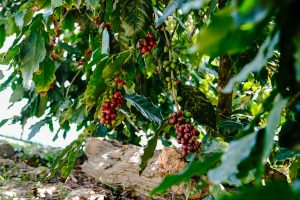
Coffee has played a central role in the social, economic, and cultural life of Materuni Village for generations. The Chagga people, who inhabit the slopes of Mount Kilimanjaro, have cultivated coffee for centuries, creating an intricate system of farming practices that reflects both ecological knowledge and cultural heritage. Understanding the history of coffee farming in Materuni is essential for appreciating the depth of a Coffee tour in Materuni village, as visitors gain insight not only into agricultural techniques but also into the values, traditions, and communal practices that have shaped this community over time.
The origins of coffee cultivation in East Africa can be traced back to the introduction of Arabica coffee from Ethiopia during the 18th and 19th centuries. The fertile volcanic soils and favorable climate of the Kilimanjaro region made it an ideal location for growing coffee, and the Chagga quickly integrated this crop into their subsistence and commercial farming systems. Unlike plantation-based approaches seen elsewhere, the Chagga developed small-scale, family-oriented coffee farms known locally as shamba, where coffee trees are intercropped with bananas, maize, and other crops. This approach maximizes land use efficiency, supports biodiversity, and reduces the need for chemical inputs, demonstrating a profound understanding of sustainable farming practices.
Coffee farming in Materuni Village is deeply intertwined with social and cultural structures. Land ownership, labor organization, and community cooperation follow traditions that have been passed down through generations. Families work together to maintain their shambas, and communal knowledge is shared regarding the best planting techniques, harvesting times, and methods of processing. Visitors participating in a Coffee tour in Materuni village witness firsthand how these practices not only produce high-quality coffee but also reinforce social cohesion and cultural continuity within the community.
The Chagga’s coffee processing techniques are equally remarkable. After harvesting ripe coffee cherries by hand, villagers carefully sort and ferment the beans using traditional methods that enhance flavor while preserving authenticity. These methods often involve sun-drying the beans on raised beds, known locally as kikuyu, which allows for optimal air circulation and prevents contamination. Visitors on a coffee tour can actively engage in these steps, from cherry selection to roasting, gaining practical insight into the meticulous work involved in producing a cup of coffee. This hands-on approach bridges the gap between consumer and producer, offering an immersive educational experience.
Historically, coffee farming has also played a role in shaping Materuni’s economic development. The Chagga leveraged their expertise to supply local markets and later export markets, integrating cash crops into subsistence agriculture without undermining local food security. During the colonial period, coffee became a source of income and social mobility, allowing families to invest in education, housing, and community infrastructure. Understanding this historical context enriches a Coffee tour in Materuni village, as travelers learn how agriculture has influenced both the local economy and broader social structures over time.
Cultural traditions associated with coffee extend beyond farming practices. Coffee ceremonies, music, and storytelling have long been part of Chagga communal life. For example, village elders often narrate legends and historical events during coffee preparation, using the process as a teaching moment for younger generations. These practices imbue coffee with cultural significance, transforming it from a mere commodity into a symbol of community identity and shared heritage. Tourists participating in these ceremonies gain more than sensory experiences—they acquire a window into the Chagga worldview and ethical approach to life and work.
Materuni Village has also embraced coffee tourism as a means of cultural preservation. With the growth of international tourism in Tanzania, local leaders recognized the opportunity to share their heritage while generating sustainable income for the community. By welcoming visitors to participate in coffee farming and related cultural activities, the village ensures that traditional knowledge is actively maintained and transmitted to future generations. This approach aligns with principles advocated by organizations such as Responsible Travel, emphasizing that tourism should benefit local communities while preserving cultural integrity (https://www.responsibletravel.com).
Visitors to Materuni also observe the integration of ecological wisdom into Chagga agricultural practices. Coffee trees are often interspersed with banana plants and other native vegetation, creating shade and promoting soil health. Organic composting, minimal chemical use, and water conservation practices reflect a deep respect for the environment, ensuring that coffee cultivation remains sustainable over the long term. This harmonious relationship between culture and ecology is a core feature of the Coffee tour in Materuni village, highlighting Tanzania’s commitment to responsible tourism and environmental stewardship.
Education is a central component of the coffee tourism experience. Guides provide detailed explanations of planting cycles, processing techniques, and the social dynamics of village life. Families and school groups particularly benefit from these immersive sessions, as children learn how traditional knowledge and modern science can coexist. Beyond agricultural education, visitors gain insight into the Chagga’s problem-solving strategies, social cooperation, and ethical approaches to resource management. Such experiences foster a deeper appreciation for Tanzanian rural communities, going far beyond typical sightseeing tours.
Historically, coffee has also shaped local gastronomy. Chagga households often use coffee by-products, such as pulp and husks, for natural fertilizers or traditional recipes, demonstrating a zero-waste philosophy long before modern sustainability movements. Visitors on the tour witness how resourcefulness and tradition intersect in daily life, providing lessons on sustainability, culture, and culinary heritage. National Geographic has highlighted East Africa’s coffee culture as a model for sustainable and community-centered agricultural tourism, reinforcing the global significance of these practices (https://www.nationalgeographic.com).
The development of coffee tourism in Materuni Village has also encouraged broader community initiatives. Revenue from tourism supports local schools, health clinics, and infrastructure projects, creating a virtuous cycle where visitors contribute to tangible improvements in villagers’ lives. This integration of tourism, cultural preservation, and community development exemplifies how sustainable tourism can function as a tool for social empowerment, making the Coffee tour in Materuni village an experience that benefits both tourists and residents alike.
Furthermore, coffee tourism offers opportunities for storytelling and intercultural exchange. Visitors learn about historical challenges, such as land redistribution, colonial influence, and climate variability, and how the Chagga adapted to these pressures through resilience and innovation. These narratives add historical depth to the visit, helping travelers understand the complexity of Tanzanian rural life and the enduring importance of cultural heritage. Materuni Village thus provides an educational journey that enriches both the mind and the senses.
In summary, the history of coffee farming and Chagga traditions forms the backbone of Materuni Village’s tourism appeal. A Coffee tour in Materuni village is more than a casual visit—it is an immersive exploration of culture, agriculture, sustainability, and history. By actively participating in coffee cultivation and understanding its significance in Chagga society, travelers gain a profound appreciation for the interconnectedness of community, culture, and nature. This historical perspective sets the foundation for exploring modern practices, tourism innovations, and the broader cultural experiences that Materuni offers, forming an essential second chapter in a comprehensive guide to Tanzanian coffee tourism.
Immersive Experiences and Activities During a Coffee Tour in Materuni Village
A Coffee tour in Materuni village is not simply a passive observation of coffee farming—it is a fully immersive journey into the heart of Tanzanian culture, community life, and natural beauty. Visitors are invited to participate actively in every stage of coffee production while engaging with local traditions, culinary practices, and cultural storytelling. This immersive approach transforms the experience into an educational, sensory, and emotionally enriching adventure, setting Materuni Village apart as a model of responsible and experiential tourism in Tanzania.
One of the first activities that visitors encounter is a guided walk through the village and its surrounding farmland. The landscape is lush and vibrant, with coffee trees interspersed among banana plantations, avocado trees, and small vegetable gardens. Local guides explain the seasonal cycles of coffee cultivation, from planting to harvesting, and provide insight into sustainable farming practices. Visitors learn about the importance of soil health, water management, and biodiversity in maintaining high-quality coffee production. These walks are ideal for photography enthusiasts, nature lovers, and anyone interested in observing the delicate balance between human activity and natural ecosystems.
The hands-on experience of harvesting coffee cherries is often the highlight of the tour. Visitors are shown how to identify ripe cherries by their color and firmness, then invited to pick them themselves under the supervision of village guides. This activity is both educational and physically engaging, providing a tangible sense of the work that goes into each cup of coffee. It also fosters a deeper appreciation for the skill, patience, and dedication of the Chagga farmers, transforming an ordinary agricultural process into a culturally meaningful activity.
Once the cherries are harvested, the next step is processing, which includes sorting, pulping, fermenting, and drying the beans. These steps are traditionally carried out using locally sourced tools and methods that have been refined over generations. For example, cherries are often sorted manually to ensure quality, then pulped using wooden machines or hands-on techniques. The beans are then sun-dried on raised drying beds, allowing optimal air circulation. Visitors learn the scientific reasoning behind each step while actively participating, making it a perfect blend of culture, science, and hands-on engagement.
Roasting and grinding the coffee beans is another immersive activity that engages multiple senses. Guests are invited to roast beans over small fires, then grind them using traditional mortar and pestle techniques. This process is often accompanied by songs, chants, and storytelling from local guides, highlighting the communal and celebratory nature of coffee production. The sensory experience—the smell of roasting beans, the sound of grinding, and the visual transformation of the beans—creates lasting memories and deepens the connection between visitors and local traditions.
Culinary experiences are an essential component of the tour. Materuni Village hosts cooking demonstrations that feature traditional Chagga meals, often prepared using locally sourced ingredients. Visitors learn how to prepare dishes such as matoke (steamed bananas), chipsi mayai (fried potatoes with eggs), and coffee-infused desserts, experiencing firsthand the flavors of rural Tanzanian cuisine. Food is often shared communally, fostering social interaction between visitors and locals and emphasizing the village’s hospitality and cultural openness. Culinary immersion adds an extra layer of engagement to the Coffee tour in Materuni village, making it a holistic cultural adventure.
Cultural performances and storytelling also enrich the visitor experience. Village elders and performers share local legends, historical accounts, and traditional dances during the tour, often in relation to coffee farming or daily life. These performances provide context for the agricultural practices, highlighting how culture and labor are intertwined. They also offer insight into moral values, communal responsibilities, and social structures within the Chagga community. Visitors gain a richer understanding of Tanzanian culture, not as passive observers but as participants in a living tradition.
Nature-based activities complement the cultural and agricultural aspects of the tour. Materuni Village is located near scenic waterfalls, mountain trails, and viewpoints overlooking Mount Kilimanjaro. Guided hikes through these natural attractions provide opportunities for birdwatching, photography, and appreciation of local flora and fauna. The combination of cultural immersion and environmental engagement illustrates the holistic nature of sustainable tourism in Materuni. Travelers learn that coffee production is not an isolated activity but part of a larger ecosystem that supports biodiversity and community resilience.
For families, the tour offers engaging educational experiences for children. Kids can participate in safe, supervised coffee processing activities, learn about traditional cooking, and enjoy storytelling sessions. These interactive experiences cultivate curiosity, respect for nature, and awareness of cultural diversity. Families also benefit from accessible walking paths and child-friendly accommodations, ensuring that the tour is enjoyable and safe for all age groups.
Couples often appreciate the romantic and serene aspects of the Materuni tour. Walking hand-in-hand through lush coffee plantations, enjoying freshly brewed local coffee, and watching the sunset over Mount Kilimanjaro creates memorable moments that combine adventure with relaxation. The tour’s intimate settings, personalized guides, and small group sizes ensure privacy and quality interaction, making it a perfect activity for honeymooners or couples seeking meaningful shared experiences.
Educational workshops complement the hands-on activities. Visitors learn about coffee quality, brewing methods, and the global coffee market. Discussions cover fair trade practices, sustainability, and how local coffee contributes to both the economy and cultural preservation. Guests leave not only with a deeper appreciation for coffee but also with knowledge that allows them to make informed, ethical consumer choices. This educational component reinforces the village’s reputation as a destination for responsible tourism.
Sustainability is woven throughout every activity in the Materuni experience. Waste management, organic farming practices, and eco-friendly accommodation all contribute to minimizing the environmental footprint of tourism. Visitors are encouraged to respect the local environment, follow guidelines for responsible interaction with wildlife and plants, and engage in activities that support community projects. Organizations such as Sustainable Travel International highlight such community-centered tourism as a model for ethical travel that benefits both people and nature (https://sustainabletravel.org).
The coffee tasting experience is the final, rewarding component of the tour. Guests savor freshly roasted and brewed coffee prepared according to Chagga traditions. Guided tastings explore the different flavor profiles, aroma characteristics, and preparation methods. The sensory experience is paired with storytelling about the origin of each coffee type and its significance to the community. This combination of education, culture, and sensory enjoyment leaves visitors with a comprehensive understanding of coffee’s journey from farm to cup.
Moreover, souvenirs and locally made coffee products allow visitors to continue supporting the community after leaving. Handcrafted coffee, traditional utensils, and artisanal goods serve as reminders of the immersive experience and contribute directly to the village economy. This ethical and practical aspect reinforces the connection between tourism and sustainable development, ensuring that the benefits of travel extend beyond the duration of the visit.
Finally, the Coffee tour in Materuni village encourages reflection and personal connection. Visitors often leave with a renewed appreciation for the hard work, cultural richness, and environmental stewardship embodied by the Chagga community. The immersive nature of the tour, combining physical activity, cultural learning, culinary experiences, and environmental awareness, ensures that the experience is not just a sightseeing trip but a meaningful, memorable journey that resonates with travelers long after they leave.
Accommodation, Local Cuisine, and Visitor Facilities in Materuni Village
A Coffee tour in Materuni village is enhanced significantly by the quality of accommodation, local culinary experiences, and visitor facilities available to tourists. These aspects play a crucial role in shaping the overall travel experience, ensuring comfort, cultural immersion, and sustainability. Materuni Village, while maintaining its authentic rural charm, has developed a range of amenities designed to cater to both international and domestic travelers, combining convenience with traditional hospitality.
Accommodation in Materuni Village is thoughtfully designed to complement the cultural and natural environment. Guests have options ranging from eco-lodges and homestays to small boutique guesthouses that offer breathtaking views of Mount Kilimanjaro and the surrounding coffee plantations. Eco-lodges utilize sustainable building materials, solar energy, and rainwater harvesting systems to minimize environmental impact while providing modern comforts such as clean water, private bathrooms, and comfortable bedding. Staying in these accommodations allows visitors to experience village life intimately while maintaining a standard of comfort expected by international travelers.
Homestays are particularly popular among families and cultural enthusiasts. These arrangements offer the unique opportunity to live with local Chagga families, participate in daily activities, and share meals prepared with traditional methods. Homestays foster deep cultural exchange, allowing visitors to understand local social norms, values, and lifestyle. Participating in chores, observing coffee farming routines, and learning household management practices provides insights that go far beyond conventional hotel stays. Homestays also generate direct economic benefits for the community, reinforcing the sustainable tourism model promoted in Materuni (https://www.responsibletravel.com).
Local cuisine is a central highlight of the Coffee tour in Materuni village, providing both nutritional sustenance and cultural enrichment. Meals are typically prepared with fresh, locally sourced ingredients, showcasing traditional Chagga flavors and cooking techniques. Staples such as steamed bananas (matoke), cornmeal porridge (ugali), roasted vegetables, and locally harvested beans are common. Coffee itself is not only a beverage but also an ingredient in desserts, sauces, and even marinades. Culinary workshops allow guests to participate in meal preparation, gaining hands-on experience while learning about nutrition, food preservation, and the cultural significance of various dishes.
Breakfast experiences in the village often include freshly brewed coffee made from beans harvested and roasted on-site. Guests can observe the intricate process, from grinding to brewing, and taste the nuanced flavors that result from traditional methods. These experiences are educational, highlighting the connections between agriculture, culinary arts, and community heritage. For many visitors, tasting coffee in the same environment where it was cultivated creates a unique sensory link to the land, the farmers, and the local culture.
Visitor facilities in Materuni Village are designed to balance convenience, comfort, and sustainability. Walking paths are well-maintained and safe for both adults and children, allowing easy access to farms, waterfalls, and viewpoints. Signage provides context about local history, cultural norms, and environmental stewardship practices. Educational centers and small exhibition areas showcase traditional tools, handicrafts, and the coffee production process. These facilities serve as extensions of the village’s cultural narrative, offering structured learning opportunities without detracting from the immersive nature of the visit.
Medical and safety facilities are also available for tourists. While Materuni retains a rural character, basic healthcare services, first aid stations, and trained local guides ensure that visitors can enjoy the tour with peace of mind. Local guides are often trained in emergency response, cultural interpretation, and language support, enhancing both safety and the quality of visitor engagement. Safety protocols extend to farming activities, ensuring that guests, including children and elderly travelers, can participate in coffee harvesting and processing without risk.
For eco-conscious travelers, many accommodations and facilities emphasize environmentally friendly practices. Solar lighting, water conservation systems, waste management, and organic farming principles are integrated throughout the village experience. Visitors are encouraged to participate in sustainability practices, such as proper waste disposal and responsible water usage, fostering awareness and respect for the environment. These practices ensure that tourism benefits the community while preserving the natural and cultural heritage of Materuni Village.
In addition to comfort and sustainability, accessibility is a key factor in Materuni Village’s visitor facilities. Roads leading to the village are maintained for easy vehicle access, and clear directions ensure that day-trippers or multi-day visitors can plan their visit without difficulty. Parking areas, rest stops, and shaded rest points provide convenience for travelers while maintaining the village’s aesthetic and environmental integrity. Accessibility is particularly important for families, ensuring that all members, from young children to elderly relatives, can participate safely in the tour.
Community engagement is woven into the hospitality experience. Many accommodations, particularly homestays and eco-lodges, employ local residents, providing economic opportunities and ensuring that tourism revenue circulates within the village. Guests benefit from personalized service, cultural interpretation, and authentic interactions, while residents gain skills, income, and motivation to preserve their traditions. This mutually beneficial system exemplifies the principles of community-based tourism emphasized by the Tanzania Tourism Board (https://www.tanzaniatourism.go.tz).
Local artisan markets are often integrated into the visitor experience. Tourists can purchase handcrafted goods such as woven baskets, carved wooden utensils, and traditional textiles, supporting local craftsmanship and preserving cultural practices. These markets provide an additional layer of engagement, allowing visitors to connect with the village’s artistic heritage while contributing directly to the local economy. Purchasing local products encourages ethical consumption, reinforcing the values of responsible tourism.
Food safety and hygiene are carefully maintained in all accommodations and culinary demonstrations. Ingredients are fresh, preparation follows traditional standards, and sanitation protocols meet international expectations. This attention to detail ensures that tourists enjoy a safe and comfortable experience while respecting local practices. The integration of modern hygiene standards with traditional culinary techniques demonstrates the adaptability and professionalism of the village tourism model.
For visitors seeking extended stays, Materuni Village provides opportunities to combine the coffee tour with other activities, such as hiking, cultural workshops, and waterfall visits. Many accommodations offer guided multi-day itineraries that allow tourists to explore the region in depth. These itineraries are structured to balance activity, learning, and relaxation, providing a comprehensive immersion in the culture, landscape, and community life of Materuni.
The emphasis on authenticity in accommodation and facilities ensures that tourism development does not undermine cultural or environmental integrity. Visitors experience a lifestyle that is genuinely reflective of Chagga traditions, while modern comforts are carefully integrated to enhance, rather than replace, local practices. This approach aligns with global best practices for sustainable tourism, demonstrating that high-quality visitor experiences and cultural preservation can coexist harmoniously (https://sustainabletravel.org).
In conclusion, the accommodation, local cuisine, and visitor facilities in Materuni Village are integral to the success of a Coffee tour in Materuni village. They provide comfort, safety, and convenience while fostering cultural immersion, culinary education, and environmental awareness. By balancing modern amenities with traditional practices, the village offers an experience that is authentic, engaging, and responsible, making it an ideal destination for families, couples, and travelers seeking a meaningful connection with Tanzanian culture. These facilities support sustainable tourism, enhance visitor satisfaction, and ensure that the economic and cultural benefits of tourism are equitably shared within the community.
