
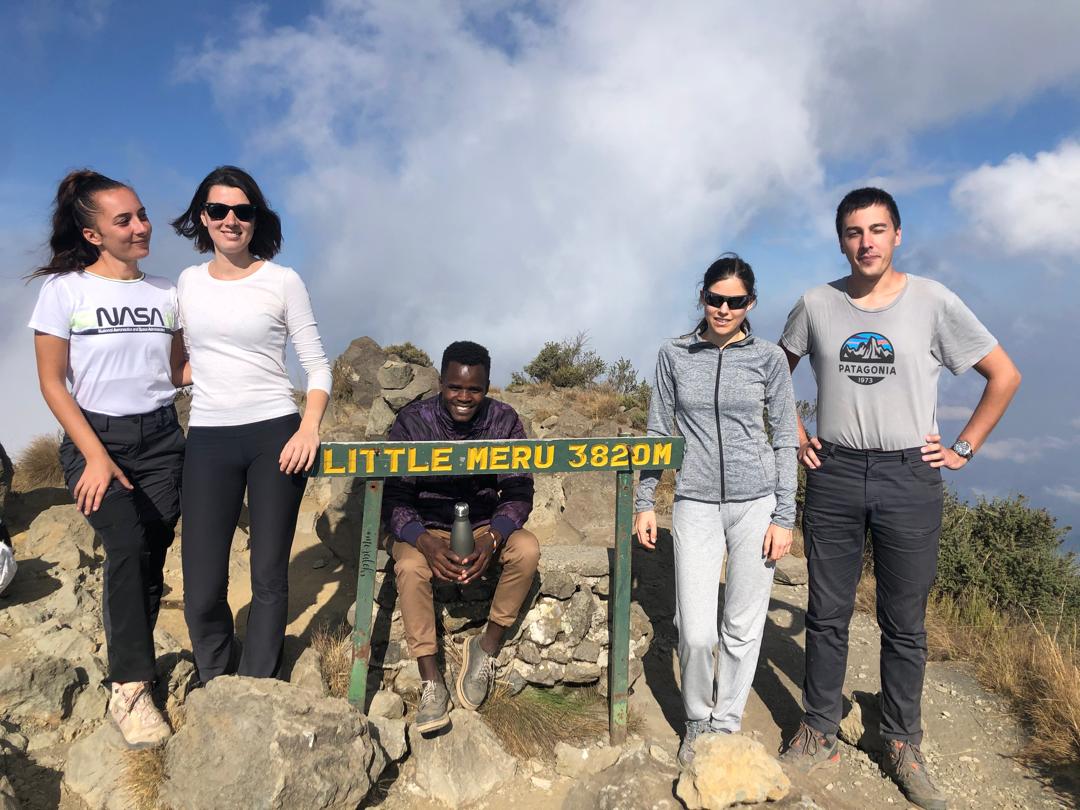
Explore the complete Mount Meru itinerary, including trekking routes, wildlife, and cultural experiences. Perfect guide for first-time visitors planning an unforgettable adventure.
1: Introduction to Mount Meru and Planning Your Itinerary
https://nativesonexpeditions.com/mount-meru-climbing-tours/
Mount Meru, Tanzania’s majestic second-highest peak at 4,562 meters, offers an unforgettable trekking experience for first-time visitors and seasoned hikers alike. Located in Arusha National Park, just 70 km from the famous Mount Kilimanjaro, Mount Meru provides breathtaking landscapes, diverse wildlife, and cultural encounters that make it a top destination for adventure tourism. Understanding the logistics, planning the route, and preparing for both altitude and environmental conditions are essential steps in crafting a successful Mount Meru itinerary. This guide will provide an in-depth overview of what to expect, how to prepare, and tips for maximizing your experience, helping travelers turn an ambitious adventure into a safe, enjoyable, and memorable journey. For international tourists considering a Tanzanian hiking experience, this mountain presents a less crowded but equally spectacular alternative to Kilimanjaro.
Trekking Mount Meru requires careful planning, particularly in terms of duration, fitness level, and acclimatization. Most itineraries range from three to five days, with carefully designed campsites along the trail. Starting from the Momella Gate, trekkers typically pass through lush montane forests, alpine meadows, and dramatic volcanic landscapes. The journey gradually ascends, allowing the body to adapt to higher altitudes, which reduces the risk of altitude sickness. Guides and porters play a crucial role in ensuring safety, efficiency, and cultural interpretation, making the trek accessible even for first-time hikers. Reputable tour operators, including those recognized by the Tanzania National Parks Authority (https://www.tanzaniaparks.go.tz), provide structured packages that include permits, equipment, meals, and support staff, which simplifies logistics for international tourists unfamiliar with the area.
The natural diversity of Mount Meru is a key highlight for visitors following this itinerary. Trekkers may encounter colobus monkeys swinging through dense forest canopies, elephants grazing in the plains below, and a rich variety of birds such as turacos and hornbills. Unlike the more crowded trails of Mount Kilimanjaro, Mount Meru offers a serene and immersive environment where nature is observed closely, and wildlife sightings are often abundant. Observing these species in their natural habitats emphasizes the ecological importance of Arusha National Park and highlights responsible tourism principles promoted by wildlife organizations like the World Wildlife Fund (https://www.worldwildlife.org).
Cultural experiences are also integral to a Mount Meru itinerary. Local Maasai communities inhabit the surrounding regions, and guided visits allow travelers to learn about traditional pastoral life, social customs, and storytelling traditions. Interaction with local communities provides context to the environment and enriches the hiking experience, connecting natural beauty with human history. Learning about land stewardship and the Maasai’s relationship with wildlife fosters a deeper appreciation for the landscapes being traversed and aligns with principles of sustainable tourism.
Packing, fitness, and preparation are critical elements in planning a Mount Meru itinerary. Hikers should bring layered clothing suitable for cold mornings and hot afternoons, sturdy trekking boots, rain gear, and sun protection. Proper hydration and nutrition are emphasized, particularly during higher-altitude days. Fitness preparation, including cardiovascular training and endurance hiking, ensures that travelers are physically ready to handle steep ascents, uneven terrain, and prolonged activity. For first-time visitors, these preparatory steps enhance safety, enjoyment, and overall satisfaction with the adventure. Guides often provide personalized advice on acclimatization schedules, pace setting, and rest periods, helping newcomers manage physical and mental demands efficiently.
Logistics beyond the trek itself also shape the itinerary. Many travelers combine a Mount Meru trek with safaris in Tarangire, Lake Manyara, or Ngorongoro Crater, as Arusha serves as a convenient base for Northern Tanzania’s wildlife circuit. Staying in nearby lodges or camps allows hikers to rest before and after the trek, enjoy cultural experiences in Arusha town, and explore local cuisine. Resources like Lonely Planet (https://www.lonelyplanet.com/tanzania/arusha) offer detailed guidance on accommodations, transportation, and pre- or post-trek activities, ensuring that first-time visitors can plan a complete Tanzanian adventure.
Weather conditions and seasonal planning are additional considerations. Mount Meru experiences a combination of wet and dry seasons, with the main dry periods (June to October and January to February) offering the most favorable trekking conditions. Understanding rainfall patterns, daylight hours, and temperature fluctuations allows hikers to schedule their Mount Meru itinerary for optimal safety and comfort. Local guides provide up-to-date weather insights and contingency plans, ensuring that travelers can adapt if conditions change.
For those seeking adventure combined with learning, a Mount Meru itinerary emphasizes not only physical achievement but also environmental awareness, cultural engagement, and wildlife appreciation. By following structured guidance, using certified tour operators, and preparing adequately, first-time visitors can safely enjoy the majesty of Mount Meru, capturing panoramic views, unforgettable wildlife encounters, and deep cultural experiences. These elements collectively make Mount Meru an essential destination for those exploring Tanzania beyond Kilimanjaro.
In conclusion, a Mount Meru itinerary for first-time visitors requires careful planning, cultural awareness, environmental responsibility, and physical readiness. From the rich biodiversity of Arusha National Park to the scenic ascents and local community interactions, the mountain offers a comprehensive adventure experience that blends nature, culture, and challenge. Travelers who prioritize preparation, engage with local guides, and follow ethical tourism principles are rewarded with a transformative experience, making Mount Meru a must-visit for anyone seeking a complete Tanzanian trekking adventure. By considering these factors, international tourists can ensure their Mount Meru itinerary is safe, enriching, and memorable, establishing a foundation for an unforgettable journey in East Africa.
2: Day-by-Day Mount Meru Itinerary – Trekking Routes, Campsites, and Tips
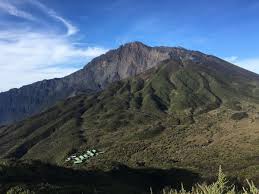
Planning a structured day-by-day Mount Meru itinerary is essential for first-time visitors seeking a safe, enjoyable, and fulfilling trekking experience. Mount Meru’s trail offers diverse landscapes, including lush montane forests, volcanic slopes, crater rims, and alpine meadows, requiring careful pacing and thoughtful planning. A well-constructed itinerary ensures hikers can acclimatize properly, maximize wildlife sightings, and experience the cultural aspects of the region. This section provides a detailed breakdown of a typical three-to-five-day Mount Meru trek, highlighting key campsites, route options, and practical guidance. Following a structured itinerary is especially beneficial for first-time visitors, ensuring a memorable and safe adventure while aligning with the principles of responsible tourism.
Day 1: Arrival and Preparation in Arusha
Most Mount Meru itineraries begin in Arusha, Tanzania, the nearest city with access to Arusha National Park and trekking logistics. Upon arrival, international tourists can meet guides, review trekking plans, and collect necessary equipment. Accommodation in Arusha ranges from budget-friendly hostels to mid-range lodges and luxury hotels, allowing visitors to rest before the physically demanding trek. Pre-trek briefings often include safety protocols, packing lists, altitude guidance, and an overview of the route. For international travelers, using certified operators ensures permits and park fees are properly handled, reducing stress on arrival. Additionally, this first day provides an opportunity to explore Arusha’s markets, local restaurants, and cultural attractions, introducing hikers to the region’s vibrant lifestyle. Resources like the Tanzania National Parks website (https://www.tanzaniaparks.go.tz) provide detailed guidance on park rules, permits, and seasonal conditions, ensuring first-time visitors are fully informed before beginning their trek.
Day 2: Momella Gate to Miriakamba Hut
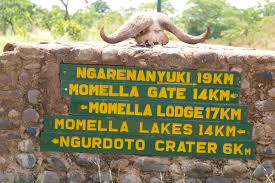
The first trekking day officially begins at the Momella Gate, the main entry point for Mount Meru. Hikers traverse dense montane forest, encountering colobus monkeys, turacos, and a rich variety of flora. The trail gradually ascends, providing an opportunity for acclimatization while observing wildlife in their natural habitat. Along the route, guides often point out endemic plants and explain the ecological significance of the area, connecting hikers to the conservation priorities of Arusha National Park. Reaching the first campsite, Miriakamba Hut, offers rest and a chance to enjoy panoramic views of the surrounding plains and Mount Kilimanjaro in the distance. Staying overnight at this altitude helps the body adjust gradually, which is crucial for first-time visitors to prevent altitude sickness. Porters assist with luggage, allowing hikers to focus on the trekking experience, while organized meal service provides energy for the following day. This day combines moderate physical activity with cultural and ecological learning, emphasizing why it is an essential component of any Mount Meru itinerary.
Day 3: Miriakamba Hut to Saddle Hut
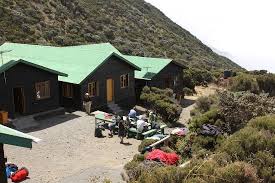
The second day is often considered the most challenging, as hikers leave the forested lower slopes and enter alpine desert terrain. The ascent involves traversing volcanic scree, crater walls, and open meadows, requiring endurance and careful navigation. Guides maintain a manageable pace, emphasizing hydration and altitude awareness. Wildlife may still be visible, with occasional sightings of buffalo, giraffes, or elephants in the plains below. Hikers also gain expansive views of Mount Kilimanjaro and the Arusha plains, offering ideal photo opportunities. Reaching the Saddle Hut, located near 3,600 meters, provides a critical resting point before the summit attempt. The campsite offers basic facilities and shelters, and guides provide advice for nighttime preparations, including early wake-up calls, clothing, and food for the summit day. Proper acclimatization during this stage ensures a safer and more enjoyable climb, which is why first-time visitors should allocate sufficient time in their Mount Meru itinerary.
Day 4: Summit Day – Saddle Hut to Mount Meru Peak and Descent
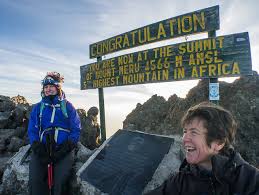
Summit day is the pinnacle of the Mount Meru experience. Hikers typically begin the ascent in the early hours of the morning, around 2:00–3:00 am, to reach the peak by sunrise. The trail becomes steep and rocky, requiring careful footing and endurance. Guides provide support, monitor the group’s health, and maintain motivation. Reaching the summit rewards trekkers with breathtaking panoramic views, including the crater, surrounding mountains, and the Kilimanjaro massif. First-time visitors often describe the experience as transformative, blending physical achievement with awe-inspiring natural beauty. After enjoying the summit, hikers descend back to Saddle Hut for a rest and lunch before continuing down to Miriakamba Hut or directly to Momella Gate, depending on the itinerary structure. Observing the flora and fauna on the descent reinforces learning and appreciation of Mount Meru’s ecological significance. Resources such as National Geographic’s hiking guides (https://www.nationalgeographic.com/adventure) emphasize safety, pacing, and respect for natural habitats, reinforcing responsible tourism principles for first-time visitors.
Day 5: Return to Arusha and Optional Activities
The final day in a Mount Meru itinerary often involves a gentle descent to Momella Gate, followed by return transportation to Arusha. Hikers can enjoy hot showers, meals, and rest after the physically demanding trek. For those with additional time, optional activities in Arusha include visiting the Cultural Heritage Center, Arusha Coffee Lodge, or nearby safari parks such as Tarangire and Lake Manyara. Some itineraries even combine the trek with short wildlife safaris, providing a comprehensive Tanzanian adventure. First-time visitors benefit from guided tours to navigate the city and surrounding areas efficiently, maximizing the value of their time. Combining trekking with cultural and safari experiences provides a holistic understanding of the region, which is why such planning is frequently included in advice on the Mount Meru itinerary.
Tips for First-Time Trekkers
-
Acclimatization: Ensure gradual ascent to prevent altitude sickness.
-
Gear: Bring layered clothing, trekking poles, sturdy boots, and sun protection.
-
Hydration & Nutrition: Drink water regularly and consume high-energy foods provided by guides.
-
Pacing: Maintain a steady pace; listen to guides and adjust according to physical condition.
-
Safety: Follow park regulations, respect wildlife, and remain with the group.
-
Cultural Respect: Interact with local communities respectfully and participate in ethical tourism activities.
Alternative Itineraries
While the 4–5 day schedule is standard, shorter itineraries exist for those with limited time, though they often skip acclimatization and some scenic points. Longer itineraries allow more wildlife viewing, photography opportunities, and cultural engagement. First-time visitors should discuss preferences with certified tour operators to select an itinerary that aligns with fitness, interests, and schedule. The Tanzania National Parks website provides guidance on official routes, camp regulations, and permit requirements (https://www.tanzaniaparks.go.tz), ensuring compliance and safety.
In conclusion, a detailed day-by-day Mount Meru itinerary provides structure, safety, and enrichment for first-time visitors. From arrival in Arusha, trekking through diverse ecosystems, summiting the peak, and returning for cultural and safari experiences, each day is thoughtfully planned to optimize both adventure and comfort. By following expert guidance, respecting environmental and cultural norms, and preparing physically and mentally, international tourists can enjoy a transformative experience that blends physical challenge, natural beauty, and cultural discovery. This approach ensures Mount Meru remains a highlight of Tanzanian trekking adventures, offering a comprehensive and safe itinerary for newcomers.
3: Wildlife, Flora, and Scenic Highlights Along the Mount Meru Trek
Mount Meru is not just a challenging hike; it is a journey through one of Tanzania’s most diverse ecosystems. For first-time visitors, experiencing the mountain’s wildlife, flora, and dramatic landscapes is an integral part of any well-planned Mount Meru itinerary. From dense montane forests to volcanic craters and alpine meadows, the trek exposes travelers to natural beauty and biodiversity rarely matched elsewhere in East Africa. Understanding what to expect in terms of scenery and wildlife enhances the trekking experience and ensures international tourists can appreciate the ecological and cultural significance of the area. Observing animals in their natural habitat, learning about endemic plants, and enjoying panoramic vistas are all critical highlights that make Mount Meru an essential destination for adventure tourism.
Montane Forests and Early Wildlife Encounters
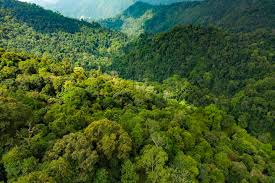
The lower slopes of Mount Meru are covered in dense montane forests, characterized by towering hardwoods, bamboo groves, and lush undergrowth. These forests provide critical habitat for numerous species of birds, mammals, and insects. First-time visitors are likely to encounter colobus monkeys, which are endemic to the region and often seen leaping between trees. Other primates, such as blue monkeys and bushbabies, may also be spotted. Birdwatchers are treated to colorful species such as the Usambara thrush, turacos, hornbills, and sunbirds, making the early portion of the trek a paradise for wildlife enthusiasts. Observing these creatures requires patience and silence, as they are most active during the early morning hours. Reputable guides trained in ecology provide interpretation, allowing hikers to learn about species behaviors, conservation challenges, and ecological relationships, which enriches the Mount Meru itinerary experience. For authoritative insights on East African wildlife, the World Wildlife Fund (https://www.worldwildlife.org) offers detailed guides on endemic and endangered species.
Alpine Meadows and Volcanic Landscapes
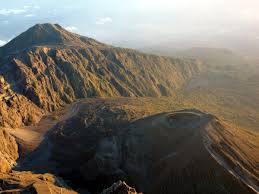
As hikers ascend, the montane forests give way to open alpine meadows and volcanic slopes. These higher elevations provide unique scenery: sweeping vistas of crater rims, dormant volcanic cones, and the distant silhouette of Mount Kilimanjaro on clear days. Alpine vegetation includes rare ferns, giant groundsel, and lobelia species, all adapted to extreme altitudes and colder temperatures. Trekkers often pause along these sections to appreciate the expansive views, take photographs, and observe the mountain’s volcanic features, including lava flows and mineral-rich soils. First-time visitors often describe these areas as breathtaking, providing both a sense of achievement and a connection to geological history. The Tanzania National Parks Authority (https://www.tanzaniaparks.go.tz) offers detailed explanations of the park’s volcanic origins, ensuring visitors understand the geological context as they trek.
Crater and Summit Views
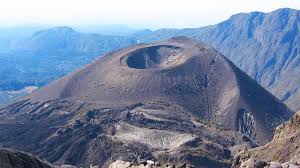
Mount Meru’s summit is defined by a massive volcanic crater, approximately 2.5 km in diameter, providing one of the most spectacular viewpoints in East Africa. From the rim, hikers can observe the surrounding Arusha plains, Momella Lakes, and Mount Kilimanjaro towering nearby. First-time visitors are often awestruck by the scale and diversity visible from this vantage point. The crater itself is home to unique plant species and occasional sightings of wildlife, such as eland or monkeys, foraging along its slopes. Summit photography is a popular activity, and guides often schedule sufficient time for observation, rest, and safe descent preparation. National Geographic emphasizes the importance of summit timing for optimal weather conditions and photography opportunities (https://www.nationalgeographic.com/adventure), reinforcing itinerary planning for first-time visitors.
Flora Along the Trail
The botanical diversity along Mount Meru’s trail is extensive, offering opportunities for learning and appreciation. At lower altitudes, hikers encounter dense forests with species like camphor trees, mahogany, and wild coffee. Mid-altitude zones feature bamboo forests interspersed with giant fig trees, while higher regions display montane shrubs, heathers, and colorful flowering plants. Guides explain medicinal and cultural uses of various plants, connecting flora to local traditions. First-time visitors gain both aesthetic enjoyment and educational value from these encounters, making flora a key highlight of any Mount Meru itinerary. Conservation organizations often provide guidance on respecting plant life and minimizing environmental impact, promoting sustainable tourism practices.
Wildlife Highlights
Mount Meru’s location within Arusha National Park allows trekkers to encounter larger wildlife in addition to forest and alpine species. Elephants, giraffes, zebras, and buffalo are occasionally visible from higher slopes, especially when viewing the park’s lower plains from scenic overlooks. Predators such as leopards and smaller cats are more elusive, but tracks and signs can be observed by trained guides. Birdwatching remains a major attraction, with over 400 species recorded in the park, making it a key draw for enthusiasts. First-time visitors are advised to carry binoculars and field guides for a richer experience. Ethical wildlife observation, following park rules and guidance, ensures minimal disturbance to animals while allowing tourists to enjoy the natural spectacle.
Panoramic Photography and Observation Points
Photography is an essential activity along the Mount Meru itinerary, as the combination of forests, craters, meadows, and distant plains offers a variety of stunning backdrops. Early morning light enhances the visibility of wildlife and provides dramatic shadows across the crater rim. Guides often schedule stops at key viewpoints to maximize photo opportunities while maintaining safe trekking practices. First-time visitors benefit from these stops not only for photography but also for orientation and rest, blending enjoyment with practical pacing. Travel authorities such as Lonely Planet (https://www.lonelyplanet.com/tanzania/arusha) provide tips on optimal photo spots and best times of day, helping tourists capture memories without compromising safety or conservation principles.
Cultural and Historical Connections in Scenic Areas
In addition to natural beauty, several scenic points along the trek carry cultural and historical significance. Local Maasai communities have historically grazed livestock along lower slopes, and guides may point out sacred groves, old trade routes, or volcanic features with local legends attached. First-time visitors gain an enriched perspective by learning the intertwined history of human activity and natural landscapes. These stories connect hikers to the mountain beyond its physical attributes, turning every vista into an opportunity for education, reflection, and appreciation. Cultural storytelling also enhances the value of a Mount Meru itinerary, making it an adventure that engages both the body and the mind.
Tips for Maximizing Wildlife and Scenic Experiences
-
Early Starts: Wildlife is more active in the morning; start hikes early for optimal sightings.
-
Quiet Observation: Move slowly and silently when observing animals.
-
Binoculars and Cameras: Essential for spotting distant wildlife and capturing panoramic views.
-
Flora Awareness: Avoid picking plants and stay on designated trails.
-
Summit Timing: Plan summit attempts during clear weather for the best scenic views.
-
Guided Interpretation: Engage with trained guides for ecological and cultural insights.
In conclusion, Mount Meru’s wildlife, flora, and scenic highlights are core elements of a fulfilling trekking itinerary. First-time visitors benefit from careful planning, knowledgeable guides, and attention to ecological and cultural context. From montane forests and endemic plants to volcanic craters and sweeping summit views, the mountain provides a multi-dimensional adventure that combines natural beauty, education, and personal achievement. Following expert guidance ensures a safe, responsible, and memorable experience. These natural and cultural features, carefully integrated into a structured Mount Meru itinerary, make the trek one of East Africa’s premier hiking adventures. For international tourists, the mountain offers not only a physical challenge but also a deep connection to Tanzania’s biodiversity, geological history, and cultural landscape, solidifying Mount Meru as a must-visit destination.
4: Cultural Experiences, Maasai Interactions, and Community-Based Tourism Along the Mount Meru Route
While Mount Meru is renowned for its stunning natural landscapes and trekking challenges, the cultural experiences along the route significantly enrich the itinerary, especially for first-time visitors. Integrating local community interactions, Maasai traditions, and village visits allows international tourists to connect with the human aspect of this region, making the trek more than just a physical endeavor. Cultural immersion provides insight into local livelihoods, spiritual practices, and traditional knowledge, offering a holistic understanding of the environment and people who have coexisted with the mountain for centuries. For travelers seeking meaningful experiences beyond the summit, engaging with local communities is a central feature of a comprehensive Mount Meru itinerary.
Maasai Communities and Pastoral Life
The areas surrounding Mount Meru are home to Maasai pastoralists, whose culture and way of life are closely tied to the land and livestock. As first-time visitors trek through lower slopes or nearby villages, guided visits offer opportunities to observe traditional herding practices, ceremonial dances, and local crafts. Maasai warriors and elders often explain the significance of cattle, communal living, and spiritual beliefs connected to nature. Learning about Maasai customs provides context for the conservation of the mountain’s ecosystems, as their traditional practices emphasize balance with wildlife and land stewardship. Engaging respectfully, asking permission, and following guidance from certified tour operators ensures that interactions are ethical, culturally sensitive, and mutually beneficial. The Tanzania Cultural Tourism Portal (https://www.tanzaniaculture.go.tz) provides resources on authentic cultural experiences and guidelines for responsible tourism in the region.
Village Visits and Local Crafts
Along the trekking route, many first-time visitors have the opportunity to explore small villages near Mount Meru. These visits showcase traditional Tanzanian architecture, farming techniques, and local markets. Villagers often demonstrate the preparation of staple foods, artisanal crafts, and weaving techniques, giving tourists hands-on experiences that support community-based tourism. Purchasing souvenirs directly from artisans not only provides unique mementos but also helps sustain local livelihoods. When planning a Mount Meru itinerary, including structured village visits ensures that travelers contribute positively to the communities while gaining a deeper understanding of Tanzanian culture.
Cultural Storytelling and Traditional Knowledge
Local guides frequently share stories, legends, and historical accounts of the mountain, integrating cultural narratives into the trekking experience. First-time visitors learn about volcanic eruptions, historical settlements, and the role of Mount Meru in Maasai cosmology. This storytelling connects natural landmarks with human history, transforming every vista into an opportunity for education and reflection. Guides often highlight medicinal plants, local rituals, and folklore associated with wildlife, emphasizing the interconnectedness of culture and ecology. Such narratives enrich the Mount Meru itinerary, providing context for the landscape and a more immersive experience for travelers.
Community-Based Tourism Initiatives
Several organizations around Mount Meru promote community-based tourism, where visitor contributions directly benefit local projects, schools, and conservation efforts. Participating in these programs allows tourists to engage in meaningful activities, such as assisting in reforestation, visiting community schools, or supporting wildlife monitoring initiatives. International visitors gain a unique perspective on sustainable development, while communities benefit economically and socially. Ethical operators ensure that interactions are conducted respectfully, prioritizing local agency and environmental stewardship. The UN World Tourism Organization (UNWTO) provides guidance on best practices for community-based tourism globally (https://www.unwto.org), highlighting the importance of responsible engagement in areas like Mount Meru.
Festivals and Traditional Events
Depending on the season, trekkers may coincide with local festivals or traditional events, offering additional cultural immersion. For example, ceremonies marking the initiation of young Maasai warriors or harvest celebrations provide vivid insight into communal life, music, dance, and attire. Participating as a respectful observer enhances the experience and allows tourists to witness authentic cultural expressions. Scheduling visits around such events requires coordination with guides and local authorities, ensuring that participation aligns with community protocols. For first-time visitors, these experiences offer a rare glimpse into living traditions and contribute significantly to the cultural richness of the Mount Meru itinerary.
Cooking and Culinary Experiences
Food is another avenue for cultural immersion along the Mount Meru trekking route. Local families often prepare traditional dishes such as ugali (maize porridge), nyama choma (grilled meat), and vegetable stews, which visitors can taste during village visits. Some trekking itineraries even include cooking demonstrations, allowing travelers to engage directly in meal preparation using locally sourced ingredients. Culinary experiences provide both enjoyment and education, highlighting the connection between culture, agriculture, and environment. International tourists often find these activities memorable, as they offer authentic interaction beyond sightseeing, deepening the cultural dimension of the Mount Meru itinerary.
Sustainable and Ethical Tourism Practices
Engaging with local communities responsibly requires adherence to ethical tourism practices. First-time visitors should:
-
Seek guidance from certified operators for cultural visits.
-
Respect local customs, dress codes, and privacy.
-
Avoid giving direct money to children; instead, contribute through community programs.
-
Minimize environmental impact by following designated trails and leaving no waste.
-
Support locally owned businesses and artisans.
These practices ensure that cultural experiences are mutually beneficial and sustainable, enhancing both the visitor experience and the wellbeing of local communities. Community-based tourism around Mount Meru has gained recognition for preserving traditions, supporting education, and integrating conservation efforts, making it a model for responsible adventure tourism.
Integration with Natural Highlights
Cultural experiences along Mount Meru do not exist in isolation; they are intertwined with the natural environment. Observing Maasai herding near savannah plains, learning about medicinal plants in montane forests, or visiting villages near scenic waterfalls creates a layered experience where nature and culture complement each other. First-time visitors often report that this integration deepens their appreciation for both the mountain and the people who live in its shadow, providing memories that extend beyond physical achievement. Wildlife, flora, and cultural immersion combined make the Mount Meru itinerary a holistic journey, appealing to travelers seeking both adventure and meaningful engagement.
Practical Tips for Cultural Engagement
-
Always ask permission before taking photographs of people.
-
Participate actively in cooking, crafts, or storytelling sessions.
-
Learn basic Swahili phrases to communicate politely with locals.
-
Observe rituals and festivals respectfully, without disrupting ceremonies.
-
Choose tour operators who have established partnerships with local communities.
In conclusion, cultural experiences, Maasai interactions, and community-based tourism significantly enhance a Mount Meru itinerary, particularly for first-time visitors. From village visits and traditional storytelling to festivals, culinary experiences, and sustainable tourism initiatives, cultural engagement provides depth, meaning, and lasting memories. When combined with trekking, wildlife observation, and scenic highlights, these interactions create a comprehensive adventure that connects international tourists to Tanzania’s people, heritage, and natural beauty. Incorporating these elements into the planning of a Mount Meru itinerary ensures a balanced, responsible, and transformative experience for every visitor.
5: Practical Tips, Gear, Safety, and Post-Trek Activities for a Complete Mount Meru Itinerary
A well-executed Mount Meru itinerary combines adventure, safety, preparation, and post-trek experiences to create a complete and memorable journey. For first-time visitors, preparation is the key to enjoying the trek without unnecessary stress, maximizing both comfort and safety. From choosing the right gear and understanding altitude acclimatization to planning post-trek activities and safaris, this section provides comprehensive guidance to ensure international tourists have a transformative experience while exploring Mount Meru.
Essential Trekking Gear for Mount Meru
Proper equipment is fundamental to any Mount Meru itinerary. First-time visitors must consider both the physical demands of the mountain and variable weather conditions. Key items include:
-
Footwear: High-quality, waterproof trekking boots with ankle support to navigate rocky and muddy trails.
-
Clothing: Layered clothing is essential to adapt to temperature fluctuations, including thermal base layers, insulating mid-layers, and waterproof outer shells.
-
Trekking Poles: Help maintain balance and reduce strain during steep ascents and descents.
-
Backpack: A comfortable, lightweight pack for personal items, with rain cover.
-
Hydration: Water bottles or hydration systems; portable water purification methods are recommended for emergencies.
-
Navigation and Communication: GPS devices, maps, and a fully charged phone for emergency contact.
-
First Aid Kit: Includes altitude sickness medication, bandages, antiseptic, and personal prescriptions.
Certified tour operators often provide most necessary gear, including tents, sleeping bags, and meals. However, personal preparation ensures comfort and safety. Websites like REI (https://www.rei.com) provide authoritative advice on trekking gear, helping first-time visitors select equipment suitable for East African mountains.
Health, Fitness, and Altitude Considerations
Mount Meru’s summit reaches 4,562 meters, making altitude acclimatization a critical component of any itinerary. First-time visitors should:
-
Engage in cardiovascular and strength training weeks before the trek.
-
Maintain a steady pace during ascent to reduce risk of Acute Mountain Sickness (AMS).
-
Drink ample water and avoid alcohol during trekking days.
-
Use portable oxygen or consult a physician if pre-existing conditions exist.
Daily schedules in a Mount Meru itinerary are designed to allow gradual ascent, often including overnight stays at camps like Miriakamba Hut and Saddle Hut to facilitate acclimatization. Guides monitor hikers for early symptoms of altitude sickness, including headaches, nausea, and dizziness, and are trained in emergency evacuation protocols. International visitors benefit greatly from professional guidance to prevent health complications and ensure a successful summit.
Safety Guidelines on the Trail
Safety is paramount in a Mount Meru itinerary. Tips include:
-
Always trek with a certified guide familiar with the terrain and weather patterns.
-
Follow established trails and avoid shortcuts that may be dangerous.
-
Respect wildlife; maintain safe distances and avoid loud noises.
-
Check weather forecasts and plan summit attempts during clear conditions.
-
Use trekking poles and maintain a steady pace on steep or slippery sections.
Tanzania National Parks (https://www.tanzaniaparks.go.tz) provides safety guidelines, trail maps, and emergency contact information to ensure tourists are well-prepared. Guides also train trekkers in basic first aid, wildlife awareness, and environmental responsibility, which enhances both safety and the overall experience.
Nutrition and Hydration During the Trek
Proper nutrition is critical for maintaining energy and preventing fatigue. Most operators provide high-calorie meals, including proteins, carbohydrates, and locally sourced vegetables. First-time visitors should pack energy snacks like nuts, chocolate, and dried fruits for mid-hike boosts. Hydration is equally important; carrying sufficient water and using purification tablets or filters ensures safety. Guides monitor both hydration and nutrition, advising on optimal timing for meals and rest breaks, which enhances stamina and overall trekking experience.
Photography and Adventure Memories
Mount Meru offers unparalleled photographic opportunities, from forest wildlife to volcanic craters and alpine meadows. First-time visitors are encouraged to carry lightweight cameras or smartphones with protective cases. Summit views of Kilimanjaro, Momella Lakes, and the Arusha plains provide iconic shots. Guides often plan strategic stops for photography without disrupting the trekking schedule. Outdoor photography resources, such as National Geographic’s trekking guides (https://www.nationalgeographic.com/adventure), provide tips for capturing scenic landscapes in high-altitude environments.
Post-Trek Activities and Recovery
After completing the Mount Meru trek, post-trek activities help travelers unwind, recover, and continue their Tanzanian adventure. Popular options include:
-
Arusha City Exploration: Visiting markets, cultural centers, and local restaurants to experience Tanzanian cuisine and crafts.
-
Safari Tours: Northern Tanzania’s famous safari circuit, including Tarangire National Park, Lake Manyara, Ngorongoro Crater, and Serengeti National Park, can be seamlessly combined with a Mount Meru itinerary. Tour operators often offer multi-day packages integrating trekking and wildlife experiences.
-
Wellness and Spa Services: Some lodges offer massages, hot showers, and relaxation areas to recover from trekking fatigue.
-
Cultural Tours: Engaging with Maasai villages or local community projects post-trek extends the cultural learning initiated on the mountain.
First-time visitors gain value from planning these activities in advance to optimize both time and budget, ensuring a seamless transition from adventure trekking to cultural and wildlife exploration. Resources like Lonely Planet (https://www.lonelyplanet.com/tanzania/arusha) provide detailed guidance on combining Mount Meru trekking with safaris and city activities.
Combining Mount Meru with Mount Kilimanjaro or Safari Experiences
Many travelers use Mount Meru as a warm-up trek for Mount Kilimanjaro, benefiting from altitude acclimatization and technical preparation. The proximity of Mount Meru to Kilimanjaro, roughly 70 km, allows for efficient transfer between the two peaks. Alternatively, combining the trek with Tanzania’s northern safari circuit provides a comprehensive adventure, blending hiking, wildlife observation, and cultural experiences. Proper planning ensures logistics, permits, and guide availability align with traveler goals.
Checklist for First-Time Visitors
-
Confirm permits and park fees.
-
Pack appropriate gear and clothing for varying altitudes and weather.
-
Train physically to handle multi-day treks.
-
Engage certified guides for safety and cultural interpretation.
-
Plan post-trek recovery, cultural, or safari activities.
-
Follow responsible tourism practices to protect communities and ecosystems.
In conclusion, practical preparation, proper gear, safety awareness, and post-trek planning are critical components of a complete Mount Meru itinerary. For first-time visitors, these elements ensure a safe, comfortable, and transformative trekking experience. Integrating adventure with cultural engagement, wildlife observation, and post-trek activities allows international tourists to enjoy a holistic Tanzanian journey. A carefully structured Mount Meru itinerary empowers travelers to achieve personal goals, connect with local communities, and immerse themselves in the region’s ecological and cultural richness. By adhering to expert guidance, first-time visitors can maximize safety, enjoyment, and learning, making Mount Meru an unforgettable highlight of their East African adventure.
