

Explore wildlife and nature on mount meru, hiking trails, and natural wonders for an unforgettable safari adventure in Tanzania’s iconic national park.
1: Introduction – Mount Meru Overview and Natural Significance
https://nativesonexpeditions.com/mountain-hiking-adventures/
Mount Meru, standing majestically at 4,566 meters, is Tanzania’s second-highest mountain and an iconic landmark located in the Arusha Region. Its towering presence not only defines the skyline but also creates a unique blend of ecological, geological, and cultural significance. Positioned near the world-renowned Mount Kilimanjaro, Mount Meru is surrounded by fertile valleys, dense forests, savannah plains, and crater landscapes, offering a sanctuary for a rich variety of wildlife and endemic plant species. Visitors from across the globe are drawn to this volcanic giant to experience a harmonious combination of adventure, wildlife observation, and natural wonder, making it one of East Africa’s most captivating destinations.
The mountain itself is a stratovolcano, part of the East African Rift system, which has shaped the region’s geography and ecosystems over millions of years. Its slopes are characterized by diverse habitats, ranging from montane forests at lower elevations to moorlands, alpine zones, and volcanic ash deserts near the summit. The altitude variation, combined with the fertile volcanic soil, supports remarkable biodiversity and serves as a natural corridor for species migrating between the highlands and lowlands. This ecological complexity is one of the main reasons Mount Meru is a focus for conservationists, researchers, and nature enthusiasts.
Mount Meru is also central to Arusha National Park, a protected area encompassing approximately 137 square kilometers. The park features a variety of landscapes including the Momella Lakes, Ngurdoto Crater, and dense rainforest patches, all of which contribute to the mountain’s ecological richness. These areas are not only home to numerous wildlife species such as elephants, giraffes, leopards, and a wide array of bird species, but they also provide vital ecosystem services such as water regulation, carbon storage, and soil stabilization. Tourists visiting Mount Meru are offered an immersive experience where dramatic landscapes meet thriving ecosystems, making the mountain a prime destination for eco-tourism and wildlife safaris.
The cultural and historical significance of Mount Meru cannot be overlooked. Local communities, including the Meru people, have coexisted with this environment for centuries, relying on its forests for medicinal plants, water sources, and grazing lands for livestock. Their traditional knowledge of the mountain’s flora and fauna contributes to sustainable resource management and provides unique insights for visitors interested in cultural tourism. This human-nature interaction enhances the mountain’s appeal, showing how natural and cultural heritage are intertwined in shaping the tourism experience.
Adventure tourism on Mount Meru has grown steadily due to its accessibility, well-maintained hiking trails, and moderate climbing difficulty compared to Mount Kilimanjaro. Trekking routes pass through rich montane forests, bamboo zones, and crater edges, offering breathtaking views and opportunities for wildlife encounters along the way. Birdwatchers, botanists, and photographers find the area especially rewarding due to its dense biodiversity, including several endemic and rare species. This combination of adventure, nature, and wildlife observation makes the mountain a multifaceted destination, attracting both casual tourists and serious naturalists.
Scientific research also highlights Mount Meru’s global significance. Its unique ecosystems provide important data on climate change, species adaptation, and conservation strategies. The mountain’s forests act as a refuge for many endangered species and are part of ongoing ecological monitoring programs conducted by Tanzanian wildlife authorities and international conservation organizations. By integrating tourism with conservation, Mount Meru demonstrates how sustainable travel can contribute to scientific knowledge while offering unforgettable visitor experiences.
The mountain’s scenic diversity also makes it a valuable educational site. Visitors and students can explore geological formations such as volcanic cones, lava flows, and crater lakes, gaining hands-on understanding of volcanic activity and earth sciences. Furthermore, guided nature walks reveal the interconnectedness of plant and animal life, ecological balance, and the importance of protecting fragile habitats. This blend of education, recreation, and adventure enhances Mount Meru’s appeal for eco-conscious tourists.
Tourism infrastructure around Mount Meru is thoughtfully designed to minimize environmental impact while maximizing visitor satisfaction. Lodges, campsites, and eco-resorts integrate sustainably with the landscape, providing comfortable accommodation without disturbing wildlife or natural habitats. Guides trained in local ecology and conservation practices lead tours that educate visitors, ensuring that their experience supports both enjoyment and preservation. Responsible tourism is essential to maintaining the delicate balance between human activity and the mountain’s natural integrity.
For travelers, Mount Meru offers a unique opportunity to witness firsthand the richness of Tanzania’s wildlife and natural landscapes. Hiking to the summit, exploring crater rims, or observing animals along forested trails provides an experience that combines physical challenge, aesthetic pleasure, and environmental education. The mountain’s diverse scenery, including waterfalls, hot springs, and panoramic views of surrounding plains and Mount Kilimanjaro, makes it a comprehensive destination for nature enthusiasts and adventure seekers alike.
In conclusion, Mount Meru’s combination of geological grandeur, ecological diversity, and cultural significance positions it as one of Tanzania’s premier destinations for eco-tourism and adventure travel. The mountain’s forests, wildlife, and landscapes form a sanctuary where natural beauty and biodiversity thrive, providing visitors with unforgettable encounters with East Africa’s unique environment. Through responsible tourism and conservation efforts, the legacy of Mount Meru continues to be safeguarded for future generations, ensuring that its wildlife, forests, and volcanic landscapes remain a source of wonder and inspiration.
External References (Authoritative Sources):
-
Tanzania National Parks (TANAPA) – Arusha National Park: https://www.tanzaniaparks.go.tz
-
World Wildlife Fund – Eastern Arc and Coastal Forests: https://www.worldwildlife.org
-
Lonely Planet – Mount Meru Guide: https://www.lonelyplanet.com
2: Wildlife on Mount Meru
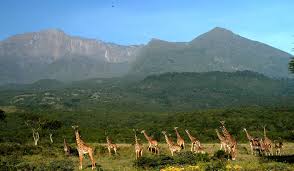
Mount Meru is celebrated not only for its breathtaking landscapes but also for the remarkable diversity of wildlife that inhabits its slopes, forests, and surrounding savannahs. The mountain forms an integral part of Arusha National Park, providing sanctuary to numerous species of mammals, birds, reptiles, and insects, making it a prime destination for wildlife enthusiasts and eco-tourists. The variety of habitats, ranging from montane forests to open plains, supports both common and rare species, ensuring that visitors encounter a dynamic ecosystem teeming with life. Exploring the wildlife on Mount Meru offers a unique combination of adventure, photography, and environmental education, making it one of Tanzania’s most rewarding natural experiences. Wildlife and Nature on Mount Meru are inseparable, as the mountain’s ecosystems provide the essential habitat and resources for these species to thrive.
Among the most prominent mammals inhabiting Mount Meru are elephants, giraffes, buffaloes, and a wide array of antelope species such as elands, waterbucks, and bushbucks. Predators such as leopards, lions, and hyenas roam both the forested slopes and savannah plains, contributing to a balanced ecosystem where prey and predator dynamics maintain ecological stability. Primates, including the blue monkey and colobus monkey, are commonly observed in the forested regions, adding an element of vibrancy and agility to the wildlife experience. Additionally, smaller mammals such as bush pigs, duikers, and mongooses are part of the intricate web of life that defines Mount Meru’s wildlife. Guided safaris and walking tours enable visitors to observe these species in their natural habitats, providing education on animal behavior, conservation, and ecological interactions.
Birdlife on Mount Meru is equally spectacular. The mountain’s forests, wetlands, and crater lakes attract over 400 bird species, ranging from raptors like the African fish eagle and martial eagle to colorful birds such as the African paradise flycatcher and sunbirds. The Momella Lakes area is particularly important for flamingos and other waterfowl, creating vivid landscapes that appeal to birdwatchers and nature photographers alike. The diversity of bird species is not only a visual delight but also a critical indicator of the health and balance of Mount Meru’s ecosystems. Seasonal migration patterns further enhance the dynamic nature of avian life, allowing tourists to witness changes in bird populations throughout the year. Wildlife and Nature on Mount Meru intersect in these habitats, illustrating the interconnectedness of flora and fauna within the mountain’s ecosystem.
Reptiles, amphibians, and insects also contribute to the rich biodiversity of Mount Meru. Forested areas harbor species of chameleons, geckos, and snakes, while wetlands support frogs and aquatic insects. The mountain’s biodiversity is complemented by numerous butterfly species and other pollinators, which play vital roles in sustaining plant communities. Studying these less conspicuous forms of wildlife provides a deeper understanding of ecological balance and highlights the importance of conservation at multiple levels, from charismatic megafauna to small but essential species. For visitors, guided hikes and wildlife tours offer opportunities to appreciate the intricate and delicate relationships that define Mount Meru’s ecological networks.
Conservation efforts on Mount Meru are central to protecting its wildlife. Arusha National Park, managed by TANAPA (Tanzania National Parks Authority), enforces anti-poaching measures, habitat protection strategies, and community engagement programs to ensure the survival of endangered and threatened species. Collaborative projects with international organizations such as the World Wildlife Fund (WWF) and African Wildlife Foundation focus on preserving biodiversity hotspots, monitoring wildlife populations, and promoting sustainable tourism initiatives. These efforts not only protect the wildlife but also ensure that tourism can continue without degrading natural habitats. Educating visitors about responsible tourism practices, wildlife ethics, and conservation challenges is a key component of eco-tourism on Mount Meru.
Ecotourism experiences on Mount Meru combine adventure with conservation awareness. Visitors can embark on guided safaris, nature walks, and birdwatching expeditions, witnessing firsthand the diverse wildlife that inhabits the mountain. Specialized tours often emphasize photography, wildlife tracking, and behavioral observation, offering both education and recreation. Additionally, community-led initiatives enable tourists to engage with local conservation efforts, such as reforestation projects, anti-poaching campaigns, and environmental education workshops, further enhancing the visitor experience while supporting sustainable practices.
The interconnectedness of wildlife and habitats on Mount Meru underscores the importance of ecosystem integrity. Forests provide shelter and food for primates and birds, grasslands sustain herbivores, and wetlands support aquatic life. These components are interdependent, meaning that disruption to one habitat can have cascading effects throughout the ecosystem. Tourism companies that emphasize responsible wildlife viewing, guided tours, and minimal-impact lodging contribute to preserving these delicate ecological relationships. This approach ensures that Wildlife and Nature on Mount Meru remain vibrant and resilient for both present visitors and future generations.
Furthermore, Mount Meru serves as an important corridor connecting highland and lowland ecosystems. This connectivity allows for genetic exchange among wildlife populations, enhancing species resilience and adaptability. Research studies on migration patterns, predator-prey interactions, and habitat utilization inform conservation strategies and highlight the mountain’s significance beyond its immediate geographical boundaries. By supporting research and sustainable tourism, visitors contribute indirectly to global biodiversity conservation efforts, reinforcing Mount Meru’s status as a living laboratory for ecology and wildlife management.
In summary, the wildlife of Mount Meru encompasses a vast array of mammals, birds, reptiles, and insects, all thriving within a network of interconnected habitats. Through responsible tourism, conservation initiatives, and guided exploration, visitors can experience this biodiversity firsthand while contributing to its protection. Wildlife and Nature on Mount Meru represent both a natural treasure and a sustainable tourism opportunity, offering unparalleled encounters for adventure seekers, photographers, scientists, and nature enthusiasts alike.
External References (Authoritative Sources):
-
Tanzania National Parks (TANAPA) – Wildlife: https://www.tanzaniaparks.go.tz
-
World Wildlife Fund – Mount Meru Biodiversity: https://www.worldwildlife.org
-
African Wildlife Foundation – Conservation in Tanzania: https://www.awf.org
3: Flora and Unique Ecosystems on Mount Meru
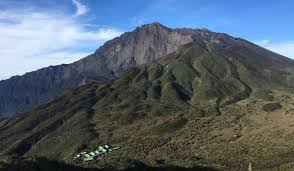
Mount Meru’s striking landscapes are not only home to a wealth of wildlife but also host incredibly diverse plant life that underpins the mountain’s ecological richness. The mountain spans multiple ecological zones, ranging from lowland savannahs to montane forests, bamboo zones, and alpine moorlands, each with its unique plant communities. This diversity of flora supports a vast array of animals and contributes to the resilience of ecosystems, making Mount Meru a living showcase of East African biodiversity. Understanding the flora and ecosystems of Mount Meru is essential for appreciating the full scope of Wildlife and Nature on Mount Meru, as plant life forms the foundation upon which the mountain’s wildlife and landscapes depend.
The lower slopes of Mount Meru are dominated by savannah and grassland ecosystems, interspersed with acacia trees, baobabs, and seasonal shrubs. These areas provide grazing for herbivores such as elephants, giraffes, zebras, and various antelope species, creating a dynamic interaction between flora and fauna. Seasonal rainfall ensures lush growth during wet months, while the dry season transforms these regions into open landscapes that attract migratory species. Grassland flora here is adapted to periodic fires and grazing pressure, highlighting the resilience and adaptability of Mount Meru’s plant communities.
Ascending the mountain, visitors encounter montane forests characterized by towering trees, dense understory vegetation, and a remarkable array of epiphytes. Species such as camphor, fig, and Podocarpus trees dominate the canopy, while ferns, orchids, and mosses flourish below. These forests are crucial for maintaining watershed health, regulating microclimates, and providing habitats for countless bird, primate, and insect species. The montane forest is also a repository of medicinal plants used by local communities, reflecting centuries of traditional ecological knowledge. Researchers and eco-tourists alike benefit from exploring these forests, as they reveal the complexity and interdependence of mountain ecosystems. Wildlife and Nature on Mount Meru are inextricably linked to these forests, which sustain both visible and microscopic life forms.
Bamboo zones occur at higher elevations, forming dense stands that provide shelter for primates and nesting sites for birds. The bamboo’s rapid growth and regenerative ability make it a resilient component of Mount Meru’s flora, contributing to soil stabilization and watershed protection. The presence of bamboo also supports unique wildlife interactions, including feeding patterns of specialized herbivores. Visitors trekking through bamboo forests often experience a sense of seclusion and tranquility, highlighting the mountain’s role in providing immersive nature experiences.
Above the bamboo and montane forests lies the afro-alpine moorland, characterized by giant lobelias, senecios, and tussock grasses. These plants have adapted to harsh conditions, including intense UV radiation, strong winds, and cold temperatures. The moorland represents one of the most fragile yet spectacular ecosystems on Mount Meru, offering panoramic vistas of volcanic cones, crater rims, and distant plains. Alpine flora plays a critical role in soil retention, water catchment, and providing habitat for specialized species such as small rodents and endemic insects. Hikers reaching these zones witness first-hand how plant life adapts to extreme environments, underscoring the resilience of Wildlife and Nature on Mount Meru.
Wetlands, crater lakes, and riverine vegetation add another layer of biodiversity. The Momella Lakes region, for instance, supports papyrus, reeds, and aquatic plants that sustain flamingos, fish, and amphibians. These ecosystems act as crucial water reservoirs, help in nutrient cycling, and serve as breeding grounds for many species. They also provide opportunities for ecotourism activities such as birdwatching, photography, and educational tours. By protecting these habitats, local authorities ensure that both flora and fauna continue to thrive, reinforcing the mountain’s role as a biodiversity hotspot.
Medicinal and endemic plants are particularly significant in the conservation context. Mount Meru is home to several plant species found nowhere else, contributing to global biodiversity and offering potential for scientific research in medicine, ecology, and climate resilience. Traditional knowledge about these plants is still practiced by local communities, creating opportunities for sustainable cultural tourism initiatives. Visitors can learn about plant uses, conservation challenges, and the importance of preserving these natural resources, linking ecotourism with education and sustainable development.
Human activity, including agriculture and tourism, must be managed carefully to protect these ecosystems. Deforestation, invasive species, and climate change pose significant threats to Mount Meru’s flora. Conservation programs led by TANAPA and international organizations focus on habitat restoration, reforestation, and sustainable land use practices. Ecotourism plays a vital role by providing financial incentives for preservation, encouraging responsible visitation, and promoting community involvement. Tourists engaging in guided hikes, nature walks, and educational programs contribute directly to the protection and appreciation of Mount Meru’s plant life.
The unique ecosystems on Mount Meru also serve as natural laboratories for scientists and students. Studies on plant ecology, species adaptation, and climate impacts contribute to broader environmental understanding and global conservation efforts. Visitors participating in educational tours gain insights into ecosystem dynamics, the role of plants in sustaining wildlife, and the importance of biodiversity for climate stability. By highlighting the connection between flora, fauna, and ecosystem services, tourism on Mount Meru fosters both appreciation and stewardship.
In conclusion, the flora and unique ecosystems of Mount Meru form the backbone of the mountain’s ecological integrity and scenic beauty. From lowland savannahs to alpine moorlands, these plant communities sustain wildlife, regulate natural processes, and offer unparalleled opportunities for eco-tourism, education, and research. Preserving this botanical diversity is essential for maintaining the delicate balance of Wildlife and Nature on Mount Meru, ensuring that visitors can continue to experience the mountain’s full splendor for generations to come.
External References (Authoritative Sources):
-
Tanzania National Parks (TANAPA) – Flora and Vegetation: https://www.tanzaniaparks.go.tz
-
African Wildlife Foundation – Mountain Ecosystems: https://www.awf.org
-
Botanical Society of Tanzania – Mount Meru Plant Studies: https://www.botany.or.tz
4: Hiking, Trekking, and Nature Experiences on Mount Meru
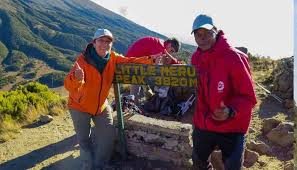
Mount Meru offers an unparalleled combination of adventure, scenic beauty, and wildlife observation, making it a prime destination for hiking and trekking enthusiasts. The mountain’s diverse landscapes, ranging from lush montane forests to alpine moorlands and volcanic crater edges, provide both challenge and reward for trekkers of varying experience levels. Each trail unveils unique ecosystems, wildlife encounters, and panoramic views, immersing visitors in the extraordinary combination of Wildlife and Nature on Mount Meru. For adventure travelers and eco-tourists alike, trekking Mount Meru is an opportunity to experience Tanzania’s natural heritage firsthand while contributing to conservation and local community engagement.
Several trekking routes traverse the mountain, catering to both short excursions and full-day climbs. The Marangu Route, often referred to as the “Coca-Cola Trail,” is the most popular and offers moderate difficulty with scenic forested trails, waterfalls, and views of volcanic formations. The Momella Route, less frequented, provides a more secluded experience, passing through bamboo forests, montane vegetation, and crater edges with abundant wildlife sightings. Other routes such as the Saddle and Miriakamba allow climbers to witness diverse ecological zones, from savannah plains at the base to alpine moorlands near the summit. Guided hikes ensure safety, provide ecological interpretation, and enhance visitor understanding of the mountain’s flora and fauna, allowing tourists to fully appreciate Wildlife and Nature on Mount Meru in a responsible and educational manner.
Wildlife encounters are a highlight of trekking Mount Meru. As hikers ascend, they may spot colobus monkeys leaping among forest canopies, giraffes grazing on the lower slopes, or buffalo herds crossing open grasslands. Birdwatchers can enjoy sightings of African fish eagles, turacos, hornbills, and seasonal migrants that traverse the mountain’s ecosystems. Early morning and late afternoon treks often provide the most active wildlife viewing, and guided tours teach visitors how to observe animals responsibly without disturbing natural behaviors. Photography tours allow both amateur and professional photographers to capture memorable images while adhering to ethical guidelines for wildlife observation.
The mountain’s hiking trails are carefully designed to balance visitor access with ecosystem preservation. Trail maintenance, signage, and designated camping areas minimize environmental impact while promoting safety and educational opportunities. Eco-lodges and campsites along the routes are constructed using sustainable materials and integrate waste management systems to protect the surrounding flora and fauna. Visitors are encouraged to follow Leave No Trace principles, which include minimizing waste, avoiding damage to vegetation, and respecting wildlife habitats. By participating in these sustainable practices, tourists actively contribute to the preservation of Wildlife and Nature on Mount Meru.
Adventure tourism on Mount Meru extends beyond hiking and trekking. Guided nature walks, birdwatching tours, and photography expeditions provide immersive experiences that combine physical activity with environmental education. Some operators offer multi-day treks with overnight camping near crater rims, allowing visitors to witness sunrise and sunset over volcanic landscapes and vast savannahs. These experiences not only enhance personal enjoyment but also cultivate awareness of conservation challenges, the importance of biodiversity, and the ecological interdependence of the mountain’s habitats.
The mountain’s trails also serve as platforms for community-based tourism initiatives. Local guides, often trained in ecological interpretation, safety, and first aid, provide employment opportunities while sharing insights into traditional uses of plants, wildlife conservation efforts, and local culture. Communities benefit economically from trekking fees, accommodation, and handicraft sales, ensuring that tourism directly supports local livelihoods. By integrating adventure tourism with social and environmental responsibility, Mount Meru offers a model for sustainable nature-based experiences.
Mount Meru’s natural features enhance the trekking experience. Crater rims, volcanic cones, waterfalls, and streams punctuate the trails, providing moments of visual awe and opportunities for ecological study. Trekking through bamboo forests or montane zones allows visitors to observe plant-animal interactions, pollination processes, and ecosystem services in action. Alpine moorlands reveal how flora and fauna adapt to extreme environmental conditions, providing both educational and inspirational encounters. This diversity ensures that every hike offers new insights, surprises, and photo opportunities, reinforcing the mountain’s appeal to adventure seekers, naturalists, and photographers alike.
Safety and preparation are essential components of trekking Mount Meru. Visitors are advised to acclimatize properly, carry adequate hydration, and hire certified guides for both safety and interpretive benefits. Seasonal weather variations can influence trail conditions, and guides provide crucial information regarding route selection, timing, and wildlife activity patterns. This guidance ensures that hiking experiences are enjoyable, safe, and environmentally responsible, aligning with best practices for sustainable tourism and conservation.
In conclusion, hiking and trekking on Mount Meru provide a multifaceted experience where adventure, wildlife observation, and ecological education converge. Trails traverse diverse ecosystems, offer wildlife encounters, and present dramatic landscapes that capture the essence of Wildlife and Nature on Mount Meru. Through responsible trekking, guided tours, and community engagement, visitors not only enjoy memorable experiences but also contribute to the preservation and appreciation of the mountain’s unique natural heritage. Mount Meru stands as a premier destination for eco-tourists, adventurers, and conservation-minded travelers seeking immersive and sustainable experiences.
External References (Authoritative Sources):
-
Tanzania National Parks (TANAPA) – Hiking & Trails: https://www.tanzaniaparks.go.tz
-
Lonely Planet – Mount Meru Trekking Guide: https://www.lonelyplanet.com/tanzania/mount-meru
-
African Wildlife Foundation – Ecotourism in Tanzania: https://www.awf.org
5: Conservation, Tourism Impact, and Future Outlook
Mount Meru’s ecological and scenic significance extends beyond its immediate geography, serving as a vital hub for biodiversity conservation, sustainable tourism, and community development. The mountain’s wildlife, forests, and alpine ecosystems face challenges from climate change, human activity, and invasive species, making conservation efforts paramount. Simultaneously, tourism serves as both an opportunity and responsibility: it provides financial incentives for preservation, educational experiences for visitors, and livelihood opportunities for local communities. Balancing these aspects ensures that Wildlife and Nature on Mount Meru remain vibrant and resilient for generations to come.
Conservation efforts on Mount Meru are multi-faceted, involving national authorities, international organizations, and local communities. Arusha National Park, managed by TANAPA (Tanzania National Parks Authority), implements anti-poaching patrols, habitat restoration programs, and environmental monitoring to protect endangered species such as elephants, leopards, and rare birds. Reforestation initiatives help combat soil erosion, restore watersheds, and maintain montane forest integrity, which is essential for sustaining both wildlife populations and the ecological services upon which humans depend. Collaboration with organizations such as the World Wildlife Fund (WWF) and African Wildlife Foundation further enhances scientific research, capacity-building, and funding for long-term conservation strategies. By integrating tourism revenues into these programs, Mount Meru demonstrates how visitor engagement can directly support environmental preservation. Wildlife and Nature on Mount Meru thrive because of this holistic approach to ecological stewardship.
Tourism has a profound impact on both conservation and community development. Responsible ecotourism generates revenue that supports park management, habitat protection, and community-based projects. Lodges, campsites, and trekking operations contribute economically while promoting sustainable practices, including waste management, renewable energy use, and minimal-impact camping. Eco-tourism operators emphasize education, guiding visitors on wildlife ethics, conservation principles, and the importance of preserving fragile ecosystems. Such practices not only ensure visitor satisfaction but also foster long-term stewardship of Mount Meru’s natural resources. The focus on Wildlife and Nature on Mount Meru as a tourism asset encourages travelers to value and protect the environment they experience.
Local communities play a crucial role in conservation and sustainable tourism. Residents surrounding Mount Meru participate in eco-tourism initiatives, offering guided hikes, cultural experiences, and handicrafts, generating income while promoting environmental awareness. Community-based conservation programs educate residents about sustainable land use, wildlife protection, and forest management. Involving local populations ensures that conservation is inclusive and socially equitable, reinforcing the notion that protecting Mount Meru’s wildlife and ecosystems benefits both humans and nature. Responsible tourism practices empower communities, preserve cultural heritage, and reduce conflicts between human activity and wildlife habitats.
Climate change poses significant challenges to Mount Meru’s ecosystems. Rising temperatures, shifting rainfall patterns, and extreme weather events threaten the delicate balance of alpine moorlands, montane forests, and wildlife habitats. Conservation strategies, including reforestation, habitat corridors, and species monitoring, are essential to mitigate these impacts. Educational initiatives for tourists, students, and local communities highlight the role of human behavior in climate resilience, encouraging sustainable practices such as water conservation, renewable energy use, and reduced carbon footprints. In this context, tourism serves not only as an economic driver but also as a platform for raising awareness and inspiring global environmental responsibility.
Future prospects for Mount Meru involve integrating technology, research, and sustainable development. Digital mapping, wildlife tracking, and ecological monitoring enhance conservation efforts, while online platforms allow global audiences to explore the mountain’s ecosystems virtually. Eco-tourism businesses can utilize these tools to market responsibly, attract conservation-minded visitors, and educate tourists about the importance of biodiversity. By embracing innovation while maintaining ecological integrity, Mount Meru sets a precedent for responsible tourism that prioritizes long-term environmental and social sustainability.
Education and scientific research are also integral to Mount Meru’s future. Universities, NGOs, and government agencies conduct studies on species behavior, habitat dynamics, and climate adaptation, providing valuable insights for conservation planning. Tourist participation in educational programs, citizen science projects, and guided interpretive tours enhances awareness of ecological interdependencies. This combination of research, tourism, and community involvement ensures that Wildlife and Nature on Mount Meru continue to be understood, appreciated, and preserved.
In conclusion, the sustainability of Mount Meru’s ecosystems depends on a delicate balance between conservation, tourism, and community engagement. By protecting habitats, promoting responsible tourism, supporting local communities, and embracing scientific research, Wildlife and Nature on Mount Meru can flourish despite environmental challenges. The mountain serves as a model for integrating adventure tourism with ecological stewardship, providing an experience that is both unforgettable and ethically responsible. Preserving Mount Meru’s natural heritage ensures that its forests, wildlife, and alpine landscapes continue to inspire, educate, and delight visitors from around the world.
External References (Authoritative Sources):
-
Tanzania National Parks (TANAPA) – Conservation Programs: https://www.tanzaniaparks.go.tz
-
World Wildlife Fund – Wildlife Conservation in Tanzania: https://www.worldwildlife.org
-
African Wildlife Foundation – Sustainable Tourism Initiatives: https://www.awf.org
