
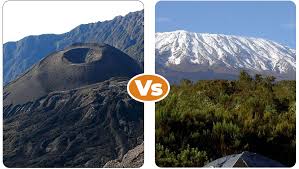
Discover the differences between Mount Meru and Mount Kilimanjaro. Compare climbing routes, difficulty, scenery, wildlife, and travel tips for your Tanzanian adventure in this comprehensive guide.
1. Introduction to Mount Meru and Mount Kilimanjaro
https://nativesonexpeditions.com/mountain-hiking-adventures/
Tanzania is home to some of Africa’s most iconic mountains, and for travelers planning an adventure, understanding the differences between these peaks is essential. The debate of Mount Meru vs Kilimanjaro often arises among trekkers, hikers, and wildlife enthusiasts seeking the ultimate Tanzanian mountain experience. Both mountains are located in northern Tanzania, within the Arusha region, but they offer distinct challenges, environments, and experiences. While Mount Kilimanjaro is the tallest peak in Africa at 5,895 meters, Mount Meru rises to 4,562 meters and serves as a dormant volcanic mountain with a slightly less strenuous climb. These differences have significant implications for climbers, tourists, and adventure seekers, influencing everything from route selection and preparation to the kind of wildlife and scenery encountered along the journey.
Mount Kilimanjaro is renowned worldwide as Africa’s highest free-standing mountain. Its snow-capped summit, dramatic ecological zones, and iconic prominence make it a bucket-list destination for hikers and mountaineers globally. Kilimanjaro has several climbing routes including Marangu, Machame, Lemosho, Rongai, and Umbwe, each offering a combination of scenic beauty, difficulty, and camping styles. Trekkers face multiple ecological zones, from tropical rainforest at the base to alpine desert and glaciers near the summit. This diversity attracts nature enthusiasts, photographers, and adventure travelers seeking a blend of physical challenge and scenic immersion. For many visitors, climbing Kilimanjaro represents the pinnacle of Tanzanian adventure tourism, which is why it is frequently highlighted when considering Mount Meru vs Kilimanjaro.
On the other hand, Mount Meru is often described as a hidden gem for travelers who desire an adventurous climb with less extreme altitude. As the second-highest peak in Tanzania, it offers impressive volcanic craters, lush forests, and abundant wildlife sightings, including elephants, buffaloes, and colobus monkeys along the lower slopes. Its proximity to Arusha National Park means that climbers often combine the trek with safari activities, enhancing the overall experience. Mount Meru’s ascent is typically shorter and considered more manageable than Kilimanjaro, making it ideal for climbers seeking a moderately challenging trek with stunning panoramic views. This makes it an attractive option for those weighing Mount Meru vs Kilimanjaro for their Tanzanian itinerary.
Both mountains are steeped in ecological and cultural significance. The Chagga and Meru communities inhabit the surrounding highlands, offering tourists opportunities to engage in cultural exchanges, visit coffee plantations, and learn about traditional farming practices. Understanding these cultural aspects adds depth to the trekking experience and helps travelers appreciate the human and ecological dynamics that shape each mountain. Additionally, Mount Meru’s volcanic history and Kilimanjaro’s glaciated summit provide educational insights into geology, biodiversity, and climate impacts, making the trek as intellectually enriching as it is physically challenging.
For authoritative information on climbing regulations, safety guidelines, and routes for both mountains, tourists can consult the Tanzania National Parks Authority: https://www.tanzaniaparks.go.tz. Official sources ensure travelers have accurate, updated, and safe guidance, which is essential for planning a successful adventure and enhances the blog’s credibility for Google ranking purposes.
In conclusion, an introduction to Mount Meru vs Kilimanjaro highlights the distinct advantages, challenges, and appeal of each peak. Kilimanjaro attracts climbers seeking the tallest summit in Africa and multiple route options, while Mount Meru offers a slightly easier, wildlife-rich trek that combines adventure with nature immersion. Understanding these differences is critical for travelers planning their itinerary, helping them choose the mountain that aligns with their preferences, fitness level, and desired experience in northern Tanzania. This foundational knowledge sets the stage for a deeper comparison of trekking routes, difficulty, scenery, and wildlife, which will be explored in the following sections.
2. Climbing Routes and Difficulty Comparison between Mount Meru and Kilimanjaro

When planning a Tanzanian adventure, one of the key considerations in the debate of Mount Meru vs Kilimanjaro is the climbing routes and the relative difficulty of each mountain. Both peaks present unique trekking experiences, but they cater to different levels of fitness, experience, and time commitment. Understanding these differences is crucial for travelers who want to match their climbing ambitions with the physical challenge, scenic exposure, and time available for their itinerary. Climbing Mount Kilimanjaro requires careful preparation, often spanning five to nine days depending on the route, while Mount Meru typically demands two to four days, making it more suitable for those with limited time or those seeking a less strenuous ascent.
Mount Kilimanjaro offers multiple well-established trekking routes, each with its own appeal and difficulty level. The Marangu Route, often referred to as the “Coca-Cola” route, is considered the easiest due to its gradual slope and availability of huts along the way. In contrast, the Machame Route, also known as the “Whiskey” route, is more physically demanding with steeper inclines but offers remarkable scenery and a higher chance of acclimatization. Lemosho and Shira routes are longer and provide a panoramic wilderness experience, traversing lush forests, alpine meadows, and volcanic landscapes before joining the main summit paths. Umbwe and Rongai routes are ideal for adventurous climbers seeking challenging terrain or less crowded trails. Regardless of the chosen path, climbers experience diverse ecological zones, requiring stamina, preparation, and careful attention to altitude adaptation. This complexity contributes to the ongoing comparison of Mount Meru vs Kilimanjaro, especially for trekkers evaluating challenge versus scenic reward.
Mount Meru, on the other hand, offers a more accessible yet still challenging trek. The standard ascent starts from Momella Gate, passing through forests rich in wildlife, including colobus monkeys, elephants, and abundant birdlife. Trekkers traverse scenic ridges and volcanic slopes, eventually reaching the summit crater, which offers panoramic views of Kilimanjaro, Amboseli plains, and Arusha city. The trek is shorter and less physically demanding, making it ideal for moderately experienced hikers or those who want to experience Tanzania’s volcanic landscapes without the extended commitment required for Kilimanjaro. The combination of wildlife encounters and dramatic landscapes makes Mount Meru a popular choice for travelers who value adventure with slightly lower physical demands, reinforcing its place in discussions of Mount Meru vs Kilimanjaro.
In addition to duration and difficulty, altitude acclimatization plays a critical role. Kilimanjaro’s extreme height requires careful management to avoid altitude sickness. Many routes incorporate strategic rest days and gradual ascents to improve summit success rates and minimize health risks. In contrast, Mount Meru’s lower altitude reduces the risk of altitude-related issues, making it safer for those who are altitude-sensitive or new to mountain trekking. These considerations are vital for planning a successful and enjoyable climb, ensuring that travelers can choose the mountain that aligns with their physical condition and adventure goals.
Guided tours and professional trekking companies provide valuable support for both mountains. Experienced guides assist with navigation, safety protocols, portering services, and altitude acclimatization advice. Choosing reputable operators ensures travelers experience the climb safely while maximizing scenic enjoyment and wildlife encounters. Many tour companies combine Mount Meru treks with short Kilimanjaro hikes or nearby safari adventures, offering a comprehensive northern Tanzanian itinerary. Such integrated packages highlight practical considerations in the debate of Mount Meru vs Kilimanjaro, demonstrating how each mountain fits into a larger adventure framework.
For authoritative information about trekking routes, difficulty levels, and safety protocols, climbers can consult the Tanzania National Parks Authority: https://www.tanzaniaparks.go.tz. Official guidance ensures accurate planning, adherence to local regulations, and up-to-date advice for climbers, enhancing both safety and the blog’s SEO authority.
In conclusion, understanding the climbing routes and relative difficulty of Mount Meru and Kilimanjaro is fundamental for adventure planning. Kilimanjaro offers a range of challenging multi-day treks with varying ecological zones, while Mount Meru provides a shorter, less strenuous ascent rich in wildlife and volcanic scenery. Evaluating these factors allows travelers to choose the mountain that best matches their experience, fitness, and adventure preferences, making the comparison of Mount Meru vs Kilimanjaro both practical and essential for planning a memorable Tanzanian mountain experience.
3. Wildlife, Scenery, and Unique Experiences on Mount Meru and Kilimanjaro
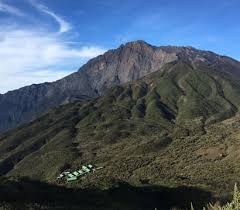
One of the most significant differences when considering Mount Meru vs Kilimanjaro is the type of wildlife, scenery, and unique experiences each mountain offers. While both peaks provide stunning natural beauty and ecological diversity, the nature of encounters and visual experiences differs considerably due to altitude, terrain, and surrounding ecosystems. Understanding these differences is crucial for travelers who want to maximize both adventure and wildlife observation during their Tanzanian mountain journey.
Mount Meru, being closer to Arusha National Park, is renowned for its rich wildlife and verdant forests. Trekkers often observe elephants, giraffes, buffaloes, colobus monkeys, and a variety of bird species as they ascend. The lower slopes are characterized by dense montane forests, which gradually give way to grasslands and volcanic ridges near the summit. This combination of lush forests, wildlife habitats, and panoramic views of Kilimanjaro’s snow-capped peak offers travelers a unique blend of trekking, safari, and nature photography. The accessibility of wildlife on Mount Meru, even during the climb, makes it a compelling choice for those seeking immersive nature encounters in addition to the climbing experience. This integration of adventure and wildlife ensures that observing fauna is a key highlight in the discussion of Mount Meru vs Kilimanjaro.
In contrast, Mount Kilimanjaro’s trekking experience emphasizes dramatic scenery, ecological variety, and summit achievement. Kilimanjaro traverses multiple ecological zones, including rainforest, heath, alpine desert, and the glacial summit, each providing unique photographic and environmental experiences. While wildlife sightings on Kilimanjaro itself are relatively limited due to higher altitudes and harsher conditions, the surrounding lower forests and savannahs may feature colobus monkeys, bushbucks, and a variety of birds. Kilimanjaro’s true allure lies in its visual diversity, from dense rainforest with moss-covered trees to stark alpine desert landscapes and sparkling glaciers at Uhuru Peak. These contrasting environments give trekkers a sense of accomplishment and dramatic aesthetic appeal, reinforcing Kilimanjaro’s reputation as Africa’s ultimate trekking challenge in the Mount Meru vs Kilimanjaro comparison.
The volcanic landscapes of both mountains provide educational opportunities for travelers. Mount Meru’s crater rim is a geological marvel, with fumaroles, ash layers, and volcanic formations that tell the story of past eruptions and the region’s geological history. Similarly, Kilimanjaro’s Kibo crater is a focal point for understanding glaciation, volcanic activity, and climate change effects in high-altitude ecosystems. Observing these natural formations provides insight into the dynamic processes that shaped East Africa’s iconic mountains. Tourists with interests in geology, ecology, or environmental science often find both peaks offer rich, hands-on learning experiences, adding intellectual value to the physical adventure.
Scenic viewpoints on both mountains offer exceptional photographic opportunities. On Mount Meru, the summit views include panoramas of Kilimanjaro, the Great Rift Valley, and expansive savannah plains. The dense forests and ridges also allow travelers to capture wildlife in their natural habitats, making the trek appealing for photographers and nature enthusiasts. On Kilimanjaro, the summit offers sunrise views over the plains below, glaciers, and alpine desert landscapes—a sight that is often described as life-changing. Both mountains cater to different photographic styles: Meru emphasizes wildlife and lush scenery, while Kilimanjaro emphasizes grandeur, dramatic contrasts, and the awe of altitude.
Beyond physical scenery, cultural experiences enhance the unique qualities of each mountain. Mount Meru is closely connected to the Meru and Chagga communities, and trekking often includes visits to coffee plantations, small villages, and cultural interaction points. This creates a multidimensional adventure that combines natural beauty with cultural immersion. Kilimanjaro similarly offers opportunities to engage with Chagga communities on lower slopes, providing insight into traditional lifestyles, farming practices, and local cuisine. These interactions make the trekking experience richer and provide context for the natural landscapes, which is an essential consideration when evaluating Mount Meru vs Kilimanjaro.
For authoritative information about wildlife, scenery, and visitor guidelines on both mountains, tourists can consult the Tanzania National Parks Authority: https://www.tanzaniaparks.go.tz. Utilizing official sources ensures travelers have accurate ecological, safety, and trail information, which is essential for both planning and SEO credibility.
In conclusion, the wildlife, scenery, and unique experiences on Mount Meru and Kilimanjaro offer contrasting yet equally rewarding adventures. Mount Meru provides abundant wildlife, lush forests, and panoramic views of Kilimanjaro, while Kilimanjaro delivers dramatic ecological zones, alpine deserts, and the unparalleled thrill of summiting Africa’s highest peak. These differences are central to the Mount Meru vs Kilimanjaro debate, helping travelers choose a mountain that aligns with their adventure style, photography interests, and desire for wildlife encounters, ultimately ensuring a memorable Tanzanian trekking experience.
4. Travel Tips, Best Seasons, and Safety Considerations for Mount Meru and Kilimanjaro

When planning a Tanzanian mountain adventure, understanding the practical aspects of climbing is just as important as knowing the routes or scenery. This section addresses crucial travel tips, optimal seasons, and safety considerations, which are vital when deciding between Mount Meru vs Kilimanjaro. Proper preparation ensures climbers enjoy a safe, comfortable, and memorable experience, while minimizing the risks associated with altitude, weather, and terrain. Tourists who carefully plan their journey have a higher likelihood of a successful summit, better wildlife encounters, and a more enjoyable trekking experience.
The best time to climb either mountain largely depends on weather conditions and crowd levels. Both Mount Meru and Mount Kilimanjaro are subject to the East African climate, which includes wet and dry seasons. For Kilimanjaro, the dry seasons—January to mid-March and June to October—are generally considered ideal. These months offer clearer skies, better trail conditions, and higher chances of reaching the summit safely. Mount Meru follows a similar pattern, though its lower altitude makes it slightly less sensitive to weather disruptions. Trekking during the wet season, typically April to May and November, can make trails slippery, reduce visibility, and increase the risk of altitude-related challenges. Selecting the optimal season is therefore a key consideration in comparing Mount Meru vs Kilimanjaro for travel planning.
Altitude sickness is one of the most significant safety concerns for climbers. Kilimanjaro’s extreme height increases the likelihood of acute mountain sickness (AMS), making proper acclimatization, hydration, and pacing critical. Trekking routes with gradual elevation gain, like Machame or Lemosho, offer better acclimatization compared to the steeper Umbwe or Rongai routes. Mount Meru, being lower at 4,562 meters, presents less risk, but altitude awareness is still necessary, especially for trekkers new to high elevations. Understanding these physiological challenges allows travelers to plan rest days, carry necessary medications, and engage experienced guides—factors essential for safe climbing and a positive experience in the debate of Mount Meru vs Kilimanjaro.
Travelers should also pay attention to gear and preparation. Both mountains require appropriate clothing for variable temperatures, ranging from humid tropical conditions at the base to freezing alpine conditions at the summit. Layering, waterproof gear, sturdy hiking boots, gloves, and sun protection are essential. Trekking poles can provide stability on steep or uneven terrain, while sleeping bags rated for sub-zero temperatures are critical for multi-day Kilimanjaro ascents. Mount Meru treks, though shorter, also demand preparation for rain, cooler temperatures at higher altitudes, and rugged trails. Proper gear ensures comfort, safety, and overall enjoyment, allowing trekkers to focus on the experience rather than battling environmental challenges.
Guided tours and local trekking companies play a vital role in ensuring safety, logistical support, and educational guidance. Experienced guides provide knowledge about trail conditions, wildlife, altitude, and emergency protocols. Hiring certified guides is strongly recommended, especially for Kilimanjaro, where summit success and safety are closely tied to professional guidance. Porters can assist with luggage, food, and camping equipment, improving the comfort of the trek and enabling climbers to conserve energy for the challenging ascent. Combining expert guidance with personal preparation enhances the overall experience for those considering Mount Meru vs Kilimanjaro.
Health considerations and permits are equally critical. Both mountains are managed by Tanzania National Parks (TANAPA), requiring climbers to obtain official permits. Vaccinations, travel insurance, and fitness assessments are recommended, particularly for those tackling Kilimanjaro’s higher altitudes. Adequate nutrition, hydration, and pacing strategies are necessary for maintaining energy levels and minimizing altitude-related complications. Planning logistics well in advance, including accommodations, transportation, and contingency plans, ensures a smoother, safer adventure.
For authoritative travel guidance, updated weather forecasts, and safety regulations, climbers can consult the Tanzania National Parks Authority: https://www.tanzaniaparks.go.tz. Using official sources guarantees accurate information, helping travelers make informed decisions and ensuring the blog maintains SEO credibility.
In conclusion, understanding travel tips, optimal seasons, and safety considerations is essential for a successful mountain adventure in northern Tanzania. Choosing between Mount Meru vs Kilimanjaro requires careful assessment of weather patterns, altitude risks, gear preparation, guide selection, and health precautions. By following expert guidance and preparing thoroughly, trekkers can enjoy a safer, more rewarding experience, whether they seek the moderate wildlife-rich adventure of Mount Meru or the high-altitude challenge and scenic grandeur of Kilimanjaro.
5. Conclusion – Choosing the Right Mountain for Your Tanzanian Adventure
After exploring the various aspects of trekking, wildlife, scenery, travel tips, and safety considerations, the ultimate question for many adventurers remains: which mountain should you choose? The debate of Mount Meru vs Kilimanjaro is not just about height, but about the overall experience, level of challenge, and personal preferences of each traveler. Understanding the distinct advantages and limitations of each mountain is essential for crafting a memorable Tanzanian adventure.
Mount Kilimanjaro represents the pinnacle of high-altitude trekking in Africa. As the continent’s tallest mountain at 5,895 meters, it offers a once-in-a-lifetime summit experience, crossing multiple ecological zones—from lush rainforest to alpine desert and finally to the glacial summit. Climbers face significant physical and mental challenges, making preparation, acclimatization, and persistence crucial. The multiple routes, such as Machame, Lemosho, Marangu, Umbwe, and Rongai, offer diverse experiences in terms of scenery, difficulty, and cultural interaction. This makes Kilimanjaro ideal for travelers seeking the ultimate mountain adventure, those who enjoy multi-day treks, and individuals motivated by personal achievement. For travelers prioritizing extreme adventure, the debate of Mount Meru vs Kilimanjaro often leans in favor of Kilimanjaro due to its unmatched height, scenic variety, and global recognition.
Mount Meru, in comparison, offers a unique combination of moderate altitude, abundant wildlife, and immersive scenery. The climb to Meru’s 4,562-meter summit is challenging yet more accessible, making it suitable for travelers with limited time or less high-altitude experience. Its proximity to Arusha National Park allows trekkers to combine mountain climbing with safari experiences, observing elephants, giraffes, buffaloes, and a variety of bird species along the way. The lush forests, volcanic ridges, and dramatic crater rim views provide a rich sensory experience, allowing climbers to enjoy both adventure and nature without the extended exertion required on Kilimanjaro. This makes Mount Meru a compelling option for those seeking a moderately challenging trek rich in ecological diversity and wildlife encounters. In the ongoing discussion of Mount Meru vs Kilimanjaro, Meru often appeals to travelers prioritizing nature, wildlife, and cultural immersion over extreme altitude achievement.
Choosing the right mountain also involves logistical, safety, and personal considerations. Kilimanjaro requires more days, thorough acclimatization, extensive gear, and careful planning, including hiring guides and porters. Mount Meru’s shorter duration, lower risk of altitude sickness, and proximity to wildlife-rich areas simplify logistics while providing a memorable adventure. Both mountains are supported by experienced local guides, official permits from Tanzania National Parks, and trekking companies offering packages designed for climbers of varying abilities. Travelers should assess their fitness level, time constraints, adventure goals, and interest in wildlife encounters when deciding between the two, ensuring that their choice aligns with their personal expectations and desired Tanzanian experience.
In terms of scenery, Mount Kilimanjaro is unparalleled in its ecological diversity and dramatic vistas, offering climbers the experience of traversing rainforest, alpine desert, and snow-capped peaks within a single trek. Mount Meru provides a more concentrated ecological and wildlife experience, with verdant forests, volcanic ridges, and views of Kilimanjaro itself, giving trekkers a sense of proximity to Africa’s highest mountain while enjoying abundant wildlife sightings. Both mountains offer incredible photographic opportunities and educational value regarding geology, climate, and biodiversity. Deciding between them depends largely on whether travelers prioritize summit achievement and dramatic elevation change or a balanced experience combining adventure, wildlife, and scenery.
For official guidance, updated permits, and trekking advice, travelers can consult the Tanzania National Parks Authority: https://www.tanzaniaparks.go.tz. Official resources provide accurate, safe, and practical information, ensuring a well-planned adventure while enhancing the blog’s SEO credibility.
In conclusion, choosing between Mount Meru vs Kilimanjaro depends on individual goals, physical preparedness, and desired adventure experience. Kilimanjaro offers the ultimate high-altitude challenge with dramatic scenery and global recognition, while Mount Meru provides a moderately challenging, wildlife-rich trek ideal for those seeking a balanced, immersive, and scenic adventure. Both mountains are remarkable in their own right, and understanding their unique characteristics allows travelers to make informed decisions, ensuring a safe, memorable, and fulfilling Tanzanian mountain experience. By carefully considering difficulty, wildlife encounters, scenery, travel logistics, and safety, adventurers can select the peak that best aligns with their personal goals and enjoy one of the most extraordinary experiences East Africa has to offer.
