

Learn the best time to climb mount meru with expert insights on weather, seasons, trail conditions, and safety. Plan your Mount Meru adventure with confidence.
Understanding Mount Meru’s Climate, Geography, and Its Impact on Climbing Conditions
https://nativesonexpeditions.com/mount-meru-climbing-tours/
Mount Meru is one of Tanzania’s most spectacular yet underrated trekking destinations, rising to 4,566 meters above sea level within Arusha National Park. For international adventure travelers, understanding the mountain’s climate and geography is the most critical step in planning a successful and safe climb. Unlike Mount Kilimanjaro, which stands isolated above the plains, Mount Meru is a volcanic mountain surrounded by forests, wildlife habitats, and dramatic landscapes that directly influence weather patterns, trail conditions, and overall trekking experience. These factors collectively determine the Best time to climb mount meru for climbers seeking optimal conditions and unforgettable scenery.
Geographically, Mount Meru is located just east of the Great Rift Valley and approximately 70 kilometers west of Mount Kilimanjaro. Its position within Arusha National Park means that climbers pass through multiple ecological zones during the ascent. The lower slopes are covered in dense montane forest, home to giraffes, buffalo, warthogs, and colobus monkeys. As altitude increases, the forest gives way to heathland and alpine desert zones, eventually leading to rocky ridges and volcanic ash near the summit. Each of these zones responds differently to seasonal weather changes, making timing a key element of climb planning. According to Tanzania National Parks Authority, Mount Meru’s diverse ecosystems are highly sensitive to rainfall and temperature fluctuations, which directly affect trail safety and accessibility (https://www.tanzaniaparks.go.tz).
Mount Meru experiences two primary rainy seasons and two relatively dry seasons, similar to much of northern Tanzania. The long rainy season typically occurs from March to May, while the short rains fall in November. The dry seasons are generally from June to October and from January to February. However, because of Meru’s elevation and forested environment, weather conditions can change rapidly, even within a single day. Mornings are often clear, while afternoons may bring cloud cover or light rain, particularly at higher elevations. Understanding these microclimates is essential when identifying the Best time to climb mount meru, especially for international climbers unfamiliar with East African mountain weather.
Temperature variation on Mount Meru is another important consideration. At the base, daytime temperatures can be warm and humid, especially in forested zones. As climbers ascend, temperatures drop significantly, and nights at mountain huts can be cold, sometimes approaching freezing near the summit. During dry seasons, temperatures are more stable, while rainy seasons bring colder, wetter, and windier conditions at higher altitudes. These factors affect not only comfort but also safety, as wet trails increase the risk of slips, and cold conditions can contribute to altitude-related challenges. Adventure travel authorities such as Lonely Planet emphasize that stable weather windows significantly improve summit success rates and overall trekking enjoyment (https://www.lonelyplanet.com).
Rainfall has a particularly strong impact on Mount Meru climbing conditions. The forest sections of the trail can become muddy and slippery during heavy rains, making ascents physically demanding and descents potentially hazardous. Additionally, increased cloud cover during wet months can obscure views of Mount Kilimanjaro and the surrounding plains, reducing one of the most rewarding visual aspects of the climb. In contrast, dry-season conditions offer clearer skies, firmer trails, and better visibility, all of which enhance both safety and enjoyment. These environmental realities are why professional guides and park authorities consistently advise climbers to carefully evaluate seasonal weather trends before choosing their travel dates.
Another unique aspect of Mount Meru is that all climbers are required to be accompanied by an armed ranger due to the presence of wildlife along the lower slopes. Seasonal conditions influence animal movement, with some species more active near trails during certain months. Dry seasons tend to concentrate wildlife around water sources, increasing the likelihood of sightings during the early stages of the climb. For many international travelers, this combination of trekking and wildlife experience is a major attraction, adding further importance to selecting the Best time to climb mount meru for both safety and experience quality.
From a tourism company perspective, educating clients about Mount Meru’s climate and geography builds trust and sets realistic expectations. International climbers often underestimate Meru, assuming it is an “easy” alternative to Kilimanjaro. In reality, while it is less crowded, it is still a high-altitude trek that demands proper preparation and favorable conditions. Providing accurate, detailed information about seasonal weather patterns helps climbers pack appropriately, train effectively, and mentally prepare for the journey. Trusted conservation and trekking organizations highlight that well-informed climbers are more likely to succeed and less likely to encounter avoidable risks (https://www.iucn.org).
Mount Meru’s position within a protected national park also means that conservation considerations influence climbing regulations and access. Trail maintenance, hut availability, and ranger services are managed year-round, but conditions can vary depending on weather. During extreme rainy periods, certain sections may become challenging, and park authorities may advise caution. Staying aligned with official guidance ensures compliance with regulations and contributes to sustainable tourism practices. International travelers increasingly value responsible travel, and climbing during appropriate seasons supports both safety and conservation goals.
In summary, Mount Meru’s climate and geography are the foundation upon which every successful climb is built. Seasonal rainfall, temperature variation, ecological zones, and wildlife presence all interact to shape the trekking experience. By understanding these factors in depth, climbers can make informed decisions that enhance safety, comfort, and enjoyment. This knowledge is the first and most important step in determining the Best time to climb mount meru, setting the stage for a rewarding and well-planned mountain adventure in northern Tanzania.
Dry Season Climbing: Why June to October Is the Prime Period to Climb Mount Meru
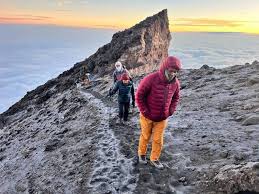
The dry season from June to October is widely regarded by trekking professionals, park authorities, and experienced climbers as the most reliable and rewarding period to climb Mount Meru. During these months, weather conditions are more predictable, trails are safer, and visibility is at its best, making the overall trekking experience smoother and more enjoyable. For international travelers seeking a well-balanced combination of safety, scenery, and summit success, this season consistently stands out as the Best time to climb mount meru.
One of the primary advantages of the dry season is reduced rainfall. With minimal precipitation, forest trails on the lower slopes of Mount Meru remain firm and less slippery, significantly lowering the risk of accidents during ascent and descent. This is especially important in the montane forest zone, where wet roots, mud, and steep sections can become challenging during rainy periods. Dry conditions allow climbers to maintain a steady pace, conserve energy, and focus on acclimatization rather than navigating hazardous terrain. According to Tanzania National Parks Authority, trail accessibility and safety are highest during the dry months, making this period ideal for guided climbs within Arusha National Park (https://www.tanzaniaparks.go.tz).
Visibility is another key factor that makes June to October highly desirable. Clear skies during this season offer uninterrupted views of Mount Kilimanjaro, the Momella Lakes, and the vast plains surrounding Arusha National Park. These panoramic views are among Mount Meru’s most distinctive features, setting it apart from other trekking destinations. Early morning starts, which are standard for summit attempts, often coincide with crystal-clear conditions, allowing climbers to witness dramatic sunrises over Kilimanjaro and the Rift Valley. For photographers and nature lovers, these visual rewards significantly enhance the trekking experience.
Temperature stability during the dry season also contributes to climbing success. While Mount Meru is a high-altitude trek with cold nights near the summit, daytime temperatures during these months are generally moderate and comfortable. The absence of heavy cloud cover allows for warmer daytime conditions, while nights remain cold but manageable with proper gear. This balance reduces physical stress and helps climbers sleep better at mountain huts, which is essential for acclimatization. Travel experts from Lonely Planet consistently note that stable temperatures are a major advantage of dry-season trekking in East Africa (https://www.lonelyplanet.com).
From an acclimatization perspective, Mount Meru is often used as a preparatory climb for Mount Kilimanjaro, and the dry season enhances its effectiveness in this role. Clear weather and consistent trail conditions allow climbers to follow gradual ascent profiles without unexpected delays caused by weather disruptions. This makes it easier for guides to manage pacing and monitor climbers for signs of altitude-related issues. For international trekkers who may be unfamiliar with high-altitude environments, these predictable conditions offer reassurance and improve overall safety margins, reinforcing why this period is considered the Best time to climb mount meru.
Wildlife encounters during the dry season add another unique dimension to the climb. As water sources become scarce, animals such as giraffes, buffalo, antelope, and elephants are more likely to be seen near established trails, particularly in the lower forested zones. Because Mount Meru climbs are conducted with armed rangers, these encounters are both safe and memorable. Many international travelers value this combination of trekking and wildlife viewing, which is rarely found on other major mountains. Conservation organizations emphasize that dry seasons often provide the most consistent opportunities for observing wildlife behavior in protected areas (https://www.worldwildlife.org).
Operational reliability is also highest during the dry season. Mountain huts such as Miriakamba Hut and Saddle Hut are fully operational, well-maintained, and easily accessible. Food supplies, water access, and ranger services function smoothly, reducing the likelihood of logistical challenges. For tourism companies, this reliability allows for precise itinerary planning and consistent service delivery, which is critical when managing international clients with limited travel windows. The reduced risk of delays or route changes improves client satisfaction and strengthens a company’s reputation for professionalism.
Crowd levels on Mount Meru during the dry season are noticeably lower than on Mount Kilimanjaro, even at peak times. While June to October is considered high season, Mount Meru remains relatively uncrowded, offering a more tranquil and intimate trekking experience. Climbers can enjoy peaceful trails, quiet evenings at mountain huts, and a deeper connection with the natural environment. This sense of exclusivity appeals strongly to travelers seeking adventure without mass tourism, further supporting the argument that this season offers the Best time to climb mount meru.
From a safety standpoint, emergency response capabilities are more effective during dry months. Clear weather improves communication, visibility, and evacuation options if needed. Rangers and guides can respond more efficiently to incidents, and helicopter evacuations, when necessary, are less likely to be grounded by poor weather. While emergencies are rare on Mount Meru, this added layer of preparedness provides peace of mind for climbers and their families.
For international tourists planning long-haul travel, the dry season also aligns well with global vacation calendars. Summer holidays in Europe and North America coincide with Tanzania’s dry months, making it easier for travelers to schedule trips without work or school conflicts. This alignment increases demand but also ensures that tourism infrastructure operates at full capacity, delivering high-quality services across accommodation, transport, and guiding sectors.
In terms of value, while prices during the dry season are generally higher than in the rainy months, the return on investment is strong. Climbers benefit from optimal conditions, higher summit success rates, and an overall smoother experience. For many travelers, these advantages justify the additional cost, especially when the climb is part of a broader itinerary that may include safaris or beach holidays in Zanzibar.
In conclusion, June to October offers the most balanced and dependable conditions for climbing Mount Meru. Dry trails, clear views, stable temperatures, reliable logistics, and enhanced safety combine to create an environment that supports both enjoyment and success. Whether Mount Meru is the primary objective or part of a larger Tanzanian adventure, this season consistently delivers exceptional results and remains the benchmark against which all other climbing periods are compared, firmly establishing it as the Best time to climb mount meru for international trekkers.
The Short Dry Season Advantage: January and February for Clear Skies and Strategic Climbs
January and February form what is commonly referred to as the short dry season in northern Tanzania, and for many experienced trekkers, this period offers a highly strategic window for climbing Mount Meru. While it does not receive the same level of attention as the long dry season, these months provide stable weather, excellent visibility, and favorable trail conditions that appeal to international climbers seeking flexibility, fewer crowds, and strong summit potential. For well-prepared travelers, this period can confidently be considered the Best time to climb mount meru when balancing performance, comfort, and exclusivity.
One of the defining characteristics of January and February is weather stability. After the short rains of November and before the onset of the long rains in March, Mount Meru experiences a relatively calm climatic phase. Rainfall is minimal, skies are often clear, and humidity levels are lower than during the wet months. These conditions create dry trails across most sections of the mountain, particularly in the forest and heath zones. For climbers, this translates into safer footing, less physical strain, and a smoother ascent overall. According to Tanzania National Parks Authority, January and February consistently fall within recommended trekking periods due to reduced weather-related disruptions (https://www.tanzaniaparks.go.tz).
Visibility during this season is one of its strongest advantages. Clear mornings frequently offer uninterrupted views of Mount Kilimanjaro, the Momella Lakes, and the expansive plains of Arusha National Park. These panoramic vistas are a highlight of the Mount Meru climb and are often clearer during January and February than during other months, including parts of the long dry season when dust and haze can accumulate. Summit mornings are particularly rewarding, with crisp air and expansive horizons that enhance the sense of achievement upon reaching Socialist Peak.
Temperature conditions during the short dry season are generally well-balanced. Daytime temperatures in the lower forest zones are warm but not oppressive, while higher elevations experience cool, manageable conditions. Nights near Saddle Hut and the summit remain cold, as expected at altitude, but are typically less severe than during the coldest months of the long dry season. This temperature balance supports better rest and recovery, which is critical for acclimatization and overall trekking success. Travel authorities such as Lonely Planet highlight this period as ideal for climbers who want favorable weather without extreme cold (https://www.lonelyplanet.com).
Another important factor during January and February is trail accessibility. Because these months follow a relatively dry period, trails are well-defined and free from the deep mud and erosion often seen during heavy rains. This improves not only safety but also pacing, allowing guides to maintain consistent ascent schedules. For international climbers who may be limited by time, this reliability helps ensure that itineraries stay on track and summit attempts proceed as planned. As a result, many professional operators regard this window as the Best time to climb mount meru for clients seeking efficient and predictable climbs.
Crowd levels on Mount Meru during January and February are typically lower than during the peak dry season from June to October. While this period coincides with winter holidays in some regions, it does not attract the same volume of trekkers as mid-year travel. This creates a quieter and more personal trekking experience, with fewer groups on the trail and more space at mountain huts. For climbers who value solitude, reflection, and a deeper connection with nature, this reduced traffic significantly enhances the overall journey.
Wildlife encounters remain a notable feature of Mount Meru climbs during the short dry season. With moderate conditions and steady access to water sources, animals continue to move through the lower forest zones. Giraffes, buffalo, antelope, and monkeys are commonly seen along the trail, adding a safari-like element to the trek. Because all climbs are accompanied by armed rangers, these encounters are safely managed and add a unique dimension to the experience. Conservation organizations note that transitional seasons often provide balanced wildlife activity without the extremes seen in peak dry or wet periods (https://www.worldwildlife.org).
From a logistical standpoint, January and February are efficient months for mountain operations. Mountain huts such as Miriakamba and Saddle Hut are fully functional, supply lines are stable, and ranger services operate at full capacity. Tour operators can reliably schedule climbs without the risk of weather-related cancellations or major delays. This operational consistency is particularly valuable for international travelers coordinating flights, accommodations, and onward travel within Tanzania.
Another advantage of this period is its alignment with broader travel itineraries. Many travelers combine a Mount Meru climb with a Kilimanjaro ascent, wildlife safaris, or Zanzibar beach holidays. January and February offer excellent conditions across all these activities, making it easier to design seamless multi-experience itineraries. Safari regions benefit from lush landscapes and active wildlife, while coastal destinations enjoy warm waters and calm seas. This makes the season especially appealing for travelers seeking diverse experiences within a single trip.
From a value perspective, January and February often offer slightly better pricing compared to the peak dry season. While not as discounted as the long rainy season, accommodation and guiding costs can be more competitive, particularly for early bookings. This allows climbers to access high-quality services and experienced guides without paying peak-season premiums. For tourism companies, this creates opportunities to design attractive packages that balance quality and affordability.
In terms of risk management, the short dry season offers a strong safety profile. Clear weather improves communication and visibility, and emergency response capabilities remain reliable. Guides can better monitor climbers for altitude-related symptoms, and evacuation procedures, if required, are less likely to be affected by adverse weather. This added layer of security is especially reassuring for first-time high-altitude trekkers.
In summary, January and February present a powerful alternative to the more crowded mid-year climbing season. Stable weather, clear views, manageable temperatures, reliable logistics, and quieter trails combine to create a highly favorable climbing environment. For international trekkers seeking a well-rounded and efficient Mount Meru experience, this period consistently delivers strong results and stands as a compelling option when determining the Best time to climb mount meru.
Rainy and Shoulder Seasons: March–May and November for Budget-Friendly and Lush Climbing Experiences
For international climbers seeking a unique, value-driven, and environmentally immersive experience, the rainy and shoulder seasons on Mount Meru—primarily from March to May and in November—offer compelling opportunities. These months are often overlooked due to higher rainfall and softer trail conditions, yet they provide dramatic landscapes, fewer crowds, and significant cost savings. For those willing to embrace the challenge of wet trails and unpredictable weather, this period can be considered the Best time to climb mount meru for adventurous travelers looking for something beyond the traditional dry-season trekking experience.
The long rains, occurring from March to May, transform Mount Meru into a verdant paradise. The forested lower slopes become lush, rivers swell, and alpine zones glisten with renewed vegetation. While heavier rainfall can make trail navigation more physically demanding, the beauty of this period is unmatched. Trails are alive with flowing streams, misty valleys, and abundant flora, offering climbers a sensory-rich trekking experience that is unavailable during the dry season. Conservation experts emphasize that these rains play a critical role in preserving biodiversity and sustaining the mountain’s ecosystems (https://www.iucn.org).
November, known as the short rainy season, typically features lighter and more sporadic showers. This transitional period allows climbers to experience green trails and rejuvenated wildlife activity without enduring the intensity of the long rains. The weather is generally manageable, with short bursts of rain followed by sunshine. For international travelers seeking off-peak adventure, November offers a balance between cost-effectiveness and environmental immersion, making it another candidate for the Best time to climb mount meru in terms of combining experience and value.
One of the most significant advantages of climbing during these shoulder and rainy months is the reduction in crowds. Unlike the dry season, when trails are busier with trekkers from around the world, rainy-season climbs allow for a more intimate and private experience. Mountain huts such as Miriakamba and Saddle Hut are less crowded, providing quieter evenings, greater space for acclimatization, and a stronger sense of connection to the surrounding wilderness. This exclusivity appeals to travelers seeking personal and reflective journeys rather than conventional tourism.
Wildlife activity along the lower slopes is also enhanced during the rainy season. Water availability and abundant vegetation encourage animals to disperse, making sightings more varied and sometimes closer to the trail. Colobus monkeys, buffalo, giraffes, and other wildlife can be observed in lush forest settings, offering climbers a combination of trekking and safari-like experiences. According to the World Wildlife Fund, rainy periods are critical for maintaining animal habitats and ensuring long-term biodiversity, meaning climbers are witnessing the mountain at a vital ecological moment (https://www.worldwildlife.org).
Trail conditions, while more challenging during wet months, can be managed with proper preparation. Trekking poles, sturdy boots, and waterproof gear become essential tools for navigating slippery paths and muddy sections. Many guided climbs adjust routes slightly to avoid overly eroded areas or temporarily inaccessible zones. Professional guides and experienced tour operators ensure that climbers are well-informed about seasonal challenges, emphasizing safety without compromising the immersive experience. Park authorities, including Tanzania National Parks, recommend that climbers attempting the mountain during rainy months hire licensed guides who are familiar with seasonal variations (https://www.tanzaniaparks.go.tz).
From a budget perspective, climbing Mount Meru during the rainy or shoulder season can yield significant savings. Lodge fees, guided packages, and park entry costs are often reduced compared to the dry season, sometimes by as much as 30–40%. For international travelers seeking high-quality experiences at a lower price, this period offers a rare opportunity to combine adventure, luxury, and cost-effectiveness. Travel experts highlight that strategic off-peak travel allows tourists to access premium services without paying peak-season premiums (https://www.lonelyplanet.com).
The rainy season also supports sustainable tourism practices. By spreading visitor numbers more evenly throughout the year, climbers help reduce peak-season pressure on trails, wildlife, and local infrastructure. This contributes to conservation efforts, preserves ecological integrity, and benefits local communities through more consistent tourism income. Sustainable tourism advocates note that visiting during shoulder or rainy months is an environmentally responsible choice that aligns with global conservation goals (https://www.unesco.org).
Scenic rewards during the rainy season are substantial. Lush forests, misty valleys, cascading streams, and vibrant wildflowers create photo opportunities that are unavailable during the dry months. Summit conditions, while potentially cloudier, can still offer spectacular views, particularly on clear mornings. Many photographers and nature enthusiasts prefer climbing during these months precisely because of the unique aesthetic qualities of the wet landscape. The dramatic contrast between stormy skies and verdant slopes produces unforgettable imagery, enhancing the climber’s overall experience.
For international travelers planning multi-activity itineraries, shoulder-season climbs pair well with safaris or coastal trips. After a lush and immersive Mount Meru climb, tourists can transition to dry, sunny safaris in northern Tanzania or relax on Zanzibar and Pemba beaches where rainfall is limited and conditions remain pleasant. This flexibility makes shoulder-season climbing particularly appealing for those seeking a diverse and seamless Tanzanian adventure.
In terms of risk management, while wet trails introduce some challenges, the climbing experience remains safe under professional guidance. Armed rangers accompany all treks, monitoring wildlife and ensuring trail safety. Guides are trained to adapt schedules and pace based on weather and trail conditions. Communication and emergency response capabilities are fully operational, providing reassurance for international climbers tackling Mount Meru in non-peak months.
In summary, climbing Mount Meru during March–May or November offers a rich, immersive, and cost-effective experience for international travelers. Lush landscapes, fewer crowds, enhanced wildlife viewing, and sustainable tourism benefits combine to make this period uniquely rewarding. While it requires careful preparation and flexibility, this window delivers unforgettable scenery, intimate encounters with nature, and a profound sense of adventure, making it a strategic choice for those seeking the Best time to climb mount meru beyond traditional dry-season conventions.
Month-by-Month Climbing Guide and Final Recommendations for Mount Meru Treks
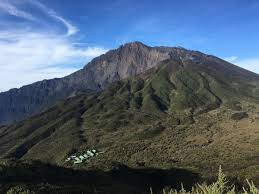
Planning a Mount Meru climb can be a complex endeavor, especially for international travelers seeking the ideal combination of safety, scenic beauty, and summit success. A month-by-month breakdown allows trekkers to align their preferences with seasonal conditions, trail accessibility, and wildlife activity, ultimately helping them choose the Best time to climb mount meru based on specific goals and expectations.
January and February mark the short dry season, characterized by relatively stable weather, clear skies, and moderate temperatures. Trails are generally dry and safe, offering excellent visibility for summit views and wildlife observation. These months are particularly suitable for climbers seeking a quieter experience with fewer crowds while maintaining high chances of reaching the summit. Additionally, this period aligns well with beach holidays or safari excursions in Tanzania, creating opportunities for multi-activity itineraries. Tanzania National Parks recommends careful planning and professional guiding during this period to maximize safety and enjoyment (https://www.tanzaniaparks.go.tz).
March through May, the long rainy season, brings dramatic landscapes with lush greenery, flowing streams, and abundant flora. Trail conditions can be challenging, with muddy sections and potential weather disruptions, yet the experience is unparalleled for those seeking immersive nature encounters and solitude. Wildlife is active, and fewer climbers on the trails mean that each step can feel like a private expedition. International travelers who value both adventure and sustainability often find this season rewarding, as shoulder-season tourism reduces environmental impact and supports local communities. The International Union for Conservation of Nature emphasizes that visiting during wet months can enhance the preservation of sensitive mountain ecosystems (https://www.iucn.org).
June to October, the long dry season, is the most widely recommended period for climbing Mount Meru. With minimal rainfall, stable temperatures, and clear skies, this period offers optimal trail conditions, higher summit success rates, and spectacular panoramic views of Mount Kilimanjaro, Momella Lakes, and the Arusha plains. Wildlife is concentrated around water sources, providing memorable sightings for climbers. Tourism experts and travel authorities, including Lonely Planet, highlight these months as the benchmark for Mount Meru treks due to their reliability, safety, and overall quality of experience (https://www.lonelyplanet.com). For international travelers planning multi-activity trips, this period aligns with safari excursions and beach holidays, providing consistent conditions across all regions.
November serves as a transitional month with short rains, offering an appealing compromise for those seeking cost-effective climbs without extreme trail challenges. While some rainfall is expected, the mountain remains accessible, and the lush scenery enhances the trekking experience. Climbers who prefer quieter trails and are prepared for occasional showers often consider this month a strategic choice for both value and immersive experience. WWF notes that wildlife activity remains significant during this period, allowing trekkers to witness the mountain’s ecological richness safely (https://www.worldwildlife.org).
For international travelers planning multi-day or multi-activity itineraries, sequencing is key. A common and highly effective strategy is to start with the Mount Meru climb and then proceed to safaris in the northern circuit—Tarangire, Ngorongoro, and Serengeti—or to unwind on Zanzibar or Pemba beaches. This approach maximizes adventure first, followed by relaxation, ensuring a balanced travel experience. Tourism companies that offer full-package solutions enhance client satisfaction by integrating climbing, safari, and beach experiences seamlessly.
In practical terms, climbers should consider logistical factors such as acclimatization, availability of mountain huts, ranger accompaniment, and trail length when selecting the month for their trek. Professional guidance is strongly recommended, particularly for first-time high-altitude climbers. Hiking Mount Meru without a certified guide is prohibited due to safety regulations and wildlife management protocols within Arusha National Park. Following the guidance of trained professionals ensures both compliance and a safer, more rewarding experience.
From a financial perspective, understanding peak and off-peak pricing can influence travel planning. While June to October generally commands higher rates due to high demand, January, February, and November may offer moderate pricing without significant compromises in climbing quality. March to May provides opportunities for cost-conscious travelers who are willing to navigate wetter trail conditions, making Mount Meru accessible to a broader range of international tourists.
Ultimately, there is no single “perfect” month for every climber; the Best time to climb mount meru depends on individual preferences, priorities, and risk tolerance. Whether prioritizing summit success, scenic rewards, wildlife encounters, solitude, or budget, the mountain offers rewarding experiences year-round. By aligning travel goals with seasonal conditions, international travelers can create a fully customized and unforgettable Mount Meru adventure that balances safety, enjoyment, and environmental responsibility.
In conclusion, a Mount Meru climb is most successful when carefully planned with consideration of seasonal dynamics, trail conditions, wildlife activity, and logistical support. The combination of professional guidance, month-specific planning, and awareness of environmental factors ensures that each trekker enjoys an unforgettable journey. Selecting the right window based on this month-by-month breakdown empowers travelers to confidently choose the Best time to climb mount meru and experience one of Tanzania’s most stunning and adventurous destinations with maximum safety, comfort, and satisfaction.
