

Discover the wonders of The Great Migration on Serengeti, Tanzania. Plan your safari, witness wildlife in motion, and experience the ultimate adventure with expert guides.
1: Introduction to The Great Migration on Serengeti
https://nativesonexpeditions.com/serengeti-migration-safari/
The Great Migration on Serengeti is one of the most awe-inspiring wildlife spectacles on Earth. Every year, millions of wildebeest, zebras, and gazelles move in a vast circular journey across the Serengeti ecosystem, spanning northern Tanzania and southern Kenya. This natural phenomenon has fascinated scientists, photographers, and safari enthusiasts for decades, attracting visitors from all over the world. First-time visitors often marvel at the sheer scale, dramatic predator-prey interactions, and the ever-changing landscapes encountered along the migration route. Understanding the timing, routes, and best viewing locations is crucial to experiencing The Great Migration on Serengeti in all its glory.
The migration is primarily driven by rainfall patterns and the search for fresh grazing lands. Starting from the southern Serengeti plains near the Ngorongoro Conservation Area, herds gradually move northward in search of water and pastures, crossing rivers like the Mara, which are notorious for crocodile ambushes. This journey is cyclical, spanning over 1,800 miles annually, and is often referred to as the “Greatest Wildlife Show on Earth.” Observing these movements is a profound experience for first-time visitors, blending adventure, photography, and wildlife education.
Safari operators carefully plan itineraries to maximize encounters with The Great Migration on Serengeti, considering seasonal variations. Between January and March, the herds concentrate in the southern plains for calving, offering opportunities to witness newborn wildebeest and the vulnerability that attracts predators. From April to June, the herds gradually disperse across central Serengeti, while by July through October, they reach northern areas and cross the Mara River into Kenya’s Maasai Mara National Reserve. Understanding these seasonal dynamics enhances the quality of the safari experience and ensures tourists are in the right location to witness dramatic river crossings, predator interactions, and mass movements.
The Serengeti ecosystem is remarkably diverse, not just for the migrating ungulates but also for the predator populations that depend on them. Lions, cheetahs, leopards, and hyenas follow the herds, offering first-time visitors thrilling opportunities to observe hunting behavior. Birds of prey, including eagles and vultures, circle above the herds, ready to capitalize on vulnerability during river crossings and open plains. Safari guides, who are highly knowledgeable about animal behavior and migration routes, are essential for providing interpretation, spotting wildlife, and ensuring both safety and ethical observation. Resources like the Tanzania National Parks website (https://www.tanzaniaparks.go.tz) provide authoritative information about park regulations, conservation efforts, and tips for responsible tourism.
First-time visitors also benefit from understanding the cultural significance of the migration. Local Maasai communities have coexisted with wildlife for centuries, their pastoral practices harmonizing with the natural rhythm of the Serengeti. Engaging with Maasai cultural experiences enhances the safari, providing context for how humans and wildlife share this extraordinary ecosystem. Many tour operators integrate village visits, craft demonstrations, and traditional storytelling into their itineraries, allowing tourists to appreciate both natural and human heritage.
Photography is a core component of any safari focusing on The Great Migration on Serengeti. Early morning and late afternoon light provides optimal conditions, while vantage points along riverbanks and elevated areas enhance perspective. Wildlife photographers can capture moments ranging from mass river crossings to dramatic predator chases, while landscape photographers enjoy the sweeping plains, acacia woodlands, and the endless horizon of the Serengeti. National Geographic (https://www.nationalgeographic.com/adventure) offers extensive advice for photographing migration safely and ethically, helping visitors plan equipment, timing, and positioning for the best shots.
Planning a safari around The Great Migration on Serengeti involves considering accommodation options. From luxury lodges and tented camps to budget-friendly options, Tanzania offers diverse choices to meet varying preferences. Many lodges are strategically positioned near prime migration areas, allowing visitors to witness the action with minimal travel. Booking early is crucial, especially during peak migration months, as these lodges often reach full capacity due to the global popularity of the phenomenon. First-time visitors are advised to work with certified safari operators to ensure logistics, permits, and transportation are efficiently arranged, enhancing the overall experience.
Environmental conservation is also a central theme when witnessing The Great Migration on Serengeti. The Serengeti National Park, a UNESCO World Heritage Site, protects not only the wildlife but also the intricate ecological systems that support the migration. Responsible tourism practices, such as keeping safe distances, avoiding litter, and adhering to park regulations, ensure that this natural spectacle remains sustainable for future generations. Organizations like WWF (https://www.worldwildlife.org) provide insights into conservation challenges and initiatives in the Serengeti-Mara ecosystem, reinforcing the importance of ethical travel.
In addition to wildlife viewing, the migration offers educational opportunities for first-time visitors. Guides often explain the ecological dynamics, predator-prey relationships, and the interdependence between species. Visitors gain a deeper understanding of biodiversity, habitat conservation, and the impacts of climate variability on migration patterns. Combining adventure, observation, and learning, The Great Migration on Serengeti is more than a safari; it is an immersive encounter with nature’s rhythms and survival strategies.
The Great Migration on Serengeti is a once-in-a-lifetime experience for most international tourists, requiring careful planning, guided expertise, and a willingness to embrace adventure. Whether witnessing dramatic river crossings, intimate predator-prey moments, or the endless expanse of plains dotted with thousands of moving animals, the migration offers unparalleled opportunities for connection, reflection, and photography. For first-time visitors, understanding seasonal patterns, selecting optimal locations, and engaging with ethical tourism practices ensures a rich, memorable experience that transcends ordinary wildlife viewing.
In summary, The Great Migration on Serengeti is a multi-faceted safari experience blending wildlife, landscape, culture, and conservation. First-time visitors who prepare effectively, follow expert guidance, and immerse themselves in both the natural and human dimensions of the Serengeti ecosystem gain a unique, transformative adventure. This section sets the stage for a deeper exploration of the migration’s seasonal patterns, wildlife interactions, and practical tips for planning a successful safari, which will be covered in the subsequent sections of this comprehensive guide.
1: Seasonal Patterns and Migration Timeline of The Great Migration on Serengeti
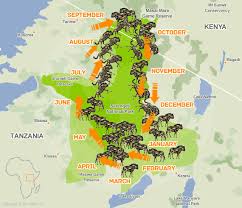
Understanding the seasonal patterns of The Great Migration on Serengeti is essential for first-time visitors who want to witness this spectacular natural phenomenon. The migration follows a cyclical route influenced primarily by rainfall, grass growth, and water availability. Unlike static wildlife viewing, the Great Migration is dynamic, requiring careful timing to see specific behaviors such as calving, river crossings, and predator-prey interactions. By understanding the migration timeline, international tourists can strategically plan their safari to coincide with the most dramatic wildlife events, ensuring a rewarding and immersive experience.
January to March: Calving Season in the Southern Plains
The migration starts in the southern Serengeti plains near the Ngorongoro Conservation Area and the Serengeti’s Ndutu region. During January to March, over 400,000 wildebeest calves are born in a concentrated period known as the calving season. First-time visitors during these months witness a high density of animals, with vast herds grazing the lush short grass plains. This period offers unique opportunities for observing the vulnerability of newborn wildebeest and the predation tactics of lions, cheetahs, and hyenas that thrive during this time. Calving season is a spectacular natural event that provides not only thrilling wildlife interactions but also an excellent opportunity for photography and educational interpretation. Safari operators emphasize staying a safe distance from predators and newborns, respecting natural behaviors while capturing unforgettable wildlife moments. For authoritative insights on calving and predator-prey dynamics, National Geographic (https://www.nationalgeographic.com/animals/article/great-migration) provides detailed analysis and imagery of the phenomenon.
The southern plains are ideal for witnessing large congregations of zebras and gazelles alongside wildebeest. First-time visitors benefit from early morning drives when wildlife activity peaks, as predators hunt or patrol their territories. Guides often time game drives to maximize sightings of key events such as lioness hunts, cheetah chases, and the interaction of multiple predator species with the newborn herds. Lodges in Ndutu and the surrounding areas cater specifically to this season, allowing tourists to remain close to the action without disturbing wildlife.
April to June: Movement Toward Central Serengeti
As the short rains subside, the herds gradually move northwest toward central Serengeti. April to June is characterized by more dispersed wildlife, as wildebeest, zebras, and gazelles search for fresh grazing lands. This transitional phase still offers significant viewing opportunities but requires more mobility, as herds are spread across larger areas. First-time visitors must work closely with knowledgeable guides who track the movements daily to ensure safari success.
During this period, predator encounters continue, though hunting strategies may shift due to the wider distribution of prey. Birdwatchers also benefit from this phase, as species such as Secretary birds, African fish eagles, and vultures follow the herds across varying landscapes. Photographers find April to June rewarding for capturing wide-angle shots of herds crossing open plains or grazing against dramatic Serengeti backdrops. The Tanzania National Parks website (https://www.tanzaniaparks.go.tz) provides current information on park conditions, road accessibility, and recommended viewing areas during this transitional migration phase.
July to October: Northern Serengeti and Mara River Crossings
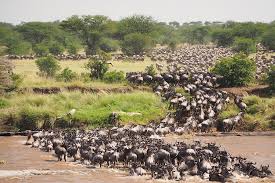
The most dramatic and internationally renowned segment of The Great Migration on Serengeti occurs from July to October, when herds reach northern Serengeti and cross into Kenya’s Maasai Mara National Reserve. This phase is famous for river crossings at the Mara River, where crocodile attacks, panic, and mass movements create iconic wildlife scenes. First-time visitors often schedule safaris specifically during this period to capture river crossing events, which are visually and emotionally spectacular. Guides carefully position vehicles along riverbanks, ensuring safety while providing excellent vantage points for observation and photography.
River crossings also present challenges. Strong currents, steep banks, and aggressive predators require careful planning and adherence to park rules. Guides educate visitors on the safest viewing locations, minimizing risk while maximizing the viewing experience. The crossings are not daily occurrences; timing and patience are essential to witness the spectacle. International tourists often spend multiple days in the northern Serengeti or Maasai Mara to increase the likelihood of observing these iconic events. WWF (https://www.worldwildlife.org) provides insights into river ecosystems, predator-prey interactions, and conservation strategies, reinforcing the ecological significance of these crossings.
During the northern phase, wildlife density can fluctuate as herds begin to disperse slightly before returning south. Zebra and wildebeest herds dominate open plains, with scattered predators ensuring dynamic, unpredictable encounters. First-time visitors often note the contrast between the calmer southern plains during calving and the intensity of predator-prey drama at the Mara River. Understanding these patterns is key to planning a successful safari around The Great Migration on Serengeti.
November to December: Return to the Southern Plains
By November and December, short rains rejuvenate the southern Serengeti, prompting the herds to move southward once again. First-time visitors during this period experience moderate wildlife densities and can enjoy quieter viewing without the large crowds often present during the peak river crossing season. This is an excellent time for photography of grazing herds, lone predators, and expansive landscapes, as the southern plains transform with new vegetation. Safari operators often design late-year itineraries that combine relaxed game drives with opportunities for cultural engagement in Maasai villages near the migration routes.
Understanding Migration Triggers and Environmental Influences
Rainfall, grass availability, and water sources dictate the movement of herds, making The Great Migration on Serengeti a dynamic, ever-changing event. Seasonal weather affects the timing, pace, and location of migration, emphasizing the need for expert guides and adaptive itineraries. First-time visitors who understand these environmental triggers gain a deeper appreciation of the intricate relationships between climate, vegetation, prey, and predators. Educational interpretation during safari drives enhances this understanding, transforming a visual spectacle into a meaningful ecological learning experience.
Tips for First-Time Visitors on Seasonal Planning
-
Select Optimal Timing: Align travel with your preferred migration highlights (calving, river crossings, predator interactions).
-
Book Lodging Early: Peak migration months require early reservations for lodges near prime viewing areas.
-
Coordinate with Guides: Local guides provide real-time herd tracking, maximizing wildlife encounters.
-
Pack Seasonally Appropriate Gear: Early year may be hot and wet; July–October can be cooler, especially in northern Serengeti.
-
Photography Planning: Understand the lighting conditions and terrain challenges to capture peak moments.
In conclusion, understanding the seasonal patterns and migration timeline is crucial for first-time visitors to The Great Migration on Serengeti. From calving in the southern plains to dramatic Mara River crossings and the eventual return south, each phase offers unique wildlife interactions, landscapes, and photographic opportunities. Strategic planning, guided expertise, and awareness of environmental triggers ensure a rewarding safari experience that highlights the power, beauty, and scale of this world-renowned natural phenomenon. Observing the migration in its full ecological context allows international tourists to appreciate not only the spectacle but also the underlying dynamics that sustain this remarkable journey.
3: Predator-Prey Interactions and Key Wildlife Species During The Great Migration on Serengeti
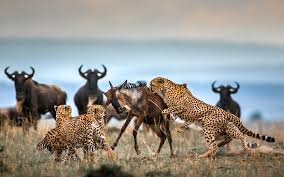
One of the most captivating aspects of The Great Migration on Serengeti is the dynamic interaction between predators and prey. While the movement of millions of wildebeest, zebras, and gazelles is remarkable in itself, the predators that follow them elevate the experience to one of the most intense wildlife spectacles on the planet. Understanding predator-prey dynamics, key species involved, and behavioral patterns enhances the safari experience, particularly for first-time visitors seeking both education and adventure.
Predator Species and Their Roles
The Serengeti is home to Africa’s iconic predators, whose survival is intricately tied to the migration. Lions are the primary hunters of adult wildebeest and zebras. They utilize coordinated group tactics, especially during calving season in the southern plains, where high densities of vulnerable calves present optimal hunting conditions. Lion prides often position themselves near water sources or grazing areas, waiting for the perfect moment to ambush unsuspecting prey. First-time visitors witness incredible displays of strategy, cooperation, and raw power, providing unparalleled photographic and observational opportunities.
Cheetahs, in contrast, rely on speed and stealth. Unlike lions, they often hunt individually or in small coalitions, targeting smaller or weaker animals within the migrating herds. Their slender bodies, acute vision, and explosive acceleration allow them to succeed in open plains where cover is minimal. Observing a cheetah sprint across the Serengeti to catch a wildebeest calf or a Thomson’s gazelle is a highlight for first-time visitors, illustrating the delicate balance between predator and prey.
Leopards, although less frequently observed during the migration due to their nocturnal and elusive habits, play a crucial role in the ecosystem. They hunt in forests, kopjes, and dense areas adjacent to migration routes, preying on small antelopes, birds, and occasionally young calves. Hyenas, particularly spotted hyenas, are abundant and highly opportunistic. Their complex social structure and endurance hunting strategies allow them to follow the herds for long distances, scavenging and occasionally coordinating successful hunts in packs.
Crocodiles are central to the drama of river crossings. When wildebeest and zebras approach rivers like the Mara, these predators lie in ambush, striking at individuals struggling in strong currents. First-time visitors often witness tense moments of panic, struggle, and survival during these crossings, which are both thrilling and educational. Understanding the behavior of crocodiles, including ambush strategies and group dynamics, enriches the experience while emphasizing the importance of observing from safe distances. WWF (https://www.worldwildlife.org) provides detailed information about predator-prey interactions and river ecosystems, helping tourists appreciate the ecological significance of these events.
Key Prey Species and Their Migration Strategies
The Great Migration on Serengeti is driven by herbivores, primarily wildebeest, zebras, and gazelles. Wildebeest, numbering over a million, are the backbone of the migration. Their synchronized movements, herd coordination, and vigilance against predators are evolutionary adaptations to survive constant threat. Wildebeest calves are born in synchrony to overwhelm predators with sheer numbers, increasing individual survival rates. For first-time visitors, observing this calving phenomenon highlights the intricate connection between reproduction, herd behavior, and predator pressure.
Zebras accompany the wildebeest, providing complementary grazing patterns and vigilance. Their stripes, social cohesion, and larger size reduce individual predation risk, while facilitating navigation and herd coordination. Gazelles, such as Thomson’s and Grant’s gazelles, are smaller, faster, and more agile, often forming mixed herds with wildebeest for mutual protection. These prey species demonstrate remarkable adaptation to environmental pressures, balancing movement, reproduction, and survival in a constantly changing landscape.
Predator-Prey Dynamics Across Migration Phases
During calving season in the southern Serengeti, predator activity is intense due to the concentration of vulnerable calves. Lions and hyenas dominate hunts, while cheetahs focus on speed-based predation of smaller prey. As herds disperse toward central Serengeti from April to June, hunting strategies adapt to more scattered prey. Predators travel greater distances, sometimes coordinating hunts to exploit isolated individuals. First-time visitors must be prepared for variable wildlife encounters depending on the season, location, and herd density.
The northern migration, particularly river crossings from July to October, represents the pinnacle of predator-prey drama. Crocodiles, lions, and hyenas converge around riverbanks to capitalize on high-density prey attempting to cross. Panic, chaos, and survival instincts combine in a visually striking scene, offering once-in-a-lifetime photography opportunities. Guides educate tourists on animal behavior, safe observation points, and the ecological significance of these crossings, ensuring that encounters are both thrilling and safe. National Geographic (https://www.nationalgeographic.com/animals/article/serengeti-great-migration) provides scientific explanations of these predator-prey interactions, enhancing understanding for first-time visitors.
Birds and Smaller Predators
Bird species also play important roles during the migration. Vultures, eagles, and kites follow herds and predators, scavenging carcasses and maintaining ecological balance. Secretary birds hunt snakes and small mammals, adding another layer to the predator-prey web. First-time visitors with a keen eye for avian life can appreciate how bird behavior complements mammalian interactions, contributing to the complexity of the Serengeti ecosystem.
Behavioral Adaptations of Prey
Migrating herbivores exhibit numerous behavioral adaptations to evade predators. Herding, alertness, vocal communication, and rapid movement are essential survival strategies. Wildebeest and zebras often cross rivers cautiously, testing currents before committing, while calves stay protected in the herd center. First-time visitors observing these strategies gain insight into evolutionary survival mechanisms and the interconnectedness of species within the Serengeti.
Ethical Observation and Safety Tips for First-Time Visitors
While predator-prey interactions are captivating, ethical and safe observation is critical. First-time visitors should:
-
Maintain a safe distance from predators and avoid interrupting hunts.
-
Follow guide instructions at all times, especially during river crossings.
-
Avoid sudden noises or movements that may disturb wildlife.
-
Respect park rules regarding off-road driving and wildlife interaction.
Tanzania National Parks (https://www.tanzaniaparks.go.tz) provides guidelines for responsible wildlife viewing, ensuring that predator-prey dynamics remain natural and undisturbed. Ethical observation benefits both tourists and the ecosystem, preserving the migration for future generations.
Photography and Documentation of Wildlife Behavior
For first-time visitors, capturing predator-prey interactions is a highlight of The Great Migration on Serengeti. Patience, timing, and proper equipment are essential. Photographers are advised to use telephoto lenses, maintain safe distances, and respect animal behavior. Dawn and dusk provide optimal lighting for dramatic shots, while river crossings and calving events offer unparalleled opportunities to document the raw intensity of wildlife. Safari guides play a crucial role in identifying safe vantage points, understanding animal behavior, and facilitating memorable photographic experiences.
The Ecological Significance of Predator-Prey Interactions
Predator-prey relationships are fundamental to maintaining ecological balance. By controlling herbivore populations, predators prevent overgrazing, preserve vegetation diversity, and support a healthy ecosystem. First-time visitors observing these interactions gain an appreciation for the complexity and interconnectedness of life on the Serengeti. The Great Migration on Serengeti is not merely a visual spectacle; it is a living demonstration of survival, adaptation, and ecological harmony.
In conclusion, predator-prey interactions and key wildlife species are central to the experience of The Great Migration on Serengeti. From lions coordinating hunts to wildebeest calves navigating predation risk, each encounter provides insight into natural selection, adaptation, and the intricate balance of life in East Africa. For first-time visitors, understanding these dynamics enhances the safari experience, ensuring that every observation is meaningful, educational, and memorable. Integrating knowledge of species behavior, ecological context, and ethical practices transforms a migration-focused safari into an immersive journey into the heart of one of the planet’s most extraordinary ecosystems.
4: Safari Lodges, Tour Itineraries, and Visitor Logistics for Experiencing The Great Migration on Serengeti
Experiencing The Great Migration on Serengeti is not only about observing wildlife; it’s also about the logistics, accommodation, and planning that make a safari comfortable, safe, and unforgettable. First-time visitors need to understand the options for lodging, the structure of safari itineraries, transportation methods, and park regulations to maximize their encounter with this spectacular natural event. From luxury tented camps overlooking migration corridors to mid-range lodges strategically positioned near river crossings, planning is key to a seamless and rewarding safari experience.
Best Lodges and Camps for Observing The Great Migration
Selecting the right lodge or camp is essential for witnessing The Great Migration on Serengeti. Accommodation options vary from fully serviced luxury lodges to mobile tented camps that move with the herds. For first-time visitors, proximity to migration hotspots, access to guides, and on-site amenities are critical considerations.
-
Luxury Lodges: Properties like Serengeti Serena Safari Lodge and Four Seasons Safari Lodge Serengeti offer premium experiences, with amenities including swimming pools, gourmet dining, and panoramic views of the plains. These lodges are often positioned near central or northern migration routes, providing easy access to wildlife viewing drives. Luxury lodges also provide professional guides, photography advice, and cultural experiences, ensuring that every aspect of the safari is comfortable and enriching.
-
Tented Camps: Mobile and semi-permanent tented camps, such as Sayari Camp and Kubu Kubu Tented Lodge, allow visitors to experience the migration more intimately. Camps are often situated near river crossings or high-density herd areas, providing first-time visitors with close encounters without compromising safety. Tented camps blend adventure with comfort, featuring en-suite facilities, dining tents, and guided game drives that operate at dawn and dusk when wildlife activity peaks.
-
Budget-Friendly Lodges and Camps: Options such as Nomad Serengeti Camp or public campsites in designated areas offer affordable access to migration viewing. While amenities are simpler, these lodges provide guided tours and essential safety measures, making them suitable for adventurous first-time visitors who prioritize wildlife over luxury.
Lonely Planet (https://www.lonelyplanet.com/tanzania/serengeti-national-park) provides updated recommendations for lodges and camps during different migration phases, ensuring first-time visitors choose accommodation aligned with seasonal wildlife patterns.
Designing the Perfect Safari Itinerary
A well-planned safari itinerary is crucial for first-time visitors seeking to witness The Great Migration on Serengeti. Tours vary in length from 3-day expeditions to 10-day immersive experiences. The length of stay, selection of viewing areas, and mode of transport significantly influence wildlife encounters.
Sample 7-Day Migration Safari Itinerary:
-
Day 1 – Arrival in Arusha or Kilimanjaro: Transfer to a nearby lodge to rest after international travel. Briefing with guides on the migration route, park rules, and safety measures.
-
Day 2 – Southern Serengeti (Ndutu Plains): Morning and evening game drives focused on calving season if visiting between January and March. Overnight at a tented camp in Ndutu.
-
Day 3 – Central Serengeti: Travel north to Seronera, observing predator-prey interactions, large herds, and diverse landscapes. Guides provide ecological interpretation and photography advice. Overnight at a central Serengeti lodge.
-
Day 4 – Northern Serengeti (Mara River): Arrive near river crossings to witness dramatic migration events from July to October. Optional guided walking tours in safe zones for flora and smaller fauna observation.
-
Day 5 – Full Day Mara River Safari: Focused game drives to maximize river crossing observations. Birdwatching opportunities and photography sessions. Overnight near riverbanks or in Mara-side camps.
-
Day 6 – Optional Maasai Mara Excursion: Cross into Kenya for complementary migration experiences (requires permits). Cultural visits to Maasai villages for insight into local traditions and coexistence with wildlife.
-
Day 7 – Departure: Return to Arusha or Kilimanjaro Airport with options for a city tour or souvenir shopping in Arusha town.
This sample itinerary can be adjusted according to the first-time visitor’s interests, preferred season, and budget. Safari operators often provide real-time tracking of herds, enabling flexible itinerary adjustments to ensure sightings of key events such as calving or river crossings.
Visitor Logistics: Transportation and Park Regulations
Transportation planning is integral to a successful Great Migration safari. Options include:
-
Chartered Flights: Small aircraft provide rapid access to northern Serengeti and Mara River areas, especially during peak migration periods. This is ideal for first-time visitors with limited time or those seeking aerial photography opportunities.
-
4×4 Safari Vehicles: Most common for daily game drives, these vehicles are equipped for off-road travel and high vantage points for optimal wildlife viewing. Guides are experienced in navigating rough terrain and predicting herd movements.
-
Park Permits: Entry to Serengeti National Park requires official permits, which cover conservation fees and support park operations. First-time visitors must ensure permits are arranged through certified operators or official channels.
Tanzania National Parks (https://www.tanzaniaparks.go.tz) provides updated information on park fees, rules, and regulations for both domestic and international visitors. Adhering to these guidelines ensures safety, supports conservation, and enhances the overall safari experience.
Timing and Seasonal Considerations for First-Time Visitors
The timing of a safari is one of the most critical factors for experiencing The Great Migration on Serengeti. As discussed in the previous section, the migration follows predictable seasonal patterns:
-
January–March: Southern plains for calving season.
-
April–June: Central Serengeti, dispersed herds.
-
July–October: Northern Serengeti and Mara River crossings.
-
November–December: Return south, quieter plains.
First-time visitors must coordinate accommodation, guides, and permits to coincide with their preferred migration highlights. Weather conditions, road access, and herd density can vary, requiring flexible planning and consultation with experienced safari operators.
Tips for Enhancing the Safari Experience
-
Hire Expert Guides: Guides with in-depth knowledge of migration behavior, predator-prey dynamics, and photography opportunities significantly improve first-time visitors’ experiences.
-
Plan for Multiple Days at Key Locations: River crossings, calving areas, and central plains require extended stays to increase the likelihood of witnessing prime events.
-
Pack Smartly: Layered clothing, sun protection, binoculars, and cameras are essential for comfort and documentation.
-
Cultural Engagement: Incorporate Maasai village visits, local craft markets, and community projects to complement wildlife observation.
-
Respect Wildlife and Environment: Follow park rules, maintain safe distances, and avoid disturbing natural behavior to ensure ethical tourism practices.
Combining Migration Viewing with Other Tanzanian Highlights
Many first-time visitors integrate The Great Migration on Serengeti with additional Tanzanian experiences, such as:
-
Ngorongoro Crater: Pre- or post-safari visits provide access to diverse wildlife in a dramatic volcanic caldera.
-
Lake Manyara National Park: Birdwatching, tree-climbing lions, and scenic landscapes complement migration-focused safaris.
-
Mount Kilimanjaro and Mount Meru Treks: Adventure tourism before or after a migration safari adds an altitude and trekking dimension to wildlife experiences.
Planning a multi-destination safari allows first-time visitors to experience Tanzania’s full ecological and cultural richness, combining the grandeur of The Great Migration on Serengeti with complementary landscapes, wildlife, and adventure activities. Resources like Lonely Planet (https://www.lonelyplanet.com/tanzania) provide comprehensive guides on travel logistics, park regulations, and recommended itineraries for first-time tourists.
In conclusion, selecting appropriate lodges, structuring thoughtful itineraries, understanding transportation and park logistics, and considering seasonal timing are essential for maximizing first-time visitors’ experiences of The Great Migration on Serengeti. By combining comfort, safety, and expert guidance with strategic observation of wildlife events, tourists can enjoy an immersive, unforgettable safari that blends adventure, education, and cultural insight. A well-planned logistics and accommodation strategy transforms the migration from a distant spectacle into a fully engaging and memorable journey through one of the world’s most iconic ecosystems.
5: First-Time Visitor Tips, Conservation, Photography, and Cultural Experiences Around The Great Migration on Serengeti
For first-time visitors, experiencing The Great Migration on Serengeti is a once-in-a-lifetime adventure, blending awe-inspiring wildlife spectacles with opportunities for education, photography, and cultural engagement. To maximize enjoyment while ensuring ethical tourism, careful preparation and informed decision-making are essential. This section covers practical tips, conservation insights, photography advice, and cultural experiences that enrich a migration-focused safari.
Practical Tips for First-Time Visitors
Navigating the Serengeti as a first-time visitor requires planning, flexibility, and understanding of the unique conditions associated with migration viewing. Here are essential tips to enhance your safari:
-
Plan According to Migration Timing:
The Great Migration on Serengeti follows a predictable seasonal pattern. First-time visitors should align their travel dates with their wildlife priorities.
-
Calving Season (January–March): Southern Serengeti, Ndutu Plains, ideal for observing newborn wildebeest and predator-prey interactions.
-
Central Serengeti (April–June): Herds disperse; less crowded but requires mobility and guide expertise.
-
Northern Serengeti (July–October): Mara River crossings, dramatic predator-prey drama; peak tourist season.
-
Return South (November–December): Quieter plains, fewer tourists, lush landscapes.
-
Choose the Right Accommodation:
Accommodation can shape your migration experience. Luxury lodges, tented camps, and budget-friendly lodges offer different perspectives on wildlife viewing, accessibility, and comfort. Consider proximity to herds, amenities, and guide availability when booking. -
Engage Experienced Guides:
Professional guides enhance wildlife encounters by tracking herd movements, interpreting predator-prey interactions, and ensuring safety. They also provide educational insights into animal behavior, conservation efforts, and the Serengeti ecosystem. -
Pack Strategically:
Layered clothing, sun protection, hats, binoculars, and cameras with telephoto lenses are essential. Dawn and dusk are the best times for wildlife activity and photography, so prepare for early mornings and cooler temperatures. -
Health and Safety Preparations:
Ensure vaccinations are up-to-date, carry malaria prophylaxis if recommended, and maintain hydration. Travel insurance covering safari activities is highly advisable. -
Respect Wildlife and Park Rules:
First-time visitors must follow park guidelines, maintain safe distances, and avoid disturbing natural behaviors. Adherence to rules protects both visitors and wildlife, preserving the Serengeti’s ecological integrity. Tanzania National Parks (https://www.tanzaniaparks.go.tz) offers comprehensive safety and wildlife interaction guidelines.
Conservation Insights During The Great Migration
The Great Migration is not only a visual spectacle but also a vital ecological process supporting biodiversity in East Africa. By understanding conservation aspects, first-time visitors can appreciate the importance of preserving these habitats.
-
Ecological Significance:
Predator-prey interactions, herd movements, and seasonal grazing cycles maintain the balance of the Serengeti ecosystem. The migration prevents overgrazing, supports predator populations, and sustains biodiversity. -
Conservation Challenges:
Human activities, climate change, and habitat fragmentation pose threats to the migration’s continuity. Poaching, unregulated tourism, and agricultural expansion in surrounding areas can disrupt wildlife corridors. First-time visitors contribute positively by choosing certified safari operators, adhering to park regulations, and supporting community-based tourism initiatives. -
Conservation Organizations:
WWF (https://www.worldwildlife.org) and African Wildlife Foundation (https://www.awf.org) provide resources on protecting migratory species and sustainable safari practices. Visitors can participate in conservation programs, educational tours, and donation-based initiatives that support long-term preservation.
Photography Tips for First-Time Visitors
Capturing the intensity and beauty of The Great Migration on Serengeti requires preparation and skill. Here are strategies for first-time visitors:
-
Equipment:
Telephoto lenses (200mm+), tripods, and protective camera gear are essential for photographing predators and herds from a safe distance. Drones are often restricted, so verify park regulations before use. -
Timing:
Dawn and dusk provide optimal lighting, cooler temperatures, and heightened wildlife activity. Plan game drives accordingly. -
Framing and Composition:
Include elements of the landscape to contextualize animal behavior. Capture herd movements, predator interactions, and river crossings to illustrate the scale and drama of the migration. -
Behavioral Observation:
Patience is key. Observe wildlife behavior before photographing; this ensures safety, ethical practice, and compelling imagery. -
Guided Support:
Experienced guides can suggest locations, vantage points, and wildlife behaviors that are ideal for photography. They enhance first-time visitors’ chances of capturing iconic migration moments.
National Geographic (https://www.nationalgeographic.com/animals/article/serengeti-great-migration) provides exemplary wildlife photography case studies and practical advice for capturing large-scale animal movements ethically.
Cultural Experiences Around The Migration
Integrating cultural experiences with migration-focused safaris adds depth to a first-time visitor’s journey. Local communities, particularly the Maasai, have coexisted with migratory herds for centuries, offering unique insights into traditional lifestyles, rituals, and conservation ethics.
-
Maasai Village Visits:
Learn about traditional Maasai housing (enkangs), livestock practices, and beadwork. First-time visitors gain perspective on human-wildlife coexistence, particularly how grazing patterns and migration corridors are respected. -
Local Markets and Crafts:
Visit local markets for handcrafted jewelry, textiles, and souvenirs. Engaging with artisans supports the local economy and cultural preservation. -
Community-Based Tourism Initiatives:
Participate in programs that fund education, healthcare, and wildlife protection. This sustainable approach allows visitors to contribute meaningfully to the Serengeti’s communities while learning about conservation challenges and solutions.
Sustainable Travel Practices for First-Time Visitors
Ethical and sustainable travel ensures the Serengeti remains pristine for future generations. First-time visitors should:
-
Travel with certified safari operators committed to conservation.
-
Reduce single-use plastics and dispose of waste responsibly.
-
Avoid feeding or disturbing wildlife.
-
Support eco-lodges and community tourism projects.
-
Learn about the ecological significance of migration and predator-prey dynamics.
Enhancing the Overall Safari Experience
For first-time visitors, combining practical tips, conservation awareness, photography skills, and cultural experiences creates a holistic, memorable journey. Observing The Great Migration on Serengeti is more than wildlife viewing; it is an immersive encounter with one of Earth’s most complex and dramatic ecosystems. By understanding animal behavior, seasonal patterns, and cultural context, tourists can appreciate the migration beyond its visual spectacle, connecting with the Serengeti on multiple levels—ecological, emotional, and educational.
Conclusion: Maximizing the First-Time Migration Experience
The Great Migration on Serengeti is a life-changing adventure that offers unparalleled wildlife encounters, dramatic predator-prey interactions, and cultural enrichment. First-time visitors who plan strategically—considering timing, lodges, itineraries, conservation, photography, and cultural experiences—will enjoy a safari that is safe, comfortable, and unforgettable. By respecting the environment and supporting sustainable tourism, visitors contribute to the preservation of this extraordinary natural phenomenon for generations to come.
Observing the migration firsthand allows international tourists to witness the raw power, delicate balance, and beauty of the Serengeti ecosystem. It is an opportunity to connect deeply with nature, learn about wildlife behavior, and engage with local cultures, leaving a lasting impression that extends far beyond the duration of the safari.
