

Experience a cultural safari in Northern Tanzania and explore Maasai villages, traditional rituals, and wildlife adventures. Discover authentic local culture and unforgettable safari experiences.
1: Introduction to a Cultural Safari in Northern Tanzania
Discovering Northern Tanzania’s Unique Blend of Culture and Wildlife
https://nativesonexpeditions.com/tanzania-safari/
A cultural safari in Northern Tanzania offers travelers the rare opportunity to combine wildlife exploration with immersive cultural experiences. This region, home to famous parks like Serengeti, Ngorongoro Crater, and Tarangire, is equally rich in cultural heritage, including Maasai and other indigenous communities. International tourists exploring a cultural safari in Northern Tanzania can witness traditional lifestyles, ceremonies, and local rituals while enjoying world-class safari adventures.
Beyond game drives, this experience highlights how local communities interact with nature, manage their resources, and preserve traditions. Understanding these cultural connections enhances the value of visiting the parks, as wildlife conservation and community life are deeply intertwined. A cultural safari in Northern Tanzania provides both adventure and insight, giving travelers a holistic perspective on this extraordinary region (https://www.tanzaniatourism.go.tz).
Visitors are drawn not only to the breathtaking landscapes and abundant wildlife but also to the stories of people whose customs and knowledge have shaped the land for generations.
Historical Context and Heritage
Northern Tanzania has a history that combines colonial influence, indigenous culture, and centuries of trade. International tourists undertaking a cultural safari in Northern Tanzania gain insight into the heritage of the Maasai, the Hadzabe, and other local groups, whose traditions have been preserved despite modernization. Guided tours and cultural excursions reveal the evolution of these societies and their relationship with wildlife and the environment.
Stone tools, ancient settlements, and oral histories offer tangible connections to the past. Engaging with elders and community leaders allows visitors to understand how cultural knowledge is transmitted and maintained, providing context to the landscapes explored during a safari. Experiencing a cultural safari in Northern Tanzania offers more than a wildlife adventure—it’s an educational journey into the roots of East African culture (https://www.unwto.org).
This deep historical perspective ensures tourists appreciate the full cultural and ecological value of Northern Tanzania.
Community Interactions and Daily Life
An essential component of a cultural safari in Northern Tanzania is interaction with local communities. Visitors can participate in daily activities such as cattle herding, traditional cooking, or handicraft production. These experiences provide insight into how people sustain themselves while living in harmony with wildlife and the environment.
International tourists often find that guided village visits, storytelling sessions, and cultural demonstrations offer authentic perspectives on social norms, family structures, and traditions. Observing and participating in these routines highlights the resilience and ingenuity of local societies, deepening the experience of a cultural safari in Northern Tanzania (https://www.worldbank.org).
By engaging with communities respectfully, tourists contribute to sustainable tourism while gaining a richer understanding of life in this remarkable region.
In summary, a cultural safari in Northern Tanzania merges wildlife exploration with immersive cultural encounters. International tourists experience historical, social, and ecological dimensions of the region, providing a holistic safari adventure. This combination of natural beauty and human heritage makes Northern Tanzania a destination where education, adventure, and cultural appreciation converge.
2: Maasai Culture and Traditional Experiences in Northern Tanzania
The Maasai: Guardians of Tradition
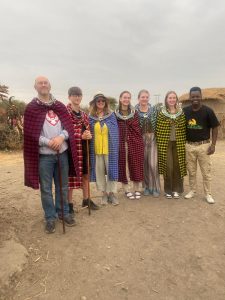
One of the highlights of a cultural safari in Northern Tanzania is visiting Maasai communities, whose distinctive culture, dress, and traditions have fascinated travelers for decades. The Maasai people are semi-nomadic pastoralists, known for their vibrant red shukas, intricate beadwork, and deep connection to livestock herding. International tourists exploring a cultural safari in Northern Tanzania can witness traditional dances, rituals, and everyday practices that showcase the resilience and heritage of the Maasai.
Guided village visits allow tourists to learn about social hierarchies, clan systems, and customs that govern Maasai life. By observing how the Maasai interact with their environment—through grazing patterns, water management, and wildlife coexistence—visitors gain insight into sustainable living practices that have endured for generations. Experiencing a cultural safari in Northern Tanzania in this context goes beyond sightseeing, offering meaningful connections with local culture (https://www.tanzaniatourism.go.tz).
These encounters provide a rare opportunity for travelers to appreciate both the cultural depth and environmental wisdom embedded in daily Maasai life.
Traditional Ceremonies and Rituals
Cultural rituals form a core aspect of a cultural safari in Northern Tanzania. Maasai ceremonies, such as weddings, coming-of-age celebrations, and community gatherings, reveal the symbolic and social significance of daily life. International tourists attending these events can observe the ceremonial attire, dances, and oral storytelling that communicate values, history, and social cohesion.
Each ritual reflects centuries of knowledge, including ecological understanding, social organization, and spiritual beliefs. Participating in or witnessing these ceremonies allows visitors to comprehend how tradition guides behavior, strengthens identity, and fosters community bonds. Experiencing a cultural safari in Northern Tanzania in this manner provides a profound appreciation of the balance between cultural preservation and modern influences (https://www.unwto.org).
These rituals highlight the importance of respect and cultural sensitivity when engaging with indigenous communities.
Learning from Daily Life
Beyond formal ceremonies, observing daily routines offers another dimension of a cultural safari in Northern Tanzania. International tourists can witness livestock management, fire-making, bead crafting, and cooking processes that sustain the Maasai households. Participating in these activities with local guidance allows visitors to gain hands-on experience while respecting cultural norms.
Tourists learn how the Maasai integrate environmental stewardship, family responsibilities, and communal living into daily schedules. Observing these interactions demonstrates resilience, adaptability, and harmony with nature—key themes that enrich a cultural safari in Northern Tanzania (https://www.worldbank.org).
These immersive experiences highlight the interconnectedness of culture, economy, and ecology in shaping everyday life.
Community-Based Tourism Initiatives
Northern Tanzania has embraced community-based tourism to ensure sustainable interactions between travelers and local communities. These initiatives allow tourists to engage in a cultural safari in Northern Tanzania responsibly, supporting education, healthcare, and conservation projects while experiencing authentic cultural practices.
Programs may include guided village tours, craft workshops, and cooperative farming projects. International visitors benefit from these opportunities by gaining a deeper understanding of community life, while local populations receive support for sustainable development. Participating in these initiatives ensures that tourism fosters mutual benefit and preserves cultural heritage (https://www.tanzaniatourism.go.tz).
Such interactions demonstrate how respectful, structured tourism can enhance cultural exchange while sustaining local livelihoods.
In summary, Maasai culture and traditional experiences are central to a cultural safari in Northern Tanzania. International tourists gain insights into rituals, daily routines, and community structures that define the Maasai way of life. By observing, participating, and supporting community-based tourism initiatives, visitors enjoy immersive, meaningful, and sustainable experiences that complement wildlife safaris, making Northern Tanzania a unique and culturally enriching destination.
3: Wildlife and Nature in Northern Tanzania – Beyond Culture
Northern Tanzania’s Iconic National Parks
A significant component of a cultural safari in Northern Tanzania is exploring its legendary national parks, where wildlife thrives in breathtaking landscapes. Serengeti National Park, Ngorongoro Conservation Area, and Tarangire National Park attract international tourists for their diverse ecosystems and iconic species such as lions, elephants, giraffes, and wildebeest. Experiencing a cultural safari in Northern Tanzania combines the excitement of wildlife observation with cultural insights, as these parks are often managed in cooperation with local communities.
The Great Migration in the Serengeti, an unparalleled natural spectacle, showcases how wildlife movements and ecosystem dynamics define the safari experience. Visitors can also explore lesser-known areas, witnessing unique habitats, birdlife, and predator-prey interactions, which adds depth to the understanding of a cultural safari in Northern Tanzania (https://www.tanzaniatourism.go.tz).
These parks demonstrate the integration of conservation, tourism, and local livelihood, providing tourists with both adventure and educational experiences.
Ecosystem Diversity and Conservation Efforts
Beyond iconic wildlife, Northern Tanzania boasts diverse ecosystems including savannahs, wetlands, forests, and crater highlands. International tourists undertaking a cultural safari in Northern Tanzania can explore these habitats to appreciate the intricate balance between nature and human activity. Conservation initiatives led by park authorities and local communities ensure that tourism remains sustainable while preserving biodiversity.
Visitors learn how Maasai pastoralists, park rangers, and researchers collaborate to protect wildlife corridors, prevent poaching, and maintain ecological integrity. Understanding these dynamics highlights how a cultural safari in Northern Tanzania integrates cultural knowledge with modern conservation techniques (https://www.unwto.org).
Such experiences educate travelers on the importance of environmental stewardship, connecting wildlife observation with broader ecological awareness.
Community and Wildlife Interactions
Northern Tanzania’s parks are closely linked with surrounding communities, making wildlife tourism a culturally immersive experience. International tourists can observe how villagers coexist with elephants, lions, and other wildlife, adapting agricultural and pastoral practices to minimize conflict. Experiencing a cultural safari in Northern Tanzania in this way reveals the synergy between human culture and natural heritage.
Community-managed conservancies and eco-tourism projects allow visitors to participate in educational tours, local guide-led safaris, and cultural interactions. These activities provide both insight and support for sustainable development, demonstrating the interconnectedness of local livelihoods and wildlife preservation (https://www.worldbank.org).
By observing and engaging with these community initiatives, tourists gain a nuanced understanding of how culture and nature thrive together in Northern Tanzania.
Adventure and Nature-Based Activities
In addition to traditional game drives, a cultural safari in Northern Tanzania offers adventure activities such as guided bush walks, hot air balloon rides over the Serengeti, and hiking in the Ngorongoro highlands. International tourists can witness wildlife from unique perspectives while learning about the ecosystem, geology, and history of the region.
These immersive experiences foster appreciation for the complexity of the environment, connecting travelers to both natural and cultural elements of Northern Tanzania. Observing the flora, fauna, and seasonal variations adds depth to the safari experience, making it a holistic adventure where a cultural safari in Northern Tanzania is both educational and exhilarating (https://www.tanzaniatourism.go.tz).
Adventure tourism complements cultural engagement, creating a multidimensional safari that appeals to diverse interests.
In summary, wildlife and nature are integral to a cultural safari in Northern Tanzania. International tourists experience diverse ecosystems, iconic species, and conservation practices, all while connecting with local communities that share and protect this heritage. Combining wildlife exploration with cultural immersion ensures a safari that is not only exciting but also educational, sustainable, and culturally enriching, making Northern Tanzania an unforgettable destination for travelers seeking both adventure and understanding.
4: Cultural Festivals and Heritage Events in Northern Tanzania
Celebrating Traditions through Festivals
A major highlight of a cultural safari in Northern Tanzania is participating in or observing local festivals and heritage events. These celebrations reflect centuries of tradition, storytelling, music, and dance. International tourists exploring a cultural safari in Northern Tanzania can attend events such as the Maasai Manyatta ceremonies, harvest festivals, and community gatherings, which provide immersive insight into the social and spiritual life of the region.
During these festivals, vibrant costumes, traditional instruments, and ceremonial practices showcase cultural continuity. Visitors witness rituals that emphasize respect for elders, nature, and communal harmony. Experiencing a cultural safari in Northern Tanzania during such events offers a rare opportunity to engage with local values and history firsthand (https://www.tanzaniatourism.go.tz).
Festivals not only entertain but educate, providing context for the customs and beliefs that guide daily life in Northern Tanzanian communities.
Music, Dance, and Storytelling
Music and dance are central to a cultural safari in Northern Tanzania, serving as both entertainment and a medium for storytelling. International tourists can experience Taarab, traditional Maasai chants, and other indigenous performances that convey legends, historical events, and moral lessons.
These art forms are often showcased during community festivals, weddings, and initiation ceremonies. Participating in these activities allows tourists to understand how rhythm, movement, and storytelling are woven into daily life and ceremonial practice. Engaging with these traditions enriches the experience of a cultural safari in Northern Tanzania by connecting travelers to the island’s social fabric (https://www.unwto.org).
Through music and dance, tourists gain an understanding of cultural identity, social cohesion, and the transmission of knowledge across generations.
Craftsmanship and Local Art Exhibitions
Another integral element of a cultural safari in Northern Tanzania is local craftsmanship. Villages and cultural centers often hold exhibitions showcasing pottery, weaving, beadwork, and carving, providing international tourists with opportunities to observe traditional skills passed down through generations.
These exhibitions allow visitors to learn about material sourcing, symbolism, and techniques behind each creation. Experiencing art and craft firsthand reinforces the understanding of community identity and creative expression. Engaging with artisans during a cultural safari in Northern Tanzania supports local economies while providing travelers with meaningful souvenirs and memories (https://www.worldbank.org).
Artistic expression is not only aesthetic but also educational, reflecting cultural values and heritage embedded in daily life.
Community Events and Sustainable Cultural Tourism
Northern Tanzania has increasingly emphasized sustainable cultural tourism as part of its safari offerings. International tourists participating in a cultural safari in Northern Tanzania can engage in workshops, guided tours, and heritage site visits that respect local customs and promote community development.
These experiences ensure that cultural events are preserved while tourism revenue benefits the community. Visitors gain authentic experiences while contributing to the sustainability of cultural heritage, including traditional music, dance, and local storytelling practices (https://www.tanzaniatourism.go.tz).
Through responsible engagement, festivals and events become avenues for education, cross-cultural understanding, and long-term preservation of Northern Tanzanian culture.
In conclusion, cultural festivals and heritage events are key to a cultural safari in Northern Tanzania. International tourists gain immersive experiences through traditional ceremonies, music, dance, and crafts. These activities foster understanding, appreciation, and sustainable engagement with local communities, enriching the safari experience beyond wildlife observation and ensuring a balanced perspective of Northern Tanzanian life.
5: Practical Travel Tips and Immersive Experiences for Tourists on a Cultural Safari
Planning Your Cultural Safari
Proper planning is essential for maximizing the experience of a cultural safari in Northern Tanzania. International tourists should research destinations, park entry requirements, and cultural protocols to ensure a smooth journey. Booking accommodations in advance, whether in lodges, boutique hotels, or community-based homestays, allows travelers to experience both comfort and authentic local life.
Guided tours are highly recommended, as they provide insight into traditional practices, history, and wildlife conservation. By planning carefully, visitors can enjoy a cultural safari in Northern Tanzania without missing key cultural sites or local experiences. Engaging local guides and operators ensures that tourism benefits the communities while providing an authentic safari adventure (https://www.tanzaniatourism.go.tz).
A well-planned itinerary balances wildlife viewing, cultural interactions, and relaxation, creating a holistic safari experience.
Transportation and Accessibility
Understanding local transportation is critical for experiencing a cultural safari in Northern Tanzania effectively. Options include organized tours, rental cars, domestic flights, and guided walks. International tourists should be aware of the distances between cultural villages, national parks, and heritage sites to plan logistics efficiently.
Engaging with local transport services, including eco-friendly options, gives visitors a glimpse into everyday life and supports community businesses. These experiences allow travelers to experience a cultural safari in Northern Tanzania more intimately, observing how people commute, trade, and interact with their surroundings (https://www.unwto.org).
Accessibility planning ensures a smooth journey while maximizing opportunities to engage with both culture and nature.
Safety, Health, and Etiquette
Maintaining health and safety is essential when exploring a cultural safari in Northern Tanzania. Tourists should take precautions such as vaccination, insect protection, and hydration. Understanding local customs, dress codes, and respectful behavior is crucial, particularly in village visits and religious sites.
By following safety and etiquette guidelines, international tourists enjoy a richer and more respectful experience of a cultural safari in Northern Tanzania. Engaging respectfully with locals and observing cultural norms ensures meaningful interactions while preserving trust and authenticity (https://www.worldbank.org).
These measures provide both protection and an enhanced cultural experience during the safari.
Immersive Experiences and Responsible Tourism
To truly experience a cultural safari in Northern Tanzania, international tourists should participate in immersive activities. Options include cooking traditional meals, attending local festivals, taking part in craft workshops, and walking with Maasai guides to learn about their daily life.
Responsible tourism practices, such as supporting community projects, purchasing authentic crafts, and respecting environmental regulations, enhance the quality of the visit while benefiting local populations. These activities deepen understanding of Northern Tanzania’s culture, environment, and heritage, ensuring that the safari is both enjoyable and sustainable (https://www.tanzaniatourism.go.tz).
Immersive participation allows tourists to connect emotionally and intellectually with the communities and landscapes they visit.
In conclusion, practical travel tips and immersive experiences are vital for international tourists seeking a cultural safari in Northern Tanzania. Proper planning, transportation awareness, health precautions, and responsible engagement ensure a safe, authentic, and enriching adventure. By participating in cultural activities, supporting local initiatives, and exploring both natural and human heritage, visitors gain a comprehensive understanding of Northern Tanzania, creating lasting memories and meaningful connections.
