
February 4, 2026

Explore how sustainable tourism in Tanzania preserves wildlife, supports communities, and promotes eco-friendly travel, offering unforgettable experiences for global visitors.
https://nativesonexpeditions.com/tanzania-safari/
Sustainable tourism in Tanzania is more than a travel trend; it is a commitment to preserving the nation’s natural landscapes, cultural heritage, and economic well-being. Tanzania boasts iconic destinations such as Serengeti National Park, Mount Kilimanjaro, Zanzibar beaches, and rich cultural villages, attracting international travelers from around the globe. However, these destinations face challenges including environmental degradation, over-tourism, and cultural commodification.
Sustainable tourism seeks to balance tourism growth with environmental protection, community engagement, and long-term economic viability. By prioritizing ethical practices, eco-friendly initiatives, and local empowerment, sustainable tourism in Tanzania ensures that both locals and international tourists can enjoy high-quality experiences without compromising the future. According to the United Nations World Tourism Organization (https://www.unwto.org), sustainable practices are key to maintaining global tourism competitiveness and ecological balance.
International visitors play a crucial role in sustainable tourism strategies. When travelers choose eco-friendly accommodations, respect wildlife guidelines, and engage with local communities, they directly support conservation and community development. Sustainable tourism in Tanzania encourages international tourists to be responsible, thereby enhancing the overall quality of experiences. Tourists are increasingly seeking authentic interactions, ethical wildlife encounters, and destinations that prioritize the environment—making sustainability a key driver in decision-making.
In practice, sustainable tourism means participating in wildlife conservation programs, supporting community-owned lodges, and minimizing carbon footprint while traveling between parks, beaches, and cultural sites. These measures allow tourists to experience Tanzania responsibly while contributing to the long-term preservation of the country’s natural and cultural treasures.
The backbone of sustainable tourism in Tanzania lies in environmental conservation. National parks, marine reserves, and forests rely on tourism revenue and responsible visitation to maintain ecosystems. Sustainable tourism initiatives include waste management programs, anti-poaching patrols, habitat restoration, and eco-friendly accommodation design.
Local and international visitors alike are encouraged to minimize their ecological impact. By adhering to park rules, reducing single-use plastics, and supporting sustainable tour operators, tourists contribute to the ongoing protection of iconic species such as elephants, lions, giraffes, and sea turtles. Tanzania’s conservation strategies align with global sustainability frameworks, ensuring that tourism revenue benefits both nature and local communities (https://www.worldbank.org).
Sustainable tourism in Tanzania fosters inclusive growth by ensuring that local communities benefit economically from tourism activities. Community-based tourism, cultural tours, and artisan markets allow local people to earn income, preserve traditional knowledge, and improve livelihoods.
International tourists visiting these communities directly contribute to local development while gaining authentic cultural experiences. For instance, visiting Maasai villages or participating in eco-lodges run by local entrepreneurs provides employment opportunities, supports education initiatives, and encourages cultural preservation. This approach ensures that tourism revenue circulates within the country, strengthening the socio-economic fabric while promoting sustainability.
Another dimension of sustainable tourism is education. Both domestic and international travelers gain awareness about environmental protection, wildlife conservation, and cultural preservation. Sustainable tourism in Tanzania often includes guided tours, interpretive programs, and conservation workshops. These initiatives educate tourists about fragile ecosystems, local customs, and responsible travel practices.
For international tourists, these educational experiences enhance understanding and appreciation, ensuring that travel is not only enjoyable but also impactful. Engaging in these programs allows visitors to become ambassadors for sustainability, promoting ethical tourism practices in their own countries after returning home.
Government institutions and regulatory bodies in Tanzania actively promote sustainable tourism through policies, incentives, and training programs. The Tanzania Tourist Board (https://www.tanzaniatourism.go.tz) has developed initiatives to encourage eco-friendly travel, support community-based enterprises, and improve environmental management.
By implementing clear guidelines, certification programs, and sustainability audits, authorities ensure that both local and international tourism adhere to best practices. Sustainable tourism in Tanzania is therefore not just a concept but a structured framework that guides operators, communities, and visitors toward responsible travel.
In summary, sustainable tourism in Tanzania balances tourism growth with ecological preservation, cultural integrity, and economic inclusivity. It empowers local communities, protects wildlife and habitats, and provides international visitors with responsible, authentic, and meaningful experiences. This foundational understanding sets the stage for deeper exploration into practical applications, tourism strategies, and future opportunities in Tanzania’s sustainable travel landscape.
Sustainable tourism in Tanzania plays a pivotal role in protecting the country’s extraordinary biodiversity. Home to world-renowned ecosystems, including the Serengeti, Ngorongoro Conservation Area, Selous Game Reserve, and the marine parks of Zanzibar and Mafia Island, Tanzania relies on tourism to fund conservation programs. Local and international travelers contribute through park fees, guided tours, and eco-lodge stays, directly supporting anti-poaching efforts, wildlife monitoring, and habitat restoration.
For international tourists, this means visiting protected areas where wildlife populations are thriving, ecosystems are balanced, and natural landscapes remain unspoiled. Sustainable tourism in Tanzania ensures that these ecosystems remain viable for future generations, providing visitors with authentic and responsible wildlife experiences. The UN World Tourism Organization (https://www.unwto.org) emphasizes that tourism is an effective tool for financing biodiversity conservation when managed sustainably.

Tanzania’s coastline and marine ecosystems are equally sensitive. Coral reefs, mangrove forests, and seagrass beds support fisheries, tourism, and local livelihoods. Sustainable tourism in Tanzania promotes responsible snorkeling, diving, and beach tourism practices that reduce environmental impact. Local conservation initiatives, such as reef monitoring and beach clean-ups, rely heavily on participation from tourists and communities alike.
International visitors experience healthier reefs, cleaner beaches, and vibrant marine life thanks to these conservation efforts. Supporting eco-conscious operators, such as certified dive schools and community-based marine lodges, reinforces sustainable practices and protects marine biodiversity for years to come.
Eco-lodges and environmentally conscious hotels have become a cornerstone of sustainable tourism in Tanzania. Properties that implement renewable energy solutions, water conservation measures, and waste reduction initiatives contribute to minimizing tourism’s ecological footprint.
For international tourists, staying in these accommodations offers both comfort and ethical satisfaction. Visitors know that their choices actively support sustainability goals, from solar-powered safari camps to lodges that employ local staff and source organic, local produce. This combination of luxury and responsibility enhances the overall travel experience while protecting Tanzania’s fragile environments.

Tourism operations in Tanzania are increasingly adopting renewable energy, recycling programs, and sustainable waste management practices. Solar energy systems in lodges, composting initiatives, and eco-friendly infrastructure help reduce carbon emissions and environmental degradation.
Sustainable tourism in Tanzania benefits international travelers by ensuring that accommodations and tour operators follow ethical standards. This creates a positive cycle: tourists support eco-friendly businesses, which continue to invest in renewable technologies, further protecting natural habitats.
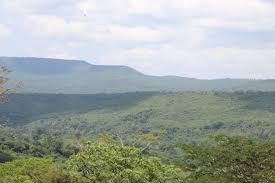
Wildlife corridors, forest reserves, and national parks require ongoing protection to ensure the survival of endangered species such as elephants, lions, and wild dogs. Tourism revenue generated by sustainable tourism in Tanzania funds anti-poaching patrols, community awareness programs, and reforestation projects.
International visitors experience thriving ecosystems that remain protected, offering opportunities for high-quality safari experiences. Without this sustainable framework, many of Tanzania’s unique habitats would face significant threats from deforestation, human-wildlife conflict, and climate change.
Sustainable tourism encourages local communities to participate in conservation activities. Villagers and local guides often receive training in environmental management, wildlife monitoring, and eco-tourism operations. Community engagement ensures that the economic benefits of tourism are linked with ecological responsibility.
International tourists benefit from this model through immersive, educational experiences. For example, visiting a village-based conservation project or participating in tree-planting initiatives provides authentic, hands-on learning opportunities that foster appreciation for Tanzania’s ecosystems.
In conclusion, sustainable tourism in Tanzania protects biodiversity, preserves marine and coastal ecosystems, promotes eco-friendly accommodations, and empowers communities to manage natural resources responsibly. International tourists directly benefit by experiencing well-preserved landscapes, thriving wildlife, and eco-conscious accommodations, all while contributing to long-term environmental sustainability.
The careful integration of tourism and conservation ensures that Tanzania remains a premier destination for travelers seeking meaningful, responsible, and immersive experiences.
Sustainable tourism in Tanzania plays a critical role in safeguarding the nation’s rich cultural diversity. With over 120 ethnic groups, each with unique traditions, languages, and rituals, tourism helps sustain these practices by creating demand for cultural experiences. Local festivals, traditional dances, handicrafts, and ceremonies are preserved when both domestic and international travelers actively participate and appreciate authentic culture.
International tourists gain meaningful experiences when visiting Maasai villages, Chaga coffee farms, or coastal Swahili towns. Sustainable tourism in Tanzania ensures that these interactions remain respectful, community-led, and authentic rather than staged for foreign consumption. According to the UN World Tourism Organization (https://www.unwto.org), integrating local culture into tourism strengthens heritage preservation while creating opportunities for communities.

Tourism revenue generated from sustainable tourism in Tanzania provides income, education, and employment for local populations. Artisans, tour guides, homestay operators, and small business owners benefit from tourism-related income, allowing them to invest in better facilities and maintain traditional practices.
For international visitors, this means engaging with communities that are economically empowered and socially confident. Travelers experience higher-quality hospitality, genuine storytelling, and hands-on cultural activities. Sustainable tourism creates a symbiotic relationship: communities thrive while tourists enjoy enriched cultural encounters.
Sustainable tourism also fosters social cohesion. Community-based tourism projects in Tanzania involve residents in decision-making, resource management, and benefit-sharing. Sustainable tourism in Tanzania encourages inclusivity, giving women, youth, and marginalized groups opportunities to participate in tourism ventures.
International tourists benefit from this inclusivity by interacting with diverse communities, learning about local challenges and achievements, and contributing to ethical travel. By supporting projects that prioritize equality and community well-being, visitors reinforce social resilience while enjoying authentic experiences.
Artisan crafts, music, dance, and culinary traditions are integral to Tanzania’s identity. Sustainable tourism promotes the transmission of knowledge from one generation to the next. Local communities earn income by sharing these skills with visitors, while youth are encouraged to value their heritage.
Sustainable tourism in Tanzania creates a structured environment where traditional knowledge is appreciated and rewarded. International tourists gain authentic hands-on experiences, such as beadwork workshops, traditional cooking classes, or guided village storytelling, enhancing their understanding of Tanzanian culture.
Local festivals, harvest ceremonies, and ritual celebrations thrive with the support of sustainable tourism. These events rely on participation from local audiences and visitors to remain viable. By engaging both domestic and international travelers, communities can maintain cultural practices without commercializing or compromising their integrity.
For international tourists, attending these festivals provides rare insights into Tanzanian traditions, deepening appreciation for the country’s cultural diversity. Sustainable tourism ensures that events remain community-driven, vibrant, and meaningful.
Sustainable tourism also functions as a platform for cultural education. Schools, museums, and community centers integrate tourism programs that highlight Tanzanian heritage. International tourists visiting these programs gain enriched perspectives, including understanding historical contexts, local social dynamics, and environmental-cultural connections.
Sustainable tourism in Tanzania therefore bridges education and travel, creating responsible travelers who respect the host community and its cultural assets. This educational approach aligns with UNESCO and UNWTO guidelines (https://www.unesco.org) on cultural sustainability and ethical tourism.
In conclusion, sustainable tourism in Tanzania strengthens cultural preservation, empowers communities, and promotes social inclusion. International visitors benefit from authentic, educational, and respectful cultural experiences, while communities enjoy economic, social, and cultural resilience. By embedding sustainability into tourism practices, Tanzania ensures that its rich cultural heritage continues to thrive for generations, making it an attractive and responsible destination for global travelers.
Sustainable tourism in Tanzania is crucial for protecting the country’s remarkable biodiversity. Tanzania hosts iconic ecosystems like the Serengeti, Ngorongoro Conservation Area, Selous Game Reserve, and Zanzibar’s coral reefs. Tourism revenue, generated from both domestic and international visitors, directly funds anti-poaching patrols, wildlife monitoring, and habitat restoration programs.
International tourists benefit from visiting protected areas where wildlife thrives and habitats remain intact. Sustainable tourism in Tanzania ensures that these ecosystems are preserved not only for current travelers but also for future generations, allowing consistent opportunities for authentic safari experiences. According to the UN World Tourism Organization (https://www.unwto.org), responsible tourism practices are essential for long-term biodiversity conservation.
Tanzania’s marine and coastal ecosystems, including the Mafia Island Marine Park and Zanzibar’s coral reefs, face threats from pollution, overfishing, and climate change. Sustainable tourism in Tanzania encourages responsible diving, snorkeling, and coastal tourism practices that minimize environmental impact. Community-based marine initiatives, supported by tourism revenue, maintain reef health and protect endangered species.
For international tourists, this translates into cleaner beaches, thriving coral ecosystems, and sustainable marine encounters. Choosing certified eco-friendly operators ensures that their travel contributes positively to marine conservation while enjoying memorable experiences.
Tourism accommodations are key to sustainability. Eco-lodges, solar-powered camps, and environmentally responsible hotels reduce carbon emissions, manage waste effectively, and conserve water. Sustainable tourism in Tanzania motivates operators to implement these practices, benefiting both the environment and visitors.
International tourists gain ethical comfort, knowing their stay supports energy efficiency, local employment, and conservation projects. Many lodges integrate educational programs for guests, raising awareness about Tanzania’s ecosystems and responsible tourism practices.
Sustainable tourism also addresses climate change by promoting renewable energy, sustainable transport, and minimal carbon footprints. Lodges powered by solar energy, safari vehicles with optimized fuel usage, and eco-friendly travel itineraries all contribute to reducing environmental impact.
Sustainable tourism in Tanzania allows international tourists to participate in responsible travel that minimizes negative ecological effects. By choosing eco-conscious services, travelers help communities adapt to climate change while preserving natural resources for the long term.
Local communities play a pivotal role in environmental conservation. Sustainable tourism initiatives often involve villagers in tree planting, wildlife monitoring, and marine ecosystem protection. Tourism revenue supports community education and sustainable livelihoods, linking environmental stewardship to economic benefits.
International tourists experience immersive and educational activities, such as guided conservation walks, volunteer programs, and interactive workshops, which provide firsthand understanding of Tanzania’s environmental priorities.
Transportation contributes significantly to tourism’s environmental footprint. Sustainable tourism in Tanzania promotes responsible travel choices, including shared safari vehicles, cycling tours, and public transport options in urban areas. Operators often provide incentives for eco-friendly travel, reducing emissions and environmental stress on protected areas.
For international travelers, this results in safer, greener, and more environmentally conscious trips. Visitors can explore diverse ecosystems without compromising the integrity of habitats, ensuring their journey is both enjoyable and responsible.
In summary, sustainable tourism in Tanzania preserves wildlife, protects marine and coastal ecosystems, promotes eco-friendly accommodations, and fosters climate resilience. International tourists directly benefit by experiencing well-managed environments, ethical travel practices, and immersive conservation activities. By linking tourism to environmental stewardship, Tanzania ensures that its natural treasures remain vibrant, accessible, and sustainable for generations to come.
Sustainable tourism in Tanzania plays a significant role in driving economic development. Revenue generated from tourism activities—including park fees, cultural tours, eco-lodges, and artisanal markets—directly supports local communities, infrastructure development, and conservation initiatives. International tourists contribute heavily to this ecosystem by visiting responsibly, staying at eco-friendly accommodations, and purchasing local products.
By creating a predictable and sustainable revenue stream, tourism ensures that local economies remain resilient. Communities can invest in schools, health services, and environmental projects, while businesses maintain consistent operations. This economic stability benefits international travelers as well, providing them with high-quality services, knowledgeable guides, and well-maintained infrastructure.
Sustainable tourism in Tanzania fosters social inclusion and community empowerment. Community-based tourism projects allow women, youth, and marginalized groups to participate in cultural and ecological ventures. Residents gain employment, training, and opportunities to preserve their cultural heritage while contributing to local decision-making.
International tourists benefit from this social engagement through authentic experiences, such as participating in village tours, cultural workshops, and community-led conservation activities. Travelers gain meaningful insight into Tanzanian society while helping communities achieve social and economic resilience.
Sustainable tourism encourages innovation across the sector. By responding to demand for responsible, ethical, and authentic travel experiences, tourism operators develop new products such as eco-adventure tours, cultural immersion programs, and off-the-beaten-path itineraries. Sustainable tourism in Tanzania creates opportunities for innovation while maintaining environmental and cultural integrity.
International visitors gain access to unique and immersive experiences beyond conventional safari or beach trips. This diversification enhances Tanzania’s appeal as a premier global destination while reinforcing sustainability principles in practice.
The integration of sustainability ensures that Tanzania remains an attractive, safe, and ethical destination for global travelers. Sustainable tourism in Tanzania guarantees well-maintained parks, protected wildlife, authentic cultural experiences, and vibrant communities. International tourists enjoy memorable experiences while supporting initiatives that protect the country’s natural and cultural wealth.
Sustainability also ensures consistent service quality and availability. Hotels, lodges, and tour operators continue to operate effectively year-round, providing reliable travel experiences despite fluctuations in international arrivals. Visitors leave with lasting positive impressions and a sense of responsibility toward Tanzania’s environment and people.
Tanzania’s commitment to sustainable tourism strengthens its international reputation. By adhering to global standards, including UNWTO guidelines (https://www.unwto.org) and best practices from the World Bank (https://www.worldbank.org), the country attracts discerning travelers who value ethical, eco-friendly, and culturally immersive experiences.
International tourists are more likely to choose destinations that prioritize sustainability, creating a virtuous cycle: responsible travel attracts more conscious tourists, which generates revenue for conservation, community development, and infrastructure. Sustainable tourism in Tanzania ensures that growth is measured, ethical, and resilient.
Sustainable tourism also acts as a platform for education and advocacy. International tourists learn about wildlife conservation, cultural preservation, and environmental stewardship through guided tours, eco-lodge programs, and community workshops. Visitors return home with awareness and advocacy skills that promote responsible tourism globally.
By linking education with tourism, Tanzania strengthens its long-term sustainability goals, ensuring that the country remains a model for ethical, responsible, and inclusive travel.
In conclusion, sustainable tourism in Tanzania drives economic growth, strengthens social cohesion, promotes innovation, and guarantees long-term environmental and cultural preservation. International tourists directly benefit by accessing authentic, ethical, and immersive experiences while supporting the protection of Tanzania’s natural and cultural treasures.
By fostering responsible travel, empowering local communities, and promoting environmental stewardship, sustainable tourism ensures that Tanzania remains a premier destination for global travelers who seek meaningful, ethical, and unforgettable experiences.