

Explore Sustainable Tourism in Serengeti and learn how conservation, local communities, and responsible travel practices protect wildlife while creating meaningful experiences for visitors.
1: Understanding Sustainable Tourism and the Global Importance of Serengeti
https://nativesonexpeditions.com/serengeti-migration-safari/
The Serengeti is one of the most iconic natural landscapes in the world, known for its endless plains, extraordinary wildlife diversity, and the Great Migration—often described as one of nature’s greatest spectacles. Located in northern Tanzania, Serengeti National Park is not just a premier safari destination; it is a globally significant ecosystem that supports millions of animals, local communities, and complex environmental processes. As tourism continues to grow, the need to balance conservation, economic benefits, and social responsibility has become increasingly critical. This is where Sustainable Tourism in Serengeti plays a central role in shaping the future of both tourism and conservation in the region.
What Sustainable Tourism Really Means
Sustainable tourism goes beyond simply reducing environmental damage. It is a holistic approach that considers environmental protection, social equity, and long-term economic viability. In the context of wildlife destinations like Serengeti, sustainable tourism aims to ensure that tourism activities do not degrade natural habitats, disrupt animal behavior, or marginalize local communities. Instead, it encourages responsible travel practices that support conservation efforts, respect cultural heritage, and create economic opportunities for surrounding populations.
In Serengeti, sustainability means regulating visitor numbers, enforcing conservation laws, supporting anti-poaching initiatives, and ensuring tourism revenue contributes directly to ecosystem protection. It also involves educating visitors about wildlife ethics, responsible safari behavior, and the importance of preserving fragile ecosystems. Without such measures, uncontrolled tourism could threaten the very wildlife and landscapes that attract visitors in the first place.
The Global Significance of Serengeti Ecosystem
Serengeti National Park is a UNESCO World Heritage Site and one of the most studied ecosystems on Earth. It spans approximately 14,750 square kilometers and forms part of a larger transboundary ecosystem that includes the Maasai Mara in Kenya. This vast landscape supports over 1.5 million wildebeest, hundreds of thousands of zebras and gazelles, and a rich population of predators such as lions, cheetahs, and hyenas.
The Serengeti ecosystem plays a crucial role in global biodiversity conservation. Its grasslands, rivers, and woodlands support complex food chains and seasonal migration patterns that have remained largely unchanged for thousands of years. Protecting this ecosystem is not only a national priority for Tanzania but also a global responsibility. Tourism, when managed responsibly, provides one of the most effective tools for funding conservation while raising international awareness about environmental protection.
Tourism Growth and Its Impact on Serengeti
Tourism is one of Tanzania’s most important economic sectors, contributing significantly to national revenue and employment. Serengeti National Park attracts hundreds of thousands of international visitors each year, drawn by its wildlife, landscapes, and reputation as a premier safari destination. While tourism brings undeniable economic benefits, it also presents challenges such as habitat pressure, waste management, carbon emissions, and infrastructure expansion.
Without proper management, increased vehicle traffic can disturb wildlife, damage vegetation, and contribute to soil erosion. Lodges and camps, if poorly planned, may strain water resources or generate waste that harms the environment. This is why adopting Sustainable Tourism in Serengeti is essential—to ensure that tourism development aligns with conservation goals rather than undermining them.
Role of Conservation Policies and Park Management
Serengeti National Park is managed by Tanzania National Parks (TANAPA), which enforces strict regulations to protect wildlife and ecosystems. These include limits on off-road driving, designated visitor routes, controlled lodge development, and conservation fees that directly fund park management. Such policies are fundamental to maintaining ecological balance while allowing tourism to flourish responsibly.
In addition to national regulations, international conservation organizations collaborate with Tanzanian authorities to monitor wildlife populations, conduct ecological research, and support community-based conservation initiatives. Organizations such as UNESCO and WWF recognize Serengeti as a critical conservation area, reinforcing the importance of long-term sustainability strategies.
Authoritative sources like UNESCO provide in-depth information on Serengeti’s global value and conservation framework:
https://whc.unesco.org/en/list/156/
Local Communities and Sustainable Tourism
The Serengeti ecosystem is surrounded by communities that have coexisted with wildlife for generations, including the Maasai people. Sustainable tourism seeks to ensure that these communities benefit directly from tourism activities through employment, education, infrastructure development, and cultural preservation. When local people see tangible benefits from conservation, they are more likely to support wildlife protection efforts.
Community-based tourism initiatives, cultural tours, and locally owned lodges provide alternative livelihoods that reduce dependence on activities such as poaching or unsustainable resource use. Integrating local communities into tourism planning strengthens conservation outcomes while preserving cultural identity and traditional knowledge systems.
Why Sustainability Matters to International Tourists
Modern travelers are increasingly conscious of their environmental and social impact. Many tourists actively seek destinations that prioritize ethical practices, conservation, and community engagement. For international visitors, understanding sustainability enhances the travel experience by adding meaning and purpose to their journey.
Choosing responsible tour operators, eco-certified lodges, and conservation-focused experiences allows tourists to contribute positively to the destinations they visit. In Serengeti, this means supporting initiatives that protect wildlife corridors, reduce carbon footprints, and promote ethical safari practices. The growing demand for responsible travel further reinforces the importance of Sustainable Tourism in Serengeti as a guiding principle for the industry.
Serengeti as a Model for Sustainable Wildlife Tourism
Serengeti is often cited as a global model for wildlife-based tourism done right. Its long-standing conservation framework, scientific research, and controlled tourism development demonstrate how protected areas can generate economic value while preserving natural heritage. The lessons learned from Serengeti influence conservation strategies in other parts of Africa and beyond.
International publications such as National Geographic highlight Serengeti as a benchmark for balancing tourism and conservation:
https://www.nationalgeographic.com/travel/national-parks/article/serengeti-national-park-tanzania
Understanding the foundations of sustainable tourism and the global importance of Serengeti is essential before exploring specific practices, community initiatives, and conservation strategies. Serengeti is more than a tourist destination; it is a living ecosystem of global significance that requires careful stewardship. By embracing sustainability, tourism becomes a powerful force for conservation, education, and community development. This foundation sets the stage for deeper exploration of conservation practices, community involvement, and responsible travel approaches in the following sections of this Sustainable Tourism in Serengeti blog.
2: Conservation Practices and Eco-Friendly Safari Operations in Serengeti
Conservation lies at the very heart of tourism in Serengeti National Park. Without deliberate and well-enforced conservation practices, the wildlife, landscapes, and ecological systems that make Serengeti globally renowned would be at risk. As tourism numbers increase, the focus has shifted toward minimizing negative impacts while maximizing conservation benefits. This balance is achieved through a combination of strict park regulations, eco-friendly safari operations, scientific research, and collaboration between government authorities, conservation organizations, and responsible tour operators. These efforts collectively define how Sustainable Tourism in Serengeti functions in practice.
Wildlife Protection and Anti-Poaching Initiatives
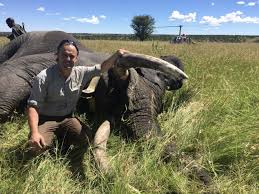
One of the most critical conservation challenges in Serengeti has historically been poaching, particularly targeting elephants, rhinos, and other high-value species. To combat this, Tanzania National Parks (TANAPA) works closely with law enforcement agencies, international conservation bodies, and local communities to implement robust anti-poaching strategies. These include ranger patrols, aerial surveillance, intelligence gathering, and the use of modern technology such as GPS tracking and camera traps.
Tourism revenue plays a vital role in funding these initiatives. Entrance fees, concession fees from lodges, and tourism-related taxes are reinvested into conservation programs, ranger training, and equipment. This financial model demonstrates how tourism can directly support wildlife protection when managed responsibly. Visitors who choose reputable safari operators indirectly contribute to these conservation efforts, reinforcing the importance of ethical travel choices.
Eco-Friendly Safari Vehicles and Low-Impact Game Drives

Safari operations are among the most visible aspects of tourism in Serengeti, and they also present some of the greatest environmental risks if poorly managed. To reduce habitat disturbance, strict rules govern vehicle numbers, designated routes, and off-road driving. Tour operators are required to follow these guidelines to prevent soil erosion, vegetation damage, and unnecessary stress to wildlife.
Many safari companies have adopted eco-friendly practices such as using low-emission vehicles, maintaining engines to reduce fuel consumption, and training drivers in responsible wildlife viewing techniques. Drivers are taught to keep a respectful distance from animals, limit engine noise, and avoid crowding wildlife sightings. These practices ensure that safari experiences remain immersive while protecting animal behavior and habitats—key pillars of Sustainable Tourism in Serengeti.
Environmentally Responsible Lodges and Camps
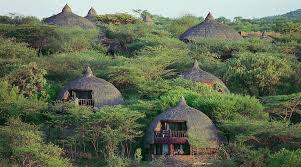
Accommodation facilities within and around Serengeti have increasingly embraced sustainable design and operations. Eco-lodges and tented camps are constructed with minimal environmental impact, often using locally sourced materials and designs that blend seamlessly into the natural landscape. Many operate on solar energy, implement rainwater harvesting systems, and use eco-friendly waste management solutions.
Waste reduction is a major focus, particularly the elimination of single-use plastics. Lodges are encouraged to provide refillable water stations, biodegradable toiletries, and proper recycling systems. Sewage treatment and waste disposal are carefully regulated to prevent contamination of soil and water sources. By choosing environmentally responsible accommodations, tourists actively support conservation while enjoying high-quality safari experiences.
The World Wide Fund for Nature (WWF) highlights the importance of eco-lodges in protected areas and their role in reducing tourism’s environmental footprint:
https://www.worldwildlife.org/initiatives/sustainable-tourism
Scientific Research and Monitoring
Ongoing scientific research is essential for informed conservation decisions in Serengeti. Researchers study animal populations, migration patterns, vegetation changes, and climate impacts to understand how the ecosystem is evolving. Tourism supports this research by funding data collection programs and providing logistical support for fieldwork.
For example, long-term monitoring of the Great Migration helps conservationists identify threats such as habitat fragmentation, climate variability, and human encroachment. Research findings influence park management strategies, including visitor zoning, seasonal access restrictions, and habitat restoration projects. This science-based approach ensures that conservation efforts remain adaptive and effective, strengthening Sustainable Tourism in Serengeti over time.
Carbon Footprint Reduction in Tourism Operations
Travel, particularly air travel and safari transportation, contributes to carbon emissions. Recognizing this challenge, many tour operators and lodges in Serengeti are taking steps to reduce their carbon footprint. These include investing in renewable energy, offsetting emissions through conservation projects, and promoting longer stays to reduce frequent travel.
Some operators participate in carbon offset programs that fund reforestation, renewable energy development, or community conservation initiatives. While offsets are not a complete solution, they represent a growing awareness of climate responsibility within the tourism sector. Educating visitors about carbon-conscious travel choices further strengthens sustainability outcomes.
Visitor Education and Responsible Behavior
Conservation is not solely the responsibility of authorities and operators; visitors themselves play a crucial role. Tourists are encouraged to follow park rules, avoid littering, respect wildlife, and adhere to ethical photography guidelines. Many lodges and guides provide educational briefings that explain Serengeti’s ecosystem, conservation challenges, and visitor responsibilities.
Interpretive talks, guided nature walks (where permitted), and conservation-focused excursions enhance visitor understanding and appreciation. When tourists leave Serengeti with greater environmental awareness, they become ambassadors for conservation, spreading knowledge and support globally. This educational dimension is a cornerstone of Sustainable Tourism in Serengeti, ensuring long-term impact beyond the visit itself.
International Recognition and Conservation Partnerships
Serengeti’s conservation efforts are supported by international recognition and partnerships. As a UNESCO World Heritage Site, Serengeti benefits from global attention, technical expertise, and advocacy for its protection. UNESCO emphasizes the importance of managing tourism pressures to preserve the site’s outstanding universal value:
https://whc.unesco.org/en/list/156/
Additionally, organizations such as the International Union for Conservation of Nature (IUCN) provide guidance on protected area management and sustainable tourism frameworks. These partnerships strengthen Serengeti’s capacity to balance tourism growth with ecological integrity.
Conservation practices and eco-friendly safari operations form the backbone of responsible tourism in Serengeti. Through wildlife protection, sustainable infrastructure, scientific research, and visitor education, Serengeti demonstrates how tourism can actively support conservation rather than undermine it. These efforts ensure that wildlife thrives, ecosystems remain intact, and future generations can experience the magic of the Serengeti. By supporting and participating in Sustainable Tourism in Serengeti, travelers become part of a global movement that values preservation as much as exploration.
3: Community Involvement, Local Livelihoods, and Cultural Preservation Around Serengeti
Tourism in Serengeti does not exist in isolation. Beyond wildlife and landscapes, the region is home to diverse communities whose lives, traditions, and livelihoods are deeply connected to the land. Sustainable tourism recognizes that conservation efforts cannot succeed without the meaningful involvement of local people. When communities benefit socially and economically from tourism, they become active partners in protecting wildlife and ecosystems. This section explores how community participation, cultural preservation, and inclusive economic opportunities form a vital pillar of Sustainable Tourism in Serengeti.
Communities Living Around the Serengeti Ecosystem
Several communities live in and around the greater Serengeti ecosystem, including the Maasai, Ikoma, Kurya, and other ethnic groups. Historically, these communities relied on pastoralism, small-scale agriculture, and natural resources for survival. The establishment of protected areas brought both opportunities and challenges, including restricted access to grazing lands and natural resources.
Sustainable tourism seeks to address these challenges by integrating local communities into tourism planning and benefit-sharing models. Rather than viewing conservation as a barrier to development, tourism reframes wildlife protection as an economic asset that can support education, healthcare, and infrastructure development for surrounding villages.
Community-Based Tourism Initiatives
Community-based tourism (CBT) is one of the most effective tools for linking conservation with local development. In areas surrounding Serengeti, CBT initiatives include cultural villages, guided community walks, handicraft cooperatives, and locally managed campsites. These initiatives allow tourists to interact directly with local people while ensuring that tourism revenue stays within the community.
For example, Maasai cultural experiences provide visitors with opportunities to learn about traditional lifestyles, dress, music, and customs in a respectful and educational manner. When properly managed, these experiences empower communities to tell their own stories rather than being represented by outsiders. Income generated from CBT projects is often reinvested into schools, water projects, and women’s economic groups, strengthening long-term resilience.
The United Nations World Tourism Organization (UNWTO) emphasizes community-based tourism as a key driver of inclusive and sustainable development in rural areas:
https://www.unwto.org/sustainable-development/community-based-tourism
Employment and Skills Development Through Tourism
Tourism in Serengeti provides thousands of jobs directly and indirectly. Local people are employed as safari guides, lodge staff, drivers, artisans, security personnel, and conservation rangers. Many lodges prioritize hiring from nearby communities and invest in training programs that build skills in hospitality, guiding, language proficiency, and management.
These employment opportunities reduce dependence on environmentally harmful activities such as poaching or unsustainable farming. Skills development also enables young people to pursue long-term careers in tourism and conservation, creating a generation that values both economic opportunity and environmental stewardship. Employment-driven empowerment is a core outcome of Sustainable Tourism in Serengeti, ensuring that conservation benefits are tangible at the household level.
Revenue Sharing and Social Infrastructure
One of the most important mechanisms linking tourism and community welfare is revenue sharing. A portion of park fees and tourism revenues is allocated to community development projects in areas surrounding Serengeti. These funds support the construction of schools, health clinics, water wells, and roads, improving overall quality of life.
Transparent revenue-sharing systems build trust between communities, park authorities, and tourism operators. When communities see visible benefits from conservation, they are more likely to support wildlife protection initiatives and comply with conservation regulations. This creates a positive feedback loop where tourism strengthens conservation, and conservation sustains tourism.
According to the World Bank, inclusive tourism models that integrate local communities are essential for reducing poverty while protecting natural resources:
https://www.worldbank.org/en/topic/tourism
Cultural Preservation Through Responsible Tourism
Cultural heritage is a valuable yet vulnerable resource. Sustainable tourism promotes the preservation of cultural practices, languages, and traditions by encouraging respectful engagement rather than exploitation. In the Serengeti region, traditional knowledge related to land management, livestock herding, and coexistence with wildlife offers valuable insights for conservation strategies.
Tourism can support cultural preservation by creating demand for traditional crafts, performances, and storytelling while ensuring that communities control how their culture is shared. Ethical tourism guidelines discourage staged or misleading representations and instead promote authentic cultural exchange. This approach protects cultural dignity and reinforces the identity of local communities within the broader tourism landscape.
Women and Youth Empowerment
Women and youth play an increasingly important role in sustainable tourism initiatives around Serengeti. Women-led cooperatives produce handicrafts, jewelry, textiles, and food products sold to tourists, providing independent income and financial empowerment. Youth programs focus on education, conservation awareness, and skills training, preparing younger generations to participate meaningfully in tourism and environmental management.
By targeting inclusion, sustainable tourism helps address social inequalities and ensures that benefits reach all segments of society. Empowerment of women and youth strengthens community resilience and enhances long-term conservation outcomes, reinforcing the social foundations of Sustainable Tourism in Serengeti.
Reducing Human–Wildlife Conflict Through Tourism Benefits
Human–wildlife conflict remains a challenge in areas bordering Serengeti, particularly when wildlife damages crops or threatens livestock. Sustainable tourism contributes to conflict mitigation by funding compensation schemes, fencing projects, and community awareness programs. When tourism revenue supports practical solutions, communities are more tolerant of wildlife presence.
Education programs help communities understand animal behavior, migration patterns, and safety measures. Over time, tourism-supported mitigation strategies reduce negative interactions and promote peaceful coexistence between people and wildlife.
The International Union for Conservation of Nature (IUCN) highlights community engagement as a critical factor in managing human–wildlife conflict effectively:
https://www.iucn.org/resources/issues-brief/human-wildlife-conflict
Tourist Responsibility in Community Engagement
Tourists themselves play a role in supporting community-based sustainability. Choosing locally owned lodges, purchasing authentic crafts, participating in ethical cultural tours, and respecting local customs all contribute to positive outcomes. Visitors are encouraged to ask questions, seek permission before taking photographs, and engage with communities in a culturally sensitive manner.
Responsible visitor behavior strengthens trust and ensures that cultural interactions remain mutually beneficial. When tourists travel with awareness and respect, their experiences become more meaningful while supporting the broader goals of sustainable development.
Community involvement, local livelihoods, and cultural preservation are essential pillars of responsible tourism around Serengeti. By integrating communities into tourism planning, creating employment opportunities, sharing revenue, and protecting cultural heritage, tourism becomes a force for positive social change. These efforts ensure that conservation is not imposed but embraced, creating long-term partnerships between people and protected landscapes. Strengthening community participation reinforces the foundation of Sustainable Tourism in Serengeti, ensuring that both wildlife and local communities thrive together.
4: Responsible Travel Practices, Visitor Education, and Ethical Safari Experiences
Tourists are not just observers in the Serengeti ecosystem; they are active participants whose choices and behaviors directly influence conservation outcomes. Responsible travel practices and ethical safari experiences play a decisive role in minimizing negative impacts while maximizing benefits for wildlife, local communities, and the environment. Educating visitors before, during, and after their journey is essential to ensuring that tourism supports conservation rather than undermining it. This section explores how responsible travel principles, visitor awareness, and ethical safari standards strengthen Sustainable Tourism in Serengeti.
What Responsible Travel Means in Serengeti
Responsible travel in Serengeti involves making conscious decisions that reduce environmental harm, respect wildlife, and support local economies. This begins long before a visitor arrives at the park. Choosing licensed tour operators, eco-certified lodges, and conservation-focused itineraries sets the foundation for a responsible experience.
Once inside the park, responsible travel means adhering strictly to park rules: staying on designated roads, respecting speed limits, and maintaining appropriate distances from animals. These regulations are not arbitrary; they are designed to prevent stress to wildlife, reduce habitat damage, and ensure visitor safety. When travelers understand the reasons behind these rules, compliance increases, and conservation outcomes improve.
Ethical Wildlife Viewing and Safari Conduct
Wildlife viewing is the primary reason most tourists visit Serengeti, but unethical practices can have serious consequences. Chasing animals for photographs, blocking migration routes, or surrounding wildlife with multiple vehicles can disrupt natural behavior and increase stress levels. Ethical safari conduct emphasizes patience, observation, and respect for animal autonomy.
Professional guides play a crucial role in enforcing ethical standards. Well-trained guides educate visitors about animal behavior, explain why certain actions are harmful, and model responsible conduct. Many safari companies follow international best-practice guidelines that prioritize animal welfare over close encounters. Ethical wildlife viewing ensures that animals remain wild and that future generations can experience Serengeti in its natural state.
National Geographic outlines ethical wildlife tourism principles that align closely with Serengeti’s conservation goals:
https://www.nationalgeographic.com/travel/article/ethical-wildlife-tourism
Visitor Education as a Conservation Tool
Education transforms tourists from passive consumers into informed conservation allies. In Serengeti, visitor education takes many forms, including pre-trip briefings, interpretive talks at lodges, guided walks (where permitted), and informational materials provided by park authorities.
Educational programs explain Serengeti’s ecology, the Great Migration, predator–prey relationships, and current conservation challenges such as climate change and habitat fragmentation. When visitors understand the complexity of the ecosystem, they are more likely to appreciate the importance of conservation measures and support them financially and politically after returning home.
Many lodges invite conservationists or researchers to speak with guests, offering firsthand insights into ongoing projects. This direct interaction deepens visitor engagement and reinforces the values underpinning Sustainable Tourism in Serengeti.
Reducing Environmental Footprint as a Tourist
Tourists contribute to environmental impact through transportation, energy use, water consumption, and waste generation. Responsible travel encourages visitors to minimize their footprint by adopting simple but effective practices.
These include limiting water use in lodges, avoiding single-use plastics, properly disposing of waste, and supporting accommodations that use renewable energy. Travelers are also encouraged to pack reusable water bottles, choose longer stays over multiple short trips, and participate in carbon offset programs when available.
While individual actions may seem small, collective responsibility significantly reduces tourism’s overall environmental impact. When visitors align their behavior with sustainability principles, tourism becomes a powerful conservation ally rather than a threat.
Choosing Ethical Tour Operators and Accommodations
Not all tourism businesses operate with the same ethical standards. Responsible travelers are encouraged to research tour operators and lodges carefully. Ethical operators demonstrate transparency, fair labor practices, environmental responsibility, and community engagement.
Eco-certifications, partnerships with conservation organizations, and local ownership are strong indicators of ethical operations. Tourists who choose such providers help shift market demand toward sustainability, rewarding businesses that invest in conservation and community development.
The Global Sustainable Tourism Council (GSTC) provides internationally recognized criteria for sustainable tourism businesses, including those operating in wildlife destinations:
https://www.gstcouncil.org/gstc-criteria/
Photography, Social Media, and Responsibility
In the digital age, photography and social media play a significant role in shaping tourism trends. While sharing experiences can inspire others to visit Serengeti, irresponsible content can also encourage harmful behaviors, such as approaching wildlife too closely for dramatic images.
Responsible tourism encourages ethical photography—using zoom lenses instead of proximity, avoiding flash photography around animals, and refraining from sharing locations of sensitive species. Social media can also be used positively to promote conservation messages, responsible operators, and educational content.
When tourists use their platforms to highlight conservation-friendly practices, they amplify the impact of Sustainable Tourism in Serengeti beyond their personal visit.
Cultural Sensitivity and Respectful Interaction
Responsible travel extends beyond environmental concerns to include cultural respect. Visitors often encounter local communities, particularly outside the park boundaries. Respecting local customs, dress codes, and social norms is essential for positive interactions.
Tourists should seek permission before taking photographs of people, support locally made products, and engage with communities through ethical cultural experiences rather than exploitative attractions. Cultural sensitivity fosters mutual respect and ensures that tourism contributes to dignity and empowerment rather than cultural erosion.
Safety, Regulation, and Visitor Responsibility
Following safety guidelines is both a personal responsibility and a conservation measure. Ignoring rules can put lives at risk—both human and animal—and strain emergency response resources. Park regulations are designed to protect visitors while minimizing disturbance to wildlife.
Responsible tourists understand that safety and sustainability are interconnected. By respecting regulations, they support efficient park management and reduce unnecessary pressure on ecosystems and infrastructure.
Long-Term Impact of Responsible Visitors
The influence of responsible tourists extends beyond their stay in Serengeti. Visitors who have meaningful, educational experiences often become advocates for conservation, supporting wildlife protection initiatives, donating to conservation organizations, or influencing sustainable travel choices within their social networks.
This ripple effect is one of the most powerful outcomes of ethical tourism. A single visit, when guided by responsibility and awareness, can inspire long-term commitment to environmental stewardship, reinforcing the broader mission of Sustainable Tourism in Serengeti.
External Support for Responsible Travel
International conservation and tourism organizations continue to promote responsible travel principles. The United Nations Environment Programme (UNEP) emphasizes tourism’s role in biodiversity conservation and responsible consumption:
https://www.unep.org/explore-topics/resource-efficiency/what-we-do/sustainable-tourism
These global frameworks support Serengeti’s local efforts by aligning them with international sustainability goals.
Responsible travel practices, visitor education, and ethical safari experiences are essential to protecting Serengeti’s wildlife and ecosystems. When tourists travel with awareness, respect, and responsibility, they become partners in conservation rather than passive observers. Ethical choices—before, during, and after a visit—help ensure that Serengeti remains a thriving natural heritage site for generations to come. Strengthening visitor responsibility reinforces the core principles of Sustainable Tourism in Serengeti, transforming tourism into a lasting force for positive environmental and social change.
5: The Future of Sustainable Tourism in Serengeti – Challenges, Innovation, and Long-Term Vision
The future of tourism in Serengeti stands at a critical crossroads. As global travel continues to recover and expand, Serengeti faces increasing pressure from visitor growth, climate change, infrastructure demands, and evolving expectations from travelers. At the same time, innovation, technology, and global awareness offer new opportunities to strengthen conservation and community benefits. Understanding future challenges and opportunities is essential for safeguarding the park’s ecological integrity while maintaining its role as a world-class destination. This final section explores the long-term vision, emerging solutions, and adaptive strategies shaping Sustainable Tourism in Serengeti.
Growing Tourism Demand and Capacity Management
Serengeti’s global reputation continues to attract increasing numbers of international tourists. While tourism generates essential revenue for conservation and national development, uncontrolled growth poses serious risks. Overcrowding during peak migration seasons can lead to vehicle congestion, wildlife disturbance, and degradation of sensitive habitats.
Future sustainability depends heavily on effective visitor capacity management. This includes regulating the number of vehicles at wildlife sightings, limiting lodge development, and encouraging travel during shoulder seasons. Zoning strategies that distribute tourism activities across different areas of the park help reduce pressure on popular locations while maintaining high-quality visitor experiences.
According to UNESCO, managing visitor numbers is critical for protecting World Heritage Sites from tourism-related degradation:
https://whc.unesco.org/en/tourism/
Climate Change and Environmental Uncertainty
Climate change represents one of the greatest long-term threats to the Serengeti ecosystem. Shifts in rainfall patterns, prolonged droughts, and rising temperatures directly affect grassland productivity, water availability, and wildlife migration routes. These changes have cascading effects on herbivore populations, predator dynamics, and overall ecosystem stability.
Sustainable tourism planning must incorporate climate resilience. Conservation strategies increasingly focus on protecting wildlife corridors, restoring degraded habitats, and monitoring climate trends through scientific research. Tourism revenue plays a vital role in funding climate adaptation initiatives, making responsible tourism an essential component of long-term ecosystem survival.
The International Union for Conservation of Nature (IUCN) highlights climate adaptation as a key priority for protected areas worldwide:
https://www.iucn.org/our-work/climate-change
Technology and Innovation in Conservation Tourism
Innovation is transforming how conservation and tourism operate in Serengeti. Advanced technologies such as satellite tracking, drones, camera traps, and data analytics improve wildlife monitoring and anti-poaching efforts. These tools allow park authorities to respond more effectively to threats while gaining deeper insights into animal behavior and ecosystem changes.
In tourism operations, digital booking systems, smart visitor management platforms, and eco-efficient infrastructure reduce environmental impact. Solar power, water recycling systems, and low-impact construction techniques are becoming standard among forward-thinking lodges. Innovation strengthens Sustainable Tourism in Serengeti by aligning economic growth with environmental responsibility.
Policy, Governance, and Long-Term Planning
Strong governance is essential for ensuring sustainability over time. Tanzanian conservation policies, when supported by transparent enforcement and long-term planning, provide a solid framework for managing tourism growth. Collaboration between government agencies, conservation organizations, private operators, and local communities strengthens accountability and shared responsibility.
Future policies are increasingly guided by ecosystem-based management approaches that consider the broader Serengeti-Mara landscape rather than isolated park boundaries. This regional perspective supports wildlife migration, reduces land-use conflicts, and aligns tourism development with conservation objectives.
The World Bank emphasizes the importance of integrated policy frameworks for sustainable tourism development in protected areas:
https://www.worldbank.org/en/topic/environment
Evolving Traveler Expectations
Modern travelers are more informed, environmentally conscious, and socially aware than ever before. Many seek meaningful experiences that align with their values, including conservation support, community engagement, and low-impact travel. This shift in demand creates opportunities for Serengeti to lead globally in responsible safari tourism.
Experiential tourism—such as conservation volunteering, citizen science programs, and educational safaris—adds value while promoting awareness and stewardship. These experiences deepen visitor connections to the destination and foster long-term advocacy for wildlife protection. Meeting evolving expectations reinforces the relevance and competitiveness of Serengeti in a changing tourism market.
Economic Sustainability and Diversification
While tourism remains a primary source of conservation funding, over-dependence on tourism revenue presents risks, particularly during global disruptions such as pandemics or economic downturns. Diversifying income streams strengthens resilience and long-term sustainability.
Conservation trust funds, payment for ecosystem services, and international partnerships provide alternative financing mechanisms. Sustainable tourism plays a supporting role by generating stable revenue while encouraging complementary funding sources. This balanced approach reduces vulnerability and ensures consistent support for conservation initiatives.
Strengthening Community Resilience for the Future
Long-term sustainability depends on resilient communities that benefit equitably from tourism. Future strategies prioritize education, youth empowerment, entrepreneurship, and leadership development within communities surrounding Serengeti. When communities are economically secure and socially empowered, conservation outcomes improve significantly.
Investing in education and skills training prepares future generations to participate in tourism management, conservation science, and policy development. This human capital development ensures that local voices remain central in shaping the future of Serengeti.
Global Responsibility and Shared Stewardship
Serengeti’s importance extends far beyond Tanzania’s borders. As one of the world’s most iconic ecosystems, it represents shared global heritage. International tourists, conservation organizations, governments, and institutions all share responsibility for its protection.
Global frameworks such as the United Nations Sustainable Development Goals (SDGs) reinforce the role of tourism in promoting environmental protection, social inclusion, and economic sustainability. Serengeti’s conservation success contributes directly to these global objectives.
The United Nations World Tourism Organization (UNWTO) highlights tourism’s role in advancing global sustainability goals:
https://www.unwto.org/sustainable-development
Vision for the Next Generation of Serengeti Tourism
The long-term vision for Serengeti is one where wildlife thrives, ecosystems remain intact, and tourism enhances rather than compromises conservation. This vision requires continuous adaptation, innovation, and collaboration among all stakeholders.
Future success will depend on maintaining strict conservation standards, embracing technology responsibly, empowering communities, and fostering a global culture of responsible travel. By aligning tourism growth with ecological limits and social equity, Serengeti can continue to inspire the world as a model for conservation-driven tourism rooted in Sustainable Tourism in Serengeti.
The future of tourism in Serengeti is shaped by both challenges and opportunities. Climate change, growing visitor numbers, and economic uncertainty demand proactive and adaptive solutions. At the same time, innovation, community empowerment, and responsible travel trends offer powerful tools for positive transformation. With strong governance, informed travelers, and sustained global support, Serengeti can continue to thrive as a symbol of successful conservation and ethical tourism. By committing to long-term stewardship, stakeholders ensure that Sustainable Tourism in Serengeti remains a living model of how tourism can protect nature while enriching human lives.
