

Discover the ultimate guide to Sunset Photography in Tanzania. Explore top locations, expert tips, and travel advice to capture stunning sunsets across Tanzania’s landscapes. Perfect for photographers and travelers alike.
1: Introduction to Sunset Photography in Tanzania
https://nativesonexpeditions.com/tanzania-safari/
Tanzania, renowned for its breathtaking landscapes, diverse wildlife, and rich cultural heritage, offers some of the most spectacular sunset views in the world. Whether over the expansive savannahs of the Serengeti, the volcanic slopes of Mount Kilimanjaro, or the pristine beaches of Zanzibar, capturing these magical moments through sunset photography requires planning, skill, and local knowledge. For photographers, both amateur and professional, understanding Sunset Photography in Tanzania involves more than just pointing a camera westward—it is an art that combines lighting, timing, composition, and appreciation for the natural and cultural context. This guide will explore everything you need to know to achieve extraordinary results in Tanzania, from the best locations and seasons to photography techniques and travel logistics.
Why Tanzania is Perfect for Sunset Photography
Tanzania’s unique geography, which includes vast plains, rolling hills, tropical beaches, and high mountains, creates diverse lighting conditions that photographers dream of capturing. The combination of open landscapes and dramatic skies, especially during the dry season, enhances the color palette of sunsets, ranging from deep reds and oranges to soft pinks and purples. Locations such as Serengeti National Park, Ngorongoro Crater, Lake Manyara, and the coastal islands of Zanzibar and Pemba provide distinct backdrops for sunset shots. Each location offers unique challenges and rewards, making it essential for photographers to plan their timing, angle, and perspective carefully.
Moreover, sunsets in Tanzania are not only visually captivating but also culturally significant. For local communities, sunsets often mark transitions in daily life—herders returning from grazing, fishermen concluding their work, and villages transitioning into evening routines. Including people or cultural elements in sunset shots adds storytelling depth and authenticity to photographs, demonstrating that Sunset Photography in Tanzania is a blend of natural beauty and cultural documentation.
Best Seasons for Sunset Photography
Tanzania experiences two main seasons: dry (June–October and December–February) and wet (March–May and November). For sunset photography, the dry season is preferred as skies are generally clearer, and the golden hour light is more predictable. During the wet season, clouds can add dramatic effects, but rainfall may limit visibility and accessibility. Understanding the seasonal patterns is critical when planning a photography-focused trip. Travel resources such as the Tanzania Tourism Board provide up-to-date information on climate and seasonal tips for photographers, ensuring optimal planning.
Essential Photography Gear
To excel in sunset photography in Tanzania, the following equipment is highly recommended:
-
Camera: A DSLR or mirrorless camera with manual settings for exposure, shutter speed, and aperture.
-
Lenses: Wide-angle lenses for landscapes and zoom lenses for wildlife silhouette shots.
-
Tripod: Essential for long exposures and stability in low-light conditions.
-
Filters: Neutral density (ND) and graduated ND filters help manage bright skies and balanced exposures.
-
Accessories: Extra batteries, memory cards, lens cleaning kits, and protective camera bags are crucial in outdoor environments.
Understanding how to use this equipment effectively enhances the ability to capture sunsets with clarity, vivid colors, and proper composition. Professional photographers often recommend arriving at least an hour before sunset to prepare the gear, scout locations, and determine optimal framing.
Composition Techniques for Stunning Sunsets
Achieving remarkable sunset photography involves mastering composition techniques. Some essential strategies include:
-
Rule of Thirds: Place the horizon or key subjects along the thirds lines to create balanced and visually engaging photos.
-
Silhouettes: Incorporate trees, animals, or people in silhouette to add storytelling and depth.
-
Foreground Interest: Including elements in the foreground, such as rocks, water reflections, or vegetation, enhances spatial depth.
-
Leading Lines: Natural lines such as rivers, roads, or paths can guide the viewer’s eye toward the sunset.
-
Reflections: Lakes, pools, and wet sand provide opportunities for mirror-like effects that double the visual impact.
Using these techniques ensures that Sunset Photography in Tanzania produces not only aesthetically pleasing images but also meaningful representations of the Tanzanian environment.
Travel Logistics and Safety Considerations
Photographers planning sunset shoots must consider travel logistics to ensure timely arrival at chosen locations:
-
Transportation: Renting 4×4 vehicles is recommended for accessing remote parks, beaches, and mountain areas.
-
Local Guides: Hiring experienced guides enhances safety, navigation, and knowledge of best vantage points.
-
Permits and Fees: Some national parks and conservation areas require entry fees or photography permits; planning ahead prevents last-minute issues.
-
Personal Safety: Carry water, sun protection, and first aid kits, particularly in isolated or wildlife-rich regions.
Cultural Sensitivity
While photographing sunsets, particularly near villages or indigenous communities, respecting local customs is vital. Always request permission before photographing people or private property. Engaging with locals may even enrich the photography experience by introducing authentic cultural elements to your shots.
Conclusion of Section 1
Sunset Photography in Tanzania is more than a hobby; it is an immersive experience that blends natural wonders, cultural richness, and technical skill. By understanding the unique landscapes, seasonal patterns, photography techniques, and cultural contexts, photographers can create images that are not only beautiful but also authentic representations of Tanzania. This introduction lays the foundation for exploring the best locations, travel routes, and expert tips, which will be covered in subsequent sections to help both first-time visitors and seasoned photographers capture the magic of Tanzanian sunsets.
External Resources:
-
Tanzania Tourism Board: https://www.tanzaniatourism.go.tz
-
National Geographic Travel: https://www.nationalgeographic.com/travel/
2: Best Locations for Sunset Photography in Tanzania

Tanzania’s diverse landscapes provide photographers with a wealth of opportunities to capture unforgettable sunsets. From expansive savannahs to tropical islands, each region offers a unique backdrop that transforms ordinary sunsets into extraordinary photographic experiences. Understanding Sunset Photography in Tanzania requires knowledge of the locations that maximize visual impact, accessibility, and the chance to capture both natural and cultural elements in a single frame. In this section, we will explore Tanzania’s premier sunset photography locations, detailing their distinctive features, best timing, accessibility, and practical tips for photographers.
1. Serengeti National Park
The Serengeti, Tanzania’s most iconic wildlife reserve, is a prime location for sunset photography. The park’s vast plains, dotted with acacia trees, offer unobstructed views of the horizon, making it ideal for capturing sunsets that bathe the landscape in golden and crimson hues.
-
Wildlife Silhouettes: During sunset, the opportunity to capture silhouettes of elephants, giraffes, wildebeest, or solitary trees against a fiery sky is unparalleled.
-
Golden Hour Timing: The ideal time for shooting is 30–60 minutes before sunset, which provides warm, diffused light and long shadows that enhance the depth of images.
-
Accessibility: Most lodges and camps provide sunset viewing points, often accessible via short drives from accommodation. Hiring a local guide familiar with the terrain ensures both safety and optimal vantage points.
Travel Tips:
-
Use a telephoto lens to capture distant wildlife silhouettes without disturbing animals.
-
Bring a tripod for stability during low-light conditions.
-
Respect wildlife and maintain safe distances; Serengeti wildlife encounters can be unpredictable.
External Reference:
2. Ngorongoro Crater
The Ngorongoro Conservation Area, a UNESCO World Heritage site, combines breathtaking geological features with abundant wildlife. The crater walls create dramatic foregrounds for sunset compositions, while the floor provides wildlife subjects against a glowing sky.
-
Scenic Highlights: Capture the interplay between crater rims, wildlife, and the vibrant sky during sunset. Hippos in waterholes, grazing zebras, or flamingos at soda lakes offer additional photographic interest.
-
Timing: Arrive at the upper rim in the late afternoon to photograph sunsets with panoramic views of the crater floor.
-
Accessibility: The crater is accessible via Arusha or Moshi, with multiple lodges and camps offering direct sunset viewpoints.
Photography Tips:
-
Use wide-angle lenses to capture the full grandeur of the crater at sunset.
-
Combine foreground wildlife with dramatic skies for storytelling impact.
-
Bracketing exposures can help in post-processing to balance bright skies and darker foregrounds.
3. Mount Kilimanjaro and Surrounding Areas
Mount Kilimanjaro, Africa’s highest peak, provides one of the most iconic sunset photography opportunities on the continent. The snow-capped summit against a colorful sky creates dramatic compositions, especially when viewed from the surrounding coffee farms and savannahs near Moshi and Arusha.
-
Photographic Opportunities: Capture the silhouette of the mountain, combined with acacia trees, farmers returning home, or local wildlife.
-
Best Locations: Materuni Village, Marangu, and Moshi town vantage points provide clear, unobstructed views of Kilimanjaro during sunset.
-
Timing: Sunset photography is most striking when the sun dips behind the western slopes of Kilimanjaro, typically between 6 PM and 7 PM depending on the season.
External Reference:
4. Zanzibar and Pemba Islands
Tanzania’s islands offer a different sunset experience—coastal, tropical, and often framed with palm trees, beaches, and traditional dhows. Zanzibar, particularly Stone Town, Nungwi, and Kendwa beaches, is perfect for capturing reflections on the Indian Ocean.
-
Beach Reflections: Shallow tidal pools and calm ocean surfaces create mirror-like reflections of the colorful sky.
-
Cultural Elements: Traditional dhows or fishermen in the foreground add storytelling and dynamic interest to sunset compositions.
-
Accessibility: Zanzibar is reachable via flights from Dar es Salaam or Arusha, with numerous beachfront lodges providing direct sunset views.
Photography Tips:
-
Use long exposure techniques to smooth ocean waves for dreamy sunset reflections.
-
Silhouette fishermen or dhows against the colorful sky for dynamic compositions.
-
Consider tripod stabilization for low-light conditions and extended exposures.
External Reference:
5. Lake Manyara National Park
Lake Manyara offers a unique combination of water, wildlife, and forested escarpments for sunset photography. The lake’s reflective surface captures vibrant sky colors, while elephants, flamingos, and baboons provide fascinating subjects.
-
Reflections and Silhouettes: Shallow water areas enhance sunset reflections; the forest edge allows silhouettes of trees and animals.
-
Best Time: 30–60 minutes before sunset for optimal golden light and reflections.
-
Accessibility: The park is located near Arusha and Moshi, making it accessible for day trips or overnight stays at nearby lodges.
Photography Tips:
-
Position yourself on elevated terrain for panoramic shots.
-
Include wildlife in the foreground to add scale and interest.
-
Be cautious near water areas; maintain safe distances from animals.
6. Tarangire National Park
Tarangire is renowned for its large elephant herds and iconic baobab trees, which make stunning silhouettes during sunset. The park’s open landscapes and acacia-studded horizons provide perfect backdrops for dramatic sunset photography.
-
Photography Opportunities: Elephants walking past baobabs, lone acacia trees against orange skies, and distant wildlife on rolling plains.
-
Timing: Arrive at lookout points at least 45 minutes before sunset to secure the best composition.
-
Accessibility: Tarangire is accessible from Arusha with private 4×4 vehicles or guided tours.
External Reference:
Tips for Planning Sunset Photography Locations:
-
Scout Locations in Advance: Arrive early to understand terrain, lighting, and angles.
-
Weather Considerations: Check forecasts; partly cloudy skies can enhance sunset colors dramatically.
-
Permits and Fees: National parks may require entry permits or photography fees; confirm in advance.
-
Local Guides: Experienced guides know secret vantage points that tourists often miss.
Conclusion of Section 2
Tanzania offers an unparalleled variety of sunset photography locations, from the wildlife-rich plains of Serengeti and Tarangire to the snow-capped peaks of Kilimanjaro and tropical beaches of Zanzibar. Each site presents unique challenges and rewards, allowing photographers to capture nature, wildlife, and culture in extraordinary light. Understanding Sunset Photography in Tanzania means not only knowing the best locations but also anticipating lighting conditions, framing opportunities, and integrating human or wildlife elements for storytelling. By choosing the right locations and planning carefully, photographers can maximize their chances of capturing the most stunning sunsets the country has to offer.
External Resources:
-
Tanzania Tourism Board: https://www.tanzaniatourism.go.tz
-
Zanzibar Tourism Board: https://www.zanzibartourism.net
3: Photography Techniques and Gear for Sunset Shots in Tanzania
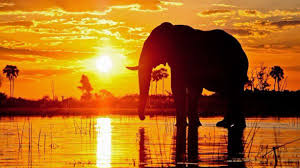
Capturing the perfect Tanzanian sunset requires more than just arriving at the right location at the right time—it demands a combination of technical knowledge, creative vision, and the right photography gear. Understanding Sunset Photography in Tanzania goes beyond pointing a camera at the horizon; it involves mastering lighting, composition, timing, and post-processing techniques to create images that truly reflect the beauty of the country’s landscapes, wildlife, and cultural elements. In this section, we delve into essential photography techniques, recommended gear, and practical tips to help both amateur and professional photographers achieve stunning results.
Essential Photography Gear for Sunset Photography in Tanzania
To capture high-quality sunset images, selecting the right gear is critical. While talented photographers can achieve impressive results with minimal equipment, having the following tools can significantly enhance your ability to capture Tanzania’s vivid sunsets.
-
Camera
-
A DSLR or mirrorless camera with manual settings allows full control over exposure, shutter speed, and aperture. Popular models include the Canon EOS R series, Nikon Z series, and Sony Alpha series.
-
Mirrorless cameras are lighter and ideal for travel photography, while DSLRs offer durability and excellent battery life, which is critical for long field shoots.
-
-
Lenses
-
Wide-angle lenses (14–35mm): Perfect for capturing expansive landscapes like Serengeti plains, Kilimanjaro vistas, or Zanzibar beaches.
-
Telephoto lenses (70–200mm or higher): Essential for wildlife silhouettes during sunset, particularly in Serengeti, Tarangire, and Ngorongoro.
-
Prime lenses: Lenses with a fixed focal length like 35mm or 50mm are excellent for sharpness, low-light performance, and artistic composition.
-
-
Tripod
-
A sturdy tripod is vital for long exposures, low-light conditions, and maintaining composition stability. Lightweight carbon-fiber tripods are ideal for trekking in Tanzania’s national parks or hiking routes near Kilimanjaro.
-
-
Filters
-
Neutral Density (ND) Filters: Useful for long exposures and smoothing water or clouds while balancing exposure.
-
Graduated ND Filters: Essential for balancing the bright sky and darker foreground, particularly when photographing wide-open landscapes during sunset.
-
-
Accessories
-
Extra batteries and memory cards are crucial, as sunset photography often involves extended shooting sessions.
-
Lens cleaning kits protect against dust, sand, and humidity, especially on coastal locations or dusty savannahs.
-
Protective camera bags and rain covers safeguard equipment in unpredictable weather conditions, particularly during Tanzania’s wet season.
-
External Reference:
Mastering Exposure and Light in Sunset Photography
Understanding exposure is fundamental for capturing the perfect Tanzanian sunset. The changing light conditions during the golden and blue hours require a precise balance of aperture, shutter speed, and ISO.
-
Golden Hour Techniques
-
The golden hour occurs approximately one hour before sunset, when sunlight is warm, soft, and diffused.
-
Use a wider aperture (f/2.8–f/5.6) to allow more light into the camera while maintaining a shallow depth of field for creative focus effects.
-
Adjust ISO carefully to avoid noise in low-light conditions; ISO 100–400 is ideal for DSLRs and mirrorless cameras.
-
-
Silhouette Photography
-
Silhouettes are an iconic element of Tanzanian sunset photography. Place the subject (wildlife, acacia trees, or people) against the brightly colored sky.
-
Underexpose the image slightly (-1 to -2 EV) to emphasize the dramatic sky while turning subjects into silhouettes.
-
Use telephoto lenses to isolate subjects or wide-angle lenses for scenic compositions.
-
-
HDR and Bracketing
-
High Dynamic Range (HDR) techniques involve taking multiple exposures at different brightness levels and blending them to capture the full range of light.
-
Bracketing helps preserve both the details of the bright sky and the darker foreground, which is essential for sunset landscapes over Serengeti plains or coastal beaches.
-
-
Reflections and Water Surfaces
-
Lakes, ponds, and tidal pools in Tanzania provide natural mirrors for sunset reflections.
-
Long exposures with ND filters smooth the water surface, creating serene, glass-like reflections.
-
Position your camera low to the water surface for a more dramatic reflection effect.
-
External Reference:
Composition Techniques for Stunning Sunset Shots
Proper composition ensures your sunset photography is not only visually striking but also conveys a story. Key techniques include:
-
Rule of Thirds
-
Position the horizon along the top or bottom third of the frame rather than the center.
-
Place key subjects like Mount Kilimanjaro, acacia trees, or wildlife along intersecting points for balance.
-
-
Leading Lines
-
Use roads, rivers, or paths to guide the viewer’s eye toward the sunset.
-
In Serengeti, game trails or riverbanks work perfectly as natural leading lines.
-
-
Foreground Interest
-
Incorporate elements like rocks, grasses, or traditional fishing boats to add depth and scale to wide landscapes.
-
Foreground subjects enhance storytelling, especially when paired with iconic Tanzanian landmarks like Kilimanjaro or Ngorongoro Crater.
-
-
Silhouettes and Shapes
-
Isolate unique shapes such as baobab trees, lone elephants, or dhows at Zanzibar to create dramatic silhouettes.
-
Silhouettes enhance visual impact while emphasizing color contrast in the sky.
-
-
Layering
-
Include multiple layers of foreground, midground, and background to create depth in the image.
-
For instance, a Serengeti sunset can include grazing wildlife (foreground), rolling plains (midground), and a colorful horizon (background).
-
Practical Shooting Tips in Tanzania
-
Arrive Early and Scout Locations
-
Arriving 30–60 minutes before sunset allows you to assess lighting, adjust composition, and choose the optimal vantage point.
-
-
Weather Monitoring
-
Partly cloudy skies enhance sunset colors with dramatic contrasts. Monitor weather apps or consult local guides for sunset predictions.
-
-
Travel and Accessibility
-
Use 4×4 vehicles in Serengeti, Tarangire, and Ngorongoro to access remote sunset viewpoints.
-
Hire local guides familiar with secret vantage points for less crowded compositions.
-
-
Safety and Wildlife Considerations
-
Maintain safe distances from wildlife; remember that lions, elephants, and buffalo are active during late afternoon.
-
Always carry water, sun protection, and basic first aid kits.
-
-
Post-Processing Tips
-
Shoot in RAW format for maximum flexibility in editing.
-
Enhance colors, contrast, and highlights while maintaining natural tones.
-
Subtle adjustments in Lightroom or Photoshop can transform a good sunset shot into an extraordinary image.
-
External Reference:
Mastering Sunset Photography in Tanzania is a rewarding endeavor that combines technical skill, creative vision, and an understanding of the local environment. By equipping yourself with the right gear, mastering exposure and composition techniques, and preparing for on-location challenges, photographers can capture breathtaking images that showcase Tanzania’s diverse landscapes—from Serengeti plains and Ngorongoro Crater to Kilimanjaro’s majestic slopes and Zanzibar’s tropical beaches. Successful sunset photography also requires cultural awareness, safety measures, and environmental respect to ensure both ethical and visually compelling images.
With careful preparation, patience, and creativity, every sunset in Tanzania offers a new opportunity to create lasting photographic memories, making the country a premier destination for photographers worldwide.
External Resources:
-
B&H Photo – Essential Photography Gear: https://www.bhphotovideo.com/explora/photography/buying-guide
-
Digital Photography School – Sunset Photography Tips: https://digital-photography-school.com
1: Timing, Seasonal Considerations, and Planning the Perfect Sunset Photography Trip in Tanzania
Capturing breathtaking sunsets in Tanzania requires more than just traveling to the right locations; it also demands careful planning of timing, understanding seasonal patterns, and considering environmental and logistical factors. Sunset Photography in Tanzania is heavily influenced by natural light conditions, weather, and seasonal changes, making planning a crucial step for photographers who want to maximize their chances of capturing stunning images. In this section, we will explore optimal timing, seasonal considerations, and tips for creating a comprehensive photography itinerary for Tanzania’s most iconic sunset locations.
Understanding the Golden and Blue Hours
In photography, timing is everything. Two periods of light are critical for sunset photography: the golden hour and the blue hour.
-
Golden Hour
-
Occurs approximately 60 minutes before sunset and 60 minutes after sunrise.
-
Characterized by warm, soft, and diffused light that creates natural contrast and vibrant colors.
-
Ideal for capturing landscapes, wildlife silhouettes, and cultural elements such as Maasai herders returning home or fishermen on Zanzibar’s beaches.
-
-
Blue Hour
-
Begins roughly 10–20 minutes after sunset, when the sky retains a deep blue hue, and ambient light is soft.
-
Provides opportunities for long-exposure photography, capturing reflections in lakes, or creating a moody atmosphere over savannahs or coastal regions.
-
Properly timing your shoots ensures the best possible lighting, color intensity, and shadow dynamics. Photographers should arrive at chosen locations at least an hour before sunset to scout composition, adjust settings, and anticipate lighting changes.
External Reference:
Seasonal Considerations for Sunset Photography in Tanzania
Tanzania’s climate significantly affects sunset photography. Understanding seasonal variations ensures photographers plan trips during optimal conditions.
-
Dry Season (June–October & December–February)
-
Skies are generally clear, providing unobstructed views of sunsets across savannahs, mountains, and coastal areas.
-
Wildlife is easier to locate near water sources, enhancing opportunities for silhouettes and dynamic compositions.
-
Dry conditions improve accessibility to national parks and remote locations.
-
-
Wet Season (March–May & November)
-
Occasional rain showers and cloud cover can produce dramatic and colorful skies.
-
Lush greenery provides vibrant foregrounds for sunset compositions.
-
Travel logistics can be more challenging due to muddy roads and limited accessibility in parks.
-
-
Equatorial Sun Movement
-
Tanzania lies close to the equator, so sunsets occur relatively quickly compared to higher latitudes.
-
Photographers should be prepared for rapid changes in light and color intensity. Quick adjustments to camera settings are essential to capture fleeting moments.
-
External Reference:
Planning Your Sunset Photography Itinerary
A well-structured itinerary ensures that photographers capture the best sunsets while balancing travel time, accessibility, and logistical considerations.
1. Northern Circuit: Serengeti, Ngorongoro, and Tarangire
-
Ideal for wildlife silhouettes, dramatic plains, and crater landscapes.
-
Suggested Itinerary:
-
Day 1–2: Tarangire for baobab and elephant silhouettes at sunset.
-
Day 3–4: Ngorongoro Crater rim for panoramic sunset views over the crater floor.
-
Day 5–7: Serengeti National Park for savannah sunsets with wildlife silhouettes.
-
2. Mount Kilimanjaro and Surrounding Areas
-
Perfect for photographing the mountain against fiery skies or capturing cultural elements like local farmers and coffee plantations.
-
Suggested Itinerary:
-
Materuni Village: 1–2 days for sunsets with Kilimanjaro in the background.
-
Moshi and Marangu: Ideal for evening compositions including local scenery.
-
3. Coastal Sunset Adventures: Zanzibar and Pemba Islands

-
Focuses on tropical beaches, dhows, and ocean reflections.
-
Suggested Itinerary:
-
Stone Town: Cultural foregrounds with historical architecture silhouetted against the sky.
-
Nungwi & Kendwa Beaches: Ideal for pristine beach sunsets and long-exposure shots of water reflections.
-
4. Combining Locations
-
For photographers aiming for diverse content, combining inland and coastal locations within a 2–3 week trip is ideal.
-
Use domestic flights to travel efficiently between Arusha/Moshi and Zanzibar.
Tips for Optimizing Your Sunset Photography Trip
-
Scout Locations in Advance
-
Research and plan your vantage points using online maps, travel blogs, and local guides.
-
Visiting the location earlier in the day allows you to identify foreground elements and optimal framing.
-
-
Weather Forecast Monitoring
-
Apps like Windy, AccuWeather, or local meteorological websites help track sunset times, cloud cover, and humidity.
-
Partially cloudy skies often produce the most dramatic and colorful sunsets.
-
-
Local Guides and Permissions
-
Many prime sunset locations are within private lodges or national parks. Hiring guides ensures legal access, safety, and insider knowledge.
-
Always check entry fees or photography permits required for parks like Serengeti, Tarangire, and Ngorongoro.
-
-
Timing Considerations
-
Arrive at least 45–60 minutes before sunset to set up equipment and anticipate changing light conditions.
-
Carry backup batteries and memory cards for extended shooting sessions.
-
-
Combining Cultural and Wildlife Elements
-
Including Maasai herders, fishermen, or village scenes enriches your sunset compositions.
-
Always seek permission when photographing people and respect local customs.
-
External Reference:
Safety and Logistical Considerations
-
Wildlife Safety: Many parks have dangerous animals active during late afternoon. Maintain safe distances and follow park regulations.
-
Transportation: 4×4 vehicles are recommended for rugged terrains and national parks. Plan for travel time and potential road delays.
-
Accommodation Planning: Book lodges or camps near sunset vantage points to reduce travel stress and maximize shooting time.
-
Health Precautions: Carry insect repellent, hydration packs, sun protection, and first aid kits, especially when traveling to remote parks or coastal regions.
Timing, seasonal awareness, and careful planning are essential for mastering Sunset Photography in Tanzania. By understanding the nuances of light, the golden and blue hours, and seasonal variations, photographers can anticipate the most visually striking conditions for capturing Tanzania’s landscapes, wildlife, and culture. A thoughtfully designed itinerary ensures efficient travel between national parks, mountains, and coastal locations, maximizing opportunities for both artistic compositions and practical logistics. Respecting local communities, wildlife, and park regulations while prioritizing safety ensures that your sunset photography journey is not only visually rewarding but also sustainable and responsible.
With proper timing, seasonal insight, and meticulous planning, every sunset in Tanzania can become an unforgettable photographic masterpiece.
External Resources:
-
Photography Life – Golden Hour and Blue Hour Guide: https://photographylife.com
-
Tanzania Meteorological Agency – Climate Overview: https://www.meteo.go.tz
5: Post-Processing, Editing, and Sharing Your Sunset Photography in Tanzania
Capturing the perfect Tanzanian sunset is only part of the journey. The final step in mastering Sunset Photography in Tanzania involves post-processing, careful editing, and sharing your images to showcase the beauty of Tanzania’s landscapes, wildlife, and culture to a global audience. Even technically correct images can benefit from post-production adjustments, including color enhancement, exposure correction, and compositional refinements. Additionally, sharing your work responsibly ensures that others can appreciate Tanzania’s beauty while maintaining ethical standards in photography. This section explores essential post-processing techniques, recommended editing software, and best practices for sharing your sunset photography professionally.
Why Post-Processing Matters in Sunset Photography
Sunsets are dynamic and often involve a wide range of lighting conditions—from bright skies to shadowed landscapes. Even the most experienced photographers benefit from post-processing to:
-
Balance Exposure: Correct bright skies and dark foregrounds, which may be lost due to camera sensor limitations.
-
Enhance Colors: Amplify warm oranges, reds, and purples that are often muted in JPEG images.
-
Remove Distractions: Crop or edit out elements that distract from the main composition, such as power lines, trash, or distant humans.
-
Sharpen Images: Adjust sharpness and clarity to ensure wildlife, trees, and landscape details are crisp and visually engaging.
Post-processing ensures that your photographs reflect the dramatic colors, textures, and moods that you witnessed in person, creating images that leave a lasting impact.
External Reference:
Editing Software for Sunset Photography
There are multiple software options available for editing sunset photos. The choice depends on your workflow, budget, and creative preferences.
-
Adobe Lightroom
-
Ideal for organizing large collections of images and performing global adjustments.
-
Features include color grading, exposure adjustments, graduated filters for skies, and lens correction tools.
-
Non-destructive editing allows you to preserve original images while experimenting with creative effects.
-
-
Adobe Photoshop
-
Useful for more advanced editing, such as removing unwanted objects, compositing multiple images, or enhancing textures.
-
Allows blending of HDR exposures, retouching wildlife subjects, and creating artistic compositions.
-
-
Capture One
-
Preferred by professional photographers for precise color grading, tethered shooting, and detailed RAW adjustments.
-
Ideal for photographers aiming for high-quality prints or exhibition-ready images.
-
-
Free/Alternative Options
-
Darktable: Open-source alternative for RAW processing.
-
GIMP: Open-source tool for advanced compositing and photo manipulation.
-
External Reference:
Post-Processing Techniques for Tanzanian Sunsets
-
Adjust Exposure and Highlights
-
Use sliders in Lightroom or Capture One to balance bright skies and shadowed foregrounds.
-
Recovery tools help bring out details in clouds or animal silhouettes.
-
-
Color Enhancement and White Balance
-
Increase vibrance and saturation carefully to enhance sky colors without appearing unnatural.
-
Adjust white balance to emphasize warm tones (reds, oranges) during golden hour.
-
-
Graduated Filters and Local Adjustments
-
Apply graduated filters to skies to intensify sunset colors while preserving foreground details.
-
Local adjustments allow selective enhancements of specific elements, such as a silhouette tree or reflecting water.
-
-
Noise Reduction and Sharpening
-
Low-light conditions at sunset can introduce digital noise; use noise reduction tools in Lightroom or Photoshop.
-
Apply selective sharpening to enhance textures of wildlife, foliage, or distant mountains without overprocessing the sky.
-
-
Creative Effects
-
Long-exposure effects for coastal waters or clouds create dynamic, smooth movements.
-
HDR blending can merge multiple exposures to balance the dramatic sky and foreground.
-
Black-and-white conversions sometimes highlight shapes, silhouettes, and textures for a timeless effect.
-
Ethical and Responsible Editing
While post-processing can dramatically improve images, photographers must maintain ethical standards:
-
Accuracy vs. Creativity: Avoid excessive alterations that misrepresent the natural beauty of Tanzania.
-
Respect for Wildlife: Do not digitally add or remove animals in ways that mislead viewers.
-
Cultural Sensitivity: When editing images including people, respect privacy and cultural norms; do not manipulate images in a way that misrepresents traditions or practices.
External Reference:
Sharing and Publishing Your Sunset Photography
After capturing and editing, sharing your work is the next step. How and where you share your photography can amplify its impact and inspire other travelers or photographers.
-
Social Media Platforms
-
Instagram, Pinterest, and Facebook are popular for travel photography.
-
Use descriptive captions, geotags, and hashtags like #TanzaniaSunsetPhotography to increase visibility.
-
-
Photography Websites and Blogs
-
Create a personal portfolio or submit to travel photography platforms to reach a global audience.
-
Maintain high-resolution images optimized for web viewing to balance quality and load times.
-
-
Photo Contests and Exhibitions
-
Participate in international travel and landscape photography competitions.
-
Submit prints to galleries or exhibitions focusing on African wildlife and landscapes.
-
-
Travel Publications and Magazines
-
Consider submitting work to magazines like National Geographic, Lonely Planet, or Safari Travel publications.
-
Include detailed captions and storytelling elements to enhance reader engagement.
-
-
Prints and Merchandise
-
Create framed prints, calendars, or postcards featuring Tanzanian sunsets.
-
Prints allow enthusiasts to physically appreciate the beauty of your photography.
-
Tips for Maximizing Engagement and Impact
-
Tell a Story: Pair each sunset image with a narrative about location, wildlife, or cultural context.
-
Maintain Consistency: Use a coherent editing style for your collection to establish a recognizable photographic signature.
-
Engage Your Audience: Share behind-the-scenes insights, gear tips, and techniques to connect with fellow photographers.
-
Collaborate with Tourism Boards: Tag or collaborate with organizations like Tanzania Tourism Board for exposure and potential promotional opportunities.
Post-processing, editing, and responsible sharing are the final steps in the journey of Sunset Photography in Tanzania. By carefully adjusting exposure, enhancing colors, and applying selective edits, photographers can create images that capture the vibrancy, drama, and serenity of Tanzanian sunsets. Ethical considerations ensure that your images represent the natural and cultural beauty of the country without misrepresentation. Sharing your work through social media, publications, exhibitions, or print media extends the impact of your photography, inspiring others to appreciate Tanzania’s landscapes, wildlife, and cultural richness.
Mastering post-processing and sharing techniques completes the comprehensive skill set required for exceptional sunset photography. With proper planning, technical skills, creative vision, and ethical editing practices, every Tanzanian sunset can become a visually stunning story shared with the world.
External Resource:
-
Adobe – Photography Tips & Techniques: https://www.adobe.com/creativecloud/photography
