

October 29, 2026
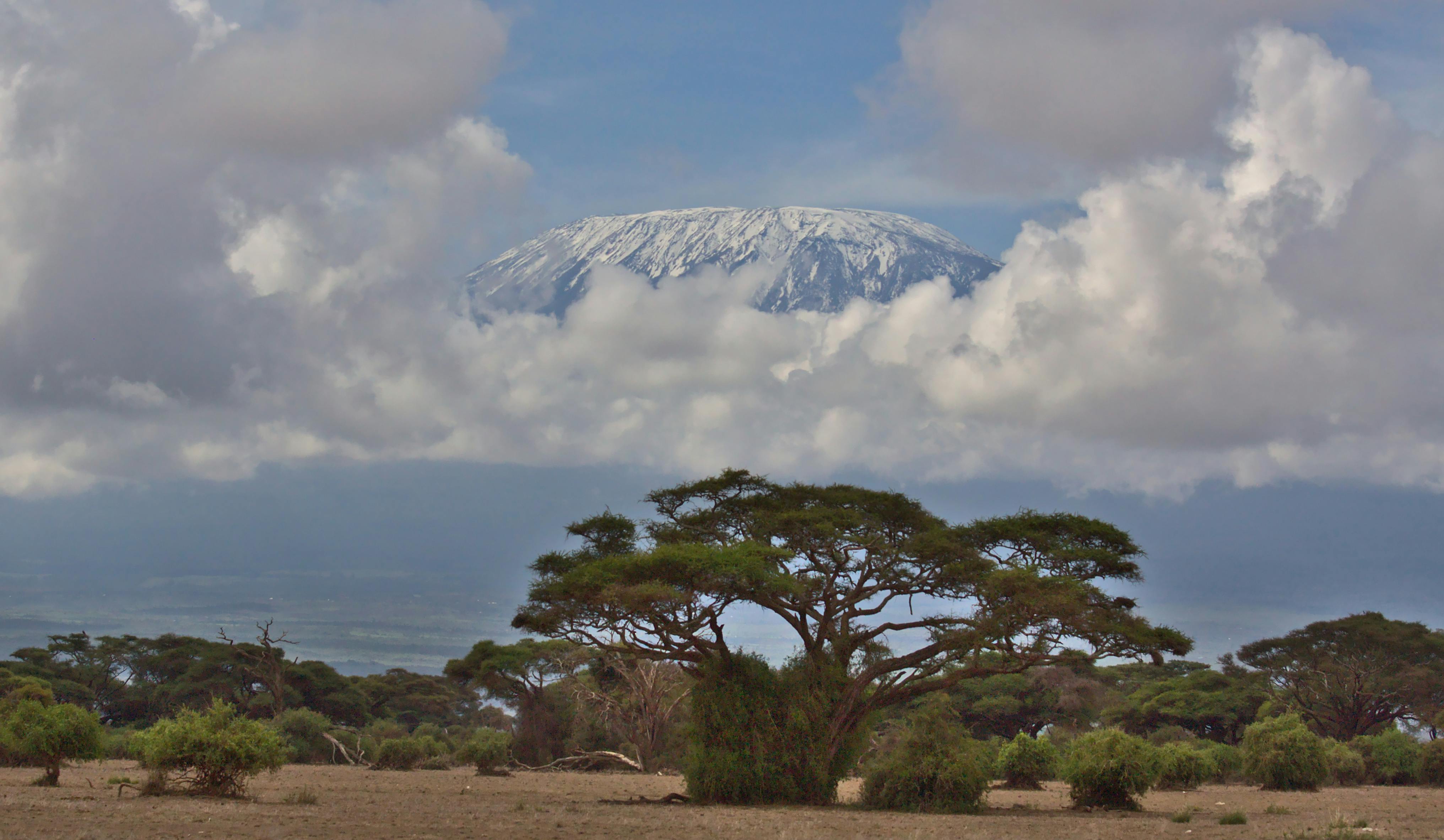
Climbing Mount Kilimanjaro is a major adventure, whether you are an experienced hiker or preparing for your first high-altitude trek. Standing at approximately 5,895 metres (19,341 feet), Uhuru Peak is the highest point in Africa. Reaching it requires more than motivation: preparation, a suitable itinerary, experienced guides and responsible decisions all matter.
That is why choosing a reliable Kilimanjaro climbing company should be one of your first planning decisions. The right operator should explain your options clearly, provide realistic information about altitude, organize mountain logistics and help you understand what your package includes before you pay a deposit.
Nativesons Expeditions helps travellers explore mountain adventures in Tanzania. This guide explains the questions to ask any operator, the features to compare and the practical steps to take before booking your climb.
In This Guide
- Why your climbing company matters
- How to identify a reliable operator
- Safety and altitude acclimatization
- Choosing the right Kilimanjaro route
- Understanding climbing costs
- Responsible trekking and porter welfare
- How to prepare for your climb
- What your climbing itinerary should cover
- Combining Kilimanjaro with a safari or Zanzibar
- Frequently asked questions
Why Choosing a Reliable Kilimanjaro Climbing Company Matters
Kilimanjaro is commonly climbed by trekking rather than technical rock climbing, but its altitude makes the journey demanding. Trekkers move through changing temperatures and landscapes, from montane rainforest to open moorland, alpine desert and the cold summit zone. A well-planned expedition accounts for these changes.
Your operator coordinates the practical details: park entry, mountain crew, meals, camping or hut arrangements where applicable, transfers, daily schedules and the plan for responding to health concerns. Clear coordination helps you concentrate on the journey instead of trying to solve logistics on the trail.
01. Experienced Leadership
Ask about guide training, route knowledge, first-aid preparation and experience managing high-altitude treks.
02. Thoughtful Itinerary
Choose a schedule that gives your body time to adapt instead of selecting an itinerary based on price alone.
03. Clear Communication
Get written details about inclusions, exclusions, equipment, payment terms and cancellation conditions.
04. Responsible Operations
Check how the company supports its mountain crew, manages waste and respects the national park environment.
No company can honestly guarantee that every climber will reach the summit. Weather, altitude response and individual health can affect the outcome. A responsible operator explains these uncertainties instead of making promises that no one can control.
How to Identify a Reliable Kilimanjaro Climbing Company
1. Verify the Company's Credentials
Before making a payment, ask for the company's legal business details, applicable tourism licences and evidence that it can organize climbs in accordance with Kilimanjaro National Park requirements. You should be able to confirm who is responsible for your booking and who will lead your trek.
Check the operator's official contact details and request written confirmation of the services being provided. A polished website alone is not proof of professional standards.
2. Ask About Guide Training and Emergency Procedures
Ask who will lead your group, what relevant training the guides have completed, how climbers are assessed during the trek and what happens if someone becomes unwell. The company should explain its emergency communication and descent procedures in language you understand.
Ask whether the team carries appropriate first-aid supplies and what arrangements exist for emergency evacuation. Confirm which services are included in your package and whether separate insurance is required.
3. Read Independent Reviews Carefully
Look for detailed, recent reviews across more than one platform. Pay attention to comments about communication before arrival, guide professionalism, food, equipment, itinerary organization and how the company responded when plans changed.
Be cautious with reviews that appear repetitive or make extreme promises without specific details. If you have questions, ask the operator for references or further evidence you can verify.
4. Request a Written Package Breakdown
Two climbing packages may look similar but cover different services. Request a written breakdown showing park fees, crew, meals, accommodation, transfers, equipment and any additional charges. Confirm the deposit, balance-payment deadline and cancellation policy before agreeing to book.
5. Check Communication Before You Book
A professional operator should answer reasonable questions about route options, fitness preparation, packing, arrival arrangements and itinerary length. You should not feel pressured to pay before receiving enough information to make an informed decision.
Booking tip: Ask for your proposed itinerary and
full inclusions in writing. Keep your booking confirmation,
payment receipts and emergency contact information somewhere
accessible during your trip.

Safety and Acclimatization: Questions Every Climber Should Ask
Altitude is one of the most important considerations on Mount Kilimanjaro. As elevation increases, less oxygen is available with each breath. People respond differently, and physical fitness alone does not eliminate the risk of altitude illness.
A reliable climbing company should explain how its itinerary supports acclimatization, how guides check on climbers and what happens when symptoms appear. Ask how the team decides whether someone should continue, rest or descend.
Why a Longer Itinerary Can Be Worth Considering
Routes with more time on the mountain can provide additional opportunities for gradual acclimatization, depending on the route profile. Compare the full day-by-day itinerary rather than choosing a climb simply because it has fewer days or a lower price.
What to Confirm Before Departure
- How guides monitor climbers and recognize possible altitude illness.
- How health concerns are communicated and assessed during the trek.
- What first-aid equipment and emergency arrangements are available.
- How the company coordinates descent or evacuation when necessary.
- Whether your travel insurance covers high-altitude trekking and emergency evacuation.
Tell your guide immediately if you feel unwell. Do not conceal symptoms to keep up with a group. Follow the guide's safety instructions and seek medical assessment when advised.
For more preparation information, read our Kilimanjaro health and safety guide .
Choosing the Best Kilimanjaro Route for Your Adventure
Kilimanjaro has several established trekking routes. They differ in scenery, length, camping arrangements, traffic, approach and acclimatization profile. Your ideal route depends on your travel dates, available time, budget, preferences and advice from an experienced operator.
| Route | What to Know | Discuss With Your Operator |
|---|---|---|
| Machame | Scenic route with varied terrain and established camps. | Itinerary length, daily elevation changes and acclimatization. |
| Lemosho | Western approach with attractive scenery and longer itinerary options. | Additional days, trail conditions and overall package cost. |
| Marangu | Known for hut accommodation along the route. | Hut availability and whether the itinerary allows sufficient acclimatization. |
| Rongai | Northern approach, often appealing to climbers seeking a different route perspective. | Transfer logistics, route schedule and descent arrangements. |
| Northern Circuit | Longer route with an extensive circuit around the mountain. | Total days, budget, camp locations and acclimatization profile. |
Route names and popularity do not automatically determine which itinerary is best for you. Request a detailed schedule, including approximate walking times, elevations, sleeping locations and planned acclimatization days.
How Much Does It Cost to Hire a Reliable Kilimanjaro Climbing Company?
Kilimanjaro climbing prices vary according to the route, number of days, group size, travel dates, accommodation arrangements and services included. There is no single price that accurately describes every expedition.
Instead of comparing the headline price alone, compare what each quotation covers. A lower initial price may exclude services that another operator has already included.
What Should a Kilimanjaro Quote Include?
- National park and camping or hut fees where applicable.
- Mountain guides, porters and cook arrangements.
- Meals and drinking-water arrangements during the trek.
- Tents or hut accommodation and shared equipment where applicable.
- Transfers to and from the trailhead, as specified in the quote.
- Hotel nights before or after the climb, if included.
- Clearly stated exclusions, optional services and payment terms.
Ask About These Additional Expenses
International flights, visas, travel insurance, personal trekking clothing, tips, optional hotel nights and some transfers may be charged separately. Confirm whether airport pickup, accommodation and equipment rental are included in your chosen package.
Request a personalized quotation based on your preferred route, travel dates, group size and accommodation needs. This makes it easier to compare genuinely similar offers.
Responsible Trekking: Why Porter Welfare Matters
A Kilimanjaro expedition depends on the work of mountain guides, porters, cooks and other crew members. Responsible tourism means treating these workers fairly while respecting the fragile mountain environment.
Ask your prospective operator how it manages porter loads, wages, meals, shelter, appropriate equipment and working conditions. Request clear answers about its policies rather than relying on broad claims about ethical tourism.
Climbers can also contribute by following park rules, carrying out waste according to the team's instructions, respecting wildlife and vegetation, and listening to their guides.
Read more about the company's approach to responsible travel in Tanzania .
How to Prepare for a Kilimanjaro Climb
Preparation begins well before you arrive in Tanzania. A suitable training plan, well-fitted footwear and appropriate clothing can help you manage the physical demands of trekking. Discuss your health, experience and preparation needs with qualified professionals when necessary.
Build Your Walking Endurance
Gradually build up regular walking and hiking, including comfortable practice walks with the footwear and daypack you expect to use. Increase activity at a manageable pace and allow time for rest and recovery. You do not need to treat the climb as a race.
Prepare Your Clothing and Equipment
- Broken-in trekking boots and comfortable hiking socks.
- Moisture-managing base layers and warm insulating layers.
- A waterproof outer layer suitable for mountain conditions.
- Warm gloves, a hat and suitable protection from the sun.
- A headlamp, refillable water bottles and a daypack.
- Personal medication and any required prescription supplies.
Your final packing list should reflect the season, itinerary and operator's equipment policy. Ask which items are supplied, which can be rented and which you must bring yourself.
Plan Your Arrival in Tanzania
Confirm your arrival airport, pickup arrangements, hotel reservations and the time needed for your pre-climb briefing. Leave sufficient flexibility for travel disruptions and preparation rather than planning every activity too tightly.
For a more detailed preparation guide, visit our Mount Kilimanjaro preparation guide .
What a Well-Organized Kilimanjaro Itinerary Should Cover
Before confirming a booking, ask for a day-by-day itinerary. It should explain the journey from arrival to departure and make clear what happens on each day.
- Arrival and briefing: airport transfer if included, accommodation arrangements, equipment review and trek briefing.
- Trailhead and first trek: registration procedures, introduction to the mountain crew and the day's walking plan.
- Daily ascent: planned walking stages, meals, camp or hut locations and time for rest.
- Acclimatization: the itinerary's approach to gradual altitude adjustment and health monitoring.
- Summit attempt: the expected schedule, guide instructions, weather considerations and descent plan.
- Return and onward travel: completion arrangements, transfer details and any post-climb accommodation included.
The exact sequence depends on the route and itinerary selected. A reliable operator should be able to explain any changes and make clear that safety decisions can override the planned schedule.
Make Your Tanzania Adventure Bigger: Safari and Zanzibar
Many international travellers choose to combine their Kilimanjaro expedition with a wildlife safari or a beach holiday. Tanzania offers several ways to build a longer trip around your mountain adventure.
Explore Tanzania's Wildlife Parks
A safari can introduce you to the landscapes and wildlife of northern Tanzania. Depending on your schedule, interests and budget, ask about itineraries featuring Serengeti National Park, Ngorongoro Conservation Area, Tarangire National Park or other suitable destinations.
Relax on Zanzibar Island
After a demanding trek, Zanzibar offers a different pace, with beaches, coastal scenery, historical Stone Town and opportunities to learn about Swahili culture. Allow time for transfers and recovery when planning the overall trip.
Tanzania Safaris
Explore wildlife, landscapes and guided journeys through Tanzania.
Explore a safari itinerary →Kilimanjaro Climbing
Compare trekking routes and request an itinerary that fits your travel plans.
Explore mountain tours →For a broader overview, read our Tanzania travel guide to Kilimanjaro, safari and Zanzibar .
If you would like to add Zanzibar, ask the team for a tailored beach extension and confirm the correct package, transfer arrangements and availability before booking.
Why Contact Nativesons Expeditions?
Planning a climb becomes easier when you can discuss your preferences directly with a Tanzania travel team. Nativesons Expeditions can be contacted to enquire about Kilimanjaro itineraries, safari extensions and wider travel arrangements.
When you make an enquiry, share your preferred travel dates, number of travellers, route preference if known, and whether you want to combine the climb with a safari or Zanzibar. These details help the team understand what you are looking for.
Before paying, confirm the final itinerary, package inclusions, applicable company details, payment conditions and cancellation terms in writing.
Ready to Plan Your Mount Kilimanjaro Adventure?
Tell Nativesons Expeditions when you hope to travel and what kind of climbing experience you are looking for. Ask questions, compare your options and request a personalized quotation.
Frequently Asked Questions
How do I choose a reliable Kilimanjaro climbing company?
Check relevant company credentials, guide training, safety procedures, recent independent reviews, itinerary length, porter welfare practices and written package inclusions. Request clear answers before making a payment.
Is Mount Kilimanjaro suitable for first-time climbers?
Some first-time trekkers climb Kilimanjaro successfully with suitable preparation and support. However, the altitude makes the trek challenging. Discuss your experience, fitness and health considerations with the operator and choose an appropriate itinerary.
How many days do I need to climb Mount Kilimanjaro?
Many itineraries take approximately five to nine days on the mountain, depending on the route and schedule. Additional travel and hotel nights may be needed. Compare acclimatization opportunities as well as the number of days.
Which Kilimanjaro route should I choose?
Machame, Lemosho, Marangu, Rongai and Northern Circuit each have different characteristics. Your choice should reflect your available time, budget, accommodation preference, walking experience and the itinerary's acclimatization profile.
What should a Kilimanjaro climbing package include?
Depending on the quotation, it may include park fees, mountain crew, meals, camping or hut arrangements, transfers and some equipment. Ask for a written list of inclusions and exclusions rather than assuming every package covers the same services.
Can I combine a Kilimanjaro climb with a Tanzania safari?
Yes. You can ask about adding destinations such as Serengeti, Ngorongoro or Tarangire. The best combination depends on your overall travel dates, interests, budget and transfer logistics.
Can I visit Zanzibar after climbing Kilimanjaro?
Yes. Zanzibar can be planned as a beach extension after your climb. Confirm flight or transfer connections and allow sufficient recovery time in your itinerary.
How can I request a personalized Kilimanjaro quote?
Use the enquiry form on this page or contact Nativesons Expeditions on WhatsApp at +255 769 353 916 or by email at info@nativesonexpeditions.com. Share your preferred dates, group size and route preferences if known.
Final Thoughts
Choosing a reliable Kilimanjaro climbing company means looking beyond attractive photographs and headline prices. Prioritize responsible leadership, clear safety procedures, realistic acclimatization planning, transparent costs and respectful treatment of the mountain crew.
With thoughtful preparation and the right questions, you can make a better-informed decision about your Tanzania adventure. Contact Nativesons Expeditions to discuss your preferred itinerary and the next steps for planning your climb.
Further Reading and Official Information
- Tanzania National Parks Authority (TANAPA) — official national parks information.
- Kilimanjaro Health and Safety — related information on the company website.
- Responsible Travel — the company's responsible travel information.
- Kilimanjaro Climbing Tours — route and tour information.