

Discover hidden travel spots in Tanzania that tourists often miss. Explore untouched destinations, authentic culture, and unique landscapes beyond the popular safari routes.
1: Why Tanzania Has Hidden Travel Spots Most Tourists Never See
https://nativesonexpeditions.com/zanzibar-holiday-safaris/
Tanzania is globally celebrated for iconic attractions such as Serengeti National Park, Mount Kilimanjaro, and Zanzibar’s white-sand beaches. These destinations dominate travel brochures, documentaries, and social media feeds, shaping the way the world perceives Tanzanian tourism. However, beneath this well-known surface lies a vast and diverse country filled with remarkable places that remain largely unexplored by international visitors. Understanding why so many of these destinations remain unknown is the first step toward appreciating the true depth of Tanzania’s travel potential.
One of the main reasons many destinations remain undiscovered is the strong concentration of tourism around a few flagship attractions. International tour operators often design itineraries that focus on guaranteed highlights, especially for first-time visitors with limited time. As a result, travel routes tend to follow predictable paths between national parks in the north and the beaches of Zanzibar. While these experiences are extraordinary, they represent only a fraction of what the country offers. Vast regions in the south, west, and interior remain absent from mainstream tourism narratives.
Another contributing factor is limited global awareness. Tanzania is often marketed as a safari destination rather than a multi-dimensional travel experience. This branding, while successful, overshadows cultural landscapes, historical towns, unique ecosystems, and rural communities that offer equally compelling experiences. Many international tourists are simply unaware that Tanzania contains ancient ruins, volcanic lakes, hidden waterfalls, dense forests, and remote coastlines untouched by mass tourism. These lesser-known destinations collectively form what many travel experts now describe as Hidden travel spots in Tanzania.
Infrastructure also plays a role in shaping tourist movement. Some hidden destinations are located far from major airports or paved roads, making them less accessible to conventional tour packages. While this lack of accessibility can deter mass tourism, it is precisely what preserves the authenticity of these places. Travelers willing to go beyond convenience are often rewarded with immersive experiences, meaningful cultural exchanges, and pristine natural environments that feel untouched by time.
Government and conservation priorities further influence tourism patterns. National parks with strong international recognition receive more funding, promotion, and infrastructure development. Meanwhile, lesser-known protected areas, cultural sites, and rural landscapes receive limited exposure despite their ecological and cultural significance. According to the Tanzania Tourism Board, tourism development has historically focused on flagship destinations to maximize economic return and conservation efficiency. More information on Tanzania’s tourism framework can be found on the official Tanzania Tourism Board website: https://www.tanzaniatourism.go.tz. This strategic focus, while beneficial in many ways, contributes to the invisibility of alternative destinations.
Cultural factors also influence travel behavior. Many international tourists rely heavily on online reviews, travel blogs, and social media when planning trips. Destinations without strong digital footprints or influencer presence are often overlooked. Hidden destinations may lack high-end lodges, luxury branding, or Instagram-friendly exposure, but they offer something increasingly rare in modern travel: authenticity. These places allow travelers to experience daily life, traditions, and landscapes without the filter of commercialization.
Another reason tourists miss these destinations is time limitation. Tanzania is a large country, and exploring it thoroughly requires more than a short holiday. Travelers with limited time often prioritize famous attractions, leaving little room for exploration. As a result, entire regions remain unseen by international visitors despite being rich in biodiversity, history, and cultural heritage. This selective travel reinforces the cycle of popularity and neglect.
From an environmental perspective, concentrating tourism in a few areas creates pressure on ecosystems and communities. UNESCO has highlighted the importance of diversifying tourism to protect cultural and natural heritage while promoting sustainable development. UNESCO’s work on sustainable tourism and heritage conservation can be explored through its official platform: https://www.unesco.org. Promoting lesser-known destinations aligns with global efforts to balance tourism growth with environmental and cultural preservation.
There is also a growing shift in traveler preferences. Modern travelers increasingly seek unique, off-the-beaten-path experiences that allow deeper engagement with local culture and nature. This trend creates an opportunity for Tanzania’s lesser-known destinations to gain recognition. Travel experts and conservationists alike emphasize that exploring alternative locations not only enhances the traveler experience but also distributes economic benefits more evenly across communities. This shift has renewed interest in Hidden travel spots in Tanzania among responsible and experience-driven travelers.
Historically, Tanzania’s interior regions played significant roles in trade, migration, and cultural exchange. Ancient trade routes, traditional kingdoms, and archaeological sites are scattered across the country, yet many remain absent from mainstream tourism. These historical landscapes offer rich storytelling opportunities and connect travelers to Africa’s deeper past. Organizations such as National Geographic have documented how overlooked regions often hold key insights into human history and environmental resilience. Their cultural and geographic research can be found at: https://www.nationalgeographic.com.
Another overlooked aspect is community-based tourism. Many rural areas in Tanzania have developed local tourism initiatives focused on cultural exchange, conservation, and education. These initiatives often operate on small scales and lack international marketing exposure. However, they provide travelers with meaningful opportunities to participate in daily life, learn traditional skills, and support local livelihoods directly. Such experiences contrast sharply with conventional tourism and appeal to travelers seeking purpose-driven journeys.
Economic disparities also shape tourism visibility. Regions with limited investment struggle to develop accommodations, transport services, and promotional materials that attract international attention. Yet these same regions often offer extraordinary landscapes and welcoming communities. As sustainable tourism gains momentum, these destinations are increasingly recognized as valuable alternatives to overcrowded sites.
Technology and information access further explain why some destinations remain hidden. Many travel platforms prioritize destinations with high search volumes and advertising budgets. Lesser-known places, even when exceptional, struggle to compete digitally. This creates a feedback loop where popular destinations become more visible while hidden ones remain unseen. Breaking this cycle requires intentional exploration and storytelling that brings attention to Tanzania’s diverse travel offerings.
For tourism companies, highlighting these lesser-known destinations is both an opportunity and a responsibility. It allows businesses to differentiate themselves, offer unique itineraries, and contribute to sustainable tourism development. By guiding travelers beyond the usual routes, tourism companies help protect overvisited sites while uplifting new communities. This approach aligns with global best practices in ethical and responsible tourism.
Ultimately, the existence of hidden destinations is not a weakness but a strength. It means Tanzania still holds mysteries, untouched beauty, and authentic experiences waiting to be discovered. Travelers willing to explore beyond familiar names gain a deeper understanding of the country’s complexity and richness. This exploration reshapes how Tanzania is perceived globally—not just as a safari destination, but as a diverse and dynamic nation.
As interest grows in experiential and sustainable travel, the appeal of Hidden travel spots in Tanzania will continue to rise. These destinations represent the future of tourism: balanced, authentic, and community-centered. In the following sections, we will explore specific hidden locations across Tanzania, revealing why they matter and how travelers can experience them responsibly.
2: Lesser-Known Natural Landscapes in Tanzania Beyond the Famous Parks
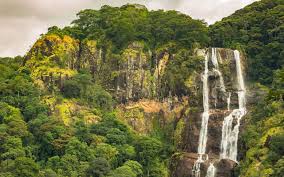
When most international tourists think of Tanzania’s natural beauty, images of the Serengeti plains, Ngorongoro Crater, and Mount Kilimanjaro immediately come to mind. These iconic landscapes deserve their fame, yet they represent only a small portion of Tanzania’s extraordinary ecological diversity. Beyond the well-trodden safari circuits lies a collection of breathtaking natural landscapes that remain largely unknown to international visitors. These areas offer dramatic scenery, rare wildlife, and profound solitude, making them ideal for travelers seeking authenticity and connection with nature.
Southern and western Tanzania are particularly rich in underexplored natural environments. These regions receive fewer visitors due to limited promotion and infrastructure, yet they host some of the most pristine ecosystems in East Africa. Dense forests, vast wetlands, remote mountains, volcanic highlands, and freshwater lakes combine to create landscapes that rival—and in some cases surpass—the country’s more famous attractions. These environments form the backbone of what many experts consider the most remarkable Hidden travel spots in Tanzania.
One of the defining features of Tanzania’s lesser-known landscapes is their scale and untouched character. Unlike heavily visited parks, these areas often feel raw and expansive. Travelers may spend hours without encountering another vehicle, lodge, or tour group. This sense of isolation is increasingly rare in global tourism and offers a powerful contrast to crowded destinations elsewhere in the world. For nature lovers, photographers, and slow travelers, this solitude enhances the emotional impact of the journey.
Tanzania’s southern highlands, for example, showcase rolling hills, tea plantations, waterfalls, and cool-climate forests that feel worlds away from the savannahs of the north. These landscapes support unique flora and fauna and provide excellent opportunities for hiking, birdwatching, and cultural immersion. Yet they remain absent from most international itineraries. The lack of mass tourism has preserved both the environment and local ways of life, creating a setting where travelers can experience nature without heavy commercialization.
In western Tanzania, vast freshwater ecosystems dominate the landscape. Lakes, rivers, and wetlands support complex food chains and diverse wildlife populations. These areas are particularly important for conservation, as they serve as migration corridors and breeding grounds for numerous species. According to the World Wide Fund for Nature (WWF), freshwater ecosystems in East Africa are among the most biologically productive yet least protected environments. More information on freshwater conservation in Africa can be found on WWF’s official website: https://www.worldwildlife.org. This highlights the ecological importance of these lesser-known regions.
Forested landscapes also play a crucial role in Tanzania’s hidden natural heritage. Ancient forests host endemic plant species and rare primates, offering a completely different experience from open grassland safaris. Walking through these forests introduces travelers to a quieter, more intimate side of African wilderness. The sounds of birds, insects, and wind replace the drama of large mammals, creating a meditative travel experience that appeals to eco-conscious visitors.
Volcanic features add another layer of diversity to Tanzania’s hidden landscapes. Crater lakes, lava fields, and geothermal areas reflect the country’s dynamic geological history. These environments often exist outside major tourist zones despite their striking beauty. Geological research from organizations such as Britannica confirms that Tanzania lies within the East African Rift System, one of the most geologically active regions on Earth. Detailed background on this geological formation is available via Britannica’s official resources: https://www.britannica.com. Understanding this context enriches the traveler’s appreciation of these landscapes.
Another reason these natural areas remain underexplored is the misconception that Tanzania’s best nature experiences require luxury safaris. In reality, many hidden landscapes are best experienced through simple lodges, community-run camps, or guided walking tours. These forms of travel emphasize immersion rather than spectacle and often result in deeper cultural and environmental understanding. Travelers willing to embrace simplicity often find these experiences more rewarding than conventional luxury tourism.
Climate variation also contributes to Tanzania’s ecological richness. From humid coastal forests to alpine environments and semi-arid plains, the country’s varied climates support a wide range of habitats. This diversity allows travelers to experience multiple ecosystems within a single country. Yet because marketing tends to focus on a narrow image of Tanzania, many visitors never realize how much variety exists beyond the northern safari route.
From a sustainability perspective, exploring lesser-known natural landscapes helps reduce pressure on heavily visited parks. Conservation organizations increasingly advocate for dispersing tourism to protect ecosystems and improve community livelihoods. By visiting alternative destinations, travelers contribute to a more balanced tourism economy while enjoying unique experiences. This approach aligns with sustainable tourism guidelines promoted by the United Nations Environment Programme (UNEP), which emphasizes responsible travel in fragile ecosystems. More information on sustainable tourism practices can be found at: https://www.unep.org.
Wildlife viewing in these regions is often more subtle but equally fascinating. While large animal concentrations may be smaller, biodiversity is often higher, particularly among birds, insects, and plant species. Birdwatchers, in particular, find Tanzania’s lesser-known landscapes exceptionally rewarding. The absence of crowds allows for longer observation periods and a deeper appreciation of animal behavior in natural settings.
Cultural landscapes are closely intertwined with natural ones. Many hidden natural areas are home to communities that have lived in harmony with their environments for generations. Traditional farming, fishing, and pastoral practices shape the land and contribute to its character. Travelers who explore these regions gain insight into how human and natural systems coexist, offering lessons in resilience and sustainability.
Modern travelers increasingly seek these meaningful connections with nature and culture. As global tourism evolves, destinations that offer authenticity and environmental integrity are becoming more desirable. Tanzania’s lesser-known landscapes meet these expectations perfectly, offering experiences that feel personal rather than packaged. This shift in traveler values has brought renewed attention to Hidden travel spots in Tanzania as alternatives to overcrowded destinations.
Accessibility is gradually improving as domestic travel infrastructure expands. New roads, regional airports, and community tourism initiatives are making it easier to reach previously isolated areas without compromising their character. This careful development allows travelers to explore responsibly while preserving what makes these places special.
For tourism companies, incorporating these landscapes into itineraries provides a competitive advantage. It allows businesses to offer unique products, attract repeat visitors, and support conservation-driven travel. By promoting underexplored natural environments, tourism companies also play a role in shaping a more sustainable future for Tanzania’s tourism industry.
Ultimately, Tanzania’s lesser-known natural landscapes reveal a country far more complex and diverse than popular imagery suggests. They challenge travelers to slow down, observe, and engage deeply with the environment. These places remind us that true exploration often begins where mainstream tourism ends.
As travelers look beyond familiar destinations, the appeal of Hidden travel spots in Tanzania continues to grow. These landscapes represent untold stories, untouched beauty, and the promise of discovery. In the next section, we will explore hidden cultural and historical destinations that further expand the understanding of Tanzania beyond its famous natural icons.
3: Hidden Cultural and Historical Destinations in Tanzania
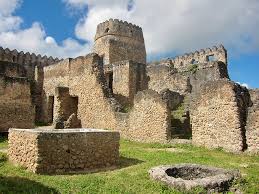
Tanzania’s cultural heritage is as rich and diverse as its natural landscapes. Beyond the iconic Serengeti plains and Zanzibar beaches lies a tapestry of historical towns, ancient ruins, sacred sites, and traditional communities that remain largely invisible to the average international tourist. These cultural destinations offer travelers an opportunity to connect with the history, art, and traditions of Tanzania, revealing layers of identity that are often overshadowed by the country’s natural fame. Understanding these hidden cultural sites is essential for any traveler seeking a comprehensive experience of the nation’s heritage.
One of the most compelling examples of these hidden destinations is the town of Bagamoyo, located on the Tanzanian coast north of Dar es Salaam. Bagamoyo was once a thriving port town and an entry point for the East African slave trade. Today, it houses historical buildings, museums, and cultural centers that document its complex past. The town’s quiet streets, old colonial structures, and preserved caravan routes offer a deeply reflective experience. Despite its significance, Bagamoyo receives relatively few international visitors compared to Zanzibar or Dar es Salaam. Visiting Bagamoyo allows travelers to witness firsthand the convergence of Swahili, Arab, and European influences, making it one of the most enlightening Hidden travel spots in Tanzania.
Further inland, the Iringa Region presents a treasure trove of historical and cultural experiences. Known for its traditional Hehe and Bena communities, Iringa preserves practices, dances, and crafts that have survived centuries. The Isimila Stone Age site, located near the town, features remarkable prehistoric tools and artifacts, offering insights into human evolution and early settlement patterns. Few tourists venture to this region, which preserves an authenticity rarely found in heavily visited areas. Engaging with local guides and artisans here provides not only cultural enrichment but also support for community-based tourism.
In northern Tanzania, Lake Eyasi and the surrounding villages host the Hadza people, one of the world’s last remaining hunter-gatherer communities. Experiencing their daily life, understanding their survival techniques, and learning about their relationship with the environment provides a rare anthropological perspective. This immersive experience contrasts sharply with mainstream safari tours, offering travelers a chance to witness human resilience and ingenuity firsthand. Lake Eyasi and its surrounding areas are prime examples of Hidden travel spots in Tanzania that merge culture, history, and ecological knowledge.
Religious and sacred sites also contribute significantly to Tanzania’s cultural depth. The rock-hewn churches, ancestral shrines, and sacred forests scattered across regions like the Usambara Mountains or the Southern Highlands are rarely mentioned in mainstream travel guides. These sites often remain accessible only through local contacts, requiring curiosity and respect from visitors. Engaging with these sacred spaces provides travelers with an understanding of local belief systems, spiritual practices, and traditional governance structures. These destinations demonstrate that cultural tourism can extend far beyond museums and urban centers.
Tanzania’s historical trading towns and ancient ruins reflect centuries of interconnectedness with regional and global trade networks. Archaeological research conducted by UNESCO and other organizations highlights sites such as Kilwa Kisiwani and Songo Mnara, which were once thriving Swahili city-states along the Indian Ocean. These locations are now UNESCO World Heritage Sites, yet their remote locations mean that many travelers never reach them. Visiting these ruins provides a vivid window into the sophistication of East African maritime trade, architecture, and social organization centuries before colonial influence. More information on Kilwa Kisiwani and Songo Mnara is available via UNESCO’s official website: https://whc.unesco.org. These historical sites remain among the most rewarding of Tanzania’s hidden treasures.
Cultural festivals and community events further enrich the travel experience. In regions such as the Southern Highlands, traditional ceremonies, music, and dance are integral to community identity. Travelers who attend with respect and sensitivity gain unparalleled insight into local lifestyles. These events are often overlooked by international tourists, yet they offer a deeper understanding of societal values, folklore, and heritage preservation strategies.
Artisanal crafts and local marketplaces also constitute hidden cultural destinations. In towns like Morogoro or the Ukerewe Islands, handmade textiles, carvings, and pottery reflect both practical and artistic knowledge passed down through generations. Visitors can learn directly from artisans, participate in workshops, and contribute to sustaining these traditions economically. This form of engagement transforms tourism from passive observation into active cultural exchange, a key principle in responsible travel.
Educational tourism is another dimension of these hidden cultural destinations. Many areas, such as the archaeological sites in Kondoa or the rock art of Dodoma, offer profound learning opportunities. Travelers interested in history, anthropology, or environmental studies can benefit greatly from guided tours led by local scholars. These experiences deepen understanding of how Tanzanian societies have evolved, interacted, and maintained continuity despite external pressures over centuries.
Accessibility remains a challenge but also a defining feature of these destinations. Many cultural sites are reachable only via minor roads or require coordination with local guides. This ensures that tourism remains sustainable, minimizes environmental impact, and preserves authenticity. Travelers willing to embrace this effort are rewarded with intimate, often solitary experiences that provide a connection to Tanzania’s past that cannot be replicated elsewhere.
The intersection of culture and nature in hidden destinations is particularly striking. For instance, in areas surrounding the Ngorongoro Highlands or Mahale Mountains, traditional villages coexist alongside natural preserves. Visitors experience both ecological wonder and human heritage, understanding how communities adapt to, protect, and live within their environments. This dual perspective enhances appreciation for the complexity of Tanzanian landscapes.
Global organizations emphasize the importance of preserving cultural heritage while fostering tourism. According to National Geographic, responsible engagement with indigenous and local communities supports both conservation and social development. More insights on ethical cultural tourism are available at: https://www.nationalgeographic.com/travel. This highlights why visiting lesser-known cultural destinations is both enriching and socially responsible.
For international travelers, exploring Tanzania’s hidden cultural and historical destinations encourages slower, more deliberate travel. It fosters empathy, broadens perspectives, and builds a genuine connection to place. These journeys often become the most memorable moments of a trip, leaving lasting impressions that go beyond typical photographic souvenirs.
Finally, tourism that emphasizes hidden cultural landscapes contributes to long-term community benefits. By highlighting these destinations, travelers support preservation, economic development, and cultural pride. Tourism companies increasingly recognize that itineraries featuring Hidden travel spots in Tanzania appeal to a sophisticated audience that values meaningful, responsible experiences.
In conclusion, Tanzania’s hidden cultural and historical destinations reveal an intricate and fascinating human story that complements its natural beauty. From ancient ruins and traditional villages to sacred spaces and artisanal communities, these places provide depth, perspective, and authenticity. They remind travelers that the true essence of Tanzania is not only in its wildlife and landscapes but also in the lives, stories, and histories of its people. Engaging with these destinations transforms travel into a holistic exploration of both nature and culture.
4: Hidden Adventure and Sports Activities in Tanzania
While Tanzania is globally famous for safaris, mountain climbing, and beach relaxation, a growing number of travelers are discovering that the country offers a wide array of adventure and sports activities that go far beyond the usual tourist itinerary. Many of these experiences are tucked away in regions rarely visited by international tourists, allowing for exhilarating yet intimate encounters with nature. From white-water rafting and rock climbing to kite surfing and paragliding, these hidden adventures are part of Tanzania’s lesser-known allure. Recognizing and participating in these activities transforms a standard trip into a dynamic, adrenaline-filled journey.
The Usambara Mountains in northeastern Tanzania provide an exceptional destination for hiking, trekking, and rock climbing. Often overshadowed by Mount Kilimanjaro and the Ngorongoro Highlands, the Usambara range offers moderate to challenging routes through lush forests, deep valleys, and spectacular cliffs. The area’s biodiversity includes endemic bird species, rare orchids, and ancient trees, making it a paradise for nature enthusiasts who also crave adventure. Local guides facilitate climbing expeditions and treks, creating economic opportunities for surrounding communities while ensuring safety and ecological sustainability. For adventurous travelers, this region exemplifies one of the most rewarding Hidden travel spots in Tanzania.
For water sports enthusiasts, the Rufiji River in southeastern Tanzania offers opportunities for kayaking, canoeing, and white-water rafting. This river flows through varied landscapes, including savannahs, floodplains, and mangrove forests, providing scenic diversity unmatched by more popular rivers in East Africa. Adventure companies operating in the area emphasize sustainable practices, ensuring minimal disruption to wildlife habitats while offering unforgettable experiences for travelers. According to the World Adventure Travel Association, responsible adventure tourism not only enriches visitor experiences but also supports local conservation and communities. More details on adventure tourism best practices can be found at: https://www.adventuretravel.biz.
Lake Tanganyika, Africa’s deepest freshwater lake, offers unique water sports in its hidden coastal regions. Remote beaches along the lake are ideal for stand-up paddleboarding, swimming, and snorkeling, often in crystal-clear waters teeming with cichlid fish. Unlike the more crowded destinations such as Zanzibar, these lakeside activities provide solitude and a genuine sense of discovery. Visitors can combine adventure with ecological observation, learning about the lake’s unique aquatic ecosystem from local guides.
Cycling and mountain biking are also gaining popularity in Tanzania’s less explored areas. The Southern Highlands and Makambako Plateau offer expansive trails for both casual and professional cyclists. These routes traverse small villages, tea plantations, and rolling hills, allowing travelers to experience the countryside intimately while engaging in physical activity. Cycling tourism is especially effective for minimizing environmental impact while providing economic benefits to rural communities.
For thrill-seekers, paragliding and ultralight aviation are emerging opportunities in regions such as Mbeya and the Nguru Mountains. Soaring above valleys, lakes, and highland forests offers perspectives that are impossible from the ground. These aerial adventures not only provide adrenaline but also highlight the country’s geological and ecological diversity. Safety is paramount, with licensed instructors and local operators adhering to international standards.
Wildlife-based adventure sports, though unconventional, are gaining attention. Kayak safaris in remote mangrove forests, guided night walks in wildlife reserves, and canoeing through floodplains allow travelers to experience animals in a more active and participatory manner. These activities often bypass crowded safari lodges and commercialized game drives, offering immersive encounters that connect participants more deeply to the environment.
Coastal adventure opportunities are another hidden gem. Tanzania’s mainland coast, including regions like Pangani and Saadani, offers surfing, kite surfing, and deep-sea fishing away from the tourist-heavy Zanzibar islands. These destinations combine adventure with cultural immersion, as travelers interact with local fishing communities, learn traditional practices, and experience authentic coastal life. International organizations like UNESCO recognize the importance of supporting coastal communities through sustainable tourism, ensuring that these hidden sports destinations are preserved and respected. More information is available at: https://whc.unesco.org.
Sandboarding and dune adventures are available in areas around the Shinyanga and Singida regions, where expansive sandy terrains provide opportunities for both recreational sports and adrenaline-fueled exploration. Travelers often encounter nomadic communities and pastoral landscapes, combining adventure with cultural insights. Such regions remain largely untapped, offering a truly off-the-beaten-path experience.
Adventure tourism also aligns with Tanzania’s growing focus on sustainable and eco-conscious travel. Operators increasingly prioritize small-group tours, minimal environmental disruption, and collaboration with local communities. This approach ensures that adrenaline-based activities support conservation goals while providing meaningful experiences for visitors. Engaging with lesser-known adventure sites, therefore, embodies responsible tourism principles while delivering thrilling experiences.
For international tourists, these activities present opportunities to redefine what travel in Tanzania means. Rather than sticking to a checklist of iconic destinations, visitors can engage with diverse landscapes, challenge themselves physically, and participate in activities that few others have experienced. The combination of physical exertion, environmental education, and cultural interaction creates a holistic adventure travel experience that is both memorable and transformative.
Importantly, adventure tourism can also serve as a catalyst for economic development in underrepresented regions. By promoting Hidden travel spots in Tanzania, tourism companies create alternative revenue streams for local communities while reducing over-reliance on heavily visited parks. This approach ensures a more equitable distribution of tourism benefits and encourages conservation-minded behavior among stakeholders.
Seasonality and climate play roles in shaping these activities. The dry season typically facilitates trekking, cycling, and river-based adventures, while wet seasons offer opportunities for waterfalls, lush landscapes, and dynamic river rafting. Travelers who plan carefully can access optimal conditions for each activity, enhancing safety and enjoyment.
In conclusion, Tanzania’s hidden adventure and sports opportunities expand the traditional definition of tourism in the country. From mountains and rivers to lakes, coastlines, and sand dunes, these destinations provide excitement, engagement, and authenticity. By exploring these less-traveled regions, tourists encounter a side of Tanzania that is dynamic, immersive, and deeply rewarding. Adventure tourism complements natural and cultural exploration, making these Hidden travel spots in Tanzania essential for any traveler seeking a holistic, active, and memorable experience.
5: Hidden Wildlife and Conservation Experiences in Tanzania
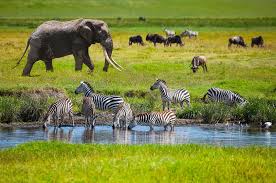
Tanzania is world-renowned for its safari experiences, iconic wildlife, and sprawling national parks. While Serengeti, Ngorongoro Crater, and Selous dominate travel itineraries, there exists a network of lesser-known wildlife and conservation destinations that remain largely unexplored by international tourists. These hidden spots offer intimate encounters with rare species, conservation initiatives, and immersive ecological experiences. For travelers seeking a deeper understanding of Tanzania’s biodiversity, these destinations represent the true frontiers of eco-tourism and responsible travel.
The Mahale Mountains National Park, located on the eastern shores of Lake Tanganyika, is a prime example of a hidden wildlife destination. This remote park protects one of the last remaining populations of wild chimpanzees in Africa. Unlike conventional safari parks, Mahale requires trekking through dense forests, guided by experienced trackers who provide insights into chimpanzee behavior, forest ecology, and conservation challenges. Visitors witness not only the primates but also the delicate ecosystems they inhabit, including endemic birds, reptiles, and rare plant species. Mahale epitomizes one of the most rewarding Hidden travel spots in Tanzania for wildlife enthusiasts.
In southern Tanzania, Mikumi National Park offers a quieter alternative to northern safari circuits. While not completely unknown, it receives far fewer visitors, allowing more personal and immersive wildlife encounters. Open savannahs, riverine forests, and remote watering holes host elephants, lions, giraffes, and countless antelope species. Smaller tourist numbers enable safari guides to offer tailored experiences, with opportunities to observe animal behavior in natural, undisturbed settings. This combination of accessibility and solitude makes Mikumi an ideal hidden gem for travelers who value both adventure and wildlife.
Gombe Stream National Park, also along Lake Tanganyika, is another exceptional destination. Known globally for Jane Goodall’s pioneering research on chimpanzees, Gombe offers guided treks to study primate behavior in situ. Visiting this park provides both educational and emotional experiences, connecting travelers to decades of conservation work. The park remains off the beaten path due to its remote location, reinforcing its status as a lesser-known yet profoundly important destination. Jane Goodall Institute resources on primate conservation can be accessed at: https://www.janegoodall.org.
Beyond primates, Tanzania hosts numerous wetlands and floodplains that sustain migratory birds, hippos, and aquatic predators. Areas such as Mbarali Wetlands and the Pangani River Delta are largely unvisited by mainstream tourists. Birdwatchers, researchers, and eco-conscious travelers often flock to these regions to observe endemic species, migratory flocks, and delicate ecosystems. Engagement with local communities, who manage sustainable fishing and conservation practices, enhances the visitor experience while contributing to regional livelihoods. Organizations like BirdLife International emphasize the importance of these wetlands, more information is available at: https://www.birdlife.org.
Coastal conservation areas, such as Saadani National Park, combine terrestrial and marine ecosystems. Unlike Zanzibar or Mafia Island, Saadani remains relatively quiet, offering wildlife encounters alongside pristine beaches. Visitors can experience elephants, buffalo, and antelope within view of the Indian Ocean, a truly unique phenomenon. Sustainable tourism initiatives in the area focus on protecting both land and marine species, providing travelers with ethically managed experiences that support local communities.
Tanzania also emphasizes community-based conservation. Remote villages in regions like Iringa and Ludewa collaborate with NGOs and tourism operators to protect wildlife habitats while offering immersive eco-tourism experiences. Travelers participate in activities such as tree planting, habitat restoration, and guided wildlife monitoring. These programs foster meaningful interaction with nature while supporting long-term conservation goals. International guidance on community-based conservation is provided by the World Wildlife Fund (WWF): https://www.worldwildlife.org.
Another compelling aspect of hidden wildlife experiences is night safaris and nocturnal observation. Certain protected areas, such as Kitulo Plateau and Udzungwa Mountains, provide opportunities to observe rare nocturnal mammals, amphibians, and insect species. Nighttime excursions are carefully managed to minimize environmental disruption while maximizing learning and discovery. For eco-conscious travelers, these activities are both thrilling and educational, demonstrating Tanzania’s rich but often overlooked biodiversity.
Ecotourism initiatives increasingly focus on endangered species such as African wild dogs, pangolins, and lesser-known antelope species. Protected regions away from popular parks serve as breeding grounds, ensuring population sustainability. Guided tours, educational workshops, and volunteering opportunities allow travelers to participate responsibly. This form of tourism encourages ethical engagement rather than passive observation, fostering a sense of stewardship and long-term connection to the land.
Seasonality and climate affect wildlife visibility in hidden destinations. Wet seasons bring abundant flora, migratory birds, and dramatic river flows, while dry seasons concentrate wildlife around water sources, making observation more predictable. Travelers who plan carefully can maximize encounters while ensuring minimal ecological disturbance.
In addition to biodiversity, these hidden wildlife destinations often include opportunities to learn about traditional ecological knowledge. Local communities possess generations of insight into animal behavior, ecosystem management, and sustainable resource use. Engaging with these communities allows travelers to understand the cultural dimensions of conservation, connecting ecological awareness with human heritage.
Finally, promoting these lesser-known destinations is essential for the sustainability of Tanzania’s broader tourism industry. By encouraging travelers to explore beyond heavily visited parks, pressure on popular areas is reduced, and economic benefits are distributed more evenly. This aligns with global sustainable tourism principles promoted by UNEP and other environmental organizations: https://www.unep.org. Supporting these hidden destinations ensures both ecological protection and community resilience.
In conclusion, Tanzania’s hidden wildlife and conservation experiences offer transformative travel opportunities. From chimpanzee trekking in Mahale to birdwatching in remote wetlands and participating in community-based conservation, these destinations provide adventure, education, and ethical engagement. Travelers seeking authentic encounters, responsible tourism, and connection to nature will find these Hidden travel spots in Tanzania among the most rewarding experiences the country has to offer. Exploring these areas allows visitors to move beyond conventional safaris and gain a holistic understanding of Tanzania’s unparalleled ecological richness.
