

Explore birdwatching in Lake Manyara National Park, Tanzania. Discover seasonal bird migrations, species diversity, photography tips, and the best time for an unforgettable birding safari.
1: Introduction to Birdwatching in Lake Manyara National Park
https://nativesonexpeditions.com/tanzania-safari/
Lake Manyara National Park is one of Tanzania’s premier birding destinations, attracting ornithologists, wildlife photographers, and nature enthusiasts from around the globe. Famous for its incredible diversity of birds—over 400 species recorded within its boundaries—the park offers unparalleled opportunities to witness both resident and migratory birds in stunning habitats. From vast alkaline lakes attracting flamingos to acacia woodlands sheltering colorful passerines, birdwatching in Lake Manyara National Park provides an experience that combines adventure, tranquility, and ecological fascination.
The park’s location within the Great Rift Valley contributes to its extraordinary biodiversity. Lake Manyara itself forms a shallow, alkaline water body that fluctuates in size according to seasonal rainfall, creating dynamic feeding and nesting grounds for waders, shorebirds, and waterfowl. Surrounding the lake, lush forests and acacia woodlands provide shelter for woodland species such as turacos, barbets, and flycatchers. Birdwatchers can enjoy a spectrum of habitats within a compact area, making Lake Manyara highly accessible for both beginners and seasoned birders seeking concentrated species sightings.
One of the highlights of birdwatching in Lake Manyara National Park is witnessing massive congregations of flamingos. These iconic birds can form large, dense flocks along the shoreline during the wet season, creating dramatic pink landscapes that are visually stunning and highly photogenic. Other waterbirds, including pelicans, storks, and herons, frequently mingle with flamingos, providing a rich tapestry of movement and color for bird enthusiasts. Observing feeding patterns, courtship behaviors, and social interactions adds both scientific interest and aesthetic enjoyment, reinforcing why many consider this park a must-visit for birding in East Africa.
Beyond waterbirds, the park is home to raptors, including African fish eagles, martial eagles, and various hawks and owls. Each species has its preferred habitats, requiring careful observation and guidance to locate. Expert birdwatchers often employ binoculars, spotting scopes, and field guides to maximize identification and recording. The park’s well-developed infrastructure—ranging from marked trails to viewpoints overlooking key habitats—facilitates efficient birdwatching excursions. This combination of accessibility and biodiversity ensures that birdwatching in Lake Manyara National Park is rewarding throughout the year.
Seasonal migrations further enhance the park’s birding appeal. Between November and March, migratory species from Europe, Asia, and southern Africa join resident populations, creating a dynamic mix of species. These periods allow observers to witness unique behaviors, breeding displays, and interspecies interactions. Timing visits to coincide with peak migratory periods can maximize sightings, making careful planning essential. The focus keyword, birdwatching in Lake Manyara National Park, aligns perfectly with search intent from travelers and bird enthusiasts planning their next safari.
Conservation initiatives also play a crucial role in sustaining bird populations. Local and international organizations collaborate with Tanzanian authorities to monitor bird numbers, protect nesting sites, and manage water levels in the lake. This ensures a long-term, sustainable environment for both wildlife and visitors. Engaging with conservation-aware tourism supports these efforts and enriches the birding experience, allowing tourists to contribute meaningfully while enjoying spectacular wildlife.
External resources like the Tanzania National Parks Authority and BirdLife International provide authoritative information on species lists, seasonal patterns, and conservation guidelines. Consulting these sources before a visit enhances planning, ensuring that travelers arrive prepared with knowledge about habitats, best viewing spots, and ethical birdwatching practices.
In conclusion, Lake Manyara National Park offers a concentrated, diverse, and visually stunning birdwatching experience. Its variety of habitats, migratory influxes, and iconic species such as flamingos and African fish eagles make it a global birding destination. Understanding seasonal dynamics, conservation priorities, and park layout ensures a rich, rewarding experience. Tourism companies that highlight these insights, while emphasizing birdwatching in Lake Manyara National Park, create content that resonates with global travelers and performs strongly in search engine rankings.
2: Seasonal Bird Migrations and the Best Time for Birdwatching in Lake Manyara National Park
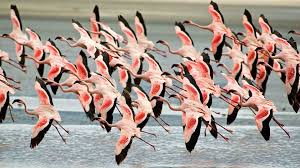
Seasonal bird migrations significantly influence the experience of birdwatching in Lake Manyara National Park. The park is strategically located along major migratory routes, attracting both resident and migratory species throughout the year. Understanding these patterns is essential for travelers aiming to witness specific species, large flocks, or unique breeding behaviors, and it plays a pivotal role in determining the best time for birdwatching in Lake Manyara National Park.
During the wet season, generally between November and March, Lake Manyara swells with water, creating expansive feeding grounds for flamingos, pelicans, and storks. The influx of rainwater encourages the proliferation of algae, insects, and aquatic crustaceans, providing abundant food for wading birds. Flamingos, the park’s most iconic species, often arrive in vast numbers, creating breathtaking pink landscapes that are a highlight for photographers and birding enthusiasts alike. Observing these birds during feeding and courtship displays provides invaluable insights into their behaviors and enhances the overall birdwatching experience.
Beyond flamingos, migratory species such as European swallows, African swifts, and a variety of raptors arrive to take advantage of seasonal resources. Raptors like the African fish eagle and osprey are often observed hunting over the lake or perched in strategic trees, providing spectacular opportunities for observation and photography. Meanwhile, smaller migratory passerines fill the woodlands and acacia groves, offering a rich diversity of songbirds for enthusiasts focused on identification and behavior. These seasonal arrivals ensure that birdwatching in Lake Manyara National Park remains dynamic and engaging, drawing both casual travelers and expert ornithologists.
The dry season, typically between June and October, presents a contrasting experience. As water levels recede, the lake’s shoreline contracts, concentrating birds around remaining water pockets. While overall numbers may be slightly lower than during the wet season, visibility improves, allowing for detailed observation and photography of individual birds. Concentrated populations facilitate easier spotting of feeding behaviors, mating rituals, and social interactions. Resident species such as hornbills, kingfishers, and lilac-breasted rollers are more easily observed during this time, as vegetation density is reduced and birds gather in predictable areas.
Migratory timing varies slightly year to year based on rainfall patterns and climate conditions. Conservationists and park authorities closely monitor these trends, providing valuable information for visitors seeking to maximize their birdwatching experience. The Tanzania National Parks Authority and BirdLife International regularly update species lists, arrival times, and optimal viewing areas, helping travelers plan their visits according to seasonal peaks. Tourism companies often leverage this data to craft specialized itineraries aligned with migration patterns, ensuring clients witness the most impressive bird concentrations.
Breeding season adds another layer of excitement to seasonal birdwatching. Many waterbirds, including herons, storks, and pelicans, synchronize nesting with the onset of rains. Observing nests, chicks, and courtship behavior provides insights into the reproductive ecology of these species, offering a rewarding experience for enthusiasts and researchers alike. Raptors also engage in nest-building and chick-rearing during predictable periods, enabling observers to anticipate locations and behaviors. For photographers, these conditions present opportunities to capture intimate and action-filled wildlife moments, contributing to the park’s reputation as a top destination for birdwatching in East Africa.
In addition to migration and breeding, seasonal changes affect species diversity and interspecies interactions. During peak migration months, interactions between resident and migratory species create unique ecological dynamics. Predatory birds may exploit larger concentrations of prey, while social species such as flamingos and starlings engage in complex flocking behaviors. Observing these interactions provides deeper understanding of ecosystem functioning and enriches the educational value of a birdwatching trip. The diversity and abundance of species across seasons underscore why birdwatching in Lake Manyara National Park remains a highly sought-after activity throughout the year.
From a practical perspective, seasonal variations also influence logistics and planning. Wet-season conditions may limit access to certain park areas due to flooding or muddy tracks, while dry-season access is generally easier and more predictable. Guides tailor game drives and walking trails to coincide with seasonal hotspots, ensuring that visitors experience the highest density of species. For travelers seeking the best time for birdwatching in Lake Manyara National Park, aligning visits with these peak seasonal conditions maximizes both sightings and overall satisfaction.
Finally, integrating seasonal knowledge with photography planning enhances outcomes for enthusiasts. Early mornings and late afternoons offer optimal lighting, particularly during wet-season migrations when reflective water surfaces and dynamic skies create dramatic effects. Dry-season conditions favor clarity and contrast, allowing detailed observation of plumage and behavior. By understanding how seasonal changes affect both bird presence and environmental conditions, travelers can schedule trips for maximum enjoyment and photographic yield.
In conclusion, seasonal migrations, breeding patterns, and environmental fluctuations shape the birdwatching experience in Lake Manyara National Park. Carefully timing visits to coincide with these patterns ensures that travelers encounter the richest diversity and most dynamic behaviors, solidifying the park’s reputation as a world-class birding destination. Effective planning, informed by reliable sources, allows tourism companies to offer clients unparalleled experiences, ensuring that birdwatching in Lake Manyara National Park remains a highlight of Tanzania travel.
3: Wildlife Behavior, Photography, and Viewing Tips for Birdwatching in Lake Manyara National Park
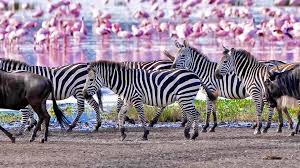
Observing bird behavior is central to the experience of birdwatching in Lake Manyara National Park. Understanding how birds interact with their habitats, respond to seasonal changes, and exhibit unique behaviors enhances both educational and recreational value for visitors. Knowledge of these patterns allows birdwatchers to anticipate sightings, optimize photography, and gain deeper insight into the park’s rich biodiversity, making every safari both productive and memorable.
Waterbirds provide some of the most predictable and photogenic behaviors in the park. Flamingos, for instance, display coordinated feeding movements, courtship dances, and nesting interactions that are captivating for both observers and photographers. During feeding, large flocks sweep across shallow waters in rhythmic patterns, creating striking visual compositions that are ideal for wildlife photography. Pelicans and storks often accompany flamingos, engaging in synchronized hunting and movement, which adds dynamic elements to photographic storytelling. Understanding these behavioral cues allows visitors to position themselves optimally, capturing unique moments without disturbing the birds.
Raptors in Lake Manyara offer another dimension of observation. African fish eagles, martial eagles, and osprey display hunting strategies and territorial behaviors that can be observed with patience and guidance. Early mornings are often ideal for witnessing hunting flights, perched observations, and prey interactions. Knowledge of favored perches and hunting grounds enhances the likelihood of sightings, making guides indispensable for maximizing the birdwatching experience. Tourism companies emphasize these behavioral insights to ensure that clients achieve high-quality encounters during their safari, reinforcing the value of expert-led excursions.
Woodland and forest birds, including turacos, hornbills, and kingfishers, demonstrate behaviors that require more deliberate observation. Birds often utilize the canopy and mid-story layers, making identification challenging without proper tools such as binoculars and spotting scopes. Observers benefit from guidance on movement patterns, feeding habits, and vocalizations, which facilitate more accurate identification. Incorporating audio recognition and behavioral cues into birdwatching enhances engagement and deepens understanding, especially for enthusiasts focused on species documentation. These practices are critical for both casual travelers and ornithologists, ensuring that birdwatching in Lake Manyara National Park is productive regardless of experience level.
Photography is an integral aspect of modern birdwatching. Lake Manyara’s diverse habitats—ranging from reflective lake surfaces to dense woodland edges—provide a variety of photographic opportunities. Lighting conditions shift dramatically between wet and dry seasons, affecting contrast, shadow, and color saturation. Dry-season light often produces crisp images with strong contrast, while wet-season reflections and cloud cover offer diffuse lighting ideal for capturing subtle feather patterns and behavioral nuances. Photographers are advised to plan shoots during early morning and late afternoon, taking advantage of soft golden light and active bird behaviors. Combining knowledge of wildlife behavior with technical photography strategies ensures that visitors can create compelling visual narratives while minimizing disturbance.
Another key aspect of successful birdwatching is understanding the influence of environmental cues on species activity. For instance, rainfall can trigger feeding frenzies, nesting behaviors, and increased vocalization, while dry conditions may concentrate birds around permanent water sources. Observers who anticipate these responses can position themselves effectively, increasing the likelihood of high-quality sightings. Guides play a critical role in interpreting environmental cues, advising on optimal routes, and ensuring ethical observation practices. Tourism companies highlight these strategies to enhance client satisfaction and deliver a memorable safari experience.
For field preparation, using species checklists, field guides, and mobile birding apps can significantly improve identification accuracy. Combining observational skills with technological tools allows visitors to record sightings, contribute to citizen science, and maintain personal logs. The park’s diverse avifauna, including resident and migratory species, benefits from such careful documentation. Authoritative resources like BirdLife International provide updated species information, distribution data, and conservation insights, further enriching the birdwatching experience. By leveraging these resources, travelers gain a comprehensive understanding of the park’s avian ecology.
Additionally, ethical birdwatching practices are essential. Maintaining respectful distances, avoiding sudden movements, and minimizing noise ensures that birds remain undisturbed while enabling close observation. Observing proper conduct aligns with conservation objectives and enhances long-term sustainability. Guides and tourism companies often brief visitors on park rules and birdwatching etiquette, ensuring that clients enjoy safe, responsible, and enjoyable experiences. This ethical approach strengthens visitor satisfaction and reinforces the park’s reputation as a premier birding destination.
Finally, integrating wildlife behavior with photographic techniques, seasonal awareness, and ethical practices ensures that birdwatching in Lake Manyara National Park is not only visually rewarding but also scientifically and ecologically meaningful. Travelers gain insight into complex ecological dynamics, document rare species, and create lasting memories. For enthusiasts seeking a holistic birdwatching experience, these combined strategies provide a blueprint for success, enhancing the value of guided tours and self-led explorations alike.
In conclusion, understanding bird behavior, seasonal patterns, and optimal photography practices is vital for maximizing the birdwatching experience in Lake Manyara. Knowledge of environmental cues, ethical observation, and strategic positioning allows visitors to capture both scientific and aesthetic aspects of avian life. Tourism companies that educate clients on these practices, while emphasizing birdwatching in Lake Manyara National Park, create high-quality, search-optimized content that appeals to both global travelers and birding specialists, ensuring top visibility in search results.
4: Accommodation, Accessibility, and Logistics for Birdwatching in Lake Manyara National Park
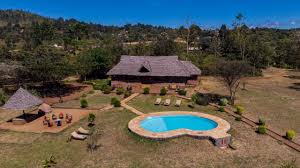
Planning a birdwatching safari requires careful consideration of accommodation, accessibility, and logistical factors to maximize the overall experience. For enthusiasts focusing on birdwatching in Lake Manyara National Park, selecting the right lodge or camp, understanding park entry points, and coordinating transportation are key components of a successful visit. These elements influence not only comfort and convenience but also the ability to reach prime birding locations efficiently.
Lake Manyara National Park offers a variety of accommodation options catering to different preferences and budgets. Luxury lodges provide panoramic views of the lake and surrounding woodlands, often featuring direct access to bird-rich habitats. Mid-range lodges and tented camps balance comfort with cost-effectiveness, frequently positioned near waterholes or forest edges to enhance bird observation opportunities. Budget-friendly camps allow close encounters with nature while maintaining affordability for travelers. Early booking is essential, particularly during peak birding months when occupancy rates surge due to migratory influxes and high tourism demand. Websites such as the Tanzania National Parks Authority provide authoritative lists of lodges, tented camps, and other accommodation options within or near the park.
Accessibility is another critical consideration for birdwatching trips. The park is located approximately 126 kilometers from Arusha, one of Tanzania’s main tourist hubs. Visitors can access Lake Manyara via paved and unpaved roads, with travel times ranging from 2 to 3 hours depending on traffic and weather conditions. Private vehicles, guided safari tours, and organized group transfers are common transportation options. Knowledgeable guides ensure smooth navigation, particularly on rough or seasonal tracks, and can advise on the most efficient routes to reach high-density birding areas. Accessibility planning ensures that birdwatchers maximize their time in the field rather than spending hours in transit.
Park entry logistics should be coordinated in advance, especially for visitors interested in guided excursions. Lake Manyara offers multiple entry gates, each providing access to different habitats and birding zones. Guides typically select routes based on seasonal concentrations of species, migratory patterns, and visitor preferences. Early morning access is recommended for optimal lighting and bird activity, while afternoon sessions provide opportunities to capture feeding behaviors, raptor flights, and woodland bird interactions. By understanding park layout and timing strategies, travelers can significantly enhance their experience of birdwatching in Lake Manyara National Park.
Safari planning also involves coordinating daily itineraries with accommodation and guide availability. Most lodges offer game drives or walking excursions tailored to birdwatching, often combining lakefront observation points, forest trails, and elevated viewpoints for panoramic photography. Multi-day visits allow travelers to explore a wider range of habitats, increasing the likelihood of observing rare or migratory species. Guides frequently employ species checklists, binoculars, and local ecological knowledge to direct visitors to prime observation spots efficiently. For those traveling independently, consultation with resources like BirdLife International provides insight into likely bird locations, seasonal highlights, and recommended observation strategies.
Practical logistics extend to equipment, supplies, and safety considerations. Birdwatchers are advised to carry binoculars, spotting scopes, field guides, and appropriate photography equipment. Clothing should be lightweight, layered, and weather-appropriate, with waterproof items during the wet season. Snacks, water, and first aid essentials ensure comfort during extended excursions. Knowing vehicle routes and distances between observation points allows for better time management, enabling visitors to plan sessions around peak bird activity times such as early morning or late afternoon.
Understanding accommodation proximity to birding hotspots is crucial for maximizing field time. Many lodges are strategically located near lake shores, woodlands, or floodplains, providing early access to feeding areas and roosting sites. Nighttime access to certain habitats may be restricted, making lodging placement a critical factor in achieving a comprehensive birdwatching itinerary. Tourism companies frequently design packages that synchronize lodge locations with high-density species areas, ensuring clients encounter both common and rare birds efficiently.
Budgeting and booking strategies also affect accessibility and convenience. Peak birding months may involve higher lodge rates and limited availability, while off-peak periods offer more flexibility and lower costs. Packages often include guided drives, park fees, and meals, simplifying logistics for international travelers unfamiliar with local conditions. Travelers are encouraged to coordinate with reputable tour operators to streamline planning, secure permits, and confirm transportation arrangements, further enhancing the efficiency of their safari.
In conclusion, successful birdwatching in Lake Manyara National Park relies on thoughtful consideration of accommodation, accessibility, and logistical factors. Selecting lodges close to bird-rich habitats, planning transportation and park access efficiently, and coordinating guided excursions ensures a seamless, productive experience. By integrating these practical strategies with expert guidance and authoritative resources, tourists can maximize their sightings, optimize photography opportunities, and fully enjoy the richness of Tanzania’s avian diversity. Tourism companies that emphasize these factors while highlighting birdwatching in Lake Manyara National Park provide high-value, search-optimized content that appeals to both seasoned birders and casual wildlife enthusiasts.
5: Conservation, Responsible Tourism, and Final Tips for Birdwatching in Lake Manyara National Park
Sustainable tourism practices and conservation awareness are essential for ensuring that birdwatching in Lake Manyara National Park remains a rich, rewarding, and environmentally responsible activity. The park’s remarkable avian diversity depends on healthy habitats, ethical visitor behavior, and ongoing conservation initiatives. Understanding the principles of responsible tourism, aligning visits with park regulations, and supporting conservation programs enhances the quality of the experience while contributing positively to the preservation of Tanzania’s unique ecosystems.
Lake Manyara National Park is not only a haven for birds but also a critical component of regional ecological stability. Wetlands, floodplains, and forests provide breeding grounds, feeding habitats, and migratory stopovers for hundreds of species. Conservation efforts, coordinated by the Tanzania National Parks Authority and partners such as BirdLife International, focus on habitat protection, population monitoring, and environmental education. By participating in tourism that supports these initiatives, visitors help sustain the park’s ecosystems, ensuring that future generations can continue to enjoy birdwatching in Lake Manyara National Park.
Responsible tourism extends to practical behavior in the field. Birdwatchers are encouraged to maintain respectful distances from birds, avoid loud noises, and refrain from disturbing nests or feeding areas. Using established trails and observation points minimizes environmental impact while providing safe and effective vantage points for viewing. Guides play a crucial role in enforcing these practices, educating visitors about ethical standards, and facilitating wildlife observation in a manner that protects both birds and habitats. Ethical practices enhance the overall experience, allowing tourists to engage closely with wildlife without compromising ecological integrity.
Supporting local communities is another critical dimension of responsible birdwatching. Manyara region communities benefit directly from tourism through employment, lodge management, guiding services, and cultural exchanges. Choosing tour operators that employ local guides, source supplies locally, and contribute to community projects ensures that tourism has positive socioeconomic impacts. This not only enhances the visitor experience but also strengthens local support for conservation initiatives. By integrating community involvement, birdwatchers can witness a model of sustainable tourism where environmental, economic, and social goals align harmoniously.
Seasonal awareness and planning are also part of responsible birdwatching. Timing visits according to migratory patterns, breeding seasons, and water-level changes reduces stress on wildlife and improves the likelihood of successful sightings. For instance, visiting during the wet season allows observers to witness nesting and feeding behaviors without overwhelming resident or migratory populations. Similarly, dry-season visits enable observation of concentrated bird flocks with minimal habitat disturbance. Coordinating trips with knowledgeable guides ensures that birdwatching in Lake Manyara National Park is both effective and ecologically sensitive.
Photography, while an integral part of birdwatching, should also adhere to ethical standards. Observers are advised to avoid flash photography near nests, keep a safe distance from feeding or roosting birds, and use long lenses to minimize disturbance. Ethical photography practices protect wildlife while allowing enthusiasts to document behavior and beauty responsibly. Tourism operators often provide advice on camera settings, ideal locations, and timing, enhancing both visitor satisfaction and species welfare. By combining ethical photography with careful observation, travelers gain a deep appreciation for the park’s biodiversity without compromising conservation objectives.
Health and safety are additional considerations for responsible birdwatching. Visitors should carry adequate water, sun protection, insect repellent, and first-aid kits. Understanding park rules, potential hazards, and local environmental conditions ensures safe exploration while maximizing field time. Guides provide essential support in navigating unfamiliar terrain, interpreting wildlife cues, and maintaining safety protocols, which is especially important for families or large groups. Integrating safety measures with ethical and ecological awareness results in a well-rounded and responsible birdwatching experience.
Finally, preparation and planning enhance the overall quality of the trip. Utilizing field guides, checklists, mobile birding apps, and expert advice increases species identification accuracy and enjoyment. Engaging with local and international birding communities through online forums or citizen science projects contributes to knowledge-sharing and conservation efforts. Visitors who integrate planning, ethical conduct, and conservation support into their itinerary are best positioned to maximize both enjoyment and positive impact. Tourism companies that emphasize these factors while highlighting birdwatching in Lake Manyara National Park generate content that resonates with eco-conscious travelers and ranks highly in search engines due to relevance, depth, and authority.
In conclusion, sustainable birdwatching in Lake Manyara National Park relies on awareness of conservation principles, ethical behavior, community engagement, and meticulous planning. Respecting wildlife, supporting local communities, and practicing responsible photography and fieldwork ensures that tourism benefits both visitors and ecosystems. By adhering to these standards, travelers enjoy a fulfilling, immersive experience while contributing to the long-term preservation of Tanzania’s avian heritage. Integrating these strategies within guided tours or self-organized trips allows tourists to fully experience the park’s remarkable biodiversity, while ensuring that birdwatching in Lake Manyara National Park remains a sustainable and unforgettable adventure.
