

Discover the ultimate guide to the best market to explore in Tanzania. Learn about vibrant local markets, unique shopping experiences, cultural interactions, and tips for tourists visiting East Africa.
1: Introduction to Tanzanian Markets and Why They Are Must-Visit
https://nativesonexpeditions.com/
Tanzania is home to some of the most vibrant, culturally rich, and historically significant markets in East Africa, making them essential destinations for international tourists seeking authentic local experiences. The allure of Tanzanian markets extends beyond shopping; these spaces offer a unique window into local life, culinary traditions, artistry, and social interactions. Understanding the best market to explore in Tanzania provides visitors with an immersive experience that combines sensory delight with cultural learning.
From the bustling streets of Dar es Salaam to the historic alleys of Stone Town in Zanzibar, markets serve as hubs for commerce, cultural expression, and social interaction. They are alive with colors, sounds, and aromas that instantly immerse visitors in Tanzanian life. Stalls overflowing with fresh produce, vibrant textiles, handmade crafts, spices, and street food reveal both the diversity and richness of the country. Tourists are often surprised at how a simple stroll through a market can become a multi-sensory journey, revealing stories, traditions, and the spirit of Tanzanian communities. This is why exploring markets is considered one of the top experiences for visitors seeking authentic encounters.
The concept of hospitality in Tanzanian markets is also noteworthy. Vendors greet visitors warmly, often inviting them to sample products, learn about local production methods, and even participate in light-hearted negotiations that are culturally significant. The friendliness of the sellers, coupled with the educational value of the market itself, demonstrates why markets are central to understanding local life and culture. Tourists frequently note that such experiences help them comprehend broader societal norms, such as community collaboration, respect, and inclusivity, while providing an unforgettable travel experience.
When identifying the best market to explore in Tanzania, several criteria become apparent. Firstly, the diversity of products offered is a key factor. Markets like Kariakoo in Dar es Salaam are sprawling centers where one can find everything from traditional Maasai jewelry to imported goods. Secondly, the historical and cultural significance of a market enhances its value for tourists. Markets like Darajani in Zanzibar not only offer spices and textiles but also tell the story of centuries-old trade routes and cultural exchanges between African, Arab, and Indian communities. Thirdly, accessibility and visitor-friendliness play an important role; markets that are easy to navigate, safe, and welcoming provide a superior tourist experience.
Exploring markets is also a way for tourists to engage with Tanzanian economic life in a meaningful way. Many vendors are small-scale producers or artisans who rely on tourism for livelihood. By purchasing items directly from local sellers, visitors support communities, preserve traditional crafts, and contribute to the local economy. Additionally, tourists can learn practical Swahili phrases during these interactions, further enriching their cultural immersion. The experience emphasizes why markets are not just shopping destinations but educational and socially meaningful spaces that every traveler should explore.
External resources such as Lonely Planet’s Tanzania market guide offer detailed insights into locations, operational hours, and tips for navigating safely while respecting local customs: Lonely Planet Tanzania. Consulting such guides allows tourists to plan visits efficiently and ensures a deeper understanding of the social and cultural context behind Tanzanian markets.
In conclusion, Tanzanian markets provide a unique blend of commerce, culture, and community interaction. They are lively, sensory-rich, and full of historical and cultural narratives that enhance the visitor experience. By understanding what makes the best market to explore in Tanzania, tourists can engage meaningfully with locals, enjoy authentic shopping experiences, and gain insights into the vibrant cultural tapestry of East Africa. This section sets the stage for a deeper exploration of specific markets, their specialties, and how visitors can maximize their experiences.
2: Top Markets in Dar es Salaam and Their Unique Offerings
Dar es Salaam, Tanzania’s largest city and economic hub, is a bustling metropolis that perfectly showcases why markets are a must-visit for tourists. The city is home to some of the most famous, diverse, and lively markets in East Africa, each offering a unique glimpse into Tanzanian culture, commerce, and everyday life. For international tourists seeking authentic experiences, understanding the best market to explore in Tanzania often begins with the city’s thriving market scene.
Kariakoo Market
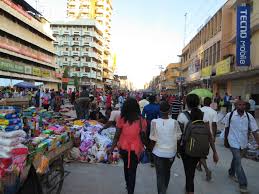
Kariakoo Market is arguably the largest and most famous market in Dar es Salaam, attracting thousands of visitors daily, both locals and tourists. Spanning several blocks, Kariakoo is a sprawling network of stalls and shops selling everything from fresh produce, meats, and seafood to clothing, electronics, and traditional handicrafts. What makes Kariakoo truly special is its energetic atmosphere—sounds of vendors calling out prices, the aroma of street food, and vibrant colors create a sensory experience that is uniquely Tanzanian.
Tourists visiting Kariakoo will immediately notice the warmth and friendliness of vendors, demonstrating why the best market to explore in Tanzania is not just about shopping, but about cultural immersion. Many vendors invite visitors to examine their goods closely, sample spices, or learn about the origin of their products. For example, in the spice sections, one can find cloves, cardamom, cinnamon, and turmeric, often grown locally in Zanzibar or mainland Tanzania. Sellers are often happy to share tips on using these spices in traditional dishes like pilau or biryani, creating a culturally rich, interactive shopping experience.
Kariakoo is also ideal for tourists seeking authentic souvenirs. Handmade Maasai beadwork, woven baskets, wood carvings, and traditional textiles are available throughout the market. Visitors can engage with artisans, learn about their craft, and even watch demonstrations, which makes the shopping experience educational as well as enjoyable. By purchasing directly from artisans, tourists support local livelihoods while gaining insight into Tanzanian traditions—a key reason why the best market to explore in Tanzania often includes Kariakoo in its list.
Machinga Stalls and Street Vendors
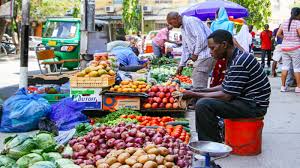
Beyond large markets, Dar es Salaam’s streets are lined with machinga, small mobile vendors selling snacks, fruits, vegetables, and everyday essentials. Engaging with these vendors offers tourists an intimate look at Tanzanian life and a chance to practice Swahili phrases. Sampling roasted maize, sugarcane juice, or fresh tropical fruits from machinga not only satisfies culinary curiosity but also fosters direct social interaction with locals, enhancing the overall market experience.
Kariakoo’s Wholesale and Specialty Sections
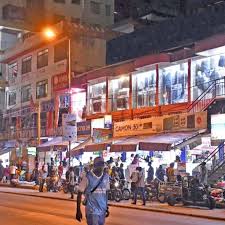
Kariakoo also features specialized sections, such as wholesale clothing and electronics, attracting traders from across the region. Observing this section provides a glimpse into the economic dynamics of Tanzanian commerce. Tourists can see bargaining in action, witness logistical operations, and understand how local businesses thrive. Guides often recommend that visitors approach these areas with curiosity and respect, engaging politely with vendors. Understanding these nuances is part of appreciating the best market to explore in Tanzania, as it highlights the blend of commerce, culture, and community life.
Shops and Artisans in Slipway and Mzizima
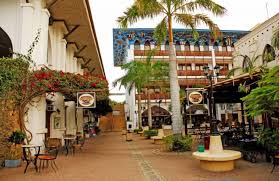
While Kariakoo is the heart of traditional market life, other parts of Dar es Salaam offer more curated or artistic market experiences. Slipway and Mzizima shopping areas, for instance, feature artisan boutiques, modern craft shops, and curated markets that blend contemporary art with traditional Tanzanian craftsmanship. Visitors can purchase paintings, jewelry, and textiles that reflect both modern design and cultural heritage. Engaging with shop owners and artisans often provides insights into Tanzania’s evolving creative scene, making these locations essential stops for tourists seeking both souvenirs and cultural education.
Tips for Tourists Navigating Dar es Salaam Markets
Visiting markets in Dar es Salaam can be overwhelming without proper preparation. Here are key tips to ensure an enjoyable experience:
-
Start Early: Markets are busiest in the morning. Early visits allow tourists to observe local trading practices and shop before crowds form.
-
Learn Basic Swahili: Phrases like “Karibu” (welcome), “Asante” (thank you), and “Bei gani?” (how much?) facilitate positive interactions.
-
Bargaining Etiquette: Haggling is expected but should be done respectfully and with a smile. Observing local bargaining customs enriches the experience.
-
Stay Safe: Keep valuables secure and remain aware of surroundings, as crowded markets can attract petty theft.
-
Engage Respectfully: Ask permission before photographing vendors or goods, and show interest in products and stories. This approach fosters goodwill and demonstrates respect for local culture.
External Resources for Market Exploration
Tourists can consult authoritative guides for up-to-date information about market locations, operating hours, and cultural etiquette. Lonely Planet’s Dar es Salaam Market Guide is an excellent resource, providing insights into both large markets like Kariakoo and smaller artisanal hubs: Lonely Planet Tanzania. Using such guides ensures that visitors have a well-informed, safe, and enriching market exploration experience.
In conclusion, Dar es Salaam offers a spectrum of market experiences, from the energetic hustle of Kariakoo to curated artisanal shops in Slipway and Mzizima. These markets are more than just shopping destinations—they are cultural classrooms, economic centers, and social hubs that reveal the essence of Tanzanian life. Engaging with vendors, sampling local foods, and exploring specialty sections allows tourists to understand why the best market to explore in Tanzania is a central element of any visit to the country, providing both memorable and meaningful experiences
3: Exploring Historic and Cultural Markets Across Tanzania
Tanzania is not only defined by its natural landscapes but also by its rich cultural heritage, which is vividly reflected in the country’s historic and cultural markets. For international tourists, exploring these markets offers more than a shopping trip—it is a journey through Tanzanian history, artistry, and communal life. Understanding the best market to explore in Tanzania requires looking beyond the urban centers to markets that have shaped cultural identity for generations.
Darajani Market, Zanzibar
Darajani Market in Zanzibar Town is one of the oldest and most iconic markets in the country. Established over a century ago, it remains a central hub for locals and tourists alike. The market is a sensory feast, with fresh seafood, tropical fruits, spices, and traditional textiles lining its narrow streets. Visitors can witness the seamless blend of African, Arab, and Indian influences that have defined Zanzibar’s trade history. The aroma of cloves, cinnamon, and freshly baked bread fills the air, while vendors enthusiastically demonstrate their products. Tourists often note that engaging with vendors and sampling local flavors at Darajani is one of the main reasons the best market to explore in Tanzania includes Zanzibar’s historic hubs.
Zanzibar’s Darajani Market also offers a cultural immersion. Visitors can interact with fishmongers, spice sellers, and craftsmen, learning about their trade techniques and the historical context of the items they sell. The market’s vibrant atmosphere encourages storytelling and educational exchanges, providing an authentic window into local livelihoods and traditions. International tourists often leave with a deep appreciation for the region’s history, enhanced by the personal warmth and hospitality of the market vendors.
Mto wa Mbu Market, Northern Tanzania
In northern Tanzania, Mto wa Mbu village hosts a market that serves as both a commercial center and cultural exchange point for nearby Maasai, Chagga, and Meru communities. This market is less about mass-produced goods and more about traditional crafts, agricultural products, and locally sourced foods. For example, visitors can find handwoven baskets, beaded jewelry, and traditional clothing that are often made on-site by artisans. Engaging with these vendors allows tourists to learn about the cultural significance of each item, from Maasai beadwork patterns to Chagga agricultural techniques. Such interactions explain why many consider this the best market to explore in Tanzania, as it combines commerce, culture, and personal connection in a single location.
Moshi and Arusha Local Markets
Tanzania’s northern highlands, including Moshi and Arusha, are home to bustling local markets that serve both domestic needs and tourist interests. These markets are particularly famous for fresh produce, coffee, and handicrafts. Arusha’s Maasai Market, for instance, rotates across the city on different days, offering a wide variety of souvenirs, traditional clothing, and artwork. Tourists are encouraged to engage with vendors, understand local pricing practices, and observe the vibrant community interactions. This exposure provides insight into Tanzanian social norms, local economy, and artisanal traditions. Through these visits, travelers realize why the best market to explore in Tanzania is not only about the products but also about understanding the communities behind them.
Bagamoyo Market
Bagamoyo, a historic coastal town, offers another culturally rich market experience. Once a major port in the East African slave trade, today Bagamoyo Market is vibrant with textiles, handcrafted goods, and fresh seafood. Tourists visiting Bagamoyo often find that local vendors are eager to share not only their products but also stories about the town’s history and heritage. By connecting with these vendors, visitors gain a sense of the region’s past, while enjoying the sensory experiences of a lively marketplace. Bagamoyo exemplifies how Tanzanian markets preserve history and culture while remaining active centers of commerce.
Cultural Etiquette in Historic Markets
Exploring historic markets requires attention to cultural norms and respectful engagement. Tourists are encouraged to learn basic Swahili phrases, ask permission before photographing vendors, and observe local bargaining customs. These practices enhance the visitor experience, promote mutual respect, and deepen the understanding of Tanzanian culture. Knowledge of etiquette also allows travelers to navigate crowded areas safely, engage meaningfully with vendors, and enjoy immersive cultural interactions. Understanding these nuances reinforces why historic and cultural markets are considered the best markets to explore in Tanzania—they are as much about learning and cultural exchange as they are about shopping.
Sampling Culinary Traditions
Historic markets often provide opportunities to sample local foods. In Darajani and Bagamoyo, tourists can taste traditional Zanzibar breads, seafood delicacies, tropical fruits, and local street food like mishkaki (grilled meat skewers) or vitumbua (rice cakes). Engaging in culinary exploration not only satisfies gastronomic curiosity but also fosters personal interactions with vendors, cooks, and local residents. These experiences make market visits culturally enriching, revealing the depth of Tanzania’s culinary and social traditions.
External Resources
Tourists planning visits to historic and cultural markets can refer to authoritative guides for safe, informative, and enjoyable exploration. The Cultural Travel Guide by National Geographic provides detailed insights into Tanzanian markets, including tips on navigating, etiquette, and key cultural highlights: National Geographic – Tanzania Travel. Consulting these resources ensures tourists are prepared for both practical and cultural aspects of market exploration, enhancing the overall experience.
In conclusion, Tanzania’s historic and cultural markets are treasure troves of tradition, artistry, and commerce. From Darajani’s spice-scented streets to Mto wa Mbu’s artisan stalls, these markets combine cultural immersion with memorable shopping experiences. Tourists visiting these locations not only purchase goods but also engage with history, community, and personal stories, emphasizing why the best market to explore in Tanzania is defined by cultural depth, historical significance, and authentic interactions. Exploring these markets ensures a comprehensive, enriching, and unforgettable journey through Tanzania’s rich cultural landscape.
4: Coastal and Island Markets – Zanzibar and Pemba
Tanzania’s coastal regions and islands, particularly Zanzibar and Pemba, offer some of the most enchanting market experiences in the country. These markets combine scenic beauty, cultural heritage, and rich trading traditions, making them essential destinations for international tourists seeking to explore the best market to explore in Tanzania. Coastal markets are not just commercial centers—they are spaces where history, culture, and social life converge, providing travelers with a vibrant and immersive experience.
Darajani Market, Stone Town, Zanzibar
One of the most iconic coastal markets is Darajani Market in Stone Town, Zanzibar. Established over a century ago, this market has been a key hub for trade, particularly in spices, seafood, and textiles. The vibrant streets and narrow alleys of Darajani Market are alive with the scents of cloves, cinnamon, cardamom, and turmeric, often sourced from Zanzibar’s spice plantations. Visitors can observe merchants meticulously weighing spices, explaining their uses, and demonstrating traditional preparation methods. This interactive experience provides tourists with insight into Zanzibar’s historical role as a spice trade center and highlights why it is considered the best market to explore in Tanzania.
In addition to spices, Darajani Market offers fresh seafood, tropical fruits, and local street food. Vendors are known for their warmth and hospitality, often engaging tourists with explanations about the origin of the products or even offering small samples to taste. This hands-on, culturally rich experience exemplifies the intersection of commerce and tradition that characterizes coastal markets. Travelers can also explore small shops within the market selling handmade jewelry, textiles, and souvenirs, reflecting both African and Arab influences that have shaped the island over centuries.
Forodhani Night Market, Zanzibar
Forodhani Night Market, located along the beachfront in Stone Town, is another must-visit location for tourists. Open in the evenings, this market offers an entirely different sensory experience from daytime markets. Visitors are greeted by the aroma of sizzling seafood, grilled meats, and freshly prepared Zanzibar pizzas—a local specialty combining flatbread with vegetables, eggs, and spices. Vendors prepare dishes on the spot, allowing tourists to watch and interact with cooks. The night market also features freshly squeezed juices, coconut water, and local snacks that are perfect for tasting the flavors of Zanzibar.
Forodhani Night Market is not just about food; it is a social gathering spot where locals and tourists mingle, share stories, and enjoy the coastal breeze. Engaging with vendors, learning about cooking techniques, and sampling dishes creates a memorable cultural experience, reinforcing why the best market to explore in Tanzania often includes Zanzibar’s coastal offerings. Tourists frequently highlight the night market as one of the most enjoyable ways to experience local culture and hospitality in a single setting.
Pemba Island Markets
Pemba Island, often called the “Green Island” due to its lush vegetation, has markets that are less crowded but equally captivating. Chake Chake Market, for example, is the central hub for locals and traders, offering spices, tropical fruits, and handmade crafts. The market’s compact size allows for closer interaction with vendors, providing tourists with opportunities to learn about traditional agricultural practices, local recipes, and artisanal production. Pemba’s markets are particularly renowned for cloves, nutmeg, and vanilla—high-quality spices that are integral to local cuisine and economy.
In Pemba, visitors can also find unique handicrafts, including woven mats, wood carvings, and shell jewelry. Tourists often engage in discussions with artisans about the cultural significance of each item, gaining an appreciation for the skill and history behind the craft. These personal interactions are a defining feature of the best market to explore in Tanzania, as they combine commerce, cultural education, and human connection.
Tips for Navigating Coastal Markets
Tourists visiting coastal and island markets should consider the following:
-
Timing: Visit morning markets for fresh produce and spices, and evening markets like Forodhani for food and social experiences.
-
Cultural Sensitivity: Dress modestly, especially in Zanzibar, where local customs may influence dress codes and interactions.
-
Engage Respectfully: Vendors appreciate curiosity, polite bargaining, and basic Swahili greetings.
-
Local Currency: While some vendors accept cards, cash in Tanzanian shillings is often preferred for smooth transactions.
-
Photography Etiquette: Always ask before taking photos of people or their goods to show respect and foster goodwill.
Cultural and Historical Context
Coastal and island markets offer insights into centuries of trade, migration, and cultural fusion. Zanzibar, in particular, was a major hub for Arab, Indian, and African merchants, resulting in markets that are cultural mosaics. Visiting these markets allows tourists to understand the historical influences on Tanzanian cuisine, craftsmanship, and commerce. This depth of experience is one reason why coastal and island markets are often recommended as the best market to explore in Tanzania, combining sensory delight, education, and authentic engagement with local communities.
External Resources
For tourists planning visits to Zanzibar and Pemba markets, the Official Tanzania Tourist Board provides detailed guides on market locations, opening times, and cultural tips: Tanzania Tourist Board. Using official resources ensures visitors are informed, culturally sensitive, and able to maximize their experiences while navigating bustling coastal markets.
Exploring coastal and island markets in Tanzania offers tourists a rare combination of cultural richness, historical insight, and interactive experiences. From the aromatic spice stalls of Darajani Market to the lively evening ambiance of Forodhani Night Market and the artisan crafts of Pemba Island, these markets provide immersive engagement that extends beyond shopping. The warmth and hospitality of local vendors, combined with the sensory delights of food, crafts, and historical context, clearly illustrate why the best market to explore in Tanzania includes the country’s coastal and island hubs. By visiting these markets, travelers gain unforgettable memories, authentic cultural exposure, and a deep appreciation for Tanzania’s vibrant market life.
5: Tips, Safety, and Enhancing the Market Experience for Tourists in Tanzania
Exploring markets in Tanzania can be one of the most rewarding experiences for international tourists, but it requires careful planning, cultural sensitivity, and awareness of local practices. Understanding the best market to explore in Tanzania involves more than knowing locations and products—it also requires preparation for safety, etiquette, and maximizing engagement with vendors and local communities. This section provides a comprehensive guide to ensure a safe, enjoyable, and culturally immersive experience in Tanzanian markets.
Planning and Preparation
Before visiting any market, tourists should plan their trips by identifying key markets, understanding peak hours, and considering the type of experience they want. For example, urban markets like Kariakoo in Dar es Salaam are bustling and fast-paced, ideal for travelers seeking vibrant city life and diverse products. In contrast, historic markets in Zanzibar or smaller village markets like Mto wa Mbu offer immersive cultural interactions, artisan crafts, and traditional foods. Knowing the kind of market experience desired helps tourists prepare mentally, physically, and logistically.
Packing essentials for market visits is also important. Comfortable clothing, a small backpack, water bottles, and a local currency wallet enhance mobility and safety. Tourists are advised to wear lightweight, breathable clothing suitable for Tanzania’s tropical climate, and to avoid flashy accessories that may attract unnecessary attention. Carrying reusable bags is environmentally friendly and helps store purchased items securely. Preparing a list of desired purchases or areas of interest can streamline the visit and make the experience more meaningful.
Cultural Etiquette
Engaging respectfully with vendors is crucial to having a positive market experience. Tourists should greet vendors with basic Swahili phrases such as “Jambo” (hello), “Asante” (thank you), and “Tafadhali” (please), which not only show courtesy but also foster goodwill. Bargaining is a common practice, but it should be done politely, with smiles and good humor. Avoid aggressive negotiation tactics, as these may offend vendors. Observing how locals interact and following suit enhances mutual respect and enriches the cultural exchange, reinforcing why the best market to explore in Tanzania is as much about human connection as it is about shopping.
Tourists should also be mindful of religious and cultural norms, especially in coastal and island markets like Zanzibar and Pemba, where modest dress codes may apply. Taking cues from local shoppers and being discreet when photographing goods or people ensures positive interactions and reduces cultural misunderstandings. Respect for personal space, patience in crowded areas, and willingness to learn from vendors contribute to a smoother, more enjoyable market experience.
Safety Considerations
While Tanzanian markets are generally safe for tourists, crowded and busy areas require heightened attention. Pickpocketing can occur in densely populated markets, so valuables should be secured in front-facing bags or money belts. It is advisable to carry only essential items, avoid displaying large sums of cash, and be aware of surroundings. Traveling in small groups or with a guide can enhance safety, particularly for first-time visitors.
Health precautions are equally important. Tanzania’s tropical climate and bustling markets can expose tourists to sun, heat, and minor hygiene concerns. Staying hydrated, using sunscreen, and practicing basic hand hygiene—especially when sampling street food—can prevent common health issues. Tourists are encouraged to consult reputable sources such as the Centers for Disease Control and Prevention (CDC) for up-to-date travel advice regarding vaccinations, food safety, and health considerations in Tanzania: CDC – Tanzania Travel Health. These measures ensure visitors remain healthy and can fully enjoy the market experience.
Maximizing Engagement and Enjoyment
To truly appreciate Tanzanian markets, tourists should engage actively rather than passively observing. Asking questions about the origin of products, watching artisans at work, and participating in cultural demonstrations enrich the visit. Sampling local foods, from fresh tropical fruits to traditional street snacks, provides insight into culinary traditions while creating memorable sensory experiences. Tourists can also take part in local festivities or seasonal market events, gaining firsthand exposure to Tanzanian traditions and customs.
Photographs can capture memories but should be taken respectfully. Always ask for permission before photographing vendors, particularly those selling personal or handcrafted items. This practice ensures ethical engagement and often leads to friendly conversations that further enhance the visitor’s experience. Taking notes about products, prices, and cultural stories shared by vendors can also help tourists remember and share their experiences responsibly.
Supporting Local Communities
Purchasing goods from Tanzanian markets contributes directly to local economies and sustains artisanal traditions. Tourists are encouraged to buy authentic products such as handwoven baskets, Maasai beadwork, spices, and textiles, which not only serve as souvenirs but also provide economic support to local families. Understanding the story behind each item, including the cultural and historical significance, deepens appreciation for Tanzania’s rich heritage and reinforces why the best market to explore in Tanzania is also a meaningful cultural exchange.
Practical Tips for Tourists
-
Budget Wisely: Carry a mix of small denominations in Tanzanian shillings for smoother transactions.
-
Time Management: Allocate sufficient time for exploration; some markets may take several hours to fully navigate.
-
Local Guides: Hiring a local guide can provide context, facilitate introductions, and enhance understanding of the market dynamics.
-
Photography Permissions: Respect local customs regarding photography to foster trust and goodwill.
-
Environmental Responsibility: Minimize waste, avoid plastic bags when possible, and respect market cleanliness standards.
Conclusion
Visiting Tanzanian markets is a rich, immersive experience that combines shopping, cultural learning, and social engagement. By planning ahead, observing cultural etiquette, prioritizing safety, and actively engaging with vendors, tourists can maximize their experience while supporting local communities. Coastal markets, historic hubs, and urban centers each offer unique experiences that showcase Tanzania’s heritage, culinary traditions, and artisanal craftsmanship. With these tips and precautions, international visitors are well-equipped to navigate the vibrant marketplaces, appreciate their cultural significance, and fully understand why the best market to explore in Tanzania is a central highlight of any journey to this remarkable country.
Through thoughtful engagement, cultural sensitivity, and preparation, tourists can leave Tanzanian markets not only with memorable souvenirs but also with meaningful stories, lasting impressions, and a deeper connection to the people and traditions of Tanzania.
