

Discover the best local food you must try in Tanzania. From street food to traditional dishes, explore culinary delights, markets, and unique flavors that every traveler should experience.
1: Introduction to Tanzanian Cuisine
https://nativesonexpeditions.com/
Tanzania is a culinary treasure trove that reflects its diverse culture, geography, and history. From the coastal spice-laden dishes influenced by Arab traders to the hearty meals of the inland regions, Tanzanian cuisine is a vibrant tapestry of flavors. For international tourists, sampling local dishes is not just about satisfying hunger but also about engaging with Tanzanian culture, traditions, and communities. This Best Local Food You Must Try in Tanzania guide will take travelers on a flavorful journey across regions, markets, restaurants, and street stalls, providing insights into the country’s culinary landscape and helping them plan an authentic food experience.
One of the defining characteristics of Tanzanian food is its regional diversity. The coastal regions, including Dar es Salaam, Zanzibar, and Tanga, are renowned for dishes rich in coconut milk, seafood, and aromatic spices like cloves, cardamom, and cinnamon. In contrast, the inland areas such as Arusha, Dodoma, and Mwanza feature hearty meals centered around staples like maize, beans, cassava, and millet, often accompanied by stews, sauces, and grilled meats. Understanding these differences is crucial for travelers who want to experience a complete picture of Tanzanian cuisine, making this guide a necessary companion for anyone exploring the country.
Street food plays an essential role in Tanzanian culinary culture. Street vendors offer an array of snacks and meals that are both affordable and delicious. Popular street foods include mishkaki (grilled meat skewers), vitumbua (sweet rice pancakes), samaki wa kupaka (fish in coconut sauce), and Zanzibar pizza, a unique creation blending flatbread, eggs, vegetables, and meat or seafood. Sampling these dishes not only introduces travelers to local flavors but also provides insight into social and cultural interactions within Tanzanian communities. Engaging with vendors, learning about preparation methods, and experiencing the bustling environment of Tanzanian markets are key highlights for tourists following this Best Local Food You Must Try in Tanzania guide.
Markets are another cornerstone of Tanzanian culinary exploration. Markets like Kariakoo in Dar es Salaam, Kivukoni Fish Market, and Mwenge Craft Market offer fresh ingredients, spices, and locally made delicacies. Observing daily trade, interacting with sellers, and learning about local sourcing practices provide tourists with a deeper understanding of the country’s food system. For example, Kariakoo Market is famous for its vibrant energy and variety, offering everything from fresh produce and seafood to spices, grains, and handcrafted items. These experiences give travelers a hands-on, immersive introduction to Tanzanian cuisine and support the inclusion of markets in any comprehensive Best Local Food You Must Try in Tanzania guide.
For visitors interested in dining experiences beyond street food and markets, Tanzanian restaurants offer a wide range of options, from traditional Swahili eateries to high-end fusion restaurants. In coastal cities, seafood dishes dominate menus, with specialties like grilled prawns, octopus curry, and coconut-based sauces reflecting centuries of Arab and Indian influence. Inland, hearty stews, roasted meats, and maize-based staples like ugali are prevalent, often served with vegetables and sauces that highlight regional flavors. This diversity allows tourists to experience multiple facets of Tanzanian culinary tradition, making dining an essential aspect of their cultural immersion.
Tanzania’s food culture is not just about taste; it is deeply connected to social life and traditions. Meals are often communal, reflecting the importance of family, hospitality, and shared experiences. Traditional dishes are typically prepared with local ingredients, following recipes passed down through generations. Participating in meals, whether at a market stall, family restaurant, or local home, provides international tourists with insights into Tanzanian daily life, rituals, and social customs, emphasizing why exploring local cuisine is indispensable in a Best Local Food You Must Try in Tanzania journey.
External Resources
For further insights into Tanzanian culinary traditions, tourists can consult reputable sources such as Lonely Planet Tanzania Food & Drink Guide, which provides detailed information on popular dishes, regional specialties, and street food safety: Lonely Planet – Tanzania Food & Drink. Using such guides ensures informed and safe exploration of Tanzanian cuisine while maximizing cultural engagement.
2: Iconic Coastal Dishes and Zanzibar Flavors
Tanzania’s coastal regions, including Dar es Salaam, Tanga, and Zanzibar, offer some of the most distinctive culinary experiences in the country. These areas are characterized by abundant seafood, aromatic spices, and dishes influenced by centuries of trade with Arab, Indian, and Portuguese merchants. For international tourists, sampling these coastal foods is essential, and understanding the history and preparation of these dishes enhances the cultural experience. This section of the Best Local Food You Must Try in Tanzania guide explores iconic coastal meals, traditional recipes, and street food highlights that every visitor should experience.
Seafood Specialties
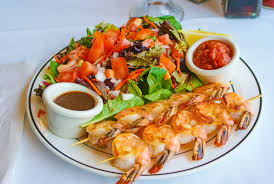
Coastal Tanzania is a paradise for seafood lovers. The Indian Ocean provides an endless supply of fresh fish, prawns, lobster, crabs, octopus, and calamari. Some of the most popular dishes include:
-
Samaki wa Kupaka: A grilled fish prepared with a coconut-based sauce infused with spices such as garlic, ginger, turmeric, and chili. Often served with rice or chapati, this dish exemplifies the Swahili coastal flavor profile.
-
Octopus Curry: Octopus simmered in a rich coconut and tomato sauce, sometimes spiced with cardamom, cloves, or cinnamon. The dish is usually accompanied by steamed rice or ugali.
-
Prawns in Garlic Butter or Coconut Curry: Fresh prawns, sautéed or grilled, served with flavorful sauces that highlight the freshness of the seafood and the richness of coconut milk.
Visitors can enjoy these dishes at coastal restaurants, seafood stalls, and small family-run eateries. Engaging with chefs or vendors allows tourists to learn about preparation techniques, local sourcing practices, and spice blends, adding depth to the culinary experience. Including seafood exploration is vital for any Best Local Food You Must Try in Tanzania itinerary.
Zanzibar Cuisine
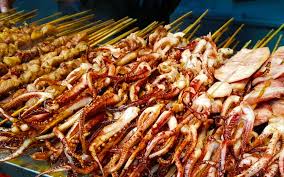
Zanzibar, the famed Spice Island, offers some of Tanzania’s most iconic dishes, influenced by centuries of Arab, Indian, and African culinary traditions. The island’s food is aromatic, flavorful, and often spiced with cloves, nutmeg, cinnamon, cardamom, and black pepper. Signature dishes include:
-
Zanzibar Pilau: A fragrant rice dish cooked with spices, often served with beef, chicken, or seafood. The rice is infused with cinnamon, cloves, and cardamom, reflecting the island’s rich spice heritage.
-
Urojo (Zanzibar Mix): A popular street food, this dish combines a tangy, spicy soup with chickpea fritters, potatoes, and sometimes meat or eggs. Tourists can find it in small street stalls, making it a must-try for authentic local flavors.
-
Biryani Zanzibar-style: Layers of spiced rice and marinated meat or fish, slow-cooked to perfection. Often served during festive occasions or in upscale restaurants.
Zanzibar’s markets, particularly Darajani Market, provide tourists with a sensory overload of colors, aromas, and tastes. Fresh spices, seafood, tropical fruits, and handmade snacks make the market a cultural and culinary hub. Tourists are encouraged to explore stalls, interact with vendors, and even participate in cooking demonstrations offered at local cultural centers. These experiences create immersive learning opportunities, making Zanzibar a highlight of the Best Local Food You Must Try in Tanzania journey.
Street Food and Snacks Along the Coast
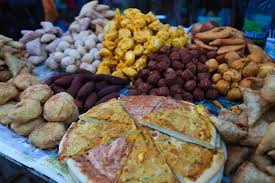
Street food is integral to coastal Tanzanian cuisine, providing quick, affordable, and delicious options for tourists. Some must-try street snacks include:
-
Mishkaki (Grilled Skewers): Popular along beaches and market streets, these marinated meat skewers are grilled over charcoal and often served with tangy sauces or kachumbari (fresh tomato-onion salad).
-
Vitumbua: Sweet, fluffy rice flour cakes cooked in small molds, perfect for breakfast or an afternoon snack.
-
Zanzibar Pizza: A unique street food item combining flatbread, eggs, vegetables, meat, or seafood, grilled to perfection. Its combination of textures and flavors makes it a favorite among locals and tourists alike.
Street food stalls are excellent opportunities for tourists to experience local hospitality. Vendors often share stories about ingredients, preparation methods, and cultural significance, enhancing the overall culinary adventure. Including street food exploration is a core recommendation in any Best Local Food You Must Try in Tanzania guide.
Spices and Ingredients That Define Coastal Cuisine
The coastal culinary experience is heavily defined by the use of local spices. Cloves, nutmeg, cardamom, turmeric, and cinnamon not only add flavor but also connect the dishes to Tanzania’s history as a trade hub. Tourists are encouraged to visit spice plantations on Zanzibar or markets in coastal towns to see, smell, and purchase fresh spices. These visits provide insight into the production process and allow travelers to bring home authentic ingredients as souvenirs. Understanding spice usage and sourcing enhances appreciation of dishes such as Zanzibar Pilau, Samaki wa Kupaka, and Urojo, making spice exploration an integral part of the Best Local Food You Must Try in Tanzania experience.
External Resources
For visitors seeking detailed information on coastal dishes, markets, and Zanzibar culinary tours, authoritative guides such as Lonely Planet Tanzania Food & Drink provide expert recommendations and practical tips: Lonely Planet Tanzania – Food & Drink. These resources ensure tourists can explore safely while maximizing cultural and culinary immersion.
Conclusion
The coastal regions of Tanzania, especially Zanzibar, offer international tourists a unique and unforgettable culinary experience. From aromatic spice-infused dishes to street food delicacies and fresh seafood specialties, visitors can explore a rich tapestry of flavors that reflect the country’s diverse history and culture. Engaging with local vendors, visiting markets, and sampling traditional meals ensures a truly immersive experience, highlighting why coastal cuisine is an essential component of the Best Local Food You Must Try in Tanzania guide.
3: Inland Cuisine, Hearty Stews, and Regional Staples
While coastal regions of Tanzania are celebrated for their seafood and spice-laden dishes, the country’s inland areas offer a different culinary experience characterized by hearty, filling meals that reflect the agrarian lifestyle and diverse ethnic traditions of the mainland. For tourists exploring regions like Arusha, Dodoma, Mwanza, and the southern highlands, sampling inland cuisine is essential to understand Tanzania’s culinary breadth. This section of the Best Local Food You Must Try in Tanzania guide highlights traditional inland dishes, staple ingredients, and dining customs that provide an authentic taste of Tanzanian life.
Ugali – The Heart of Tanzanian Meals
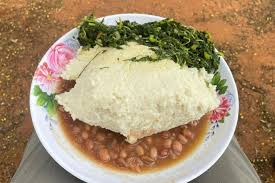
No discussion of inland cuisine is complete without ugali, Tanzania’s staple maize meal. Ugali is a dense, porridge-like dish made by boiling maize flour in water until it achieves a firm consistency. Often served as the centerpiece of a meal, ugali is typically paired with vegetable stews, beans, or grilled meats. It functions both as a food and a utensil, with diners using small pieces to scoop up accompanying dishes.
Ugali varies regionally in thickness and texture, reflecting local preferences. In central regions such as Dodoma, it is commonly served with peanut or bean stews, while in northern areas like Arusha, it is paired with meat-based sauces. For tourists, understanding ugali is more than learning a recipe—it is experiencing Tanzanian dining culture, where communal meals and shared portions strengthen social bonds. Incorporating ugali-based meals is a crucial aspect of the Best Local Food You Must Try in Tanzania journey.
Hearty Stews and Soups
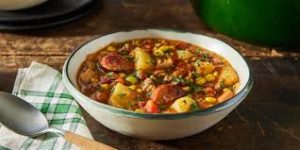
Tanzanian inland regions are renowned for their rich, flavorful stews that combine locally sourced ingredients, including legumes, vegetables, and meats. Common stews include:
-
Mchicha (Spinach Stew): Often cooked with tomatoes, onions, and groundnuts, mchicha is a nutritious and versatile dish served alongside ugali or rice.
-
Nyama Choma (Grilled Meat) with Sukuma Wiki: Nyama choma, or grilled meat, is a social and celebratory dish, often enjoyed during gatherings or weekend meals. Sukuma wiki, a sautéed green leafy vegetable, complements the meat, creating a balanced and hearty meal.
-
Bean and Groundnut Stews: Common in Dodoma and the southern highlands, these stews offer protein-rich vegetarian options, cooked slowly to enhance flavor and served with rice, ugali, or cassava.
Tourists can experience these stews at local restaurants, roadside eateries, or homestays where families prepare traditional meals. Sampling these dishes allows visitors to appreciate the depth of flavor derived from slow cooking, regional spices, and fresh ingredients, reinforcing their importance in the Best Local Food You Must Try in Tanzania guide.
Cassava, Plantains, and Other Staples
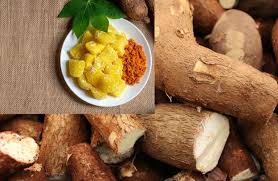
In addition to maize-based dishes, cassava, sweet potatoes, and plantains play an important role in inland Tanzanian diets. These starchy foods are versatile and can be boiled, fried, roasted, or mashed. Examples include:
-
Wali na Maharage (Rice with Beans): A common and affordable meal featuring boiled rice and red or black beans cooked with onions, tomatoes, and mild spices.
-
Matoke (Steamed Plantains): Steamed or mashed plantains often paired with peanut sauce or meat-based stews.
-
Cassava Chips and Boiled Cassava: Served as snacks or side dishes, cassava is a resilient crop that forms the basis of many regional meals.
Understanding these staples allows tourists to appreciate how Tanzanians balance nutrition, flavor, and availability of ingredients. Inland cuisine demonstrates resourcefulness and the connection between diet and agriculture, adding an educational dimension to any Best Local Food You Must Try in Tanzania itinerary.
Regional Specialties
Each region in mainland Tanzania offers unique culinary experiences:
-
Arusha and Kilimanjaro Regions: Known for nyama choma, banana-based dishes, and coffee-infused desserts.
-
Mwanza and Lake Victoria: Fish dishes dominate, including tilapia grilled or fried and served with local sauces, reflecting freshwater influences.
-
Southern Highlands (Mbeya and Iringa): Root vegetables, legumes, and peanut-based stews are common, showcasing local agriculture.
Tourists who travel between these regions gain a comparative understanding of Tanzania’s culinary diversity. Engaging with local chefs or home cooks enhances this experience, allowing visitors to see how ingredients, climate, and cultural traditions shape each meal.
Dining Etiquette and Customs
Inland Tanzanian dining is often communal and interactive:
-
Meals are shared from a central dish, reinforcing social connections.
-
Handwashing is customary before and after meals, reflecting hygiene and tradition.
-
Guests are often offered second servings, demonstrating hospitality.
Understanding these customs enriches the dining experience and allows tourists to participate respectfully in local culture. These practices make inland meals not only a culinary delight but also a social and educational experience, reinforcing their importance in the Best Local Food You Must Try in Tanzania guide.
For travelers seeking authoritative guidance on inland cuisine, regional recipes, and traditional dining practices, resources like Lonely Planet Tanzania Food & Drink provide detailed insights, including preparation techniques, street food safety, and recommended restaurants: Lonely Planet – Tanzania Food & Drink. Consulting these guides ensures tourists enjoy authentic flavors while navigating safely and respectfully.
Inland Tanzania offers a rich and hearty culinary experience that contrasts with coastal spice-heavy dishes. Staples like ugali, cassava, plantains, and regional stews demonstrate the country’s reliance on agriculture and traditional cooking methods. By exploring inland cuisine, tourists gain insight into Tanzanian culture, history, and social practices, making it an essential component of the Best Local Food You Must Try in Tanzania experience.
4: Street Food Adventures, Snacks, and Traditional Beverages
Tanzania’s culinary identity is not only found in formal restaurants or coastal dishes but also in the vibrant street food culture that thrives in cities, towns, and even small villages. Street food provides tourists with immediate, authentic, and affordable ways to experience Tanzanian flavors. From sizzling grills to sweet treats, and from fresh juices to fermented beverages, street food culture embodies the energy, creativity, and hospitality of Tanzanians. This section of the Best Local Food You Must Try in Tanzania guide delves into must-try street foods, snacks, and traditional beverages, offering tips for safe and enjoyable exploration.
Street Food Staples

Tanzanian street food reflects the country’s regional diversity and accessibility of ingredients. Key items include:
-
Mishkaki (Grilled Skewers): A ubiquitous snack found in Dar es Salaam, Arusha, and Mwanza. Marinated beef, chicken, or goat meat is grilled over charcoal and served with a simple sauce or chopped salad. The aroma alone draws crowds to busy street corners, especially during evening hours. Mishkaki is a cultural and culinary experience that tourists should prioritize in their itinerary, making it a highlight in the Best Local Food You Must Try in Tanzania guide.
-
Vitumbua (Rice Flour Pancakes): Fluffy, sweet, and slightly chewy rice cakes cooked in small molds over charcoal or gas. Often enjoyed as breakfast or a light snack, vitumbua can be found at markets and roadside stalls throughout Tanzania. Sampling vitumbua gives tourists a glimpse into traditional breakfast culture and local ingredients.
-
Zanzibar Pizza: Unique to Zanzibar but available in coastal cities, this snack combines flatbread, eggs, vegetables, meat, or seafood. Folded, grilled, and often served hot off the pan, Zanzibar pizza is a fusion of creativity and flavor, appealing to both locals and tourists seeking an adventurous street food experience.
-
Samosas: These triangular pastries filled with vegetables, beef, or lentils are influenced by Indian culinary traditions. Crisp on the outside and flavorful inside, samosas are widely available at markets, restaurants, and street stalls. They offer tourists a taste of East Africa’s historical trade and cultural exchanges.
-
Viazi Karai (Fried Potatoes): Sliced potatoes deep-fried and lightly spiced, perfect as a snack or side. Viazi Karai is simple but beloved by locals, and trying it gives visitors a feel for everyday Tanzanian street fare.
Street vendors often prepare these foods in front of customers, offering insight into cooking techniques, spice usage, and hygiene practices. Tourists are encouraged to observe preparation, ask questions, and choose vendors that maintain cleanliness. This ensures a safe and authentic experience, central to the Best Local Food You Must Try in Tanzania itinerary.
Traditional Beverages

No Tanzanian food experience is complete without sampling local beverages, both alcoholic and non-alcoholic. Popular options include:
-
Tanzanian Coffee: Grown in the northern highlands and Kilimanjaro region, Tanzanian coffee is known for its rich aroma and bright flavor. Cafés in Dar es Salaam, Arusha, and Moshi serve coffee brewed in traditional methods, offering tourists a warm and culturally immersive experience. Coffee ceremonies in local communities allow travelers to understand preparation rituals and social significance.
-
Chai ya Tangawizi (Ginger Tea): A ubiquitous beverage flavored with ginger, cinnamon, and sometimes cloves. Served hot, it’s commonly enjoyed in homes, markets, and street stalls, especially during cooler mornings or evenings. Tourists can find chai ya tangawizi throughout Tanzania, making it a staple in the Best Local Food You Must Try in Tanzania guide.
-
Uji (Fermented Porridge Drink): Made from millet or sorghum, uji is a lightly fermented drink that provides both nutrition and refreshment. Popular in inland regions and rural areas, uji gives tourists insight into traditional dietary practices and fermentation techniques.
-
Tanzanian Juices and Smoothies: Fresh tropical fruits such as mango, pineapple, passion fruit, and coconut are blended into juices or smoothies at roadside stalls. These beverages are refreshing, hydrating, and often sold alongside snacks or light meals.
-
Pombe (Traditional Beer): Locally brewed beer from millet or sorghum, pombe is typically consumed in communal settings or cultural ceremonies. While alcoholic, it represents Tanzanian heritage and social customs, offering tourists a window into traditional practices.
Sampling beverages alongside street foods enriches the culinary journey, allowing tourists to experience the full spectrum of Tanzanian flavor profiles, from sweet and spicy to savory and fermented.
Tips for Safe Street Food Exploration
To enjoy street food safely while traveling in Tanzania, tourists should consider the following:
-
Observe Cleanliness: Choose stalls with fresh ingredients and clean cooking areas.
-
Ask About Ingredients: Some dishes may contain allergens or spicy components.
-
Start Small: Try a small portion first to acclimate to flavors and spiciness.
-
Use Bottled Water: For beverages or food requiring water, ensure it is potable to avoid illness.
-
Engage with Vendors: Asking about preparation methods enhances cultural understanding and builds friendly connections.
These practices help tourists enjoy street food adventures safely and respectfully, making their experience more memorable and authentic.
External Resources
For a comprehensive guide to Tanzanian street foods, snacks, and beverages, authoritative sources like Lonely Planet Tanzania – Food & Drink provide detailed descriptions, recommended vendors, and safety tips: Lonely Planet Tanzania Food & Drink. Using these resources ensures visitors can explore with confidence and cultural awareness.
Tanzania’s street food culture, snacks, and traditional beverages offer tourists a vibrant, flavorful, and immersive culinary experience. From sizzling mishkaki and sweet vitumbua to aromatic chai and fresh tropical juices, these foods and drinks provide insight into everyday Tanzanian life, culinary creativity, and hospitality. Engaging with street food vendors, trying local snacks, and sampling traditional beverages are essential elements in the Best Local Food You Must Try in Tanzania guide, ensuring a well-rounded, authentic, and unforgettable travel experience.
5: Desserts, Sweets, and Modern Tanzanian Fusion Cuisine
Tanzania’s culinary scene is not only defined by savory dishes, street foods, and beverages but also by its rich variety of desserts, sweets, and emerging fusion cuisine. For international tourists, exploring Tanzania’s sweet offerings and modern culinary innovations adds a refreshing dimension to the gastronomic journey. This section of the Best Local Food You Must Try in Tanzania guide explores traditional desserts, popular sweets, and contemporary fusion dishes, combining flavors, textures, and cultural influences that exemplify the country’s evolving food landscape.
Traditional Desserts and Sweets
Tanzanian traditional desserts often emphasize natural ingredients, local fruits, and subtle sweetness rather than heavy sugar. Common traditional desserts include:
-
Vitumbua with Coconut: These fluffy rice flour pancakes are sometimes enriched with grated coconut and served as a sweet snack. Often enjoyed for breakfast or afternoon tea, they are an iconic coastal treat.
-
Mandazi: Similar to doughnuts, mandazi are fried dough pastries lightly sweetened with sugar and sometimes flavored with cardamom or coconut milk. Popular across Tanzania, they are enjoyed with tea or coffee and are a staple at street food stalls and local bakeries.
-
Mkate wa Sinia (Layered Cake): A traditional Swahili cake made from coconut milk, eggs, sugar, and flour, baked in layers on a tray. Its light sweetness and soft texture make it a popular dessert during cultural events and family gatherings.
These desserts reflect Tanzania’s culinary heritage, often prepared during festivals, family celebrations, and communal gatherings. Tourists sampling these treats gain insight into local traditions and the emphasis on shared food experiences, making them essential in the Best Local Food You Must Try in Tanzania guide.
Fruits and Tropical Delights
Tanzania’s tropical climate provides an abundance of fruits, which are often used in desserts or enjoyed fresh. Popular options include:
-
Mango, Pineapple, and Papaya: Served fresh, in fruit salads, or blended into smoothies and juices, these fruits offer natural sweetness and hydration, especially in coastal regions.
-
Coconut-Based Sweets: Coconut is a key ingredient in many desserts, including puddings, cookies, and candies. Its flavor highlights the influence of coastal Swahili cuisine.
-
Banana Fritters: Sweet bananas are deep-fried and served hot, sometimes sprinkled with sugar or served with coconut flakes, providing tourists with a simple but beloved local treat.
Sampling local fruits and tropical desserts provides visitors with a natural and healthy way to engage with Tanzanian cuisine while supporting local markets and farmers.
Modern Tanzanian Fusion Cuisine
In recent years, Tanzania’s urban centers, particularly Dar es Salaam and Arusha, have seen the rise of modern fusion cuisine. Chefs combine traditional flavors, ingredients, and techniques with global culinary trends to create innovative dishes. Examples include:
-
Spiced Coconut Ice Cream: Traditional Swahili flavors such as coconut, cardamom, and ginger are blended into frozen desserts, offering a unique taste experience.
-
Seafood Risotto with Tanzanian Spices: Local seafood is paired with Italian-style risotto, infused with Swahili spice blends for a harmonious mix of cultures and flavors.
-
Ginger and Mango Cheesecake: Tropical fruits and local spices are incorporated into classic desserts, producing distinctive fusion dishes that celebrate Tanzania’s culinary identity.
Modern fusion cuisine highlights the creativity of Tanzanian chefs and provides tourists with opportunities to experience contemporary interpretations of traditional flavors. These dishes are available in upscale restaurants, boutique hotels, and specialty cafés, making them a luxurious complement to traditional street food and market experiences.
Dessert and Sweet Markets
Many Tanzanian cities feature markets and specialty shops focused on sweets and desserts. Examples include:
-
Slipway and Coco Beach Cafés in Dar es Salaam: Offer artisanal desserts, pastries, and cakes that incorporate local ingredients like coconut, vanilla, and tropical fruits.
-
Zanzibar Sweet Shops: Traditional Zanzibar confections, including spiced cookies, coconut candies, and layered cakes, can be purchased as souvenirs or enjoyed on-site.
-
Local Bakeries in Arusha and Moshi: Feature a mix of traditional and modern pastries, often incorporating regional ingredients such as banana, peanut, and coffee.
Visiting these markets and cafés provides tourists with opportunities to taste a wide variety of sweets, learn about ingredient sourcing, and even participate in dessert-making workshops. These experiences enrich the Best Local Food You Must Try in Tanzania itinerary and create lasting culinary memories.
External Resources
For authoritative recommendations on Tanzanian desserts, sweets, and modern fusion cuisine, tourists can consult Lonely Planet Tanzania – Food & Drink, which provides detailed descriptions, recipes, and suggestions for the best places to try traditional and contemporary desserts: Lonely Planet Tanzania Food & Drink. Utilizing such guides ensures safe, informed, and culturally immersive experiences for travelers exploring Tanzanian sweets.
Conclusion
Desserts, sweets, and modern fusion cuisine in Tanzania add a final, delightful layer to the country’s culinary landscape. From traditional treats like mandazi and vitumbua to tropical fruits and innovative fusion creations, tourists can experience a spectrum of flavors that reflect both heritage and creativity. Exploring Tanzanian desserts provides insight into cultural traditions, local agriculture, and contemporary culinary trends, completing the holistic journey outlined in the Best Local Food You Must Try in Tanzania guide. By sampling sweets, engaging with vendors, and exploring fusion cuisine, international tourists leave Tanzania with not only a satisfied palate but also a deeper appreciation of its rich and diverse food culture.
