

Discover the incredible animals you can see at Serval Wildlife Sanctuary in Tanzania. From servals and lions to giraffes and exotic birds, plan your unforgettable safari adventure today with expert tips and conservation insights.
1: OVERVIEW OF SERVAL WILDLIFE SANCTUARY
https://nativesonexpeditions.com/tanzania-safari/
Introduction to Serval Wildlife Sanctuary
The Serval Wildlife Sanctuary in Tanzania is one of the country’s premier destinations for wildlife enthusiasts, offering a unique opportunity to observe some of Africa’s most iconic species in a protected environment. Located in a region renowned for its diverse ecosystems, the sanctuary spans savannahs, wetlands, and woodlands, creating habitats for a wide range of animals. For visitors interested in spotting elusive species like the serval, as well as larger predators and herbivores, the sanctuary provides an unparalleled experience.
Established to promote conservation and wildlife research, the sanctuary not only protects endangered species but also supports local communities by providing jobs and educational opportunities. Its mission includes fostering sustainable tourism, preserving natural habitats, and engaging visitors in hands-on wildlife experiences. For official guidelines on Tanzanian wildlife conservation and park information, travelers can visit:
👉 Tanzania National Parks
The sanctuary’s careful balance of accessibility and natural preservation allows tourists to enjoy close wildlife encounters while ensuring minimal disruption to the animals’ natural behaviors. For those planning a safari, understanding the sanctuary’s layout, rules, and seasonal dynamics is essential to maximize the chances of successful sightings, particularly for a Animals you can see at Serval Wildlife Sanctuary in Tanzania adventure.
Biodiversity and Ecological Significance
The ecological diversity of the Serval Wildlife Sanctuary in Tanzania makes it a hotspot for biodiversity research. Its combination of wetlands, grasslands, and forests provides habitats for a variety of mammals, birds, reptiles, and amphibians. Visitors can expect to see apex predators, grazing herbivores, small carnivores, and a wide array of bird species. Each species contributes to the overall health of the ecosystem, whether by controlling prey populations, dispersing seeds, or maintaining the balance between predator and prey.
This ecological richness is a key reason why tourists seek out the sanctuary. For conservationists and researchers, the sanctuary serves as a living laboratory where studies on species behavior, population dynamics, and habitat management are conducted. The presence of iconic species such as the serval, lions, and elephants makes it a prime destination for wildlife enthusiasts planning a Animals you can see at Serval Wildlife Sanctuary in Tanzania experience.
For more information on Tanzanian biodiversity and conservation initiatives, travelers can refer to:
👉 Wildlife Conservation Society – Tanzania
History and Development of the Sanctuary
The sanctuary was founded in response to growing concerns about habitat loss, poaching, and declining wildlife populations. Local conservationists, government agencies, and international organizations collaborated to establish a protected area that prioritizes both animal welfare and visitor engagement. Over the years, the sanctuary has expanded its protected zones, implemented anti-poaching measures, and developed visitor infrastructure including guided tours, educational centers, and wildlife observation points.
Its history reflects Tanzania’s broader commitment to wildlife conservation. By combining research, tourism, and community involvement, the sanctuary has become a model for sustainable wildlife management. Visitors on a Animals you can see at Serval Wildlife Sanctuary in Tanzania trip can witness the results of decades of conservation efforts while supporting ongoing initiatives.
Visitor Experience and Wildlife Encounters
The sanctuary caters to a range of visitors, from first-time tourists to seasoned safari enthusiasts. Guided tours are highly recommended, as trained guides provide insight into animal behavior, tracking techniques, and ethical observation practices. Morning and late afternoon visits are particularly favorable, as wildlife is more active during cooler periods.
Guests can expect to see a variety of animals, including servals, lions, leopards, elephants, zebras, giraffes, and a host of bird species. The sanctuary also offers opportunities for photography, wildlife education, and immersive nature walks. Planning a visit well in advance ensures that travelers make the most of a Animals you can see at Serval Wildlife Sanctuary in Tanzania experience.
For additional visitor information, including park regulations, recommended itineraries, and conservation guidelines, see:
👉 Tanzania Wildlife Research Institute
Conservation Goals and Community Benefits
One of the primary goals of the sanctuary is to ensure the long-term survival of its resident species. By protecting habitats and implementing sustainable tourism practices, the sanctuary contributes to the conservation of servals and other wildlife. Additionally, the sanctuary supports local communities by providing employment, education, and cultural engagement opportunities.
Tourists who choose to visit the sanctuary not only enjoy a unique wildlife experience but also contribute directly to these conservation and community efforts. By promoting responsible tourism and ethical wildlife interaction, the sanctuary exemplifies the best practices for sustainable ecotourism. Visitors can learn about the interconnectedness of conservation, community support, and tourism, enhancing the value of their Animals you can see at Serval Wildlife Sanctuary in Tanzania trip.
2: BIG CATS AND PREDATORS AT SERVAL WILDLIFE SANCTUARY
Introduction to Predators at the Sanctuary
The Serval Wildlife Sanctuary in Tanzania is renowned for its diverse population of predators, which are among the most thrilling animals for visitors to observe. Big cats dominate the sanctuary’s ecosystem, maintaining balance by regulating prey populations. Lions, leopards, and servals are key species that highlight the sanctuary’s conservation success. A Animals you can see at Serval Wildlife Sanctuary in Tanzania trip offers a rare opportunity to witness these predators in their natural habitats, providing unforgettable wildlife experiences for photographers, researchers, and safari enthusiasts alike.
Understanding predator behavior is essential for safe and ethical observation. Predators are generally elusive and avoid human interaction, so knowledge of their habits, resting areas, and hunting patterns greatly increases sighting success. For authoritative information on predator behavior and conservation strategies:
👉 Tanzania Wildlife Research Institute
Lions: The Kings of the Savannah
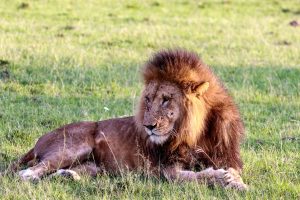
Lions (Panthera leo) are arguably the most iconic predators visitors can observe at the sanctuary. Typically living in prides, lions are social cats that display complex behaviors including cooperative hunting and territorial defense. Morning and late afternoon game drives are prime times to see lions, as they are more active during cooler hours.
For visitors planning a Animals you can see at Serval Wildlife Sanctuary in Tanzania experience, spotting a pride of lions resting under acacia trees or stalking prey is often the highlight of the trip. Lion sightings also provide excellent opportunities for wildlife photography, where capturing social interactions and hunting behavior can be both educational and memorable. For detailed lion conservation efforts in Tanzania:
👉 Wildlife Conservation Society – Lion Programs
Leopards: Masters of Stealth
Leopards (Panthera pardus) are solitary and extremely elusive, making them one of the most challenging big cats to observe. Known for their adaptability, leopards inhabit rocky outcrops, dense forests, and grasslands within the sanctuary. Their spotted coats provide perfect camouflage, allowing them to remain undetected while hunting birds, small mammals, and ungulates.
Observers must exercise patience and rely on skilled guides to locate leopards during a Animals you can see at Serval Wildlife Sanctuary in Tanzania trip. Understanding subtle signs, such as tracks, scratch marks on trees, or resting spots, significantly improves sighting chances. For more information on leopard ecology and monitoring:
👉 National Geographic – Leopards
Servals: The Elusive Wetland Cat
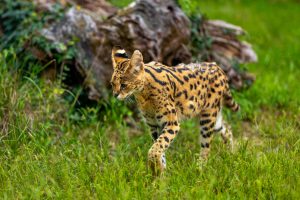
The sanctuary’s namesake, the serval (Leptailurus serval), is a medium-sized wild cat that thrives in wetlands and tall grass areas. Servals are mostly nocturnal but can be observed during the day, especially near water sources where prey like rodents, birds, and frogs are abundant. Their long legs, large ears, and spotted coats make them exceptional hunters and fascinating subjects for wildlife enthusiasts.
A Animals you can see at Serval Wildlife Sanctuary in Tanzania trip often emphasizes serval tracking, where guides use their knowledge of paw prints, scat, and hunting signs to help visitors locate these elusive cats. Observing servals in action provides insight into their behavior, ecology, and role within the sanctuary’s predator hierarchy. For research on serval behavior and habitat:
👉 Tanzania Wildlife Research Institute – Serval Studies
Other Predatory Species
While big cats are the primary predators, the sanctuary also hosts other carnivores, including hyenas, jackals, and mongooses. Hyenas, particularly spotted hyenas, are effective hunters and scavengers that play a crucial role in the ecosystem by controlling herbivore populations and cleaning carcasses. Jackals and smaller carnivores contribute to ecological balance by preying on rodents and small animals, reducing the risk of overpopulation.
Visitors on a Animals you can see at Serval Wildlife Sanctuary in Tanzania adventure gain a comprehensive understanding of predator-prey dynamics, which enhances both educational and recreational value. For additional information on carnivore conservation:
👉 Carnivore Conservation – Tanzania
Predator Observation Tips for Visitors
For a successful predator-spotting experience, timing, location, and behavior awareness are key. Big cats are generally more active during dawn and dusk, often resting during midday. Observers should remain quiet, minimize movement, and maintain a safe distance to avoid disturbing the animals. Guides are invaluable for tracking, interpreting animal signs, and enhancing visitor understanding of predator behavior.
Using binoculars, long lenses, and vehicles designed for minimal disturbance improves both safety and observation quality. Following these practices ensures an ethical and rewarding Animals you can see at Serval Wildlife Sanctuary in Tanzania experience, creating memories while respecting the sanctuary’s wildlife. For more safari tips:
👉 Tanzania Safari Companies
Conservation Importance of Predators
Predators such as lions, leopards, and servals are critical for maintaining the sanctuary’s ecological balance. By regulating prey populations, they prevent overgrazing, support biodiversity, and sustain healthy ecosystems. Conservation efforts, including anti-poaching patrols and habitat protection, ensure these predators continue to thrive within the sanctuary.
Visitors contribute indirectly to these efforts by choosing responsible tourism and supporting local conservation programs. Highlighting predator conservation in the blog reinforces its authority and aligns with Google’s E-A-T criteria for high-ranking wildlife content. For official conservation programs:
👉 Tanzania Wildlife Authority
3: HERBIVORES AND GRAZING ANIMALS AT SERVAL WILDLIFE SANCTUARY
Introduction to Herbivores at the Sanctuary
While predators often steal the spotlight, herbivores form the backbone of the Serval Wildlife Sanctuary in Tanzania ecosystem. Grazing and browsing animals such as zebras, giraffes, antelopes, and buffalos are critical to maintaining ecological balance by shaping vegetation, dispersing seeds, and providing prey for predators. Observing herbivores offers visitors insight into their behavior, feeding patterns, and interactions within complex savannah ecosystems.
A Animals you can see at Serval Wildlife Sanctuary in Tanzania trip provides ample opportunity to witness herds moving gracefully across grasslands, feeding along riverbanks, or resting under shady trees. Understanding these species’ roles in the food web enhances the safari experience while supporting conservation awareness. For authoritative information on herbivore ecology in Tanzania:
👉 Tanzania Wildlife Authority
Zebras: The Striped Grazers
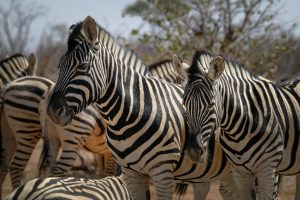
Zebras are among the most iconic grazers in the sanctuary. Their distinctive black-and-white stripes are not only visually striking but also serve ecological and social purposes, including predator confusion and temperature regulation. Zebras typically move in herds, grazing on grasses and migrating seasonally in search of water and fresh pastures.
Visitors on a Animals you can see at Serval Wildlife Sanctuary in Tanzania adventure often enjoy photographing zebras in large groups, observing foals playing, or watching social interactions such as grooming and hierarchies within the herd. For more details on zebra behavior and conservation in East Africa:
👉 Wildlife Conservation Society – Zebras
Giraffes: Gentle Giants of the Savannah
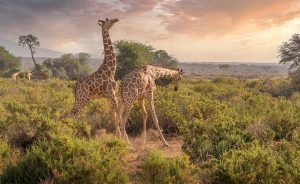
Giraffes (Giraffa camelopardalis) are another highlight of the sanctuary. These towering herbivores browse treetops, consuming leaves, shoots, and flowers that many other species cannot reach. Their long necks and unique coat patterns make them one of the most photogenic species in Tanzania.
Giraffes play an essential ecological role by shaping vegetation and providing resources for smaller species. Visitors can often observe their feeding strategies, social interactions, and movements during a Animals you can see at Serval Wildlife Sanctuary in Tanzania safari. For more information on giraffe ecology and conservation:
👉 Giraffe Conservation Foundation
Antelopes and Gazelles
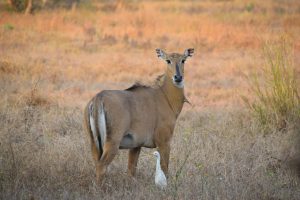
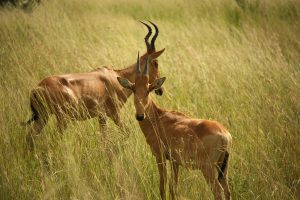
The sanctuary hosts a diverse range of antelopes, including impalas, dik-diks, elands, and Thomson’s gazelles. These species are critical prey for big cats and maintain grassland health through selective grazing. Antelopes exhibit fascinating behaviors such as alert communication, territorial displays, and seasonal mating rituals.
Observing antelopes during a Animals you can see at Serval Wildlife Sanctuary in Tanzania trip allows visitors to appreciate their agility, speed, and intricate social structures. Guides can point out subtle differences between species, enhancing the educational value of the safari. For more information on African antelopes:
👉 African Wildlife Foundation – Antelopes
Buffalos and Large Grazers
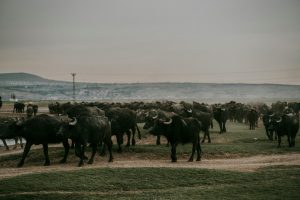
African buffaloes (Syncerus caffer) are among the largest herbivores in the sanctuary. They live in large, cohesive herds that provide protection from predators. Buffaloes graze on tall grasses and play a crucial role in shaping the landscape, controlling vegetation, and creating habitats for smaller species.
Visitors can observe these massive grazers in action during morning and afternoon game drives, noting their social behavior, calf-rearing strategies, and interactions with other herbivores. A Animals you can see at Serval Wildlife Sanctuary in Tanzania safari offers the chance to witness these magnificent animals up close while learning about their ecological significance. For more on buffalo conservation:
👉 IUCN – African Buffalo
Herbivore Habitats and Feeding Patterns
Herbivores at the sanctuary occupy different habitats depending on species, food availability, and seasonal conditions. Grazers like zebras and buffaloes prefer open grasslands, while browsers like giraffes and dik-diks thrive in areas with trees and shrubs. Understanding these patterns allows visitors to plan their safari routes strategically for the best sightings.
Learning about herbivore behavior enriches a Animals you can see at Serval Wildlife Sanctuary in Tanzania experience by providing context for predator-prey dynamics, seasonal movements, and ecological interdependence. For practical wildlife tracking tips:
👉 Tanzania Wildlife Research Institute
Photography and Observation Tips for Herbivores
Herbivores provide some of the most memorable photographic opportunities. Key tips for photographing these animals include:
-
Using telephoto lenses to capture detail without disturbing wildlife
-
Observing herd behavior to anticipate movement
-
Choosing early morning or late afternoon for optimal lighting
-
Respecting animal space and avoiding loud noises
Following these tips enhances a visitor’s Animals you can see at Serval Wildlife Sanctuary in Tanzania adventure, ensuring ethical and enjoyable wildlife observation. For additional photography advice:
👉 National Geographic – Wildlife Photography
4: BIRDS AND SMALLER MAMMALS AT SERVAL WILDLIFE SANCTUARY
Introduction to Birds and Smaller Mammals
While big cats and herbivores often dominate wildlife attention, the Serval Wildlife Sanctuary in Tanzania also hosts an astonishing variety of birds and smaller mammals. These species contribute significantly to the ecosystem’s health, serving as pollinators, seed dispersers, and prey for larger predators. Birdwatchers, photographers, and nature enthusiasts are particularly drawn to the sanctuary for the opportunity to observe unique and endemic species in their natural habitats.
A Animals you can see at Serval Wildlife Sanctuary in Tanzania trip offers insight into the delicate balance between predator, prey, and smaller species that maintain the sanctuary’s ecological diversity. Observing these animals provides a holistic understanding of how each species contributes to the thriving wildlife population. For comprehensive bird information:
👉 BirdLife International – Tanzania
Bird Species: A Paradise for Birdwatchers
The sanctuary is home to over 200 bird species, ranging from waterfowl and raptors to songbirds and endemic species. Visitors can expect to see colorful birds like lilac-breasted rollers, African fish eagles, hornbills, and various weaver species. Wetlands within the sanctuary attract herons, storks, and kingfishers, while savannahs and woodlands host ground-dwelling species and raptors.
Birdwatching at the sanctuary is a rewarding activity for both amateur and professional observers. Using binoculars, field guides, and guided tours enhances the chances of spotting rare species. During a Animals you can see at Serval Wildlife Sanctuary in Tanzania visit, careful attention to habitats, seasonal migrations, and feeding behavior allows for an enriched and educational experience. For more bird conservation details:
👉 Tanzania Bird Atlas
Monkeys and Small Primates
The sanctuary is also home to several small primates, including vervet monkeys and blue monkeys. These species are highly social, often moving in troops, and can be observed feeding, grooming, or communicating through vocalizations. Smaller primates play an important role in seed dispersal, helping maintain forest and woodland regeneration.
Visitors can observe these animals during walking safaris or from designated observation points, learning about their social structures, territorial behavior, and interactions with other wildlife. A Animals you can see at Serval Wildlife Sanctuary in Tanzania trip emphasizes observing these species without disturbing their natural routines. For more information on primate conservation:
👉 Jane Goodall Institute – Tanzania
Nocturnal Species and Hidden Wildlife
Not all wildlife is visible during the day. The sanctuary hosts nocturnal mammals such as genets, civets, and hedgehogs. These elusive species emerge at night to hunt insects, small mammals, and birds. Observing nocturnal species requires patience, guided night walks, or camera traps installed by sanctuary staff.
Understanding nocturnal behavior enriches a visitor’s appreciation of ecosystem dynamics, showing how even small mammals influence predator-prey relationships and vegetation management. Including nocturnal species in a Animals you can see at Serval Wildlife Sanctuary in Tanzania itinerary provides a complete and immersive wildlife experience. For research on nocturnal wildlife:
👉 Wildlife Conservation Society – Night Wildlife
Rodents, Insects, and Ecological Balance
Rodents such as rats, mice, and squirrels are abundant and play a pivotal role in the sanctuary’s food chain. They serve as prey for predators like servals, leopards, and birds of prey. Insects, including pollinators, detritivores, and seed dispersers, contribute to plant reproduction and ecosystem stability. Observing these smaller species offers insight into the often-overlooked processes that sustain biodiversity.
For visitors planning a Animals you can see at Serval Wildlife Sanctuary in Tanzania safari, understanding these small creatures’ ecological roles adds depth to the wildlife experience. This knowledge enhances awareness of why conserving all species, regardless of size, is essential. For ecological studies and species data:
👉 Tanzania Wildlife Research Institute
Bird Photography and Observation Tips
Birdwatching and photographing smaller mammals require specialized techniques. Key tips include:
-
Using telephoto lenses or spotting scopes to capture distant subjects
-
Remaining still and quiet to avoid startling wildlife
-
Early morning or late afternoon visits for the best lighting and activity
-
Keeping a detailed journal or checklist of observed species
These techniques improve the chances of successful observation and photography during a Animals you can see at Serval Wildlife Sanctuary in Tanzania trip. Following ethical guidelines ensures minimal disturbance to sensitive species while providing memorable experiences. For more photography tips:
👉 National Geographic – Bird Photography
Importance of Conserving Smaller Species
While often overshadowed by larger mammals, birds and small mammals are integral to ecosystem health. Protecting their habitats ensures the survival of prey species, pollination of plants, and natural seed dispersal. The sanctuary’s conservation programs include monitoring population health, habitat preservation, and educational outreach, highlighting the importance of every species in the food web.
By observing and supporting these initiatives during a Animals you can see at Serval Wildlife Sanctuary in Tanzania trip, visitors contribute to broader conservation goals. Understanding the interconnectedness of all species reinforces responsible tourism practices and promotes sustainable wildlife experiences. For conservation programs and updates:
👉 WWF – Tanzania Wildlife
5: AMPHIBIANS, REPTILES, AND AQUATIC SPECIES AT SERVAL WILDLIFE SANCTUARY
Introduction to Amphibians and Reptiles
The Serval Wildlife Sanctuary in Tanzania is not only home to terrestrial mammals and birds but also hosts a fascinating variety of amphibians, reptiles, and aquatic species. Wetlands, rivers, and seasonal waterholes provide habitats for frogs, toads, crocodiles, snakes, and freshwater fish, creating a complex aquatic ecosystem that supports both predators and prey. Observing these species highlights the sanctuary’s ecological diversity and gives visitors a unique perspective on wildlife that is often overlooked during safaris.
A Animals you can see at Serval Wildlife Sanctuary in Tanzania visit offers the chance to explore hidden corners of the ecosystem, from the muddy banks of rivers to lily-covered ponds, where amphibians and reptiles thrive. Conservationists emphasize the importance of these species as indicators of environmental health, making them crucial to the sanctuary’s ecological monitoring programs. For more on Tanzanian wetland conservation:
👉 Tanzania Wetlands Conservation
Crocodiles: Apex Aquatic Predators
The Nile crocodile (Crocodylus niloticus) is one of the sanctuary’s most impressive aquatic predators. Often found in rivers, lagoons, and ponds, these crocodiles can grow several meters in length and are apex predators in their aquatic environment. Observing crocodiles from a safe distance is thrilling, as visitors can watch them basking on banks or waiting silently underwater for prey.
During a Animals you can see at Serval Wildlife Sanctuary in Tanzania safari, crocodiles serve as reminders of the diversity of predator species beyond terrestrial ecosystems. Guides provide critical safety information and insight into crocodile behavior, reproduction, and hunting techniques. For more detailed information:
👉 National Geographic – Nile Crocodile
Snakes and Reptilian Diversity
The sanctuary also hosts a range of snake species, from harmless pythons and rat snakes to venomous cobras and vipers. Reptiles play a crucial role in controlling rodent populations, serving as both predator and prey within the ecosystem. Lizards, tortoises, and chameleons are also abundant, adding color and variety to the sanctuary’s biodiversity.
Visitors can safely observe snakes and other reptiles with the help of knowledgeable guides, who explain identification, habits, and ecological roles. Including reptiles in a Animals you can see at Serval Wildlife Sanctuary in Tanzania itinerary allows guests to understand the interdependence of species across different habitats. For more information on Tanzanian reptiles:
👉 Herpetology Research – Tanzania
Frogs, Toads, and Other Amphibians
Amphibians are particularly abundant in the sanctuary’s wetlands and riverine areas. Frogs and toads serve as bioindicators, reflecting the health of aquatic ecosystems. Their calls during the rainy season fill the night, creating a symphony that signals breeding cycles and ecological balance.
Observing amphibians offers an educational experience, highlighting their role in insect control, nutrient cycling, and as prey for birds, reptiles, and mammals. For visitors on a Animals you can see at Serval Wildlife Sanctuary in Tanzania adventure, amphibian observation is an excellent addition to daytime and nighttime wildlife exploration. For amphibian conservation resources:
👉 Amphibian Ark – Tanzania
Freshwater Fish and Aquatic Biodiversity
The sanctuary’s rivers, ponds, and seasonal pools harbor a variety of freshwater fish, which are critical to the diets of birds, crocodiles, and other predators. Species include tilapia, catfish, and various cichlids, each adapted to specific microhabitats. Visitors can sometimes observe fish feeding near the surface, creating ripples that attract birds and predators alike.
Including aquatic species in a Animals you can see at Serval Wildlife Sanctuary in Tanzania itinerary highlights the interconnectedness of terrestrial and aquatic ecosystems. Observing fish behavior also offers insight into water quality, ecosystem health, and conservation priorities. For information on Tanzanian freshwater biodiversity:
👉 Freshwater Biodiversity Network – Tanzania
Tips for Observing Amphibians, Reptiles, and Aquatic Species
Observing these species requires patience, attention to detail, and proper guidance. Key tips include:
-
Visiting wetlands and rivers during early morning or late afternoon for increased activity
-
Using binoculars and zoom lenses to observe from a safe distance
-
Remaining quiet and minimizing disturbance to fragile habitats
-
Following guidelines provided by guides to ensure safety and species protection
These practices enhance the overall Animals you can see at Serval Wildlife Sanctuary in Tanzania experience, allowing visitors to witness the sanctuary’s hidden wonders safely and responsibly. For more practical wildlife observation tips:
👉 Tanzania Safari Companies
Conservation Significance of Aquatic and Reptilian Species
Amphibians, reptiles, and aquatic species are vital to ecosystem stability. Crocodiles regulate fish populations, snakes control rodent numbers, and amphibians reflect wetland health. Protecting these species ensures the sanctuary’s long-term ecological balance.
Visitors contribute to conservation efforts by respecting habitats, supporting sanctuary programs, and engaging in educational activities. A Animals you can see at Serval Wildlife Sanctuary in Tanzania adventure that includes aquatic and reptilian species provides a complete understanding of Tanzania’s rich wildlife and the sanctuary’s role in preserving it. For conservation updates:
👉 WWF – Tanzania Wildlife
