
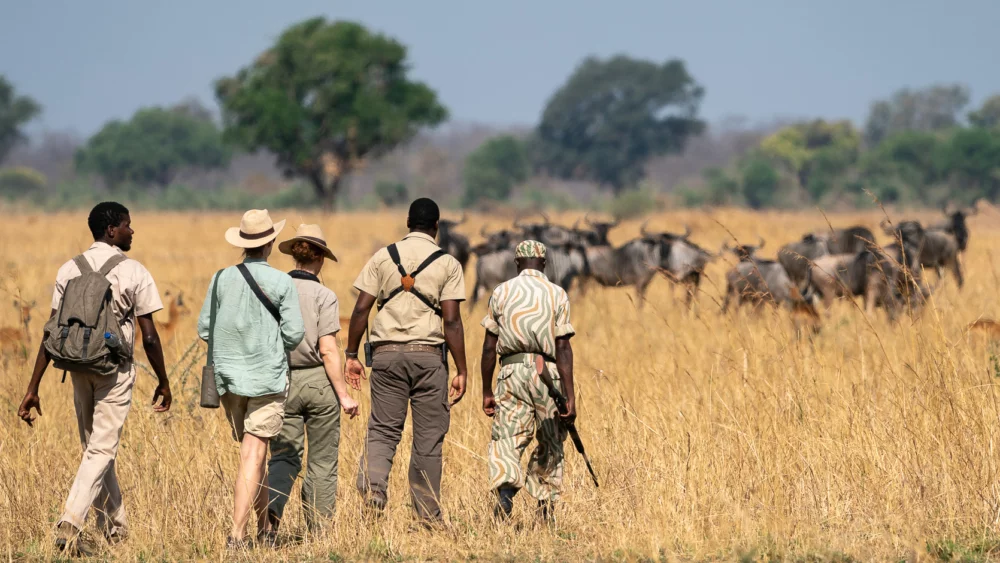
Is walking safari safe in Tanzania? Discover 2026 expert safety tips, risks & benefits. Plan wisely with Native Son Expeditions. Book today!.
Is Walking Safari Safe in Tanzania?
Is walking safari safe in Tanzania? This is one of the first questions travelers ask when planning an African adventure. It’s a valid concern. After all, you’ll be stepping into wild landscapes where lions roam, elephants migrate, and nature sets the rules.
The short answer is yes — walking safaris in Tanzania are safe when conducted by licensed, experienced guides and reputable operators. Tanzania has a long-standing conservation framework, strict park regulations, and professionally trained armed rangers who accompany guests on foot. With the right preparation and guidance, a walking safari becomes one of the safest — and most immersive — ways to experience Africa.
At Native Son Expeditions, we specialize in professionally guided walking safaris across Tanzania’s most iconic wilderness areas. Our leadership team includes certified safari guides with years of field experience in wildlife behavior, emergency protocols, and guest safety management.
This guide provides expert insights into safety procedures, real risks, preparation tips, and what makes Tanzania one of the best destinations for walking safaris in Africa.
Why Tanzania Is One of the Safest Destinations for Walking Safaris
Tanzania is home to globally recognized conservation areas such as:
-
Serengeti National Park
-
Tarangire National Park
-
Nyerere National Park
-
Ngorongoro Conservation Area
These protected ecosystems operate under strict wildlife management laws governed by the Tanzania National Parks Authority (TANAPA).
For global conservation standards and safety protocols, you can refer to the official guidelines by the International Union for Conservation of Nature:
👉iucn.org
Tanzania’s walking safari operations are regulated through:
-
Licensed professional guides
-
Mandatory armed park rangers
-
Controlled group sizes
-
Defined walking zones
-
Wildlife behavior monitoring systems
These regulations significantly reduce risks.
How Safe Is a Walking Safari in Tanzania?
1. Professional Armed Rangers
Every official walking safari in national parks includes:
-
A licensed safari guide
-
An armed ranger trained in wildlife deterrence
-
Emergency communication equipment
Rangers undergo rigorous training in:
-
Animal behavior analysis
-
Crisis response
-
First aid certification
-
Terrain navigation
Wild animals do not view humans on foot as prey when guided correctly. Most incidents in Africa historically occur due to rule-breaking or independent walking without authorization — something never permitted in regulated Tanzanian parks.
2. Wildlife Behavior & Distance Management
Contrary to popular belief, wildlife rarely attacks without provocation.
Guides maintain:
-
Safe distances
-
Wind awareness (to prevent scent detection)
-
Quiet communication signals
-
Escape route positioning
Animals like elephants, buffalo, and big cats are respected with buffer zones. Guides are trained to read body language such as:
-
Ear flaring in elephants
-
Tail flicking in predators
-
Vocal warning calls
Understanding behavior is the foundation of walking safari safety.
3. Small Group Advantage
Walking safaris typically host:
-
2–6 guests per group
Small numbers mean:
-
Easier control
-
Quiet movement
-
Less disturbance
-
Clear visibility
This controlled approach increases safety significantly compared to crowded wildlife experiences.
What Are the Real Risks?
Transparency builds trust. While walking safaris are safe, they are still conducted in the wild.
Potential risks include:
-
Sudden wildlife encounters
-
Heat exposure
-
Uneven terrain
-
Dehydration
However, these risks are mitigated by:
-
Pre-walk safety briefings
-
Proper hydration planning
-
Route selection based on season
-
Strict no-running policy
At Native Son Expeditions, no walking safari begins without a complete safety orientation.
Who Should (and Shouldn’t) Do a Walking Safari?
Ideal Participants:
-
Adventurous travelers
-
Photographers
-
Nature enthusiasts
-
Repeat safari guests
Not Recommended For:
-
Children under park minimum age limits
-
Individuals with severe mobility challenges
-
Guests unwilling to follow guide instructions
Fitness level required: Moderate.
No marathon training needed — just comfortable walking ability.
Comparing Game Drives vs Walking Safaris
| Feature | Game Drive | Walking Safari |
|---|---|---|
| Distance from animals | Inside vehicle | On foot (guided) |
| Immersion level | Moderate | Very high |
| Risk level | Low | Controlled low |
| Interaction | Visual | Sensory (tracks, smells, sounds) |
Walking safaris offer perspective. You notice tracks, insects, plants, and ecosystem details impossible to experience from a vehicle.
Why Choose Native Son Expeditions?
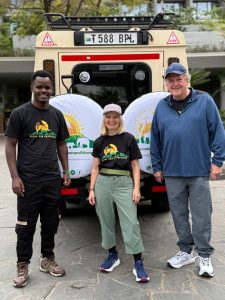
A professional Native Son Expeditions guide leading guests in branded company t-shirts during a safe and expertly managed walking safari in Tanzania.
When asking “Is walking safari safe in Tanzania?” the operator matters most.
Native Son Expeditions provides:
-
Certified professional guides
-
Licensed armed rangers
-
Custom small-group experiences
-
Satellite communication systems
-
Emergency evacuation partnerships
-
Decades of field expertise
Our safety philosophy combines:
-
Prevention
-
Education
-
Preparation
-
Respect for wildlife
We do not cut corners. Ever.
If you’re still deciding whether a walking safari is right for you, we recommend exploring our detailed safari planning resources. From seasonal wildlife movements to accommodation styles and park comparisons, our in-depth guides will help you choose the safest and most rewarding itinerary. Take a moment to read our Tanzania safari packages, best time to visit Tanzania guide, and accommodation options overview to plan your adventure with confidence.
These guides will help you choose the right safari style and season for your comfort and safety preferences.
Best Time for a Safe Walking Safari
Tanzania offers year-round safari opportunities.
Dry Season (June – October)
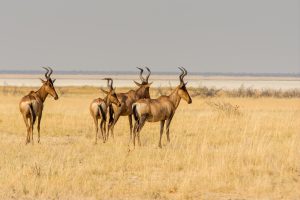
Antelopes grazing in Tanzania’s dry savannah during the dry season, when wildlife visibility is at its best for walking safaris.
-
Best visibility
-
Easier walking terrain
-
Wildlife gathers near water
Green Season (November – May)
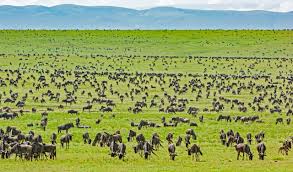
A large herd of wildebeest grazing on short green grass during Tanzania’s green season, a time of abundant grazing and dramatic wildlife scenes.
-
Lush scenery
-
Fewer tourists
-
Birdwatching paradise
Dry season is often recommended for first-time walkers.
Safety Tips Before Your Walking Safari
-
Wear neutral-colored clothing
-
Avoid strong perfumes
-
Stay hydrated
-
Follow guide instructions immediately
-
Never run
-
Maintain silence when instructed
Safety is a shared responsibility.
Final Expert Verdict
So, is walking safari safe in Tanzania?
Yes — when done with licensed professionals, it is a highly controlled, regulated, and expertly managed experience.
Millions of visitors explore Tanzania every year without incident. Walking safaris remain one of the most authentic ways to experience Africa safely and responsibly.
FAQ: Is Walking Safari Safe in Tanzania?
1. Has anyone been attacked during a walking safari in Tanzania?
Incidents are extremely rare and almost always linked to rule violations or unauthorized walking. Licensed operators follow strict safety protocols that prevent dangerous encounters.
2. Are children allowed on walking safaris?
Most parks set minimum age limits (usually 12–16 years depending on location). This ensures maturity and discipline during the walk.
3. What happens if we encounter a lion?
Guides are trained to remain calm and maintain safe distance. Lions typically avoid humans on foot. The ranger carries protection but rarely needs to use it.
4. Do I need travel insurance?
Yes. Comprehensive travel insurance covering medical evacuation is strongly recommended for any safari activity.
5. How long do walking safaris last?
They range from 1–4 hours depending on location and guest preference. Multi-day walking expeditions are also available in designated parks.
6. Is a walking safari more dangerous than a game drive?
Not when properly guided. The perceived risk is higher because you are on foot, but strict safety management keeps it controlled.
Conclusion
Walking safaris reconnect you with nature in its purest form. When conducted professionally, they are safe, regulated, and profoundly rewarding.
If you are still asking, “Is walking safari safe in Tanzania?” — the answer is yes, with the right team.
Native Son Expeditions invites you to experience Tanzania beyond the vehicle window. Walk the savannah. Read the tracks. Hear the silence.
Ready to explore safely?
👉 Contact Native Son Expeditions today and start planning your guided walking safari adventure.
