

Tarangire vs Serengeti Safari comparison by Native Son Expeditions. Discover wildlife, landscapes, best time to visit, costs, and expert tips to choose the perfect Tanzania safari.
1: Introduction and Overview of Tanzania’s Iconic Safari Destinations
Tanzania is globally recognized as one of the finest safari destinations in Africa, offering an unmatched combination of wildlife density, dramatic landscapes, and deeply rooted conservation heritage. For travelers planning a once-in-a-lifetime African safari, the country presents many choices, but two national parks consistently dominate the conversation: Tarangire National Park and Serengeti National Park. These destinations are not competitors in the traditional sense; instead, they represent two distinct safari philosophies, each offering a unique way to experience Tanzania’s natural wonders. This detailed comparison is designed to guide travelers who are trying to decide between these legendary parks, while also helping them understand how both can complement each other within a well-crafted itinerary. As a Tanzania-based tour operator, Native Son Expeditions brings firsthand expertise, local knowledge, and responsible tourism values to help travelers make informed decisions that align with their expectations, travel style, and budget. The debate around Tarangire vs Serengeti Safari often arises because both parks are exceptional, yet they cater to different safari priorities, making a clear and professional breakdown essential for travelers searching online.
Tarangire National Park is located in northern Tanzania, slightly off the main safari circuit, which gives it a quieter and more intimate atmosphere compared to its famous counterpart. Covering approximately 2,850 square kilometers, Tarangire is best known for its vast elephant population, ancient baobab trees, and the life-giving Tarangire River that cuts through the park. During the dry season, this river becomes a magnet for wildlife, drawing animals from surrounding areas and creating concentrated game-viewing opportunities. Serengeti National Park, on the other hand, spans nearly 14,750 square kilometers, making it one of the largest protected ecosystems in Africa. It is internationally celebrated for the Great Migration, a natural spectacle involving over a million wildebeest, accompanied by zebras and gazelles, moving in search of fresh grazing land. When travelers search online for Tarangire vs Serengeti Safari, they are often weighing the intimacy and exclusivity of Tarangire against the sheer scale and global fame of the Serengeti.
From a historical and ecological perspective, both parks play critical roles in Tanzania’s conservation success. Tarangire was established primarily to protect seasonal migration routes and water sources for wildlife in the Manyara ecosystem. Its conservation value lies in its ability to support animals during the harsh dry months, making it an essential refuge rather than just a scenic destination. Serengeti’s history is deeply intertwined with global conservation movements, as it became a symbol of wildlife preservation in Africa during the mid-20th century. The Serengeti ecosystem extends beyond Tanzania’s borders into Kenya’s Maasai Mara, forming a transboundary conservation area that supports one of the most complex and dynamic wildlife systems on Earth. Understanding this background is crucial for travelers who want more than just game drives; it adds depth and meaning to their safari experience. Native Son Expeditions emphasizes this storytelling aspect, ensuring guests not only see wildlife but also understand the landscapes and conservation efforts that sustain it.
One of the most important differences between these parks lies in how visitors experience them on a practical level. Tarangire’s road network is relatively compact, allowing for relaxed game drives with minimal travel time between sightings. This makes it ideal for travelers who prefer slow-paced exploration, photography-focused safaris, and a sense of solitude. Serengeti’s immense size requires more strategic planning, often involving longer drives or even domestic flights between regions such as Central Serengeti, Western Corridor, and Northern Serengeti. While this requires more logistical coordination, it rewards travelers with extraordinary diversity in scenery and wildlife encounters. For those researching Tarangire vs Serengeti Safari, this distinction often influences decisions around trip duration, comfort level, and travel style.
Another key consideration is accessibility. Tarangire National Park is easily reached by road from Arusha, making it a convenient option for shorter safaris or as part of a multi-park itinerary that includes Lake Manyara and Ngorongoro Crater. This accessibility also allows for a wider range of accommodation options, from luxury lodges to mid-range camps, without compromising the quality of the safari experience. Serengeti, while accessible by road, is most efficiently reached by small aircraft, especially for travelers with limited time. Flying into the Serengeti not only saves time but also offers breathtaking aerial views of the plains, enhancing the overall journey. Native Son Expeditions carefully designs itineraries that balance road and air transfers to maximize comfort while maintaining authentic safari experiences rooted in Tanzania’s landscapes.
In terms of traveler expectations, Tarangire often appeals to those seeking a more understated yet rewarding safari. Its reputation may not be as globally prominent as the Serengeti, but seasoned safari enthusiasts recognize Tarangire as one of Tanzania’s hidden gems. The park’s seasonal nature means that timing is crucial; during peak dry months, wildlife concentrations rival those of much larger parks. Serengeti, conversely, attracts travelers from around the world who wish to witness iconic scenes often seen in documentaries and wildlife photography. The vast open plains, dramatic predator-prey interactions, and large herds create a sense of grandeur that few places on Earth can match. When analyzed objectively, the Tarangire vs Serengeti Safari discussion is less about which park is better and more about which experience aligns with a traveler’s personal vision of an African safari.
From a tourism industry standpoint, both parks contribute significantly to Tanzania’s economy and global image. Serengeti serves as a flagship destination that draws international attention, while Tarangire provides diversification, reducing pressure on more heavily visited areas. Responsible operators like Native Son Expeditions play a vital role in balancing tourism growth with conservation priorities by promoting ethical practices, supporting local communities, and educating travelers. This approach not only enhances the visitor experience but also ensures that future generations can continue to enjoy these landscapes. By choosing a local company, travelers benefit from authentic insights, flexible planning, and a deeper connection to Tanzania’s natural heritage.
In conclusion, this introductory section sets the foundation for a detailed comparison that will unfold throughout the rest of the blog. Understanding the core identity, scale, accessibility, and conservation significance of both Tarangire and Serengeti is essential before diving into specific aspects such as wildlife encounters, landscapes, seasonal variations, and overall safari value. As we progress, each section will explore these themes in depth, helping travelers make confident, informed decisions. Whether one is drawn to the quiet elegance of Tarangire or the legendary vastness of the Serengeti, the choice ultimately depends on individual travel goals. With expert guidance from Native Son Expeditions, travelers can transform the decision between these parks into a seamless and unforgettable safari journey through Tanzania.
External reference for general park information:
-
UNESCO World Heritage Centre – Serengeti National Park:
2: Wildlife Experience and Game Viewing Comparison
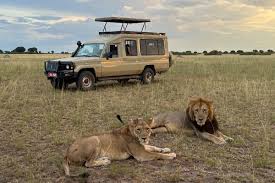
Wildlife experience is the heart of any African safari, and for most travelers visiting Tanzania, game viewing quality is the single most important factor influencing their choice of destination. Both Tarangire National Park and Serengeti National Park offer exceptional wildlife encounters, yet the nature of those encounters differs significantly due to variations in ecosystem size, animal behavior, migration patterns, and visitor density. Understanding these differences helps travelers set realistic expectations and select a safari that matches their interests, whether they are first-time visitors to Africa or seasoned safari enthusiasts. For a Tanzania-based operator like Native Son Expeditions, explaining these distinctions clearly is essential, as it allows guests to fully appreciate what each park uniquely contributes to the broader northern safari circuit. When travelers research Tarangire vs Serengeti Safari, they are often comparing not just the number of animals, but the quality, intimacy, and diversity of wildlife encounters.
Tarangire National Park is widely regarded as one of Tanzania’s most underrated wildlife destinations. Its defining feature is the Tarangire River, which acts as a permanent water source during the dry season and attracts enormous concentrations of animals between June and October. During this period, Tarangire hosts one of the largest elephant populations in East Africa, with herds often numbering in the hundreds. These elephants are not fleeting sightings; they are encountered repeatedly throughout the day, crossing roads, gathering at riverbanks, and interacting in complex social groups. In addition to elephants, Tarangire supports large populations of buffalo, giraffe, zebra, wildebeest, and several antelope species, including eland, kudu, and oryx, which are less commonly seen in other northern parks. Predators such as lions, leopards, and cheetahs are present year-round, though sightings tend to be more subtle and rewarding for patient observers rather than dramatic high-speed chases.
The wildlife experience in Tarangire is often described as immersive and close-range. The park’s relatively compact size and well-distributed animal populations allow guides to spend extended time observing behavior rather than rushing from one sighting to another. This makes Tarangire particularly attractive for photographers, families, and travelers who value depth over spectacle. Birdlife is another major highlight, with over 550 recorded species, including colorful endemics and migratory birds that flourish during the green season. Native Son Expeditions frequently recommends Tarangire to guests who want a calm yet richly rewarding introduction to Tanzania’s wildlife, as the park encourages slower exploration and deeper appreciation of ecological relationships.
Serengeti National Park offers a wildlife experience on a completely different scale. Its vast plains support one of the highest concentrations of large mammals anywhere on the planet, making it a destination synonymous with abundance and drama. The Serengeti is home to the Great Migration, a continuous, circular movement of over one million wildebeest, accompanied by hundreds of thousands of zebras and gazelles. This phenomenon creates an ever-changing wildlife landscape, where predator-prey interactions unfold daily across different regions of the park. Lions, cheetahs, leopards, hyenas, and crocodiles thrive in the Serengeti due to the constant availability of prey, resulting in frequent and often intense sightings that captivate visitors from around the world.
Unlike Tarangire, where wildlife density peaks during specific months, the Serengeti offers excellent game viewing throughout the year, provided travelers choose the right region at the right time. Central Serengeti is known for resident wildlife and consistent predator sightings, while the Western Corridor becomes important during river crossings, and the Northern Serengeti gains prominence during migration months near the Mara River. This regional diversity means that safari planning in the Serengeti is more complex but also more customizable. When comparing Tarangire vs Serengeti Safari, this flexibility often appeals to travelers with longer itineraries or those willing to invest more time and resources to follow wildlife movements across the ecosystem.
Another key difference lies in visitor dynamics and how they affect wildlife encounters. Tarangire generally receives fewer visitors than the Serengeti, which translates into quieter game drives and fewer vehicles at sightings. This lower density allows for more natural animal behavior, as wildlife is less habituated to crowds. Serengeti, due to its global fame, can experience higher vehicle concentrations, particularly during peak migration events. However, its sheer size helps disperse visitors across vast areas, ensuring that exclusive experiences are still possible when itineraries are carefully planned. Native Son Expeditions leverages local knowledge to avoid overcrowded routes and time game drives strategically, maximizing both comfort and wildlife quality.
From an educational perspective, Tarangire offers exceptional opportunities to observe long-term ecological patterns. Seasonal movements within the Greater Tarangire Ecosystem illustrate how wildlife adapts to water availability and vegetation cycles. Serengeti, in contrast, showcases large-scale ecological processes, such as mass migration, predator population dynamics, and grassland regeneration driven by grazing pressure. Both parks therefore provide valuable insights into conservation, but at different scales. Travelers interested in understanding ecosystem complexity often find that experiencing both parks creates a more complete picture of Tanzania’s natural heritage.
In terms of species variety, Serengeti holds a slight advantage due to its size and habitat diversity, supporting all members of the Big Five and a wide range of plains game. Tarangire, while slightly more limited in sheer numbers, compensates with unique species combinations and exceptional elephant viewing that rivals any park in Africa. The decision between these parks is rarely about which has “better” wildlife; rather, it is about what type of wildlife interaction resonates most with the traveler. The Tarangire vs Serengeti Safari comparison becomes especially meaningful when aligned with personal interests such as photography, birding, family travel, or witnessing iconic natural events.
For travelers booking through a local operator, wildlife experience is also shaped by guiding quality. Native Son Expeditions prioritizes experienced Tanzanian guides who understand animal behavior, seasonal patterns, and ethical viewing practices. This expertise enhances sightings in both parks, ensuring that guests gain not only memorable photographs but also meaningful understanding of the wildlife they encounter. By combining local knowledge with responsible tourism principles, the safari experience becomes richer and more sustainable.
As this section demonstrates, Tarangire and Serengeti each deliver world-class wildlife experiences, but in fundamentally different ways. Tarangire excels in intimacy, seasonal concentration, and elephant encounters, while Serengeti dominates in scale, diversity, and dramatic natural spectacles. Recognizing these distinctions allows travelers to make informed decisions and, in many cases, inspires them to include both parks in a single itinerary for a truly comprehensive Tanzanian safari.
3: Landscapes, Ecosystems, and Scenic Diversity
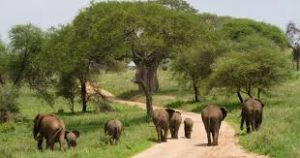
The visual character of a safari destination plays a powerful role in shaping how travelers remember their journey, often influencing emotions just as strongly as wildlife encounters themselves. In Tanzania, few places offer such strikingly different landscapes within the same country as Tarangire National Park and Serengeti National Park. While both are part of the northern safari circuit, their ecosystems, terrain, vegetation, and overall atmosphere differ in ways that profoundly affect the safari experience. Understanding these landscape variations is essential for travelers who want more than animal sightings and are seeking a deeper connection with nature. For guests traveling with Native Son Expeditions, this ecological diversity becomes one of the most rewarding aspects of exploring Tanzania. When travelers compare Tarangire vs Serengeti Safari, they are often unknowingly comparing two very different natural worlds that coexist within the same region.
Tarangire National Park is defined by its rolling terrain, ancient baobab trees, and seasonal swamps that transform dramatically throughout the year. The park’s landscape feels grounded and intimate, with low hills, open savannahs, acacia woodlands, and riverine forests creating a mosaic of habitats within a relatively compact area. The baobab trees, some of which are estimated to be over a thousand years old, dominate the skyline and give Tarangire a distinctive visual identity unlike any other park in Tanzania. These massive trees are not just scenic features; they are keystone species that support birds, insects, and mammals, contributing to the park’s ecological richness. During the dry season, the Tarangire River becomes the central artery of life, carving a green corridor through the otherwise golden landscape and drawing wildlife into predictable viewing areas.
Seasonality is one of the most defining characteristics of Tarangire’s ecosystem. In the dry months, the park appears dusty and sun-baked, with sparse vegetation that makes wildlife easier to spot and emphasizes the raw beauty of the African savannah. As the rains arrive, Tarangire undergoes a dramatic transformation. Grasslands turn lush and green, wildflowers bloom, and migratory birds arrive in large numbers, adding color and movement to the scenery. This cyclical change gives Tarangire a dynamic personality, rewarding travelers who visit at different times of the year with entirely different visual experiences. Native Son Expeditions often highlights this seasonal contrast when advising guests, as it allows travelers to align their visit with their preferred aesthetic, whether they favor dramatic dry-season scenes or vibrant green-season landscapes.
Serengeti National Park presents a landscape of immense scale and openness that evokes a sense of freedom and timelessness. The word “Serengeti” itself comes from the Maasai language, meaning “endless plains,” and this description perfectly captures the park’s defining feature. Vast grasslands stretch to the horizon, interrupted only by scattered acacia trees, rocky outcrops known as kopjes, and distant river systems. These open plains are particularly prominent in the central and southern regions of the park, where the terrain allows for sweeping panoramic views that are iconic in wildlife documentaries and photography. The Serengeti’s sense of space is unmatched, creating an atmosphere that feels both humbling and exhilarating.
Ecologically, the Serengeti is far more varied than it may appear at first glance. While the plains dominate popular imagery, the park also contains riverine forests, wooded savannahs, seasonal wetlands, and granite kopjes that rise abruptly from the grasslands. These kopjes serve as refuges for predators such as lions and leopards, offering shade, vantage points, and breeding sites. The Western Corridor introduces a different visual element altogether, with the Grumeti River winding through forested areas and supporting lush vegetation that contrasts sharply with the open plains. In the north, the Mara River region features rolling hills and permanent water sources, creating a greener landscape that supports wildlife year-round. This regional diversity allows Serengeti to sustain its vast animal populations and contributes to its reputation as one of the most complex ecosystems on Earth.
One of the most striking differences between the two parks lies in how landscapes influence the rhythm of a safari. In Tarangire, the varied terrain encourages slower exploration, with frequent stops to observe details such as birdlife, plant species, and animal behavior within specific habitats. The park’s road network winds through different ecosystems in relatively short distances, creating a feeling of discovery and intimacy. Serengeti, by contrast, inspires long game drives across expansive plains, where the journey itself becomes part of the experience. The vastness encourages travelers to think in terms of regions rather than individual locations, reinforcing the sense that they are moving through a living, breathing ecosystem on a grand scale. This contrast is central to the Tarangire vs Serengeti Safari discussion, as landscape preference often shapes overall satisfaction more than travelers initially realize.
From a photographic perspective, both parks offer exceptional opportunities, but with very different styles. Tarangire’s landscapes lend themselves to close-range compositions, dramatic silhouettes of baobab trees at sunset, and intimate wildlife portraits framed by textured vegetation. The softer light filtering through woodlands and riverine areas creates opportunities for artistic photography that emphasizes mood and detail. Serengeti, on the other hand, is ideal for wide-angle shots that capture scale, movement, and dramatic skies. The open plains allow photographers to showcase large herds against expansive backdrops, while the dramatic cloud formations common in the Serengeti add depth and emotion to images. Native Son Expeditions tailors safari pacing and timing to accommodate these photographic styles, ensuring guests make the most of each landscape.
Culturally and historically, the landscapes of both parks are deeply intertwined with human heritage. The Serengeti ecosystem is part of a broader region that includes some of the most important archaeological sites in human history, such as Olduvai Gorge, located nearby in the Ngorongoro Conservation Area. This context adds an extra layer of meaning to the scenery, reminding visitors that these landscapes have supported life, both human and animal, for millions of years. Tarangire’s surrounding areas are closely linked to local communities, including the Maasai, whose traditional grazing lands and cultural practices have historically interacted with the park’s ecosystem. Responsible tourism operators like Native Son Expeditions emphasize respect for this cultural dimension, helping travelers understand that these landscapes are not isolated wildernesses but part of a living cultural and ecological continuum.
Climate also plays a significant role in shaping the visual identity of each park. Tarangire’s lower elevation and proximity to the Rift Valley contribute to warmer temperatures and more pronounced dry-season conditions. This climate accentuates the earthy tones of the landscape, creating a rugged aesthetic that many travelers find deeply evocative. Serengeti’s climate varies across regions, with slightly cooler temperatures in higher areas and more consistent rainfall patterns that help sustain its grasslands. These climatic differences influence vegetation growth, water availability, and ultimately the distribution of wildlife, reinforcing the idea that landscape and ecosystem are inseparable from the safari experience.
For travelers seeking tranquility and a sense of seclusion, Tarangire’s landscapes often feel more personal and immersive. The combination of rolling hills, shaded woodlands, and fewer vehicles creates an environment that encourages reflection and connection with nature. Serengeti’s landscapes, while less intimate, offer a powerful sense of awe and wonder, reminding visitors of nature’s scale and resilience. Neither experience is inherently superior; they simply resonate differently depending on individual preferences and travel goals. This realization is crucial when evaluating Tarangire vs Serengeti Safari, as landscape preference can be just as decisive as wildlife interest.
In summary, Tarangire and Serengeti present two contrasting yet equally compelling visions of the African wilderness. Tarangire’s landscapes emphasize texture, intimacy, and seasonal transformation, while Serengeti’s ecosystems highlight scale, diversity, and timelessness. Together, they showcase the extraordinary range of natural beauty found within Tanzania. For travelers working with Native Son Expeditions, understanding these landscape differences allows for more thoughtful itinerary design, ensuring that each safari journey aligns perfectly with personal expectations and aesthetic desires.
4: Best Time to Visit and Seasonal Differences
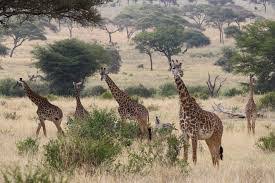
Choosing the best time to visit a safari destination in Tanzania is a decision that can dramatically influence the overall quality of the experience. Weather patterns, wildlife movements, vegetation cycles, and visitor numbers all change throughout the year, shaping how each national park reveals itself to travelers. Tarangire National Park and Serengeti National Park, while geographically close, respond very differently to seasonal changes due to their distinct ecosystems and ecological roles. For this reason, understanding seasonal variation is one of the most critical factors when planning a safari with a professional local operator like Native Son Expeditions. Many travelers researching Tarangire vs Serengeti Safari are ultimately trying to determine which park aligns best with their preferred travel month and expectations.
Tanzania’s safari seasons are generally divided into the dry season and the wet season, each offering unique advantages rather than clear advantages or disadvantages. The dry season typically runs from June to October and is widely considered the peak safari period. During these months, rainfall is minimal, vegetation is sparse, and wildlife concentrates around permanent water sources. Tarangire National Park is particularly dependent on this seasonal pattern. As surrounding areas dry out, animals migrate into the park, drawn by the Tarangire River and remaining swamps. This results in exceptionally high wildlife densities, especially elephants, making the dry season the absolute highlight for Tarangire. Game viewing becomes predictable and rewarding, with clear visibility and frequent sightings throughout the day.
Serengeti also performs extremely well during the dry season, but for different reasons. While wildlife is abundant year-round, the dry months coincide with some of the most dramatic stages of the Great Migration, depending on timing. From June to July, the herds move toward the Western Corridor, where river crossings at the Grumeti River begin. From August to October, the migration reaches the northern Serengeti near the Mara River, creating iconic scenes of wildebeest crossing crocodile-infested waters. These moments are among the most sought-after wildlife spectacles in the world, attracting travelers, photographers, and filmmakers alike. However, they also bring increased visitor numbers, making expert planning essential to maintain a high-quality experience.
The wet season, often referred to as the green season, runs from November to May and is further divided into short rains (November to December) and long rains (March to May). This period is frequently misunderstood and undervalued by first-time safari travelers, yet it offers remarkable benefits for those willing to embrace a different safari rhythm. In Tarangire, the wet season sees wildlife dispersing beyond the park boundaries as water becomes widely available. While animal concentrations decrease, the landscape transforms into a lush, green environment filled with wildflowers and birdlife. This season is particularly attractive for birdwatchers, photographers seeking vibrant colors, and travelers who prefer fewer crowds and lower safari costs.
Serengeti during the green season reveals an entirely different type of magic. From January to March, the southern Serengeti and Ndutu region become the stage for the wildebeest calving season. During this time, hundreds of thousands of calves are born within a short window, attracting a high concentration of predators and resulting in intense wildlife activity. This period offers extraordinary opportunities to witness predator-prey interactions, often with fewer vehicles than during river crossing months. The long rains in April and May can make some roads challenging, but they also bring dramatic skies, fresh vegetation, and a sense of renewal that many experienced safari travelers deeply appreciate. When comparing Tarangire vs Serengeti Safari, travelers often discover that their ideal season aligns more naturally with one park than the other.
Another important seasonal consideration is climate comfort. Tarangire tends to be warmer year-round due to its lower elevation and proximity to the Rift Valley. During the dry season, daytime temperatures can be quite high, especially in the early afternoon. Serengeti’s climate varies by region, with generally cooler mornings and evenings, particularly in the central and northern areas. These subtle differences can influence traveler comfort, especially for families, older guests, or those sensitive to heat. Native Son Expeditions takes these factors into account when designing itineraries, adjusting daily schedules and lodge selections to ensure comfort regardless of season.
Visitor density is also closely tied to seasonal patterns and plays a major role in shaping the safari atmosphere. Peak dry-season months, especially July through September, see the highest number of visitors in the Serengeti due to migration-related demand. While the park’s vast size helps distribute vehicles, popular areas can still become busy at certain times of day. Tarangire, despite increased popularity, generally remains quieter even during peak months, making it an attractive option for travelers seeking a more exclusive feel. During the green season, both parks experience fewer visitors, creating opportunities for more private game drives and greater flexibility in itinerary planning.
From a budgeting perspective, seasonality directly affects safari costs. High season rates apply during peak dry months, particularly in the Serengeti, where demand for migration-viewing accommodations is extremely high. The green season offers more favorable pricing, with many lodges providing discounted rates while maintaining high service standards. This makes it possible for travelers to enjoy luxury experiences at reduced costs, especially when guided by a knowledgeable local operator. Native Son Expeditions helps guests navigate these pricing structures, ensuring transparency and value while aligning expectations with seasonal realities.
Seasonal differences also influence the overall mood and storytelling of a safari. Dry-season safaris tend to feel dramatic, raw, and intense, with wildlife competing for limited resources in stark landscapes. Green-season safaris feel softer, more colorful, and more reflective, emphasizing renewal, growth, and abundance. Neither experience is objectively better; they simply appeal to different emotional and aesthetic preferences. Recognizing this allows travelers to move beyond generic advice and make choices based on personal travel style rather than assumptions.
Ultimately, the best time to visit Tarangire or Serengeti depends on what the traveler hopes to experience. Tarangire reaches its peak during the dry season when wildlife concentrations are at their highest, while Serengeti offers multiple seasonal highlights spread throughout the year. This is why the question of Tarangire vs Serengeti Safari cannot be answered without considering timing as a central factor. With expert guidance from Native Son Expeditions, travelers can match season, destination, and expectations seamlessly, creating a safari experience that feels both intentional and unforgettable.
5: Safari Experience, Accessibility, Costs, and Final Comparison
Beyond wildlife, landscapes, and seasonal timing, the overall safari experience is shaped by practical considerations such as accessibility, accommodation styles, travel logistics, comfort levels, and cost structures. These elements determine how smoothly a journey unfolds and how travelers emotionally connect with their safari from start to finish. For many guests planning a trip to Tanzania, these factors ultimately become the deciding point when choosing between Tarangire National Park and Serengeti National Park. As a locally based operator, Native Son Expeditions places strong emphasis on aligning these practical elements with traveler expectations, ensuring that every safari is not only memorable but also well-balanced and stress-free. When evaluating Tarangire vs Serengeti Safari, it is essential to look beyond the scenery and animals and consider how the entire experience feels on a day-to-day level.
Accessibility is one of the most noticeable differences between the two parks and plays a major role in itinerary design. Tarangire National Park is located approximately two hours’ drive from Arusha, the main safari hub in northern Tanzania. This makes Tarangire exceptionally convenient for travelers with limited time, those arriving on late flights, or guests who prefer a gradual introduction to safari life. Road transfers to Tarangire are scenic and relatively comfortable, passing through rural landscapes and local communities that offer a glimpse into everyday Tanzanian life. This ease of access allows travelers to maximize time in the park without the need for additional flights, keeping logistics simple and costs more manageable.
Serengeti National Park, by contrast, requires more extensive travel planning due to its sheer size and remote location. While it is possible to reach the Serengeti by road, the journey can take eight hours or more depending on the route and entry point. For this reason, most travelers opt for scheduled or chartered flights from Arusha to one of the Serengeti’s airstrips. These flights significantly reduce travel time and add an exciting aerial perspective of the landscape, but they also increase the overall cost of the safari. The need to coordinate flights, transfers, and accommodation locations makes Serengeti itineraries more complex, but when managed properly by an experienced operator, the result is a seamless and rewarding journey.
Accommodation options further differentiate the safari experience in each park. Tarangire offers a wide range of lodges and tented camps that blend comfort with a sense of intimacy. Many properties are located just outside the park boundaries or within designated concession areas, allowing for quieter stays and personalized service. Lodges in Tarangire often emphasize panoramic views, spacious rooms, and close proximity to wildlife corridors, creating an atmosphere that feels relaxed and exclusive. This makes Tarangire particularly appealing to honeymooners, families, and travelers seeking a slower-paced safari experience with high levels of comfort.
Serengeti’s accommodation landscape is more diverse and region-specific, reflecting the park’s vast size and seasonal wildlife movements. Options range from permanent luxury lodges in central areas to mobile tented camps that follow the migration across different regions. These mobile camps offer an immersive, close-to-nature experience, placing guests directly in the path of wildlife movements. While this style of accommodation can be incredibly rewarding, it may not suit travelers who prefer consistent luxury amenities or minimal relocation. Native Son Expeditions carefully matches accommodation style to guest preferences, ensuring that comfort, location, and experience are aligned regardless of park choice.
Cost considerations are another major factor influencing safari decisions. Tarangire generally offers a more cost-effective safari experience due to lower park fees, shorter transfer distances, and a wider range of mid-range accommodation options. This makes it an excellent choice for travelers seeking high-quality wildlife experiences without the premium pricing often associated with world-famous destinations. Tarangire also integrates easily into multi-park itineraries, allowing travelers to combine it with Lake Manyara and Ngorongoro Crater without significantly increasing costs.
Serengeti safaris, while offering unparalleled scale and spectacle, typically come with higher overall expenses. Park fees are higher, flights add to the budget, and accommodations—particularly those positioned for migration viewing—often command premium rates during peak seasons. However, many travelers view this investment as worthwhile due to the iconic nature of the Serengeti experience. When comparing Tarangire vs Serengeti Safari, budget-conscious travelers often lean toward Tarangire, while those prioritizing bucket-list experiences may choose Serengeti despite the higher cost.
The daily rhythm of a safari also differs between the two parks. In Tarangire, days tend to be more relaxed, with shorter game drives and ample time to enjoy lodge facilities, scenic viewpoints, and leisurely meals. This rhythm suits travelers who value balance and downtime alongside wildlife exploration. Serengeti safaris often involve longer game drives and earlier starts, particularly when tracking migration movements or predator activity. While this can be exhilarating, it may feel intense for some travelers, especially those new to safari travel. Native Son Expeditions adjusts pacing based on guest preferences, ensuring that the safari remains enjoyable rather than exhausting.
From a cultural and community perspective, Tarangire’s proximity to local villages allows for easier integration of cultural experiences such as visits to Maasai communities or local markets. These experiences add depth to the safari and help travelers understand the human context surrounding conservation areas. Serengeti, due to its remoteness and protected status, offers fewer opportunities for direct community interaction, focusing more heavily on wilderness immersion. Both approaches have value, and the choice depends on whether travelers prioritize cultural engagement or pure wilderness experience.
Safety, comfort, and guiding quality remain consistent priorities in both parks when traveling with a reputable operator. Native Son Expeditions employs experienced Tanzanian guides who are trained not only in wildlife tracking but also in guest care, storytelling, and responsible tourism practices. This consistency ensures that regardless of destination, guests receive professional service, accurate information, and respectful wildlife encounters. Good guiding often makes the difference between a good safari and an exceptional one, particularly in complex environments like the Serengeti.
When all these elements are considered together, it becomes clear that the choice between Tarangire and Serengeti is not a matter of superiority but suitability. Tarangire excels in accessibility, affordability, intimacy, and relaxed pacing, making it ideal for shorter trips, first-time visitors, and travelers seeking a quieter experience. Serengeti stands out for its vastness, diversity, and iconic wildlife spectacles, appealing to travelers with more time, flexible budgets, and a desire to witness globally renowned natural events. This holistic perspective is essential when evaluating Tarangire vs Serengeti Safari, as it encourages travelers to think beyond individual features and focus on the overall journey.
In the end, many travelers discover that the most fulfilling option is not choosing one park over the other, but combining both into a single itinerary. This approach allows guests to experience the full spectrum of Tanzania’s safari offerings, from Tarangire’s grounded elegance to Serengeti’s boundless drama. With expert planning and local insight from Native Son Expeditions, such a combination becomes seamless, balanced, and deeply rewarding. By aligning accessibility, costs, comfort, and personal travel goals, travelers can transform their safari from a simple holiday into a meaningful and unforgettable adventure through Tanzania’s wild heart.
