

Explore life in Zanzibar through its culture, cuisine, beaches, and local traditions. Discover unique experiences for international tourists visiting this Tanzanian paradise.
1: Introduction to Life in Zanzibar
A Vibrant Island Culture
https://nativesonexpeditions.com/zanzibar-holiday-safaris/
Zanzibar, the Tanzanian archipelago, is a unique destination where African, Arab, Indian, and European influences blend seamlessly. Experiencing life in Zanzibar gives international tourists a glimpse into a vibrant mix of cultures, traditions, and daily routines that have evolved over centuries. From bustling spice markets to serene beaches, the island offers a spectrum of experiences that reflect its rich heritage.
The heart of Zanzibar’s culture is found in its people, music, and architecture. Stone Town, a UNESCO World Heritage Site (https://whc.unesco.org), showcases narrow winding streets, carved wooden doors, and historic buildings that tell the story of the island’s trading history. Tourists exploring life in Zanzibar can also enjoy traditional dhow sailing, local music performances, and the vibrant street life that makes the island come alive at any hour.
International travelers visiting life in Zanzibar will notice a rhythm of life that combines work, family, and community celebrations. Participating in daily markets, attending cultural events, and interacting with locals provide a holistic view of Zanzibari society.
Historical and Cultural Background
The island of Zanzibar has a fascinating history shaped by centuries of trade, colonial influence, and migration. Its strategic location along the Indian Ocean made it a hub for the spice trade, connecting Africa with Arabia, India, and Europe. The legacies of these interactions are evident in the language, cuisine, and architecture that define life in Zanzibar today.
International tourists can learn about this history by visiting museums, spice farms, and cultural centers. Sites such as the House of Wonders and the Old Fort in Stone Town provide insight into Zanzibari traditions, while guided tours explain the historical context behind local customs. Engaging with these experiences allows visitors to appreciate how historical influences continue to shape modern life in Zanzibar (https://www.tanzaniatourism.go.tz).
Through the lens of history, culture, and architecture, travelers gain an enriched understanding of Zanzibar’s unique identity and enduring charm.
Island Communities and Social Life
Life in Zanzibar is also defined by strong community bonds and family-oriented social structures. Villages along the coast and inland reflect close-knit networks where daily activities, celebrations, and communal labor foster solidarity. For international tourists, visiting these communities offers insight into traditional practices, local economies, and social dynamics.
Exploring life in Zanzibar through its neighborhoods and villages highlights the importance of collective work, such as fishing, farming, and market trade. Local festivals, religious ceremonies, and weddings showcase the island’s cultural vibrancy, offering visitors a chance to engage with authentic Zanzibari social life (https://www.unwto.org).
Observing and participating in community events allows tourists to experience the rhythm, hospitality, and traditions that define everyday life on the island.
In summary, the introduction to life in Zanzibar reveals a culturally rich, historically significant, and socially vibrant island. International tourists gain insights into local customs, heritage architecture, and community interactions, creating an immersive experience that combines education, adventure, and cultural appreciation. The island’s unique blend of influences ensures that every visit is both memorable and enlightening.
2: Cuisine and Local Food Traditions in Life in Zanzibar
The Flavors of Zanzibar
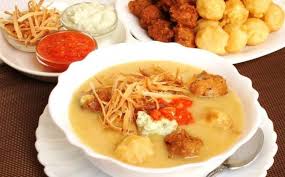
One of the most distinctive aspects of life in Zanzibar is its cuisine. The island is famously known as the “Spice Island” due to its historic spice trade, and this influence permeates its food. International tourists visiting Zanzibar are treated to an array of aromatic dishes featuring cloves, cinnamon, nutmeg, and cardamom. From freshly caught seafood to rich coconut curries and street food delights, life in Zanzibar revolves around meals that are both flavorful and culturally significant.
Local dishes such as Zanzibar Pizza, Urojo soup, and Pilau rice reflect the island’s fusion of African, Arab, and Indian culinary traditions. Markets across Stone Town and coastal villages showcase vibrant displays of fresh fruits, seafood, and spices, allowing tourists to immerse themselves in the flavors that define life in Zanzibar (https://www.tanzaniatourism.go.tz).
Participating in cooking classes, guided food tours, or market visits allows visitors to understand not only the ingredients but also the cultural stories behind each dish, providing a deeper appreciation of Zanzibari gastronomy.
Traditional Drinks and Refreshments

Alongside its food, life in Zanzibar is celebrated through traditional beverages that complement meals and social gatherings. Local drinks include coconut water, sugarcane juice, and fermented beverages like banana beer. These drinks are often enjoyed during communal meals or cultural festivities, offering tourists a taste of everyday island life.
International tourists exploring life in Zanzibar can also experience specialty beverages prepared using local spices and herbs, which provide both refreshment and a connection to the island’s agricultural heritage. Visiting spice farms and local cafés allows travelers to learn about the preparation of these drinks, adding a hands-on element to their culinary exploration (https://www.unwto.org).
Sampling traditional drinks in context—during meals, celebrations, or family gatherings—provides insight into social customs and hospitality that define daily life in Zanzibar.
Street Food and Local Markets
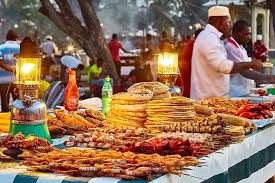
Zanzibar’s street food scene is a vibrant reflection of its daily culture. From grilled seafood at Forodhani Gardens to fried snacks sold in local markets, street food allows tourists to engage directly with the community and experience authentic flavors. Exploring these markets gives insight into the daily routines, trade practices, and culinary creativity of the island’s residents.
The bustling activity of market vendors, spice sellers, and local chefs showcases a dynamic aspect of life in Zanzibar that goes beyond tourism. International visitors often find these experiences educational, delicious, and deeply memorable, as they connect with both the flavors and the stories behind the food (https://www.worldbank.org).
Through street food tours and guided market walks, tourists gain a fuller understanding of how food, culture, and social life are intertwined on this spice-rich island.
Culinary Experiences for Tourists
Cooking classes and culinary workshops are becoming increasingly popular among international tourists interested in life in Zanzibar. These hands-on experiences allow visitors to prepare local dishes, learn traditional cooking techniques, and understand the cultural significance of ingredients and meal presentation.
Participating in culinary experiences provides tourists with not only a memorable activity but also skills to recreate Zanzibari dishes at home. Through these immersive experiences, visitors gain a deeper appreciation of the island’s heritage and daily life, seeing how meals are central to both social interaction and cultural identity (https://www.unwto.org).
Culinary tourism in Zanzibar connects food with culture, history, and community, making it a critical aspect of understanding life in Zanzibar beyond sightseeing.
In summary, food and drink are integral to life in Zanzibar, reflecting its history, culture, and daily social rhythms. International tourists can enjoy a full spectrum of culinary experiences, from tasting traditional dishes and drinks to engaging in cooking classes and exploring street markets. These experiences provide both nourishment and insight into Zanzibari culture, offering a memorable and immersive journey into the island’s gastronomy.
3: Beaches, Nature, and Outdoor Lifestyle in Life in Zanzibar
The Island’s Stunning Beaches
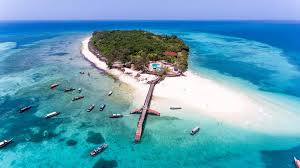
One of the most captivating aspects of life in Zanzibar is its world-renowned beaches. With powdery white sand, crystal-clear turquoise waters, and swaying palm trees, the beaches of Zanzibar provide both relaxation and adventure for international tourists. Popular destinations such as Nungwi, Kendwa, and Paje offer opportunities for sunbathing, swimming, snorkeling, and kite surfing, showcasing the diversity of activities that form part of daily life in Zanzibar.
Visitors can also explore less crowded beaches, where fishing communities engage in traditional practices, giving tourists insight into local livelihoods and sustainable living. Experiencing these coastal areas allows travelers to observe how life in Zanzibar is intertwined with the ocean, from small-scale fishing to beach commerce (https://www.tanzaniatourism.go.tz).
Whether for leisure or exploration, the beaches offer both scenic beauty and cultural immersion, making them a cornerstone of the Zanzibari lifestyle.
Nature and Wildlife Exploration
Beyond the beaches, life in Zanzibar encompasses rich natural habitats, including mangrove forests, coral reefs, and spice plantations. Jozani Forest, home to the endemic red colobus monkeys, provides a glimpse into the island’s unique terrestrial biodiversity. International tourists can enjoy guided tours through these areas to observe wildlife, learn about conservation efforts, and connect with nature in a meaningful way.
The coral reefs surrounding the island also offer opportunities for snorkeling and diving, allowing visitors to see colorful fish, sea turtles, and other marine life. Engaging with these natural environments helps tourists understand the delicate balance of life in Zanzibar, where both land and sea ecosystems play crucial roles in sustaining the community and economy (https://www.unwto.org).
Nature tourism encourages eco-friendly practices and offers unforgettable experiences, making it an essential part of exploring the island.
Outdoor Activities and Island Adventures
For adventurous tourists, life in Zanzibar is full of outdoor activities. Sailing on traditional dhows, deep-sea fishing, scuba diving, and kite surfing are popular ways to enjoy the island’s waters. On land, hiking spice plantations, visiting rural villages, and exploring historical sites provide educational and recreational experiences that connect visitors to the culture and environment.
International tourists engaging in these activities gain a deeper appreciation of the rhythm of local life, understanding how daily work, leisure, and tourism coexist. Experiencing life in Zanzibar outdoors highlights the island’s vibrant connection between people, culture, and nature (https://www.worldbank.org).
These adventures not only entertain but also educate, offering sustainable ways to enjoy the island while respecting its ecological and cultural integrity.
Community Interaction and Coastal Living
The coastal lifestyle is central to life in Zanzibar, where fishing, boat-building, and small-scale trading form the backbone of many communities. Tourists exploring these areas gain insight into local economies and traditional practices that have been passed down for generations. Visiting coastal villages provides opportunities to interact with residents, observe daily routines, and even participate in fishing or boat-making activities under local guidance.
By immersing themselves in coastal life, international tourists can better understand how Zanzibari communities balance tradition, tourism, and modern development. Respectful engagement ensures that experiences are mutually beneficial, preserving both the lifestyle and environment that define life in Zanzibar (https://www.tanzaniatourism.go.tz).
This interaction reinforces the island’s appeal as a destination where natural beauty, adventure, and cultural learning coexist.
In conclusion, the beaches, nature, and outdoor lifestyle are vital components of life in Zanzibar. International tourists can enjoy pristine beaches, explore unique wildlife habitats, and participate in a variety of outdoor adventures. Engaging with coastal communities and experiencing the natural environment firsthand creates a holistic understanding of daily life on the island, making Zanzibar an unforgettable destination that combines relaxation, culture, and adventure.
4: Culture, Music, and Festivals in Life in Zanzibar
Rich Musical Heritage

A defining aspect of life in Zanzibar is its rich musical heritage. The island is famously associated with Taarab music, a melodic blend of African, Arab, and Indian influences that has been cherished for generations. International tourists visiting Zanzibar can attend live performances in Stone Town, beach resorts, or cultural centers, experiencing the enchanting rhythms that are central to daily life in Zanzibar.
Local music is often accompanied by dance, storytelling, and poetry, reflecting the island’s traditions and social values. Festivals and community gatherings are opportunities to witness performances that celebrate identity, history, and cultural continuity. Experiencing music firsthand allows visitors to appreciate how sound and rhythm shape social interaction and cultural expression (https://www.unwto.org).
Whether performed during weddings, public celebrations, or informal gatherings, music forms a vital part of the island’s social fabric, offering a window into the spirit of Zanzibari life.
Traditional Festivals and Celebrations
Festivals are an integral part of life in Zanzibar, offering insight into cultural practices, religious observances, and local creativity. Events such as the Zanzibar International Film Festival (ZIFF), Eid celebrations, and local harvest festivals showcase the island’s diverse heritage. International tourists attending these events can experience performances, exhibitions, and culinary delights that reflect centuries-old traditions.
These celebrations often include music, dance, art, and storytelling, providing a holistic view of Zanzibari society. Participating in festivals helps visitors understand how culture, religion, and daily life are interconnected in shaping life in Zanzibar (https://www.tanzaniatourism.go.tz).
By engaging with local celebrations, tourists gain authentic experiences that extend beyond sightseeing, fostering cultural appreciation and meaningful interaction.
Art, Craft, and Storytelling
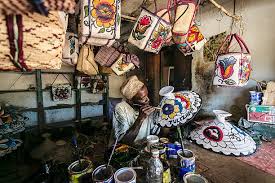
Visual and performing arts are also key components of life in Zanzibar. Stone Town and surrounding villages are home to artisans skilled in carving, weaving, pottery, and painting. International tourists can explore markets, galleries, and workshops to witness these crafts firsthand and even participate in art-making experiences.
Storytelling is another central tradition, often shared through songs, poems, and informal performances, passing knowledge, history, and moral lessons across generations. Experiencing this aspect of life in Zanzibar allows visitors to understand how artistic expression reinforces community values and cultural identity (https://www.worldbank.org).
The combination of craft, visual arts, and oral storytelling provides an immersive understanding of the island’s heritage, emphasizing creativity as a core part of daily life.
Cultural Centers and Learning Opportunities
Cultural centers and heritage tours offer structured opportunities for tourists to explore life in Zanzibar. International visitors can attend workshops, guided heritage walks, and cooking classes to learn about the island’s traditions, architecture, and social practices. These experiences enrich understanding of local life, emphasizing responsible and sustainable tourism practices that respect cultural integrity.
Tourists benefit from interactive sessions where they engage with local musicians, dancers, artisans, and community leaders, gaining hands-on exposure to the customs and traditions that define daily life in Zanzibar (https://www.unwto.org).
By combining cultural immersion with learning opportunities, visitors leave with a deeper appreciation of Zanzibar’s social and artistic heritage.
In summary, culture, music, and festivals are central to life in Zanzibar. International tourists can experience the island’s musical traditions, participate in vibrant festivals, and explore arts and storytelling. These cultural experiences provide meaningful insight into Zanzibari life, complementing beach, nature, and culinary adventures, and making the island a destination that blends tradition, creativity, and hospitality.
5: Practical Tips and Daily Life Insights for Tourists Experiencing Life in Zanzibar
Planning Your Trip to Zanzibar
Exploring life in Zanzibar successfully requires preparation. International tourists should plan their visit to include enough time to enjoy the beaches, cultural activities, and local experiences that define the island. Booking accommodations in advance, whether in Stone Town, coastal resorts, or boutique hotels, ensures a comfortable stay.
Travelers are advised to learn about local customs, dress codes, and social etiquette to respect community norms. Engaging with local guides enhances the understanding of life in Zanzibar by providing context for cultural practices, historical sites, and environmental conservation (https://www.tanzaniatourism.go.tz).
A well-planned itinerary allows tourists to enjoy both relaxation and exploration while connecting meaningfully with local communities and traditions.
Transportation and Accessibility
Getting around the island is an essential part of experiencing life in Zanzibar. Options include taxis, bicycles, scooters, and organized tours that cover key attractions such as beaches, spice farms, and heritage sites. International tourists should consider guided tours for safety, convenience, and informative experiences.
Public ferries and private boats also provide access to neighboring islands and coastal villages, offering insight into the maritime culture that shapes life in Zanzibar. Engaging with local transportation systems allows travelers to experience daily routines firsthand while supporting community livelihoods (https://www.unwto.org).
Being aware of transport options ensures tourists can explore the island efficiently while gaining authentic insights into local life.
Safety, Health, and Etiquette
Maintaining safety and health is crucial when exploring life in Zanzibar. Tourists should take standard precautions, such as drinking bottled water, using insect repellent, and protecting against sun exposure. Respectful interaction with locals is essential, including observing religious customs, photography etiquette, and appropriate behavior in public spaces.
Health and safety guidelines provided by local authorities, tour operators, and accommodation providers enhance the experience of life in Zanzibar while ensuring responsible tourism practices (https://www.worldbank.org).
By following these recommendations, visitors can enjoy a safe, comfortable, and culturally respectful journey that deepens their understanding of Zanzibari life.
Engaging with Daily Life and Local Experiences
To truly experience life in Zanzibar, international tourists should participate in activities that locals do daily. Visiting markets, shopping for spices, learning to cook traditional dishes, attending community events, and joining guided walks through historical neighborhoods offer immersive experiences.
Tourists can also engage in volunteer programs or eco-friendly initiatives that support local conservation and education efforts, connecting personal experiences with meaningful contributions to the island. These activities provide an authentic perspective on the routines, livelihoods, and cultural richness that characterize life in Zanzibar (https://www.tanzaniatourism.go.tz).
Participating in daily life helps travelers build a deeper connection with the community and fosters appreciation for the island’s heritage.
In conclusion, practical tips and daily life insights are essential for international tourists who want to experience life in Zanzibar fully. Proper planning, understanding transport options, observing safety and etiquette, and engaging with local activities all contribute to a rewarding and authentic visit. By immersing themselves in the island’s beaches, culture, cuisine, and daily routines, travelers gain a holistic understanding of Zanzibari life, creating lasting memories and meaningful experiences.
