

Discover Zanzibar Cuisine through authentic dishes, spices, and culinary traditions. Explore the rich flavors of Tanzania’s island culture and gastronomic heritage.
1: Introduction to Zanzibar Cuisine
https://nativesonexpeditions.com/zanzibar-holiday-safaris/
Zanzibar, the tropical archipelago off the coast of Tanzania, is world-renowned not only for its pristine beaches, rich history, and vibrant culture but also for its exceptional Zanzibar Cuisine, which reflects a unique blend of African, Arab, Indian, and European influences. The island’s culinary traditions are deeply tied to its historical role as a trading hub, particularly for spices, which have infused the local food culture with intense aromas, vibrant flavors, and distinct textures. For travelers and food enthusiasts, exploring Zanzibar Cuisine is an immersive journey into the heart of the island’s heritage, offering a gastronomic experience that is both authentic and unforgettable.
At the core of Zanzibar Cuisine is the intricate use of spices such as cloves, cinnamon, cardamom, nutmeg, and black pepper. Known as the “Spice Island,” Zanzibar’s markets overflow with fresh and dried spices that are incorporated into everyday dishes. From aromatic pilafs and rich curries to grilled seafood and sweet desserts, each meal is a harmonious blend of flavor and fragrance. Visitors can taste the history of the island in each bite, as recipes passed down through generations capture the diverse cultural interactions that have shaped Zanzibar over centuries. Whether sampling street food at Stone Town’s bustling markets or enjoying a refined meal at a seaside restaurant, the essence of Zanzibar Cuisine is omnipresent, creating a multisensory journey that resonates with both locals and tourists.
Seafood plays a central role in the culinary landscape of Zanzibar, thanks to its location along the Indian Ocean. Fresh fish, prawns, lobsters, octopus, and crab are staples, often prepared in coconut milk sauces, grilled over open flames, or curried with a medley of island spices. These dishes not only satisfy the palate but also provide insight into the resourcefulness and traditions of Zanzibari cooks, who have learned to balance flavors and textures to enhance natural ingredients. Travelers experiencing Zanzibar Cuisine gain an appreciation for the sustainable and traditional methods that maintain the freshness, nutritional value, and authenticity of every meal.
The culinary heritage of Zanzibar is also reflected in its street food culture. Markets, food stalls, and local eateries serve dishes such as urojo (a tangy soup with potatoes, chickpeas, and spices), Zanzibar pizza (a stuffed and fried flatbread), and Mishkaki (grilled skewers often served with tangy sauces). These vibrant foods are a testament to the island’s creativity and culinary fusion, providing travelers with opportunities to engage with local chefs, vendors, and communities. Exploring Zanzibar Cuisine in this context not only satisfies gastronomic curiosity but also fosters cultural understanding, as every bite tells a story of history, migration, and trade.
Traditional beverages also complement Zanzibar’s food culture, from the fragrant spiced chai (tea) to freshly squeezed tropical fruit juices and coconut water. The combination of meals and beverages demonstrates the island’s holistic approach to flavor, nutrition, and hospitality. Culinary tours and guided tasting experiences allow visitors to sample these delights while learning about preparation methods, spice selection, and the cultural significance behind each beverage. Through these experiences, Zanzibar Cuisine becomes more than food—it becomes an educational journey into the customs, artistry, and lifestyle of the island’s inhabitants.
Food in Zanzibar is inseparable from its social and ceremonial practices. Traditional dishes are often prepared for celebrations, weddings, festivals, and religious occasions, highlighting the connection between cuisine and community. Sharing meals, offering hospitality to guests, and preparing seasonal or ceremonial dishes are integral aspects of Zanzibari life, reflecting values of generosity, respect, and cultural continuity. Travelers who participate in cooking classes or cultural tours experience firsthand how Zanzibar Cuisine operates as a medium of storytelling, cultural preservation, and social cohesion.
For travelers seeking authoritative guidance on cultural and culinary tourism in Zanzibar, the Tanzanian Tourism Board provides resources on local experiences, food tours, and ethical culinary practices: https://www.tanzaniatourism.go.tz. Engaging with Zanzibar Cuisine through guided tours, local chefs, and community interactions ensures that visitors gain authentic insights, respect local traditions, and contribute positively to the local economy.
In conclusion, Zanzibar Cuisine represents the island’s rich tapestry of cultural influences, natural resources, and culinary creativity. Each dish, spice, and recipe tells a story of Zanzibar’s history, geography, and people, offering travelers an immersive sensory experience that goes beyond mere tasting. By exploring the depth and diversity of Zanzibar Cuisine, tourism companies can provide visitors with memorable, educational, and culturally enriching experiences that celebrate the island’s unique gastronomic heritage.
2: Signature Dishes and Flavors of Zanzibar Cuisine
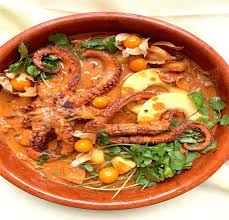
Zanzibar’s culinary landscape is a vivid mosaic of flavors, colors, and aromas, with Zanzibar Cuisine offering an unforgettable experience that reflects the island’s history, geography, and cultural diversity. Travelers visiting Zanzibar are immediately struck by the intricate layers of taste, where spices, fresh seafood, tropical fruits, and locally grown ingredients merge to create dishes that are as visually appealing as they are delicious. Exploring the signature dishes and flavors of Zanzibar Cuisine provides a journey not only into the heart of the island’s gastronomy but also into the traditions, techniques, and stories that define Zanzibari life.
One of the most iconic dishes in Zanzibar Cuisine is the seafood-based coconut curry, where freshly caught fish, prawns, or lobster are simmered in rich coconut milk infused with cloves, cardamom, cinnamon, and turmeric. The resulting dish is aromatic, creamy, and perfectly balanced, reflecting the islanders’ mastery of spice blending and culinary technique. This signature preparation is often served with rice, chapati, or cassava, allowing travelers to experience a harmonious fusion of flavors that is quintessentially Zanzibari. Culinary tours and guided cooking classes offer tourists the chance to learn how these dishes are prepared, including proper spice combinations, cooking times, and traditional serving methods, ensuring a hands-on appreciation of Zanzibar Cuisine.
Another highlight of Zanzibar Cuisine is the local street food culture, which offers accessible, flavorful, and authentic bites. Dishes such as urojo—a tangy, spiced soup made from potatoes, chickpeas, and tamarind—showcase the ingenuity of the island’s food traditions. Zanzibar pizza, a stuffed and fried flatbread filled with meats, vegetables, and sometimes egg or cheese, reflects the influence of Indian and Arabic culinary practices. Mishkaki, skewered and grilled meats served with a tangy chili sauce, demonstrate the islanders’ ability to combine simple ingredients into bold, memorable flavors. Sampling these dishes in bustling markets or along Stone Town’s streets allows travelers to engage directly with Zanzibar Cuisine, witnessing firsthand how culinary creativity thrives in everyday life.
Spices, of course, are the soul of Zanzibar’s gastronomy. The island’s moniker as the “Spice Island” is well-earned, with cloves, nutmeg, black pepper, cinnamon, and cardamom forming the backbone of most recipes. These spices are not only used for flavor but also for their aromatic and medicinal properties. Pilau, a spiced rice dish often served with meat or seafood, demonstrates the elegant balance of flavor and fragrance that defines Zanzibar Cuisine. Travelers visiting spice farms have the opportunity to see, touch, and taste these ingredients in their natural form, gaining a sensory understanding of how they are incorporated into traditional dishes.
Sweet treats are another essential aspect of Zanzibar Cuisine. The island’s desserts often feature coconut, bananas, dates, and sugar combined with aromatic spices. Popular options include mahamri—fried coconut bread often enjoyed with tea—and halua, a dense, spiced confection made from sugar, ghee, and nuts. These desserts are not only indulgent but also culturally significant, often served during festivals, celebrations, and family gatherings. Sampling these sweets allows travelers to experience the celebratory and communal aspects of Zanzibar’s culinary traditions, reinforcing the cultural depth behind every bite.
For beverages, traditional spiced chai, fresh coconut water, and tropical fruit juices are omnipresent, complementing meals and providing refreshment in Zanzibar’s warm climate. The combination of flavors and aromas in these drinks highlights the island’s holistic approach to gastronomy, where every meal is balanced and intentional. Tours and culinary workshops offer travelers the chance to learn preparation techniques, understand ingredient selection, and explore cultural contexts, turning each drink into a lesson in the richness of Zanzibar Cuisine.
Visitors seeking authentic experiences can explore Zanzibar’s food scene responsibly and ethically. Guided culinary tours, community-based cooking classes, and visits to local markets provide immersive, educational opportunities that support local vendors and artisans. The Tanzanian Tourism Board offers guidance for responsible culinary tourism, ensuring that visitors engage with Zanzibar Cuisine while respecting local traditions and promoting sustainable tourism practices: https://www.tanzaniatourism.go.tz. These experiences allow travelers to not only taste but also understand and appreciate the cultural and historical context of Zanzibar’s gastronomy.
In summary, the signature dishes and flavors of Zanzibar Cuisine offer travelers a sensory exploration of the island’s cultural identity, culinary expertise, and historical influences. From aromatic seafood curries and spiced rice dishes to indulgent desserts and tropical beverages, each meal tells a story of Zanzibar’s past, present, and enduring traditions. Experiencing these dishes through guided tours, cooking classes, and market explorations allows tourists to connect deeply with the island’s culinary heritage, making Zanzibar Cuisine a central and unforgettable aspect of any Tanzanian adventure.
3: Spices and Ingredients that Define Zanzibar Cuisine
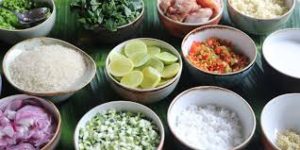
At the heart of Zanzibar Cuisine lies a remarkable array of spices and locally sourced ingredients that distinguish it from other East African culinary traditions. Zanzibar’s historical position as a key trading hub along the Indian Ocean brought a fusion of culinary influences from Arabia, India, and Europe, culminating in an island gastronomy that is aromatic, flavorful, and deeply rooted in cultural heritage. The spices cultivated on the archipelago not only enhance taste but also convey centuries of history, trade, and tradition. Exploring the spices and ingredients that define Zanzibar Cuisine provides travelers with a multi-sensory experience, connecting them to the land, its people, and their culinary artistry.
Zanzibar’s reputation as the “Spice Island” is no exaggeration. The island’s fertile soil and tropical climate provide ideal conditions for cultivating cloves, cinnamon, cardamom, nutmeg, and black pepper. Each spice carries its own story and contributes distinct flavors to local dishes. Cloves, for example, are perhaps the most emblematic spice, offering a warm, slightly sweet, and intensely aromatic note. They are integral to both savory dishes such as seafood curries and sweet preparations like spiced desserts, making them indispensable to Zanzibar Cuisine. Visitors can tour spice plantations to observe the cultivation, harvesting, and drying processes, gaining hands-on insight into how these spices are incorporated into local gastronomy.
Cinnamon and cardamom are equally vital in shaping the signature flavors of Zanzibar Cuisine. Cinnamon adds warmth and depth to stews, desserts, and rice dishes, while cardamom imparts a subtle floral and citrusy aroma, enhancing both sweet and savory preparations. The careful blending of these spices demonstrates the islanders’ mastery of flavor balance and their intuitive understanding of complementary aromas. Travelers experiencing cooking classes or spice tours can witness the precise measurement, layering, and roasting techniques that transform raw spices into the rich flavors characteristic of Zanzibar’s dishes.
Nutmeg, cloves, and black pepper further elevate the island’s culinary palette. Nutmeg, often used in desserts and chai, provides a distinctive sweetness with a hint of bitterness, while black pepper introduces heat and complexity to stews and grilled meats. The interplay of these spices exemplifies the complexity and sophistication inherent in Zanzibar Cuisine, showcasing an artistry that is both methodical and instinctive. For travelers, learning about the nuanced use of these spices reveals the cultural significance behind every dish, emphasizing that each recipe is a combination of taste, history, and identity.
Beyond spices, fresh and locally sourced ingredients are critical to the authenticity of Zanzibar’s food culture. Coconut, for instance, is ubiquitous, appearing in curries, stews, desserts, and beverages. Its creamy texture and subtle sweetness complement both seafood and plant-based dishes, balancing the intensity of the spices. Tropical fruits such as mangoes, pineapples, bananas, and papayas are enjoyed fresh or incorporated into sauces, chutneys, and desserts. Fresh seafood, including tuna, lobster, octopus, and prawns, forms the foundation of many traditional dishes, reflecting the island’s reliance on the ocean’s bounty. By sourcing ingredients locally, Zanzibari cooks maintain both flavor integrity and sustainable culinary practices, ensuring that Zanzibar Cuisine remains authentic and environmentally responsible.
Vegetables and legumes also play a crucial role in the island’s gastronomy. Ingredients such as cassava, yams, okra, spinach, and beans provide nutritional balance and textural contrast to richly spiced dishes. These staples are often prepared in stews, soups, and stir-fries, highlighting the islanders’ skill in harmonizing flavors while preserving the natural qualities of each ingredient. Travelers can participate in farm-to-table experiences, learning about ingredient selection, seasonal availability, and traditional preparation methods, which deepen their understanding of Zanzibar Cuisine beyond mere consumption.
The preparation and combination of spices and ingredients are also influenced by Zanzibar’s cultural practices. Meals are often slow-cooked or simmered to allow flavors to meld, reflecting the islanders’ appreciation for time, technique, and communal dining. Spice blending is highly intuitive, with cooks adjusting quantities based on taste, occasion, and ingredient quality. This approach ensures that every dish embodies the essence of Zanzibar Cuisine—a harmonious fusion of tradition, taste, and storytelling.
For travelers looking to explore Zanzibar’s culinary heritage responsibly, the Tanzanian Tourism Board offers insights into authentic food experiences, ethical cooking tours, and cultural engagement: https://www.tanzaniatourism.go.tz. Engaging in guided spice tours, cooking classes, and local market explorations allows visitors to connect with the origins, flavors, and cultural significance of Zanzibar Cuisine, transforming their culinary journey into an immersive and educational experience.
In conclusion, the spices and ingredients of Zanzibar are not merely components of meals—they are the very essence of Zanzibar Cuisine, carrying centuries of history, culture, and creativity in every dish. From aromatic cloves and cinnamon to fresh coconut, seafood, and tropical fruits, these elements work together to create a culinary identity that is uniquely Zanzibari. By understanding and appreciating these ingredients, travelers gain a deeper connection to the island, its people, and the rich gastronomic heritage that defines Zanzibar Cuisine as a must-experience destination for food enthusiasts around the world.
4: Culinary Experiences and Food Tours in Zanzibar

Exploring Zanzibar Cuisine is not just about tasting dishes; it is an immersive journey that engages all the senses, connecting travelers to the island’s culture, history, and traditions. Culinary experiences and guided food tours offer visitors the chance to go beyond standard dining, enabling them to interact with local chefs, market vendors, and spice farmers, while learning the stories behind every recipe. These experiences provide an authentic glimpse into the heart of Zanzibari life, highlighting the artistry, precision, and creativity that define Zanzibar Cuisine.
One of the most popular ways to experience Zanzibar’s culinary culture is through guided food tours in Stone Town, the historic heart of the island. Tourists can wander narrow alleyways, bustling markets, and street food stalls while sampling iconic dishes such as urojo, Zanzibar pizza, mishkaki, and seafood delicacies. Knowledgeable guides explain the origins of each dish, the combination of spices, and the cultural significance behind preparation methods. This approach transforms simple tasting into an educational and engaging encounter, allowing visitors to fully appreciate the depth and diversity of Zanzibar Cuisine.
Spice farm tours are another cornerstone of culinary tourism in Zanzibar. These tours provide an up-close look at the cultivation, harvesting, and processing of the island’s renowned spices, including cloves, cinnamon, cardamom, nutmeg, and black pepper. Travelers have the opportunity to smell, touch, and taste raw spices before learning how they are skillfully incorporated into traditional dishes. Interactive demonstrations often include cooking sessions where visitors can prepare a full meal under the guidance of expert local chefs, reinforcing a hands-on connection to Zanzibar Cuisine while supporting sustainable agricultural practices and community livelihoods.
Cooking classes are particularly appealing for travelers who wish to gain practical skills alongside cultural insights. From mastering spiced seafood curries to perfecting aromatic pilau or tropical fruit-based desserts, these classes allow participants to learn techniques, flavor combinations, and presentation methods directly from Zanzibari chefs. Beyond the culinary skills, travelers also gain an understanding of the cultural and historical context of each dish, transforming their cooking experience into an immersive lesson in Zanzibari life and the significance of Zanzibar Cuisine.
Market tours complement these culinary experiences by highlighting the importance of fresh ingredients in Zanzibari dishes. Guided visits to local markets, such as Darajani Market in Stone Town, offer insights into the sourcing of fish, produce, spices, and legumes. Travelers learn to identify the freshest ingredients, understand seasonal availability, and observe traditional food purchasing methods. These tours also provide opportunities to interact with local vendors, hear stories about recipes, and observe the role of food in daily life, deepening appreciation for Zanzibar Cuisine and its integration into the community.
For travelers seeking unique and high-end culinary experiences, fine dining restaurants and beachside eateries offer curated tasting menus featuring modern interpretations of traditional dishes. These venues often combine the best local ingredients with contemporary cooking techniques, presenting Zanzibar Cuisine in a visually stunning and gastronomically sophisticated format. From seafood platters infused with tropical spices to desserts featuring fresh coconut and island fruits, such experiences cater to both tourists’ palates and their desire for cultural immersion.
Sustainable and ethical tourism practices are essential components of culinary experiences in Zanzibar. Engaging with local communities, purchasing ingredients from small-scale farmers, and supporting traditional chefs ensures that travelers contribute positively to the island’s economy and cultural preservation. The Tanzanian Tourism Board provides guidance for responsible culinary tourism, helping visitors navigate food tours, cooking classes, and spice farm visits in a way that respects local traditions: https://www.tanzaniatourism.go.tz. By following these practices, travelers can fully enjoy Zanzibar Cuisine while promoting cultural sustainability.
In addition to traditional tours, Zanzibar has also embraced culinary festivals and events that celebrate the island’s gastronomy. Events such as the Zanzibar International Food Festival bring together chefs, farmers, and artisans to showcase the diversity of flavors and techniques found in Zanzibar Cuisine. These gatherings provide opportunities for tourists to taste rare ingredients, participate in cooking demonstrations, and engage directly with the culinary community, further enhancing their understanding and appreciation of the island’s food culture.
In conclusion, culinary experiences and food tours in Zanzibar provide travelers with much more than a meal—they offer an intimate connection with culture, history, and community. From guided market tours and spice farm visits to interactive cooking classes and fine dining experiences, visitors engage directly with the artistry and traditions that define Zanzibar Cuisine. These immersive experiences not only educate and delight the senses but also promote sustainable tourism, cultural preservation, and meaningful interactions with local communities, making the exploration of Zanzibar’s culinary heritage an essential part of any visit to the island.
5: The Future and Global Influence of Zanzibar Cuisine
As Zanzibar continues to attract travelers from across the globe, the island’s culinary heritage is evolving while maintaining its distinctive identity. Zanzibar Cuisine is increasingly recognized not only as a reflection of local traditions but also as a symbol of cultural pride, tourism appeal, and international culinary influence. Its global popularity is fueled by the rise of culinary tourism, media exposure, and international collaborations that showcase the island’s unique flavors, ingredients, and traditional cooking techniques. Understanding the future and influence of Zanzibar Cuisine allows travelers, chefs, and food enthusiasts to appreciate its enduring relevance in both local and international gastronomy.
One of the key factors shaping the future of Zanzibar Cuisine is its integration into culinary tourism experiences. Tourists increasingly seek authentic interactions with local culture, from hands-on cooking classes to guided market visits and spice farm tours. These experiences are designed to immerse visitors in the process of food preparation, from selecting fresh ingredients to mastering spice blends and traditional cooking techniques. By engaging with local chefs and artisans, travelers gain insight into the cultural, historical, and social significance of each dish. This hands-on approach not only preserves the authenticity of Zanzibar Cuisine but also strengthens the economic sustainability of local communities that rely on tourism for livelihood.
Global recognition of Zanzibar’s culinary heritage has also been amplified through international media and food festivals. Chefs and food bloggers worldwide have showcased the island’s spices, seafood, and tropical ingredients in cooking demonstrations, documentaries, and culinary competitions. These platforms highlight the unique characteristics of Zanzibar Cuisine, introducing international audiences to its aromatic curries, rich pilafs, and exotic desserts. The global spotlight encourages cross-cultural culinary collaborations, enabling local chefs to experiment with contemporary techniques while staying true to traditional flavors, thereby ensuring the continued relevance of Zanzibar’s gastronomy on the world stage.
Modern interpretations and fusion cuisine are further influencing the trajectory of Zanzibar’s culinary identity. Creative chefs are combining traditional recipes with global techniques to appeal to a wider audience without compromising authenticity. Examples include seafood dishes infused with international flavor profiles, tropical fruit desserts reimagined with modern plating, and spiced rice dishes presented in innovative formats. These adaptations demonstrate the versatility of Zanzibar Cuisine, showing how it can remain culturally rooted while evolving in response to global trends. Travelers who explore these contemporary expressions gain a deeper appreciation for the dynamic nature of the island’s culinary landscape.
Sustainability and ethical sourcing are also central to the future of Zanzibar Cuisine. As global awareness of environmental and social responsibility increases, local chefs, tourism operators, and farmers are emphasizing organic farming, sustainable fishing, and fair-trade practices. Engaging tourists in responsible culinary experiences ensures that Zanzibar’s food culture is preserved for future generations while supporting the livelihoods of those who maintain it. Guided culinary tours, spice farm visits, and community-based cooking workshops offer travelers opportunities to participate in sustainable practices, making their experience with Zanzibar Cuisine both meaningful and responsible.
Education plays a pivotal role in sustaining Zanzibar’s culinary heritage. Initiatives that train young chefs in traditional cooking techniques, spice knowledge, and sustainable practices ensure that future generations can carry forward the island’s gastronomic legacy. Culinary schools, apprenticeships, and cultural programs encourage innovation while respecting the cultural and historical foundations of Zanzibar Cuisine. Visitors who engage with these educational programs gain insight into the meticulous care and expertise involved in preparing authentic dishes, enhancing their understanding of the island’s culinary culture.
Furthermore, digital platforms and e-commerce are expanding the global reach of Zanzibar’s cuisine. Artisans, spice farmers, and chefs can now showcase their products, recipes, and culinary skills to an international audience through social media, online marketplaces, and virtual cooking classes. This digital exposure not only promotes the island’s gastronomy but also connects travelers and food enthusiasts to authentic Zanzibar experiences, even before they set foot on the island. For tourists, participating in these online initiatives or planning in-person culinary tours ensures that their exploration of Zanzibar Cuisine is informed, respectful, and culturally enriching.
Finally, cultural preservation and tourism synergy are shaping the long-term impact of Zanzibar’s gastronomy. By integrating food experiences with cultural storytelling, traditional music, and historical tours, tourism operators create holistic experiences that celebrate the island’s heritage. Travelers not only taste the flavors of Zanzibar but also understand the historical, social, and economic contexts that have shaped its cuisine. This comprehensive approach strengthens the global influence of Zanzibar Cuisine, ensuring that it remains both relevant and revered as a cultural ambassador of Tanzania.
In conclusion, the future and global influence of Zanzibar Cuisine lie in its ability to balance tradition with innovation, sustainability with accessibility, and local authenticity with international appeal. By participating in immersive culinary experiences, supporting ethical practices, and engaging with the evolving food scene, travelers contribute to the preservation and celebration of this vibrant gastronomy. As Zanzibar continues to attract global attention, its cuisine remains a powerful symbol of cultural identity, tourism potential, and international culinary influence, offering every visitor an unforgettable journey into the island’s rich flavors and heritage.
For travelers and culinary enthusiasts seeking authoritative guidance on authentic Zanzibar food experiences, the Tanzanian Tourism Board provides detailed information and responsible tourism tips: https://www.tanzaniatourism.go.tz. Engaging with Zanzibar Cuisine through informed, ethical, and immersive experiences ensures that visitors enjoy both unforgettable flavors and meaningful cultural connections.
