
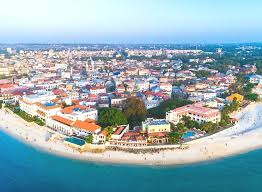
Discover the Best things to do in Zanzibar for first time visitors, including culture, beaches, history, food, and unforgettable island experiences.
1: Introduction to Zanzibar and Why It Is Perfect for First-Time Visitors
https://nativesonexpeditions.com/zanzibar-holiday-safaris/
Zanzibar is one of Africa’s most captivating island destinations, offering a rare blend of tropical beauty, rich history, and vibrant cultural heritage. Located off the coast of Tanzania in the Indian Ocean, the Zanzibar Archipelago has long been a crossroads of civilizations, shaped by African, Arab, Persian, Indian, and European influences. For travelers visiting Africa for the first time or those seeking a balanced mix of relaxation and exploration, Zanzibar provides an ideal entry point. Its welcoming atmosphere, well-developed tourism infrastructure, and diverse attractions make it especially appealing to international travelers discovering the region for the first time.
The islands of Unguja (commonly referred to as Zanzibar Island) and Pemba are known for their pristine white-sand beaches, turquoise waters, and historic towns that tell stories of centuries of trade and cultural exchange. Unlike destinations that focus solely on beaches or wildlife, Zanzibar offers a multidimensional travel experience. Visitors can spend the morning exploring ancient alleyways, the afternoon swimming in coral-rich waters, and the evening enjoying Swahili cuisine infused with spices grown on the islands. This variety is one of the main reasons Zanzibar consistently ranks among the top island destinations globally.
For first-time visitors, Zanzibar feels both exotic and accessible. English is widely spoken, hospitality is deeply ingrained in local culture, and tourism services cater to a wide range of travel styles, from luxury seekers to mid-range and adventure travelers. International flights connect Zanzibar to major hubs, and ferry links from mainland Tanzania make it easy to combine the island with a safari or Mount Kilimanjaro itinerary. This accessibility reduces travel anxiety for newcomers while still delivering a sense of discovery and cultural immersion.
Zanzibar’s historical significance adds depth to every visit. Stone Town, the historic heart of Zanzibar City, is a UNESCO World Heritage Site recognized for its unique blend of architectural styles and cultural traditions. Wandering through its narrow streets reveals carved wooden doors, bustling markets, and historic buildings that reflect centuries of global interaction. The island’s past as a center of spice trade and its complex history related to the Indian Ocean slave trade provide important context for understanding East Africa’s role in global history. UNESCO highlights Stone Town as a place of outstanding universal value due to its cultural fusion and historical importance (https://www.unesco.org).
Nature lovers also find Zanzibar deeply rewarding. Coral reefs surrounding the islands support vibrant marine life, making snorkeling and diving popular activities even for beginners. Inland, forests such as Jozani Chwaka Bay National Park protect rare species like the Zanzibar red colobus monkey. These natural attractions complement the island’s cultural offerings, creating a well-rounded destination that appeals to travelers seeking both relaxation and learning. For first-time visitors, this balance ensures that no single interest dominates the itinerary, keeping the experience fresh and engaging throughout the stay.
Another key reason Zanzibar is ideal for newcomers is its relaxed pace of life. Compared to large urban destinations, Zanzibar moves at a rhythm that encourages visitors to slow down and savor moments. Whether enjoying a sunset on the beach, sharing a meal with locals, or taking a leisurely boat ride, travelers are invited to disconnect from fast-paced routines. This atmosphere supports the growing global trend toward slow travel, which emphasizes meaningful engagement over rushed sightseeing. Travel authorities such as Lonely Planet consistently describe Zanzibar as a destination where time feels expansive and experiences unfold naturally (https://www.lonelyplanet.com).
Culinary experiences further enhance Zanzibar’s appeal. The island’s food reflects its multicultural heritage, blending African staples with Arab, Indian, and Persian influences. Dishes featuring coconut, seafood, rice, and aromatic spices are central to local cuisine. For first-time visitors, food becomes an accessible way to connect with culture, especially through experiences like night food markets or spice farm visits. These encounters provide insight into daily life while offering flavors that are both distinctive and approachable for international palates.
Safety and comfort are also important considerations for travelers new to a destination. Zanzibar is generally regarded as safe for tourists, with a strong culture of hospitality and respect for guests. As with any international travel, basic awareness and respect for local customs are recommended, but visitors often remark on the warmth and friendliness they encounter. This sense of ease allows first-time visitors to explore confidently, whether navigating local markets or joining guided excursions.
Cultural etiquette in Zanzibar reflects its predominantly Muslim population and Swahili traditions. Understanding simple customs, such as dressing modestly in towns and greeting people politely, enhances interactions and demonstrates respect. For first-time visitors, learning these norms is part of the enriching process of cultural exchange. Many tour operators and cultural guides help bridge cultural differences by providing context and guidance, ensuring visitors feel informed rather than overwhelmed.
Zanzibar’s tourism ecosystem is well established, offering a wide range of accommodation options, guided tours, and transportation services. From beachfront resorts to boutique hotels in historic buildings, travelers can choose experiences that match their preferences and budgets. This flexibility is particularly valuable for first-time visitors who may be unfamiliar with regional travel logistics. International tourism organizations such as the World Travel & Tourism Council recognize Zanzibar and Tanzania as destinations where tourism plays a key role in economic development and cultural preservation (https://wttc.org).
Digital connectivity has further improved the visitor experience. Reliable mobile networks and internet access make it easier for travelers to navigate, communicate, and share experiences in real time. This connectivity offers reassurance to first-time visitors while also supporting local businesses that market their services online. At the same time, many travelers find it easy to unplug when desired, especially in beach and nature settings where digital distractions fade into the background.
From a destination marketing perspective, Zanzibar stands out because it offers clarity and diversity in equal measure. Visitors immediately understand its core appeal—sun, sea, culture—but quickly discover layers of history, nature, and community beneath the surface. This makes it an excellent destination for travelers who want a comprehensive introduction to East Africa without committing to a highly specialized itinerary. For this reason, travel experts often recommend Zanzibar when discussing the Best things to do in Zanzibar for first time visitors, as the island naturally delivers a wide range of experiences in a compact and accessible setting.
Another advantage for newcomers is the opportunity to combine Zanzibar with other iconic Tanzanian destinations. Many first-time visitors choose to pair a safari in the Serengeti or Ngorongoro Crater with time in Zanzibar, creating a balanced itinerary that includes wildlife, culture, and relaxation. This combination enhances overall travel value and allows visitors to experience different facets of the country within a single trip. Zanzibar’s role as a coastal complement to mainland adventures strengthens its appeal in international travel planning.
Cultural diversity within Zanzibar itself also enriches the visitor experience. While Swahili culture provides a unifying identity, regional variations in traditions, dialects, and lifestyles add nuance. Exploring fishing villages, rural communities, and urban centers reveals how culture adapts across environments. For first-time visitors, these contrasts offer insight into the complexity of island life beyond resort settings, encouraging respectful curiosity and deeper engagement.
Ultimately, Zanzibar’s greatest strength lies in its ability to welcome newcomers while offering depth for those who seek it. The island does not demand prior knowledge or specialized interests, yet it rewards curiosity and openness with meaningful encounters. This balance makes it an ideal destination for travelers at the beginning of their African travel journey. When considering the Best things to do in Zanzibar for first time visitors, it becomes clear that the island itself sets the stage—inviting exploration, learning, and relaxation in equal measure.
In conclusion, Zanzibar offers first-time visitors a rare combination of beauty, history, culture, and comfort. Its accessible nature, diverse attractions, and strong tourism infrastructure create an environment where international travelers can explore confidently while still feeling a sense of wonder. As the following sections will explore in greater detail, the island’s experiences range from iconic landmarks to immersive cultural encounters. Together, these elements define why Zanzibar continues to be celebrated globally as a destination that exceeds expectations and delivers unforgettable first impressions for newcomers discovering the Best things to do in Zanzibar for first time visitors.
2: Must-See Attractions and Iconic Places for First-Time Visitors in Zanzibar
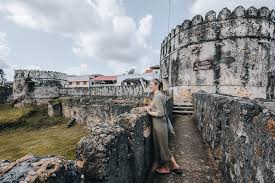
For travelers arriving in Zanzibar for the first time, deciding where to begin can feel overwhelming due to the island’s wide range of attractions. Zanzibar offers far more than beautiful beaches; it is a destination layered with history, architecture, marine ecosystems, and cultural landmarks that together create a rich and immersive experience. Understanding the island’s most iconic places helps first-time visitors plan an itinerary that balances exploration with relaxation while capturing the essence of Zanzibar’s identity.
Stone Town stands at the heart of Zanzibar’s cultural and historical narrative. As the old quarter of Zanzibar City, it is a living museum where centuries of global interaction are preserved in narrow alleyways, coral stone buildings, and intricately carved wooden doors. Walking through Stone Town is not simply sightseeing; it is an encounter with Swahili civilization shaped by African, Arab, Persian, and European influences. Key landmarks such as the Old Fort, the House of Wonders, and the former Sultan’s Palace offer insight into the island’s political and cultural evolution. UNESCO recognizes Stone Town as a World Heritage Site due to its outstanding cultural fusion and historical significance (https://www.unesco.org).
Another essential attraction for first-time visitors is the spice farms scattered across the island’s interior. Zanzibar’s historical role as a major spice trading hub earned it the nickname “Spice Island,” and this legacy remains central to its identity today. Guided spice tours introduce visitors to cloves, nutmeg, cinnamon, vanilla, and tropical fruits while explaining how spices shaped Zanzibar’s economy and global connections. These tours are sensory experiences that combine education, culture, and interaction with local farmers, making them particularly appealing to travelers seeking context and authenticity.
Zanzibar’s beaches are among the most photographed in the Indian Ocean, yet each coastal area offers a distinct atmosphere. Nungwi and Kendwa in the north are known for their wide beaches, calm tides, and vibrant social scene, making them popular with travelers who enjoy a lively environment. In contrast, the eastern coast, including areas such as Paje and Jambiani, offers a quieter, more traditional feel where fishing villages coexist with boutique lodges. For first-time visitors, experiencing at least two different coastal regions reveals the island’s diversity and helps avoid the misconception that Zanzibar is a single-note beach destination.
Marine attractions play a major role in Zanzibar’s tourism appeal. The coral reefs surrounding the island support colorful fish, sea turtles, and other marine life, making snorkeling and diving accessible even to beginners. Mnemba Atoll, a protected marine area off the northeast coast, is especially renowned for its clear waters and biodiversity. Boat excursions and guided snorkeling trips allow visitors to explore underwater ecosystems while learning about marine conservation efforts. Responsible tourism operators emphasize reef protection and sustainable practices, aligning with global marine conservation principles promoted by organizations such as National Geographic (https://www.nationalgeographic.com).
Jozani Chwaka Bay National Park is another must-see attraction for first-time visitors interested in nature and wildlife. The park is home to the rare Zanzibar red colobus monkey, a species found nowhere else in the world. Guided walks through the forest introduce visitors to mangroves, medicinal plants, and unique birdlife while explaining the importance of conservation on a densely populated island. Visiting Jozani provides balance to beach-focused itineraries and highlights Zanzibar’s ecological significance beyond its coastline.
Historical sites related to Zanzibar’s complex past also deserve attention. The former slave market site in Stone Town, now home to the Anglican Cathedral of Christ Church, offers an important opportunity for reflection and learning. Exhibits and memorials provide context about the East African slave trade and its impact on the region. For first-time visitors, engaging with this history deepens understanding of Zanzibar’s cultural resilience and the global forces that shaped it. Such sites emphasize that travel can be both enjoyable and educational, fostering responsible and informed tourism.
Local markets offer another window into daily life and culture. Darajani Market, located in Stone Town, is a bustling center where locals buy fresh produce, spices, seafood, and household goods. Navigating the market introduces visitors to the rhythms of everyday life and offers opportunities for cultural interaction. While markets can feel intense for newcomers, guided visits help first-time visitors engage confidently and respectfully, turning potential confusion into meaningful discovery.
Zanzibar’s coastal villages and small towns also serve as attractions in their own right. Visiting fishing villages reveals traditional dhow-building techniques, seaweed farming practices, and community life shaped by tides and seasons. These experiences are especially valuable for travelers seeking insight beyond resort environments. By spending time in local communities, visitors begin to understand how tourism, tradition, and modernization coexist on the island, adding depth to the travel experience.
Island-hopping excursions further expand what first-time visitors can see and do. Trips to nearby islands and sandbanks offer secluded swimming spots, picnic experiences, and opportunities to learn about marine ecosystems. Prison Island, also known as Changuu Island, is one of the most popular excursions due to its giant tortoises and historical ruins. While often associated with leisure, these excursions also provide historical context and environmental awareness when guided responsibly.
Cultural landmarks connected to Zanzibar’s artistic and musical heritage also attract visitors. The island has played a significant role in the development of Swahili music, particularly taarab, which blends African rhythms with Arab and Indian influences. Cultural centers and performance venues in Stone Town showcase this heritage, allowing first-time visitors to experience living traditions rather than static displays. Exposure to music and art enhances cultural understanding and complements visits to historical sites.
From a planning perspective, these attractions collectively illustrate why Zanzibar is so highly recommended for newcomers. The island offers a compact yet diverse set of experiences that can be explored without extensive travel time. This convenience allows first-time visitors to enjoy variety without feeling rushed, an important factor in overall satisfaction. Travel authorities such as Lonely Planet frequently emphasize Zanzibar’s ability to deliver cultural depth and natural beauty within a manageable itinerary (https://www.lonelyplanet.com).
For international tourists researching the Best things to do in Zanzibar for first time visitors, understanding the significance of these iconic places helps set realistic expectations and priorities. Rather than trying to see everything, visitors benefit from selecting a mix of historical, natural, and cultural attractions that reflect their interests while still capturing the island’s essence. This approach leads to more meaningful experiences and reduces travel fatigue.
Zanzibar’s must-see attractions also play a strategic role in sustainable tourism development. By dispersing visitors across different regions and types of sites, tourism pressure on any single location is reduced. Encouraging exploration beyond a single beach or landmark supports local economies and promotes balanced growth. For first-time visitors, this means a richer experience that contributes positively to the destination.
In summary, Zanzibar’s iconic attractions form the foundation of an unforgettable first visit. From the historic streets of Stone Town and aromatic spice farms to coral reefs, forests, and village life, each place contributes a unique chapter to the island’s story. Experiencing this diversity helps visitors appreciate Zanzibar as more than a tropical escape; it is a destination defined by history, culture, and natural beauty working in harmony.
As travelers continue exploring the Best things to do in Zanzibar for first time visitors, these must-see places serve as essential reference points that shape understanding and appreciation of the island. Together, they create a cohesive journey that introduces newcomers to Zanzibar’s past, present, and living culture, setting the stage for deeper engagement in the sections that follow.
3: Zanzibar’s Beaches, Marine Adventures, and Water Experiences
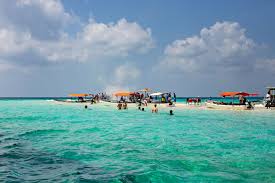
Zanzibar’s reputation as a tropical paradise is well-earned, largely due to its pristine beaches and vibrant marine ecosystems. For first-time visitors, the island’s coastlines are more than just a scenic backdrop—they are active spaces for relaxation, recreation, and cultural immersion. The island’s beaches vary from bustling tourist hubs to secluded stretches of sand, offering options for every preference and creating a foundation for memorable experiences. Understanding the diversity of Zanzibar’s coastal offerings is essential for maximizing a first-time visit.
Nungwi and Kendwa beaches, located in the northern region of Zanzibar, are among the most popular destinations for international travelers. Known for their powdery white sand, crystal-clear waters, and dramatic sunsets, these beaches provide ideal settings for swimming, sunbathing, and casual water sports. The northern coast also has vibrant nightlife, beach bars, and restaurants, making it suitable for visitors who enjoy social interaction alongside natural beauty. First-time travelers often find that spending time in both Nungwi and Kendwa offers a balance between relaxation and energetic seaside activity, which is why these beaches frequently appear in lists of the Best things to do in Zanzibar for first time visitors.
The eastern coastline, featuring Paje and Jambiani, offers a contrasting experience. These beaches are known for their calm, shallow waters and strong winds, which make them prime locations for kitesurfing and windsurfing. Small fishing villages dot the shoreline, allowing tourists to witness traditional livelihoods and interact with local communities. The slower pace of life on the eastern coast appeals to travelers seeking authentic cultural engagement alongside beach activities. Many first-time visitors find this area perfect for combining water sports with learning about Swahili coastal life, highlighting the holistic experience that Zanzibar provides.
Marine adventures are central to Zanzibar’s appeal and are accessible even to newcomers. Snorkeling and diving opportunities abound, with coral reefs surrounding the islands hosting colorful fish, sea turtles, and other marine life. Mnemba Atoll, an offshore coral reef, is particularly famous for its biodiversity and clear visibility. Guided snorkeling trips allow first-time visitors to observe marine life responsibly while learning about reef conservation. Organizations like National Geographic emphasize the importance of preserving these ecosystems, encouraging tourists to engage ethically with marine environments (https://www.nationalgeographic.com).
Scuba diving in Zanzibar is equally rewarding for beginners and experienced divers. Dive schools around the island provide instruction and excursions to sites such as Leven Bank, Chumbe Island, and Tumbatu Island, where underwater landscapes include coral gardens, caves, and shipwrecks. Experienced dive instructors focus on both safety and ecological education, ensuring that visitors not only enjoy the activity but also develop appreciation for marine conservation. For international tourists, combining adventure with environmental awareness reinforces the transformative quality of travel.
Traditional dhow sailing offers another unique way to experience Zanzibar’s waters. These wooden sailing boats, a hallmark of Swahili maritime heritage, are used for sunset cruises, fishing trips, and island hopping. Sailing on a dhow provides first-time visitors with both relaxation and cultural context, as guides often share historical insights about the vessels, trade, and coastal communities. Dhow excursions are highly recommended for those seeking scenic views, peaceful experiences, and a deeper connection to the island’s heritage.
For those interested in wildlife encounters in marine settings, dolphin tours along the Kizimkazi coast are a popular choice. Visitors can swim near these intelligent creatures under the supervision of trained guides who prioritize animal safety. Kizimkazi also hosts a historic mosque and small village, allowing tourists to combine wildlife experiences with cultural exploration. Responsible tour operators emphasize ethical engagement to ensure dolphins are not disturbed, aligning with global marine conservation practices and enhancing visitor satisfaction.
Zanzibar’s beaches are also settings for cultural festivals and community events. Local celebrations such as the Mwaka Kogwa festival, though primarily inland, often involve coastal activities, music, and communal gatherings that attract both residents and visitors. Experiencing a festival on the beach gives first-time tourists insight into Swahili culture while enjoying the natural environment. These events provide opportunities for photography, storytelling, and immersive learning, further justifying Zanzibar’s placement on lists of top destinations.
Kayaking, paddleboarding, and other small watercraft activities have grown in popularity in recent years. These activities offer gentle exercise, scenic exploration, and eco-friendly engagement with coastal areas. Beginners can rent equipment along main beaches and receive guidance from trained instructors. The combination of physical activity, sightseeing, and nature appreciation makes such experiences highly suitable for first-time visitors, especially those seeking a blend of relaxation and gentle adventure.
Island-hopping excursions to nearby islets are among Zanzibar’s most memorable offerings. Prison Island (Changuu Island) is notable for its giant Aldabra tortoises and historical ruins, providing opportunities to combine wildlife observation, history, and beach leisure in a single visit. Other smaller islands like Chumbe and Mnemba offer snorkeling, bird watching, and private beach experiences, allowing travelers to escape crowds and enjoy intimate natural settings. Tour operators emphasize conservation awareness and local community involvement in these excursions, enhancing the ethical and educational aspects of the experience.
For those seeking luxury or personalized experiences, Zanzibar’s resorts and lodges often provide tailored packages that combine beachfront relaxation with guided marine activities. First-time visitors can choose options such as private snorkeling tours, sunset dhow cruises, or underwater photography sessions, creating memorable moments without the need for prior knowledge of local logistics. This accessibility ensures that the island’s water-based attractions are approachable for all skill levels and ages, enhancing overall satisfaction.
Food and culinary experiences are often integrated with beach and marine activities. Fresh seafood, prepared according to Swahili traditions, is commonly served during boat excursions or at beachside restaurants. Trying dishes such as grilled lobster, octopus, or coconut-based curries connects travelers with local culinary heritage while complementing the sensory experience of the ocean and coastline. Culinary enjoyment in natural settings further reinforces the holistic appeal of Zanzibar for first-time visitors.
Safety considerations are paramount, especially for travelers engaging in water-based activities for the first time. Reputable operators provide clear safety instructions, life jackets, and trained guides to ensure responsible enjoyment. In addition, awareness of tides, currents, and weather conditions is emphasized, helping visitors navigate experiences confidently. This combination of adventure, security, and environmental respect makes Zanzibar’s beaches and marine activities highly recommended for newcomers.
Finally, Zanzibar’s coastal experiences contribute to sustainable tourism practices. By diversifying activities across beaches, reefs, and islets, tourism pressure is spread, reducing environmental impact and supporting local economies. Community involvement in water excursions, dhow sailing, and island management ensures that benefits are shared, reinforcing ethical tourism principles. For international travelers seeking meaningful and enjoyable engagement, these aspects make water-based activities a cornerstone of the Best things to do in Zanzibar for first time visitors.
In summary, Zanzibar’s beaches, marine adventures, and coastal activities offer an unrivaled combination of relaxation, excitement, and cultural immersion. From tranquil eastern shores to lively northern beaches, from snorkeling on coral reefs to sailing traditional dhows, the island’s waters provide endless opportunities for first-time visitors to engage deeply with nature and culture. By thoughtfully choosing experiences and partnering with responsible operators, international travelers can enjoy the beauty of Zanzibar while contributing positively to local communities and ecosystems. These immersive coastal experiences form a critical chapter in understanding why Zanzibar remains a premier destination for newcomers seeking the Best things to do in Zanzibar for first time visitors.
4: Cultural Experiences, Local Villages, and Immersive Learning for First-Time Visitors in Zanzibar

While Zanzibar is globally renowned for its beaches and marine adventures, its cultural richness and local experiences are equally compelling, especially for first-time visitors. The island’s history as a trading hub, combined with its Swahili, Arab, Indian, and European influences, has created a vibrant cultural tapestry that can be explored in towns, villages, markets, and through hands-on activities. Immersing oneself in these cultural offerings allows international tourists not only to witness Zanzibar’s beauty but also to understand its people, traditions, and way of life. Recognizing and prioritizing these experiences ensures a meaningful, well-rounded visit.
Stone Town serves as the gateway to Zanzibar’s cultural immersion. Its labyrinthine streets, bustling bazaars, and historic architecture offer endless opportunities for discovery. Guided walking tours introduce visitors to important landmarks, including the Old Fort, House of Wonders, and various mosques and colonial-era buildings. Each corner tells a story, from the era of the sultans to the spice trade, and from slavery to independence. UNESCO’s recognition of Stone Town as a World Heritage Site underscores its importance and provides international travelers with confidence that their explorations are not only enjoyable but historically significant (https://www.unesco.org). First-time visitors often find that allocating multiple hours, or even a full day, allows them to fully appreciate the layered cultural and historical narratives present in the town.
Spice farms and agricultural tours offer one of Zanzibar’s most interactive cultural experiences. Visiting farms in the interior provides an opportunity to see, touch, and taste spices such as cloves, cinnamon, cardamom, nutmeg, and vanilla. Knowledgeable guides explain how these spices shaped the island’s economy and influenced global trade routes, while also demonstrating traditional methods of cultivation and harvesting. For first-time visitors, these tours serve as both sensory delight and educational immersion, revealing the everyday realities of local agriculture while providing a deeper connection to Zanzibar’s identity as the “Spice Island.” Many farms also integrate cooking demonstrations, allowing visitors to prepare and sample dishes using fresh spices, reinforcing hands-on engagement and cultural understanding.
Local villages, scattered across both coastal and inland areas, provide intimate windows into Zanzibar’s daily life. First-time travelers often benefit from visiting fishing villages, artisan communities, or agricultural settlements, where they can observe traditional livelihoods, crafts, and community rituals. Activities may include boat-making demonstrations, weaving, pottery, or communal fishing techniques. Guides and local hosts often welcome tourists in ways that respect cultural norms while fostering meaningful interactions. For visitors, these experiences turn sightseeing into participatory learning, creating memories that go beyond typical tourist encounters. Zanzibar Tourism Authority highlights such community-based experiences as essential components of responsible tourism, promoting both cultural preservation and economic sustainability (https://www.zanzibartourism.net).
Culinary culture in Zanzibar is deeply tied to its history and spice trade. First-time visitors often find that local cooking classes, market tours, and street food tastings provide rich opportunities to engage with the culture. Swahili dishes such as pilau, biryani, urojo, seafood curries, and street snacks showcase how diverse influences have blended over centuries. Participating in the preparation of these dishes, under the guidance of local chefs or home cooks, enables travelers to gain a tangible sense of daily life, flavor traditions, and social etiquette. Culinary immersion is not only enjoyable but also educational, connecting visitors directly to the island’s identity.
Music and performance are additional pathways to cultural immersion. Zanzibar is the birthplace of taarab music, which fuses African rhythms with Arab and Indian melodies, creating a distinctive soundscape that reflects the island’s multicultural heritage. Visitors can attend live performances at cultural centers, boutique hotels, or community festivals. These performances are often interactive, allowing tourists to experience the music’s rhythm, instruments, and storytelling elements firsthand. For first-time visitors, engaging with local music and dance provides a multisensory understanding of Zanzibar’s artistic traditions, complementing historical and culinary experiences.
Historical narratives around slavery and liberation are essential aspects of cultural understanding. Sites such as the Anglican Cathedral of Christ Church, located on the former slave market grounds, offer sobering yet enlightening insight into Zanzibar’s past. Exhibits, memorials, and guided explanations help visitors contextualize the impact of the Indian Ocean slave trade, the resistance movements, and subsequent social transformations. First-time tourists gain not only historical knowledge but also a sense of empathy and awareness that enriches their overall experience. Such educational encounters transform travel from passive sightseeing to engaged cultural exploration, which is why many guides and experts highlight them among the Best things to do in Zanzibar for first time visitors.
Artisan markets, galleries, and craft workshops present additional avenues for cultural engagement. Visitors can observe or participate in traditional crafts such as wood carving, basket weaving, embroidery, and jewelry making. Supporting local artisans ensures that tourism directly benefits communities while allowing travelers to take home meaningful souvenirs that represent genuine Zanzibar craftsmanship. These experiences also encourage conversations between visitors and makers, fostering mutual understanding and cultural exchange, which aligns with the principles of responsible tourism promoted by organizations like Lonely Planet (https://www.lonelyplanet.com).
Religious and spiritual experiences also form part of Zanzibar’s cultural tapestry. While most of the population is Muslim, the island is home to diverse faith communities that coexist peacefully. Observing festivals, prayer rituals, or religious ceremonies (with appropriate permission and respect) provides insight into the spiritual life of locals. Participating respectfully in such experiences enhances understanding of Zanzibar’s social dynamics and traditions, enriching the perspective of first-time visitors beyond mere sightseeing.
For those interested in environmental and cultural intersections, community-led eco-tourism initiatives offer immersive experiences. For example, mangrove restoration projects, coral reef conservation programs, and organic farming initiatives often invite tourists to participate in volunteer or observational activities. First-time visitors gain awareness of the challenges and solutions faced by local communities while contributing positively to sustainability efforts. This approach integrates cultural, historical, and ecological learning, creating a layered, meaningful experience that goes beyond conventional tourism.
Language and communication are subtle yet important aspects of cultural immersion. Learning basic Swahili phrases, greetings, and expressions enhances engagement with locals, making interactions more authentic and respectful. Guides often incorporate language lessons into village visits or culinary experiences, helping visitors bridge cultural gaps. For international tourists, even small gestures such as using local greetings can transform encounters from transactional to relational, deepening understanding and appreciation.
Traditional Swahili architecture is also a significant cultural experience. From coral stone houses with elaborately carved doors to community meeting halls and mosques, architecture conveys social, historical, and artistic values. Walking tours that highlight these structures allow visitors to appreciate craftsmanship, symbolic motifs, and adaptive design suited to the island’s climate. First-time travelers gain insight into how daily life, religion, and community structures are reflected in built environments, offering a tangible link between culture and place.
Participatory experiences such as dhow sailing with local fishermen, traditional fishing excursions, or spice harvesting workshops transform passive tourism into active engagement. These activities not only educate visitors about Zanzibar’s heritage but also foster meaningful connections with local people. By participating in everyday practices, travelers develop respect, understanding, and a sense of responsibility toward preserving cultural traditions. For newcomers, such hands-on experiences often become the most memorable aspects of their trip.
In summary, Zanzibar’s cultural offerings provide a multi-layered, immersive, and meaningful experience for first-time visitors. From historic Stone Town and spice farm explorations to village visits, music, culinary experiences, artisan crafts, and eco-tourism activities, the island invites travelers to engage actively with its people, traditions, and environment. These experiences complement Zanzibar’s natural beauty and beach attractions, ensuring that newcomers enjoy a holistic understanding of the island’s identity. When considering the Best things to do in Zanzibar for first time visitors, cultural immersion emerges as a central pillar that enhances enjoyment, learning, and responsible travel engagement.
5: Itinerary Tips, Local Cuisine, Festivals, and Practical Guidance for First-Time Visitors in Zanzibar
For first-time visitors to Zanzibar, planning a seamless and enriching itinerary is crucial to maximizing the island’s vast offerings. While Zanzibar can be explored in a short stay, dedicating time to cultural, culinary, and natural experiences ensures a well-rounded visit. Understanding how to structure days, which local foods to try, and which festivals or events to attend helps newcomers avoid missing the best experiences. This section provides practical guidance for designing a memorable journey that highlights the Best things to do in Zanzibar for first time visitors.
A thoughtfully planned itinerary balances exploration with relaxation. For example, a seven-day visit could allocate time to Stone Town, spice farms, northern and eastern beaches, and select villages. First-time visitors often benefit from starting with Stone Town, as its compact layout and historical significance provide an immediate sense of Zanzibar’s cultural depth. Guided tours, either private or group-based, help navigate the alleyways, markets, and landmarks efficiently. Online resources such as Lonely Planet offer detailed walking routes and historic insights, ensuring that travelers gain both context and enjoyment (https://www.lonelyplanet.com).
Beach and marine experiences should be integrated into the itinerary strategically. Mornings are ideal for snorkeling or diving when waters are calm, while afternoons can be reserved for swimming or sunbathing. Visits to Mnemba Atoll, Nungwi, Kendwa, Paje, or Jambiani can be alternated depending on preferences for bustling social scenes or tranquil seclusion. Dhow sailing excursions or island hopping can be scheduled in the late afternoon to coincide with sunsets, providing photo opportunities and serene experiences. These combinations allow first-time visitors to experience a wide range of marine activities while maintaining a balanced pace.
Zanzibar’s culinary offerings are central to the visitor experience and should be included throughout the itinerary. Sampling Swahili dishes in Stone Town markets, local restaurants, or on spice farm tours allows tourists to taste the authentic flavors of the island. Signature dishes include Zanzibar pizza, seafood curries, urojo soup, and pilau rice, often accompanied by fresh tropical fruits such as mangoes, papayas, and coconuts. For international tourists, participating in a cooking class or street food tour transforms dining into an educational cultural activity, connecting food directly to the island’s history and traditions. Culinary experiences are widely recognized by travel authorities as must-dos for those exploring the Best things to do in Zanzibar for first time visitors.
Festivals and cultural events add a dynamic layer to itineraries. Mwaka Kogwa, celebrated in Makunduchi, marks the Shirazi New Year with ritual fights, music, and traditional dances. Other cultural events, including music festivals and beach concerts, offer opportunities to witness local art forms and social traditions in action. Timing a visit to coincide with such events enhances cultural immersion and provides memorable highlights that are often absent from conventional sightseeing alone. Zanzibar Tourism Authority emphasizes these events as authentic experiences that allow visitors to participate respectfully and engage meaningfully (https://www.zanzibartourism.net).
Accommodations should be selected to complement the planned activities. Northern beaches are home to luxury resorts and lively guesthouses, while eastern beaches offer boutique lodges and eco-friendly accommodations. Staying in Stone Town provides historical ambiance and proximity to markets, restaurants, and ferry services. For first-time visitors, strategically choosing lodgings reduces travel time between sites and enhances the overall experience. Additionally, many hotels offer organized tours or can coordinate local guides, ensuring a seamless integration of attractions, cultural experiences, and relaxation.
Transportation logistics also deserve consideration. Zanzibar has limited public transport options, so renting a car with a driver or using local taxis is recommended for first-time tourists. Guided tours often include transportation, making it easier to visit remote villages, spice farms, or beaches without logistical stress. Ferries connecting Zanzibar with Pemba or mainland Tanzania expand travel possibilities for those wishing to combine the island with safari trips or other regional adventures. Planning ahead and booking reputable operators ensures safety, comfort, and reliability throughout the stay.
Shopping and souvenirs offer a window into local craftsmanship. Markets, boutique shops, and artisan workshops sell unique items such as spices, carved wooden doors, jewelry, textiles, and traditional musical instruments. For first-time visitors, purchasing directly from local artisans supports communities while providing tangible reminders of the journey. Understanding pricing, bargaining etiquette, and ethical shopping practices contributes to a responsible and enjoyable cultural exchange.
Health and safety considerations are critical. Travelers should follow guidance on vaccinations, food safety, sun protection, and water activities. Using sunscreen, staying hydrated, and observing local swimming advisories ensure a safe and comfortable visit. Travel advisories from recognized sources such as the CDC or WHO provide up-to-date health guidance (https://www.cdc.gov), which is particularly important for newcomers unfamiliar with tropical climates and regional health concerns. Safety practices extend to respecting local customs and religious norms, including modest dressing in Stone Town or mosques, ensuring cultural respect and positive interactions.
Practical tips for maximizing the Zanzibar experience include: starting days early to avoid midday heat, carrying cash for local markets, using reusable water bottles, and learning basic Swahili greetings to engage respectfully with locals. These small but important practices enhance comfort, cultural engagement, and environmental responsibility. First-time visitors often find that preparation and awareness significantly improve both enjoyment and authenticity of experiences, reinforcing why such guidance is frequently included in advice on the Best things to do in Zanzibar for first time visitors.
Finally, for international tourists, combining the island’s attractions thoughtfully creates a journey that balances adventure, relaxation, and learning. Starting with cultural immersion in Stone Town, followed by spice farm visits, local village exploration, beach days, marine adventures, culinary experiences, and participation in festivals ensures that every day offers diverse, enriching opportunities. This comprehensive approach maximizes the value of the visit while honoring the island’s history, culture, and natural beauty.
In conclusion, first-time visitors to Zanzibar can curate an unforgettable trip by strategically planning their itinerary, embracing local cuisine, engaging with festivals and cultural events, and following practical travel advice. Attention to accommodation, transportation, and safety ensures a seamless experience, while active participation in cultural, culinary, and natural attractions transforms sightseeing into meaningful engagement. By considering these practical tips alongside the iconic landmarks, beaches, marine activities, and immersive cultural experiences, travelers can fully enjoy the Best things to do in Zanzibar for first time visitors, creating memories that last a lifetime and fostering a deep appreciation for the island’s beauty, heritage, and people.
