

Discover the ultimate Dar es Salaam Travel Guide for New Visitors. Explore key attractions, neighborhoods, markets, and practical tips to enjoy Tanzania’s vibrant city safely and effortlessly.
1: Introduction to Dar es Salaam – Gateway to Tanzania
https://nativesonexpeditions.com/
Dar es Salaam, often referred to as Tanzania’s commercial capital, is a vibrant coastal city that serves as the gateway for travelers exploring the country’s rich cultural heritage, bustling urban life, and beautiful coastal scenery. For first-time visitors, navigating Dar es Salaam may seem overwhelming due to its dynamic energy, busy streets, and sprawling neighborhoods. This Dar es Salaam Travel Guide for New Visitors is designed to provide comprehensive insights into the city, offering practical tips, cultural understanding, and must-visit spots to ensure a smooth and memorable travel experience.
As Tanzania’s largest city, Dar es Salaam combines modern infrastructure with traditional markets, cultural centers, and a thriving culinary scene. Tourists arriving in the city will encounter a unique blend of African, Arab, Indian, and European influences reflected in architecture, cuisine, and daily life. Understanding this diversity is crucial for new visitors, as it informs expectations and enhances engagement with locals, ensuring that the trip is both enjoyable and culturally immersive. This section will explore key aspects of Dar es Salaam that every new visitor should know, from neighborhoods and transportation to cultural etiquette and safety guidelines.
Neighborhoods and Key Areas
Dar es Salaam is divided into several districts, each offering unique experiences. The central business district (CBD) is the heart of the city, characterized by high-rise buildings, government offices, and commercial centers. It is home to Kariakoo Market, one of the largest and busiest marketplaces in East Africa, offering everything from fresh produce to textiles and electronics. Engaging with the market scene in the CBD allows visitors to experience the city’s energy firsthand, making it a highlight in any Dar es Salaam Travel Guide for New Visitors.
Other notable neighborhoods include Oysterbay and Masaki, which are more residential and upscale, offering boutique hotels, beachfront cafes, and scenic promenades. These areas are ideal for travelers seeking relaxation after exploring the bustling CBD. Kurasini, the port district, is another key area where visitors can observe maritime activity, ferries, and cargo operations, providing a glimpse into the city’s economic lifeline. Understanding the layout of these neighborhoods helps new visitors navigate the city efficiently and enhances their overall experience.
Transportation and Getting Around
Transportation in Dar es Salaam can be challenging for first-time visitors due to heavy traffic and informal transit systems. However, a variety of options are available, including daladalas (minibuses), taxis, ride-hailing services such as Bolt and Uber, and car rentals. Daladalas are the most affordable option, offering insight into local commuting practices, but can be crowded and confusing for newcomers. Taxis and ride-hailing services provide safer and more comfortable alternatives, especially for tourists unfamiliar with the city. Planning routes in advance and using GPS or mobile applications ensures that travelers reach their destinations efficiently, an essential tip for any Dar es Salaam Travel Guide for New Visitors.
For longer trips outside the city, buses and private transfers are widely available, connecting Dar es Salaam to nearby attractions such as Bagamoyo, Saadani National Park, and coastal resorts. Tourists are encouraged to consult official transport websites or travel agencies for schedules and ticketing, ensuring reliable travel arrangements. Knowledge of transportation options significantly enhances mobility and reduces stress, allowing visitors to focus on exploring the city and its surroundings.
Cultural Etiquette and Local Customs
Dar es Salaam’s residents are known for their warmth and hospitality. Engaging respectfully with locals is crucial for a positive experience. Tourists should greet people using Swahili phrases such as “Jambo” (hello) or “Habari” (how are you?), and use “Asante” (thank you) when receiving assistance or services. Dressing modestly is appreciated, particularly in areas with religious or cultural significance. Observing local customs, such as removing shoes when entering certain homes or mosques, enhances cross-cultural understanding and demonstrates respect for Tanzanian traditions.
Understanding social norms is also important in public spaces, including markets, beaches, and restaurants. For example, bargaining is common in marketplaces but should be conducted politely and with a smile. Tourists who approach interactions with cultural sensitivity often find that they receive better service, insider tips, and positive engagement from locals. This cultural awareness is a central component of any Dar es Salaam Travel Guide for New Visitors, ensuring that travelers feel welcomed and enjoy meaningful experiences.
Food and Culinary Experiences
Dar es Salaam’s culinary scene reflects the city’s multicultural influences. Street food vendors, traditional restaurants, and upscale dining establishments offer a variety of local and international cuisines. Must-try dishes include mishkaki (grilled meat skewers), ugali (maize meal staple), fresh seafood, and Zanzibar-inspired dishes featuring spices like cloves and cinnamon. Sampling street food from reputable vendors allows tourists to experience authentic flavors while interacting directly with local communities.
Restaurants in neighborhoods such as Oysterbay and Slipway offer seafood platters, international fusion, and fine dining experiences along the Indian Ocean coastline. Travelers interested in food culture can also visit local spice markets to explore Tanzania’s renowned spice trade, learning about different spices, their origins, and culinary uses. Culinary exploration is a highlight for new visitors and is emphasized in any comprehensive Dar es Salaam Travel Guide for New Visitors, combining taste, culture, and social interaction.
Safety Tips for Tourists
Safety is a key consideration for new visitors to Dar es Salaam. While the city is generally safe, tourists should take precautions to avoid petty theft, particularly in crowded areas like markets and public transport hubs. Carrying minimal cash, keeping valuables secure, and remaining vigilant in busy locations is recommended. For up-to-date safety advice, tourists can consult resources such as the U.S. Department of State Travel Advisory for Tanzania: Travel Advisory – Tanzania.
Health precautions are equally important. Staying hydrated, protecting oneself from sun exposure, and practicing proper hygiene when consuming street food reduces the risk of common travel illnesses. Being aware of emergency contacts, local hospitals, and travel insurance coverage ensures that visitors are prepared for unforeseen situations.
Conclusion
Dar es Salaam is a dynamic and diverse city that offers new visitors a unique combination of urban energy, cultural richness, and coastal charm. From exploring bustling markets and tasting authentic Tanzanian cuisine to navigating neighborhoods and understanding local customs, first-time travelers can gain a deep appreciation for the city’s vibrancy and complexity. By following practical tips on transportation, safety, and cultural etiquette, tourists can maximize their experiences, ensuring that their visit is enjoyable, memorable, and immersive.
This introductory section lays the foundation for a deeper exploration of Dar es Salaam’s attractions, markets, dining options, and cultural highlights, forming an essential part of any Dar es Salaam Travel Guide for New Visitors. With proper planning, respect for local customs, and openness to new experiences, tourists can confidently navigate the city and enjoy all that Tanzania’s premier metropolis has to offer.
2: Exploring Key Neighborhoods and Attractions in Dar es Salaam
For new visitors, understanding Dar es Salaam’s neighborhoods and major attractions is essential for planning a fulfilling trip. The city is a sprawling metropolis where modern urban development meets traditional markets, colonial architecture, and lively cultural hubs. This Dar es Salaam Travel Guide for New Visitors focuses on key areas that offer diverse experiences, from shopping and dining to historical sites and waterfront leisure.
Central Business District (CBD) and Kariakoo Market
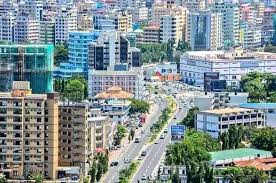
The Central Business District (CBD) is the commercial heart of Dar es Salaam. It houses government offices, corporate buildings, and bustling streets full of shops and services. Kariakoo Market, located within the CBD, is one of the largest markets in East Africa and a must-visit for tourists seeking an authentic local shopping experience. Here, visitors can find fresh produce, textiles, electronics, spices, and traditional handicrafts. Engaging with vendors provides insight into Tanzanian commerce and everyday life.
For international tourists, exploring Kariakoo requires attentiveness and preparation. The market can be crowded, and bargaining is common. Tourists are encouraged to interact politely with sellers, observe local practices, and take time to absorb the vibrant energy of the market. Many first-time visitors find that this market is not just a shopping destination but also a cultural experience that illustrates why it is featured prominently in any Dar es Salaam Travel Guide for New Visitors.
Oysterbay and Masaki – Upscale Coastal Neighborhoods
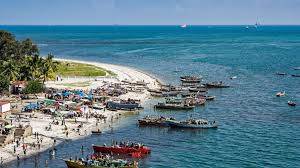
Oysterbay and Masaki are among Dar es Salaam’s most affluent districts, offering waterfront views, luxury hotels, boutique restaurants, and vibrant nightlife. Tourists seeking a more relaxed and scenic experience will enjoy strolling along Slipway, a waterfront shopping and entertainment complex in Masaki. Slipway features art galleries, souvenir shops, cafes, and direct access to the Indian Ocean, making it ideal for those who want a mix of leisure, shopping, and sightseeing.
Oysterbay offers similar charm, with serene streets, beachfront eateries, and cultural events. Visitors can enjoy Tanzanian music performances, art exhibitions, and local cuisine in a more tranquil setting compared to the bustling CBD. Exploring these neighborhoods provides an understanding of the city’s socioeconomic diversity and adds a layer of comfort and luxury to the itinerary, reinforcing why Oysterbay and Masaki are highlighted in a comprehensive Dar es Salaam Travel Guide for New Visitors.
Kurasini – The Port and Maritime Activities

Kurasini is Dar es Salaam’s port district and a vital area for understanding the city’s economic backbone. Tourists interested in maritime history or shipping operations may find Kurasini fascinating. While not a traditional tourist hub, the port area offers boat tours, ferry services to nearby islands, and insights into the daily workings of one of East Africa’s busiest ports. Visiting Kurasini allows travelers to see the movement of goods, fishing activities, and ferry departures to islands like Zanzibar and Mafia, enhancing their understanding of Tanzania’s trade and transport networks.
Historical and Cultural Attractions
Dar es Salaam is home to several historical and cultural attractions that every new visitor should include in their itinerary. Key sites include:
-
National Museum and House of Culture – Provides an overview of Tanzanian history, colonial heritage, and traditional artifacts.
-
Azania Front Lutheran Cathedral – A landmark reflecting colonial-era architecture and religious history.
-
Mwenge Woodcarvers Market – A hub for Tanzanian artisans specializing in carved wooden sculptures, masks, and crafts. Tourists can observe the creative process firsthand and purchase authentic souvenirs.
These attractions offer a mix of education, cultural immersion, and aesthetic appreciation, which enrich the visitor experience and support the inclusion of these sites in any detailed Dar es Salaam Travel Guide for New Visitors.
Beaches and Waterfront Recreation

Dar es Salaam’s coastline provides excellent opportunities for leisure and water-based activities. Popular beaches include Coco Beach (Oysterbay), Mbudya Island, and Bongoyo Island. Each offers white sandy shores, clear waters, and options for swimming, snorkeling, or guided boat tours. Tourists can hire local boats to reach nearby islands, where coral reefs and marine life provide memorable experiences.
Visiting the beaches also allows interaction with local vendors selling snacks, drinks, and handmade crafts. Engaging respectfully and supporting local businesses contributes to a positive travel experience while allowing tourists to enjoy the natural beauty and relaxation of Dar es Salaam’s coastal environment.
Nightlife and Entertainment
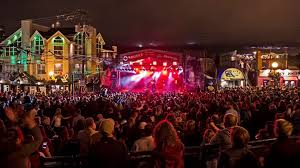
Dar es Salaam has a lively nightlife, ranging from beach bars and rooftop lounges to traditional music venues. New visitors can explore live performances of Tanzanian music genres, such as Bongo Flava and Taarab, or enjoy local cuisine at night markets along the waterfront. Nightlife experiences in areas like Oysterbay and Slipway are safe and vibrant, offering cultural immersion for tourists while highlighting the city’s modern lifestyle.
Practical Tips for Navigating Neighborhoods
-
Plan Your Routes: Knowing the layout of the city, including main roads and landmarks, reduces travel time and stress.
-
Use Reliable Transport: Opt for taxis, ride-hailing services, or guided tours when unfamiliar with public transport.
-
Time Management: Peak traffic hours can be congested; plan sightseeing outside these periods.
-
Cultural Sensitivity: Dress appropriately, greet locals politely, and respect community norms when visiting residential or religious areas.
-
Security Awareness: Keep valuables secure, remain vigilant in crowded areas, and carry minimal cash while exploring busy districts.
External Resources
Tourists can consult authoritative travel resources to enhance their planning. The Lonely Planet Tanzania Guide offers detailed insights on neighborhoods, attractions, and practical advice for first-time visitors: Lonely Planet – Dar es Salaam Travel Guide. Using such resources ensures informed travel, cultural sensitivity, and optimized exploration of the city.
Conclusion
Dar es Salaam’s neighborhoods and attractions provide new visitors with a rich tapestry of urban energy, cultural heritage, and coastal leisure. By exploring the CBD, upscale districts, port areas, cultural sites, beaches, and nightlife, tourists gain a holistic understanding of the city’s diversity and charm. This knowledge, combined with practical navigation, transportation, and safety tips, forms the foundation for a successful visit, reinforcing why this Dar es Salaam Travel Guide for New Visitors is essential for planning an unforgettable Tanzanian journey.
3: Food, Culinary Adventures, and Local Markets in Dar es Salaam
One of the most exciting aspects for new visitors to Dar es Salaam is exploring its food culture. Tanzanian cuisine is diverse, flavorful, and deeply connected to the country’s history, geography, and cultural influences. This Dar es Salaam Travel Guide for New Visitors aims to provide an in-depth look at culinary experiences, from bustling street food stalls and traditional restaurants to vibrant markets offering fresh ingredients, spices, and handmade delicacies. Understanding the food scene is essential for tourists seeking authentic engagement with the city and its people.
Street Food Culture
Dar es Salaam’s street food scene is dynamic and accessible. Travelers can enjoy affordable, flavorful dishes at local vendors stationed throughout the city, particularly near markets, bus terminals, and coastal areas. Popular street foods include:
-
Mishkaki: Grilled meat skewers, often marinated in spices, and served with fresh vegetables or sauces.
-
Vitumbua: Sweet rice flour pancakes cooked in small molds, often served with coconut milk.
-
Zanzibar Pizza: A unique street food item that blends flatbread with eggs, vegetables, meat, or seafood, folded and grilled to perfection.
-
Samosas and Mandazi: Deep-fried snacks influenced by Indian cuisine, perfect for breakfast or afternoon treats.
Sampling street food allows tourists to experience authentic Tanzanian flavors and culinary practices, often interacting directly with vendors who may explain recipes, ingredients, and preparation techniques. Engaging with street food vendors provides cultural insight and a personal connection, making it a highlight for any Dar es Salaam Travel Guide for New Visitors.
Local Restaurants and Fine Dining
For visitors seeking more formal dining, Dar es Salaam offers a variety of restaurants ranging from traditional Tanzanian eateries to international fusion cuisine. Popular restaurants in neighborhoods such as Oysterbay, Slipway, and Masaki feature fresh seafood, coastal delicacies, and regional specialties. Signature dishes include ugali (a maize-based staple), nyama choma (grilled meat), and samaki wa kupaka (fish in coconut sauce), which reflect the Swahili coastal influence.
High-end restaurants often combine dining with scenic views of the Indian Ocean, offering tourists an opportunity to enjoy both flavors and ambiance. Many restaurants host live music events featuring Taarab or Bongo Flava, further immersing visitors in the local culture. Including these culinary experiences is crucial for new travelers and is emphasized in any comprehensive Dar es Salaam Travel Guide for New Visitors.
Vibrant Markets – The Heart of Culinary Exploration
Dar es Salaam’s markets are central to understanding the city’s food culture. Kariakoo Market, the largest in East Africa, provides a sensory overload of colors, smells, and sounds. Here, tourists can explore fresh fruits, vegetables, seafood, spices, and traditional Tanzanian ingredients. Interacting with market vendors offers insight into local agricultural practices, seasonal availability, and culinary traditions.
Other markets, such as Kivukoni Fish Market, specialize in seafood and are excellent destinations for visitors interested in fresh catches or learning about local fishing practices. Tourists can witness daily trade, engage with fishermen, and even sample freshly prepared seafood dishes. Visiting these markets is an interactive experience that combines shopping, education, and cultural immersion, reinforcing why they are highlighted in a Dar es Salaam Travel Guide for New Visitors.
Culinary Tours and Cooking Classes
For tourists seeking hands-on experiences, culinary tours and cooking classes offer unique opportunities to explore Tanzanian food culture. Professional guides lead visitors through markets to select ingredients and then teach them how to prepare traditional dishes such as pilau, maandazi, or seafood curries. These activities not only provide practical cooking skills but also deepen cultural understanding and personal engagement with Tanzanian traditions.
Some tours include visits to local homes, where tourists can observe family cooking practices and learn about Swahili hospitality. This immersive approach is particularly appealing to international visitors, as it combines education, entertainment, and authentic cultural exposure. Culinary tours and classes are increasingly recognized as essential components of the Dar es Salaam Travel Guide for New Visitors, offering experiences beyond typical sightseeing.
Cultural and Historical Influences on Cuisine
Dar es Salaam’s cuisine is a product of centuries of cultural exchange. Influences from Arab traders, Indian merchants, Portuguese explorers, and neighboring African communities have shaped the city’s culinary landscape. Spices such as cloves, cinnamon, and cardamom, introduced centuries ago through trade with Zanzibar and India, remain integral to coastal dishes. Street foods and restaurant menus reflect these diverse influences, allowing tourists to taste the historical evolution of Tanzanian cuisine in every bite.
Understanding these cultural connections enriches the culinary experience, giving context to flavors and preparation methods. Tourists who explore food with curiosity and openness gain a deeper appreciation for the city’s history, traditions, and people, fulfilling the promise of a well-rounded Dar es Salaam Travel Guide for New Visitors.
Practical Tips for Food Exploration
-
Hygiene Awareness: Choose vendors with visible cleanliness practices and avoid drinking tap water unless treated.
-
Local Recommendations: Ask residents or guides for authentic food spots that may not appear in guidebooks.
-
Try New Flavors: Be adventurous with unfamiliar spices, seafood, and street foods for a richer experience.
-
Allergies and Dietary Needs: Communicate clearly with restaurant staff about any dietary restrictions to avoid issues.
-
Support Local Economy: Purchase ingredients and dishes from local vendors to contribute to community livelihoods.
External Resources
For tourists seeking detailed culinary guides, reputable resources such as Lonely Planet Tanzania provide comprehensive insights into street foods, markets, and traditional dishes: Lonely Planet Tanzania – Food & Drink. These resources help first-time visitors plan their culinary itinerary safely and efficiently while maximizing cultural engagement.
Conclusion
Dar es Salaam’s food scene, from bustling street vendors to elegant restaurants and vibrant markets, offers new visitors an unparalleled opportunity to experience the city’s culture and history through taste and interaction. By exploring diverse culinary experiences, engaging respectfully with vendors, and embracing the local flavors, tourists gain memorable and immersive experiences that go beyond sightseeing. Food is not just sustenance—it is a gateway to culture, history, and social connection, making it an essential focus for any Dar es Salaam Travel Guide for New Visitors.
4: Culture, Museums, and Historical Landmarks in Dar es Salaam
Dar es Salaam is more than a commercial hub and coastal city; it is a center of Tanzanian culture, history, and art. For first-time visitors, exploring the city’s museums, cultural centers, and historical landmarks provides a deeper understanding of the nation’s heritage, colonial history, and diverse ethnic traditions. This Dar es Salaam Travel Guide for New Visitors highlights the city’s key cultural and historical sites, offering practical advice for immersive experiences.
National Museum and House of Culture
The National Museum and House of Culture is Dar es Salaam’s premier destination for learning about Tanzania’s history, anthropology, and art. The museum’s exhibits include artifacts from prehistoric times, colonial-era relics, and displays detailing the struggle for independence. Visitors can explore traditional tools, ceremonial objects, and textiles that represent various Tanzanian ethnic groups, providing a comprehensive overview of the country’s rich cultural tapestry.
For tourists, the museum offers an educational and engaging experience. Knowledgeable guides are available to explain exhibits, and signage provides context in both Swahili and English. Visiting this museum is essential for first-time travelers and is a recommended stop in any Dar es Salaam Travel Guide for New Visitors, combining history, art, and cultural learning in a single venue.
Village Museum (Kijiji cha Makumbusho)
The Village Museum is an open-air ethnographic museum that showcases traditional Tanzanian villages. Visitors can explore authentic huts, observe daily activities, and experience dances, music, and crafts unique to different ethnic groups, including the Maasai, Chaga, and Sukuma. Performances often include traditional drumming, singing, and storytelling, providing tourists with a vivid and interactive understanding of Tanzanian culture.
Participating in workshops or guided tours allows visitors to engage directly with local performers and artisans. The museum also hosts craft markets where tourists can purchase handmade items, supporting local communities while learning about cultural significance. This interactive environment reinforces why the Village Museum is a key highlight in a Dar es Salaam Travel Guide for New Visitors.
Azania Front Lutheran Cathedral
The Azania Front Lutheran Cathedral is an architectural landmark in Dar es Salaam, reflecting the city’s colonial history. Built during the German and British colonial periods, the cathedral features Gothic and Romanesque elements, stained glass windows, and historic artifacts. Visitors are welcome to explore the interior and learn about the building’s significance in the city’s religious and colonial heritage.
Tourists interested in history and architecture will find this site particularly enlightening, as it provides context for understanding Tanzania’s colonial past and the blend of European and African influences that shaped urban development in Dar es Salaam. Including this cathedral in a travel itinerary is recommended for culturally curious visitors and is a core part of any Dar es Salaam Travel Guide for New Visitors.
Makumbusho ya Sanaa na Sanaa za Kisasa (Art and Contemporary Galleries)
Dar es Salaam has a thriving contemporary art scene, with galleries showcasing the work of Tanzanian painters, sculptors, and multimedia artists. Notable galleries such as Nyumba ya Sanaa provide visitors with insight into modern artistic expression, often reflecting social, political, and cultural themes. Art enthusiasts can engage with local artists, attend exhibitions, and purchase original works, contributing to the city’s creative economy.
Exploring art spaces enhances the visitor experience by revealing the intersection of tradition and modernity in Tanzanian society. Whether through paintings, sculptures, or performance art, tourists gain a nuanced perspective on contemporary culture, making this an essential feature of a Dar es Salaam Travel Guide for New Visitors.
Historical Monuments and Sites
Dar es Salaam is dotted with historical monuments that offer glimpses into its past:
-
Askari Monument: Commemorates African soldiers who served in World War I, located in the city center.
-
Mwenge Carvings Market: Although primarily a craft market, the site preserves traditional carving techniques, reflecting Tanzania’s artistic heritage.
-
Colonial-era Buildings: Exploring streets such as Azikiwe Street and Sam Nujoma Road reveals architectural remnants from German and British rule.
Tourists can combine walking tours with storytelling by local guides, who provide context and anecdotes, enriching the understanding of the city’s layered history. These experiences ensure that history is not just observed but felt and appreciated, supporting the educational goals of any Dar es Salaam Travel Guide for New Visitors.
Cultural Festivals and Performances
Dar es Salaam hosts numerous cultural festivals that attract local and international audiences. Events such as the Sauti za Busara Music Festival, which celebrates African music, and local dance festivals showcase traditional and contemporary Tanzanian performances. Attending these events allows tourists to experience music, dance, and storytelling as vibrant expressions of Tanzanian identity.
Participation in cultural festivals is highly recommended for first-time visitors. It provides immersive engagement, fosters connections with locals, and creates memorable experiences that transcend typical sightseeing. Cultural festivals also offer photo opportunities, culinary experiences, and workshops, adding multidimensional value to any travel itinerary.
Practical Tips for Cultural Exploration
-
Respect Local Customs: When visiting religious or cultural sites, dress modestly and follow local etiquette.
-
Engage Guides: Local guides provide historical context and enrich understanding of cultural sites.
-
Photography: Always seek permission before photographing people or sacred spaces.
-
Plan Visits: Allocate sufficient time for museums, galleries, and festivals to fully experience offerings.
-
Support Local Artisans: Purchasing crafts, artworks, or souvenirs directly supports communities and sustains cultural practices.
External Resources
Tourists can access detailed cultural guides through authoritative sources such as Lonely Planet Tanzania – Culture & History, which offers insights into museums, festivals, and historical landmarks: Lonely Planet Tanzania – Culture & History. Using such resources ensures first-time visitors are informed, respectful, and engaged when exploring Dar es Salaam’s cultural landscape.
Conclusion
Dar es Salaam’s cultural, historical, and artistic offerings provide new visitors with immersive experiences that go beyond commercial tourism. From museums and open-air village exhibits to historical cathedrals, art galleries, and live performances, the city offers a rich tapestry of Tanzanian identity. Exploring these sites with awareness, respect, and curiosity ensures a meaningful and educational journey. By including cultural landmarks and activities, tourists gain a deeper appreciation of Dar es Salaam, validating its prominence in any Dar es Salaam Travel Guide for New Visitors.
5: Shopping, Markets, Nightlife, and Practical Travel Tips for Visitors
Dar es Salaam is not only a center of culture, history, and cuisine but also a city that offers vibrant shopping experiences, lively nightlife, and practical conveniences that every new visitor should know. This final section of the Dar es Salaam Travel Guide for New Visitors provides comprehensive guidance on where to shop, how to navigate the markets, enjoy the city’s nightlife, and essential travel tips to ensure a safe and enjoyable visit.
Shopping and Local Markets
Shopping in Dar es Salaam is an adventure in itself. The city offers a range of options from traditional markets to modern malls, each with unique experiences:
-
Kariakoo Market: As the city’s largest and most bustling market, Kariakoo is the perfect destination for tourists seeking textiles, clothing, electronics, and local handicrafts. Haggling is expected, and it is a key cultural experience where tourists interact with locals while exploring a vibrant atmosphere.
-
Mwenge Carvings Market: Specializes in Tanzanian art and crafts. Visitors can observe artisans creating sculptures, masks, and wooden carvings, providing a unique cultural and shopping experience. Purchasing items directly from artisans ensures authenticity and supports local communities.
-
Slipway and Mwembe Tatu Shopping Areas: These modern shopping areas combine boutiques, souvenir shops, and cafes with scenic waterfront views. Ideal for tourists looking for a mix of leisure, dining, and shopping in a relaxed environment.
Shopping in Dar es Salaam is more than acquiring souvenirs; it is an opportunity to engage with the local economy, learn about Tanzanian crafts, and appreciate traditional skills that have been passed down through generations. Tourists are encouraged to plan shopping trips, carry cash in small denominations, and be culturally sensitive when bargaining.
Nightlife and Entertainment
Dar es Salaam has a dynamic nightlife that caters to both locals and tourists. Whether visitors prefer live music, casual beach bars, or elegant rooftop lounges, there are options for all tastes:
-
Oysterbay and Slipway: Offer beachside lounges, live music, and fine dining experiences. Tourists can enjoy local Bongo Flava, Taarab music, and traditional dances in a vibrant and safe environment.
-
City Center Clubs and Bars: For those seeking a more urban nightlife experience, Dar es Salaam has clubs featuring DJs, international music, and social gatherings. Engaging with nightlife provides insight into the city’s modern culture and social scene.
-
Cultural Performances: Many hotels and cultural centers organize performances showcasing Tanzanian music, dance, and storytelling. Attending these events allows visitors to enjoy entertainment while learning about local traditions.
Nightlife in Dar es Salaam is more than leisure; it is a cultural immersion. Tourists should always ensure personal safety, use trusted transportation to return to accommodations, and be mindful of local customs when socializing.
Practical Travel Tips for New Visitors
-
Transportation: Utilize taxis, ride-hailing apps, or guided tours. Avoid walking alone at night in unfamiliar areas.
-
Health & Safety: Stay hydrated, use sun protection, and follow local health guidelines. Carry essential medications and be aware of emergency contacts.
-
Currency and Payments: Tanzanian Shillings (TZS) are widely used; small notes are helpful for markets. Many restaurants and hotels accept credit cards.
-
Communication: Buying a local SIM card improves navigation, connectivity, and access to ride-hailing apps.
-
Cultural Etiquette: Dress modestly when visiting religious or residential areas, greet locals with Swahili phrases, and respect social norms.
-
Planning Itineraries: Allocate sufficient time for attractions, markets, and cultural experiences to avoid rushing and maximize enjoyment.
Day Trips and Excursions
Dar es Salaam serves as a gateway to nearby attractions and natural wonders:
-
Island Excursions: Visit Bongoyo or Mbudya Islands for snorkeling, sunbathing, and beach relaxation.
-
Bagamoyo: A historical town with colonial architecture, slave trade history, and cultural tours.
-
Saadani National Park: Combines wildlife safari with coastal beaches, ideal for adventurous tourists.
Planning day trips in advance ensures safe travel and a seamless experience. Tourists can arrange guided tours or use local ferry services for island visits. These excursions provide enriching experiences beyond the urban environment, enhancing the overall travel experience highlighted in the Dar es Salaam Travel Guide for New Visitors.
Shopping and Nightlife Combined
Some of the best experiences in Dar es Salaam merge shopping, dining, and entertainment. Waterfront complexes like Slipway allow tourists to shop for local crafts during the day, enjoy a seafood dinner in the evening, and participate in live music performances afterward. This combination maximizes the tourist experience, offering convenience, culture, and leisure in a single location.
External Resources
Tourists are encouraged to consult authoritative sources to plan their visit efficiently. Lonely Planet Tanzania provides detailed insights on markets, shopping areas, nightlife, and practical travel advice: Lonely Planet Tanzania – Shopping & Nightlife. Using such resources ensures safe, informed, and enjoyable exploration of Dar es Salaam’s urban offerings.
Conclusion
Dar es Salaam’s shopping districts, local markets, vibrant nightlife, and practical amenities make it a city that caters to diverse interests. By understanding where to shop, how to navigate markets, engage with local culture, and plan safe and efficient itineraries, new visitors can maximize their experience. The combination of cultural immersion, entertainment, and convenience positions Dar es Salaam as an essential destination for travelers to Tanzania. This section completes the Dar es Salaam Travel Guide for New Visitors, ensuring tourists are well-prepared, informed, and ready to explore the city confidently.
