

Discover the vibrant Tanzania Traditions, from music, dance, and rituals to cuisine, attire, and ceremonies. Immerse yourself in the authentic cultural heritage of Tanzania, celebrated by local communities and admired worldwide.
Introduction to Tanzania Traditions: A Rich Cultural Heritage
https://nativesonexpeditions.com/tanzania-safari/
Tanzania is a country of extraordinary diversity, not only in its landscapes and wildlife but also in its people and cultural practices. Understanding Tanzania Traditions offers travelers a glimpse into a complex tapestry of customs, rituals, and ways of life that have been passed down for generations. The nation is home to over 120 ethnic groups, each with its own distinct languages, dress, music, dance, and social norms. These traditions are not just remnants of the past; they continue to shape social interactions, religious practices, and communal celebrations across the country. For international tourists seeking an immersive experience, Tanzania offers an unparalleled opportunity to witness living traditions that coexist with modernity while maintaining their authenticity and depth (https://www.britannica.com/place/Tanzania).
The diversity of Tanzania Traditions is deeply rooted in the country’s historical and geographical context. Coastal regions, influenced by centuries of trade with Arabs, Persians, and Indians, have developed unique customs in dress, cuisine, and religious practices. For instance, Swahili culture, dominant along the coast, reflects a blend of African, Arab, and Indian influences, evident in architecture, attire, and festivals. Inland communities, such as the Chagga around Mount Kilimanjaro, Maasai in the northern savannahs, and Sukuma in the Lake Victoria region, have retained practices that are closely tied to pastoralism, agriculture, and ancestral worship. This interplay between geography, economy, and social structure has produced a mosaic of cultural expressions, illustrating why Tanzania’s traditions are among the most vibrant and diverse in Africa (https://www.lonelyplanet.com/tanzania).
Among the most celebrated aspects of Tanzania Traditions are the numerous ceremonies and festivals that punctuate daily life. Life-cycle events such as births, initiations, weddings, and funerals are often marked with elaborate rituals that involve entire communities. For example, Maasai boys undergo circumcision ceremonies as part of their transition to adulthood, accompanied by singing, dancing, and communal feasts. Similarly, many Tanzanian ethnic groups practice traditional dances and songs during weddings, reflecting local folklore and spiritual beliefs. These ceremonies not only reinforce social cohesion but also serve as living repositories of knowledge, transmitting moral values, historical narratives, and social norms from one generation to the next (https://www.unesco.org/).
Tanzania’s culinary traditions also provide insight into its rich cultural heritage. Traditional dishes vary by region, influenced by locally available ingredients and historical trade routes. Along the coast, Swahili cuisine incorporates spices such as cloves, cardamom, and cinnamon, combined with rice, coconut milk, and seafood. Inland regions favor staples such as maize, millet, cassava, and beans, often accompanied by roasted meats or stews. Food in Tanzania is not merely for sustenance; it plays a central role in communal gatherings, ceremonies, and religious observances, reflecting the values of hospitality, sharing, and celebration. By exploring local culinary practices, travelers gain a deeper appreciation of Tanzania Traditions and the ways in which they intertwine with social and spiritual life (https://www.nationalgeographic.com/travel/article/tanzania-food-culture).
The role of music, dance, and oral storytelling in Tanzania Traditions cannot be overstated. Music serves as both entertainment and a medium for preserving history and moral lessons. Traditional instruments such as the ngoma (drum), zeze (stringed instrument), and various flutes accompany dances that range from celebratory to ritualistic. Storytelling, often performed by elders, conveys legends, proverbs, and historical events that bind communities together. These performances are dynamic, with improvisation, audience participation, and movement playing integral roles. By experiencing these cultural expressions firsthand, travelers can witness the vitality and resilience of Tanzania’s heritage, reinforcing the significance of preserving these practices for future generations (https://www.culturetrip.com/africa/tanzania/).
Religious and spiritual beliefs are also integral to Tanzania Traditions. While Christianity and Islam are widely practiced, many communities integrate ancestral worship, rituals for fertility, rainmaking, and other indigenous spiritual practices into their daily lives. Sacred sites, including forests, mountains, and rivers, often hold ritual significance, serving as centers for prayer, offerings, and communal gatherings. These practices are highly localized, reflecting a profound connection between the people, the land, and the cosmos. Anthropologists and cultural historians highlight that this fusion of traditional and global religious practices illustrates the adaptability of Tanzania’s traditions while maintaining their cultural essence (https://www.britannica.com/topic/religion).
Furthermore, traditional clothing and adornments play a symbolic role in expressing identity, status, and community affiliation. For example, the Maasai are renowned for their red shúkà cloths and elaborate beadwork, while coastal Swahili communities favor vibrant kanga and kikoi textiles. Jewelry, scarification, and hairstyles often carry social or spiritual significance, indicating age, marital status, or achievements. These visual markers provide visitors with immediate insights into the rich tapestry of Tanzania Traditions, demonstrating how culture is woven into everyday life and ceremonial occasions (https://www.lonelyplanet.com/articles/maasai-clothing).
Tanzania’s traditional architecture also reflects its diverse heritage. Coastal towns like Lamu and Zanzibar exhibit Swahili-style coral stone houses with carved wooden doors, intricate lattices, and courtyards designed for communal living. Inland, the huts of the Maasai and Sukuma utilize local materials such as wood, mud, and grass, designed for practicality and environmental adaptation. These structures embody cultural values, environmental knowledge, and aesthetic sensibilities, offering tangible connections to Tanzania’s rich traditions (https://www.archdaily.com).
In addition to preserving heritage within local communities, Tanzania Traditions are increasingly shared with international audiences through tourism. Cultural tourism initiatives, homestays, guided village visits, and festival experiences provide immersive opportunities for travelers to engage with authentic practices. Such interactions promote cross-cultural understanding, contribute economically to local communities, and support heritage preservation efforts. Tourism authorities emphasize that responsible cultural tourism ensures that traditions remain vibrant, relevant, and sustainable, rather than commodified or eroded (https://www.wttc.org/).
In conclusion, Tanzania’s rich tapestry of cultural practices, rituals, cuisine, music, dance, religious observances, attire, and architecture exemplifies why Tanzania Traditions remain among the most celebrated in Africa. They provide international travelers with a multi-dimensional experience that is both educational and immersive, blending historical depth with contemporary relevance. From the northern savannahs to coastal Swahili towns, Tanzania’s traditions are living, evolving, and deeply woven into the identity of its people, ensuring that every visitor can witness the enduring vibrancy of this remarkable heritage (https://www.unesco.org/).
Rituals, Ceremonies, and Life-Cycle Traditions Across Tanzania
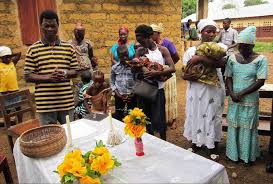
Tanzania is a country where traditions permeate every stage of life, creating a profound cultural continuity that shapes social identity, community cohesion, and individual milestones. Understanding Tanzania Traditions requires delving into the intricate rituals and ceremonies that mark births, initiations, marriages, and funerals across the nation’s diverse ethnic groups. These life-cycle events are not merely symbolic; they embody historical knowledge, social values, spiritual beliefs, and communal solidarity, offering international travelers a unique window into Tanzania’s cultural heart (https://www.unesco.org).
One of the most significant markers of life in Tanzanian society is the birth ritual. Across many communities, the arrival of a child is celebrated with ceremonies that blend spiritual invocations, feasting, and social recognition. For example, the Chagga of northern Tanzania traditionally perform rituals to honor the ancestors and seek blessings for the newborn’s health and prosperity. Midwives, elders, and family members play essential roles in these ceremonies, which often include music, dance, and the symbolic use of herbs and natural elements. These practices reflect the belief that birth is a communal event, not just a private affair, reinforcing why Tanzania Traditions are considered integral to social cohesion (https://www.britannica.com/place/Tanzania).
As children grow, many ethnic groups in Tanzania incorporate initiation rites to mark the transition from childhood to adulthood. These rituals, often gender-specific, involve education about social responsibilities, moral conduct, and spiritual understanding. Among the Maasai, boys undergo circumcision ceremonies, which are accompanied by elaborate dances, songs, and guidance from elders. Girls in some communities experience rites that prepare them for adulthood, teaching domestic skills, social etiquette, and community values. Such initiation ceremonies not only serve educational purposes but also reinforce communal identity, ensuring that cultural knowledge is transmitted across generations. International anthropologists emphasize that these rites are a living testament to the vitality and resilience of Tanzania Traditions (https://www.culturetrip.com/africa/tanzania/).
Marriage in Tanzania is another domain where traditions flourish. Weddings are elaborate events that combine spiritual, social, and economic dimensions. In many communities, traditional marriage ceremonies involve negotiations between families, the exchange of symbolic gifts, and public declarations of commitment. Maasai weddings, for instance, include ceremonial dances, beadwork presentations, and blessings from elders. Coastal Swahili communities often incorporate Islamic practices alongside local customs, such as recitations from the Quran and communal feasts featuring traditional dishes. These diverse matrimonial customs highlight the richness of Tanzania Traditions, offering visitors a chance to witness the blending of religion, culture, and social norms in public celebrations (https://www.lonelyplanet.com/articles/maasai-wedding).
Funeral and ancestral rites are equally significant in Tanzanian culture. Death is often viewed not as an ending but as a transition, connecting the living with ancestors and the spiritual world. Among the Sukuma and Chagga, ceremonies include ritual prayers, offerings, and songs to honor the deceased and ensure the well-being of the family. These practices are accompanied by specific mourning customs, which vary in duration, attire, and communal participation. Anthropologists note that these rituals serve both emotional and social functions: they provide a framework for grief, reinforce community solidarity, and maintain ancestral connections. Experiencing or learning about these rites offers profound insight into why Tanzania Traditions are deeply respected and preserved across generations (https://www.nationalgeographic.com/culture/article/tanzania-cultural-traditions).
Festivals and seasonal celebrations also play a central role in Tanzanian life. These events are tied to agriculture, religious observances, or historical commemorations. The Mwaka Kogwa festival of Zanzibar, for example, celebrates the Shirazi New Year with symbolic mock battles, ritual cleansing, and communal feasting. Similarly, the harvest festivals among inland communities express gratitude to ancestors and the land, combining song, dance, and traditional performances. Such festivals are living embodiments of Tanzania Traditions, providing travelers with immersive experiences that reveal the spiritual, social, and ecological dimensions of Tanzanian culture (https://www.unesco.org/).
Rituals in Tanzania often incorporate symbolic elements drawn from nature, emphasizing the connection between humans and their environment. Water, fire, herbs, and animals frequently feature in ceremonies, representing fertility, purification, protection, or ancestral presence. For example, herbal baths may be used in initiation rites, while fire and dancing are central to communal celebrations. These symbolic practices reflect an understanding of the natural world that has been refined over centuries, demonstrating the intricate relationship between Tanzanian communities and their surroundings. International cultural scholars highlight that such ecological awareness embedded in Tanzania Traditions contributes to sustainable living and cultural resilience (https://www.nationalgeographic.com).
Music, dance, and oral poetry are integral components of life-cycle traditions. Drumming, ululation, and call-and-response singing accompany most ceremonies, providing rhythm, narrative, and communal engagement. Traditional dances vary in style and purpose—from celebratory movements at weddings to solemn, meditative performances during funerals. Oral storytelling transmits history, moral lessons, and ancestral knowledge, often in poetic and performative forms. By engaging visitors in these performative traditions, Tanzanian communities ensure that their cultural heritage remains vibrant and accessible. These practices also explain why international travelers are drawn to experience Tanzania Traditions, combining spectacle, education, and emotional resonance (https://www.culturetrip.com/africa/tanzania/).
In contemporary Tanzania, life-cycle rituals coexist with modern practices, creating dynamic cultural landscapes. While urbanization and globalization influence social norms, many communities maintain traditional ceremonies, sometimes adapting them to modern contexts. For example, contemporary weddings in Dar es Salaam may integrate Western attire or music alongside indigenous rituals, preserving core elements while embracing innovation. Similarly, initiation rites are often conducted with safety measures, health awareness, and educational programs while retaining their cultural significance. This adaptability ensures that Tanzania Traditions remain relevant and meaningful in a rapidly changing world (https://www.lonelyplanet.com/articles/tanzania-cultural-traditions).
Tourism has further elevated the visibility of these traditions. Cultural tours, homestays, and participatory experiences allow international visitors to witness authentic ceremonies and rituals. Ethical tourism initiatives emphasize respect, consent, and educational engagement, ensuring that traditions are shared without exploitation. By creating opportunities for cross-cultural understanding, tourism contributes to the preservation of life-cycle rituals while offering economic benefits to local communities. Travel experts agree that these immersive experiences make Tanzania a unique destination for cultural tourism, reinforcing the global significance of Tanzania Traditions (https://www.wttc.org).
In summary, Tanzania’s life-cycle rituals, ceremonies, and festivals provide deep insight into the nation’s values, social structures, and spiritual beliefs. From birth and initiation to marriage and death, these practices embody centuries of cultural knowledge, communal cohesion, and ecological awareness. For international travelers, engaging with these living traditions offers an educational, emotional, and transformative experience, demonstrating why Tanzania Traditions are celebrated worldwide. These ceremonies not only honor the past but also sustain cultural identity for future generations, ensuring that Tanzania remains a beacon of vibrant cultural heritage (https://www.unesco.org).
Traditional Music, Dance, and Storytelling in Tanzania
Tanzania is renowned not only for its breathtaking landscapes and wildlife but also for the vibrancy and diversity of its cultural expressions, particularly in music, dance, and storytelling, which are central to Tanzania Traditions. These art forms serve as powerful vehicles for preserving history, reinforcing community cohesion, and transmitting moral, spiritual, and practical knowledge across generations. For travelers seeking an authentic cultural experience, engaging with Tanzanian music, dance, and oral storytelling provides a window into the soul of the nation, revealing both the richness of its heritage and the dynamism of its contemporary life (https://www.culturetrip.com/africa/tanzania/).
Music in Tanzania is deeply intertwined with social and spiritual life. Traditional songs often accompany communal activities, rituals, and ceremonies, from weddings and initiations to harvest festivals and funerals. Instruments play a critical role in these performances, with each ethnic group favoring specific types. The ngoma, a type of drum, provides rhythmic foundation, while string instruments like the zeze and various flutes enhance melodic expression. Coastal Swahili communities incorporate the oud and qanun, reflecting historical Arab influences, whereas inland ethnic groups emphasize percussion and vocal harmonies. Through these instruments and melodies, music becomes a living archive of Tanzanian history, folklore, and collective identity, reinforcing the significance of Tanzania Traditions (https://www.britannica.com/place/Tanzania).
Dance is equally central to Tanzanian culture and is inseparable from music. Each ethnic group has distinct dance styles, movements, and formations, reflecting social roles, environmental adaptation, and spiritual beliefs. For example, Maasai dances are characterized by vigorous jumping, rhythmic stamping, and coordinated group formations, often performed during ceremonies to celebrate milestones or honor ancestors. The Hadza, one of the oldest hunter-gatherer communities in Tanzania, perform intricate dances around the fire that incorporate storytelling, social bonding, and teaching survival skills. Coastal Swahili dances such as the ngoma ya asili and taarab-inspired movements blend African and Arabic influences, emphasizing elegance, grace, and rhythm. These dances are not mere entertainment; they communicate social hierarchies, moral values, and historical narratives, making them integral to Tanzania Traditions (https://www.lonelyplanet.com/articles/tanzania-dance-music).
Storytelling, or oral literature, complements music and dance, serving as a repository for communal knowledge, ethics, and historical memory. Elders and specialized storytellers, known as griots in some communities, narrate myths, proverbs, historical events, and moral lessons, often accompanied by song, dance, or musical instruments. Stories about ancestral heroes, wildlife, environmental stewardship, and social conduct are common, reflecting the intertwined nature of culture, ecology, and spirituality. Oral storytelling in Tanzania is dynamic, allowing improvisation and audience participation, which ensures the preservation of narratives while adapting to contemporary contexts. For international visitors, witnessing storytelling sessions offers profound insight into why Tanzania Traditions remain vibrant and relevant (https://www.unesco.org).
Music, dance, and storytelling also function as educational tools. During initiation rites, elders teach young members of the community through song and dramatization, imparting moral codes, survival skills, and cultural norms. Festivals and public performances similarly provide platforms for informal learning, enabling audiences to internalize lessons about community, spirituality, and respect for the environment. For example, songs about water conservation, wildlife, or communal cooperation often accompany performances, subtly teaching values crucial to societal cohesion. These pedagogical aspects illustrate the sophisticated ways in which Tanzania Traditions are transmitted and sustained over generations (https://www.nationalgeographic.com/culture/article/tanzania-cultural-heritage).
The diversity of musical styles and dances is striking. Northern Tanzania, including the Kilimanjaro and Arusha regions, showcases songs and dances rooted in agro-pastoralist traditions, often involving call-and-response singing and rhythmic drumming. The coastal regions, influenced by centuries of Indian Ocean trade, blend African, Arab, and Indian musical elements, producing unique melodic scales, instruments, and lyrical themes. The southern highlands, home to ethnic groups like the Makonde, are renowned for intricate carvings and mask dances performed during initiation rituals and harvest celebrations. This regional variety ensures that Tanzania Traditions are not monolithic but rather a dynamic and evolving cultural landscape that travelers can explore across the country (https://www.britannica.com/topic/music).
Tanzania’s traditional music and dance have also adapted to contemporary influences while retaining their cultural essence. Modern Tanzanian musicians incorporate traditional instruments, rhythms, and lyrical themes into popular genres such as Bongo Flava and contemporary taarab music, creating a bridge between heritage and modern identity. These innovations allow younger generations to connect with their cultural roots while participating in global musical dialogues. Festivals like Sauti za Busara in Zanzibar celebrate both traditional and contemporary performances, offering platforms for cultural exchange and preservation. This interplay between innovation and tradition exemplifies how Tanzania Traditions continue to thrive in a rapidly globalizing world (https://www.lonelyplanet.com/articles/sauti-za-busara-zanzibar).
Cultural tourism has further elevated the visibility of music, dance, and storytelling in Tanzania. Tour operators and local communities offer immersive experiences such as village visits, participatory dance sessions, and storytelling nights, allowing travelers to actively engage with living traditions. Ethical tourism practices emphasize respect, consent, and cultural sensitivity, ensuring that traditions are shared authentically without commodification. Studies show that tourists who engage with local music and dance report higher levels of satisfaction, cultural understanding, and appreciation, which in turn encourages communities to preserve these practices. This reciprocal relationship underscores the global significance of Tanzania Traditions (https://www.wttc.org).
In addition to entertainment and education, Tanzanian music, dance, and storytelling are closely tied to spirituality and ritual. Many performances accompany religious ceremonies, ancestral worship, and community rites, providing a rhythm and narrative framework for spiritual engagement. Sacred songs may invoke blessings, commemorate ancestors, or facilitate healing. The integration of performance with ritual illustrates the holistic nature of Tanzania Traditions, where artistic expression, communal bonding, and spiritual practice are inseparable. This integration reinforces the depth and authenticity of Tanzania’s cultural heritage, making it a compelling destination for international travelers (https://www.unesco.org).
Finally, the global recognition of Tanzanian music and dance highlights its enduring influence and appeal. Scholars, musicians, and tourists alike acknowledge the country’s rich performing arts as a cornerstone of African cultural heritage. Documentaries, international music festivals, and cross-cultural collaborations have introduced Tanzanian rhythms, dances, and storytelling traditions to audiences worldwide, amplifying their status as essential components of Tanzania Traditions. By preserving and celebrating these art forms, Tanzania ensures that its vibrant cultural identity continues to thrive and inspire new generations globally (https://www.nationalgeographic.com/travel/article/tanzania-cultural-heritage).
In conclusion, music, dance, and storytelling are not just forms of entertainment in Tanzania—they are living vessels of history, education, morality, and communal identity. They provide international travelers with immersive experiences that connect them to centuries of cultural wisdom, spiritual practice, and artistic creativity. Engaging with these performances allows one to understand why Tanzania Traditions are celebrated as among the richest and most dynamic in Africa, offering a transformative glimpse into the soul of the nation (https://www.culturetrip.com/africa/tanzania/).
Traditional Clothing, Attire, and Handicrafts in Tanzania
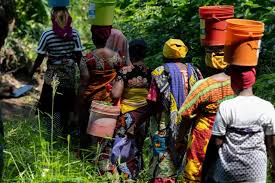
Tanzania’s cultural heritage is vividly expressed through its traditional clothing, attire, and handicrafts, which are integral components of Tanzania Traditions. Across the country’s diverse ethnic groups, dress and adornments serve as visual markers of identity, social status, marital status, age, and religious affiliation. Beyond aesthetic appeal, these garments and crafts carry profound symbolic meaning, reflecting centuries of cultural knowledge, craftsmanship, and regional adaptation. For international visitors, exploring Tanzanian attire and handmade crafts offers a tangible, immersive way to connect with local culture and understand the social and spiritual narratives embedded within everyday life (https://www.britannica.com/place/Tanzania).
One of the most recognizable symbols of Tanzanian culture is the Maasai shúkà. The Maasai, a semi-nomadic pastoralist community in northern Tanzania, are famous for their bright red, blue, and patterned cloths, which are draped over the body in specific ways that indicate age, status, or social role. Red is particularly symbolic, representing courage, unity, and strength. Complementing the shúkà, Maasai beadwork is a sophisticated art form worn by both men and women. Necklaces, bracelets, and earrings convey social information such as marital status or clan affiliation, with colors and patterns carrying precise meanings. These adornments are not only decorative but also deeply embedded in the community’s identity, illustrating why Tanzania Traditions continue to thrive as living expressions of heritage (https://www.lonelyplanet.com/articles/maasai-beadwork).
Along the Tanzanian coast, Swahili communities have cultivated a distinct sartorial culture influenced by centuries of trade with Arabs, Indians, and Persians. Men often wear the kofia (embroidered cap) and kanzu (long white robe), while women don the kanga or kikoi, brightly colored fabrics decorated with proverbs, symbols, and patterns. The kanga, in particular, functions as a versatile garment for daily life, ceremonial occasions, and symbolic communication. Messages printed on the fabric can convey social advice, blessings, or personal statements. By exploring coastal attire, visitors gain insight into the intersection of fashion, communication, and tradition in Tanzania Traditions (https://www.unesco.org).
Handicrafts are another vital aspect of Tanzania’s cultural expression. Skilled artisans produce items ranging from woven baskets, mats, and textiles to wood carvings, pottery, and metalwork. The Makonde people of southern Tanzania are particularly renowned for their intricate ebony wood carvings, which often depict ancestral figures, spiritual motifs, and daily life scenes. These carvings are highly prized internationally, both as cultural artifacts and as examples of masterful craftsmanship. Similarly, woven products such as sisal baskets and mats are both functional and artistic, reflecting ecological knowledge, aesthetic principles, and communal labor. Handicrafts are not only economic assets for communities but also serve as educational tools, preserving traditional skills while sharing Tanzania Traditions with global audiences (https://www.nationalgeographic.com/culture/article/tanzania-handicrafts).
Traditional attire in Tanzania also carries ceremonial significance. For example, initiation rituals, weddings, and funerals often require participants to wear specific garments that symbolize purity, transition, or mourning. During Maasai warrior ceremonies, young men don elaborate attire and beadwork that denote their new social status. Women’s clothing in coastal and inland communities may include ornate headscarves, embroidered fabrics, and decorative jewelry during weddings or religious holidays. The careful selection and wearing of these garments demonstrate respect for communal norms and spiritual beliefs, highlighting the cultural depth of Tanzania Traditions (https://www.culturetrip.com/africa/tanzania/).
Textiles, particularly locally woven fabrics, are essential in expressing regional identity and artistic sensibilities. In addition to kanga and kikoi, communities produce ikat-style textiles, hand-dyed fabrics, and embroidered pieces, each with distinct patterns, colors, and symbolic references. These fabrics are often integrated into clothing, ceremonial adornments, and household decoration, serving as both practical and aesthetic objects. International tourists often find these textiles fascinating, not only for their beauty but also for the stories and cultural meanings they embody. Such engagement allows visitors to appreciate the craftsmanship and symbolism central to Tanzania Traditions (https://www.lonelyplanet.com/articles/tanzania-textiles).
Adornment extends beyond clothing to include hairstyles, scarification, and body art. Different ethnic groups utilize these forms of expression to convey social or spiritual information. For example, the Hadza and Chaga may use hair braiding or decoration to signify life stages, gender roles, or readiness for marriage. Scarification, historically practiced by several groups, communicates identity, bravery, and tribal affiliation. These physical markers complement clothing and jewelry, creating a holistic system of personal and communal expression that defines Tanzania Traditions (https://www.britannica.com/topic/cultural-anthropology).
The role of handicrafts in modern Tanzanian society also illustrates the adaptability of tradition. While maintaining historical techniques and symbolic meanings, artisans increasingly innovate to meet global market demands. Hand-carved sculptures, jewelry, and woven goods are now exported worldwide, providing economic opportunities while promoting cultural heritage. Craft cooperatives and fair-trade initiatives ensure that communities retain control over production and benefit equitably from tourism and international sales. This model exemplifies how Tanzania Traditions can evolve sustainably, balancing authenticity with economic development (https://www.wttc.org).
Cultural tourism further enhances the visibility of traditional clothing and handicrafts. Village tours, artisan workshops, and fashion demonstrations allow travelers to observe the making of garments, beadwork, and carvings firsthand. Such participatory experiences foster cross-cultural understanding, support local economies, and preserve heritage. Tour operators emphasize that respectful engagement ensures that these traditions are appreciated rather than commodified, sustaining the authenticity and vibrancy of Tanzania Traditions (https://www.unesco.org).
Traditional clothing and handicrafts also serve as storytelling tools. Patterns, colors, and materials convey historical events, spiritual beliefs, and social narratives, enabling communities to pass knowledge visually and materially. For instance, Makonde carvings often depict mythological tales or ancestral deeds, while kanga proverbs communicate wisdom and guidance. These tangible forms of cultural expression reinforce identity, continuity, and collective memory, highlighting the multidimensional significance of Tanzania Traditions (https://www.nationalgeographic.com).
Finally, the preservation of traditional attire and handicrafts is vital for sustaining Tanzania’s cultural legacy. Education programs, cultural centers, and museum exhibitions provide platforms for both locals and international visitors to learn about and appreciate these art forms. By fostering understanding and pride in material culture, these initiatives ensure that Tanzanian communities continue to celebrate and innovate within their traditions. For travelers, witnessing or participating in the creation of traditional garments and crafts offers a meaningful connection to the nation’s heritage, illustrating why Tanzania Traditions remain globally admired (https://www.culturetrip.com/africa/tanzania/).
In conclusion, Tanzania’s traditional clothing, attire, and handicrafts are far more than decorative expressions—they are deeply woven into the social, spiritual, and economic fabric of the nation. From Maasai beadwork and shúkà to Swahili kanga and coastal attire, and from Makonde carvings to woven household items, these elements preserve, communicate, and celebrate centuries of knowledge, artistry, and communal values. Exploring these tangible aspects of Tanzania Traditions offers international visitors an immersive experience that connects them directly to the heart of Tanzanian culture, ensuring that the country’s heritage continues to thrive for generations to come (https://www.unesco.org/).
Preservation, Modern Adaptation, and Global Significance of Tanzania Traditions
Tanzania’s rich cultural heritage is not only a testament to its historical depth but also a living, evolving force that continues to shape identity, social cohesion, and global perception. The preservation, adaptation, and global recognition of Tanzania Traditions are critical for sustaining this vibrant tapestry of rituals, music, dance, attire, and handicrafts, ensuring that future generations inherit a legacy of resilience, creativity, and communal knowledge (https://www.unesco.org). This section explores how Tanzania has safeguarded its traditions, embraced modern influences, and projected its cultural identity to the world, offering international travelers an immersive understanding of the country’s heritage.
The preservation of Tanzania Traditions involves deliberate efforts to maintain the practices, knowledge, and artistry that define local communities. Cultural institutions, museums, heritage centers, and community organizations play pivotal roles in documenting, teaching, and exhibiting traditional knowledge. For example, the National Museum of Tanzania in Dar es Salaam preserves artifacts, textiles, carvings, and musical instruments, alongside educational programs that teach both Tanzanians and visitors about historical and contemporary traditions. UNESCO and other international organizations support local initiatives to safeguard intangible cultural heritage, including music, dance, oral narratives, and rituals, highlighting the global significance of Tanzania Traditions (https://www.britannica.com/place/Tanzania).
Modern adaptation is a hallmark of Tanzania’s cultural resilience. While many traditions have centuries-old origins, communities creatively integrate contemporary influences without losing authenticity. Music is a prime example: traditional rhythms, instruments, and lyrics are fused with modern genres like Bongo Flava, Afrobeat, and taarab fusion, creating a dynamic cultural expression that resonates with younger generations and global audiences. Similarly, traditional clothing and beadwork are increasingly adapted for fashion, international exhibitions, and ethical commerce, balancing cultural preservation with economic opportunity. Handicraft cooperatives and artisan workshops enable sustainable income while ensuring that ancestral techniques and symbolic meanings remain intact. These practices demonstrate how Tanzania Traditions can evolve in ways that honor the past while embracing contemporary realities (https://www.culturetrip.com/africa/tanzania/).
Tourism plays a significant role in both preserving and disseminating Tanzania Traditions. Cultural tourism initiatives provide travelers with immersive experiences, such as participating in village ceremonies, attending traditional dance performances, learning handicraft techniques, and engaging with elders in storytelling sessions. These experiences not only educate visitors but also create economic incentives for communities to maintain and transmit their cultural practices. International tourists are particularly drawn to authentic experiences that go beyond wildlife safaris or beach holidays, and cultural tourism in Tanzania meets this growing demand while supporting heritage preservation. Studies show that tourism-driven cultural engagement strengthens community pride and ensures intergenerational transmission of traditions (https://www.wttc.org).
Education and youth involvement are essential for sustaining Tanzania’s cultural legacy. Schools, community programs, and cultural centers integrate traditional knowledge into curricula, teaching children about local languages, songs, dances, rituals, and artisanal skills. Elders often mentor youth in storytelling, music, and handicraft techniques, ensuring that knowledge is not lost despite urbanization and modernization. Social media and digital platforms now amplify these efforts, enabling Tanzanians to share their traditions with global audiences and fostering a sense of pride and continuity. This intentional intergenerational transfer underscores the importance of actively preserving Tanzania Traditions in the face of rapid societal change (https://www.nationalgeographic.com/culture/article/tanzania-cultural-heritage).
The global significance of Tanzania’s cultural heritage is increasingly recognized through international festivals, exhibitions, and collaborations. Events like Sauti za Busara in Zanzibar showcase both traditional and contemporary music, attracting international performers and audiences while celebrating local heritage. Art exhibitions feature Makonde carvings, Maasai beadwork, and Swahili textiles, drawing collectors, tourists, and cultural enthusiasts from around the world. International recognition enhances Tanzania’s cultural diplomacy, positioning its traditions as a source of national pride and soft power. By highlighting the creativity, resilience, and diversity of Tanzania Traditions, the country reinforces its place on the global cultural map (https://www.lonelyplanet.com/articles/tanzania-cultural-heritage).
Sustainability and ethical engagement are key considerations in preserving Tanzania’s traditions. Responsible tourism ensures that cultural practices are shared with respect, consent, and fair compensation, avoiding exploitation or commodification. Communities benefit economically while maintaining autonomy over how their traditions are represented and practiced. Similarly, international markets for handicrafts, textiles, and art adhere to fair-trade principles, allowing artisans to profit while preserving traditional techniques and symbolic meanings. These sustainable approaches illustrate a balance between global engagement and cultural integrity, ensuring that Tanzania Traditions remain vibrant, authentic, and economically beneficial (https://www.unesco.org).
The resilience of Tanzania’s traditions is also evident in their adaptability to urban and digital contexts. In cities, traditional music, dance, and clothing continue to influence popular culture, fashion, and social events. Digital storytelling, online marketplaces, and social media platforms allow communities to document, share, and monetize their heritage while reaching audiences worldwide. These innovations expand the impact of Tanzania Traditions, providing access for global audiences while maintaining cultural authenticity. The integration of tradition into modern life ensures that heritage remains relevant, celebrated, and continually evolving (https://www.culturetrip.com/africa/tanzania/).
Finally, the preservation, adaptation, and promotion of Tanzania’s traditions contribute to national identity and social cohesion. Rituals, festivals, music, dance, attire, and handicrafts embody shared values, history, and collective memory, uniting diverse ethnic groups under a common cultural narrative. For international travelers, engaging with these traditions offers a deep, immersive experience that goes beyond sightseeing, allowing for genuine connection, learning, and appreciation. By safeguarding and celebrating its heritage, Tanzania ensures that its vibrant traditions continue to inspire, educate, and enchant visitors while maintaining their authenticity and relevance (https://www.nationalgeographic.com/culture/article/tanzania-traditional-arts).
In conclusion, the future of Tanzania Traditions lies in a careful balance between preservation, modern adaptation, and global recognition. Through education, tourism, artisan development, and international collaboration, Tanzania protects its cultural heritage while embracing contemporary realities. International travelers have unparalleled opportunities to witness, participate in, and support these living traditions, gaining insight into a nation where history, creativity, and communal life are inseparable. By maintaining the vitality of its rituals, music, dance, attire, and handicrafts, Tanzania ensures that its traditions remain a dynamic, celebrated, and globally admired cultural treasure (https://www.unesco.org).
