

Explore why visit serval wildlife and uncover Tanzania’s rich biodiversity, thrilling safari adventures, and conservation efforts. Learn what makes servals and their habitats a must-see destination for wildlife lovers.
1: Introduction to Serval Wildlife and Their Unique Appeal
https://nativesonexpeditions.com/tanzania-safari/
Tanzania is globally renowned for its rich biodiversity, encompassing everything from towering elephants and majestic lions to elusive predators like the serval. Understanding why visit serval wildlife? begins with appreciating the serval’s unique characteristics, ecological importance, and the role they play in Tanzania’s natural heritage. Servals are medium-sized wild cats native to sub-Saharan Africa, easily recognizable for their slender build, long legs, and distinctive spotted coats. Unlike larger predators, servals are primarily nocturnal and elusive, making sightings a rare and thrilling experience for wildlife enthusiasts.
The appeal of observing servals goes beyond their striking appearance. These animals are exceptional hunters, capable of leaping up to three meters vertically to catch birds mid-flight, showcasing agility and precision that fascinates biologists and tourists alike. Understanding why visit serval wildlife? also involves recognizing the habitats they thrive in—wetlands, grasslands, and savannas—highlighting the ecological diversity of Tanzania. Areas like the Serengeti, Selous Game Reserve, and lesser-known wetlands provide opportunities for visitors to encounter servals while simultaneously exploring a broad spectrum of wildlife, from zebras and giraffes to rare bird species.
Wildlife tourism in Tanzania is carefully managed to balance visitor experiences with conservation. Observing servals offers insights into predator-prey dynamics, ecosystem interactions, and the importance of protecting fragile habitats. A well-organized tour emphasizes ethical wildlife encounters, ensuring minimal disturbance to the animals while educating tourists about ecological sustainability. This is a core reason for why visit serval wildlife?—to participate in meaningful wildlife observation that supports conservation initiatives led by organizations such as the Tanzania Wildlife Research Institute and Wildlife Conservation Society.
Another factor enhancing the appeal of servals is their adaptability to varied terrains. While often secretive, servals can be found in marshlands, reed beds, and riverine forests, demonstrating remarkable versatility. For photographers and wildlife enthusiasts, capturing servals in action is both challenging and rewarding, combining patience, knowledge of animal behavior, and an appreciation for natural beauty. Guided tours and safaris equipped with expert trackers increase the likelihood of successful sightings, making the journey itself an educational and thrilling experience.
Moreover, servals are often indicators of healthy ecosystems. Their presence suggests a balanced prey population and well-preserved habitat, making their observation not only exciting but also scientifically significant. Tourists interested in eco-tourism, wildlife research, and biodiversity conservation find servals a compelling reason to visit Tanzania’s game reserves and protected areas. Conservation-oriented safaris encourage ethical observation, ensuring visitors witness wildlife in its natural behavior while learning about habitat protection, human-wildlife coexistence, and species preservation strategies.
External References (Authoritative Sources):
-
Wildlife Conservation Society – Serval Facts & Conservation: https://www.wcs.org/our-work/wildlife
-
Tanzania Wildlife Research Institute – Research & Protection Initiatives: https://www.tawiri.or.tz
-
National Geographic – Serval Profile: https://www.nationalgeographic.com/animals/mammals/facts/serval
2: Serval Habitats and Sightseeing Locations in Tanzania
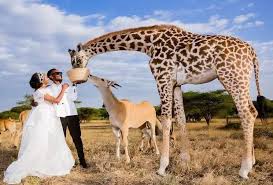
For anyone asking why visit serval wildlife?, understanding where these elusive cats live and how to spot them is crucial. Servals are native to sub-Saharan Africa, but Tanzania stands out as one of the best destinations to observe them in their natural habitat. These medium-sized felines thrive in diverse ecosystems, primarily favoring wetlands, grasslands, and savanna landscapes. The country’s protected areas, national parks, and game reserves offer ideal opportunities for observing servals while enjoying Tanzania’s broader wildlife diversity.
Wetlands and Riverine Habitats
Servals are highly dependent on wetlands and riverine environments, where reeds, tall grasses, and shallow waters provide cover for hunting and protection. Locations such as the Mikumi National Park wetlands and the Selous Game Reserve’s floodplains host a variety of prey species that sustain servals, including rodents, frogs, and birds. Visitors may ask, “Why visit serval wildlife?” The answer lies in the opportunity to witness these agile predators in dynamic natural landscapes, showcasing remarkable hunting skills and ecological interactions. Early morning and late evening are the prime times for spotting servals, as these cats are mostly nocturnal and crepuscular.
Grasslands and Savannas
Servals also inhabit open savannas and grasslands, where tall grasses provide camouflage for stalking prey. Famous Tanzanian locations like the Serengeti National Park and Tarangire National Park offer extensive grassland plains that support serval populations alongside other iconic African wildlife such as lions, elephants, and cheetahs. Guided safari tours in these areas increase the likelihood of spotting servals while learning about predator-prey relationships, habitat management, and conservation strategies. Including visits to these areas in a Gombe National Park Packing List or similar wildlife-focused itinerary ensures an immersive experience in the natural world, demonstrating exactly why tourists choose Tanzania for serval sightings.
Forest Edges and Riparian Zones
Although servals prefer open habitats, they are sometimes found along forest edges and riparian zones, where they hunt small mammals and birds. Parks like Katavi and Ruaha feature mixed landscapes of woodlands and open spaces, offering diverse viewing opportunities. The combination of forested areas with water access allows servals to exploit different prey species, giving visitors a chance to observe their unique adaptability. Asking why visit serval wildlife? is answered not only by their beauty but also by the educational value of seeing these adaptive behaviors firsthand.
Guided Safari Tours and Ethical Viewing Practices
Ethical observation is key when visiting serval habitats. Partnering with experienced guides ensures minimal disturbance to wildlife while maximizing the chance of a sighting. Guides provide knowledge on animal behavior, habitats, and environmental conservation, enhancing the overall experience. Many tours incorporate early morning or evening drives, combined with walking safaris near wetlands or riverbanks, offering multiple opportunities to spot servals. Highlighting these practices emphasizes why visitors choose Tanzania for wildlife adventures that are both exciting and responsible.
Other Wildlife in Serval Habitats
Another reason why visit serval wildlife? is the opportunity to experience Tanzania’s rich ecosystem beyond the serval itself. Wetlands and grasslands are home to a wide range of birds, amphibians, and mammals, creating a full-circle safari experience. Observing servals often coincides with sightings of species like waterbucks, reedbucks, and various waterfowl, making a trip both thrilling and educational. By understanding their habitats, visitors gain insights into predator-prey dynamics, ecosystem health, and biodiversity conservation.
Practical Tips for Serval Sightings
Visitors should carry binoculars, cameras with zoom lenses, and field guides to identify species correctly. Early morning or late evening visits increase chances of sightings, as servals are most active during low light. Lightweight, neutral-colored clothing is recommended to blend into the environment, reduce disturbance, and enhance observation success. By following these guidelines, tourists not only have a higher likelihood of seeing servals but also practice responsible and ethical wildlife tourism. A detailed Gombe National Park Packing List or safari checklist can incorporate these habitat-specific items, ensuring comfort and preparedness while exploring Tanzania’s natural wonders.
External References (Authoritative Sources):
-
Tanzania National Parks – Serval Habitat Insights: https://www.tanzaniaparks.go.tz
-
Wildlife Conservation Society – Serval Research in Africa: https://www.wcs.org/our-work/wildlife
-
National Geographic – Serval Behavior and Habitat: https://www.nationalgeographic.com/animals/mammals/facts/serval
3: Serval Behavior and Ecological Importance
A major reason for anyone considering Tanzania for wildlife tourism is observing unique species like the serval. Understanding why visit serval wildlife? requires a closer look at the animal’s behavior, hunting techniques, and role in maintaining ecological balance. Servals (Leptailurus serval) are small yet highly skilled predators, occupying a critical niche in the ecosystems of wetlands, grasslands, and savannas. Their activities influence prey populations, control rodent numbers, and contribute to the overall health of the ecosystem, making them a fascinating subject for both tourists and researchers.
Hunting Behavior and Diet
Servals are solitary hunters, relying on stealth, acute senses, and lightning-fast reflexes to catch prey. They feed primarily on small mammals, birds, frogs, insects, and occasionally fish, employing a combination of stalking, pouncing, and leaping techniques. Their extraordinary jumping ability—up to three meters in a single leap—allows them to capture birds mid-flight, showcasing a level of agility rarely observed in larger cats. Observing these behaviors in the wild is a compelling reason why visit serval wildlife?, offering insights into predator strategies, energy efficiency, and natural selection at work. Guided tours in Tanzanian reserves, such as Selous and the Serengeti, enable visitors to witness these behaviors safely and ethically.
Territorial and Social Behavior
Servals are largely solitary animals, with territories marked by scent and vocalizations. Male territories often overlap with those of several females, allowing breeding opportunities, while females maintain exclusive hunting ranges to optimize food availability. Understanding serval social structures provides deeper appreciation for their ecological adaptations and survival strategies. For wildlife enthusiasts and researchers, observing these patterns in natural settings helps answer questions about species interaction, reproductive strategies, and habitat requirements. Recognizing these traits also underscores why ethical tourism practices are essential, ensuring minimal disruption to the animals’ natural routines.
Nocturnal and Crepuscular Activity
Servals are mostly nocturnal and crepuscular, meaning they are most active at dawn, dusk, and during the night. This behavior is an adaptation to avoid competition with larger predators such as lions and hyenas, while efficiently hunting small prey that are also active during low light conditions. For visitors, this nocturnal activity necessitates guided safaris at optimal times to increase chances of sightings. Therefore, understanding why visit serval wildlife? includes planning tours that respect the animal’s natural activity patterns, enhancing observation success while maintaining safety and ethical standards.
Ecological Significance
Servals play a crucial role in their ecosystems as mesopredators. By controlling rodent populations, they prevent overgrazing and crop damage, indirectly supporting plant diversity and ecosystem stability. Their predatory role ensures balanced prey populations and contributes to healthy wetland and savanna ecosystems. For conservation-minded tourists, witnessing servals in action is not just about spotting a rare cat but appreciating its broader ecological function. This knowledge makes visits more meaningful, as tourists engage with tangible examples of biodiversity conservation in action.
Threats and Conservation Status
Despite their adaptability, servals face threats from habitat loss, wetland drainage, human encroachment, and illegal hunting. Observing servals in protected areas of Tanzania highlights the importance of conservation initiatives, such as anti-poaching patrols, habitat restoration, and community-based wildlife management. Organizations like the Wildlife Conservation Society and Tanzania Wildlife Research Institute actively monitor serval populations and implement programs to protect their habitats. For visitors, witnessing servals in the wild is a reminder of the delicate balance between tourism, wildlife protection, and ecological stewardship, reinforcing why visit serval wildlife? is not only an adventure but a conservation-supportive choice.
Research and Citizen Science Opportunities
Servals also offer opportunities for research and citizen science. Tourists participating in guided observations can contribute to population monitoring, behavioral studies, and habitat mapping. Documenting sightings and behavior supports conservation research while enhancing the visitor experience. For many travelers, understanding the ecological importance of servals and participating in responsible observation adds a layer of fulfillment to their journey, going beyond the thrill of spotting wildlife to actively supporting environmental stewardship.
External References (Authoritative Sources):
-
Wildlife Conservation Society – Serval Ecology: https://www.wcs.org/our-work/wildlife
-
Tanzania Wildlife Research Institute – Wildlife Monitoring Programs: https://www.tawiri.or.tz
-
National Geographic – Serval Behavior & Conservation: https://www.nationalgeographic.com/animals/mammals/facts/serval
4: Safari Experiences and Tours Featuring Servals
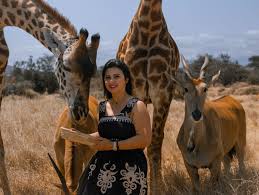
For travelers asking why visit serval wildlife?, the answer often lies in the unique safari experiences offered across Tanzania. Unlike large predators such as lions or leopards, servals are elusive and nocturnal, which means spotting them requires careful planning, expert guidance, and patience. Tanzania’s national parks, private reserves, and wetlands provide structured safari experiences that maximize opportunities to observe servals in their natural habitats while enjoying other wildlife encounters and eco-tourism activities.
Guided Safaris for Serval Observation
Professional safari guides play a critical role in helping tourists find servals. These guides combine knowledge of animal behavior, tracking skills, and familiarity with local terrain to enhance wildlife viewing success. Most guided tours operate during dawn or dusk when servals are most active, offering visitors a rare glimpse of these agile hunters. Including a guided safari in your itinerary answers the question why visit serval wildlife? by providing ethical, safe, and informative access to these animals while minimizing human impact on their habitats.
Private Reserves and Wetlands
While national parks like the Serengeti, Selous Game Reserve, and Tarangire are prime safari destinations, private reserves and wetland areas such as Ruaha National Park or the Usangu wetlands offer quieter, less crowded experiences. These areas are ideal for observing servals’ hunting and territorial behaviors without the distraction of large tourist groups. Visiting smaller or specialized reserves allows wildlife enthusiasts to gain a deeper understanding of servals’ ecological roles, providing an intimate wildlife experience that larger parks may not offer.
Combination Safaris
Many safari operators design itineraries that combine serval observation with other wildlife experiences, including big cats, elephants, giraffes, and birds. This approach enriches the overall adventure and provides context for understanding how servals interact within their ecosystems. Observing servals alongside their prey and other predators demonstrates predator-prey dynamics, social hierarchies, and habitat utilization, reinforcing the educational aspect of safaris. For travelers, this comprehensive experience provides an unforgettable answer to the question why visit serval wildlife?, blending excitement, learning, and conservation awareness.
Night Safaris and Specialized Excursions
Given their nocturnal tendencies, servals are most active at night. Some reserves offer specialized night safaris using guided vehicles or walking tours to maximize chances of spotting these elusive cats. Night excursions also provide opportunities to see other nocturnal wildlife, such as genets, bush babies, and owls, creating a multi-layered wildlife experience. Nighttime tours require careful planning, adherence to safety protocols, and expert guidance to ensure that wildlife observation is ethical, minimally invasive, and rewarding.
Educational and Conservation-Oriented Tours
Many safari operators emphasize education and conservation. Guided tours often include briefings on serval behavior, habitat preservation, and the role of mesopredators in maintaining ecosystem balance. By participating in these tours, visitors actively support conservation initiatives and gain a deeper appreciation for Tanzania’s biodiversity. This emphasis on sustainability and learning is a vital reason for travelers to choose serval-focused experiences, highlighting why why visit serval wildlife? goes beyond mere sightseeing into the realm of meaningful eco-tourism.
Logistics and Preparation for Serval Safaris
To fully enjoy a serval-focused safari, preparation is key. Visitors should bring appropriate gear, including binoculars, cameras with zoom lenses, neutral-colored clothing, and sturdy footwear. Pack essentials like water, snacks, sun protection, and insect repellent to remain comfortable during extended tours. Many safari companies provide daypacks, guides, and vehicles equipped for off-road terrain, making the experience accessible while maintaining safety standards. Planning these logistics carefully ensures that tourists maximize both their wildlife sightings and overall enjoyment.
External References (Authoritative Sources):
-
Tanzania National Parks – Safari Planning and Guidelines: https://www.tanzaniaparks.go.tz
-
Wildlife Conservation Society – Wildlife Safari Tours in Tanzania: https://www.wcs.org/our-work/wildlife
-
National Geographic – African Safari Experiences: https://www.nationalgeographic.com/travel/article/africa-safari
5: Tips, Photography, and Responsible Tourism for Serval Observation
Observing servals in Tanzania is not only about witnessing a rare and agile predator but also about experiencing wildlife ethically, safely, and memorably. For anyone considering a trip to Tanzania, knowing why visit serval wildlife? encompasses preparation, photography, responsible behavior, and appreciation for conservation efforts. This section provides detailed guidance to maximize enjoyment while ensuring minimal impact on the environment and the animals themselves.
Essential Tips for a Successful Serval Safari
Planning is critical when aiming to spot servals. As nocturnal and elusive creatures, servals require patience and strategic timing. Visitors should prioritize early morning or late afternoon excursions, when these cats are most active. Guided tours with experienced trackers increase the chances of successful sightings, providing insights into animal behavior, tracks, and habitats. Asking why visit serval wildlife? is answered not only by the thrill of seeing the animals but also by the educational value of these experiences, which often include learning about ecological balance, predator-prey dynamics, and habitat protection.
Photography and Videography Tips
For wildlife photographers, capturing servals requires specific gear and techniques. Telephoto lenses are essential for photographing these skittish animals without disturbing them. Tripods or monopods can stabilize cameras in low-light situations, particularly during dawn or dusk. Patience is critical, as servals may move quickly through tall grasses or reeds. Ethical photography practices, such as maintaining a safe distance, avoiding flash, and following guide instructions, ensure the welfare of the animals while creating memorable images. Photography enthusiasts often report that one of the most satisfying reasons why visit serval wildlife? is capturing rare, candid behaviors in their natural habitats.
Responsible Tourism and Conservation Awareness
Ethical tourism is a cornerstone of serval observation. Visitors should follow park guidelines, stay on designated trails, and minimize noise to avoid stressing wildlife. Supporting conservation projects, such as those managed by the Wildlife Conservation Society or the Tanzania Wildlife Research Institute, ensures that tourism contributes positively to habitat preservation and research. Engaging with local communities also supports sustainable livelihoods and encourages responsible tourism. Recognizing the conservation aspect helps answer why visit serval wildlife?, emphasizing that observing wildlife can actively support ecosystem protection.
Travel Gear and Safety Recommendations
A comprehensive packing list enhances comfort and safety during serval-focused excursions. Essentials include sturdy walking shoes, neutral-colored clothing for blending into the environment, insect repellent, and a reliable flashlight for night excursions. Binoculars and field guides improve observation quality, while water, snacks, and sunscreen maintain well-being during extended safari hours. Preparing for variable weather, from sunny savannas to damp wetlands, ensures that travelers are equipped for all conditions. Thoughtful preparation directly enhances the overall experience, demonstrating one of the key reasons why visit serval wildlife?—a well-planned adventure leads to better wildlife encounters and lasting memories.
Eco-Friendly Practices for Serval Tourism
Visitors can minimize their environmental footprint by following eco-friendly practices. Carrying reusable water bottles, avoiding single-use plastics, and disposing of waste responsibly are simple but impactful measures. Respecting wildlife boundaries, refraining from feeding animals, and avoiding disturbance to nesting or hunting areas ensures ethical engagement. Supporting accommodations and tour operators that prioritize sustainability further reinforces conservation efforts. Responsible behavior enhances both the quality of the visit and the long-term health of the serval’s habitat.
Enhancing the Experience Through Education
Finally, the educational component of serval observation is invaluable. Guided tours often provide insights into the species’ hunting strategies, social behavior, and ecological significance. Tourists gain a deeper understanding of the interconnectedness of wildlife ecosystems, the importance of predator species, and the role humans play in conservation. Learning while observing creates a meaningful experience that transcends mere sightseeing, offering a profound answer to why visit serval wildlife?—it is an encounter that is both thrilling and enriching.
External References (Authoritative Sources):
-
Wildlife Conservation Society – Responsible Wildlife Tourism: https://www.wcs.org/our-work/wildlife
-
Tanzania Wildlife Research Institute – Sustainable Safari Guidelines: https://www.tawiri.or.tz
-
National Geographic – Tips for Wildlife Photography in Africa: https://www.nationalgeographic.com/travel/article/africa-wildlife-photography
