

Discover why Tanzania travel is a bucket-list experience. From the Serengeti safaris and Mount Kilimanjaro adventures to Zanzibar’s pristine beaches and rich cultural heritage, explore the ultimate guide for unforgettable Tanzanian journeys.
Tanzania’s Unmatched Natural Wonders: From Serengeti to Mount Kilimanjaro
https://nativesonexpeditions.com/blogs/
Tanzania travel offers a mesmerizing array of natural landscapes that captivate travelers from around the globe. The country is renowned for its world-famous wildlife safaris, pristine beaches, and breathtaking mountains. At the heart of this is the Serengeti National Park, one of the most iconic safari destinations in Africa, home to the legendary Great Migration of wildebeests and zebras. Visitors seeking the ultimate wildlife experience will find Tanzania travel unrivaled, as the Serengeti’s vast plains provide not only spectacular sightings but also the chance to witness nature’s raw power and beauty in its purest form.
Beyond the Serengeti, Mount Kilimanjaro, Africa’s highest peak, offers travelers the unique opportunity to trek through diverse ecosystems, from tropical rainforest to alpine desert, all within a single climb. Hiking Kilimanjaro is a bucket-list adventure for adventure seekers and nature enthusiasts alike. Tanzania travel, in this context, combines both adrenaline-pumping adventure and deep immersion in natural beauty, a combination that few countries in the world can offer.
Lake Manyara and Ngorongoro Crater are other treasures that define Tanzania travel. The Ngorongoro Conservation Area, a UNESCO World Heritage site, is a collapsed volcanic caldera that hosts a remarkable density of wildlife, including lions, elephants, rhinos, and flamingos. Tourists seeking unique wildlife encounters often prioritize Tanzania travel for these protected areas, which blend ecological richness with cultural significance. Lake Manyara, with its tree-climbing lions and pink-hued flamingos, adds yet another dimension to the country’s remarkable natural appeal.
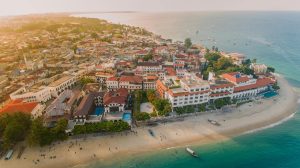
For those who love coastal beauty, Tanzania travel includes the enchanting islands of Zanzibar and Pemba, offering powdery white beaches, crystal-clear waters, and vibrant marine life. Zanzibar, in particular, is a cultural melting pot with historic Stone Town and spice farms that reveal centuries of Swahili, Arab, and Portuguese influence. Diving and snorkeling in the coral-rich waters are unforgettable experiences, making Tanzania travel attractive not only for safaris but also for ocean adventures.
In addition to its wildlife and landscapes, Tanzania travel is enriched by eco-tourism and conservation projects. Travelers can visit initiatives such as the Jane Goodall Institute in Gombe to learn about chimpanzee conservation or participate in community-led wildlife protection programs. This combination of natural beauty and sustainable tourism makes Tanzania travel a holistic and responsible choice for the modern traveler.
For more information on planning your Tanzania travel adventure, you can visit Tanzania National Parks Authority and Lonely Planet’s Tanzania Guide.
2. Cultural Diversity and Rich Heritage: Tanzania Travel Beyond Nature

Tanzania travel is not just about stunning landscapes; it is equally about experiencing the country’s rich cultural heritage. With over 120 ethnic groups, Tanzania offers an unparalleled mosaic of languages, traditions, and arts. Travelers are often fascinated by the Maasai communities, whose vibrant attire and traditional rituals reflect a deep connection with the land and wildlife. Experiencing a Maasai village firsthand provides insight into centuries-old customs, making Tanzania travel culturally enriching.
Swahili culture along the coast, particularly in Zanzibar and Bagamoyo, is another highlight. The Swahili people’s history of trade and seafaring has left behind magnificent architecture, bustling markets, and flavorful cuisine. Tourists exploring Stone Town in Zanzibar will find intricately carved wooden doors, historic mosques, and narrow alleyways that speak volumes about Tanzania’s multicultural past. Tanzania travel, therefore, appeals to both history enthusiasts and modern explorers who want to connect with local stories.
Music and dance play a crucial role in Tanzanian society. Traditional dances like ngoma and taarab music reflect communal celebrations, spiritual practices, and historical narratives. Travelers can attend local festivals, participate in drum workshops, or enjoy live performances in cultural centers, making Tanzania travel a dynamic sensory experience. Even culinary exploration is part of cultural tourism: sampling dishes like ugali, pilau, and Zanzibar pizza allows travelers to taste the nation’s diverse heritage.
For travelers seeking immersive cultural experiences, Tanzania travel provides opportunities to stay in community-run lodges, volunteer in educational projects, or join artisan workshops. These experiences go beyond sightseeing, fostering meaningful connections and ensuring that tourism positively impacts local communities. By combining adventure, wildlife, and culture, Tanzania travel truly stands out as a holistic destination that satisfies diverse traveler interests.
To explore Tanzanian culture further, refer to UNESCO Tanzania Cultural Heritage and Cultural Tourism in Tanzania.
3. Adventure Tourism: Tanzania Travel for Thrill-Seekers
Adventure is an integral part of Tanzania travel. Beyond safaris and cultural exploration, Tanzania offers a wealth of adrenaline-filled activities that attract thrill-seekers. Climbing Mount Kilimanjaro is one of the ultimate challenges in adventure tourism. Multiple trekking routes, such as the Machame and Lemosho trails, offer different levels of difficulty, scenic diversity, and wildlife encounters. Tanzania travel for climbers combines physical challenge with breathtaking natural vistas, providing a unique sense of accomplishment upon reaching Uhuru Peak.
For water sports enthusiasts, Tanzania travel includes world-class diving and snorkeling opportunities around Zanzibar, Pemba, and Mafia Island. The latter is famous for whale shark encounters, allowing travelers to swim alongside the largest fish in the world. The pristine coral reefs, vibrant fish species, and warm Indian Ocean waters create unforgettable experiences for both beginners and experienced divers.
Safari-based adventure is another major draw. Travelers can participate in hot air balloon safaris over the Serengeti at sunrise, offering panoramic views of wildlife in motion. Tanzania travel also includes walking safaris, where guides lead tourists through the bush on foot, providing a closer look at animal tracks, plants, and ecosystems. These activities combine adventure with education, ensuring travelers not only thrill but also gain deep insights into Tanzania’s natural heritage.
For extreme sports enthusiasts, Tanzania travel offers mountain biking, white-water rafting, and paragliding in select regions. The Usambara Mountains and Mount Meru, for instance, are excellent for hiking and biking, while the Pangani River provides thrilling rafting experiences. By offering a wide range of outdoor activities, Tanzania travel satisfies diverse adventurer profiles—from casual explorers to hardcore thrill-seekers.
Explore adventure planning resources at Tanzania Adventure Travel and SafariBookings Tanzania Safaris.
4. Unique Wildlife Encounters and Conservation: Tanzania Travel at Its Finest
Tanzania travel offers one of the most immersive wildlife experiences on Earth. Unlike many other destinations, Tanzania’s natural reserves provide visitors with not just the chance to see animals, but to witness complex ecosystems in their natural state. The country is home to the Big Five—lion, leopard, elephant, rhino, and buffalo—and offers travelers unforgettable encounters that few places in the world can match. Whether exploring the vast plains of the Serengeti, the craters of Ngorongoro, or the lush landscapes of Selous Game Reserve, Tanzania travel ensures encounters that are both thrilling and educational.
The Serengeti National Park is central to Tanzania travel. It hosts the legendary Great Migration, a yearly movement of over 1.5 million wildebeests and hundreds of thousands of zebras and gazelles. Witnessing this spectacle is a once-in-a-lifetime experience, where visitors can observe predator-prey interactions, newborn calves taking their first steps, and the sheer scale of wildlife congregations. Tanzania travel here is about much more than observation—it is about understanding the delicate balance of life on the African savannah.
Ngorongoro Crater is another jewel of Tanzania travel. Often referred to as the “Eden of Africa,” it provides a natural enclosure where wildlife thrives. Visitors can spot elephants, lions, black rhinos, and a host of bird species in a single day. The crater’s unique geography, a collapsed volcanic caldera, makes for easy viewing while still maintaining ecological integrity. Conservation efforts here have ensured that Tanzania travel experiences remain sustainable, benefiting both wildlife and local communities.
In addition to traditional safaris, Tanzania travel includes volunteer and educational opportunities. Travelers can participate in wildlife conservation programs, anti-poaching initiatives, and research projects. Organizations such as Tanzania Wildlife Research Institute and Jane Goodall Institute Tanzania provide platforms for tourists to engage meaningfully. These experiences add depth to Tanzania travel, allowing visitors to contribute to the preservation of wildlife for future generations.
Marine life is another highlight. Tanzania travel along the coast, particularly around Zanzibar, Pemba, and Mafia Island, introduces travelers to coral reefs, dolphins, and endangered sea turtles. Whale shark excursions near Mafia Island are particularly popular, offering responsible interactions with these gentle giants. Such marine adventures make Tanzania travel appealing not only to land-based safari enthusiasts but also to ocean lovers seeking ecological immersion.
Furthermore, Tanzania travel emphasizes eco-friendly tourism practices. Many lodges and safari operators implement solar energy, water conservation, and waste reduction programs. This ensures that while visitors enjoy the wonders of Tanzania, they are also contributing to sustainable tourism. Through responsible travel practices, tourists can leave a positive footprint while experiencing the country’s unparalleled wildlife.
For more wildlife planning and conservation-focused travel tips, visit African Wildlife Foundation and Tanzania Tourism Board.
5. Sustainable Tourism and Tanzania Travel Tips for Modern Travelers
Tanzania travel today is as much about responsible tourism as it is about adventure. Modern travelers are increasingly looking for experiences that support local communities, protect natural resources, and preserve cultural heritage. Sustainable tourism in Tanzania emphasizes these principles, allowing visitors to enjoy the country without compromising its ecosystems or cultural integrity. By choosing eco-lodges, community-run tours, and conservation-oriented activities, tourists contribute to both local development and environmental protection.
One key aspect of Tanzania travel is community-based tourism. Visitors can stay in Maasai or Hadzabe villages, participate in traditional crafts, or engage in educational projects. These experiences provide authentic cultural immersion while ensuring that local communities benefit economically. For example, some lodges are entirely managed by local tribes, with profits supporting schools, healthcare, and wildlife protection programs. Tanzania travel in this context becomes a force for good, creating meaningful connections between visitors and residents.
Planning a Tanzania travel itinerary requires careful attention to seasonal considerations. The dry season (June to October) is ideal for safaris, as wildlife congregates around water sources, making sightings easier. The wet season (November to May) is perfect for birdwatching, lush landscapes, and avoiding crowds. By aligning trips with ecological cycles, travelers maximize their experience while minimizing environmental impact. Reliable resources like Tanzania National Parks provide updated information on park conditions, fees, and conservation guidelines.
Transportation and travel logistics are also critical. Tanzania travel often involves flights between regions, especially from Arusha to Zanzibar or Kilimanjaro to Selous. Using reputable tour operators not only ensures safety but also contributes to local economies. Many operators follow sustainable practices, such as reducing vehicle emissions, supporting local staff, and avoiding over-tourism in sensitive areas. These choices make Tanzania travel both responsible and enjoyable.
For accommodation, Tanzania travel increasingly emphasizes eco-lodges and sustainable hotels. Facilities like the Chem Chem Safari Lodge or Zanzibar’s eco-resorts use solar energy, recycle waste, and source food locally. Travelers benefit from modern comforts while knowing their stay aligns with conservation goals. By prioritizing eco-friendly lodging, Tanzania travel supports a model where tourism and sustainability coexist.
Health and safety are essential for modern travelers. Tanzania travel requires precautions such as vaccinations, malaria prevention, and travel insurance. Awareness of park rules, wildlife behavior, and local customs ensures that tourists enjoy a safe and respectful experience. Tanzania’s tourism infrastructure has grown to meet international standards, making even remote safari or island adventures accessible and comfortable.
Finally, Tanzania travel thrives when visitors embrace flexibility, curiosity, and respect for the environment and culture. Whether marveling at the sunrise over Mount Kilimanjaro, snorkeling with whale sharks, or learning traditional Swahili cooking, travelers leave with memories that are both exhilarating and meaningful. By combining adventure, culture, and sustainability, Tanzania travel continues to distinguish itself as one of the most unique destinations in the world.
For more travel tips and sustainable practices, check Sustainable Travel International Tanzania and Tanzania Tourism Official Guide.
