

Discover why Lake Manyara is one of Tanzania’s most scenic parks, featuring breathtaking landscapes, diverse wildlife, flamingos, and unforgettable safari experiences.
Why Lake Manyara is One of Tanzania’s Most Scenic Parks: An Introduction
https://nativesonexpeditions.com/tanzania-safari/
Why Lake Manyara is one of Tanzania’s most scenic parks becomes immediately clear the moment visitors descend the Great Rift Valley escarpment and witness the park unfold below them like a living painting. Located in northern Tanzania, Lake Manyara National Park is often described as a hidden gem, yet its natural beauty rivals that of the country’s more famous safari destinations. This park combines dramatic landscapes, lush groundwater forests, expansive floodplains, alkaline lakes, and distant mountain backdrops, creating a visual experience that feels both intimate and cinematic. For travelers seeking scenery as much as wildlife, the park offers a rare balance of tranquility, diversity, and accessibility that is difficult to find elsewhere in East Africa.
The geographical position of Lake Manyara National Park plays a major role in its visual appeal. Nestled between the towering Rift Valley escarpment and the shimmering soda lake that gives the park its name, the scenery constantly shifts as visitors move through different ecological zones. Dense mahogany and fig forests give way to open grasslands, acacia woodlands, and lakeshore environments teeming with birdlife. This dramatic variation within a relatively compact area is one of the primary reasons why Lake Manyara is one of Tanzania’s most scenic parks, as travelers can experience multiple landscapes within a single game drive.
Another defining element of the park’s scenery is water. Unlike many parks that depend heavily on seasonal rains, Lake Manyara is sustained by underground springs flowing from the highlands above. These springs nourish lush vegetation year-round, creating a striking contrast between green forest corridors and the dry savannahs beyond the park boundaries. During the wet season, the lake expands dramatically, reflecting the sky and attracting thousands of flamingos whose pink hues transform the shoreline into a natural spectacle. These visual elements contribute significantly to the reputation that explains why Lake Manyara is one of Tanzania’s most scenic parks for photographers, nature lovers, and first-time safari travelers.
Beyond the physical landscape, the park’s atmosphere enhances its scenic quality. Game drives feel immersive and personal due to the park’s smaller size and winding roads that pass through thick vegetation. Sunlight filters through towering trees, wildlife appears suddenly from the undergrowth, and panoramic viewpoints along the escarpment provide sweeping views of the lake below. This sense of discovery and intimacy sets Lake Manyara apart from vast open plains, reinforcing why Lake Manyara is one of Tanzania’s most scenic parks for visitors who value both beauty and emotional connection to nature.
For travelers planning a safari circuit in northern Tanzania, Lake Manyara National Park is often included as a transitional stop between Arusha, Tarangire, and Ngorongoro. However, its scenic value alone justifies extended exploration. According to the Tanzania National Parks Authority, the park is recognized for its ecological diversity and visual richness, making it a key destination for sustainable tourism. As an introduction, understanding the park’s geography, atmosphere, and visual harmony lays the foundation for appreciating why Lake Manyara is one of Tanzania’s most scenic parks and why it continues to captivate travelers from around the world.
Why Lake Manyara is One of Tanzania’s Most Scenic Parks for Landscape Diversity
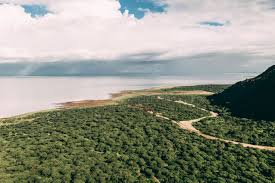
Why Lake Manyara is one of Tanzania’s most scenic parks is deeply rooted in its extraordinary landscape diversity, which is rarely matched within such a compact protected area. Covering approximately 330 square kilometers, the park encompasses multiple ecosystems that change dramatically over short distances. From dense evergreen forests fed by underground springs to vast open floodplains and the alkaline waters of Lake Manyara itself, the scenery continuously evolves, offering travelers an ever-changing visual narrative. This diversity makes each game drive feel unique and reinforces the park’s reputation as a scenic masterpiece.
The groundwater forest is one of the most striking features of the park’s landscape. Towering fig trees, mahogany, and acacia form a shaded canopy that feels almost tropical, a surprising sight in a safari setting. Sunlight filters through thick foliage, illuminating moss-covered trunks and creating dramatic contrasts that appeal especially to photographers. This forest zone exists because of permanent water sources, and it plays a crucial role in shaping why Lake Manyara is one of Tanzania’s most scenic parks, offering a sense of lushness rarely found in other savannah-dominated reserves.
As visitors move away from the forest, the landscape opens into grassy floodplains where wildlife roams freely against the backdrop of the Rift Valley escarpment. These plains provide unobstructed views of animals and dramatic skies, especially during sunrise and sunset when the light transforms the environment into warm gold and deep orange hues. The visual drama created by the escarpment rising sharply on one side and the lake stretching endlessly on the other explains clearly why Lake Manyara is one of Tanzania’s most scenic parks for travelers who appreciate natural contrasts and wide-angle views.
Lake Manyara itself is a defining scenic element. The shallow alkaline lake reflects changing skies and supports a rich concentration of birdlife. During certain seasons, thousands of flamingos gather along the shoreline, creating a vibrant pink ribbon against the blue and silver tones of the water. Pelicans, storks, and other water birds add movement and sound to the scene, transforming the lake into a living artwork. This interplay of color, reflection, and wildlife presence is a major reason why Lake Manyara is one of Tanzania’s most scenic parks, especially for birdwatchers and landscape enthusiasts.
Seasonal variation further enhances the park’s visual appeal. During the wet season, the landscape becomes intensely green, rivers flow visibly, and flowers bloom across the plains. In the dry season, dust-softened colors dominate, and the lake recedes to reveal expansive shorelines framed by distant mountains. This cyclical transformation ensures that the park never looks the same twice. According to Lonely Planet, Lake Manyara is celebrated for packing Tanzania’s most diverse scenery into a single park, reinforcing its status as a top scenic destination. All these elements combined provide a compelling explanation of why Lake Manyara is one of Tanzania’s most scenic parks from a purely landscape-driven perspective.
Why Lake Manyara is One of Tanzania’s Most Scenic Parks for Wildlife Viewing
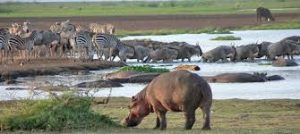
Why Lake Manyara is one of Tanzania’s most scenic parks cannot be separated from its wildlife, which interacts with the landscape in ways that enhance visual drama and emotional impact. Unlike parks dominated by vast open plains, Lake Manyara’s wildlife encounters often occur within forested corridors, along lakeshores, and across open grasslands framed by natural backdrops. This integration of animals and environment creates scenes that feel cinematic and immersive, making wildlife viewing here as visually rewarding as it is exciting.
One of the park’s most famous attractions is its tree-climbing lions, a behavior rarely observed elsewhere in Africa. Seeing lions resting on acacia branches against a backdrop of green forest or open plains creates unforgettable images that capture both rarity and beauty. These moments contribute strongly to why Lake Manyara is one of Tanzania’s most scenic parks, as wildlife sightings often occur in visually striking settings rather than open, uniform landscapes.
Elephants are another key species that enhance the park’s scenic quality. Large herds move gracefully through forest paths, emerging suddenly from dense vegetation. The contrast between massive animals and delicate greenery creates powerful visual compositions. Giraffes browsing among treetops, buffalo grazing on floodplains, and hippos wallowing near water sources further add layers of depth and scale to the scenery. Each sighting reinforces why Lake Manyara is one of Tanzania’s most scenic parks by blending wildlife behavior with natural surroundings.
Birdlife plays an equally important role in defining the park’s scenic reputation. Lake Manyara is home to over 400 bird species, making it one of Tanzania’s premier birding destinations. Flamingos, crowned eagles, hornbills, and kingfishers add color, movement, and sound to every corner of the park. The visual harmony created by birds interacting with water, trees, and sky is a major factor explaining why Lake Manyara is one of Tanzania’s most scenic parks for nature lovers and photographers alike.
The relatively compact size of the park allows for prolonged wildlife observation, increasing the chances of witnessing meaningful interactions rather than fleeting sightings. Game drives feel unhurried, and animals often appear without the distraction of large crowds. This intimacy enhances the scenic experience, allowing travelers to absorb both the beauty of the animals and their surroundings. According to the African Wildlife Foundation, ecosystems like Lake Manyara are vital for biodiversity conservation while also offering exceptional wildlife viewing opportunities. Together, these factors illustrate clearly why Lake Manyara is one of Tanzania’s most scenic parks when wildlife and landscape are considered as a unified visual experience.
Why Lake Manyara is One of Tanzania’s Most Scenic Parks for Photography
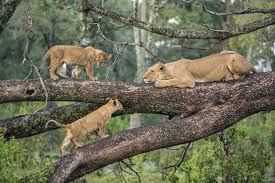
Why Lake Manyara is one of Tanzania’s most scenic parks is especially evident through the lens of a camera, making it a favorite destination for photographers of all skill levels. The park’s diverse environments, dramatic lighting, and close wildlife encounters provide endless creative possibilities. Unlike larger parks where distances can limit composition, Lake Manyara offers intimate photographic opportunities where subjects are often framed naturally by trees, water, and terrain.
Lighting conditions in the park are particularly favorable. Early mornings bring soft mist rising from the forest floor, while late afternoons produce warm, golden light filtering through trees and reflecting off the lake. These lighting conditions enhance textures, colors, and shadows, adding depth and emotion to photographs. This natural lighting is one of the core reasons why Lake Manyara is one of Tanzania’s most scenic parks for landscape and wildlife photography.
The park’s varied backdrops allow photographers to capture diverse styles within a single location. Wide-angle shots of the Rift Valley escarpment contrast beautifully with close-up portraits of wildlife in forested settings. Reflections on the lake, silhouettes of animals against the sky, and dynamic bird flight shots all contribute to a rich photographic portfolio. These opportunities clearly demonstrate why Lake Manyara is one of Tanzania’s most scenic parks for travelers seeking visually compelling memories.
Human impact is minimal in many areas of the park, preserving a sense of wilderness that enhances photographic authenticity. Roads are carefully integrated into the environment, and vegetation often frames images naturally. This allows photographers to capture scenes that feel untouched and timeless. Whether focusing on wildlife behavior, landscapes, or abstract natural patterns, the park consistently delivers strong visual results, reinforcing why Lake Manyara is one of Tanzania’s most scenic parks from a creative perspective.
For travelers interested in ethical wildlife photography and conservation awareness, resources from National Geographic emphasize the importance of respecting ecosystems while capturing images. Lake Manyara’s management policies support this balance, ensuring that photography enhances appreciation rather than disturbance. Ultimately, the park’s visual richness, combined with favorable conditions and ethical tourism practices, confirms why Lake Manyara is one of Tanzania’s most scenic parks for photographers worldwide.
Why Lake Manyara is One of Tanzania’s Most Scenic Parks for Sustainable Tourism
Why Lake Manyara is one of Tanzania’s most scenic parks also lies in its strong commitment to sustainable tourism, which preserves both natural beauty and cultural integrity. The park plays a crucial role in demonstrating how conservation and tourism can coexist harmoniously. Sustainable management ensures that landscapes remain pristine, wildlife populations remain healthy, and visitor experiences remain meaningful rather than overcrowded.
Local communities surrounding the park are actively involved in tourism initiatives, benefiting economically while contributing to conservation efforts. Cultural tourism programs allow visitors to engage respectfully with nearby villages, adding depth to the scenic experience by connecting natural beauty with human heritage. This integration strengthens why Lake Manyara is one of Tanzania’s most scenic parks, as scenery is not limited to landscapes alone but includes cultural context and responsible interaction.
Eco-lodges and environmentally conscious safari operators further enhance the park’s sustainability profile. Many accommodations are designed to blend seamlessly into the environment, minimizing visual and ecological impact. Renewable energy use, water conservation, and waste management practices ensure that tourism supports long-term preservation. These efforts help maintain the scenic integrity that explains why Lake Manyara is one of Tanzania’s most scenic parks for future generations.
Park regulations limit vehicle numbers and enforce strict guidelines for wildlife viewing, reducing stress on animals and preventing habitat degradation. This careful management maintains the natural atmosphere that makes the park visually appealing and emotionally rewarding. Visitors often remark on the calm, uncrowded feel of Lake Manyara, a quality that enhances scenic appreciation and supports the claim of why Lake Manyara is one of Tanzania’s most scenic parks.
According to the Tanzania Tourism Board, Lake Manyara is a model destination for responsible travel in Tanzania’s northern circuit. Its success demonstrates that sustainability and scenic beauty are deeply interconnected. By protecting ecosystems, supporting communities, and managing tourism responsibly, Lake Manyara continues to stand out as a destination where beauty is preserved, not exploited. This holistic approach ultimately confirms why Lake Manyara is one of Tanzania’s most scenic parks and why it remains a top choice for conscious travelers.
