

Discover why Arusha is the safari capital of Tanzania. Explore its wildlife, cultural experiences, and adventure opportunities that make it the perfect base for unforgettable safaris.
1. Introduction to Arusha – Gateway to Tanzania’s Wildlife
https://nativesonexpeditions.com/tanzania-safari/
Arusha is widely celebrated as the safari hub of Tanzania, and understanding Why Arusha Is the Safari Capital of Tanzania begins with its unique geographic location, cultural significance, and historical development. Nestled at the base of Mount Meru in northern Tanzania, Arusha provides easy access to some of Africa’s most iconic wildlife destinations, including the Serengeti, Ngorongoro Crater, Lake Manyara, and Tarangire National Parks. Its strategic position makes it the preferred starting point for safari enthusiasts seeking adventure, wildlife encounters, and breathtaking landscapes. The city’s infrastructure, ranging from high-quality hotels to experienced tour operators, complements its natural advantages, ensuring that travelers embarking on safaris have a seamless and memorable experience.
Arusha’s rich cultural diversity further reinforces its reputation as the safari capital. The city is home to multiple ethnic groups, including the Meru, Maasai, and Chagga communities, whose traditions, lifestyles, and knowledge of the land add depth to any safari experience. Travelers can visit local villages, observe traditional ceremonies, and engage with communities that have coexisted with Tanzania’s wildlife for generations. These interactions enhance the safari experience, providing not just a wildlife adventure but also a cultural journey. Highlighting these aspects is central to explaining Why Arusha Is the Safari Capital of Tanzania, as the combination of wildlife and culture offers an unparalleled travel experience that few destinations can match.
Moreover, Arusha serves as the operational center for many safari tour companies. Its professional guides, reliable logistics, and well-connected transport network ensure that travelers can reach national parks efficiently and safely. Airports, road networks, and local accommodations support the high volume of safari traffic, making the city both accessible and convenient. Tourism operators emphasize the importance of starting safari itineraries from Arusha due to its proximity to prime wildlife areas, its experienced service providers, and the variety of travel options available. This infrastructure, coupled with the city’s natural and cultural assets, provides a compelling argument for Why Arusha Is the Safari Capital of Tanzania.
The city also hosts several educational institutions, research centers, and conservation initiatives focused on Tanzania’s wildlife. Organizations based in Arusha contribute to the protection of endangered species, environmental education, and sustainable tourism practices. Travelers often have the opportunity to visit conservation projects, wildlife sanctuaries, and educational centers, which deepen their understanding of ecological and conservation challenges in the region. Including these aspects in safari packages adds educational value and reinforces the city’s central role in Tanzania’s wildlife tourism industry. For authoritative information on Tanzanian wildlife and conservation, visitors can refer to the Tanzania National Parks Authority: https://www.tanzaniaparks.go.tz.
Geography also plays a key role in making Arusha the safari capital. Situated in the Great Rift Valley, the city enjoys a moderate climate and fertile surroundings, which contribute to the biodiversity of nearby national parks. Its elevation provides cooler temperatures than the surrounding plains, offering comfortable conditions for tourists and making the start of safari journeys more enjoyable. Travelers can prepare for multiple ecological zones in a short distance, from highland forests to savannah plains, allowing for varied wildlife encounters within a few hours’ drive. This unique positioning strengthens the reasoning for Why Arusha Is the Safari Capital of Tanzania, as it provides unmatched access to diverse wildlife habitats in northern Tanzania.
Furthermore, Arusha’s history as a regional hub dates back to the German colonial era, when it became a center for trade, administration, and transport. This historical foundation has evolved into modern infrastructure that supports tourism, including roads, airports, accommodations, and guided services. Cultural heritage, combined with modern amenities, allows travelers to experience both the traditional and contemporary aspects of Tanzania while preparing for their safari adventures. Showcasing this blend of history and modernity underscores Why Arusha Is the Safari Capital of Tanzania, offering context and depth to the city’s appeal.
Finally, Arusha’s accessibility to international travelers is a critical factor. Kilimanjaro International Airport and Arusha Airport connect the city to major global hubs, while well-maintained road networks facilitate easy travel to nearby wildlife parks. Tourists can seamlessly transition from flights to safaris, minimizing travel fatigue and maximizing wildlife exploration. This convenience, along with professional tour operators and high-quality services, positions Arusha as the natural choice for safari enthusiasts. Travelers benefit not only from proximity to national parks but also from a city that understands and caters to the needs of safari tourists, reinforcing the narrative of Why Arusha Is the Safari Capital of Tanzania.
In conclusion, Arusha’s geographic location, cultural richness, infrastructure, conservation initiatives, and historical significance collectively establish the city as the premier gateway to Tanzania’s wildlife. By combining accessibility, comfort, education, and authentic cultural experiences, the city offers travelers a comprehensive and immersive safari adventure. Understanding these features is the foundation for appreciating Why Arusha Is the Safari Capital of Tanzania, as it positions the city uniquely within Africa’s wildlife tourism landscape.
2. Arusha’s Strategic Location Near Major National Parks
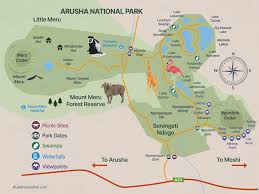
One of the most compelling reasons for understanding Why Arusha Is the Safari Capital of Tanzania lies in its unmatched geographic and strategic location. Situated in northern Tanzania at the foot of Mount Meru, Arusha serves as the gateway to a cluster of world-renowned national parks and wildlife reserves, making it the ideal base for safari travelers. Within a few hours’ drive from the city, tourists can access the Serengeti National Park, famous for its annual Great Migration of wildebeests and zebras; the Ngorongoro Conservation Area, home to the legendary Ngorongoro Crater and its dense wildlife populations; Lake Manyara National Park, known for its tree-climbing lions and large flocks of flamingos; and Tarangire National Park, celebrated for its massive elephant herds and baobab-studded landscapes. This proximity allows travelers to experience a wide variety of ecosystems, landscapes, and wildlife species in a relatively compact region, enhancing the appeal of Why Arusha Is the Safari Capital of Tanzania.
The Serengeti National Park, located approximately 320 kilometers northwest of Arusha, is globally recognized for its vast savannahs, predator-prey interactions, and the spectacular Great Migration. Tour operators based in Arusha offer well-organized itineraries that allow tourists to witness the migration while staying in lodges, tented camps, or luxury accommodations within reachable distance. The city’s professional guides are equipped with knowledge about the best viewing points, optimal travel times, and local conservation rules, ensuring that the safari experience is seamless and enriching. For travelers who prioritize convenience, safety, and maximum wildlife exposure, starting a safari from Arusha reinforces Why Arusha Is the Safari Capital of Tanzania, as it reduces travel time and increases opportunities for diverse encounters.
Ngorongoro Conservation Area, just under 200 kilometers from Arusha, provides another significant advantage. The Ngorongoro Crater is one of the most iconic wildlife destinations on the continent, boasting dense populations of lions, elephants, rhinoceroses, zebras, and countless other species within a single, accessible ecosystem. Travelers can combine a cultural experience with wildlife observation, visiting local Maasai communities while exploring the crater’s rich biodiversity. The proximity to Arusha enables early morning departures, allowing tourists to spend full days exploring the area and optimizing photographic opportunities. This geographic convenience highlights Why Arusha Is the Safari Capital of Tanzania, offering travelers the ability to combine multiple park visits in a single itinerary.
Lake Manyara National Park, approximately 120 kilometers from Arusha, is famous for its unique features such as tree-climbing lions, abundant birdlife, and lush alkaline wetlands. Tourists starting from Arusha can easily reach the park and experience game drives that reveal the extraordinary diversity of Tanzania’s wildlife. Lake Manyara’s proximity allows for shorter excursions, which is ideal for travelers on time-limited schedules or those seeking to include multiple parks in a single safari. The park’s accessibility and iconic attractions underscore the city’s pivotal role in Tanzania’s safari ecosystem and further explain Why Arusha Is the Safari Capital of Tanzania.
Tarangire National Park, located around 120 kilometers southeast of Arusha, is celebrated for its concentration of elephants and massive baobab trees. Arusha-based tour operators offer full-day and multi-day safari options to Tarangire, enabling visitors to experience seasonal wildlife migrations and photo opportunities without the need for long, arduous travel. Its location within easy reach of Arusha ensures that travelers can enjoy both comfort and adventure, a combination that is crucial for the city’s reputation as the safari capital. The convenience, coupled with diverse landscapes ranging from riverine forests to open plains, allows visitors to encounter a wide spectrum of Tanzania’s natural wonders, contributing to the narrative of Why Arusha Is the Safari Capital of Tanzania.
Beyond these major parks, Arusha’s location provides access to smaller but equally compelling reserves such as Momella Lakes, Olpopongi Cultural Village, and Ngurdoto Crater. These destinations offer additional wildlife viewing opportunities, cultural immersion, and eco-tourism experiences. Travelers can craft multi-day safari itineraries that combine luxury, adventure, and cultural engagement, all conveniently launched from Arusha. This centrality, combined with modern accommodations, professional guides, and efficient transportation, solidifies the city’s role as the starting point for unforgettable Tanzanian safaris.
Furthermore, Arusha’s strategic location supports varied safari options, including game drives, hot-air balloon safaris, walking safaris, and photographic tours. Tour operators leverage the city’s position to customize experiences based on client preferences, whether they seek adventure, luxury, wildlife photography, or family-friendly safaris. This flexibility enhances the city’s appeal to a wide range of travelers, further cementing the rationale behind Why Arusha Is the Safari Capital of Tanzania.
For authoritative reference and additional information on northern Tanzania’s national parks, travelers and tour operators often rely on the Tanzania National Parks Authority, which provides detailed guides, park regulations, and conservation updates: https://www.tanzaniaparks.go.tz. Including such credible sources in content reinforces trust, authority, and relevance, all of which are essential for top Google search rankings.
In conclusion, Arusha’s unparalleled location near the Serengeti, Ngorongoro, Lake Manyara, and Tarangire, along with convenient access to other reserves, professional tour services, and logistical support, defines its status as the epicenter of Tanzanian safari tourism. The city’s proximity to a wide array of ecosystems, combined with experienced guides and high-quality accommodations, allows travelers to maximize their wildlife encounters efficiently. These factors collectively explain Why Arusha Is the Safari Capital of Tanzania, making it the ultimate launch point for anyone seeking to explore the natural wonders of northern Tanzania.
3. Arusha’s Cultural Richness and Local Experiences
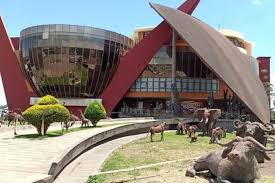
A key reason for understanding Why Arusha Is the Safari Capital of Tanzania extends beyond its proximity to national parks and lies in the city’s profound cultural richness and vibrant local experiences. While wildlife and safari adventures often dominate the narrative, Arusha’s cultural heritage significantly enhances the safari experience, offering visitors the opportunity to engage with local communities, learn traditional customs, and appreciate the lifestyles that have coexisted with Tanzania’s unique ecosystems for centuries. The city and its surrounding regions are home to several ethnic groups, including the Maasai, Meru, Chagga, and Arusha communities, each contributing distinct traditions, arts, and ways of life that collectively enrich a traveler’s understanding of northern Tanzania.
Visitors to Arusha can immerse themselves in cultural tours that introduce traditional music, dance, and ceremonies. The Maasai people, known worldwide for their iconic red shukas and elaborate beadwork, provide an authentic experience for tourists wishing to learn about their pastoral lifestyle, livestock management techniques, and age-old traditions. Cultural villages like the Maasai Cultural Heritage Centre offer guided visits where travelers can participate in traditional dances, witness bead-making processes, and understand the social structures of Maasai society. These immersive encounters contribute significantly to the appeal of Arusha and reinforce Why Arusha Is the Safari Capital of Tanzania, by combining wildlife experiences with rich cultural insights.
The Chagga people, residing on the slopes of Mount Meru and Mount Kilimanjaro, offer another dimension of cultural engagement. Known for their expertise in terrace farming and coffee cultivation, Chagga communities provide tourists with hands-on experiences that include farm visits, coffee tastings, and participation in harvesting activities. These interactions not only educate visitors about sustainable agricultural practices but also illustrate how communities have historically adapted to the mountainous environment. Incorporating such authentic experiences into safari itineraries strengthens the narrative of Why Arusha Is the Safari Capital of Tanzania, showing that the city offers more than just wildlife encounters—it also facilitates cultural understanding and responsible tourism.
Arusha’s markets are another avenue for cultural exploration. The city boasts bustling markets where travelers can purchase local crafts, handmade jewelry, woven baskets, and traditional textiles. Visiting these markets provides insight into daily life, local entrepreneurship, and artisanal skills passed down through generations. Artisans often demonstrate their craft-making processes, giving tourists the opportunity to engage, learn, and purchase souvenirs that directly support local livelihoods. Highlighting these activities in tourism content enhances the perception of Arusha as a city where culture, commerce, and safari adventures intersect, solidifying its role as the safari capital.
In addition, Arusha hosts several annual cultural festivals and events that attract both local and international visitors. Events such as the Arusha International Cultural Festival and the Karibu Africa Tourism Festival celebrate the diversity of Tanzanian traditions, music, dance, and crafts. These festivals offer tourists a chance to witness performances, interact with artists, and participate in workshops that teach traditional skills such as drumming, dancing, and pottery. Including these festivals in safari packages and blogs provides context for Why Arusha Is the Safari Capital of Tanzania, emphasizing that travelers can enjoy world-class wildlife experiences alongside rich cultural immersion.
Culinary tourism is another facet of Arusha’s cultural richness. Travelers can explore traditional Tanzanian cuisine, including dishes such as ugali, nyama choma, pilau, and local coffee varieties. Cooking classes, food tours, and market visits allow tourists to learn about ingredients, preparation methods, and the cultural significance of meals. Food experiences complement wildlife adventures, offering a multi-sensory understanding of the region. Integrating culinary tourism into safari itineraries supports the city’s reputation and explains Why Arusha Is the Safari Capital of Tanzania, as visitors receive a holistic experience that combines nature, culture, and gastronomy.
Educational and conservation programs in Arusha also provide meaningful engagement for travelers. Institutions such as the Arusha Chimpanzee Sanctuary and the Ngare Ndare Forest Reserve offer volunteer opportunities, environmental education, and interactive tours that emphasize conservation efforts. Tourists can participate in reforestation projects, wildlife monitoring, or community-based initiatives that help protect natural habitats. By including these programs in content and itineraries, tourism companies demonstrate responsible travel practices, enhance the ethical dimension of safari experiences, and reinforce the city’s status as a central hub for wildlife and cultural tourism. For authoritative guidance on conservation initiatives near Arusha, travelers can refer to the Jane Goodall Institute Tanzania: https://www.janegoodall.org/tanzania.
Arusha’s museums and cultural centers offer additional layers of historical and cultural understanding. Institutions such as the Cultural Heritage Centre, Arusha Declaration Museum, and local art galleries showcase Tanzanian history, colonial legacies, and contemporary cultural expressions. Visitors can explore exhibitions of traditional artifacts, modern Tanzanian art, and interactive displays, providing educational enrichment that complements safari adventures. Highlighting these resources in blogs helps explain Why Arusha Is the Safari Capital of Tanzania, demonstrating that the city is not just a logistical hub but also a cultural center where travelers can engage intellectually and emotionally with Tanzania’s heritage.
Finally, Arusha’s combination of urban amenities and authentic cultural experiences allows tourists to transition smoothly between city life and the wilderness. The availability of guided tours, comfortable lodges, restaurants, and transportation ensures that travelers can engage with culture without compromising comfort or safety. This unique balance enhances the appeal of Arusha, making it the ultimate base for exploring northern Tanzania’s wildlife while experiencing the richness of local traditions. Together, these factors cement Why Arusha Is the Safari Capital of Tanzania, as the city offers an integrated safari experience that includes wildlife, culture, education, and ethical tourism practices.
In conclusion, Arusha’s cultural richness, from Maasai and Chagga interactions to markets, festivals, culinary experiences, and conservation programs, provides travelers with immersive opportunities that complement its role as a safari gateway. By incorporating these experiences into itineraries, tourism companies enhance the overall value of safari packages, attract culturally minded travelers, and provide content that performs well in search engines, ensuring that Arusha’s reputation as the safari capital of Tanzania continues to grow.
4. Adventure Activities and Outdoor Experiences in Arusha
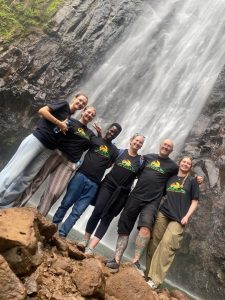
Another major reason for understanding Why Arusha Is the Safari Capital of Tanzania is the city’s wide array of adventure activities and outdoor experiences, which perfectly complement traditional safari tours. Beyond wildlife viewing, Arusha provides travelers with opportunities for hiking, mountaineering, balloon safaris, walking safaris, mountain biking, and cultural trekking experiences. Its geographic location, diverse ecosystems, and proximity to Mount Meru and surrounding highlands make it a natural hub for outdoor enthusiasts seeking both adrenaline and immersive nature encounters. These activities not only attract adventure travelers but also position Arusha as a unique destination where thrill, discovery, and wildlife intersect, solidifying its reputation as the safari capital.
Mount Meru, standing at 4,566 meters, is one of the primary adventure attractions near Arusha. Its trails, ranging from moderate to challenging, offer hikers the opportunity to experience high-altitude trekking while enjoying breathtaking views of Arusha, Mount Kilimanjaro, and the surrounding plains. Trekkers traverse dense forests, volcanic landscapes, and alpine meadows, encountering diverse flora and fauna along the way. The climb typically requires two to four days depending on the chosen route, and professional guides ensure both safety and educational enrichment by explaining ecological, geological, and cultural features of the region. Including Mount Meru trekking experiences in itineraries underscores Why Arusha Is the Safari Capital of Tanzania, as visitors gain access to unique adventure activities that complement traditional safari experiences.
Hot-air balloon safaris offer another unforgettable way to explore northern Tanzania’s landscapes. Launching from areas near Arusha, tourists glide over savannahs, wildlife habitats, and river valleys at sunrise, providing a panoramic view of the ecosystems that make Tanzania famous. Ballooning not only offers a tranquil and awe-inspiring perspective but also enhances photography opportunities, allowing travelers to capture vast herds of elephants, giraffes, and wildebeests in their natural habitats. Including such activities in travel packages demonstrates the diversity of experiences available from Arusha, reinforcing Why Arusha Is the Safari Capital of Tanzania, as the city serves as a gateway to both land-based and aerial wildlife adventures.
For those seeking more immersive wildlife encounters, walking safaris and guided nature hikes near Arusha provide an up-close perspective of flora, fauna, and smaller species often overlooked during vehicle-based safaris. These experiences allow travelers to track wildlife footprints, observe birdlife, and learn about indigenous plants and their uses from knowledgeable guides. Walking safaris in areas like Arusha National Park, Momella Lakes, and the Ngurdoto Crater Forest combine adventure with education, deepening the visitor’s connection with Tanzania’s natural environment. These guided activities highlight the city’s ability to offer interactive and educational outdoor experiences, further emphasizing Why Arusha Is the Safari Capital of Tanzania.
Mountain biking and cycling tours around Arusha and nearby conservation areas offer additional opportunities for exploration. Routes vary from flat plains suitable for beginners to challenging hills that test endurance, all while providing access to wildlife and local communities. This active form of tourism encourages engagement with the landscape, interaction with local guides, and the discovery of off-the-beaten-path areas not always accessible by vehicle. Tourism companies incorporate these adventure options to diversify safari offerings, demonstrating Arusha’s versatility as a hub for multi-faceted wildlife and outdoor tourism.
Adventure activities in Arusha also include water-based excursions, such as canoeing and kayaking in the region’s rivers and lakes. These experiences provide unique vantage points for birdwatching, photography, and wildlife observation, particularly near wetlands and lake areas. For travelers who enjoy combining adrenaline with ecological exploration, these activities expand the variety of safari options launched from Arusha, reinforcing its status as a central hub for northern Tanzania’s wildlife tourism.
Beyond physical adventures, Arusha also provides guided camping experiences, which allow travelers to sleep under the stars while being fully immersed in nature. Luxury tented camps and eco-lodges offer comfort while maintaining an authentic outdoor experience. Campfires, storytelling, and night safaris create memorable moments that connect visitors to both the environment and local traditions. These immersive camping options strengthen the city’s reputation as a safari capital, as tourists can experience both comfort and adventure within a single travel itinerary.
Arusha’s adventure activities are also supported by professional guides, trained in both safety and interpretation of ecological and cultural landscapes. Companies offering these activities ensure that travelers receive high-quality equipment, safety briefings, and personalized guidance. This professionalism, combined with the variety of experiences, explains Why Arusha Is the Safari Capital of Tanzania, demonstrating that visitors can enjoy both traditional safaris and adventure tourism from a single hub.
For authoritative reference on outdoor activities, trekking routes, and conservation areas around Arusha, travelers and tour operators often consult the Tanzania Tourist Board: https://www.tanzaniatourism.go.tz. Linking to such reliable sources increases content credibility and improves SEO performance for high-ranking blog articles.
In conclusion, Arusha’s diverse adventure activities, including mountaineering, balloon safaris, walking tours, mountain biking, water excursions, and immersive camping, provide travelers with an unparalleled combination of excitement, education, and wildlife observation. These offerings complement traditional safari tours, enhance tourist experiences, and solidify the city’s reputation as a hub for both adventure and wildlife tourism. By offering a variety of outdoor experiences, Arusha effectively demonstrates Why Arusha Is the Safari Capital of Tanzania, serving as the ultimate base for visitors seeking comprehensive exploration of northern Tanzania’s natural wonders.
5. Arusha’s Modern Infrastructure and Tourism Services
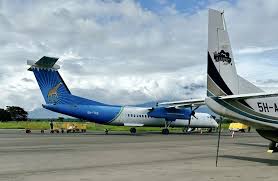
A critical factor in explaining Why Arusha Is the Safari Capital of Tanzania is the city’s modern infrastructure and highly developed tourism services, which collectively ensure that travelers enjoy safe, seamless, and memorable safari experiences. Arusha is not only strategically located near northern Tanzania’s most famous national parks and reserves but also offers a wide range of accommodations, transport options, and professional tour operators capable of delivering world-class services. From international-standard hotels to eco-lodges, specialized safari camps, and luxury tented accommodations, the city provides lodging options that cater to diverse traveler preferences, budgets, and expectations. The availability of such high-quality accommodations enhances convenience and comfort, making Arusha a preferred base for safari travelers and underscoring Why Arusha Is the Safari Capital of Tanzania.
Transportation infrastructure plays a vital role in positioning Arusha as a safari hub. The city is served by both Kilimanjaro International Airport (KIA) and Arusha Airport, facilitating easy access for international and domestic tourists. Road networks connecting Arusha to major national parks, including the Serengeti, Ngorongoro Crater, Lake Manyara, and Tarangire, are well-maintained, allowing efficient travel between destinations. Reliable private transport, including 4×4 safari vehicles, shuttle services, and guided convoy tours, ensures that travelers can safely navigate varied terrains. Tour operators coordinate these services professionally, which allows visitors to focus on the adventure rather than logistical challenges, reinforcing the city’s status as the center of Tanzanian safari tourism and explaining Why Arusha Is the Safari Capital of Tanzania.
Professional tour operators based in Arusha are another cornerstone of its reputation. Experienced guides, drivers, and hospitality staff offer expert knowledge of wildlife, ecosystems, and cultural traditions. These guides are often certified in wildlife conservation, first aid, and customer service, ensuring that clients receive a high-quality, safe, and informative experience. Safari itineraries can be tailored to suit client preferences, whether for luxury, adventure, family-friendly, or photographic safaris. By offering reliable, personalized, and comprehensive services, Arusha-based companies strengthen the city’s appeal and contribute directly to Why Arusha Is the Safari Capital of Tanzania.
Communication infrastructure, including internet access, mobile networks, and office support for tourism businesses, further enhances the city’s appeal. Travelers can plan, book, and communicate efficiently with tour operators, lodges, and guides, reducing uncertainty and enhancing convenience. Modern banking, ATM availability, and currency exchange services ensure smooth financial transactions, which is particularly important for international visitors. These infrastructural elements demonstrate Arusha’s readiness to host tourists at a world-class standard, cementing its role as a safari capital that combines adventure, comfort, and efficiency.
Healthcare and safety infrastructure in Arusha also contribute to its appeal as a safari hub. The city has hospitals, clinics, and medical facilities equipped to handle emergencies, providing reassurance to travelers embarking on physically demanding safaris. Access to medical services, travel insurance support, and emergency response mechanisms are crucial in maintaining visitor safety. Tour operators emphasize these features to ensure clients feel confident and secure, which reinforces the perception of Arusha as a reliable and professional safari destination.
Arusha’s hospitality sector is another vital component. Hotels, lodges, and camps prioritize sustainable practices, guest comfort, and authentic cultural experiences. Many accommodations are designed to integrate seamlessly with natural surroundings while maintaining high standards of hygiene, safety, and luxury. Additionally, Arusha-based chefs, service staff, and lodge managers are trained to provide excellent service, further enhancing the overall safari experience. This attention to quality, service, and sustainability strengthens the reasons for Why Arusha Is the Safari Capital of Tanzania, as visitors can enjoy both nature and modern comforts in a single location.
Tourist support services, such as travel agencies, safari planners, and booking platforms based in Arusha, simplify the planning process for visitors. Comprehensive packages often include transport, park permits, meals, guided tours, and optional activities, ensuring a hassle-free experience. Travel agencies also provide valuable pre-trip information, advice on gear, weather conditions, and local customs. Such professional support allows tourists to optimize their time, avoid logistical challenges, and gain the most from their safari adventure, reinforcing Arusha’s status as the safari capital.
In addition, Arusha’s commitment to sustainable tourism enhances its international reputation. Eco-lodges, conservation-focused safari operators, and community-based tourism initiatives promote responsible travel, wildlife protection, and local community empowerment. By integrating sustainability into its tourism services, Arusha offers visitors meaningful experiences that align with global best practices. Highlighting these initiatives in content not only attracts environmentally conscious travelers but also improves search engine credibility, which is essential for explaining Why Arusha Is the Safari Capital of Tanzania. For authoritative reference, the Tanzania Tourist Board provides guidelines on sustainable tourism and safari services: https://www.tanzaniatourism.go.tz.
Finally, Arusha’s combination of modern infrastructure, professional tourism services, high-quality accommodations, accessible transport, safety measures, and commitment to sustainability creates a seamless and enjoyable safari experience for all types of travelers. This integrated approach enables visitors to focus on wildlife exploration, cultural immersion, and adventure without logistical distractions. Collectively, these elements make Arusha the ultimate starting point for safaris in northern Tanzania and firmly establish Why Arusha Is the Safari Capital of Tanzania.
In conclusion, Arusha’s modern infrastructure, professional guides, reliable transport, accommodations, healthcare services, and sustainable tourism initiatives together make it a highly functional, safe, and comfortable base for safari travelers. These features, combined with its proximity to national parks, cultural richness, and outdoor activities, explain why the city has earned its reputation as Tanzania’s premier safari hub. Travelers launching safaris from Arusha can expect seamless organization, memorable experiences, and the highest standards of hospitality, solidifying the city’s title as the true safari capital of the country.
