

Discover the top animals in Serengeti including lions, elephants, cheetahs, leopards, wildebeests, and zebras. Explore Serengeti wildlife safari experiences with Nativesons Expeditions.
Why Serengeti Wildlife Is Famous Worldwide
The world-famous Serengeti National Park in Tanzania is one of the greatest safari destinations on Earth. Every year, travelers from across the globe visit this extraordinary ecosystem to witness the Top animals in Serengeti and experience one of the most impressive wildlife spectacles in Africa.
The Serengeti ecosystem covers vast grasslands, woodlands, river systems, and savannah plains that support incredible biodiversity. The park is especially famous for the Great Migration, where millions of wildebeests and zebras move across the plains searching for fresh grazing land. However, the Serengeti offers much more than migration alone.
Visitors exploring the Top animals in Serengeti encounter:
- large lion prides
- powerful African elephants
- fast cheetahs
- elusive leopards
- giant crocodiles
- graceful giraffes
- massive buffalo herds
With professional safari guidance from Nativesons Expeditions, travelers experience close wildlife encounters, expert game drives, and carefully designed safari itineraries that maximize animal viewing opportunities throughout the year.
This article explores the Top animals in Serengeti, their habitats, behaviors, ecological importance, and the best times to see them during a Tanzanian safari adventure.
Why Serengeti Is One of Africa’s Best Wildlife Destinations

The Serengeti ecosystem is globally recognized because of:
- extraordinary wildlife density
- predator populations
- annual migration patterns
- protected conservation areas
This biodiversity makes the park one of the richest safari ecosystems in the world.
The Great Migration and Wildlife Diversity
One of the biggest reasons travelers search for the Top animals in Serengeti is the Great Migration.
What Is the Great Migration?
The migration involves:
- over 1.5 million wildebeests
- hundreds of thousands of zebras
- large numbers of gazelles
These animals move seasonally across the Serengeti ecosystem.
Why the Migration Matters
The migration supports:
- predator activity
- ecological balance
- dramatic wildlife interactions
This creates unforgettable safari experiences.
Top Predator Species in Serengeti
The Serengeti is famous for predator populations.
Major Predators Include
- lions
- cheetahs
- leopards
- hyenas
- crocodiles
These predators attract wildlife photographers and safari enthusiasts worldwide.
The Importance of Conservation
The Top animals in Serengeti survive because of strong conservation systems.
Conservation efforts help protect:
- endangered species
- migration corridors
- breeding habitats
- natural ecosystems
This allows future generations to experience Serengeti wildlife.
Role of Nativesons Expeditions
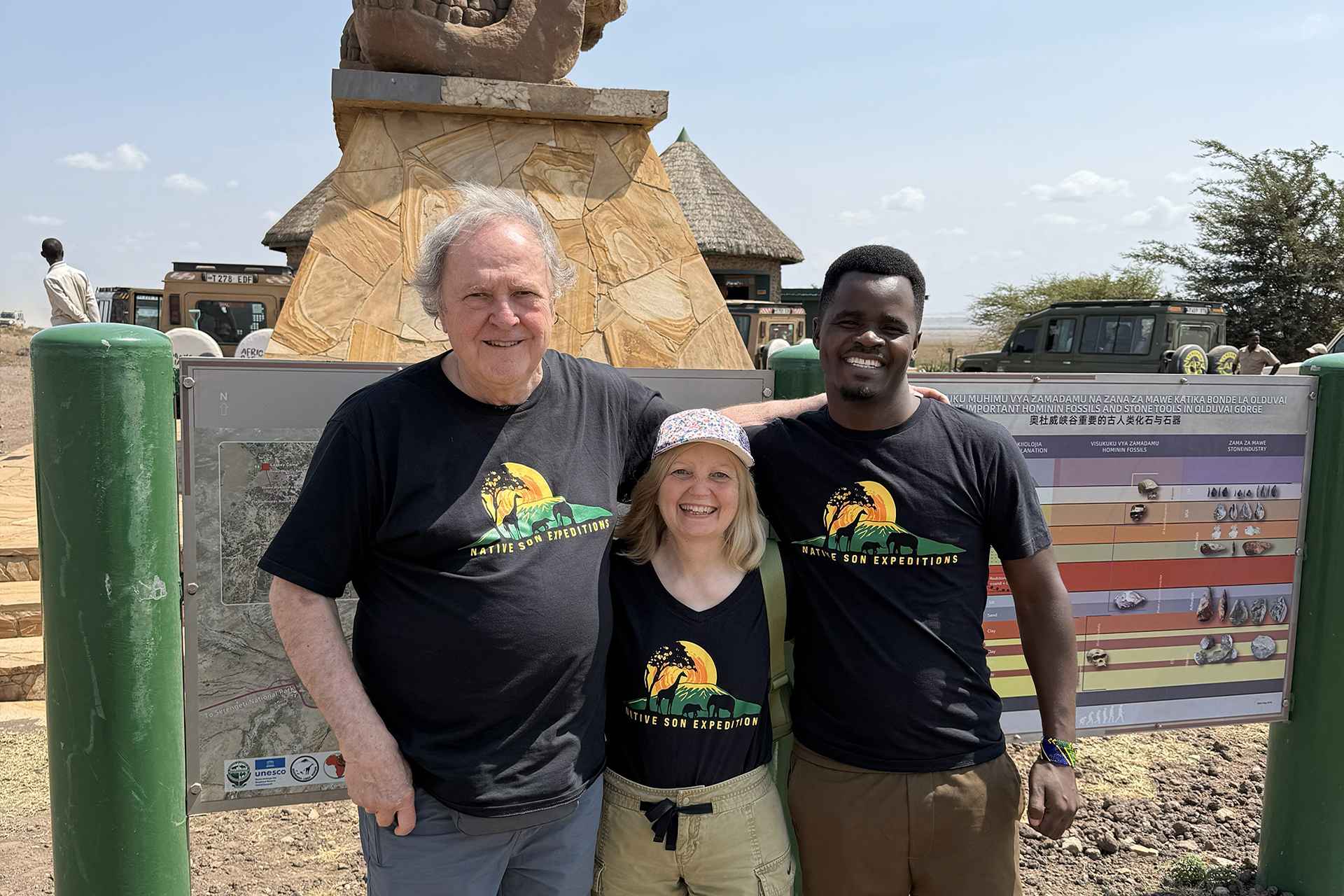
The founder of Native Son Expeditions hosting international safari guests in Tanzania’s wilderness.
A successful safari depends heavily on guide expertise.
Nativesons Expeditions provides:
- professional safari guides
- wildlife tracking expertise
- customized safari itineraries
- seasonal migration planning
- luxury and budget safari options
Their local knowledge improves wildlife viewing opportunities significantly.
Understanding Serengeti Ecosystems
Different ecosystems support different animals.
Grasslands
Support:
- wildebeests
- zebras
- gazelles
- lions
Woodlands
Home to:
- elephants
- giraffes
- leopards
River Systems
Attract:
- crocodiles
- hippos
- water birds
This habitat diversity explains why travelers seek the Top animals in Serengeti.
Why Serengeti Is Ideal for Photography
Wildlife photographers love the Serengeti because of:
- open landscapes
- abundant wildlife
- dramatic predator action
- golden lighting conditions
Photography tourism contributes heavily to Serengeti’s popularity.
Best Time to See Wildlife
Animal viewing changes throughout the year.
Best General Safari Months
- June to October
- January to March
These seasons provide excellent wildlife visibility and migration opportunities.
External Authority Reference
For wildlife conservation information, travelers can explore resources from World Wildlife Fund regarding African ecosystem protection and biodiversity conservation.
Common Misconceptions About Serengeti Wildlife
Misconception 1
“The Serengeti only has wildebeests.”
Reality:
The ecosystem supports hundreds of animal species.
Misconception 2
“Wildlife can be seen equally all year.”
Reality:
Seasonal movement affects animal visibility.
Misconception 3
“Predators are difficult to find.”
Reality:
The Serengeti has one of Africa’s highest predator densities.
Quick Summary
- Serengeti is one of the world’s greatest safari ecosystems
- Wildlife diversity extends far beyond the Great Migration
- Predator populations are exceptionally strong
- Different habitats support different species
- Nativesons Expeditions improves safari experiences through expert guidance
Exploring the Most Iconic Wildlife Species
One of the biggest reasons travelers visit Serengeti National Park is to experience the extraordinary diversity of wildlife living across its endless plains, river systems, and woodlands. Understanding the Top animals in Serengeti helps safari travelers appreciate the ecological richness and natural beauty that make this ecosystem globally famous.
Located in Tanzania, the Serengeti ecosystem supports one of the largest concentrations of wildlife on Earth. Predator-prey interactions, seasonal migration patterns, and protected habitats allow animals to thrive naturally across the region.
With expert safari planning from Nativesons Expeditions, visitors can track major wildlife species during professionally guided game drives designed to maximize animal sightings and photography opportunities. This section provides a deep exploration of the Top animals in Serengeti, including lions, elephants, leopards, cheetahs, buffaloes, giraffes, and wildebeests.
1. African Lions: Kings of the Serengeti
Among the Top animals in Serengeti, lions are the most famous predators.
The Serengeti contains one of Africa’s largest lion populations because the ecosystem provides:
- abundant prey
- open hunting grounds
- strong pride territories
Lion Social Structure
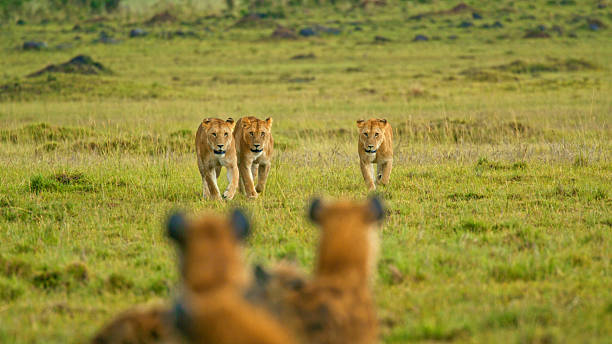
Lions live in prides that usually include:
- females
- cubs
- dominant males
Female lions perform most hunting activities while males defend territory.
Why Lions Thrive in Serengeti
The ecosystem supports lions through:
- wildebeest migration
- zebra populations
- gazelle herds
This creates stable food availability.
Best Places to See Lions
Popular lion viewing areas include:
- Central Serengeti
- Seronera Valley
- Western Corridor
These regions are known for frequent predator activity.
2. African Elephants: Giants of the Savannah
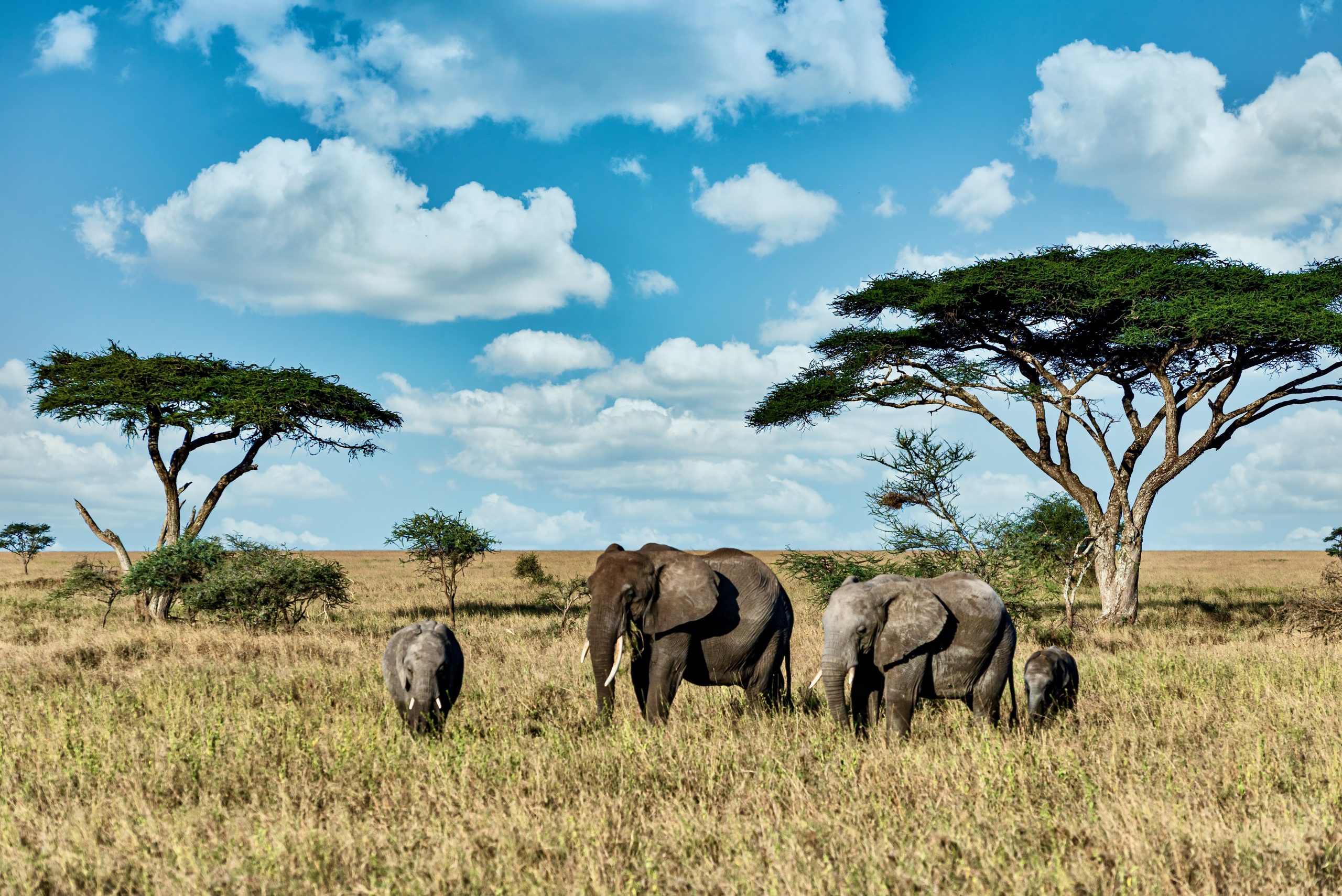
A group of elephants walking on the dry grass in the wilderness
African elephants are another highlight among the Top animals in Serengeti.
Why Elephants Are Special
Elephants are:
- highly intelligent
- socially complex
- ecologically important
They shape ecosystems by:
- opening forest pathways
- spreading seeds
- creating water access points
Elephant Family Structure
Elephant groups are led by experienced females called matriarchs.
Family groups protect:
- calves
- younger elephants
- weak members
Best Areas for Elephant Viewing
Elephants are commonly seen in:
- northern Serengeti woodlands
- riverine forests
- central savannah regions
3. Leopards: The Most Elusive Predators
Leopards are among the most difficult but exciting Top animals in Serengeti to find.
Why Leopards Are Unique
Leopards are:
- solitary hunters
- highly adaptable
- excellent climbers
They often rest in trees during daylight hours.
Leopard Hunting Behavior
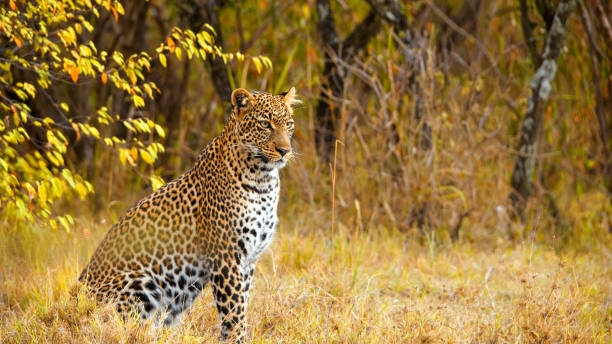
Leopards hunt:
- antelopes
- small mammals
- young gazelles
They frequently drag prey into trees to protect it from scavengers.
Best Leopard Viewing Areas
Leopard sightings are common near:
- Seronera River
- acacia woodlands
- riverbank trees
Professional guides from Nativesons Expeditions help identify hidden leopard locations.
4. Cheetahs: Fastest Animals in Africa
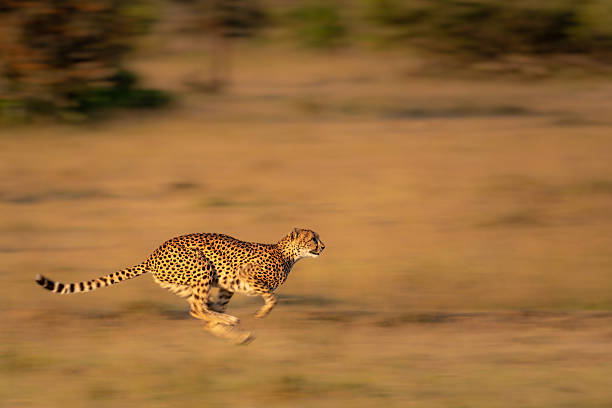
Cheetahs are one of the most admired Top animals in Serengeti because of their speed and hunting style.
Why Cheetahs Are Famous
Cheetahs can reach speeds above:
- 100 kilometers per hour
This makes them the fastest land animals.
Preferred Habitat
Cheetahs prefer:
- open plains
- low grasslands
- areas with clear visibility
These environments support high-speed hunting.
Main Prey
Cheetahs commonly hunt:
- gazelles
- young wildebeests
- small antelopes
5. African Buffaloes: Powerful Herd Animals
Buffaloes are one of the official African Big Five species.
Why Buffaloes Are Dangerous
Buffaloes are:
- extremely strong
- unpredictable when threatened
- highly defensive in groups
Predators often avoid attacking large buffalo herds.
Buffalo Social Behavior
Buffaloes live in:
- large protective herds
- mixed-age family groups
This increases survival against predators.
6. Giraffes: Graceful Giants of Serengeti
Giraffes are among the most photographed Top animals in Serengeti.
Why Giraffes Are Unique
Giraffes are recognized for:
- long necks
- distinctive coat patterns
- calm movement
Feeding Habits
Giraffes feed mainly on:
- acacia leaves
- shrubs
- tree vegetation
Their height allows access to food unavailable to many herbivores.
7. Wildebeests: Stars of the Great Migration
Wildebeests are central to the Serengeti ecosystem.
Importance of Wildebeests
The migration supports:
- predator populations
- grassland renewal
- ecological balance
Migration Scale
The Great Migration includes:
- over 1.5 million wildebeests
This creates one of the greatest wildlife spectacles on Earth.
Comparison Table: Top Serengeti Animals
| Animal | Main Habitat | Key Feature | Best Viewing Areas |
|---|---|---|---|
| Lion | Grasslands | Pride hunting | Central Serengeti |
| Elephant | Woodlands | Intelligence | Northern Serengeti |
| Leopard | River forests | Tree climbing | Seronera |
| Cheetah | Open plains | Extreme speed | Southern plains |
| Buffalo | Savannah | Herd defense | Central Serengeti |
| Giraffe | Woodland edges | Height | Western Serengeti |
| Wildebeest | Plains | Migration | Southern & Northern Serengeti |
This table helps travelers understand the Top animals in Serengeti more clearly.
Why Professional Guides Improve Wildlife Viewing
Wildlife spotting requires:
- tracking experience
- ecosystem knowledge
- understanding animal behavior
Nativesons Expeditions guides help travelers:
- locate predators
- identify animal movement patterns
- maximize safari opportunities
Their local expertise improves overall safari success.
Photography Opportunities in Serengeti
The Top animals in Serengeti attract wildlife photographers from around the world because of:
- golden sunrise lighting
- predator interactions
- migration river crossings
- open landscapes
Photography conditions are exceptional throughout the ecosystem.
External Authority Reference
For African wildlife conservation information, travelers can review educational resources from African Wildlife Foundation regarding ecosystem protection and wildlife sustainability.
Quick Summary
- Lions dominate Serengeti predator populations
- Elephants shape ecosystems through environmental influence
- Leopards are elusive but highly rewarding sightings
- Cheetahs thrive in open grasslands
- Wildebeests drive the Great Migration ecosystem
