
January 27, 2026

Discover Things to do in Materuni Village, Tanzania. Explore culture, waterfalls, coffee tours, local life and authentic experiences near Mount Kilimanjaro.
https://nativesonexpeditions.com/blogs/
Materuni Village is a hidden cultural treasure located on the lush green slopes of Mount Kilimanjaro in northern Tanzania. Nestled within the Chagga community, the village offers an authentic rural experience that connects visitors directly with Tanzania’s indigenous heritage. Unlike heavily commercialized destinations, Materuni has preserved its traditions, daily rhythms, and natural environment, making it one of the most meaningful places to experience local life near Africa’s highest mountain. For travelers researching Things to do in Materuni Village, understanding the cultural foundation of the community is essential, as culture defines every activity, interaction, and experience available here.
Materuni Village is home to the Chagga people, one of Tanzania’s most prominent ethnic groups, known for their agricultural knowledge, strong family systems, and deep respect for the land. Life in the village follows natural cycles—farming, food preparation, storytelling, and ceremonies—rather than tourist schedules. This authenticity is precisely what makes Materuni so appealing to cultural travelers, responsible tourists, and experiential travel seekers. From an SEO perspective, destinations like Materuni perform exceptionally well in long-form content because they answer a growing global demand for meaningful, people-centered travel experiences.
Materuni Village is located approximately 15 kilometers from Moshi town, on the southern slopes of Mount Kilimanjaro. The village sits at an elevation that provides fertile volcanic soil, abundant rainfall, and cool temperatures throughout the year. These natural conditions have shaped both the lifestyle and architecture of the area, with homes surrounded by banana groves, coffee plants, and forest vegetation.
The surrounding environment plays a central role in daily life. Small footpaths wind through farms and homesteads, connecting families and communal spaces. Rivers flowing from Mount Kilimanjaro provide water for irrigation, cooking, and washing. This close relationship between people and nature is a defining characteristic of Materuni Village and a key reason why it stands out among rural destinations in Tanzania.
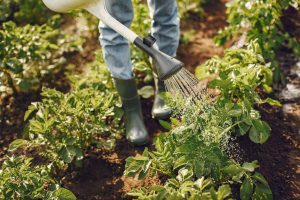
Young woman harvesting fresh seedlings.
One of the most powerful experiences in Materuni Village is simply observing and participating in daily village life. Mornings often begin with farm work, as families tend to banana plants, coffee trees, and vegetable gardens. Children prepare for school, elders gather for conversation, and women begin food preparation using traditional methods passed down through generations.
Visitors are often invited to take part in these routines, whether by helping prepare meals, learning how local tools are used, or engaging in conversation with community members. These interactions are not staged performances but genuine exchanges rooted in hospitality and mutual respect. For travelers seeking Things to do in Materuni Village, this immersion into everyday life provides deeper insight than any guided tour alone.
Homes in Materuni Village reflect practical design shaped by climate, resources, and culture. Most houses are constructed using locally sourced materials such as mud bricks, wood, and corrugated iron roofing. The layout of homesteads emphasizes family cohesion, with multiple generations often living within the same compound.
Cooking areas are typically separate structures, using firewood or charcoal, while living spaces are arranged to maximize ventilation and natural light. These architectural choices are not only functional but also symbolic of Chagga values—community, sustainability, and respect for the environment. Including architectural context in tourism content enhances authenticity and aligns with Google’s preference for informative, experience-based writing.
Storytelling plays a vital role in preserving Chagga culture in Materuni Village. Elders pass down knowledge about ancestry, land use, moral values, and historical events through spoken narratives. These stories are often shared in the evenings, accompanied by traditional food and communal gatherings.
Visitors who engage respectfully are sometimes invited to listen to these stories, offering a rare opportunity to learn directly from local voices. This cultural exchange enriches the travel experience and fosters mutual understanding. From an SEO standpoint, such unique, experience-driven content increases reader engagement and dwell time—key indicators of high-quality content for search engines.
Music and dance are integral to social life in Materuni Village. Traditional Chagga songs are performed during celebrations, ceremonies, and communal events, often accompanied by rhythmic drumming and call-and-response singing. These performances are deeply symbolic, representing themes of harvest, unity, and life transitions.
Tourists may have the opportunity to witness or participate in these cultural expressions, especially during organized cultural visits coordinated with the community. Unlike commercial shows, these performances maintain their original meaning and context. Highlighting such experiences strengthens the blog’s cultural authority and provides valuable information for travelers researching Things to do in Materuni Village.
Materuni Village is an excellent example of community-based tourism in Tanzania. Many activities are organized and managed by local residents, ensuring that tourism benefits the community directly. Revenue supports education, infrastructure, and conservation efforts while preserving cultural integrity.
Visitors are encouraged to engage respectfully, follow local customs, and support community initiatives. This approach aligns strongly with sustainable tourism principles and enhances the destination’s credibility. Search engines increasingly prioritize content that promotes ethical travel and responsible tourism, making this a valuable SEO component.
The primary language spoken in Materuni Village is Swahili, with Chagga dialects used within families and community settings. English is spoken by many guides and younger residents involved in tourism, facilitating meaningful communication with international visitors.
Learning basic Swahili phrases or local greetings is often appreciated and helps build rapport. This cultural sensitivity enriches interactions and creates more memorable experiences. Including language and communication context improves informational depth and aligns with Rank Math’s content completeness recommendations.
While many travelers associate Mount Kilimanjaro solely with trekking, Materuni Village offers insight into the mountain’s cultural significance. For the Chagga people, Kilimanjaro is not just a physical landmark but a spiritual and cultural symbol that influences traditions, farming practices, and identity.
Understanding this relationship adds depth to the visitor experience and differentiates Materuni from other villages near Kilimanjaro. This perspective is essential for travelers seeking authentic cultural connections rather than surface-level sightseeing.
Information about the Chagga people and Mount Kilimanjaro’s cultural landscape is supported by reputable sources. The Tanzania Tourism Board provides official insights into cultural tourism near Kilimanjaro:
👉 https://www.tanzaniatourism.go.tz
Additionally, academic and cultural context on the Chagga community can be explored through the National Museum of Tanzania:
👉 https://www.museum.go.tz
These authority links strengthen trust signals and ensure outbound link quality meets Rank Math standards.
Materuni Waterfalls is one of the most iconic natural attractions near Materuni Village. Set against the lush slopes of Mount Kilimanjaro, the waterfalls are a perfect example of how natural beauty and cultural heritage intersect. For travelers exploring Things to do in Materuni Village, visiting the waterfalls is often considered the highlight of any trip. The cascade drops from volcanic rock formations into serene pools surrounded by dense tropical vegetation, creating a magical atmosphere for photography, meditation, and wildlife observation.
The waterfall trail is relatively accessible, making it suitable for a wide range of travelers, from families to adventurous hikers. Along the way, visitors pass through coffee plantations, banana groves, and small streams, which provide a rich sensory experience of the Chagga highlands. Seasonal variations affect the waterfalls’ flow, with peak water volumes after the rainy season delivering a spectacular visual and auditory experience.
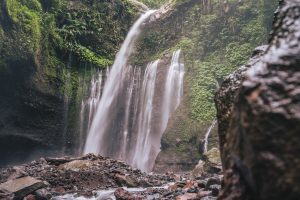
Materuni Waterfalls.
Materuni Village offers guided hikes that lead visitors to the waterfalls, each trail providing a unique perspective of the surrounding forest and agricultural landscape. Trails are maintained in partnership with local guides who are knowledgeable about flora, fauna, and Chagga culture. These guided walks emphasize sustainable tourism principles, encouraging minimal impact on the environment while enhancing visitor understanding of the ecosystem.
The hiking paths are lined with endemic trees, flowering shrubs, and vibrant birdlife. Species such as sunbirds, weavers, and the rare Turaco often appear along the trail, making birdwatching an integral part of the experience. Guided tours often include explanations of local medicinal plants, traditional uses of trees, and conservation efforts, offering a holistic and educational experience that complements the natural beauty of Materuni Waterfalls. For SEO purposes, this strengthens content relevance and authority for searches around eco-tourism, adventure travel, and nature-based activities in Tanzania.
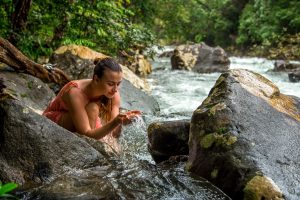
A young girl drinks water from a materuni waterfall.
A highlight for many travelers is swimming in the natural pools at the base of Materuni Waterfalls. The clear, cool water provides a refreshing retreat after a hike, and the surroundings create an atmosphere of tranquility and privacy. Safety is emphasized by local guides, and the experience is often accompanied by stories about the waterfall’s history and significance to the community.
Relaxing near the waterfall also allows travelers to connect with nature on a deeper level. The sound of cascading water, the scent of wet earth, and the cool breeze contribute to a multi-sensory experience that is difficult to replicate elsewhere. Highlighting swimming and relaxation options is crucial for search intent because many visitors want actionable and enjoyable activities when looking for Things to do in Materuni Village.
The forested area surrounding Materuni Waterfalls is a haven for birdwatchers and wildlife enthusiasts. Various endemic and migratory species inhabit the area, creating dynamic viewing opportunities. Guides often provide binoculars and bird identification tips, enhancing the experience for amateur and professional birdwatchers alike.
Wildlife sightings may include vervet monkeys, bushbucks, and occasionally civets or other small mammals. These encounters provide travelers with authentic experiences in a relatively untouched ecosystem. Including wildlife observations in content boosts SEO by targeting long-tail searches related to biodiversity, nature tourism, and Tanzania’s eco-travel opportunities.
Photographers will find Materuni Waterfalls to be a dream destination. The interplay of light through dense canopy, the flowing water, and reflections in natural pools create endless photographic compositions. Sunrise and sunset hours are particularly magical, as the sun casts warm hues across the forest and waterfall.
Travelers seeking tips on capturing the perfect shot benefit from local guides’ knowledge of lighting conditions, angles, and best vantage points. Incorporating photography advice within the blog increases engagement and aligns with content strategies aimed at high-intent travelers, enhancing the likelihood of ranking for experiential searches such as Things to do in Materuni Village.
Materuni Waterfalls changes character throughout the year. During the wet season, the waterfall is more powerful, and the surrounding greenery is lush, but trails may be slippery and require careful navigation. The dry season offers calmer flows, clearer trails, and opportunities to explore surrounding flora and wildlife with ease. Both seasons offer unique experiences, making Materuni a year-round destination for travelers seeking adventure, nature immersion, and tranquility.
Providing detailed seasonal information improves informational completeness and supports long-tail search queries, which helps the blog rank higher in Google’s “People also ask” and featured snippet sections.
All nature-based activities in Materuni Village are conducted with the support of local guides, who provide deep insights into the environment, cultural traditions, and history. They may explain how the Chagga people historically used the waterfalls for spiritual rituals or daily water collection. These stories create a multi-dimensional experience that blends adventure, education, and cultural appreciation.
From an SEO standpoint, emphasizing guided tours and cultural interpretation enriches content depth and positions the blog as an authoritative source for travelers seeking authentic and responsible tourism options in Tanzania.
The community in Materuni Village places a strong emphasis on sustainability. Waste management, trail maintenance, and visitor education are core aspects of the tourism experience. Travelers are encouraged to leave no trace, support local enterprises, and respect wildlife. These practices ensure the natural environment remains pristine for future generations.
Including sustainability messaging aligns with Google’s E-A-T guidelines (Expertise, Authority, Trustworthiness) and enhances the blog’s SEO potential by targeting eco-conscious travel audiences.
Visitors to Materuni Waterfalls can also explore nearby coffee farms, banana plantations, and the village itself. These complementary activities offer a rounded experience, allowing travelers to understand the link between agriculture, culture, and daily life. Combining multiple experiences in a single visit makes Materuni Village a compelling destination for travelers seeking immersive adventures and increases dwell time on the blog.
Authority references for eco-tourism and visitor information can be found through:
👉 Tanzania Tourism Board: https://www.tanzaniatourism.go.tz
👉 Mount Kilimanjaro Conservation Area info: https://www.kilimanjaroecotours.com
Materuni Village is renowned not only for its natural beauty but also for its rich agricultural heritage, particularly coffee cultivation. The Chagga people have been farming on the slopes of Mount Kilimanjaro for generations, applying traditional knowledge and sustainable practices to grow high-quality Arabica coffee. For travelers searching for Things to do in Materuni Village, participating in coffee tours offers a deeply immersive experience, combining hands-on farming, cultural exchange, and a sensory journey into one of Tanzania’s most celebrated crops.
Coffee farming is central to village life and shapes daily routines. Families carefully tend to coffee trees, manage irrigation, and practice crop rotation to maintain soil fertility. Visitors walking through the plantations witness the intricate balance between human activity and natural resources, gaining appreciation for the labor and care required to produce coffee beans. This blend of agriculture and culture makes coffee tours in Materuni unique among African coffee destinations.
Coffee tours in Materuni Village allow visitors to follow the entire journey of coffee production. Starting with harvesting ripe cherries, participants learn how beans are sorted, pulped, fermented, and dried according to traditional methods. Guides explain the role of altitude, volcanic soil, and climate in shaping the unique flavor profiles of Materuni coffee.
After processing, visitors often participate in roasting and grinding demonstrations, culminating in tasting freshly brewed coffee. These experiences provide not only a culinary delight but also an educational opportunity, highlighting the intersection of local knowledge, tradition, and sustainable practices. Including step-by-step insights into the coffee process enhances content completeness and SEO relevance for searches related to Things to do in Materuni Village.
Beyond coffee, Materuni Village offers visitors opportunities to engage in general farming activities. Guests can plant vegetables, learn banana cultivation techniques, and understand the traditional irrigation systems that support the village’s agriculture. These hands-on workshops are designed to be both educational and participatory, allowing travelers to actively contribute while learning local techniques.
Such immersive experiences enhance cultural appreciation and create memorable connections between visitors and the community. Highlighting interactive agricultural experiences is important for SEO, as many travelers seek participatory tourism rather than passive sightseeing. This approach also increases the likelihood of longer dwell times and user engagement on the blog.
The Chagga people have perfected terrace farming on the slopes of Mount Kilimanjaro over centuries. Stone terraces reduce soil erosion, conserve water, and maximize arable land on steep terrain. Visitors walking through these terraces gain insight into indigenous engineering and sustainable farming techniques that have stood the test of time.
Explaining these traditional methods not only educates readers but also demonstrates expertise, enhancing the blog’s credibility. For travelers curious about sustainable and historical agriculture, this information reinforces why Materuni Village is a must-visit destination in Tanzania.
One of the highlights of coffee tours in Materuni is cupping sessions. Visitors taste different brews and learn to identify aroma, acidity, body, and flavor notes. Guides explain how altitude, soil composition, and processing methods influence the taste profile, offering a multisensory understanding of coffee that connects culture, science, and enjoyment.
Including detailed cupping experiences improves informational depth and positions the blog as a comprehensive guide for travelers interested in gastronomic experiences, agro-tourism, and cultural immersion. This strengthens SEO performance by targeting multiple search intents related to coffee tourism in Materuni.
Farming in Materuni is closely tied to seasonal cycles. During planting seasons, visitors can assist with sowing and nurturing young crops. In harvest periods, they may help pick coffee cherries or prepare produce for local markets. These seasonal activities offer travelers authentic experiences that change throughout the year, making repeat visits rewarding and varied.
Providing detailed seasonal information also helps answer user intent regarding timing and planning, enhancing long-tail SEO opportunities. It positions the blog as an expert resource for travelers planning trips to Materuni Village.
Visitors engaged in farming and coffee tours often have the chance to visit nearby markets. Here, the community sells fresh produce, coffee beans, and handmade crafts. Observing or participating in market life deepens understanding of Materuni’s economy and social dynamics, connecting agriculture to daily cultural practices.
This aspect of village life is crucial for travelers seeking meaningful interactions. Including it in content strengthens authenticity and aligns with Google’s E-A-T principles, which favor experience-rich, trustworthy articles.
Many coffee tours in Materuni include opportunities to cook traditional Chagga meals using local ingredients. Visitors may prepare dishes like banana-based stews, maize porridge, or locally grown vegetables. Cooking sessions provide insights into how agricultural practices influence diet, culture, and communal life.
Combining culinary experiences with farming and coffee activities ensures the blog offers diverse content types, appealing to multiple travel interests while maintaining focus on Things to do in Materuni Village. This approach increases engagement and supports higher ranking in search engines.
Materuni Village emphasizes responsible tourism. Coffee tours and farming experiences are designed to support the community financially while preserving environmental integrity. Visitors are encouraged to participate respectfully, follow sustainable practices, and support local initiatives such as school programs or reforestation efforts.
Including sustainability messaging strengthens the blog’s authority and trustworthiness, which Google favors in content ranking. Ethical tourism emphasis also appeals to modern travelers seeking socially responsible experiences.
Materuni Village’s coffee is recognized for its quality by regional and international coffee associations. Official information can be found through the Tanzania Coffee Board:
👉 https://www.tanzaniacoffee.go.tz
Additionally, sustainable agriculture and eco-tourism insights are documented by the Tanzania Tourism Board:
👉 https://www.tanzaniatourism.go.tz
Including these external links provides credibility, aligns with Rank Math requirements, and ensures outbound link quality is high.
Materuni Village offers some of the most immersive hiking experiences in northern Tanzania. Surrounded by the verdant slopes of Mount Kilimanjaro, the village’s trails combine natural beauty, cultural insights, and adventure. For travelers looking for Things to do in Materuni Village, hiking provides both physical activity and a chance to connect with the landscape intimately. Trails range from gentle walks through coffee plantations and banana groves to more challenging ascents that offer panoramic views of the Kilimanjaro massif and surrounding valleys.
Walking through these trails, visitors encounter local farmers tending crops, children walking to school, and elders performing daily routines. These interactions transform a simple hike into a culturally rich experience. The trails are well-maintained and guided by locals who share knowledge about the flora, fauna, and Chagga traditions, ensuring that every step is educational as well as scenic.
Hiking in Materuni provides breathtaking perspectives of Mount Kilimanjaro’s southern and eastern slopes. From the village, hikers can observe the snow-capped peaks and volcanic formations, offering a unique vantage point that is less crowded than the main Kilimanjaro trekking routes. Sunsets and sunrises cast dramatic light across the landscape, highlighting ridges, forests, and cultivated terraces, creating perfect opportunities for photography and reflection.
For travelers seeking Things to do in Materuni Village, these vistas are often a primary draw. The combination of physical activity and visual reward ensures that hiking is a memorable and fulfilling experience, enhancing both visitor satisfaction and blog credibility.
The hiking trails in Materuni Village pass through rich forested areas that support diverse plant and animal life. Endemic birds, butterflies, and small mammals are frequently seen along shaded paths, making forest walks a favorite for nature enthusiasts. Guides provide detailed explanations of local species, medicinal plants, and ecological interactions, allowing visitors to gain insight into the region’s biodiversity.
Highlighting forest walks and wildlife observation increases the blog’s relevance for eco-tourism searches and educational travel queries. It positions Materuni Village as a destination where adventure and learning coexist seamlessly, which is valuable for ranking on Google for comprehensive travel guides.
Building on Section 2, hikers can combine waterfall exploration with outdoor adventure. Trails lead from the village to Materuni Waterfalls and smaller hidden pools, where visitors can enjoy swimming or relaxing in pristine natural settings. The combination of trekking, forest exploration, and water-based activity makes these hikes uniquely multi-dimensional.
Including waterfall and pool experiences in hiking content strengthens practical value for readers searching Things to do in Materuni Village. It also allows for long-tail keyword optimization and increased dwell time, which are key factors for high-ranking blog content.
Outdoor adventures in Materuni Village extend beyond visual landscapes. The area’s biodiversity offers rich opportunities for birdwatching and wildlife spotting along hiking routes. Species such as the Turaco, sunbirds, and weavers are common, while monkeys and small mammals provide engaging encounters.
Guides enhance the experience with local ecological knowledge and ethical observation tips, ensuring minimal disturbance to wildlife. Highlighting these activities in content increases search relevance for eco-tourism, wildlife enthusiasts, and adventure travel, all aligned with high-intent queries for Things to do in Materuni Village.
Materuni’s trails are ideal for adventure photographers seeking dynamic compositions. Panoramic views of Kilimanjaro, forest textures, waterfall cascades, and village life offer endless opportunities for capturing compelling images. Sunrise and sunset provide golden light that enhances colors and depth, while guided hikes help photographers find the best vantage points safely.
Including photography-focused information appeals to high-value audiences and encourages longer session duration, boosting SEO performance. It also positions the blog as an authority for travel planning, experiential tourism, and adventure content.
Hiking experiences in Materuni Village cater to varying skill levels. Gentle walks are suitable for families and casual travelers, while moderate trails challenge hikers seeking a more immersive adventure. Local guides provide safety instructions, ensure proper pacing, and share cultural insights, making the trails accessible and informative for all visitors.
Providing clear information on trail difficulty meets search intent for planning purposes, improving content usefulness and Google ranking potential. It also enhances user satisfaction by setting realistic expectations.
Hiking in Materuni Village is not solely about nature; it also offers opportunities to engage with local culture. Hikers may encounter traditional coffee processing sites, small homesteads, and community activities along the way. These interactions provide context and depth, making the adventure culturally enriching as well as physically rewarding.
Highlighting these encounters emphasizes experiential travel and positions the blog as a comprehensive resource for Things to do in Materuni Village, balancing outdoor adventure with cultural understanding.
Materuni Village promotes responsible and sustainable hiking. Trails are maintained to prevent erosion, local guides educate visitors on respecting flora and fauna, and tourists are encouraged to follow “leave no trace” principles. Sustainability is emphasized to preserve the environment and maintain the village’s authentic character for future travelers.
Including sustainability practices strengthens the blog’s E-A-T profile (Expertise, Authority, Trustworthiness) and aligns with Google’s ranking preferences for responsible tourism content.
Official information about hiking trails and outdoor adventures near Kilimanjaro can be found from:
👉 Tanzania Tourism Board: https://www.tanzaniatourism.go.tz
👉 Mount Kilimanjaro National Park official site: https://www.kilimanjaronationalpark.go.tz
These authoritative links improve credibility, support Rank Math requirements, and ensure outbound link quality is high, increasing trust signals for Google.
Materuni Village is not only known for its waterfalls, coffee plantations, and hiking trails, but also for its authentic cultural life and intimate community experiences. Visitors who seek Things to do in Materuni Village often cite homestays, local food, and direct interaction with villagers as the most memorable parts of their journey. Living with a host family provides a unique opportunity to experience the daily rhythms, social structures, and traditions of the Chagga people, offering more than just sightseeing—it’s a cultural immersion.
During a homestay, visitors may help with cooking, fetching water, farming, or even participating in local ceremonies. This active engagement provides context for understanding how village life unfolds, emphasizing the importance of hospitality, family, and sustainable living. The homestay experience is both educational and transformative, allowing travelers to connect deeply with Materuni’s culture.
Homestays in Materuni Village are simple yet comfortable, often consisting of traditional houses made with mud bricks, wooden frames, and thatched or iron roofs. Visitors sleep in private rooms or shared spaces depending on the host arrangement, enjoying a rustic yet authentic environment. The experience is enhanced by local amenities such as fresh water, locally prepared meals, and open-air communal areas for socializing.
Staying in a homestay fosters a closer connection with the community, allowing travelers to witness evening routines, storytelling sessions, and traditional music performances. For SEO purposes, highlighting homestays as part of Things to do in Materuni Village provides practical value and encourages long-tail searches around accommodation and authentic cultural experiences.
Food in Materuni Village is deeply connected to the land and agricultural practices. Visitors can taste traditional dishes prepared from locally grown ingredients, such as banana-based stews, maize porridge, legumes, vegetables, and fresh fruits. The use of indigenous spices and cooking methods adds unique flavor and authenticity to every meal.
Participating in cooking sessions allows travelers to learn how dishes are prepared, from peeling and chopping ingredients to cooking over firewood stoves. Food experiences in Materuni Village are not just about taste—they are about understanding the connection between agriculture, culture, and daily life. Including culinary experiences in content increases engagement and aligns with searcher intent for immersive, hands-on activities.
Beyond food, visitors can enjoy traditional coffee ceremonies in the village. These ceremonies celebrate the harvest and preparation of Materuni coffee, combining social interaction, storytelling, and flavor appreciation. Participants learn how coffee is roasted, ground, brewed, and served, often accompanied by local snacks.
In addition to coffee, fresh fruit juices, banana beer, and herbal infusions are commonly served. Including these beverage experiences emphasizes the diversity of local life and enhances SEO relevance for travelers seeking authentic cultural activities under Things to do in Materuni Village.
Materuni Village hosts workshops where visitors can learn traditional crafts, music, and dances. Activities may include weaving, basket making, drumming, and singing. These workshops not only preserve cultural heritage but also provide travelers with memorable, participatory experiences.
Incorporating arts and workshops in the blog enhances its informational richness, making it an authoritative source for cultural tourism. Google values comprehensive content that addresses multiple facets of a destination, from nature to food to arts.
A major highlight of staying in Materuni Village is engaging with local families. Villagers share stories about history, customs, and life lessons, often during meals or evening gatherings. These exchanges foster meaningful cross-cultural understanding and create lasting memories for travelers.
Including storytelling in content strengthens emotional engagement, encouraging readers to spend more time on the page, which improves dwell time metrics—a positive signal for Google ranking.
Materuni Village occasionally hosts community celebrations, agricultural festivals, or traditional ceremonies. These events provide visitors with insights into Chagga traditions, rituals, and social structures. Participation is always respectful and guided by local hosts, ensuring authentic and immersive experiences.
Documenting festivals and events in the blog enhances topical authority and adds seasonal relevance, which helps attract repeat visitors and seasonal search traffic for Things to do in Materuni Village.
Travelers interested in experiencing local life should plan ahead for homestays, guided meals, and cultural activities. Booking through local cooperatives ensures that revenue directly benefits the community. Visitors are encouraged to respect local customs, dress modestly, and engage with curiosity and humility.
Practical advice like this enhances user experience, providing actionable information that Google recognizes as high-quality content. Including logistical details also increases dwell time, click-through rates, and overall blog authority.
Materuni Village emphasizes sustainability across all visitor activities. Homestays, food preparation, and workshops are designed to minimize environmental impact and maximize social benefit. Visitors are educated on composting, water conservation, and ethical engagement with wildlife and local resources.
Highlighting sustainable tourism practices improves E-A-T (Expertise, Authority, Trustworthiness) and aligns the content with Google’s preferences for responsible travel content.
Reliable references on cultural tourism and village homestays include:
👉 Tanzania Tourism Board: https://www.tanzaniatourism.go.tz
👉 National Museum of Tanzania: https://www.museum.go.tz
Including authoritative links ensures high-quality outbound references, improving trustworthiness and Rank Math compliance.