
February 4, 2026

Experience Tanzania through the Eyes of Local Guide. Discover authentic safaris, cultural insights, and hidden gems while exploring the heart of Tanzania with expert local guides.
https://nativesonexpeditions.com/tanzania-safari/
Tanzania is a land of unparalleled natural beauty, diverse wildlife, and rich cultural heritage. While maps, travel guides, and online reviews provide information, nothing compares to experiencing Tanzania through the Eyes of Local Guide. Local guides offer visitors an authentic and immersive perspective, connecting travelers to both the natural wonders and the cultural heartbeat of this East African nation. From the sweeping plains of the Serengeti to the crater rims of Ngorongoro, and from the tranquil beaches of Zanzibar to the bustling markets of Dar es Salaam, local guides act as interpreters of the land, bridging knowledge, history, and personal experience to craft unforgettable journeys. Their intimate understanding of local customs, wildlife behavior, and hidden gems transforms every safari, trekking adventure, or cultural visit into a deeply meaningful experience that is difficult to achieve through conventional travel alone.
The role of a local guide goes far beyond navigation or translation. When exploring Tanzania through the eyes of local guide, travelers gain insight into the ecological intricacies of the region. Guides explain the migratory patterns of wildebeest, the social structures of elephants, and the behavioral dynamics of predators like lions and leopards. This knowledge allows visitors to understand not only what they see but also why it happens, turning simple wildlife observation into a rich educational experience. For instance, while viewing the wildebeest migration in Serengeti National Park, a local guide can highlight subtle signs of herd movement, predator-prey interactions, and even the influence of seasonal rainfall on ecosystem balance. This perspective emphasizes how Tanzania through the Eyes of Local Guide provides far deeper context than a standard safari or self-guided experience.
Local guides also facilitate authentic cultural engagement. Tanzania is home to over 120 ethnic groups, each with unique customs, languages, and traditions. Visiting villages or cultural centers without a guide often results in superficial encounters, missing the nuances of local life. Through the guidance of knowledgeable locals, travelers can witness traditional ceremonies, understand family and clan structures, learn artisanal skills, and appreciate the spiritual connections Tanzanians maintain with their environment. Participating in activities such as Maasai beadwork workshops, Chaga coffee farming tours, or Swahili cooking demonstrations allows visitors to experience Tanzania through the Eyes of Local Guide in a way that is respectful, informative, and culturally immersive.
Safety and logistics are additional critical benefits. Many regions of Tanzania, particularly remote national parks and conservation areas, present challenges such as rough terrain, unpredictable weather, and wildlife hazards. Local guides are trained to navigate these conditions, anticipate potential risks, and ensure that travelers can experience remote locations comfortably and securely. Whether it is traversing the Ngorongoro crater floor, climbing the slopes of Mount Kilimanjaro, or navigating the winding trails of the Selous Game Reserve, the guidance of experts enhances both safety and enjoyment, making Tanzania through the Eyes of Local Guide a practical and indispensable approach for any visitor.
Beyond wildlife and cultural knowledge, local guides contribute to sustainable tourism. By employing local experts, tourism companies support community-based initiatives, ensuring that tourism revenues stay within local economies and benefit those who preserve and protect natural and cultural heritage. Guides often serve as liaisons between tourists and community members, explaining customs, etiquette, and conservation principles, thereby fostering ethical and responsible travel. Visitors gain the dual advantage of authentic experiences and meaningful contributions to local development, demonstrating how Tanzania through the Eyes of Local Guide can align exploration with sustainability.
Moreover, local guides provide historical context and storytelling that enrich every journey. They share anecdotes passed down through generations, revealing the origins of landscapes, villages, and traditions. Learning about the colonial history, tribal migrations, and conservation milestones in Tanzania adds depth to the travel experience. Guides also highlight lesser-known facts, such as hidden viewpoints in national parks, secret waterholes where wildlife gathers, or community-led conservation projects that visitors would otherwise overlook. These insights enhance the visitor’s appreciation of Tanzania’s layered complexity, showing that traveling with a guide is not just a tour—it is an immersive educational journey.
Finally, leveraging local guides allows tourism operators to differentiate their offerings. Travelers increasingly seek authentic, curated experiences rather than generic sightseeing. By emphasizing tours that reveal Tanzania through local perspectives, companies provide value-added experiences that resonate deeply with adventurous, culturally curious, and eco-conscious clients. For authoritative information on Tanzanian tourism and conservation, the official Tanzania National Parks website provides essential guidance and updates: https://www.tanzaniaparks.go.tz. Incorporating expert knowledge from local guides ensures that clients receive both accurate information and unforgettable experiences, making Tanzania through the Eyes of Local Guide a defining feature of premium safari and cultural tours.
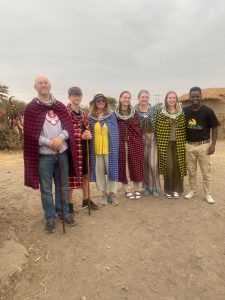
Tanzania is celebrated worldwide for its extraordinary biodiversity, encompassing vast savannahs, dense forests, wetlands, and pristine coastlines. Experiencing these natural wonders through Tanzania through the Eyes of Local Guide transforms a conventional safari into a deeply immersive, educational, and unforgettable journey. Local guides are uniquely positioned to reveal wildlife behavior, hidden ecological patterns, and conservation efforts that would otherwise go unnoticed, allowing travelers to connect with the natural world on a profound level.
One of the most compelling advantages of traveling with a local guide is wildlife interpretation. Guides are trained to recognize tracks, animal calls, feeding patterns, and migration cues. For example, during the iconic Great Migration in the Serengeti, a local guide can predict where herds of wildebeest and zebras are likely to cross rivers, identify areas where predators such as lions and crocodiles are hunting, and explain the ecological significance of these events. Without such expert guidance, travelers might miss subtle but crucial aspects of animal behavior, making the experience far less educational. By showcasing wildlife from an insider perspective, Tanzania through the Eyes of Local Guide allows visitors to appreciate the delicate balance of predator and prey, understand territorial behaviors, and witness interactions that are critical to ecosystem health.
Local guides also enhance birdwatching and smaller species encounters, which are often overlooked by conventional tours. Tanzania hosts over 1,100 bird species, including endemic and migratory birds that inhabit forests, wetlands, and lakeshores. A local guide can identify species by plumage, calls, or behavior, point out hidden nests, and explain the ecological roles of birds within their habitats. Similarly, guides reveal the lives of reptiles, amphibians, and insects that play vital roles in the food chain and ecosystem stability. Travelers engaging with these details gain a more holistic understanding of Tanzanian wildlife, highlighting the unique advantage of exploring Tanzania through the Eyes of Local Guide.
Beyond animal observation, guides provide insight into habitat diversity and ecological systems. From the lush forests of the Eastern Arc Mountains to the arid plains of the Tarangire National Park, each region has distinct flora and fauna, soil types, and climatic influences. Local guides explain how vegetation supports grazing animals, how water sources determine migration patterns, and how conservation initiatives protect endangered species such as elephants, rhinos, and pangolins. Understanding the interplay between habitat, wildlife, and human activity enriches the visitor experience, emphasizing why traveling Tanzania through the Eyes of Local Guide offers a depth of knowledge unattainable through guidebooks or self-guided tours.
Night safaris and nocturnal wildlife tracking provide another dimension of exploration. Many species, including leopards, hyenas, owls, and small mammals, are active at night. Local guides are trained to navigate terrain safely after dark, identify nocturnal species by sound and movement, and interpret subtle environmental cues. These guided nocturnal experiences allow travelers to witness behaviors that would remain hidden without expert guidance, reinforcing the value of Tanzania through the Eyes of Local Guide in unlocking rare wildlife encounters.
Conservation education is a key component of local guide services. Guides often share knowledge about anti-poaching efforts, habitat restoration, and wildlife monitoring programs. Travelers learn how protected areas like Serengeti, Ngorongoro, and Selous contribute to global biodiversity, the challenges posed by human-wildlife conflict, and the role of local communities in maintaining ecological balance. By contextualizing wildlife experiences within conservation narratives, guides foster awareness and responsible travel behaviors, ensuring that tourism contributes positively to Tanzania’s natural heritage. For official conservation resources, the Tanzania Wildlife Authority provides extensive guidance: https://www.tanzaniwildlife.org.
Photography and observation tips are another advantage of local guides. They can direct visitors to the best vantage points, optimal lighting conditions, and safe locations for capturing wildlife shots. Beyond aesthetics, guides educate travelers on ethical photography practices, emphasizing non-intrusive observation, minimizing disturbance, and respecting animal habitats. This approach allows photographers and nature enthusiasts to experience Tanzania’s fauna responsibly, reinforcing the immersive experience of Tanzania through the Eyes of Local Guide.
Furthermore, local guides provide insights into seasonal variations and ecological cycles. Tanzania’s diverse landscapes change dramatically with the wet and dry seasons, influencing wildlife distribution, vegetation growth, and water availability. Travelers gain an understanding of how migratory patterns, breeding seasons, and plant cycles shape the natural environment. By explaining these patterns, guides elevate a safari from passive sightseeing to a comprehensive study of ecological interconnections, highlighting why Tanzania through the Eyes of Local Guide is both educational and transformative.
Integration with local communities adds another layer to wildlife experiences. Many wildlife areas overlap with Maasai, Hadzabe, and other indigenous territories. Guides interpret cultural practices related to land use, livestock grazing, and wildlife conservation, showing how traditional knowledge supports biodiversity and ecosystem management. By observing how communities coexist with wildlife, travelers gain insights into sustainable practices that have evolved over generations, emphasizing that the richness of Tanzania’s ecosystems cannot be fully appreciated without local guidance.
Finally, local guides elevate the safari experience by blending storytelling, natural history, and personal anecdotes. Travelers hear tales of animal encounters, community conservation successes, and historical changes in the landscape. This narrative approach transforms each outing into an adventure rich with context, engagement, and memory-making moments. Visitors leave not only with photographs but also with knowledge, appreciation, and personal connections to Tanzania’s wildlife, demonstrating the profound value of exploring Tanzania through the Eyes of Local Guide.
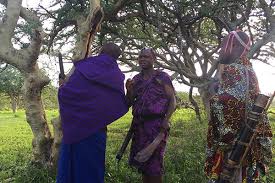
Tanzania is as much a cultural mosaic as it is a wildlife paradise. Experiencing the country through Tanzania through the Eyes of Local Guide provides visitors with an authentic perspective that goes far beyond sightseeing. Local guides act as cultural interpreters, allowing travelers to witness traditions, engage in local activities, and understand the nuanced social dynamics that shape everyday life. From the pastoralist Maasai in the northern savannahs to the fishing communities along the coast, guided cultural interactions offer a profound sense of connection, understanding, and respect.
Village visits and homestead tours are an essential component of cultural immersion. A local guide facilitates respectful access to communities, explaining customs, etiquette, and the social roles of family members. Travelers can observe daily routines such as cattle herding, firewood collection, cooking, and artisanal crafts. These interactions are educational and provide a lens into the practical realities of life in rural Tanzania. Experiencing these activities with local guidance ensures that encounters are meaningful, culturally sensitive, and authentic, highlighting why Tanzania through the Eyes of Local Guide is unmatched for immersive cultural learning.
Traditional ceremonies and rituals further enrich the visitor experience. Local guides provide context to Maasai age-set initiation ceremonies, Sukuma harvest festivals, and Chaga wedding rituals, explaining symbolic meanings and cultural significance. Participation or observation under a guide’s supervision ensures that travelers engage respectfully and gain deeper appreciation for the practices. Understanding ceremonial life through expert narration allows visitors to connect with Tanzanian heritage in ways that are both educational and emotionally resonant. Through these immersive experiences, Tanzania through the Eyes of Local Guide reveals cultural narratives often overlooked by standard tours.
Artisan crafts and local workshops are another avenue for engagement. Local guides introduce visitors to beadwork, basket weaving, pottery, and traditional musical instruments, explaining techniques, history, and symbolic importance. Participatory sessions allow travelers to try their hand at these crafts, fostering hands-on learning while supporting local economies. This approach strengthens the bond between tourism and community sustainability, emphasizing how Tanzania through the Eyes of Local Guide enables visitors to actively contribute to preserving cultural heritage while gaining unique, memorable experiences.
Culinary experiences are a key dimension of cultural immersion. Through guided visits, travelers can explore traditional Tanzanian foods, learn preparation methods, and understand the social significance of meals. Sampling dishes such as Ugali, Nyama Choma, or Zanzibar’s spices under the guidance of a local expert allows visitors to appreciate not only flavors but also the cultural stories behind them. Culinary interactions facilitated by guides are both educational and enjoyable, offering a multi-sensory window into Tanzanian society. This highlights why traveling Tanzania through the Eyes of Local Guide provides a richer understanding than simple gastronomic tourism.
Language and communication form another integral component. Guides often teach basic Swahili phrases, enabling travelers to communicate respectfully with community members and gain deeper immersion. Understanding common expressions, greetings, and social norms allows visitors to interact meaningfully and enhances cultural exchange. Through language guidance, travelers gain insight into the rhythm, idioms, and worldview of Tanzanians, further emphasizing the value of experiencing Tanzania through the Eyes of Local Guide.
Music, dance, and storytelling are central to Tanzanian life, and local guides provide access to performances and narratives that illustrate history, morals, and social values. From Maasai warrior dances to coastal Taarab music, guided cultural sessions illuminate the connections between tradition, social cohesion, and artistic expression. Travelers learn to interpret movements, lyrics, and rhythms, gaining a layered understanding of how music and dance convey communal identity. Incorporating these performances into cultural tours ensures authentic, respectful engagement while deepening visitor appreciation.
Community-based tourism initiatives highlight the importance of sustainability and reciprocity. Local guides often collaborate with communities to ensure tourism benefits residents directly, such as through homestays, craft sales, and conservation programs. Visitors gain insight into how tourism supports livelihoods, education, and healthcare, reinforcing ethical travel principles. By facilitating these experiences, guides ensure that cultural interactions are mutually beneficial, respectful, and impactful, demonstrating the transformative nature of Tanzania through the Eyes of Local Guide.
Cultural festivals and seasonal events offer additional opportunities for engagement. Local guides provide detailed explanations about celebrations such as harvest ceremonies, traditional rites of passage, and religious festivities, situating them within historical and ecological contexts. Observing or participating under the guidance of knowledgeable locals allows travelers to experience Tanzanian culture dynamically and respectfully, avoiding superficial or exploitative tourism practices. These curated experiences highlight why relying on local expertise is essential for authentic cultural exploration.
Finally, local guides act as storytellers, interpreters, and cultural educators, synthesizing historical knowledge, personal anecdotes, and contemporary realities into a coherent, immersive experience. Travelers witness the evolution of Tanzanian communities, understand challenges faced by traditional societies, and gain insight into the resilience and creativity of local people. Through these guided cultural engagements, visitors gain unparalleled access to Tanzania’s social fabric, confirming that Tanzania through the Eyes of Local Guide is not merely a tour—it is a journey into the living heritage of the country.
For authoritative information on Tanzanian culture, traditions, and ethical tourism practices, the Tanzania Tourism Board offers essential guidance: https://www.tanzaniatourism.go.tz. Partnering with local guides ensures travelers gain authentic experiences while supporting community-led preservation efforts.
Tanzania is often celebrated for its iconic wildlife safaris and pristine beaches, yet some of the most unforgettable travel experiences lie beyond the usual tourist routes. Exploring Tanzania through the Eyes of Local Guide allows visitors to access off-the-beaten-path destinations, adventure activities, and hidden cultural treasures that are otherwise inaccessible or overlooked. Local guides provide expertise, insider knowledge, and personal connections, transforming exploratory travel into an immersive, safe, and educational journey.
Trekking and hiking adventures exemplify how local guidance enhances exploration. From the slopes of Mount Kilimanjaro and Mount Meru to the volcanic craters of Ngorongoro and the Udzungwa Mountains, Tanzanian landscapes offer breathtaking vistas and physically challenging experiences. Local guides know the safest trails, weather patterns, and acclimatization strategies, ensuring that climbers and hikers enjoy both adventure and security. Beyond logistics, guides share insights about endemic flora, geological formations, and historical anecdotes, allowing travelers to truly experience Tanzania through the Eyes of Local Guide in a holistic way that merges physical challenge with environmental understanding.
Remote safaris and hidden wildlife reserves provide unique opportunities for discovery. Many travelers are familiar with Serengeti, Ngorongoro, and Tarangire National Parks, but local guides can lead excursions into lesser-known reserves, such as Mahale Mountains, Gombe Stream, or Katavi National Park. These destinations often host rare wildlife encounters, including chimpanzee tracking, wild dog observation, and remote birdwatching expeditions. Guides’ intimate knowledge of terrain, animal behavior, and local regulations ensures that these journeys are safe, enriching, and environmentally responsible. Experiencing Tanzania in this way underscores the value of Tanzania through the Eyes of Local Guide—an approach that transforms adventure tourism into an educational and culturally informed exploration.
Water-based adventures such as kayaking, canoeing, and diving reveal another dimension of Tanzania’s natural wealth. Coastal regions, lakes, and rivers offer opportunities for close encounters with aquatic wildlife, including hippos, crocodiles, and diverse fish species. Local guides provide insight into water safety, seasonal variations, and ecological significance while pointing out habitats that are invisible to the untrained eye. Exploring Zanzibar’s mangrove forests or Lake Tanganyika under the guidance of knowledgeable locals allows travelers to engage with ecosystems in ways that are both adventurous and informative, exemplifying the principles of Tanzania through the Eyes of Local Guide.
Community and village expeditions in remote regions deepen the cultural adventure. Guides facilitate visits to isolated villages where tourism is not yet commercialized, enabling travelers to witness authentic lifestyles and traditional practices. These excursions may include learning survival skills, participating in farming or herding activities, and understanding local ecological management. Such immersive experiences highlight the resilience, ingenuity, and hospitality of Tanzanian communities, illustrating how guided off-the-beaten-path travel blends adventure with cultural enrichment.
Cycling, horseback riding, and safari walks are additional ways local guides expand the adventure experience. Guides identify wildlife tracks, secret watering holes, and scenic routes that are off-limits to self-guided exploration. Through these physically active methods, travelers gain a visceral connection to the landscape, learning to interpret natural signs and ecological patterns. Walking safaris, in particular, offer unmatched intimacy with nature, revealing small mammals, insects, plants, and animal behaviors often missed from vehicles. These adventures showcase why traveling Tanzania through the Eyes of Local Guide offers an unparalleled perspective that combines thrill with knowledge.
Conservation-oriented adventure tourism is another dimension emphasized by local guides. Many off-the-beaten-path expeditions are integrated with community-led conservation projects, such as reforestation, wildlife monitoring, or habitat restoration initiatives. Travelers not only enjoy unique experiences but also contribute to meaningful environmental stewardship, reinforcing ethical tourism practices. By connecting adventure with purpose, local guides help visitors understand the interdependence of culture, ecology, and sustainability—core elements of Tanzania through the Eyes of Local Guide.
Safety, logistics, and ethical considerations remain critical. Venturing into remote areas poses challenges such as unpredictable terrain, variable weather, and limited communication infrastructure. Local guides are trained to anticipate risks, provide first aid, and facilitate safe, responsible interactions with both wildlife and communities. Furthermore, ethical practices ensure that visitors respect local customs, preserve natural habitats, and avoid exploitative interactions. This structured approach guarantees that off-the-beaten-path adventures are enriching, sustainable, and memorable.
Finally, local guides enhance the adventure experience through personal storytelling, history, and insider knowledge. Every trail, river, or mountain carries narratives of ancient migrations, community legends, and historical events. Travelers gain insight into the human, ecological, and cultural tapestry that defines each region. By integrating these narratives into every adventure, guides provide depth, context, and connection that transform ordinary exploration into transformative travel, proving that experiencing Tanzania through the Eyes of Local Guide offers more than sightseeing—it is a comprehensive journey into the soul of the country.
For official guidance on remote and adventure tourism in Tanzania, as well as safety protocols, the Tanzania Tourism Board provides authoritative resources: https://www.tanzaniatourism.go.tz. Leveraging local expertise ensures that adventurous travelers gain not only excitement but also authentic insight and sustainable impact.
As the global tourism landscape evolves, Tanzania stands at a pivotal moment where sustainable practices, cultural preservation, and authentic experiences are more valued than ever. Experiencing Tanzania through the Eyes of Local Guide represents the future of meaningful travel, blending adventure, education, and cultural immersion while supporting local communities and conserving natural habitats. Local guides are not only ambassadors of their culture and environment but also essential drivers of sustainable tourism that balances visitor satisfaction with ecological and social responsibility.
Sustainable tourism and community empowerment are increasingly central to Tanzania’s travel industry. Local guides act as liaisons between tourists and host communities, ensuring that travel benefits are equitably distributed. By employing local guides, tourism operators support income generation, education, and infrastructure projects within communities. Guides also educate travelers on respectful behavior, cultural norms, and environmental conservation. Through this engagement, visitors contribute directly to local livelihoods, demonstrating that traveling Tanzania through the Eyes of Local Guide fosters positive economic and social impact while providing an authentic experience.
Conservation and environmental stewardship are also key future considerations. Tanzania’s wildlife and natural landscapes face pressures from climate change, poaching, and habitat loss. Local guides play a crucial role in monitoring ecosystems, reporting issues, and educating travelers on sustainable practices. Guests learn how their behavior affects wildlife and habitats, from waste management to minimizing noise pollution during safaris. Integrating conservation education into tourism experiences ensures that visitors gain awareness and adopt responsible practices, reflecting the ethos of Tanzania through the Eyes of Local Guide as a model for eco-conscious travel.
Cultural preservation and intergenerational knowledge transfer are central to sustaining Tanzanian heritage. Local guides help safeguard traditions, oral histories, rituals, and artisanal skills by sharing them with visitors in authentic and respectful ways. This interaction creates a feedback loop where tourism revenue supports the continuation of cultural practices, while visitors gain an enriched understanding of the communities they engage with. Programs such as Maasai beadwork workshops, Chaga coffee tours, and coastal fishing demonstrations are examples of how cultural immersion can be both educational and economically empowering. Experiencing Tanzania through the Eyes of Local Guide ensures that travelers witness living culture rather than staged performances.
Technology and digital integration offer exciting opportunities for the future. Mobile apps, GPS-guided tours, augmented reality, and online cultural platforms allow local guides to enhance visitor experiences while maintaining authenticity. These tools provide real-time information on wildlife sightings, cultural events, and local initiatives, enabling tourists to engage more deeply and safely. However, the human element remains irreplaceable—guides provide contextual understanding, storytelling, and cultural nuance that technology alone cannot convey. This combination of innovation and local expertise defines the forward-looking approach of Tanzania through the Eyes of Local Guide.
Adventure, off-the-beaten-path tourism, and experiential learning continue to grow in demand. Travelers increasingly seek authentic interactions rather than mass tourism experiences. Local guides facilitate these journeys by connecting visitors with remote villages, hidden ecosystems, and unique adventure opportunities. Whether trekking lesser-known mountains, discovering secluded waterfalls, or participating in community-based conservation projects, guided exploration ensures meaningful engagement. By emphasizing these opportunities, Tanzania positions itself as a leader in experiential and responsible travel, and local guides are the cornerstone of this evolution.
Collaborative partnerships and capacity-building are another future-oriented strategy. Tourism companies, conservation authorities, and local communities increasingly work together to provide high-quality services, training, and educational programs. Guides receive ongoing training in wildlife biology, cultural interpretation, safety, and customer service, elevating the quality of tourism experiences while ensuring ethical and responsible engagement. Visitors benefit from well-informed, professional guidance that deepens understanding and creates lasting memories. Experiencing Tanzania through the Eyes of Local Guide in this context underscores the value of collaboration and shared stewardship.
Education and storytelling remain at the heart of future tourism experiences. Local guides interpret history, wildlife, ecological processes, and cultural practices in ways that foster curiosity and appreciation. These narratives give context to every safari, hike, or cultural visit, transforming passive observation into active learning. Guests leave with not only photographs but also meaningful knowledge, personal connections, and a sense of responsibility toward Tanzanian culture and landscapes. This educational emphasis ensures that future tourism contributes positively to both visitors and host communities.
Finally, the future of Tanzanian tourism relies on balance—between growth and sustainability, adventure and safety, cultural immersion and ethical engagement. Local guides are indispensable in maintaining this equilibrium, ensuring that travelers enjoy transformative experiences while minimizing negative impacts on people and the environment. Tourism companies that prioritize partnerships with local guides, invest in training, and adopt sustainable practices position themselves as leaders in a market increasingly driven by authenticity and responsibility. By choosing experiences that showcase Tanzania through the Eyes of Local Guide, visitors participate in a model of travel that is enriching, ethical, and enduring.
For authoritative guidance on sustainable tourism and local community initiatives in Tanzania, the Tanzania Tourism Board provides detailed resources and policies: https://www.tanzaniatourism.go.tz. Partnering with local guides ensures that travelers gain authentic insight, contribute meaningfully to conservation and cultural preservation, and enjoy transformative experiences that reflect the future of responsible tourism in Tanzania.